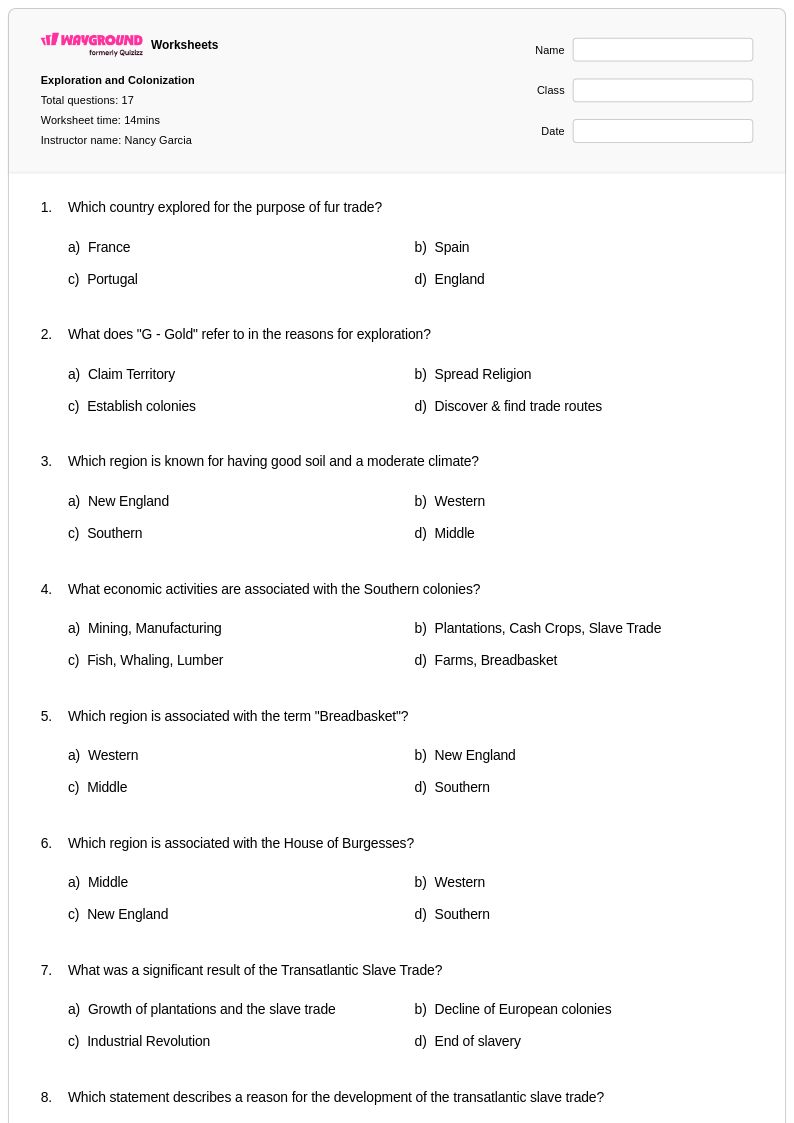
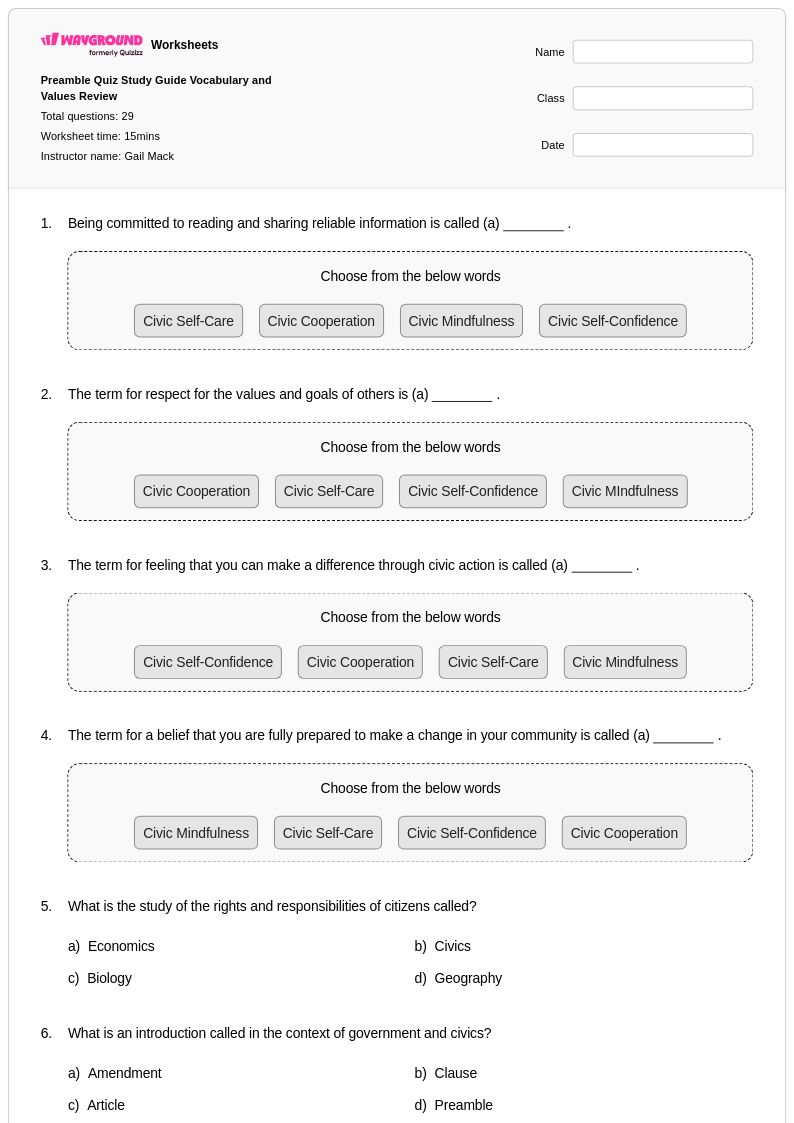
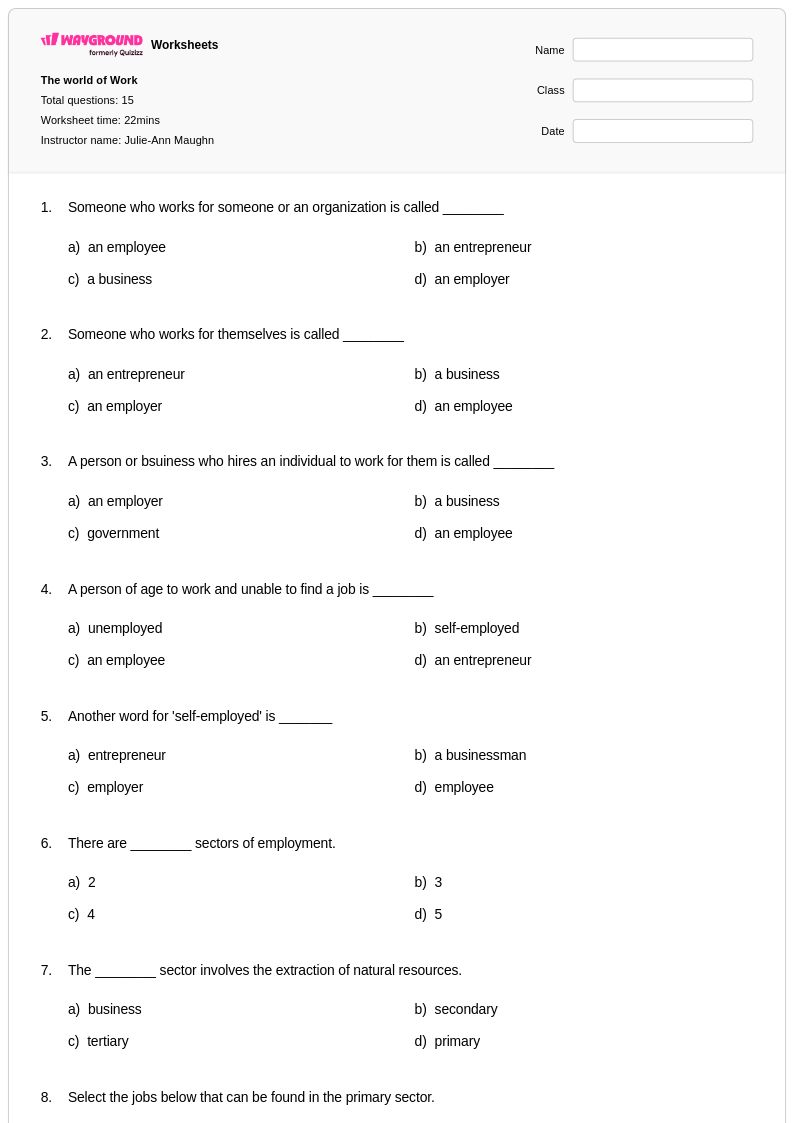
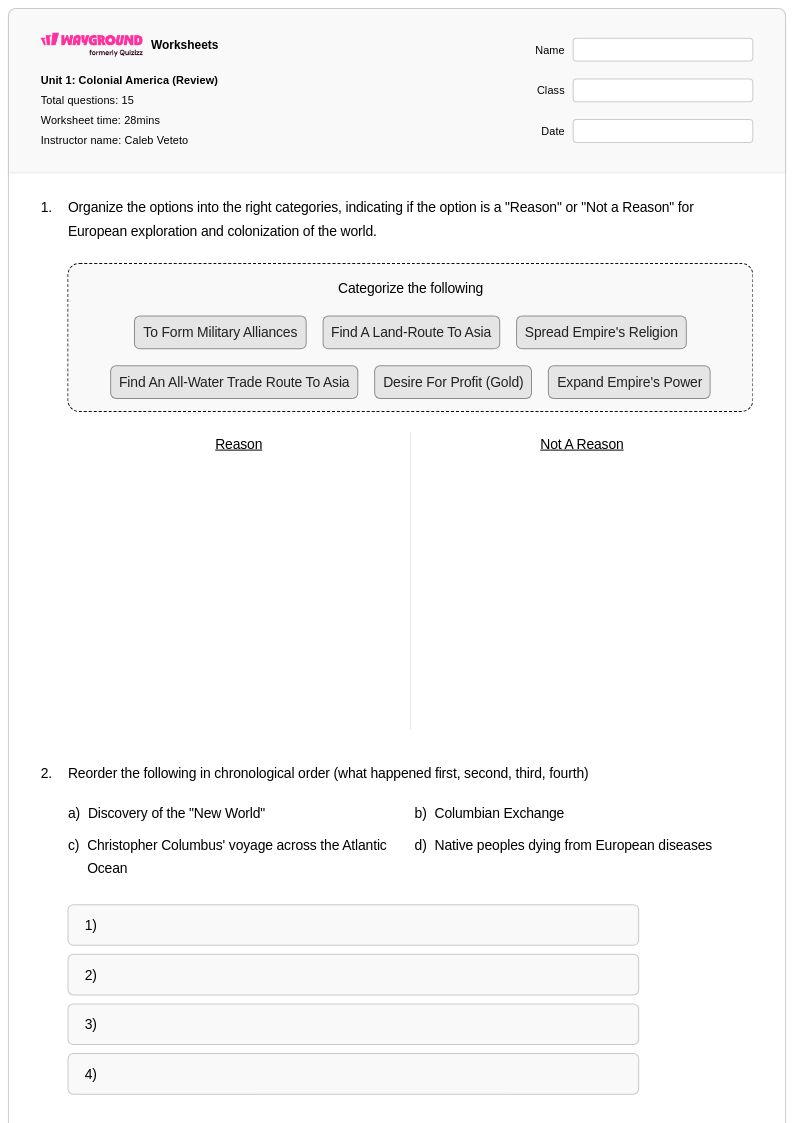
Enhance Grade 8 students' self-image understanding with Wayground's comprehensive collection of free social studies worksheets, featuring printable PDFs, engaging practice problems, and complete answer keys for effective learning.
Explore printable Self Image worksheets for Grade 8
Self image worksheets for Grade 8 social studies provide essential resources for helping middle school students develop critical self-awareness and emotional intelligence skills. These comprehensive materials guide eighth graders through structured activities that explore personal identity, self-perception, and the factors that influence how they view themselves during this pivotal developmental stage. The worksheets strengthen key social-emotional learning competencies including self-reflection, goal setting, and understanding the relationship between thoughts, feelings, and behaviors. Teachers can access complete answer keys and printable pdf formats that make implementation seamless, while the free practice problems allow students to work through real-world scenarios involving peer pressure, academic challenges, and social dynamics that directly impact adolescent self-concept.
Wayground, formerly Quizizz, empowers educators with an extensive collection of teacher-created self image resources specifically designed for Grade 8 social studies instruction. The platform's millions of educational materials include worksheets that align with social-emotional learning standards and can be easily filtered by difficulty level, specific self-image topics, or learning objectives. Teachers benefit from robust differentiation tools that allow customization of content complexity and question types, ensuring materials meet diverse student needs for both remediation and enrichment activities. The flexible digital and printable pdf formats support various classroom configurations and learning environments, while the comprehensive search functionality helps educators quickly locate targeted practice materials for lesson planning and skill-building sessions focused on healthy identity development.
FAQs
How do I teach self-image to students in a classroom setting?
Teaching self-image effectively involves guiding students through structured reflection activities that help them identify their personal strengths, values, and goals rather than relying solely on external comparisons. Start with low-stakes prompts that invite students to describe themselves positively, then gradually introduce activities that connect self-perception to real-world interactions and relationships. Building a classroom culture of psychological safety is essential, as students are more willing to engage honestly with self-reflection when they feel their responses won't be judged.
What exercises help students practice healthy self-perception?
Effective practice exercises for self-image include guided journaling prompts, strength-mapping activities, and structured reflection tasks where students examine how their personal values and achievements shape their identity. Worksheets that ask students to list specific accomplishments, identify personal qualities they're proud of, and reflect on areas for growth give self-image work a concrete, actionable form. These activities work best when revisited regularly so students can track how their self-perception evolves over time.
What mistakes do students commonly make when reflecting on their self-image?
One of the most common errors is confusing self-image with self-esteem, leading students to focus on how much they like themselves rather than how accurately they understand themselves. Students also tend to define their self-image almost entirely through social comparisons, which can distort their sense of personal identity. Another frequent misconception is treating self-image as fixed, so it helps to explicitly teach that self-perception is developed and can shift as students gain new experiences and self-awareness.
How can self-image worksheets support social-emotional learning goals?
Self-image worksheets directly address core SEL competencies including self-awareness, responsible decision-making, and positive self-identity by giving students structured prompts to examine their values, goals, and personal strengths. When integrated consistently into SEL instruction, these worksheets create a documentation trail of student growth in self-perception and emotional understanding. They also open natural entry points for classroom discussions about how self-image influences how students relate to peers and navigate challenges.
How do I use Wayground's self-image worksheets in my classroom?
Wayground's self-image worksheets are available as printable PDFs for traditional classroom use and in digital formats for technology-integrated learning environments, giving teachers flexibility to assign them as independent work, group discussions, or guided reflection sessions. Teachers can also host worksheets as a quiz directly on Wayground, which adds an interactive layer to self-assessment activities. Each worksheet includes a complete answer key to support meaningful debrief conversations and student self-evaluation.
How can I differentiate self-image activities for students at different developmental stages?
Differentiation for self-image work often means adjusting the complexity of reflection prompts and the degree of scaffolding provided. Younger or developing learners may need sentence starters and visual supports, while more advanced students can handle open-ended prompts that push deeper analysis of how their self-image intersects with their goals and relationships. On Wayground, teachers can apply accommodations such as read aloud support and reduced answer choices to individual students, ensuring all learners can engage meaningfully with self-reflection activities regardless of reading level or cognitive load.