Free Printable Standard Plate Count Worksheets for Grade 10
Grade 10 biology worksheets on standard plate count help students master bacterial enumeration techniques through printable practice problems, free PDF exercises, and comprehensive answer keys for microbiology proficiency.
Explore printable Standard Plate Count worksheets for Grade 10
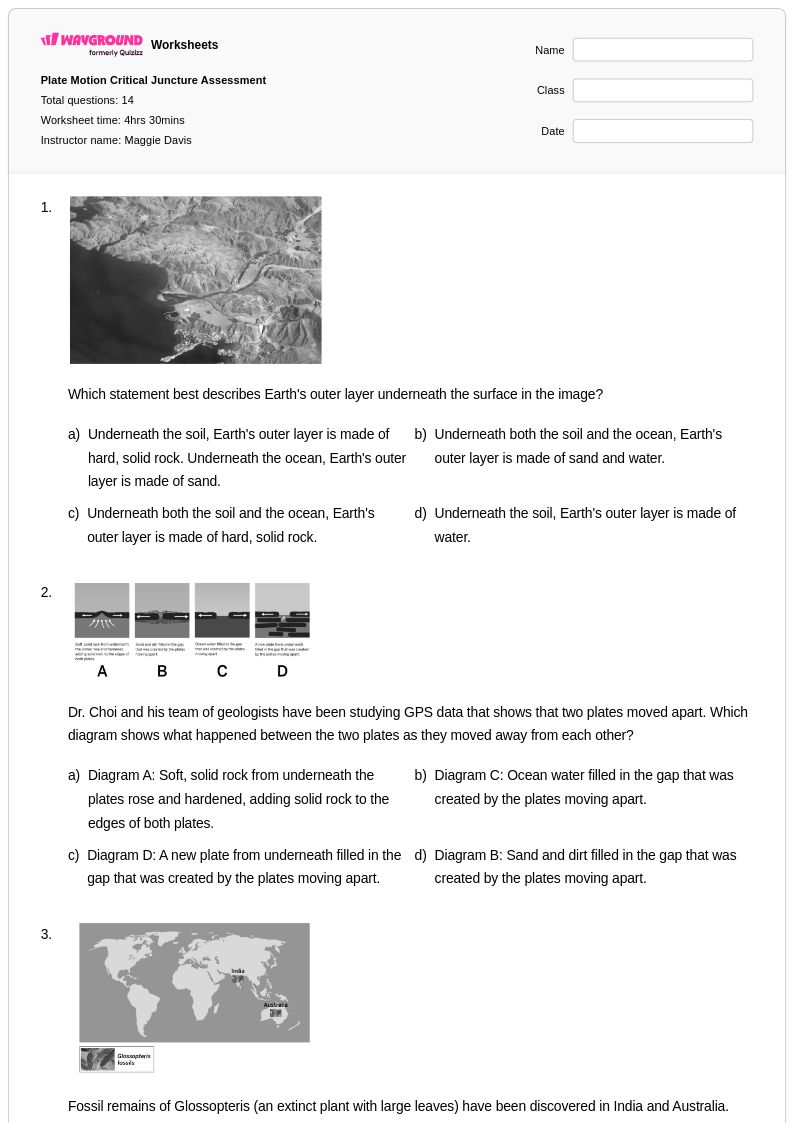
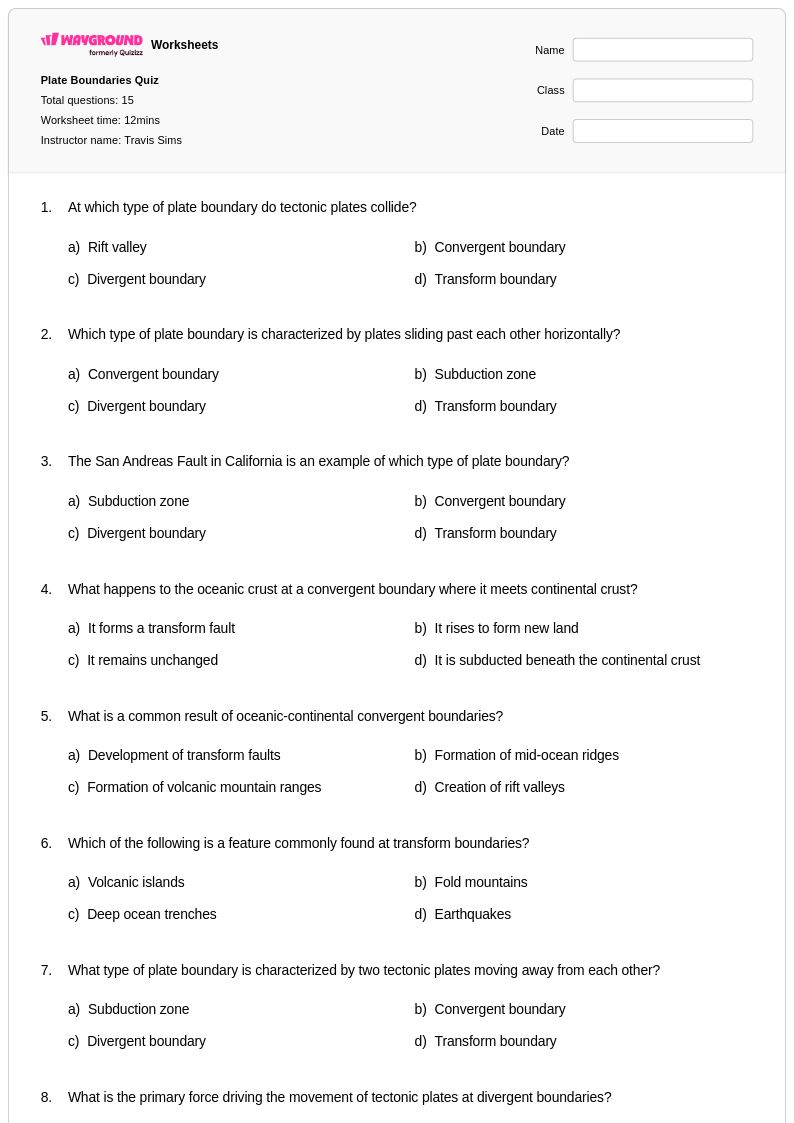
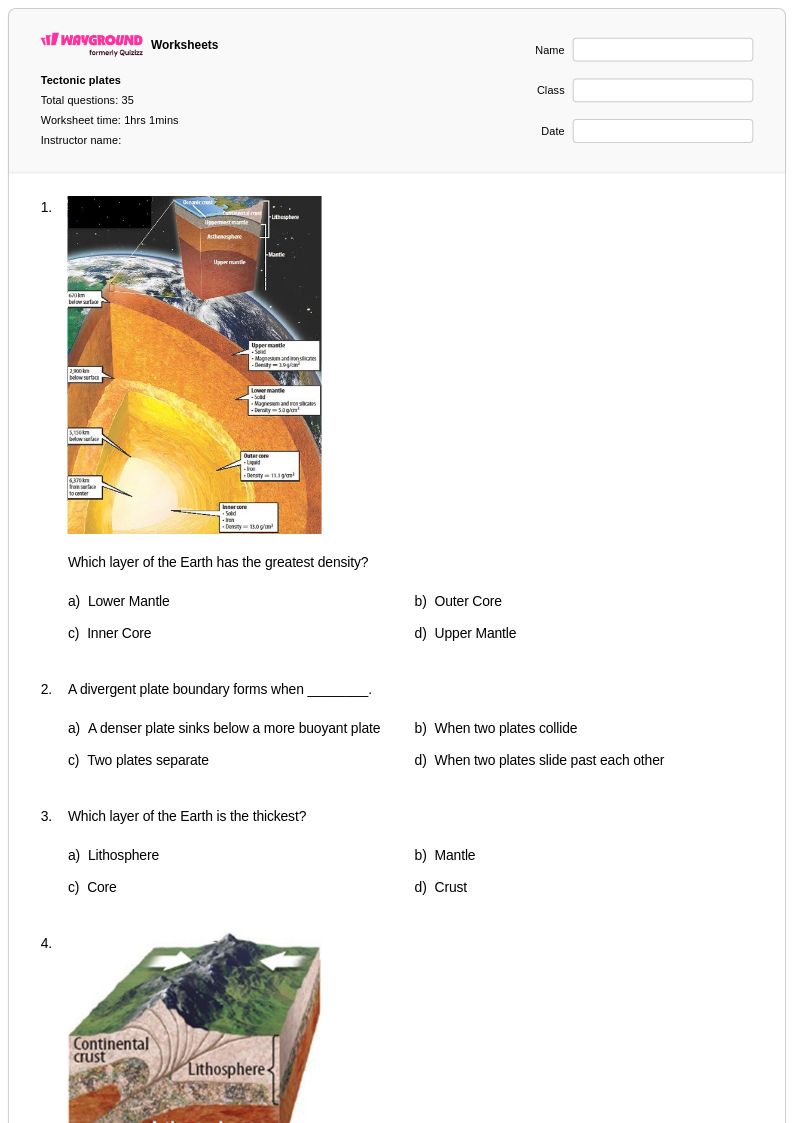
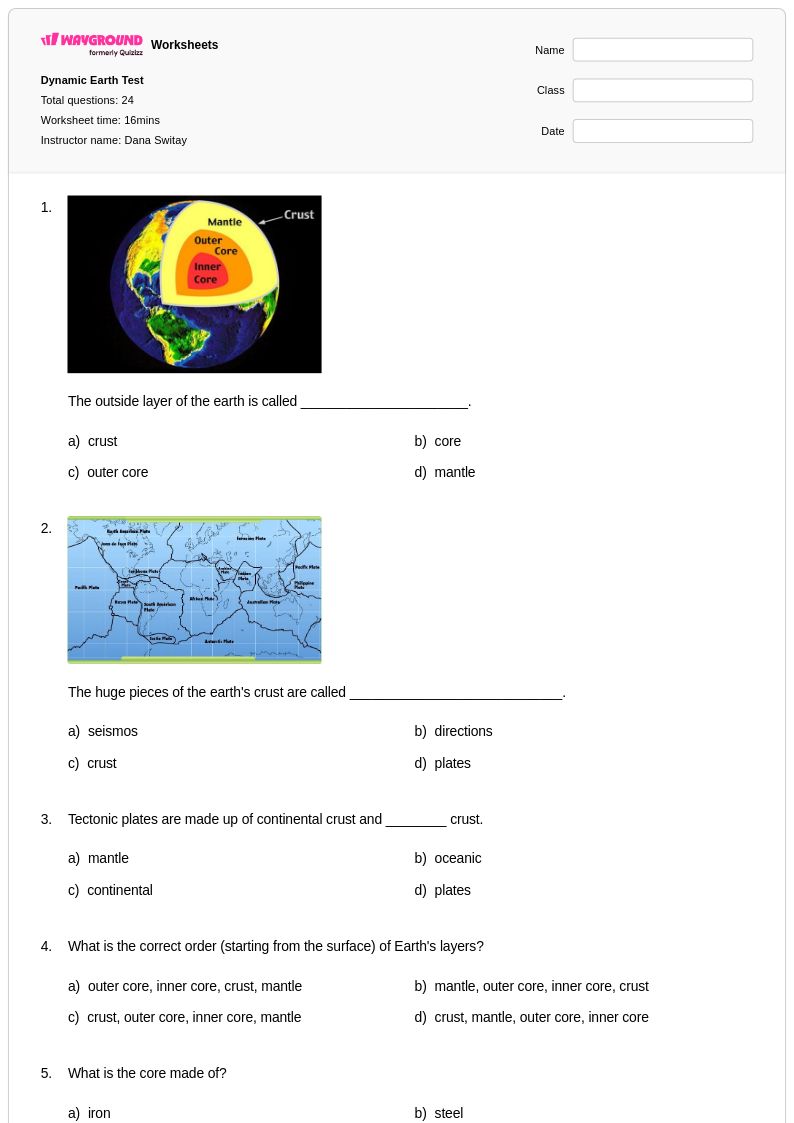
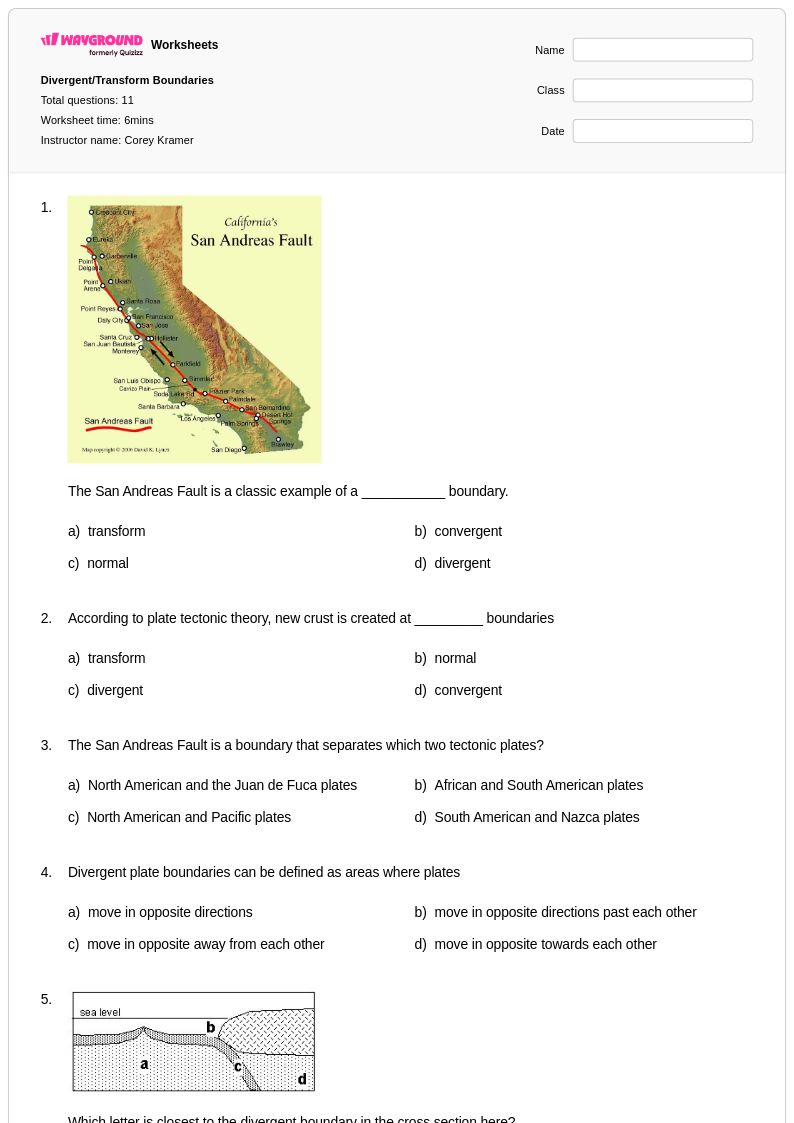
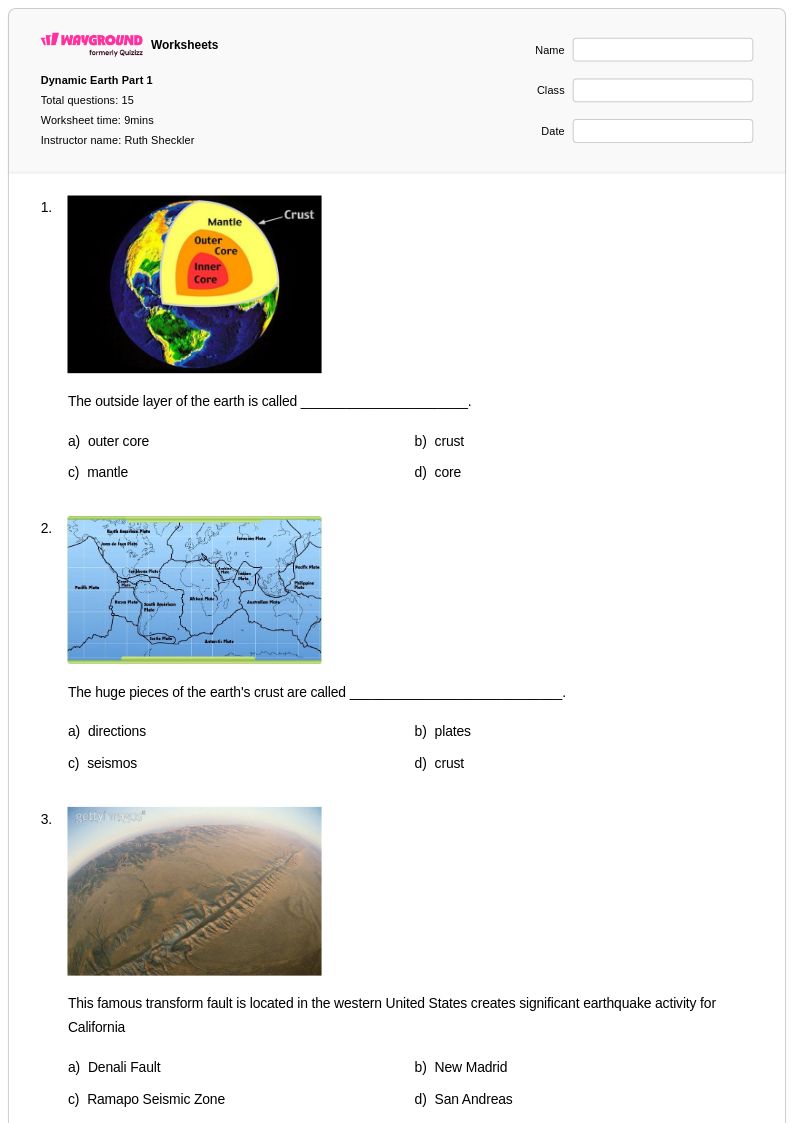
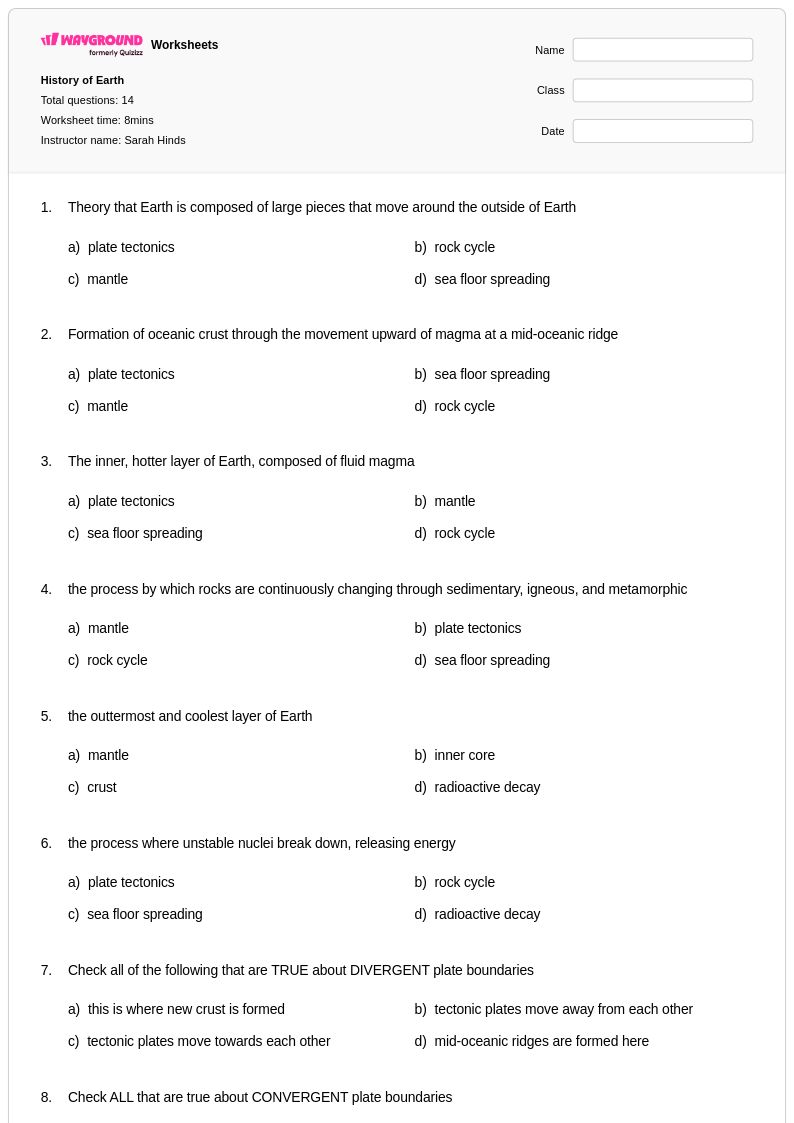
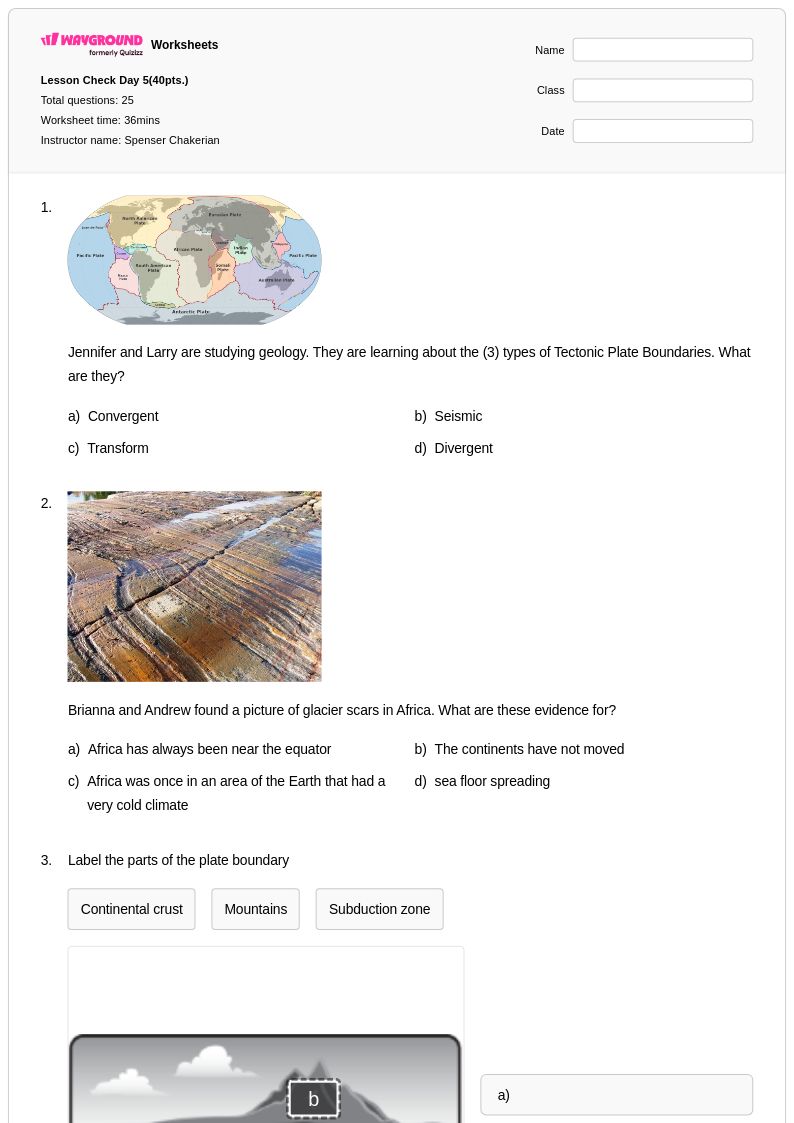
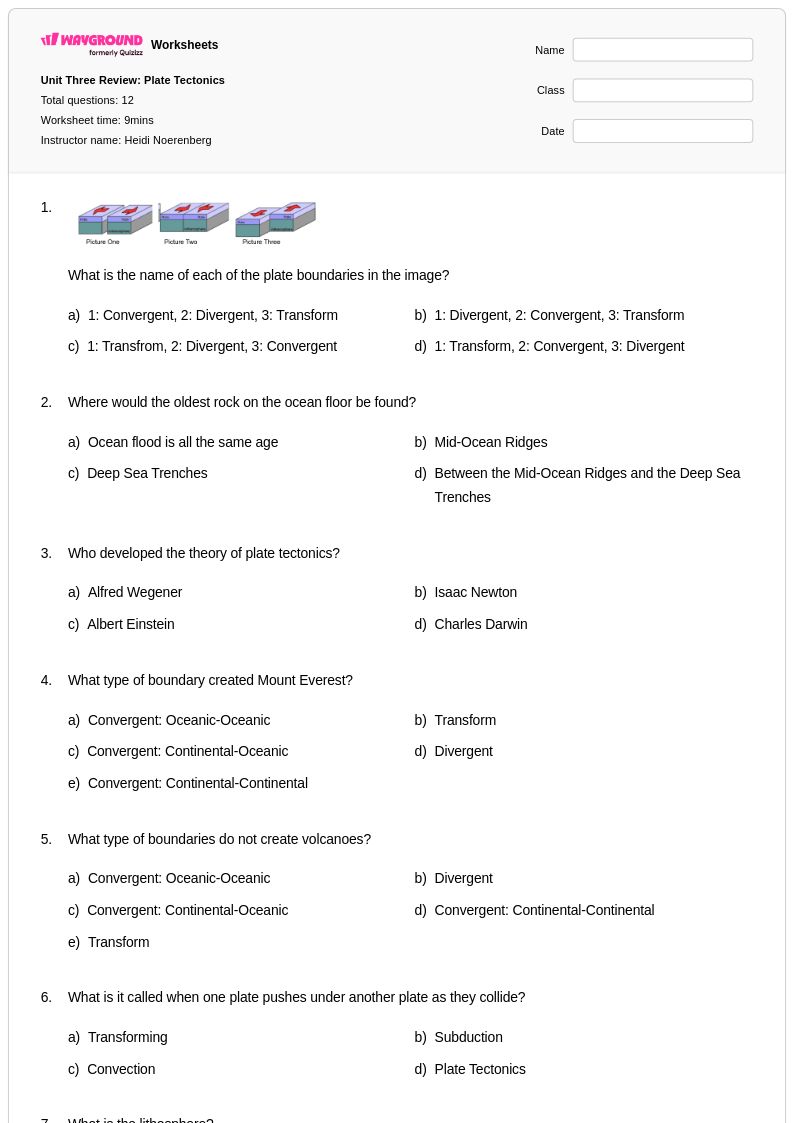
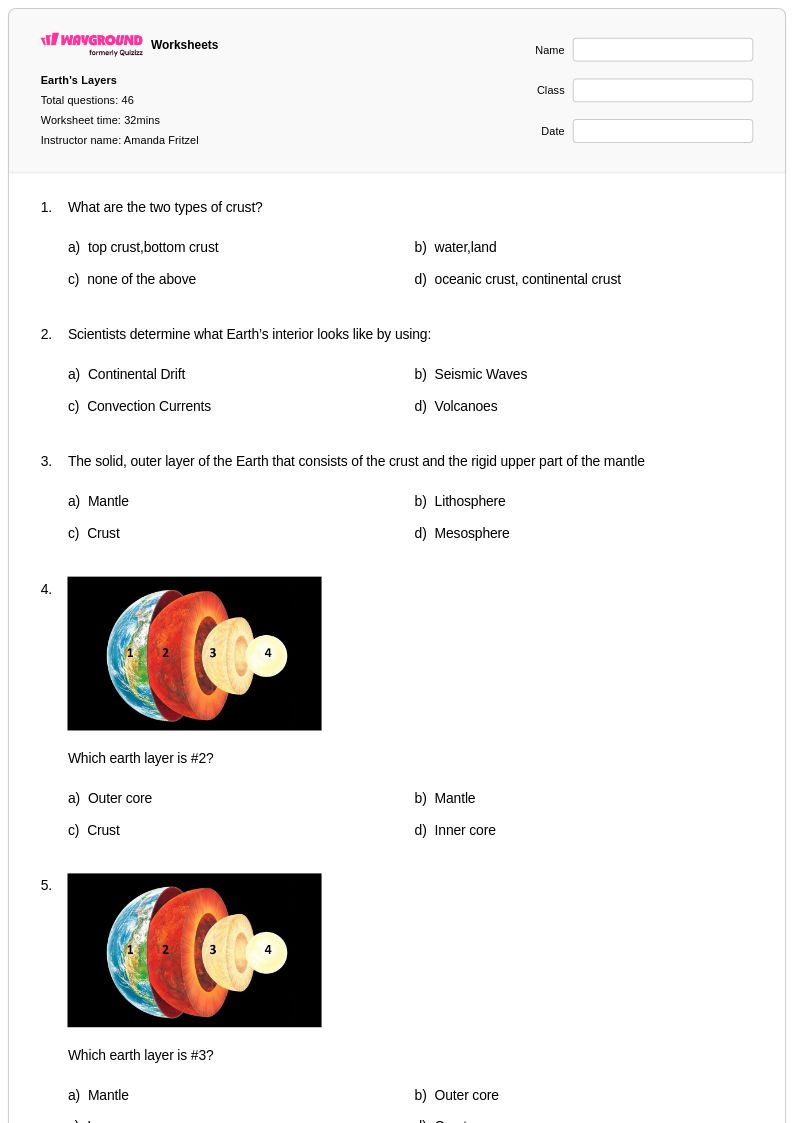
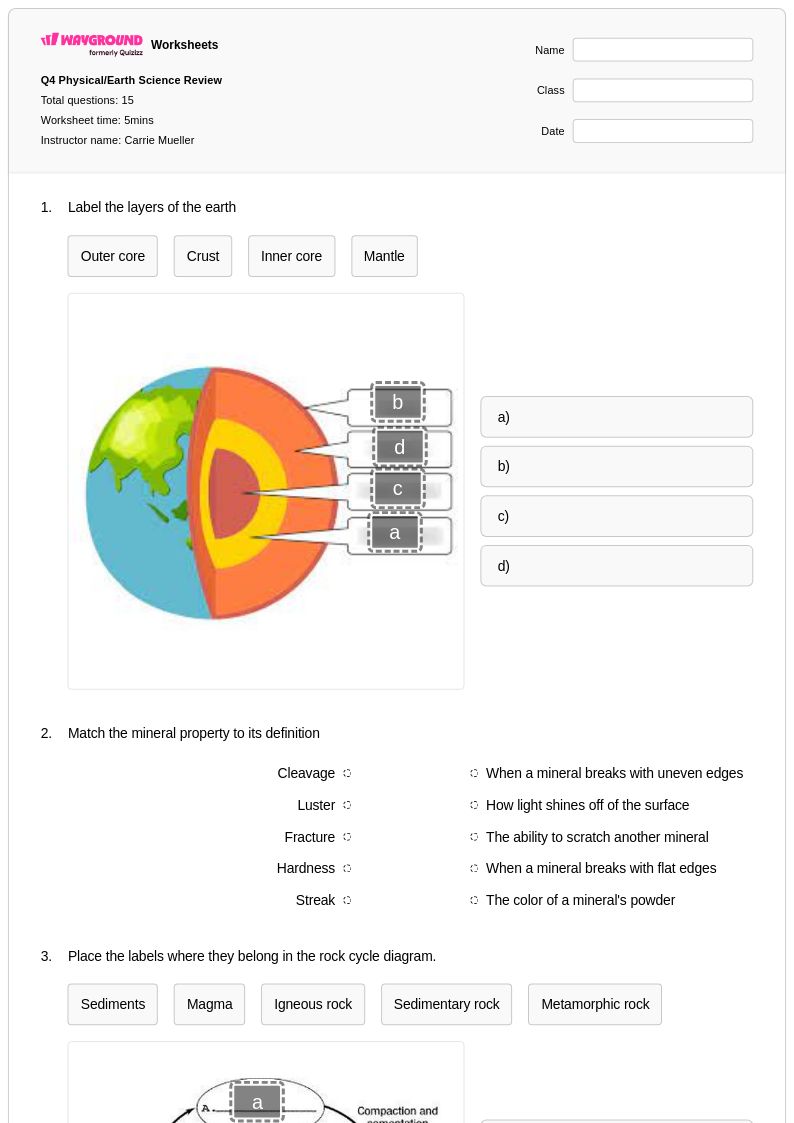
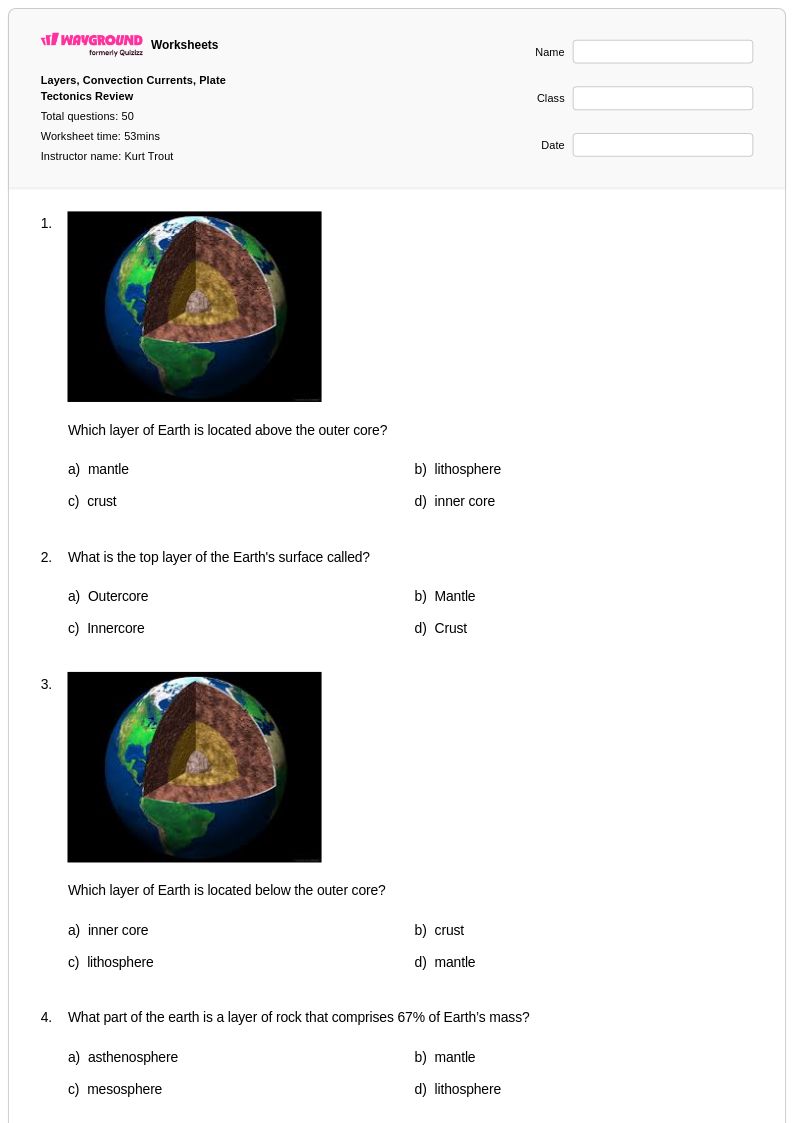
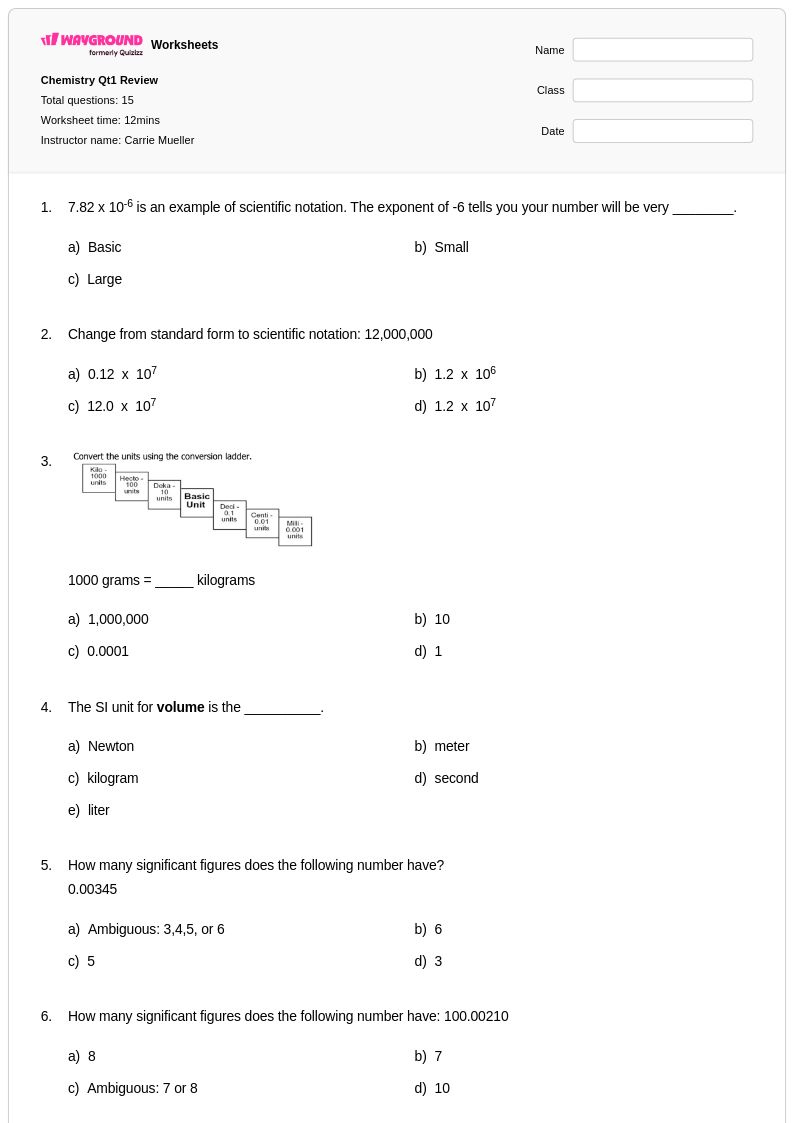
Standard plate count worksheets for Grade 10 biology students available through Wayground (formerly Quizizz) provide comprehensive practice in quantitative microbiology techniques essential for understanding bacterial enumeration and growth analysis. These educational resources strengthen critical laboratory skills including serial dilution calculations, colony counting methodologies, and statistical interpretation of microbial populations in various sample types. Students develop proficiency in converting between dilution factors, calculating colony forming units per milliliter, and analyzing the reliability of plate count data through structured practice problems that mirror real-world laboratory scenarios. The worksheet collections include detailed answer keys and are available as free printables in pdf format, allowing educators to seamlessly integrate hands-on microbiology concepts into their curriculum while building students' quantitative reasoning abilities.
Wayground (formerly Quizizz) supports biology educators with an extensive library of millions of teacher-created standard plate count worksheet resources that can be easily searched, filtered, and customized to match specific classroom needs and standards alignment requirements. The platform's robust differentiation tools enable teachers to modify complexity levels, adjust problem sets for varying student abilities, and create targeted practice sessions for remediation or enrichment purposes. These worksheet collections are available in both printable and digital formats, including downloadable pdf versions, providing maximum flexibility for in-class activities, homework assignments, or laboratory preparation exercises. Teachers can efficiently plan comprehensive microbiology units by accessing ready-to-use materials that cover fundamental plate counting techniques, mathematical applications, and data analysis skills essential for advanced biology coursework.
FAQs
How do I teach standard plate count to biology students?
Teaching standard plate count effectively begins with grounding students in serial dilution logic before moving to colony counting and CFU calculations. Use real or simulated petri plate images so students can practice counting colonies in context, then work through the math of dilution factors systematically. Connecting the technique to applied settings like food safety testing or water quality monitoring helps students understand why accurate quantification of viable bacteria matters in professional laboratory work.
What practice problems help students learn serial dilution and CFU calculations?
The most effective practice problems for standard plate count give students a dilution series, a colony count from a specific plate, and ask them to back-calculate the original concentration of bacteria in CFU per milliliter. Problems should vary the dilution factor and countable plate range so students learn to identify which plates fall within the 30–300 colony counting window. Structured practice that mirrors real laboratory scenarios, including edge cases like too-high or too-low colony counts, builds the mathematical fluency students need for applied microbiology.
What mistakes do students commonly make when calculating colony forming units?
The most frequent error is forgetting to account for the dilution factor when calculating CFU per mL, leading to answers that are off by several orders of magnitude. Students also commonly misidentify which plates are countable, either including plates with fewer than 30 or more than 300 colonies when those results should be flagged as TNTC or TFTC. A third common mistake is confusing the volume plated with the total sample volume, which throws off the final concentration calculation.
How can I use standard plate count worksheets to prepare students for lab work?
Standard plate count worksheets on Wayground are available as printable PDFs for traditional pre-lab preparation and in digital formats for technology-integrated classrooms, including the option to host them as a quiz directly on Wayground. Using worksheets before students enter the lab ensures they can execute dilution calculations and interpret colony counts without procedural confusion slowing them down. Digital formats are especially useful for remote or hybrid settings where students need to practice quantitative microbiology skills independently before an in-person lab session.
How do I differentiate standard plate count instruction for students at different skill levels?
For students who are still building number sense around scientific notation and dilution math, start with single-step dilution problems before introducing full serial dilution series. More advanced students can be challenged with multi-variable problems that include statistical analysis of replicate plates or real-world applications in clinical or environmental microbiology. On Wayground, teachers can apply accommodations such as reduced answer choices or read-aloud support for individual students, allowing the same worksheet to serve a range of learners without requiring separate materials.
What are the real-world applications of standard plate count that I should connect to classroom instruction?
Standard plate count is used across food safety testing, water quality monitoring, and clinical microbiology to quantify viable bacterial populations in samples. Connecting worksheet problems to these contexts, such as asking students to determine whether a water sample exceeds safe bacterial limits, makes the math feel purposeful rather than abstract. These applied framings also align well with career and technical education pathways in biotechnology, environmental science, and public health.