
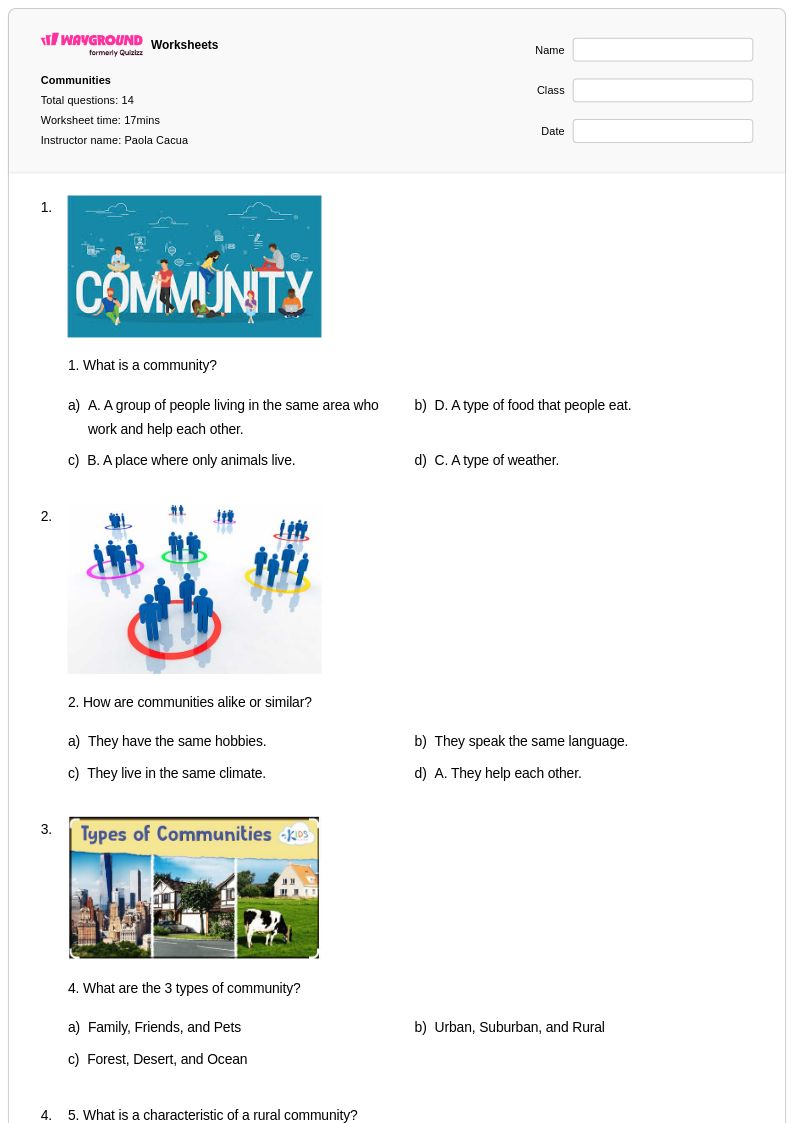
14 Q
2nd - Uni
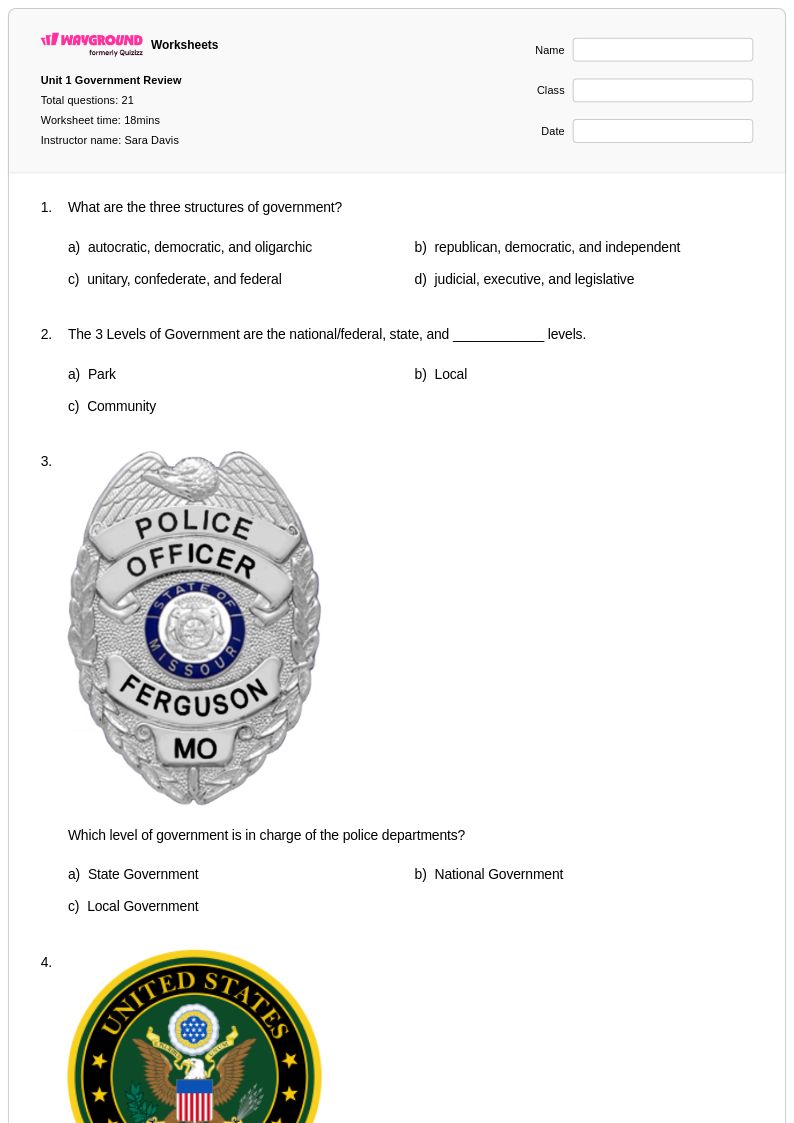
21 Q
7th - Uni
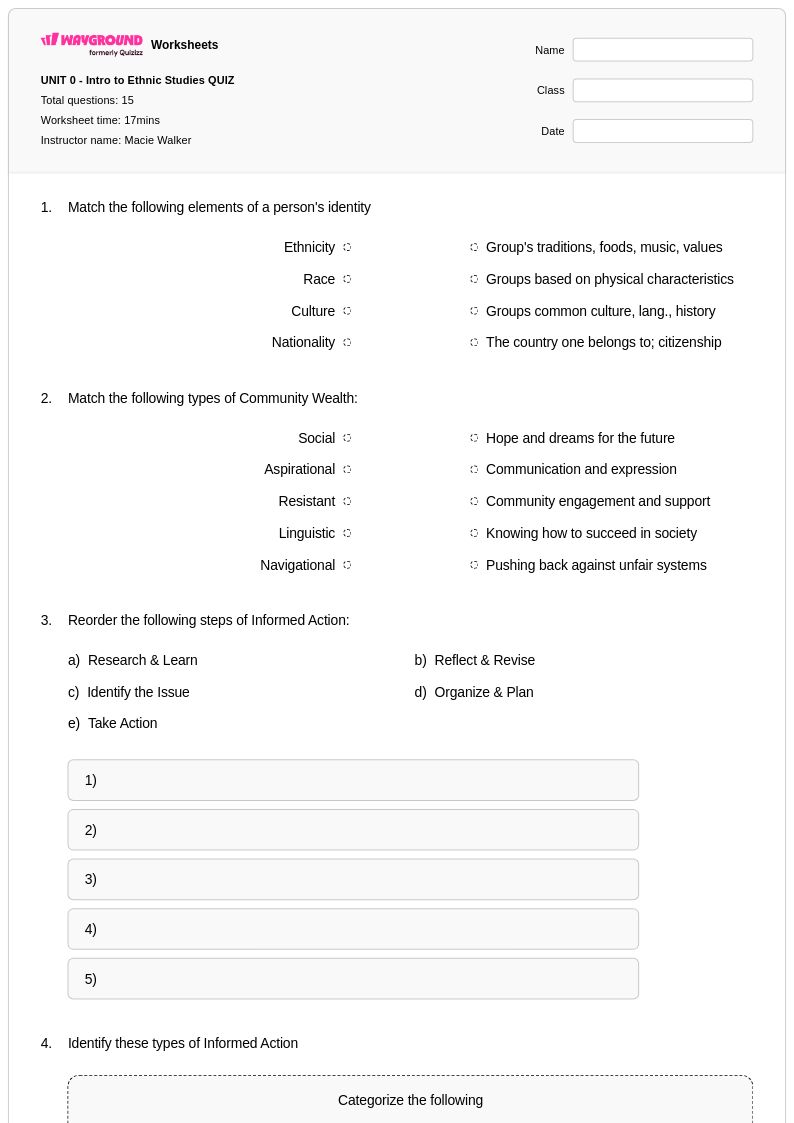
16 Q
11th
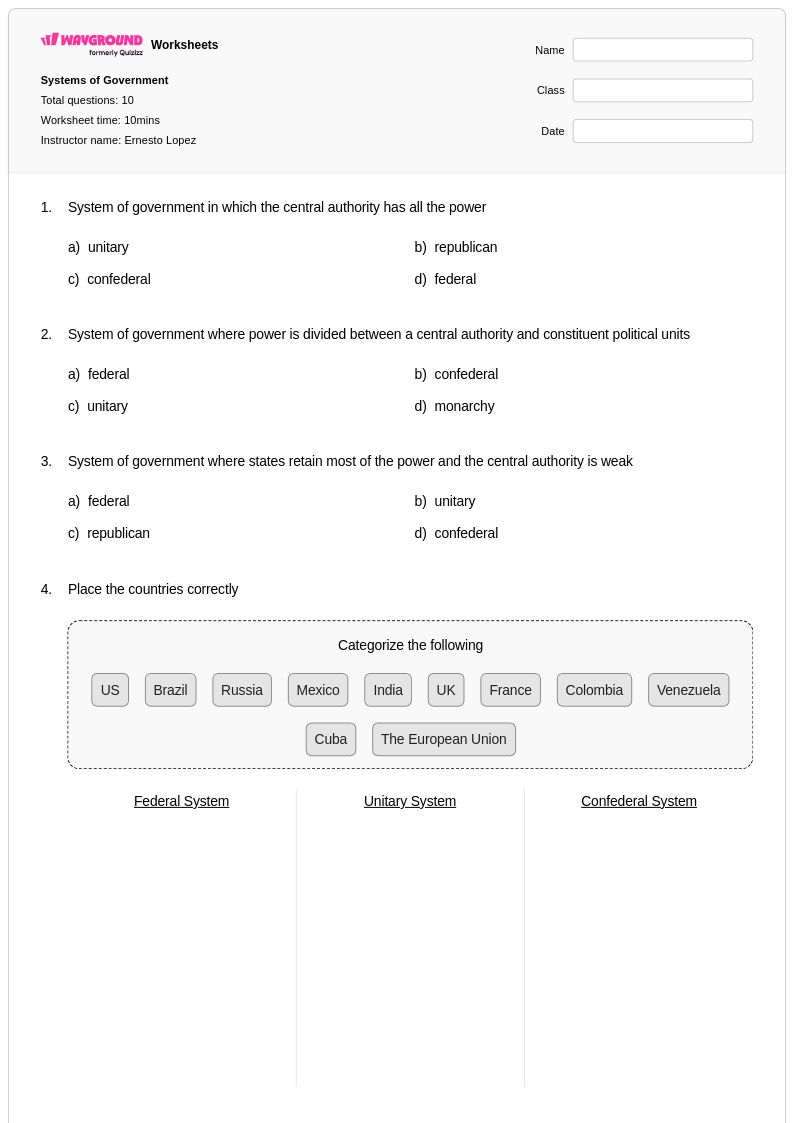
10 Q
7th - Uni
26 Q
9th - Uni
16 Q
6th - Uni
10 Q
9th - 12th
11 Q
11th
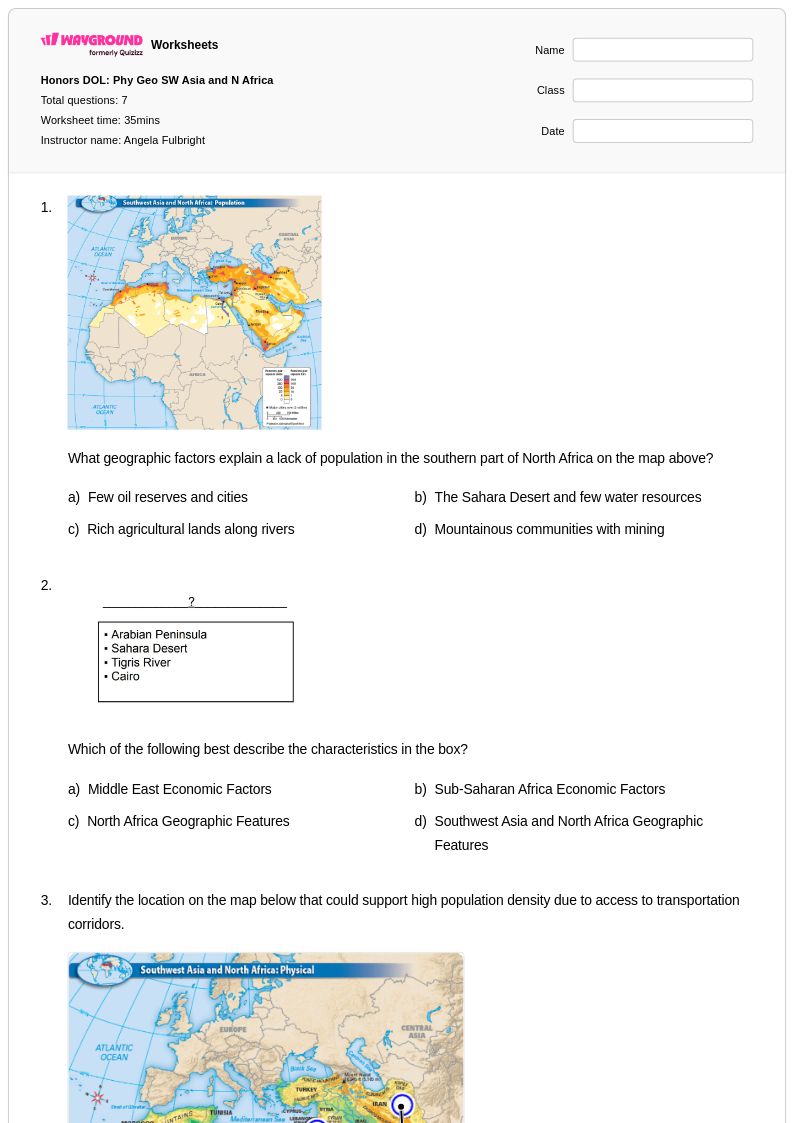
7 Q
6th - Uni
26 Q
11th
18 Q
9th - 12th
25 Q
8th - Uni
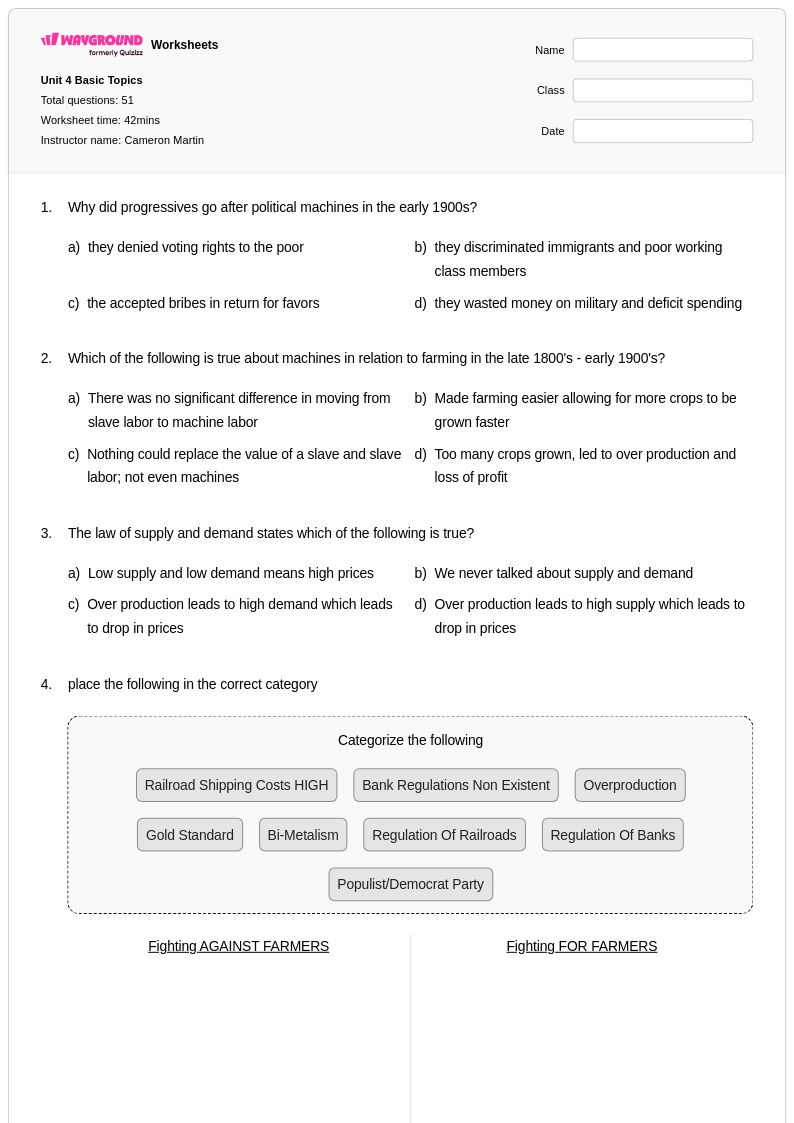
51 Q
9th - 12th
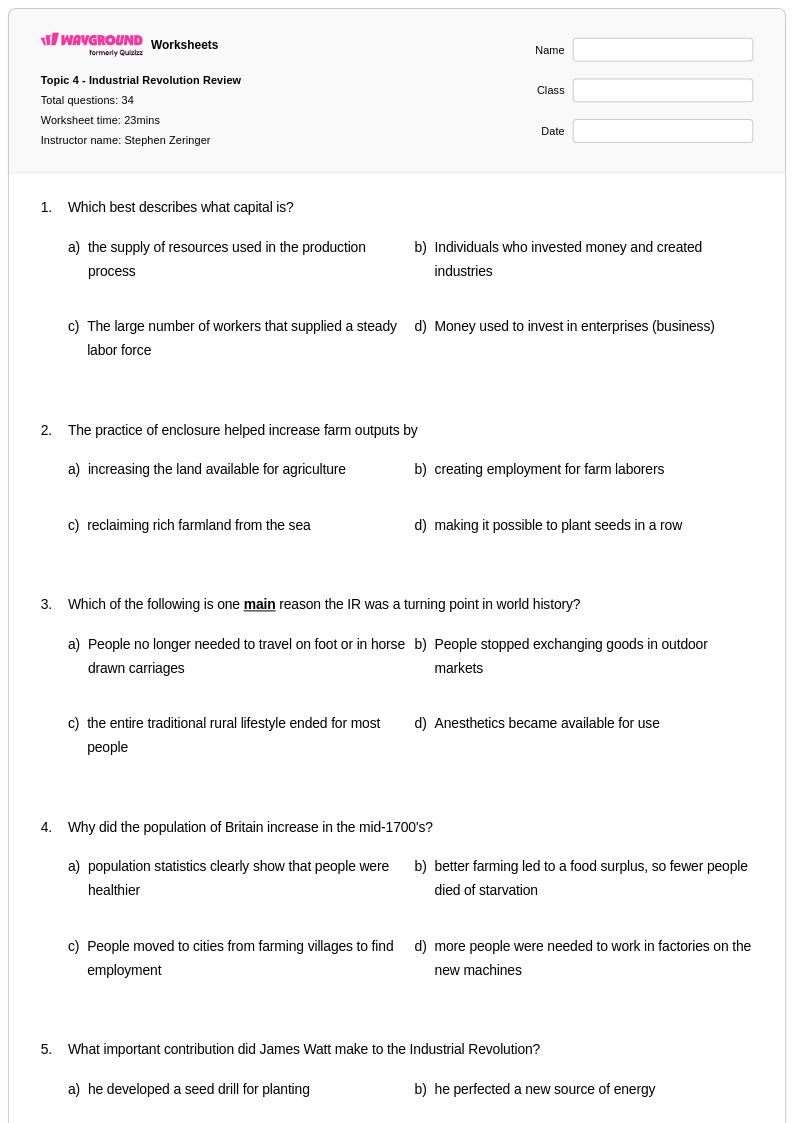
36 Q
11th
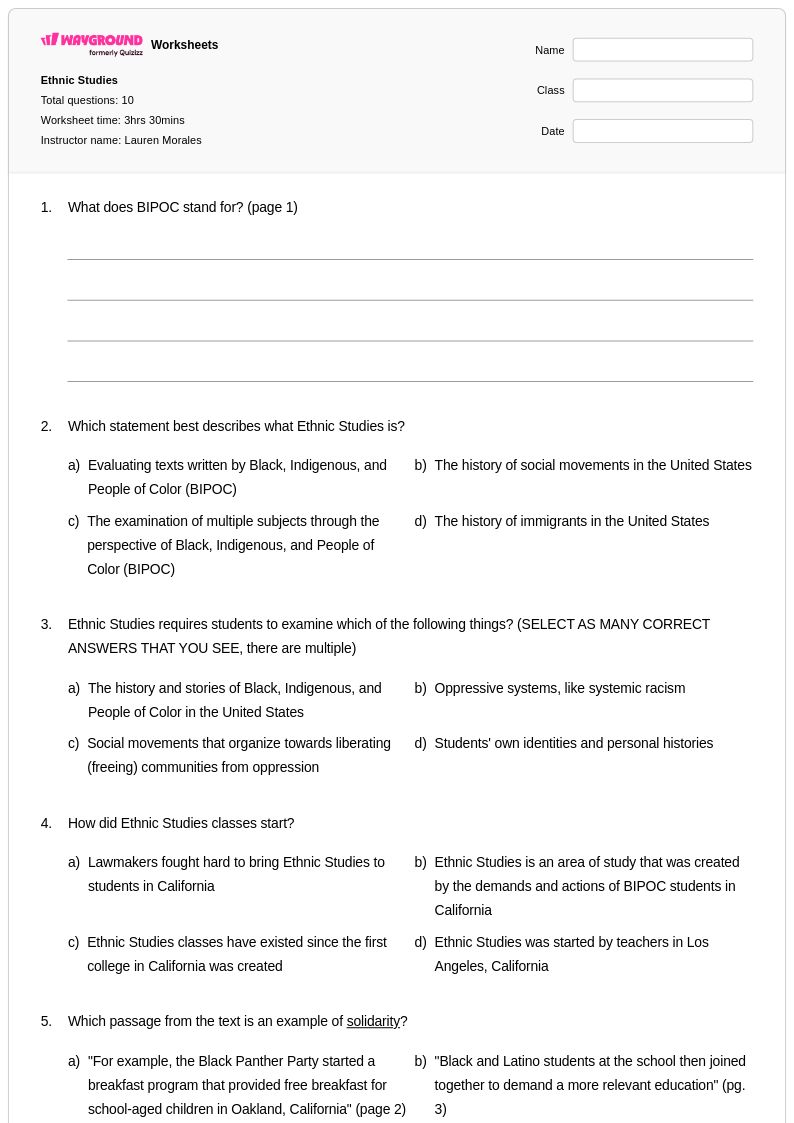
10 Q
9th - 12th
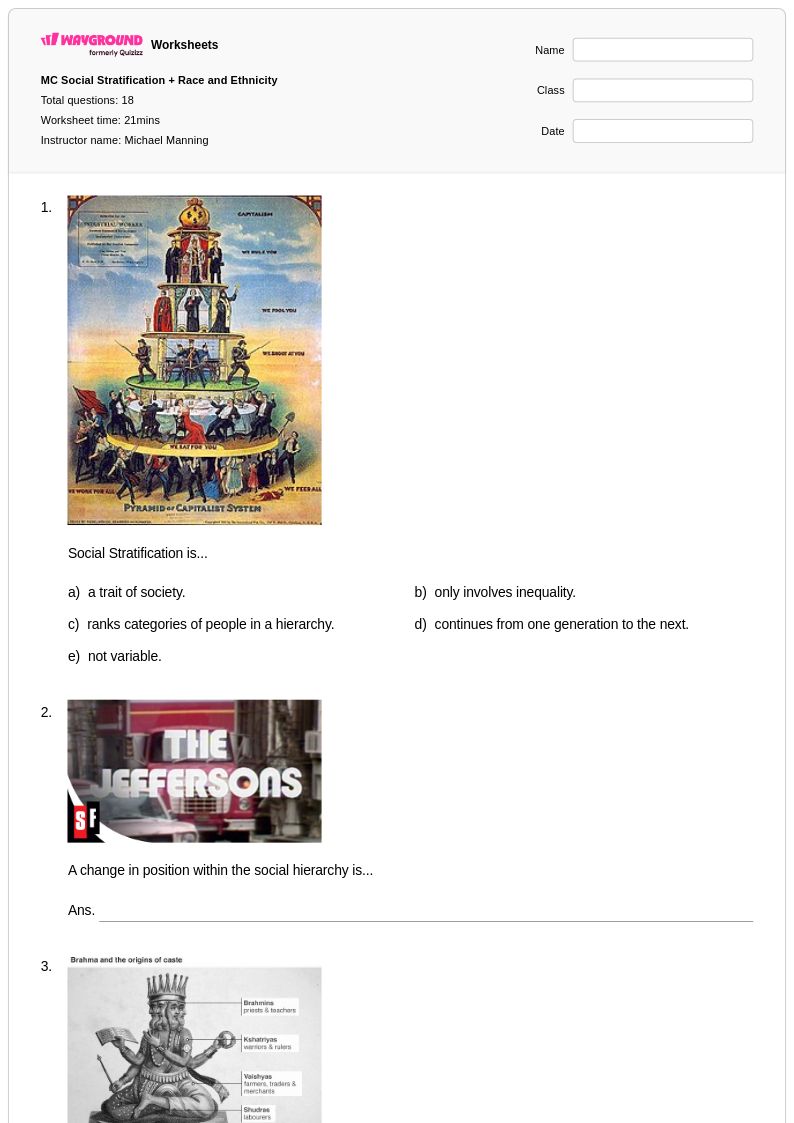
18 Q
11th
11 Q
9th - 12th
20 Q
11th
19 Q
11th
25 Q
8th - Uni
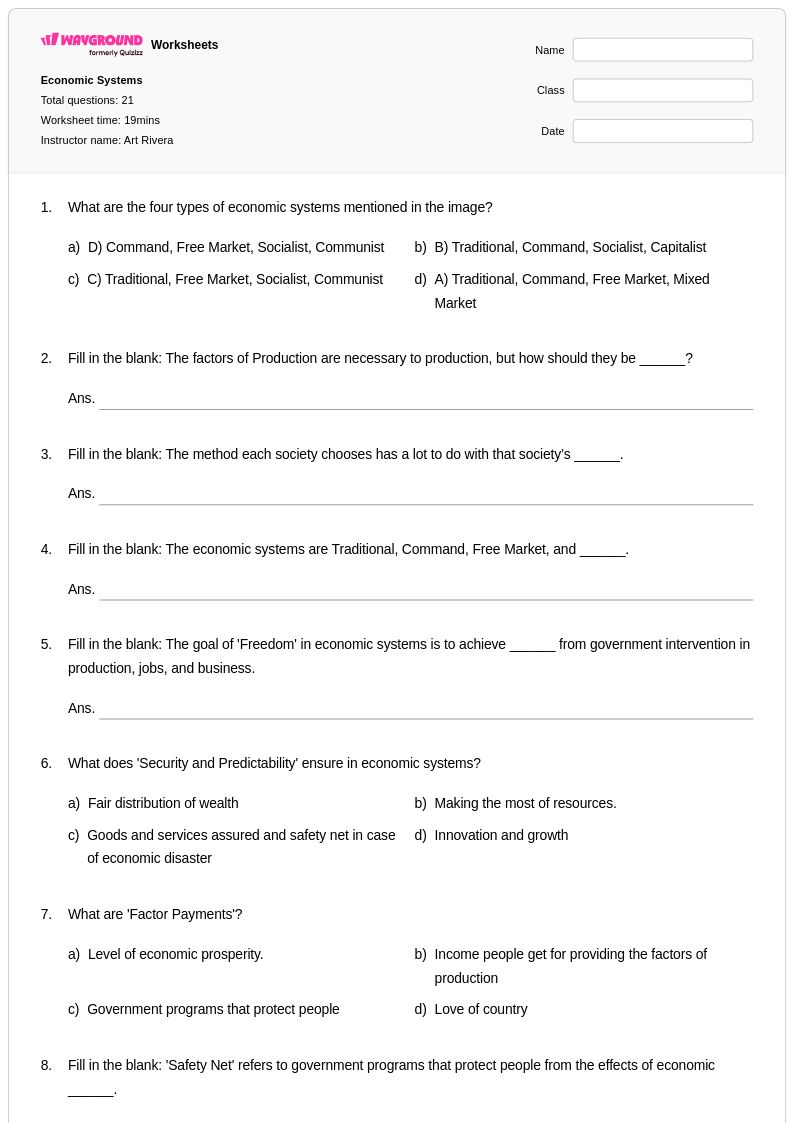
21 Q
9th - 12th
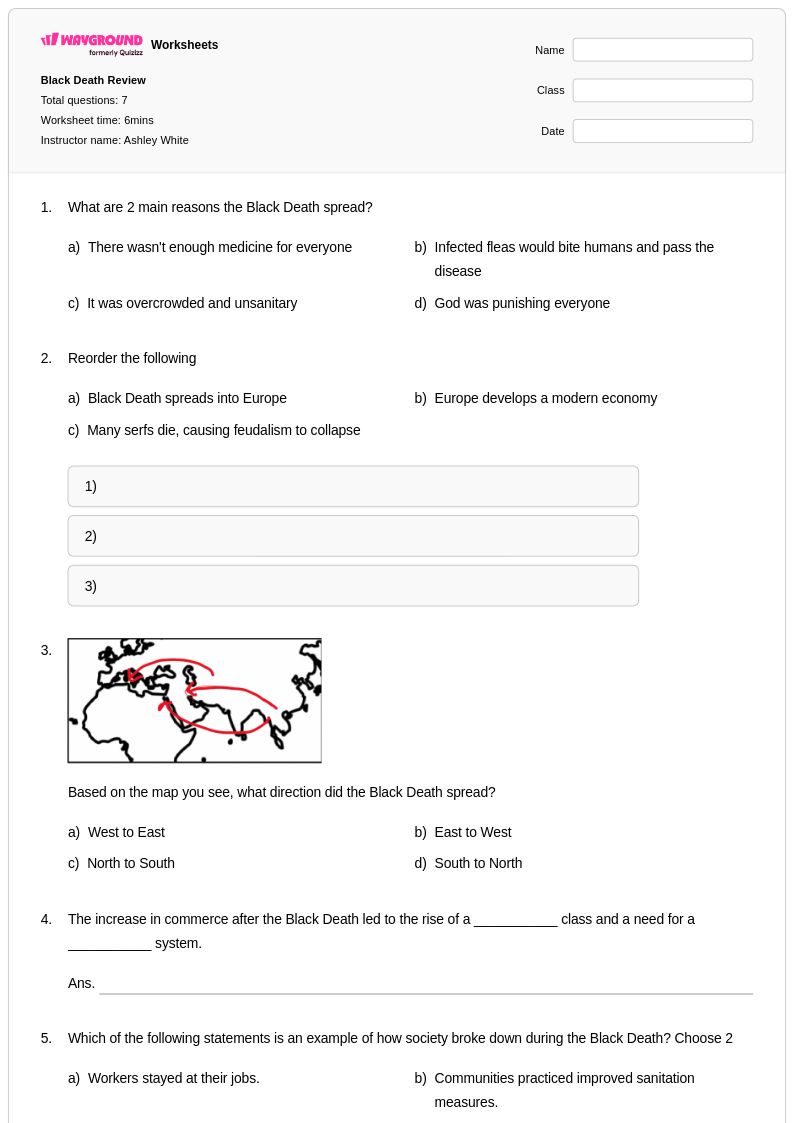
7 Q
7th - Uni
Explore Support Systems in Communities Worksheets by Grades
Explore Other Subject Worksheets for grade 11
Explore printable Support Systems in Communities worksheets for Grade 11
Support systems in communities serve as crucial networks that strengthen social bonds and provide essential resources for individuals and families, making this topic a vital component of Grade 11 social studies curriculum. Wayground's comprehensive collection of worksheets focusing on community support systems helps students analyze the interconnected relationships between formal and informal support networks, including government agencies, nonprofit organizations, religious institutions, family structures, and peer groups. These educational resources strengthen critical thinking skills as students examine how different communities organize themselves to address social needs, economic challenges, and cultural preservation. The worksheets include detailed answer keys that guide educators through complex concepts while providing free printable materials that support diverse learning styles. Students engage with practice problems that require them to evaluate the effectiveness of various support mechanisms, analyze case studies of community resilience, and identify gaps in existing support structures within different cultural contexts.
Wayground's extensive library of millions of teacher-created resources provides educators with unprecedented access to high-quality materials specifically designed for exploring community support systems at the Grade 11 level. The platform's advanced search and filtering capabilities enable teachers to locate worksheets that align with specific curriculum standards while offering differentiation tools that accommodate varying student abilities and learning preferences. These customizable resources are available in both printable PDF formats and interactive digital versions, allowing for seamless integration into classroom instruction, homework assignments, and independent study sessions. Teachers benefit from the flexibility to modify content for remediation purposes, extend learning through enrichment activities, and provide targeted skill practice that reinforces understanding of how communities create sustainable support networks. The comprehensive nature of these materials supports effective lesson planning while ensuring students develop a sophisticated understanding of the social, economic, and cultural factors that influence community resilience and collective problem-solving strategies.
FAQs
How do I teach support systems in communities to my students?
What activities help students practice identifying support systems in a community?
What mistakes do students commonly make when learning about community support systems?
How do I use Support Systems in Communities worksheets in my classroom?
How can I differentiate support systems instruction for students at different levels?
Why is understanding support systems in communities important for social studies?