
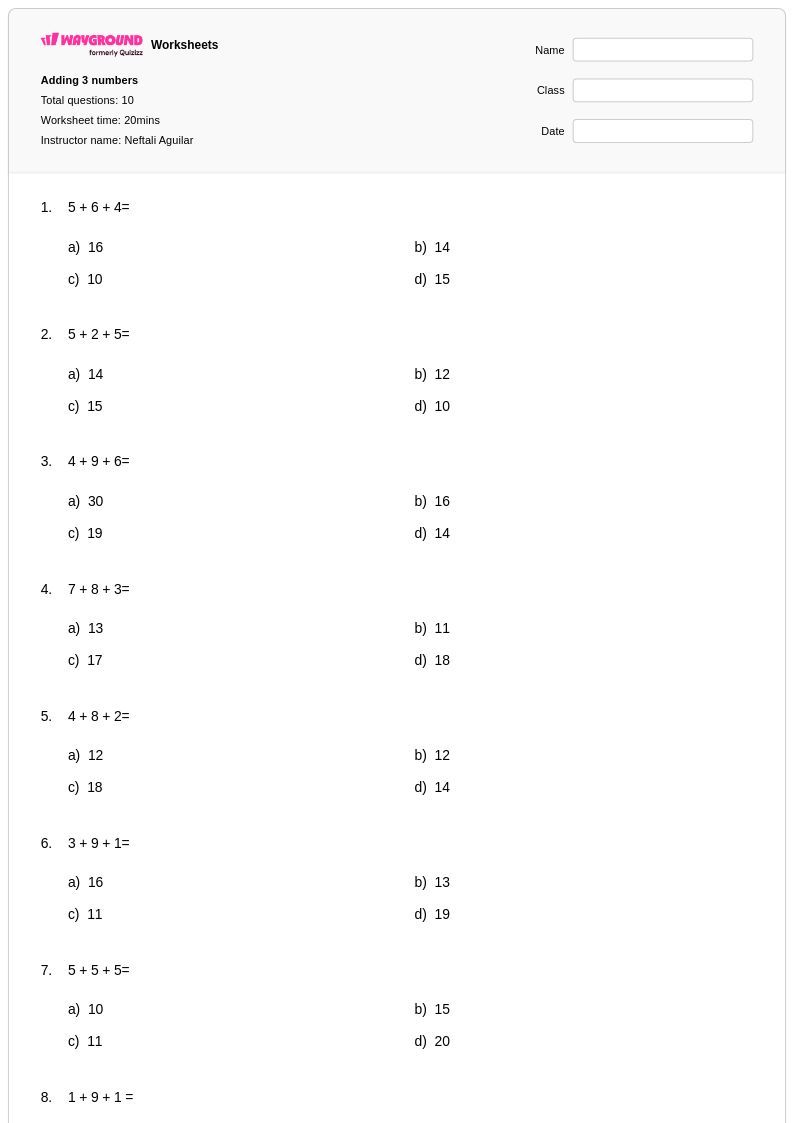
10 Q
1st
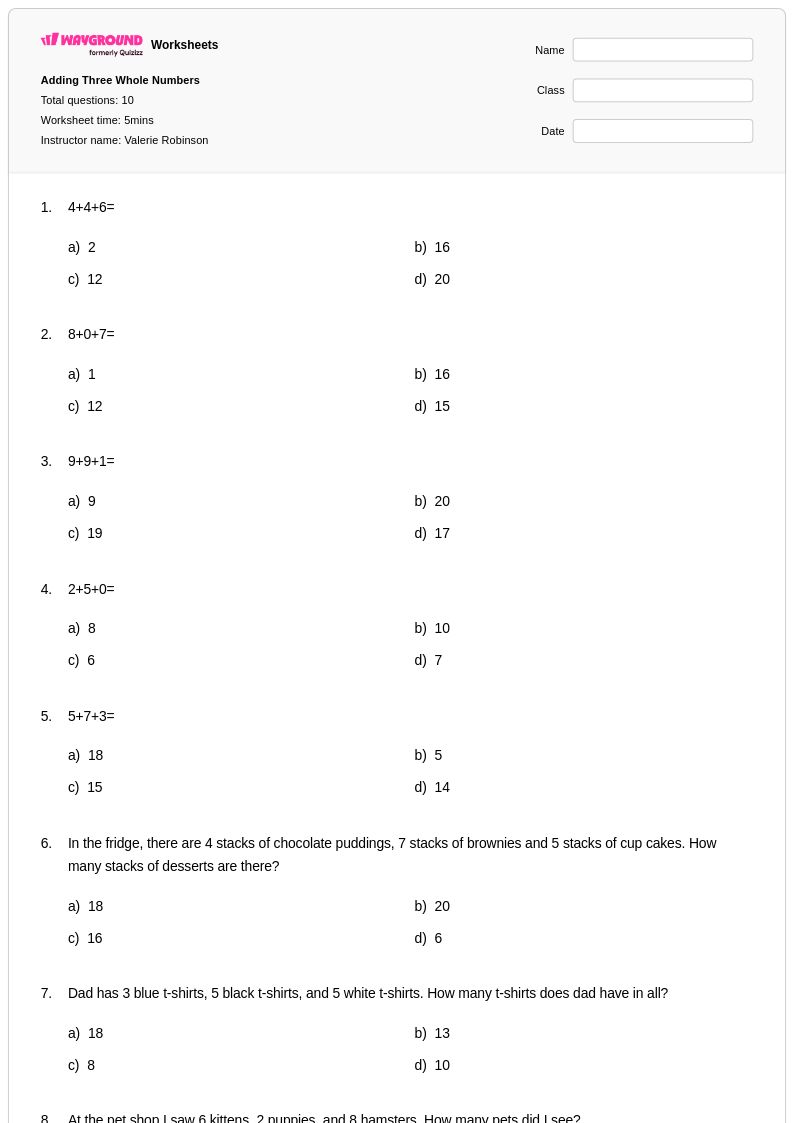
10 Q
1st
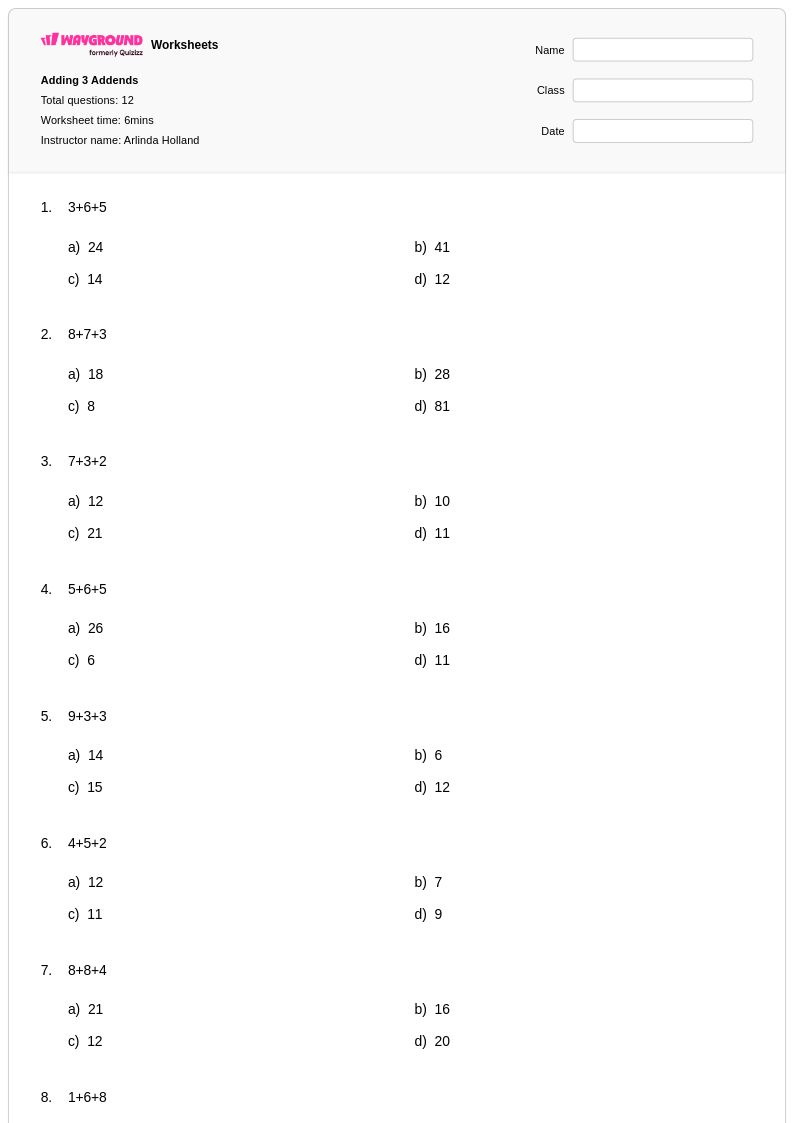
12 Q
1st - 2nd
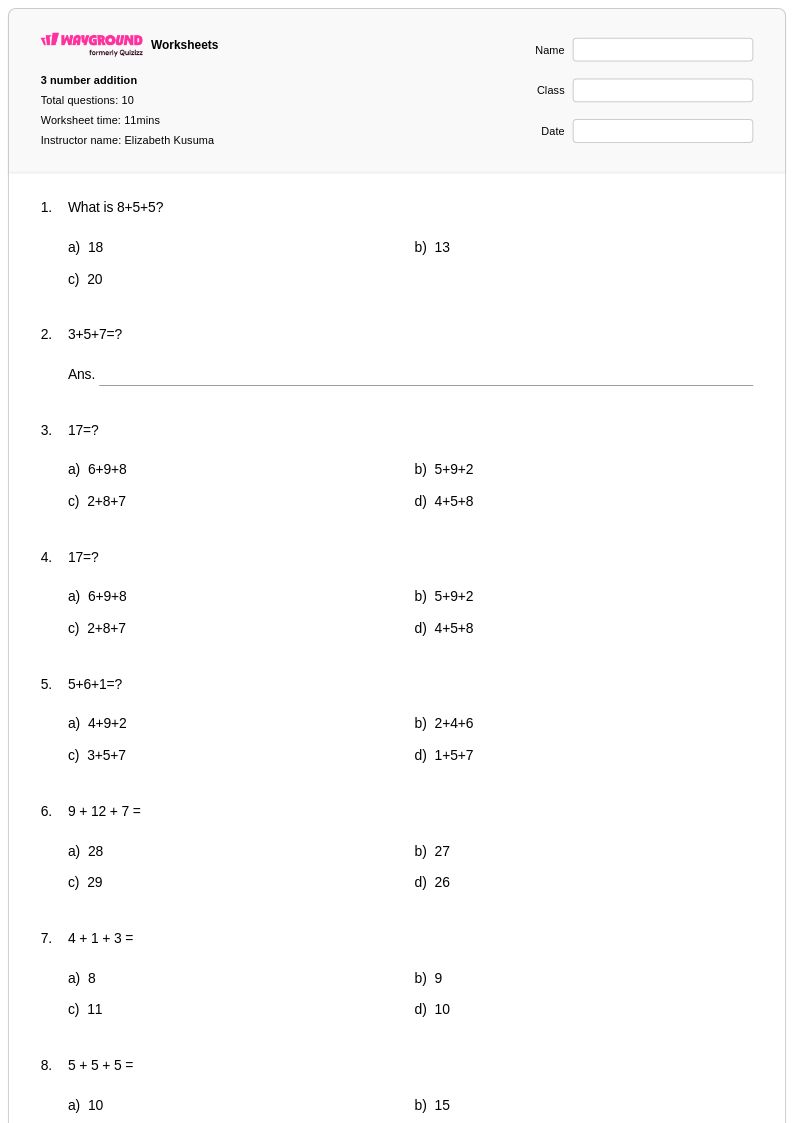
10 Q
1st
8 Q
1st
20 Q
1st
15 Q
1st
10 Q
1st
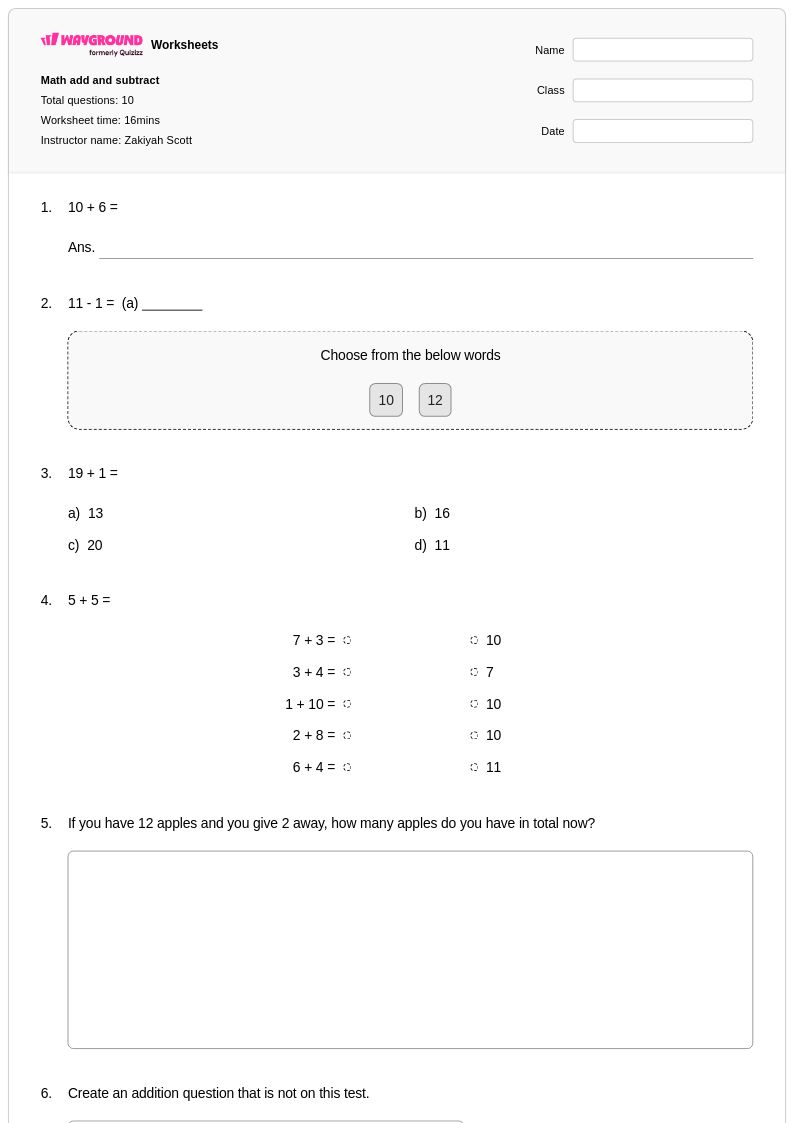
10 Q
1st
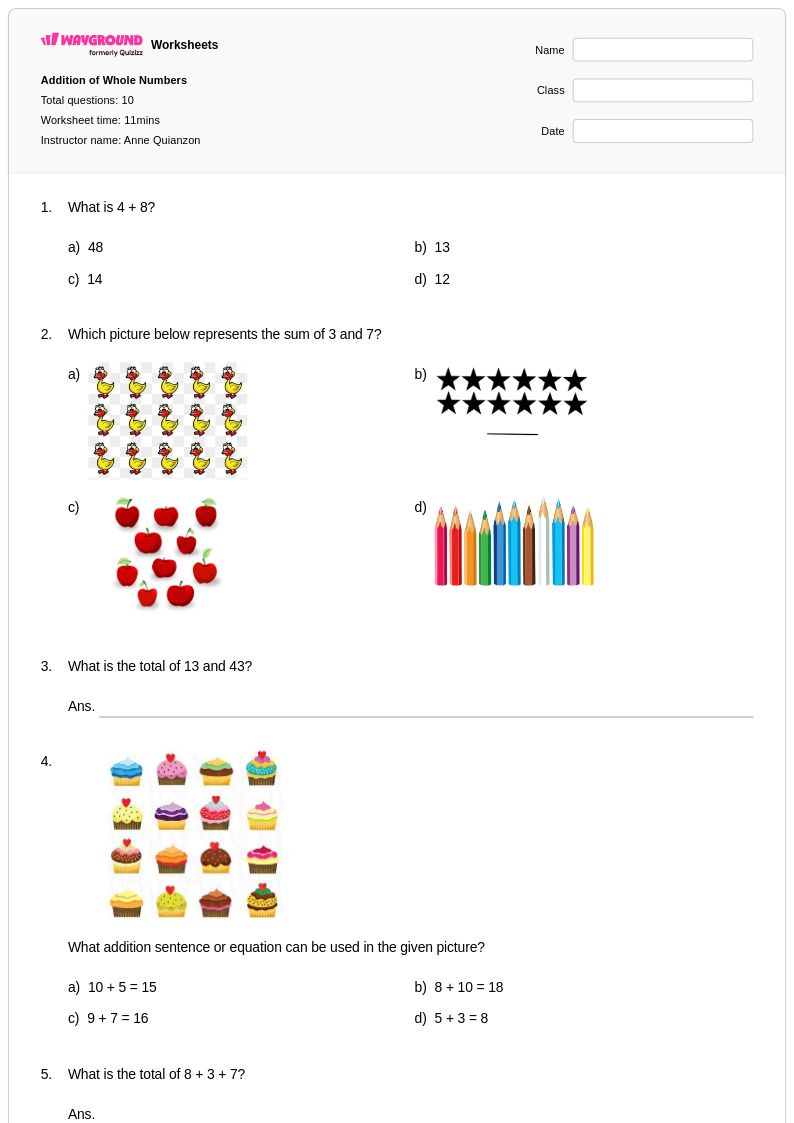
10 Q
1st
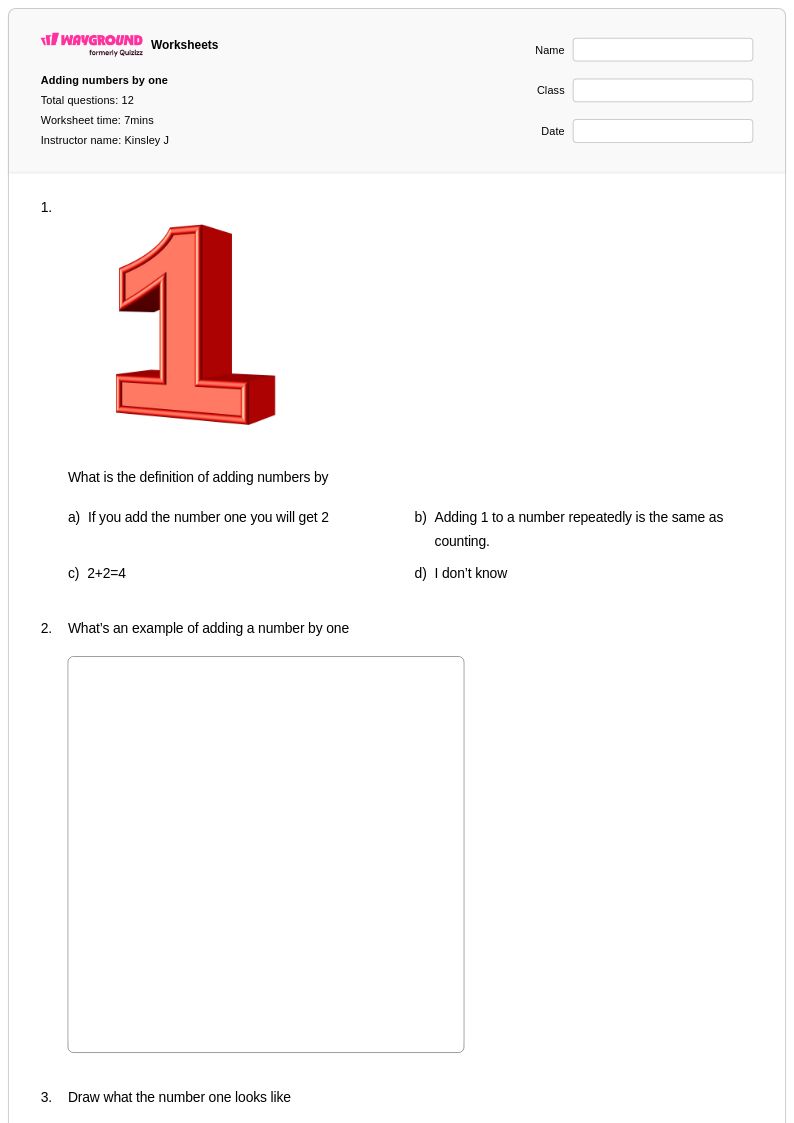
12 Q
1st
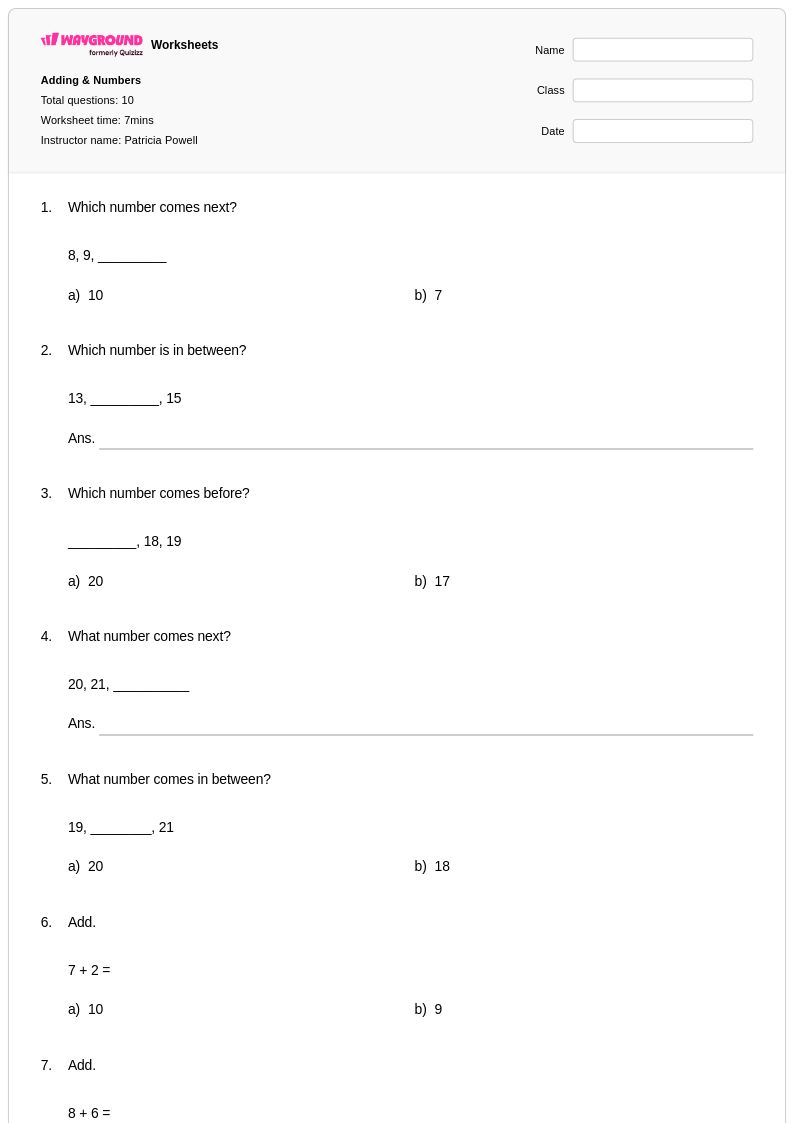
10 Q
1st
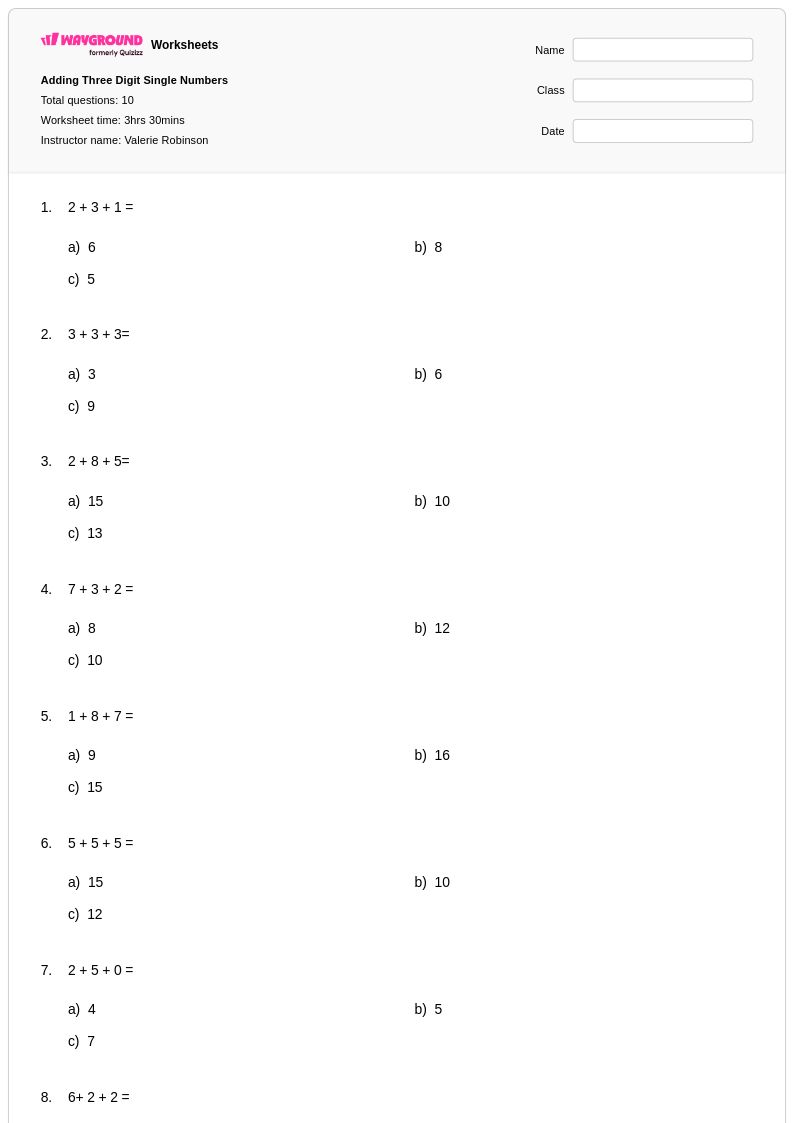
10 Q
1st
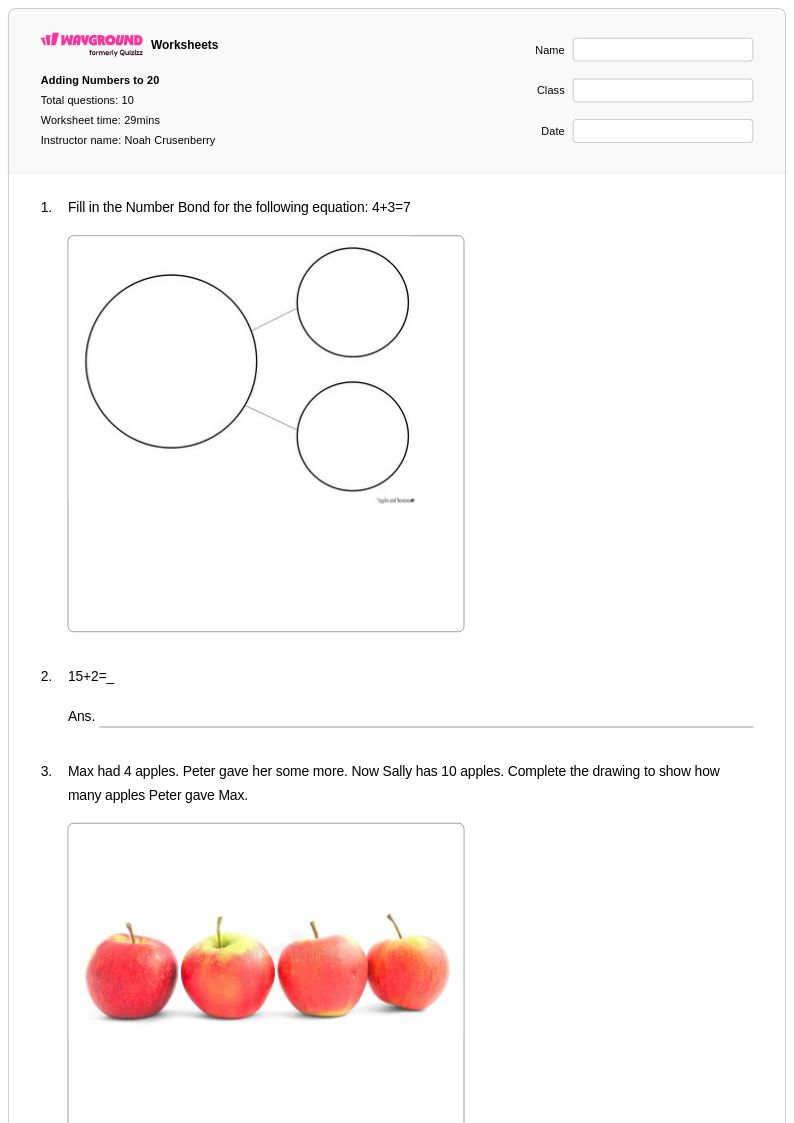
10 Q
1st
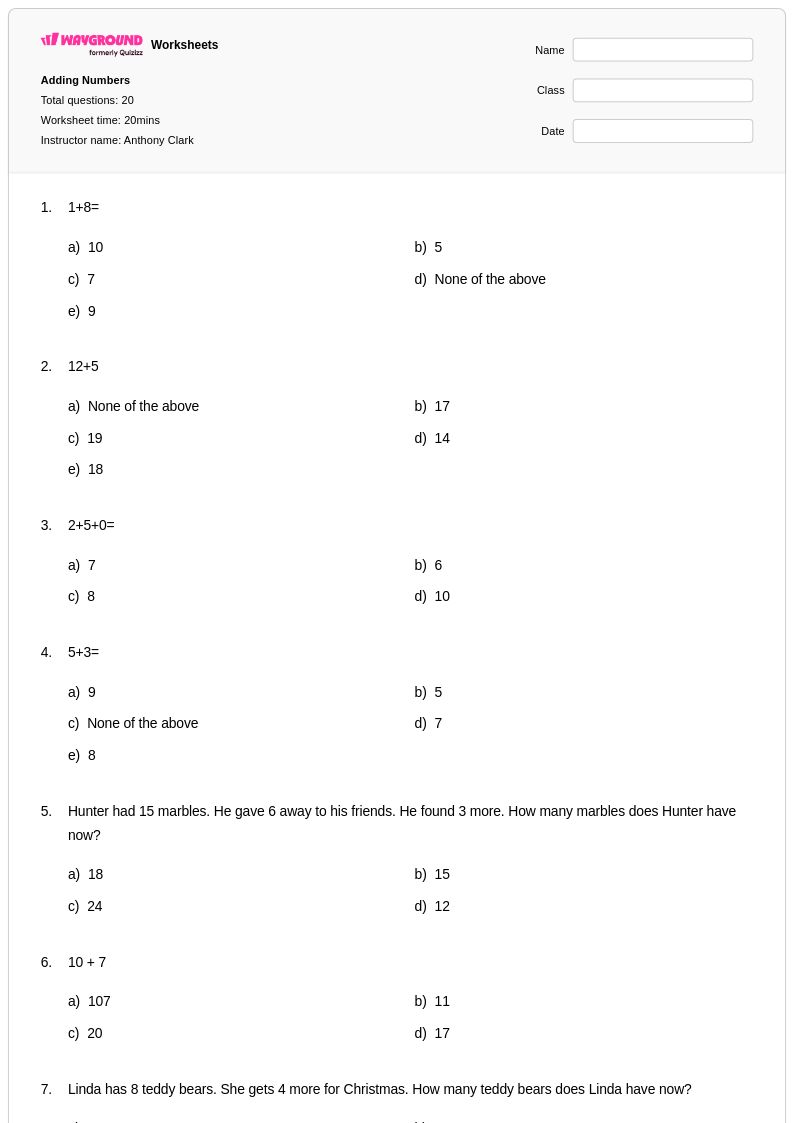
20 Q
1st - Uni
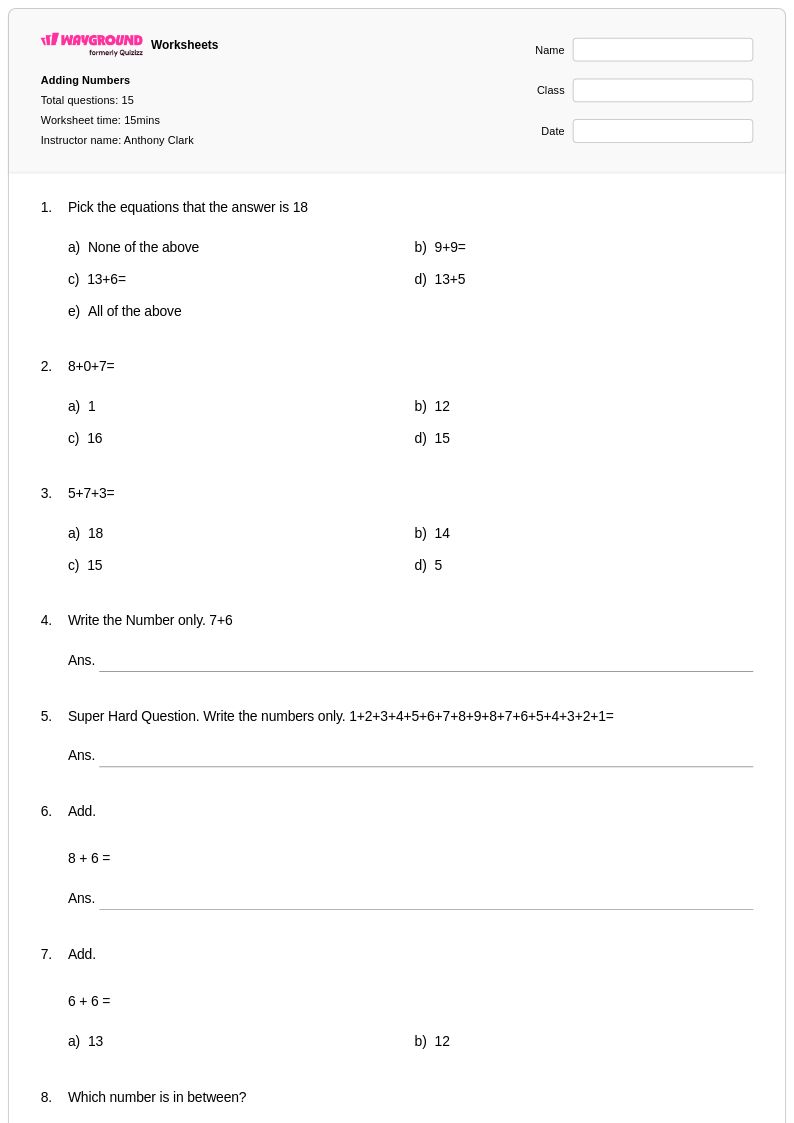
15 Q
1st - Uni

12 Q
1st
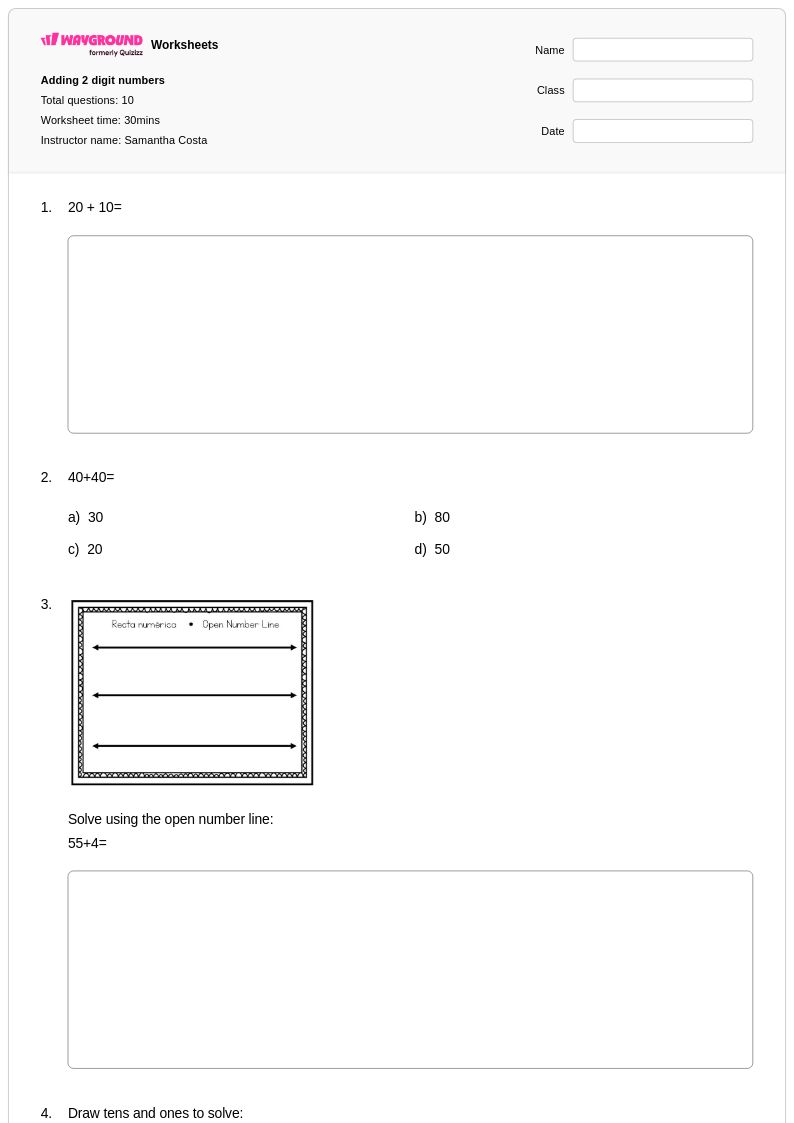
10 Q
1st
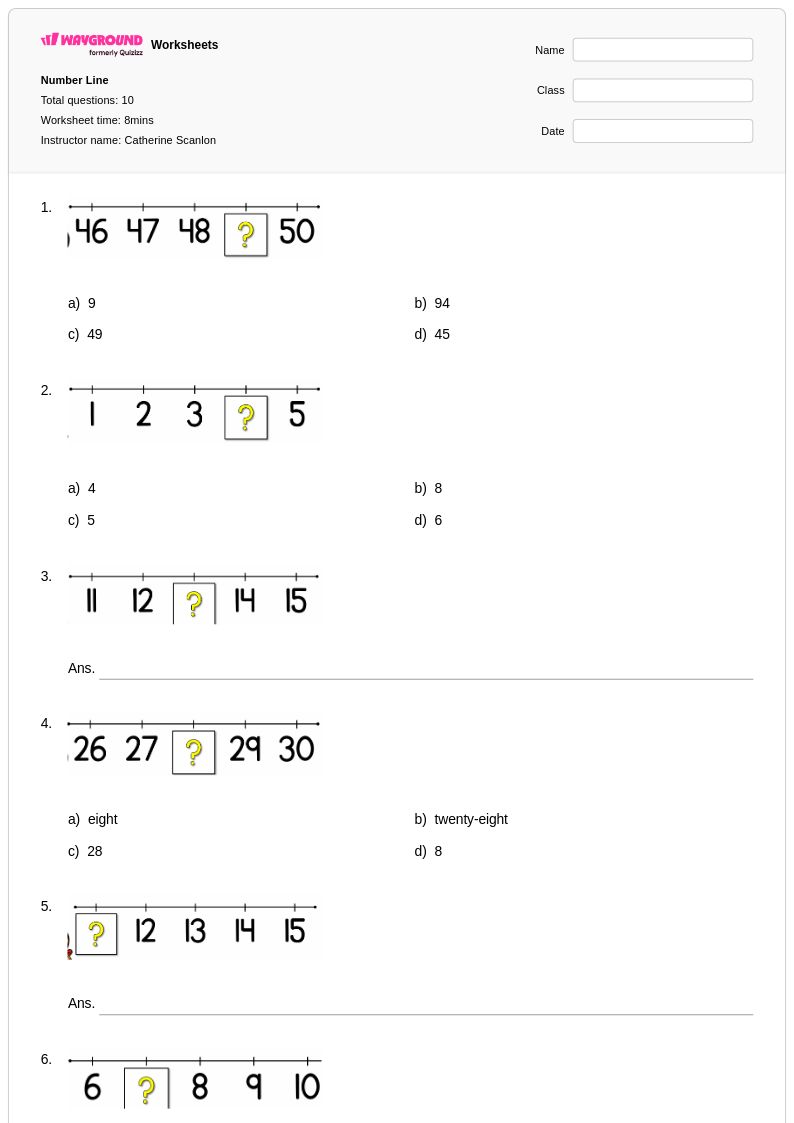
10 Q
1st
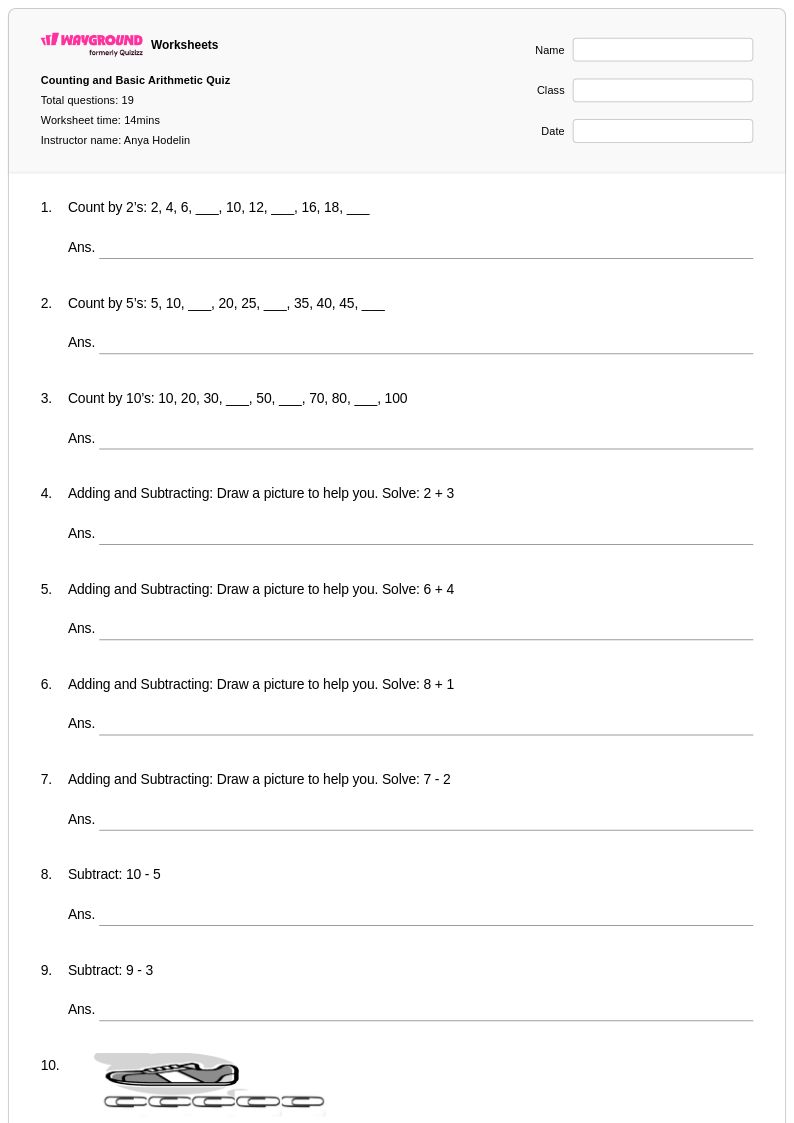
19 Q
1st
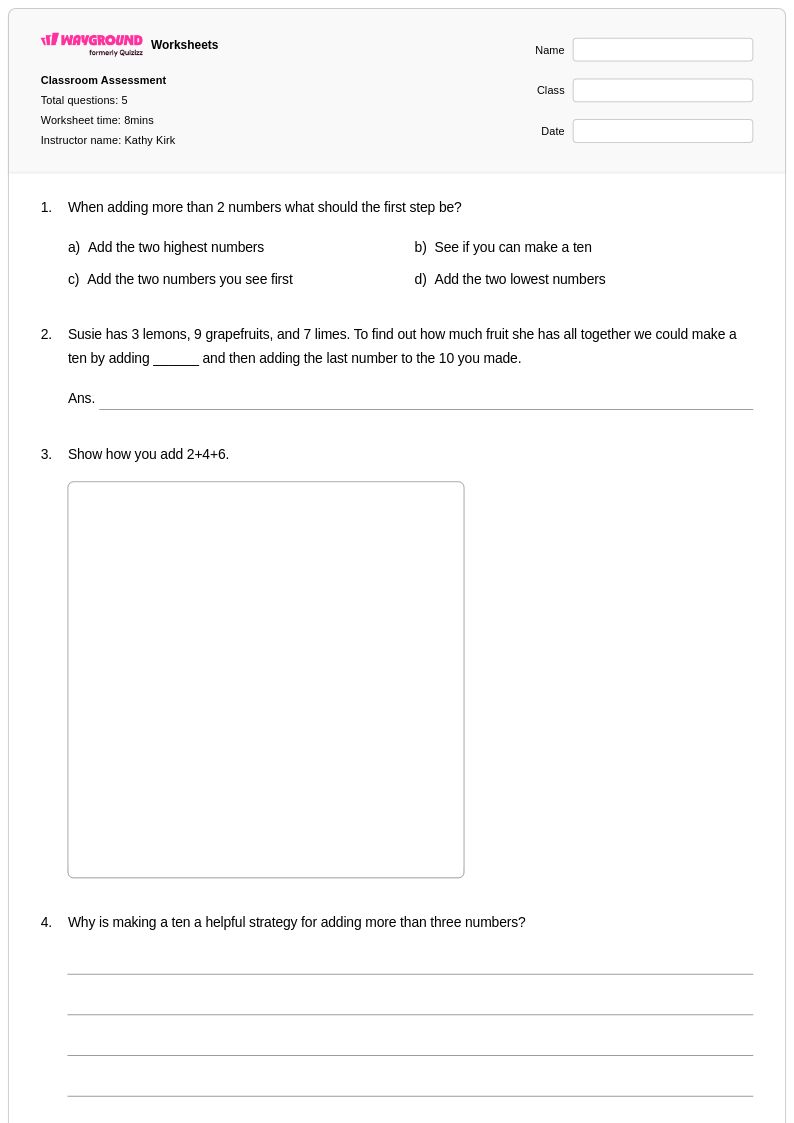
5 Q
1st
10 Q
1st
10 Q
1st
8 Q
1st
Explore Adding Three Numbers Worksheets by Grades
Explore Other Subject Worksheets for class 1
Explore printable Adding Three Numbers worksheets for Class 1
Adding three numbers represents a foundational mathematical milestone for Class 1 students, building upon their understanding of basic addition while introducing the concept of multi-step calculations. Wayground's comprehensive collection of adding three numbers worksheets provides young learners with structured practice opportunities that develop number sense, computational fluency, and mental math strategies. These carefully designed printables feature age-appropriate problems that encourage students to explore various approaches, such as adding the first two numbers and then the third, or identifying number bonds that make calculations easier. Each worksheet includes clear visual supports and progressive difficulty levels, with accompanying answer keys that enable immediate feedback and self-assessment. The free pdf resources emphasize both accuracy and mathematical reasoning, helping first-grade students build confidence as they tackle these more complex addition practice problems.
Wayground's extensive library draws from millions of teacher-created resources specifically designed to support Class 1 addition instruction, offering educators powerful search and filtering capabilities to locate worksheets that match their exact curricular needs. The platform's alignment with educational standards ensures that adding three numbers activities reinforce key learning objectives while providing differentiation tools that accommodate diverse learning styles and ability levels within the classroom. Teachers can easily customize these digital and printable resources to create targeted remediation exercises for struggling learners or enrichment challenges for advanced students, making lesson planning more efficient and responsive to individual student needs. The flexible pdf format allows seamless integration into both traditional and hybrid learning environments, while the platform's organizational features help educators track student progress and identify areas requiring additional skill practice or instructional support.
FAQs
How do I teach first graders to add three numbers?
What exercises help Grade 1 students practice adding three numbers?
What mistakes do first graders make when adding three numbers?
How can I use a three-number addition worksheet in Grade 1?
How does adding three numbers align with the Grade 1 Common Core progression?
How can I differentiate adding three numbers for a mixed-ability first-grade class?
What grade do students learn to add three numbers?