Free Printable Assertiveness in Social-emotional Learning Worksheets for Class 6
Discover free Class 6 assertiveness worksheets and printables that help students develop confident communication skills and healthy boundary-setting techniques through engaging social-emotional learning practice problems with comprehensive answer keys.
Explore printable Assertiveness in Social-emotional Learning worksheets for Class 6
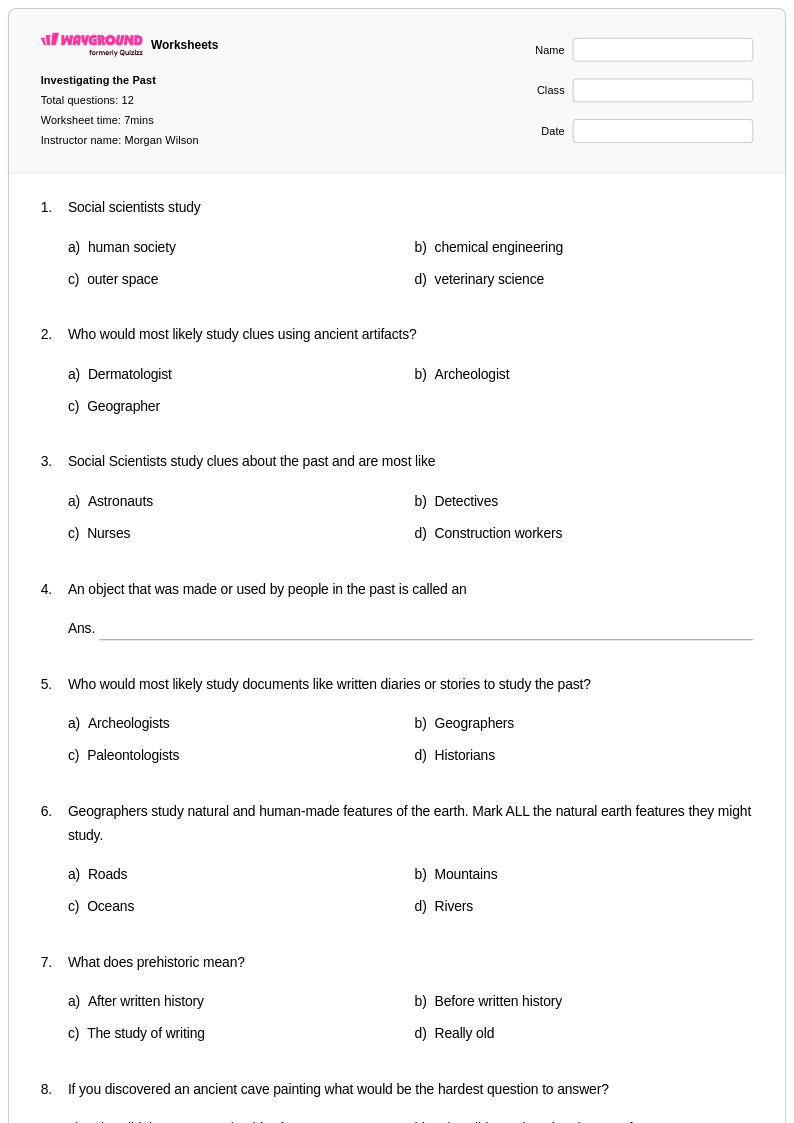
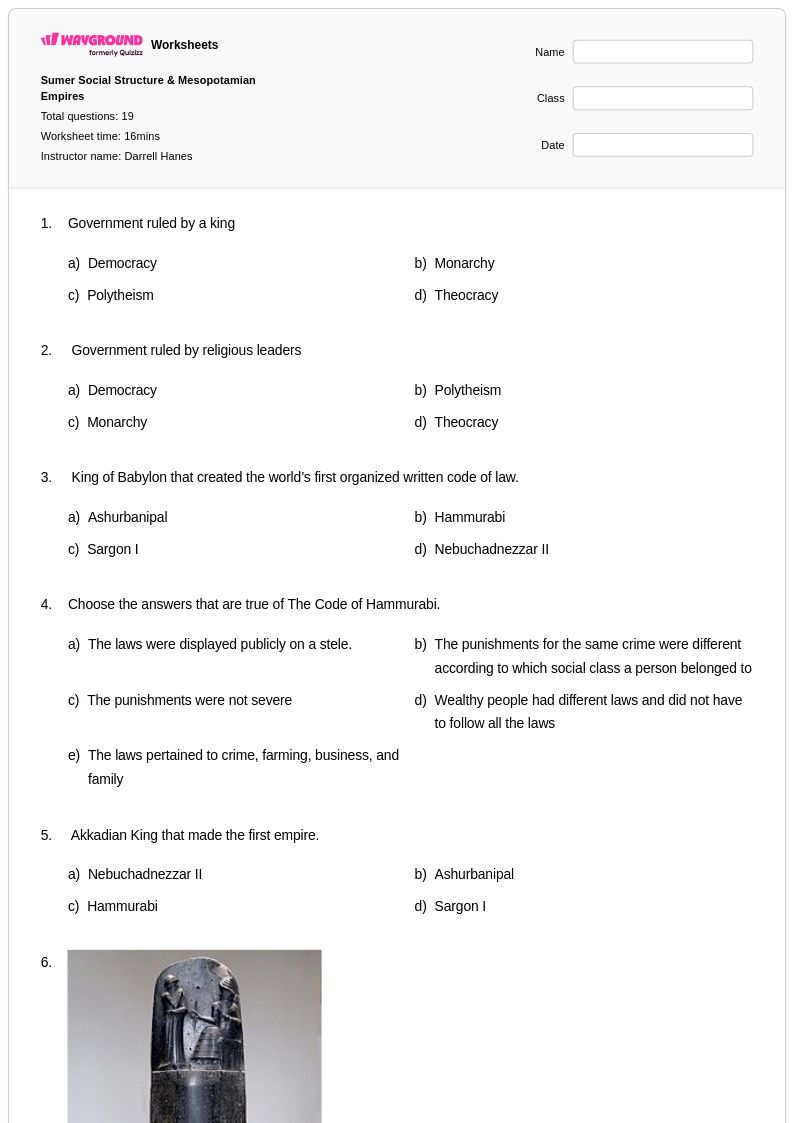
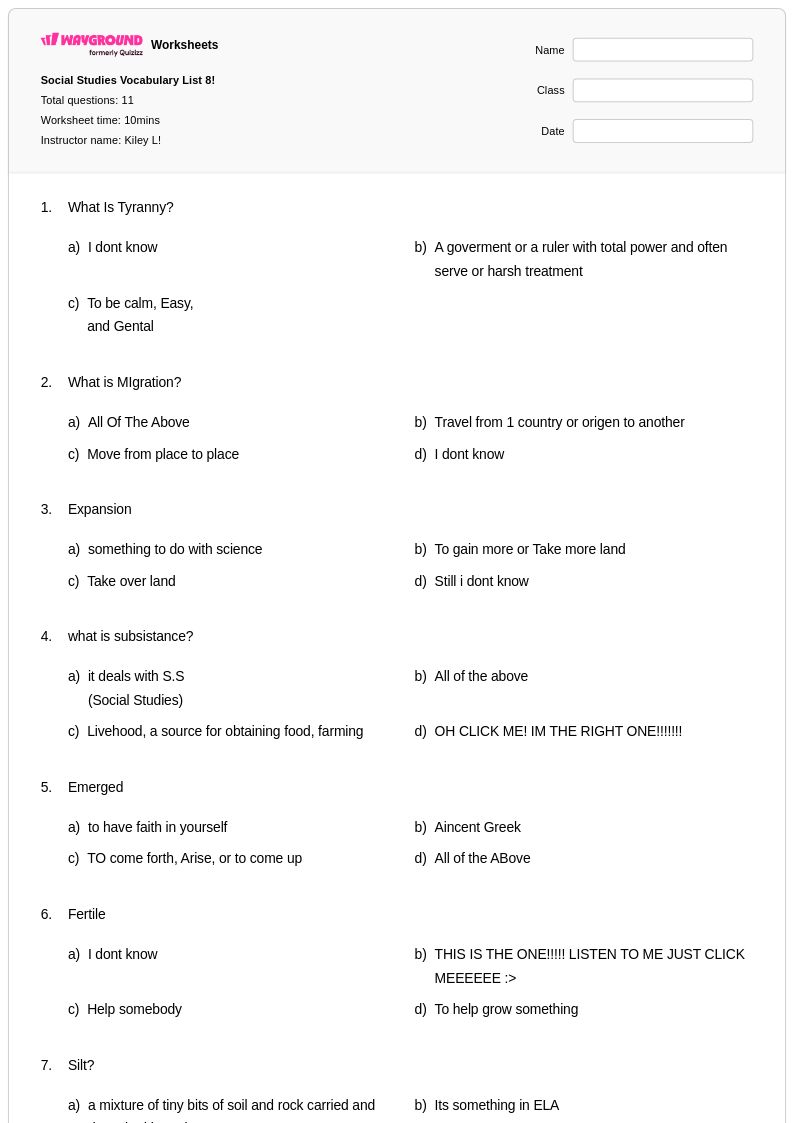
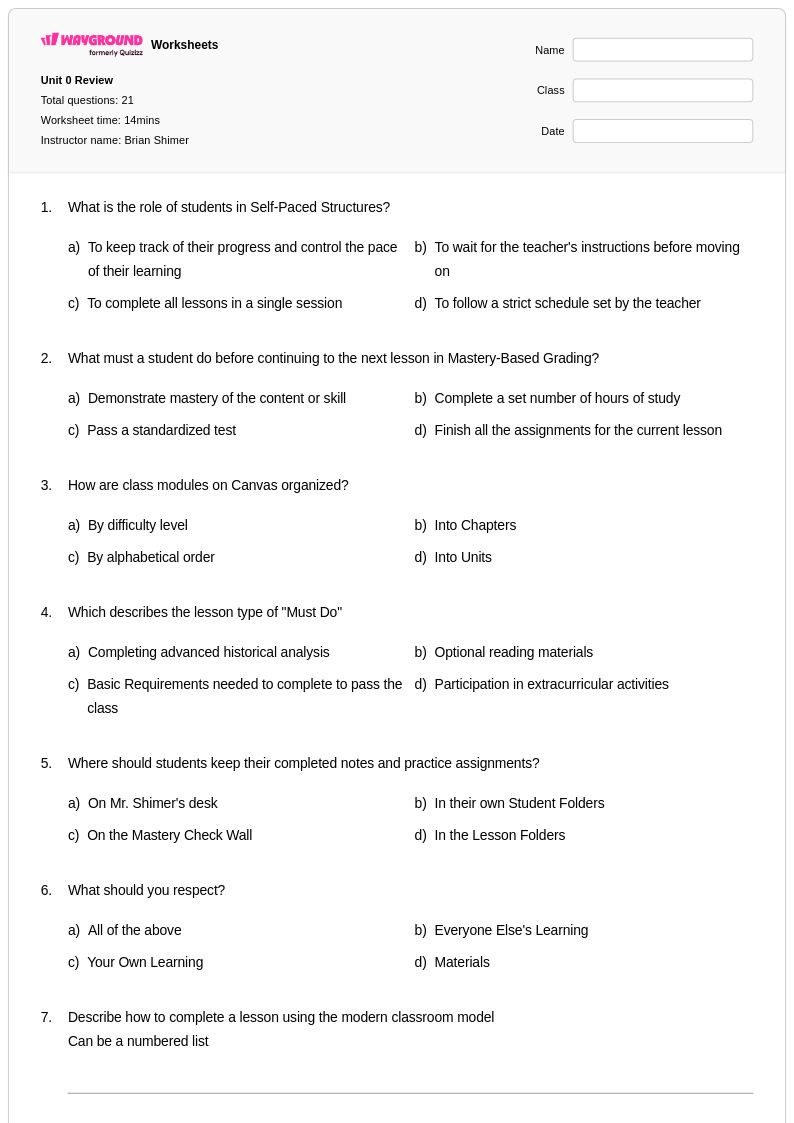
Assertiveness in social-emotional learning represents a critical skill set that Class 6 students must develop to navigate complex peer relationships and communicate effectively in academic and social settings. Wayground's comprehensive collection of assertiveness worksheets provides educators with structured activities that teach students how to express their needs, opinions, and boundaries respectfully while maintaining positive relationships with others. These expertly designed printables focus on distinguishing assertive communication from passive or aggressive responses, helping students practice appropriate verbal and non-verbal communication strategies through realistic scenarios and role-playing exercises. Each worksheet includes detailed answer keys that enable teachers to facilitate meaningful discussions about effective communication techniques, while the free pdf format ensures easy distribution and implementation across diverse classroom environments where students can engage in targeted practice problems that reinforce assertiveness skills.
Wayground's extensive library of millions of teacher-created resources empowers educators to access high-quality assertiveness worksheets that align with social-emotional learning standards and Class 6 developmental needs. The platform's advanced search and filtering capabilities allow teachers to quickly locate materials that match specific classroom objectives, whether targeting conflict resolution, peer pressure resistance, or self-advocacy skills. These differentiation tools enable seamless customization of worksheet difficulty levels and content focus, supporting both remediation for struggling learners and enrichment opportunities for advanced students. Available in both printable and digital formats including downloadable pdfs, these assertiveness resources integrate effortlessly into lesson planning workflows, providing teachers with flexible options for individual practice, small group activities, or whole-class instruction that builds students' confidence in expressing themselves appropriately across various social situations.
FAQs
How do I teach assertiveness to students in a social-emotional learning context?
Teaching assertiveness begins by helping students distinguish between passive, aggressive, and assertive communication styles using concrete examples and scenarios they recognize from daily life. Introduce 'I' statements as a foundational skill, then build toward conflict resolution strategies and boundary-setting practice. Role-playing exercises are especially effective because they give students a low-stakes space to rehearse assertive responses before applying them in real social situations.
What activities help students practice assertive communication skills?
Worksheets that present real-world scenarios and ask students to rewrite passive or aggressive responses as assertive ones are highly effective for building this skill. Practice problems focused on 'I' statement construction, recognizing personal rights and responsibilities, and scripting responses to social pressure give students structured repetition. Pairing written exercises with role-playing reinforces the connection between understanding assertiveness conceptually and using it in practice.
What are the most common mistakes students make when learning assertiveness?
The most frequent misconception is that assertiveness and aggression are the same thing — students often believe that expressing their needs directly means being rude or confrontational. Another common error is defaulting to passive communication to avoid conflict, without recognizing that suppressing needs has its own social costs. Targeted practice with all three communication styles side by side helps students internalize the distinction and build confidence in the assertive middle ground.
How can I differentiate assertiveness instruction for students with different communication needs?
Students who struggle with communication challenges may benefit from remediation-focused materials that revisit foundational concepts like personal rights and 'I' statements before moving to conflict resolution scenarios. For students who grasp these concepts quickly, enrichment activities exploring advanced assertiveness in complex social contexts provide meaningful challenge. On Wayground, teachers can apply individual accommodations such as read aloud support, reduced answer choices, or extended time to meet diverse learner needs without disrupting the rest of the class.
How do I use assertiveness worksheets from Wayground in my classroom?
Wayground's assertiveness worksheets are available as printable PDFs for traditional classroom use and in digital formats for technology-integrated learning environments, making them flexible across in-person, hybrid, and remote settings. Teachers can also host worksheets as a quiz directly on Wayground to collect student responses digitally. Each worksheet includes a complete answer key, which supports efficient grading and helps teachers provide accurate, targeted feedback on student performance.