Free Printable Biblical Symbolism Worksheets for Class 11
Explore Class 11 biblical symbolism worksheets and printables that help students analyze religious symbols in social studies contexts, featuring comprehensive practice problems and answer keys for deeper cultural understanding.
Explore printable Biblical Symbolism worksheets for Class 11
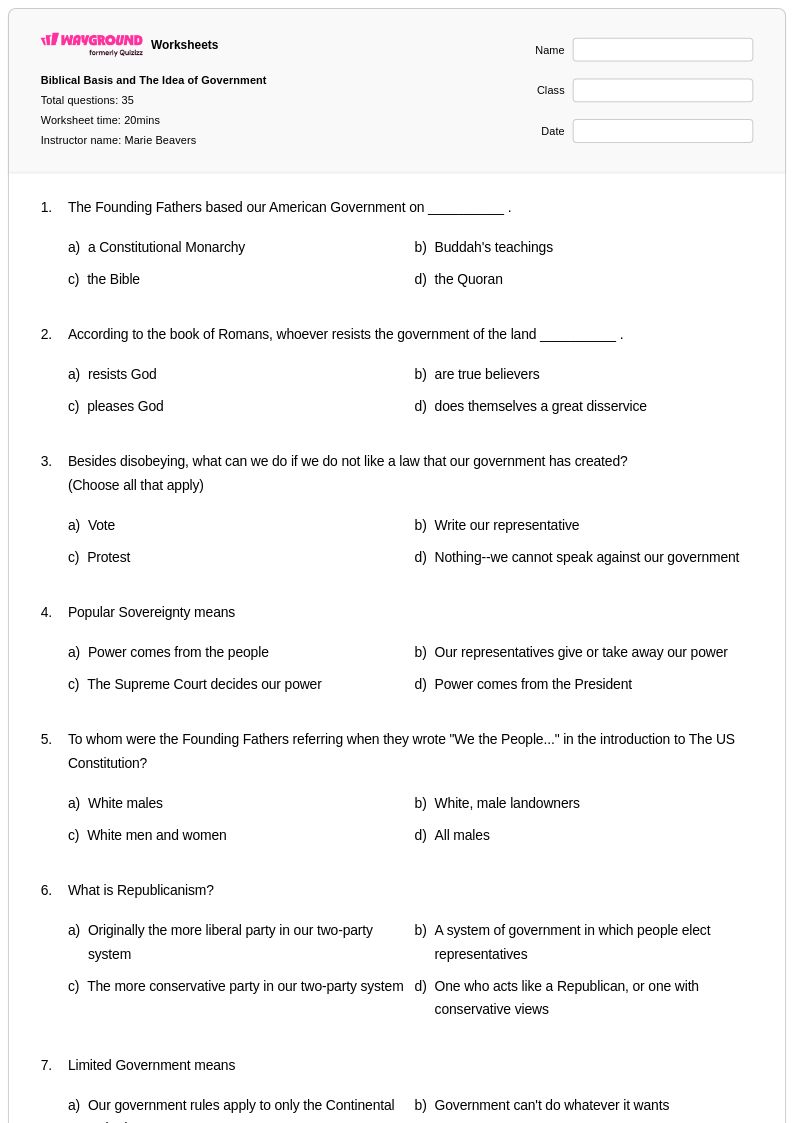
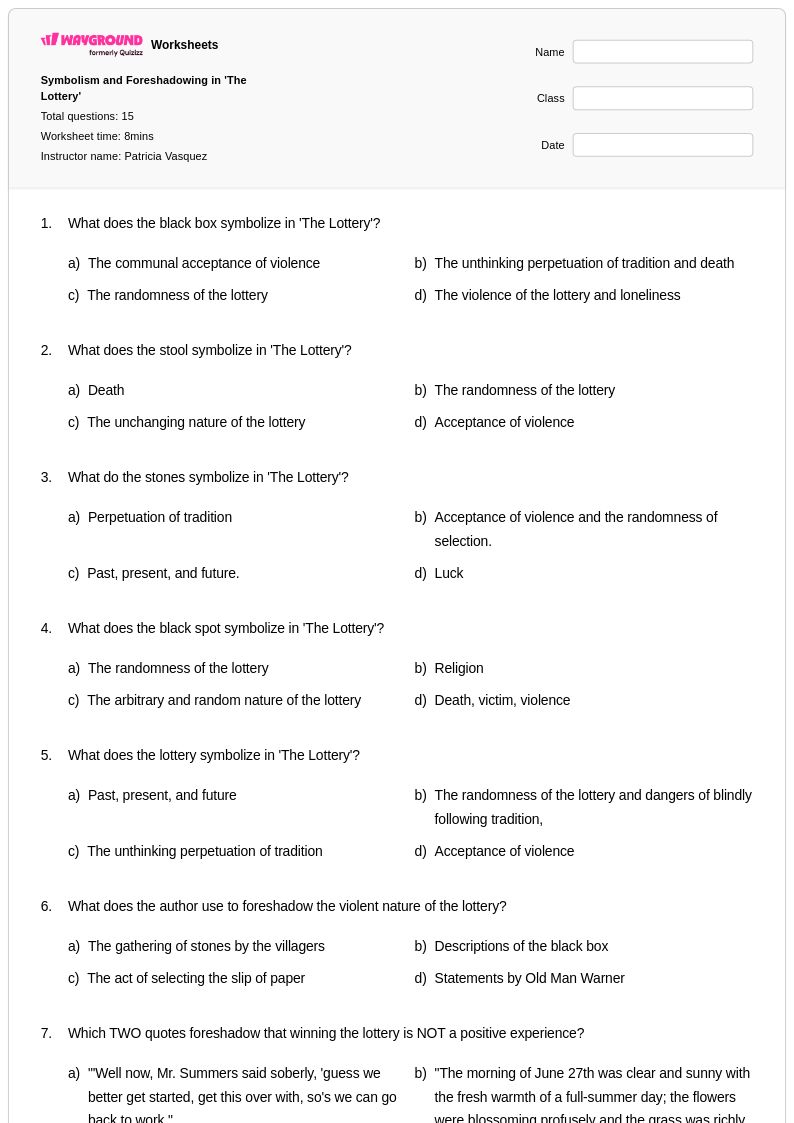
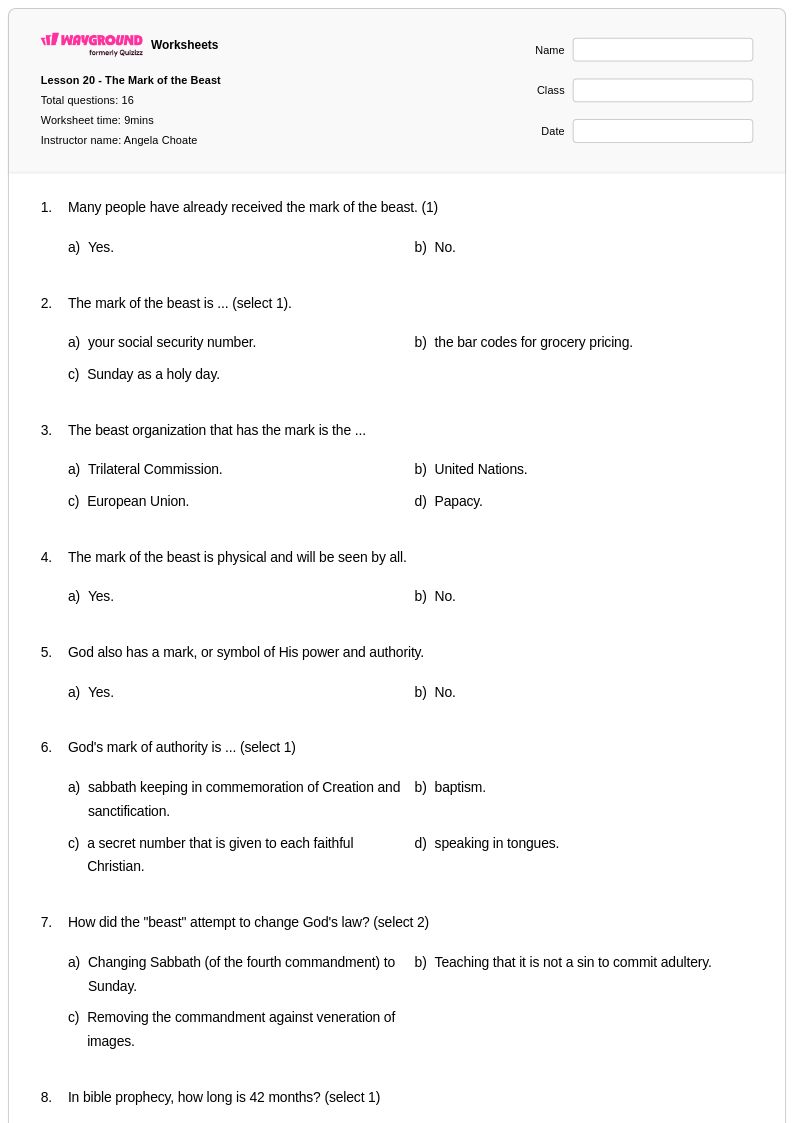
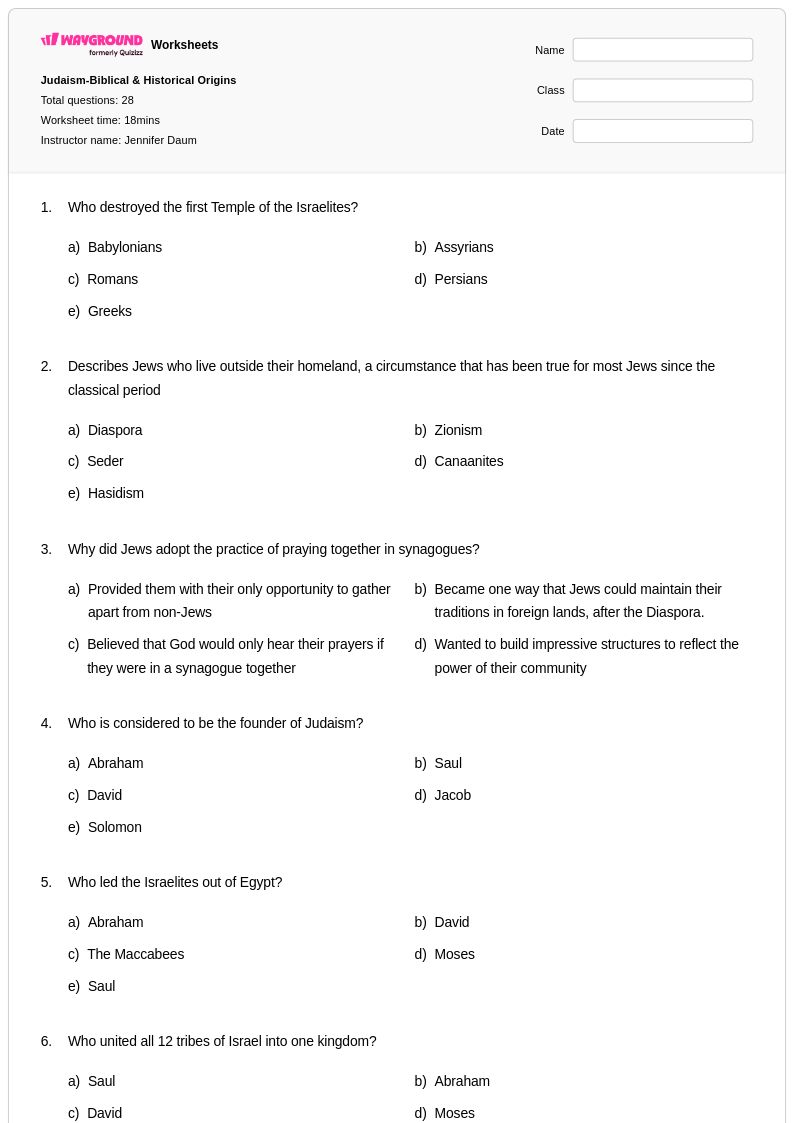
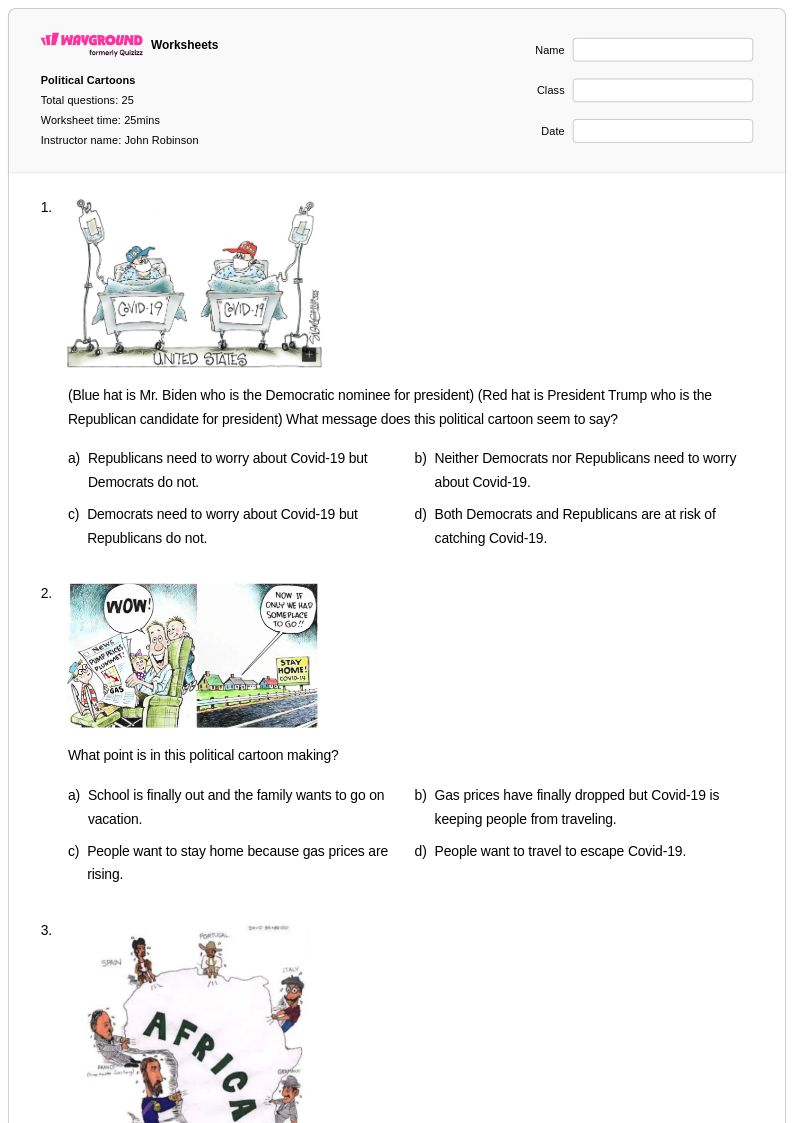
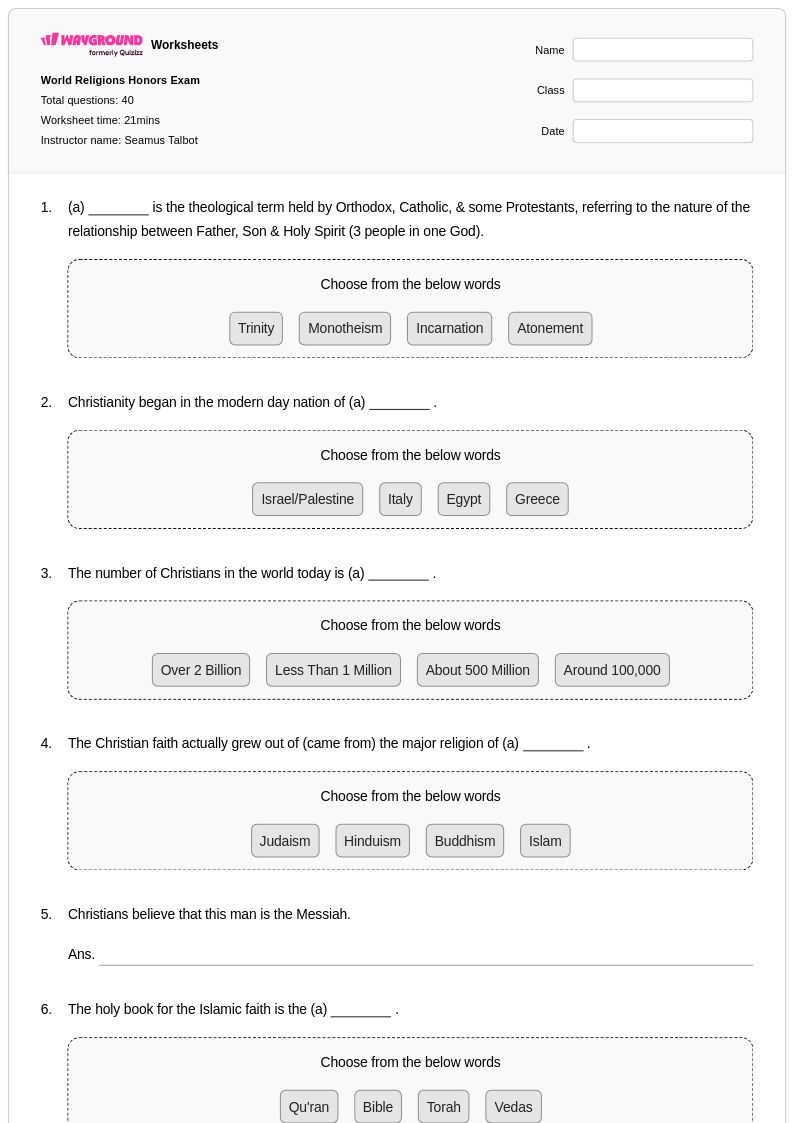
Biblical symbolism worksheets for Class 11 students provide comprehensive exploration of how religious imagery, metaphors, and archetypal narratives have shaped cultural understanding throughout history. These educational resources help students develop critical thinking skills by analyzing how biblical symbols appear across literature, art, political movements, and social structures within various communities and cultures. Through carefully structured practice problems, students learn to identify and interpret symbolic meanings, trace their historical evolution, and understand their contemporary relevance in different cultural contexts. The worksheets include detailed answer keys that guide students through complex analytical processes, while printable pdf formats ensure accessibility for both classroom instruction and independent study. Free resources focus on major biblical symbols such as water, light, bread, and shepherds, examining how these images transcend religious boundaries to become universal cultural touchstones.
Wayground, formerly Quizizz, supports educators with an extensive collection of teacher-created biblical symbolism worksheets specifically designed for Class 11 social studies curriculum. The platform's millions of resources include materials that align with educational standards while offering robust search and filtering capabilities that help teachers locate content matching their specific instructional needs. Teachers can easily customize worksheets to accommodate different learning levels, providing differentiation tools that support both remediation for struggling students and enrichment opportunities for advanced learners. Available in both digital and printable pdf formats, these resources facilitate flexible lesson planning and enable teachers to seamlessly integrate biblical symbolism analysis into broader discussions of community values, cultural heritage, and cross-cultural communication. The comprehensive nature of these materials supports ongoing skill practice while helping educators efficiently prepare engaging lessons that connect historical religious symbolism to contemporary cultural understanding.
FAQs
How do I teach biblical symbolism in the classroom?
Teaching biblical symbolism works best when students first encounter symbols in context before moving to abstract interpretation. Start with high-frequency symbols like light and darkness or water and wilderness, and ask students to identify where they appear and what emotional or theological weight they carry. Once students can recognize patterns, push them toward analysis — why does the shepherd and flock image recur, and what does that repetition signal about cultural values? Grounding symbol work in specific texts keeps the practice concrete and prevents vague interpretation.
What exercises help students practice identifying and interpreting biblical symbols?
Effective practice exercises ask students to do more than label a symbol — they should explain the symbol's function within a specific passage and trace its meaning across different texts or time periods. Exercises that pair symbol identification with short written responses build both recognition and analytical skills simultaneously. Practice problems that prompt students to connect symbols like temples, gates, or wilderness to their historical and theological context are especially useful for developing deeper interpretive competency.
What mistakes do students commonly make when analyzing biblical symbolism?
The most common error is treating symbols as fixed codes with single meanings rather than as contextually shaped images whose significance shifts across different periods and communities. Students often assign modern connotations to ancient symbols — for example, reading light and darkness through a purely moral lens while missing its cosmological or covenantal dimensions. Another frequent mistake is stopping at identification without connecting the symbol to its broader cultural or theological narrative, which leaves analysis shallow.
How can I differentiate biblical symbolism instruction for students at different skill levels?
For students who struggle with abstract interpretation, reduce cognitive load by focusing on one recurring symbol at a time and providing sentence frames that scaffold analytical writing. More advanced students benefit from comparative tasks that ask them to trace how a single symbol, such as water or wilderness, functions differently across multiple texts or cultural traditions. On Wayground, teachers can apply accommodations including reduced answer choices for individual students and Read Aloud support, which are especially helpful when source texts contain dense or unfamiliar language.
How do I use Wayground's biblical symbolism worksheets in my classroom?
Wayground's biblical symbolism worksheets are available as printable PDFs for traditional classroom use and in digital formats for technology-integrated environments, giving teachers flexibility across different instructional settings. Teachers can also host the materials directly as a quiz on Wayground, which allows for streamlined assignment and automatic answer checking. Each worksheet includes a comprehensive answer key, so they work equally well for guided practice, independent work, or assessment prep.
How does biblical symbolism connect to cultural and artistic traditions?
Biblical symbols have shaped not only religious communities but also visual art, literature, architecture, and social customs across centuries and cultures. Symbols like the shepherd, the temple, and light versus darkness appear in medieval iconography, Renaissance painting, and contemporary literature precisely because they carry layered theological and cultural meaning. Helping students trace this influence bridges religious literacy with broader humanistic analysis and strengthens their ability to read symbolic language in diverse cultural contexts.