
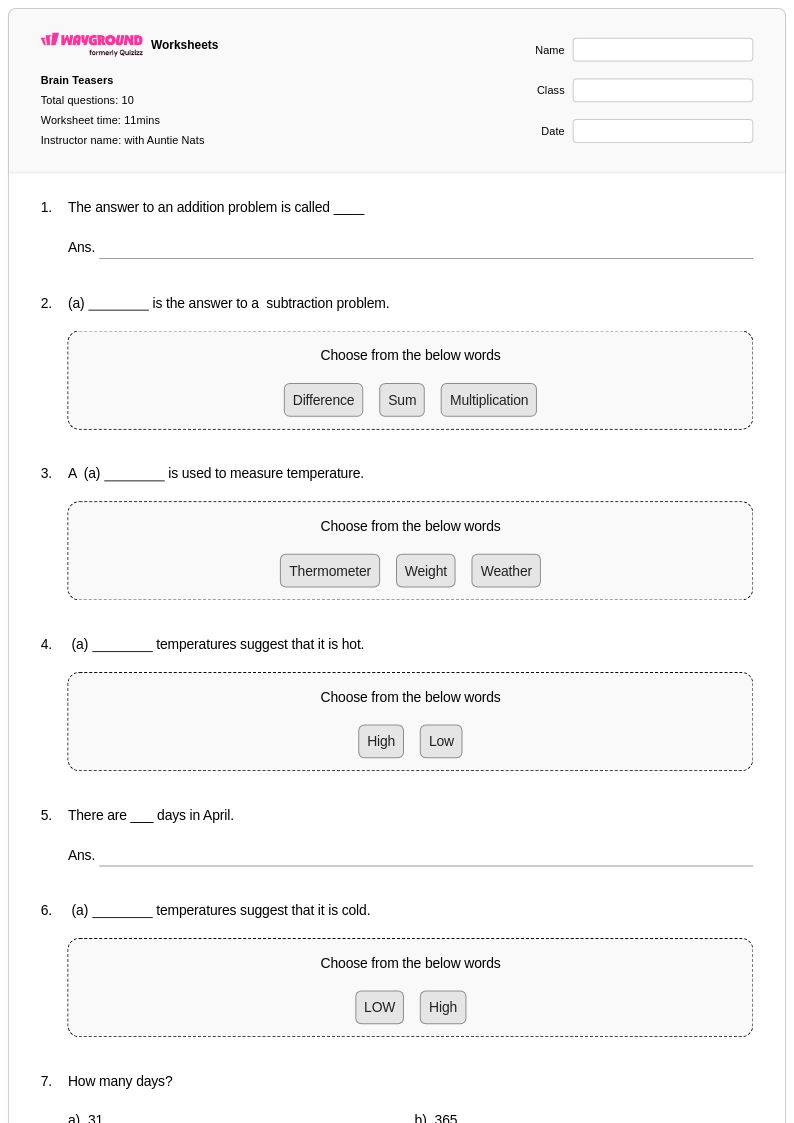
10 Q
1st
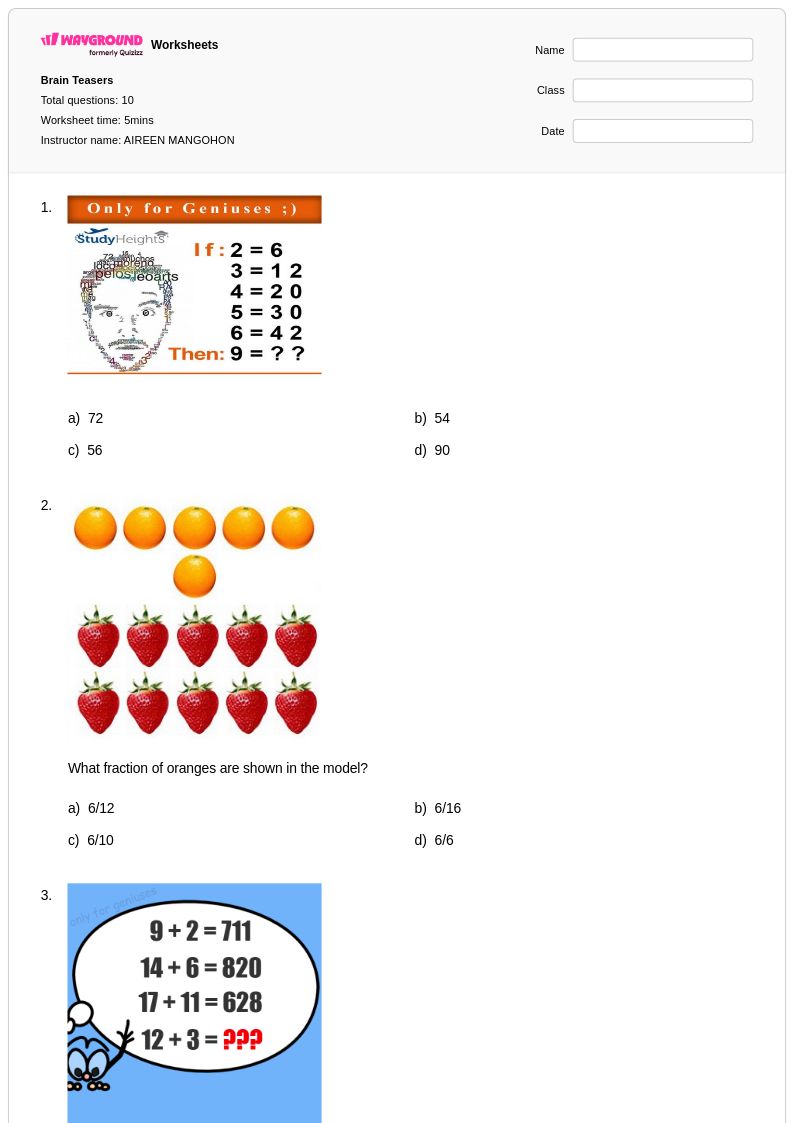
10 Q
1st - 12th
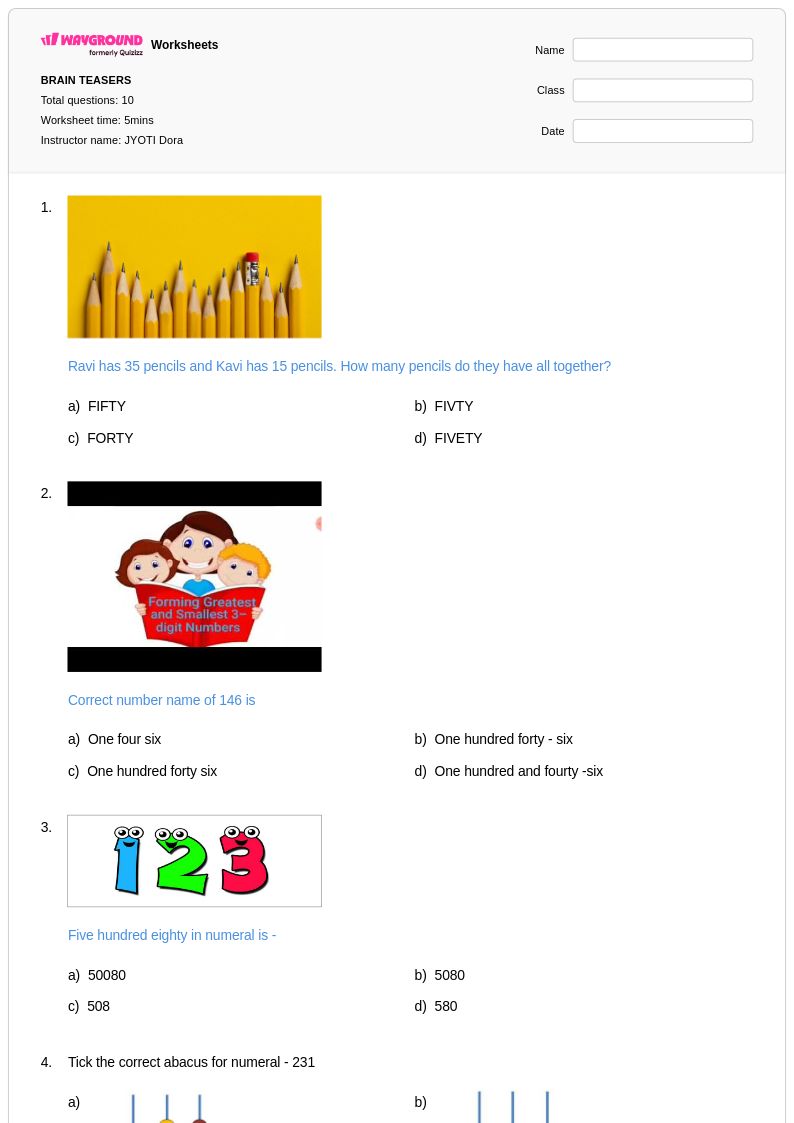
10 Q
1st - 2nd
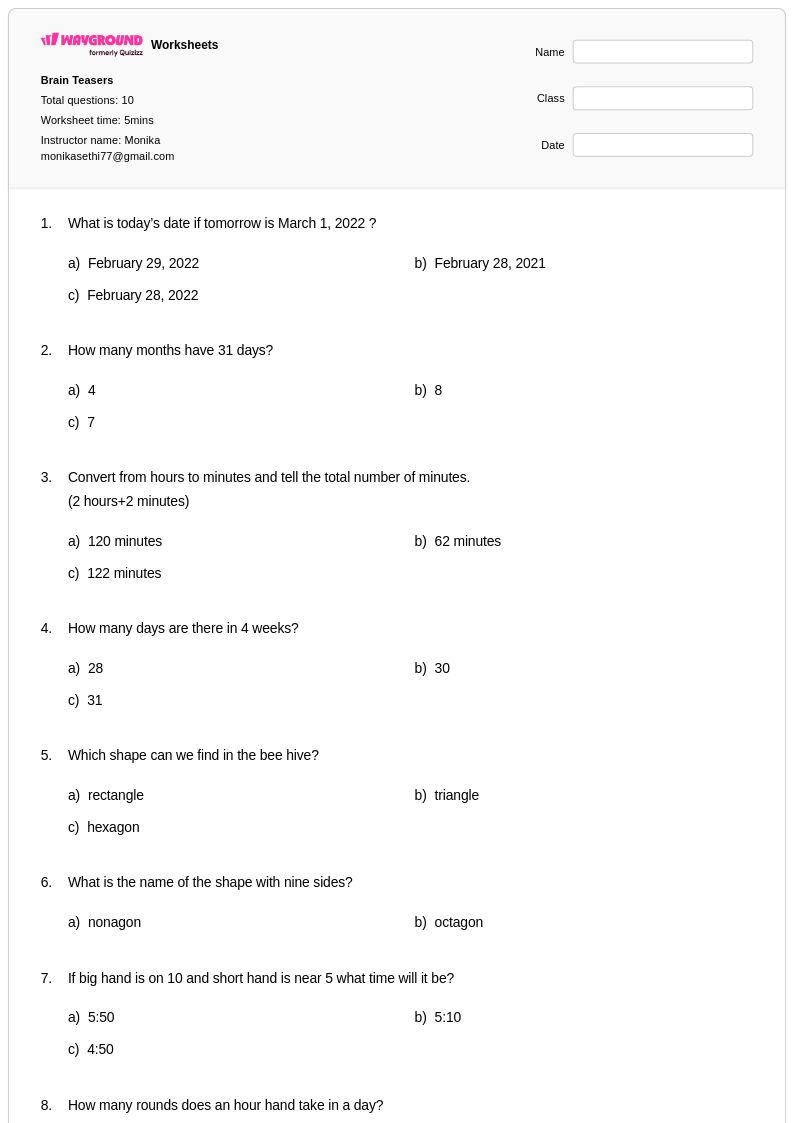
10 Q
1st
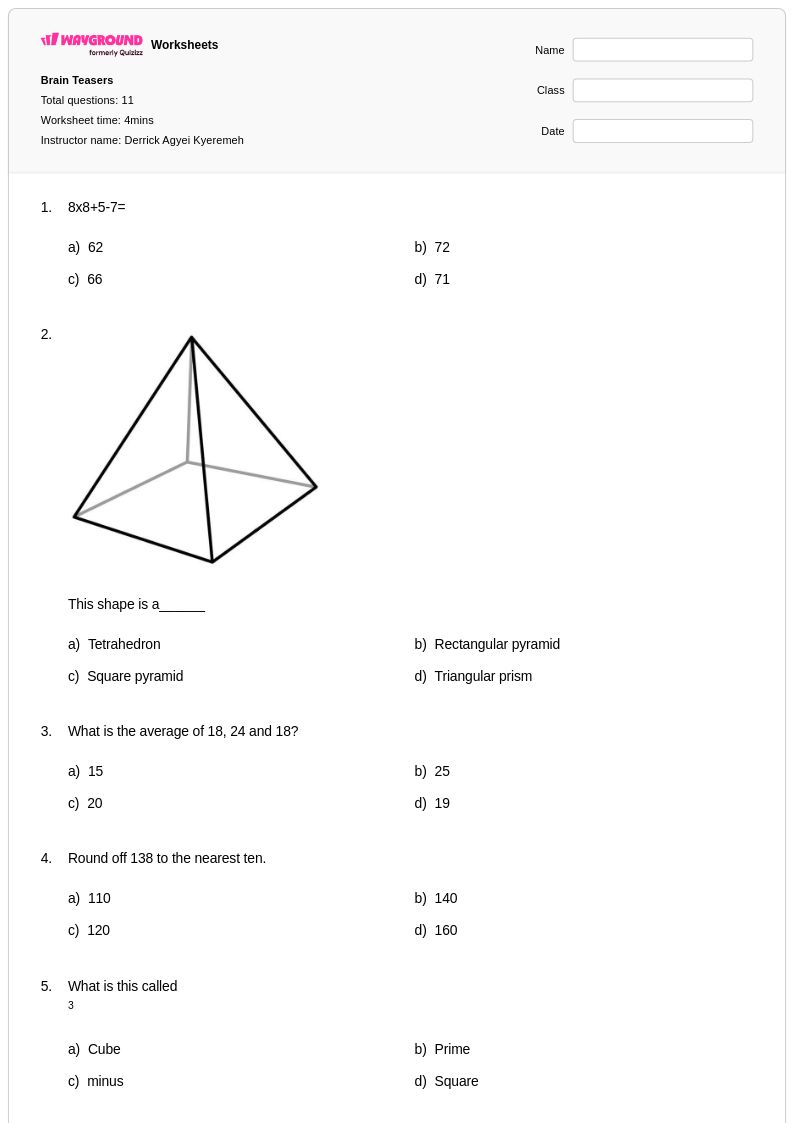
11 Q
1st - 5th
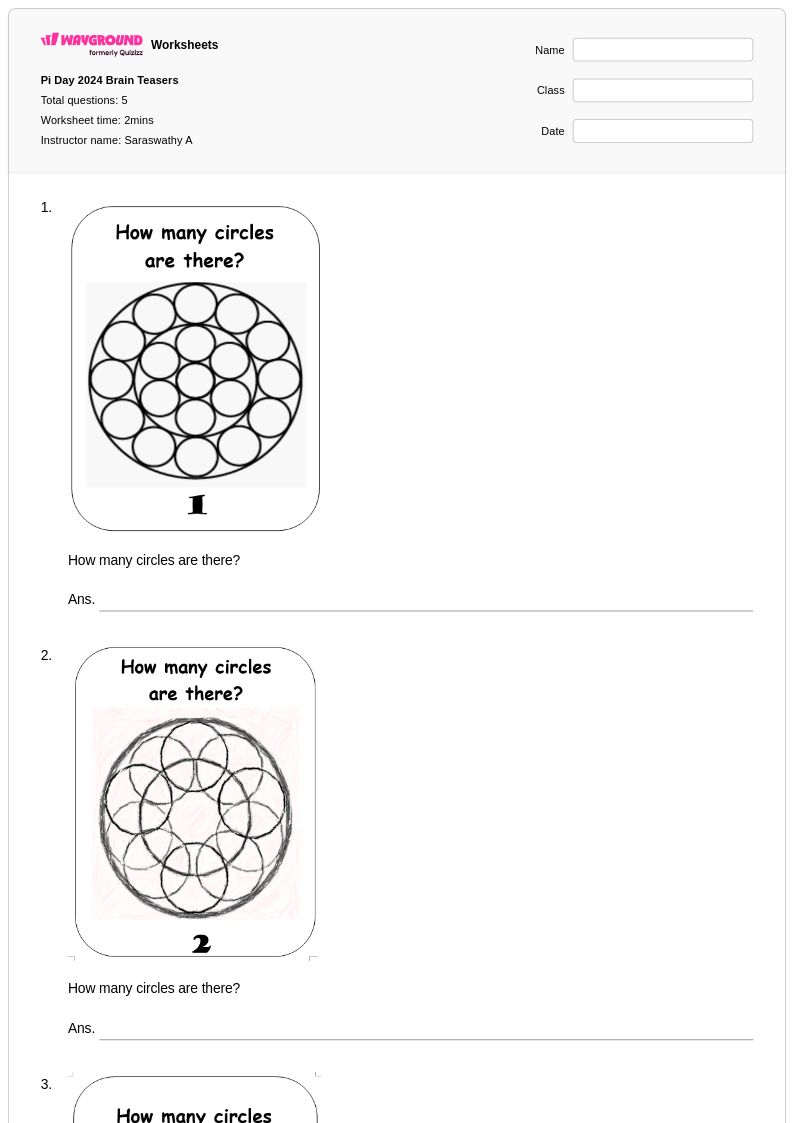
5 Q
1st - 5th
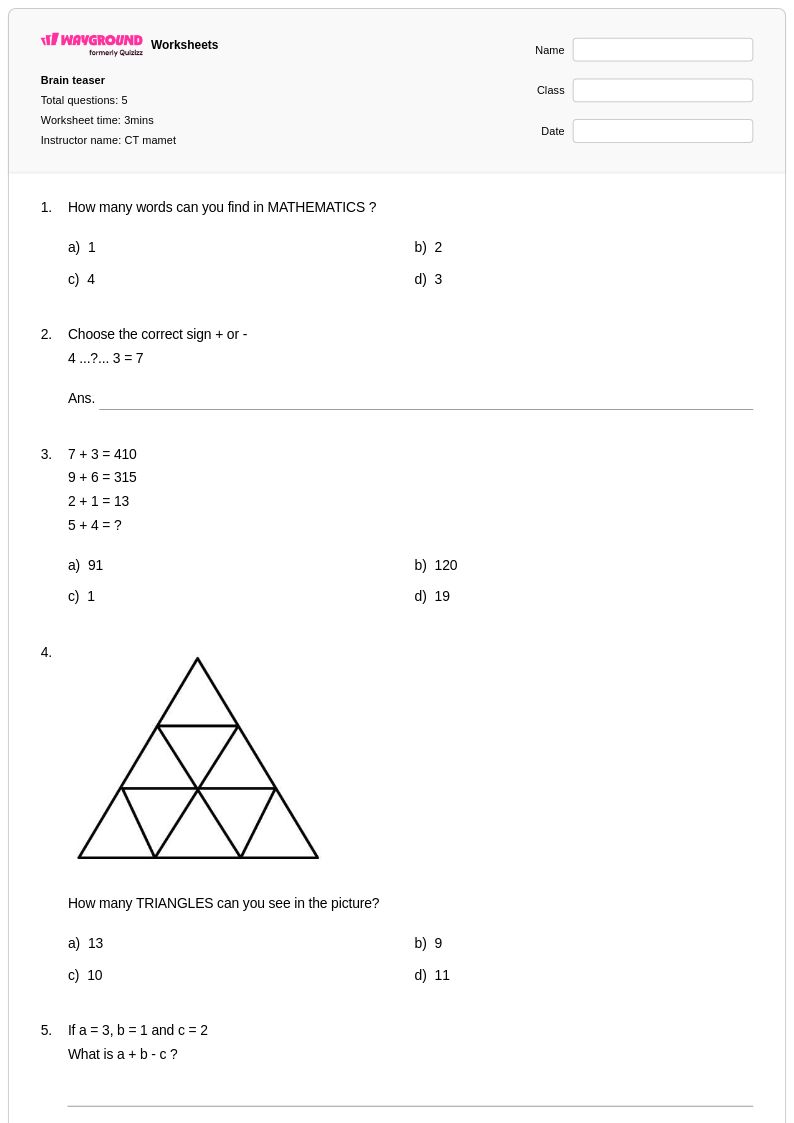
5 Q
1st
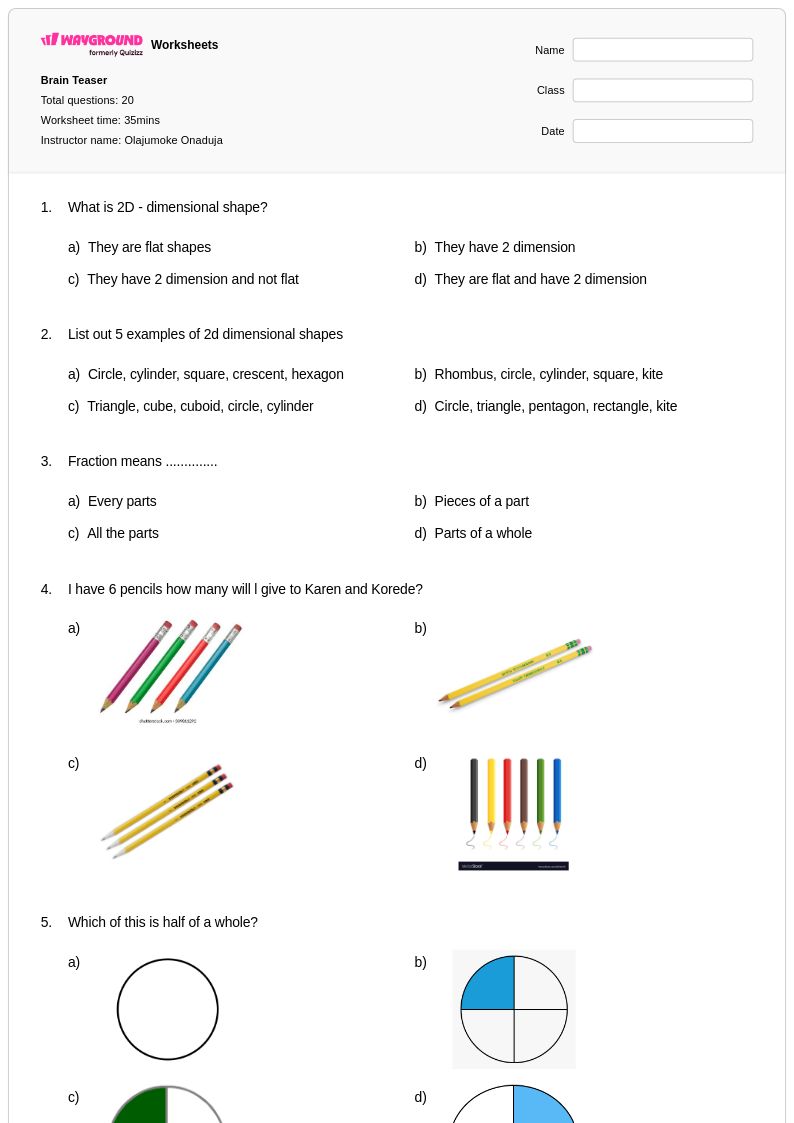
20 Q
1st
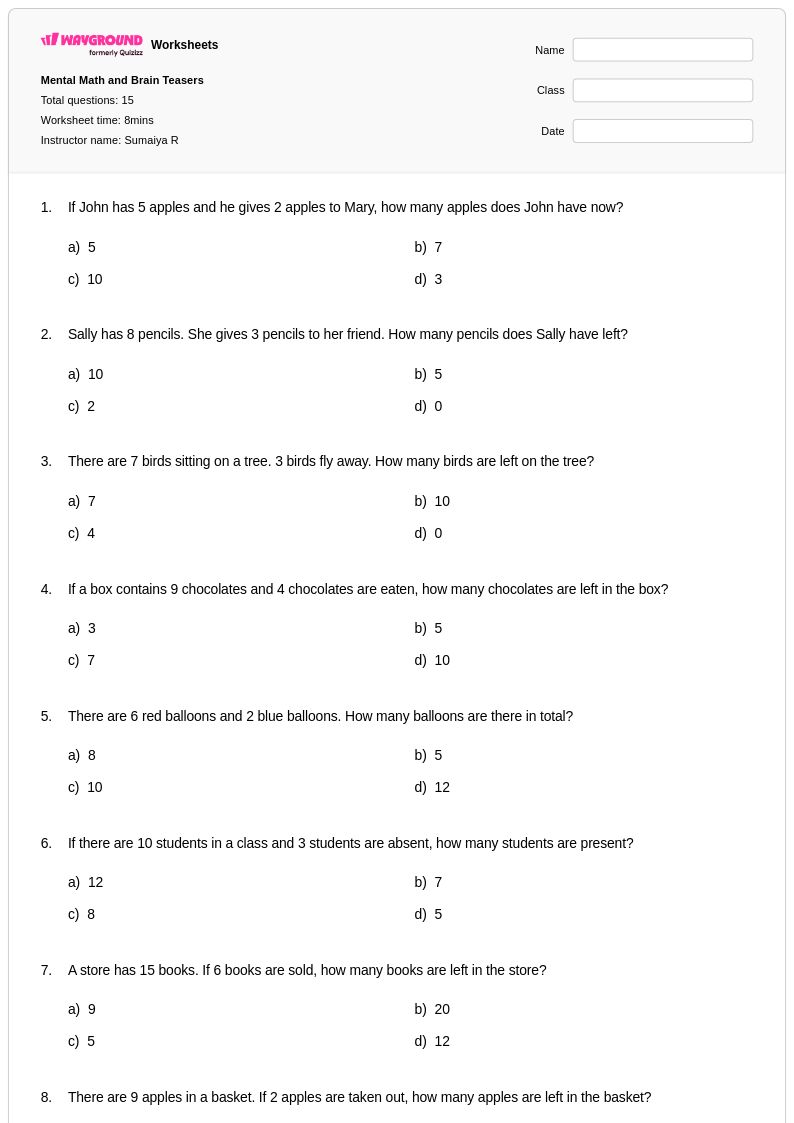
15 Q
1st
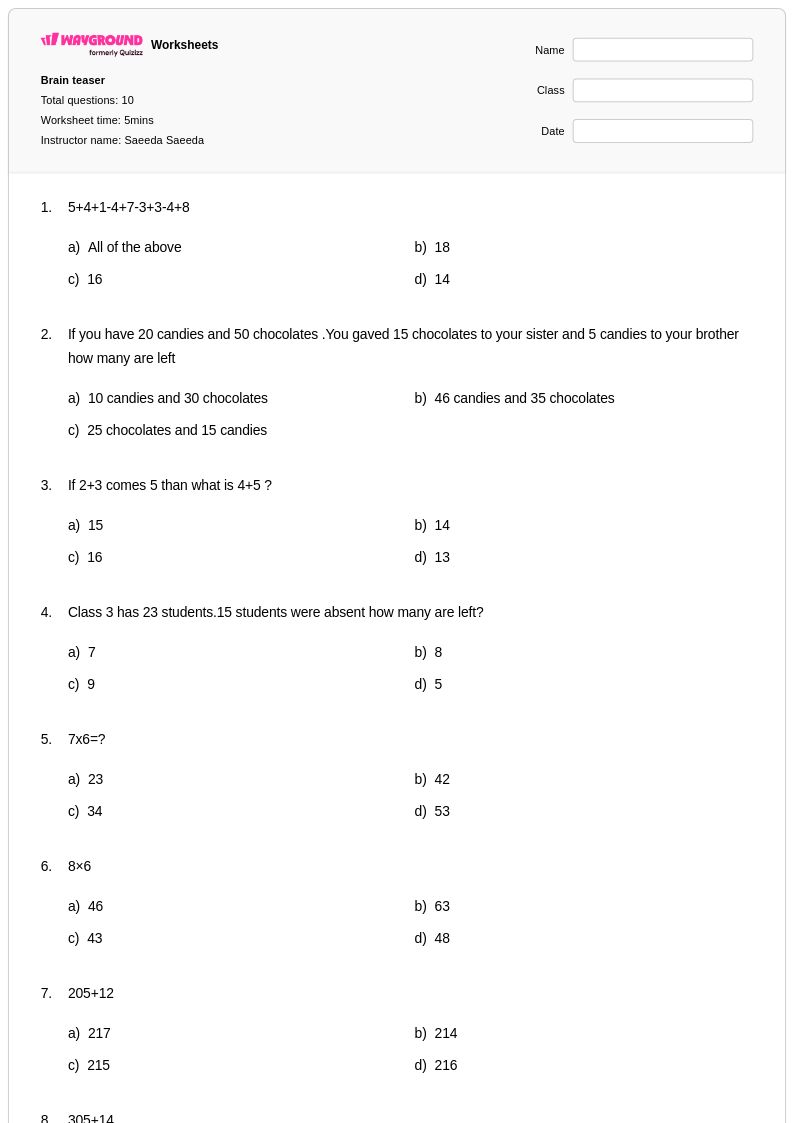
10 Q
1st - 3rd
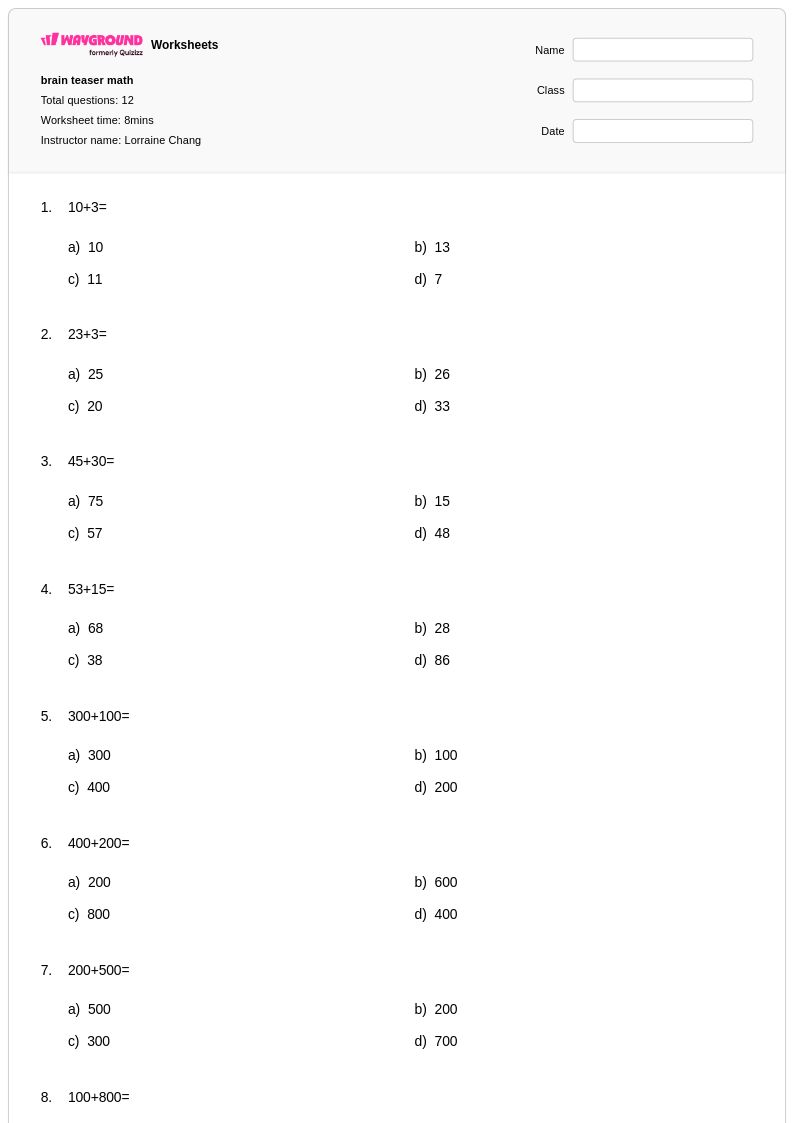
12 Q
KG - 1st
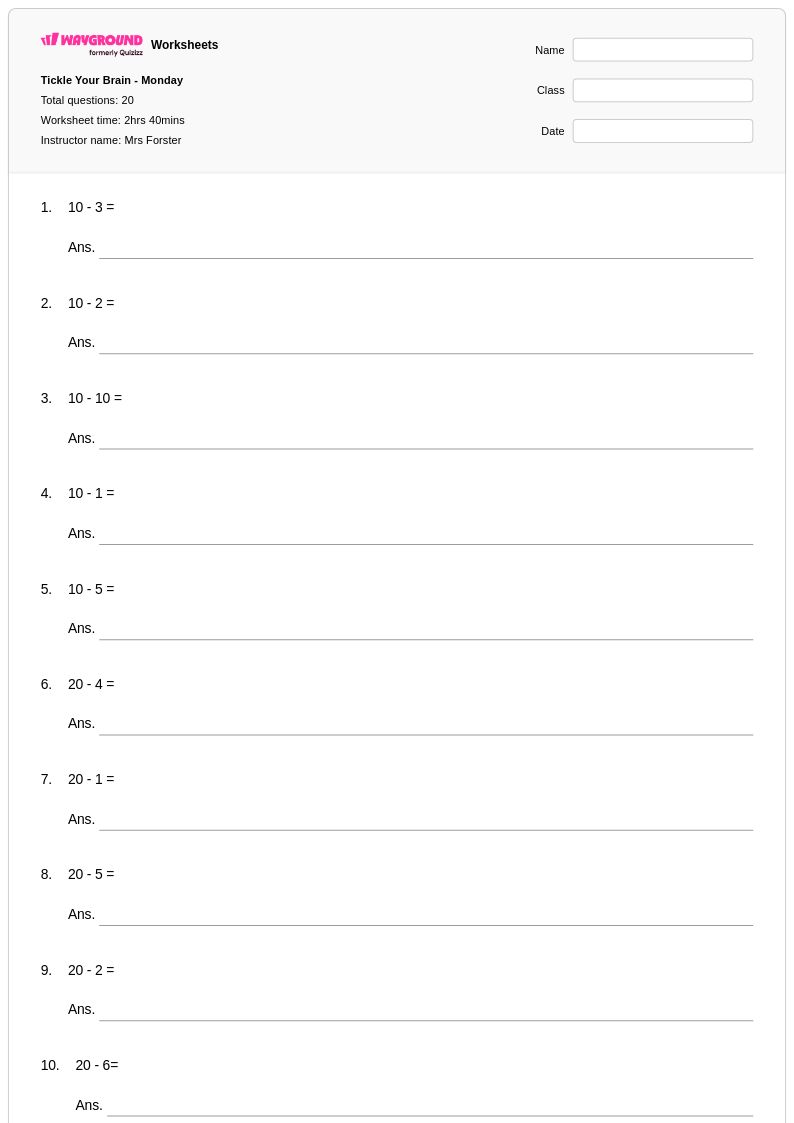
20 Q
1st - 3rd
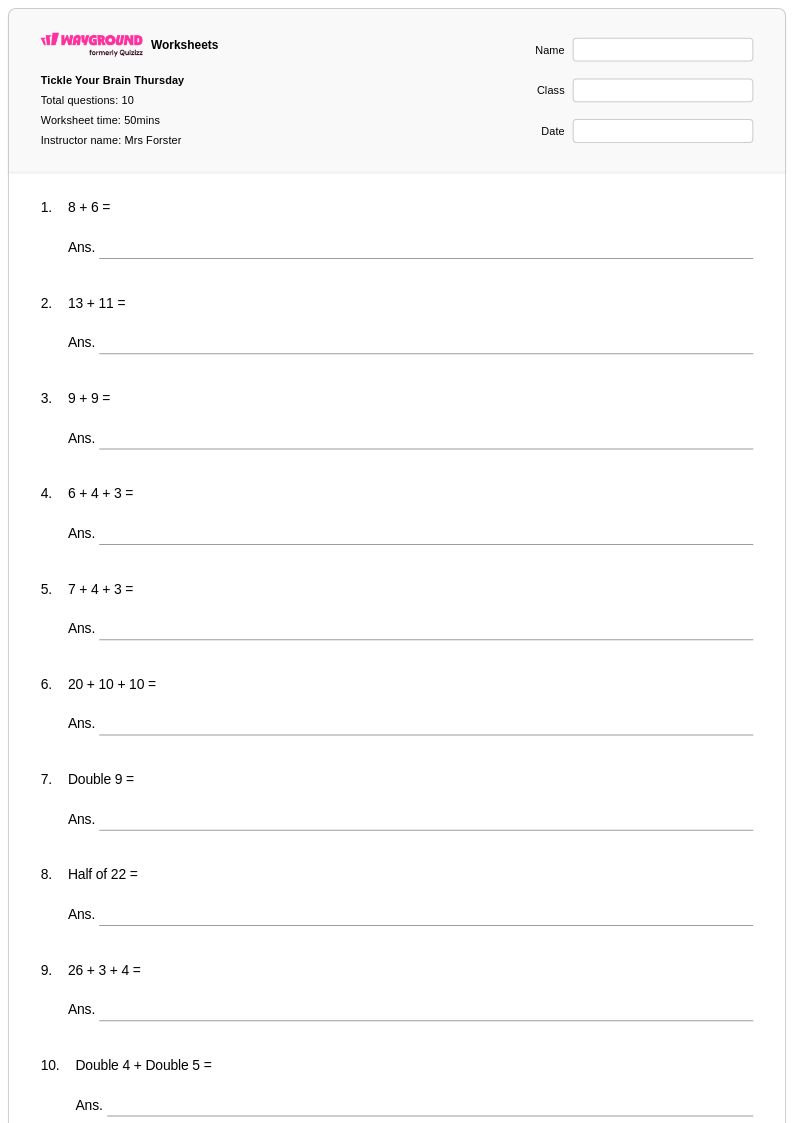
10 Q
1st - 3rd
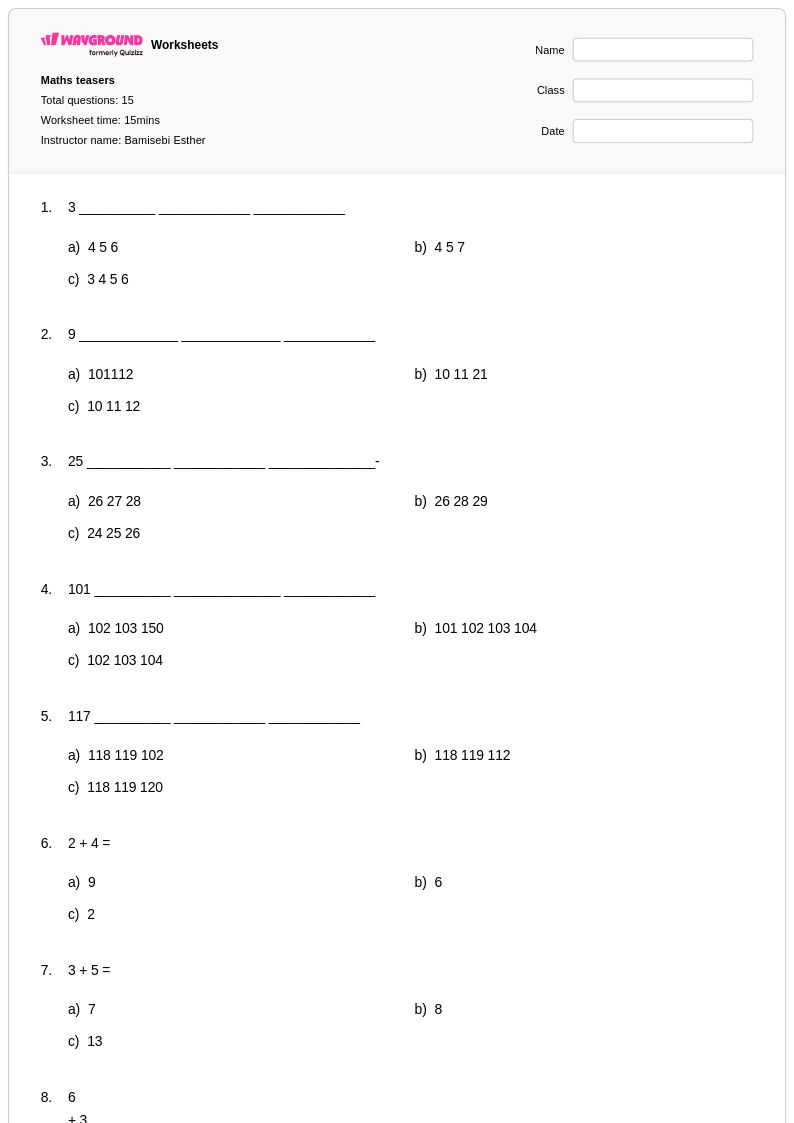
15 Q
KG - 2nd
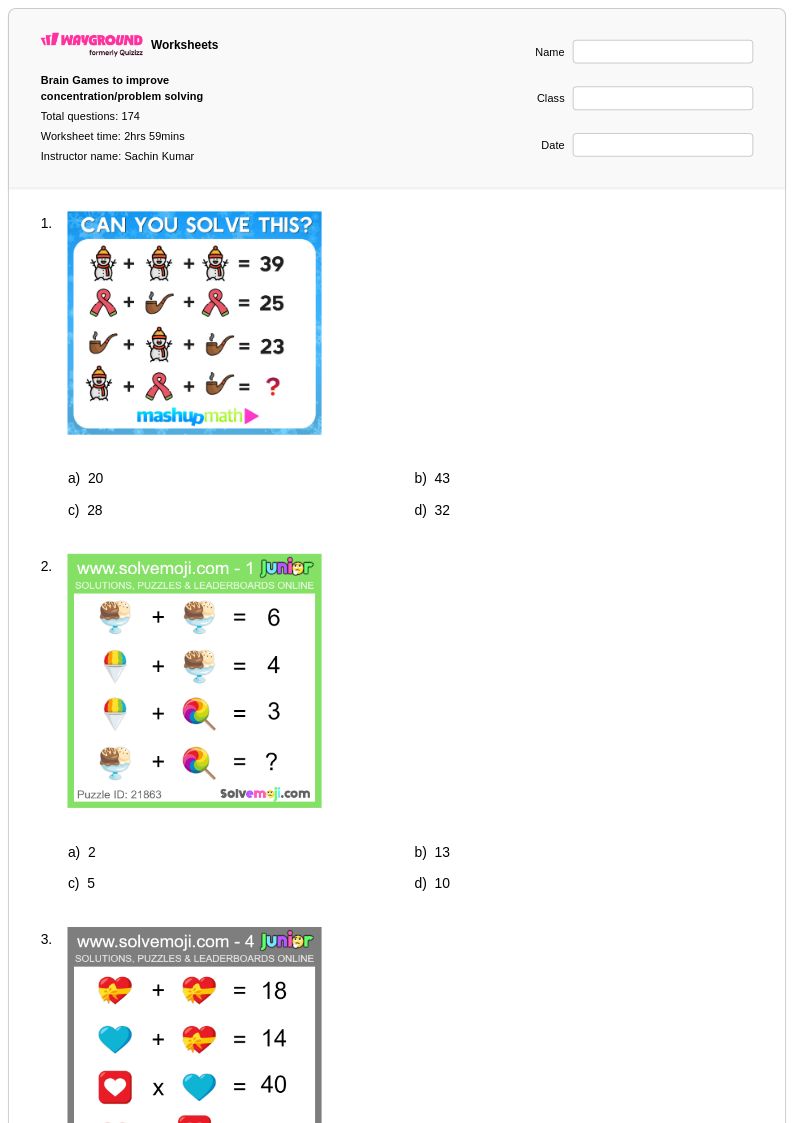
174 Q
1st - 12th
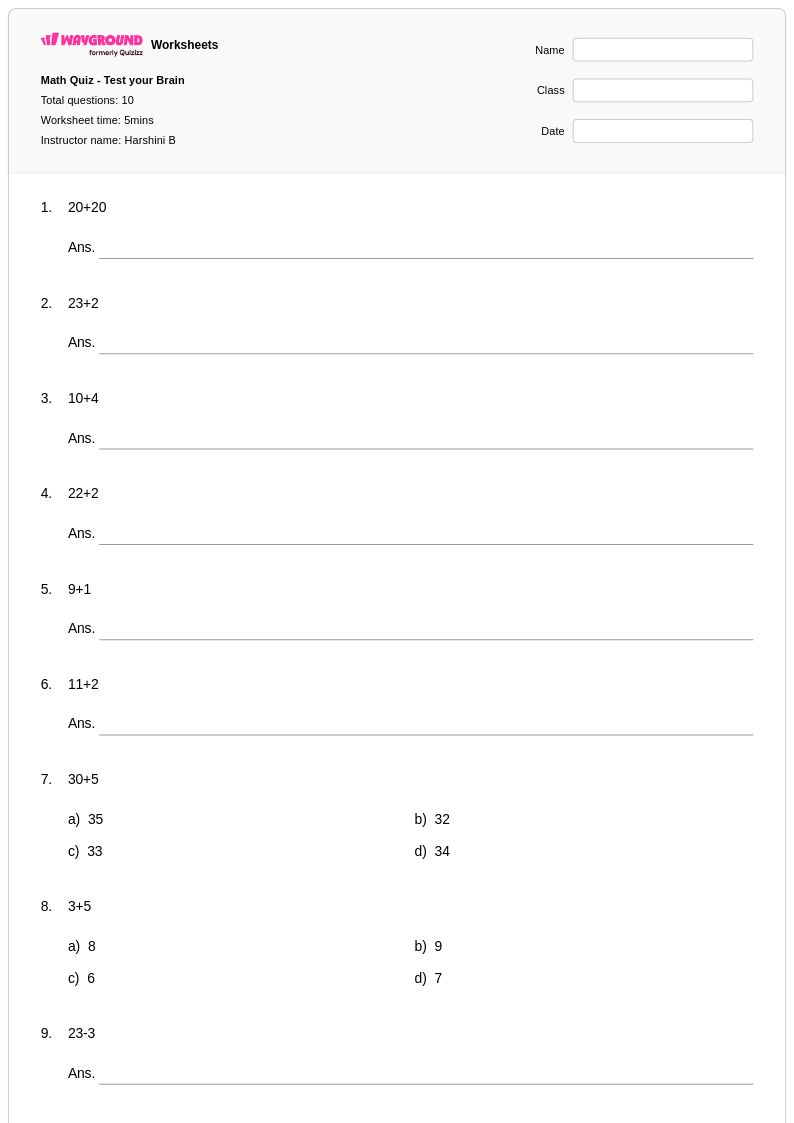
10 Q
1st - 4th
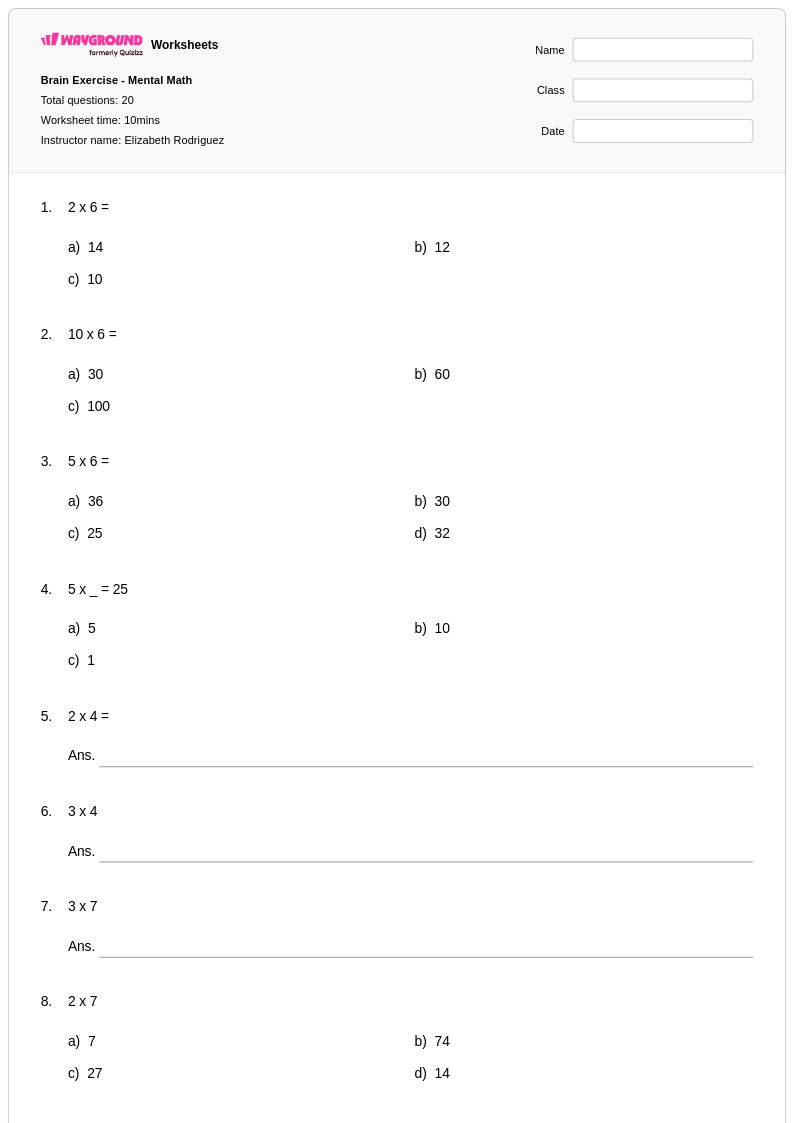
20 Q
1st - 3rd
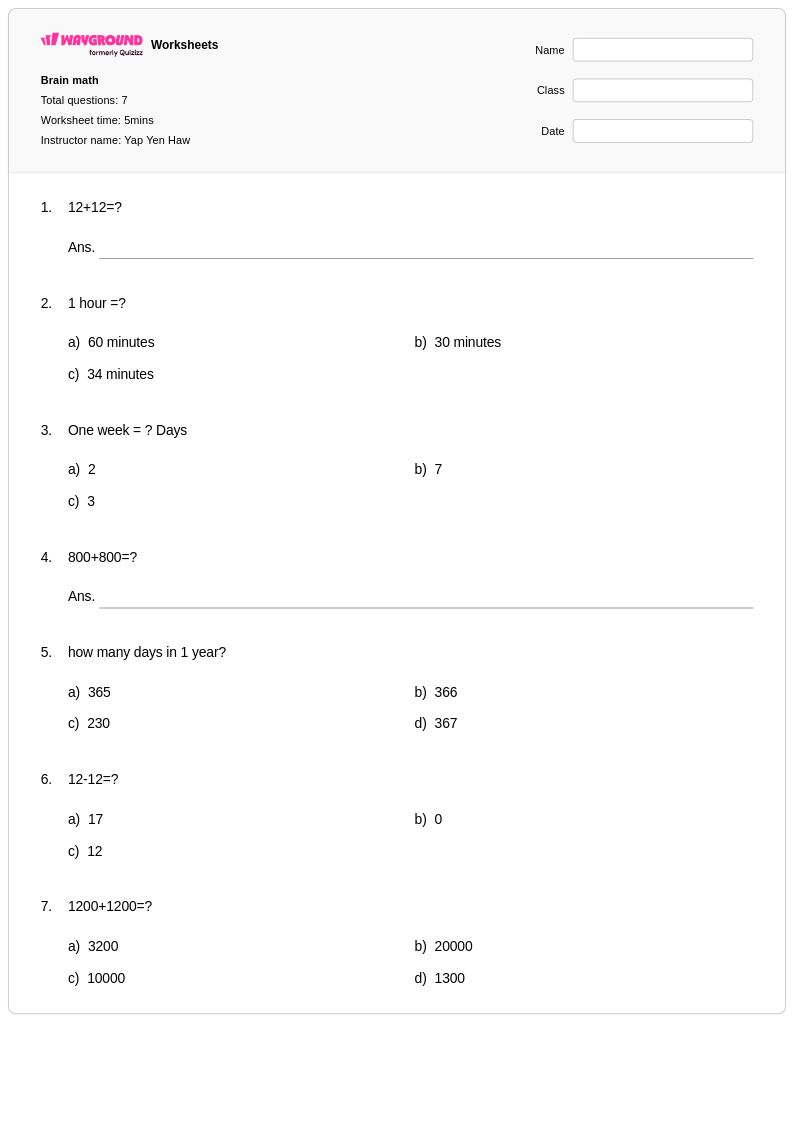
7 Q
1st
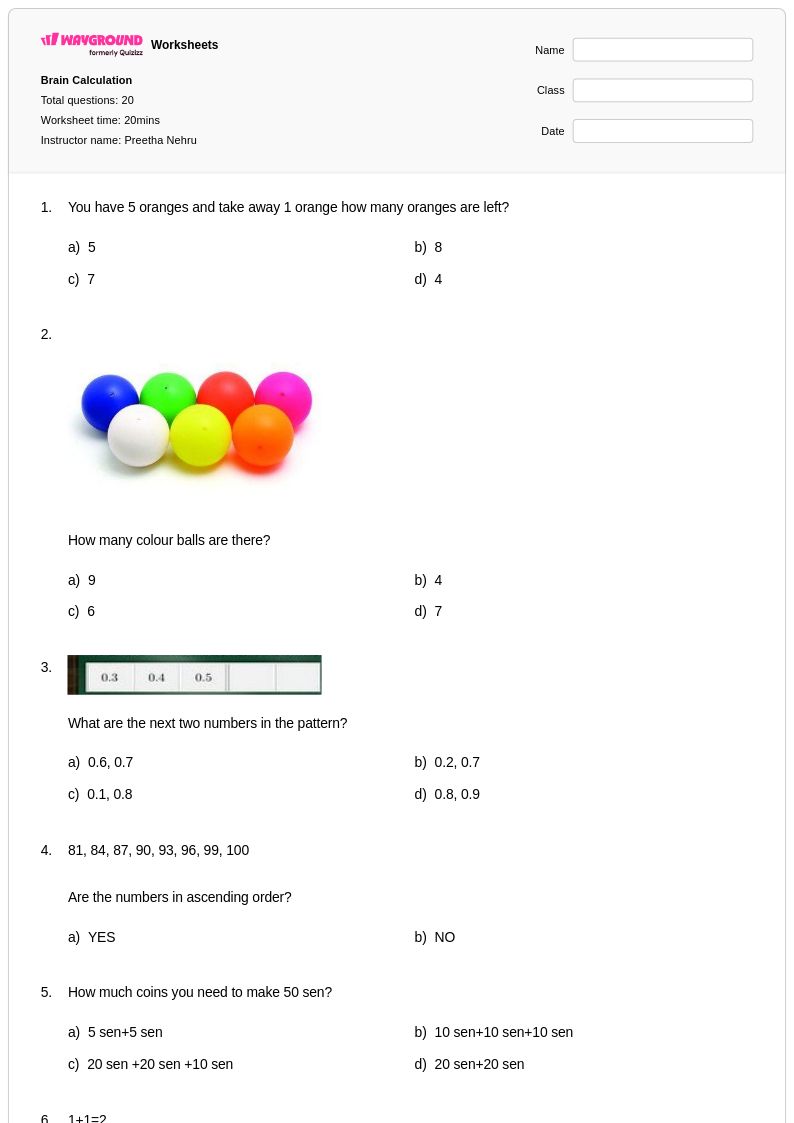
20 Q
1st
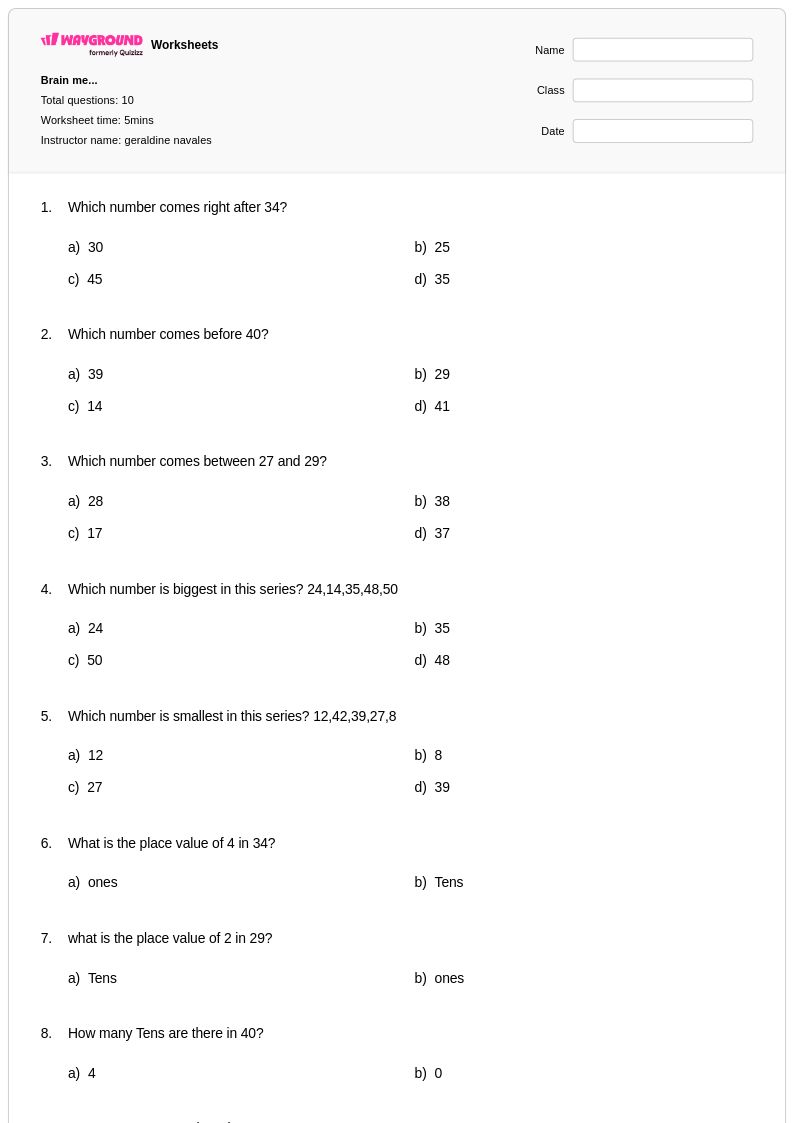
10 Q
1st
10 Q
1st - 2nd
7 Q
1st - 4th
20 Q
1st - PD
15 Q
1st
Explore Brain Teasers Worksheets by Grades
Explore Other Subject Worksheets for class 1
Explore printable Brain Teasers worksheets for Class 1
Brain teasers for Class 1 mathematics provide young learners with engaging problem-solving experiences that develop critical thinking skills while reinforcing foundational math concepts. Wayground's collection of Class 1 brain teaser worksheets challenges students to think creatively about numbers, patterns, shapes, and logical sequences through age-appropriate puzzles and riddles. These carefully designed practice problems strengthen analytical reasoning, visual-spatial skills, and mathematical intuition while building confidence in problem-solving approaches. Each worksheet includes comprehensive answer keys and is available as free printable PDFs, making it simple for educators to incorporate these valuable brain-building activities into daily math instruction or use them as enrichment opportunities for advanced learners.
Wayground's extensive library draws from millions of teacher-created resources, ensuring educators have access to diverse and high-quality Class 1 brain teaser materials that align with developmental standards and learning objectives. The platform's robust search and filtering capabilities allow teachers to quickly locate worksheets that match specific skill levels, difficulty ranges, or thematic focuses within mathematical brain teasers. Advanced differentiation tools enable educators to customize content for individual student needs, whether providing additional support for struggling learners or offering challenging extensions for mathematically gifted students. Available in both printable and digital formats, these versatile resources support flexible lesson planning, targeted remediation sessions, independent practice time, and enrichment activities that keep young minds engaged while building essential mathematical thinking skills.
FAQs
How do I teach brain teasers in first grade?
What exercises help first graders practice brain teasers?
What mistakes do first graders commonly make on brain teasers?
How do I assign these Grade 1 brain teaser worksheets?
How do Grade 1 brain teasers fit Common Core math progression?
How can I differentiate brain teaser practice in Grade 1?
What grade are these brain teaser worksheets for?