
20 Q
8th - Uni
20 Q
8th
17 Q
7th
20 Q
6th
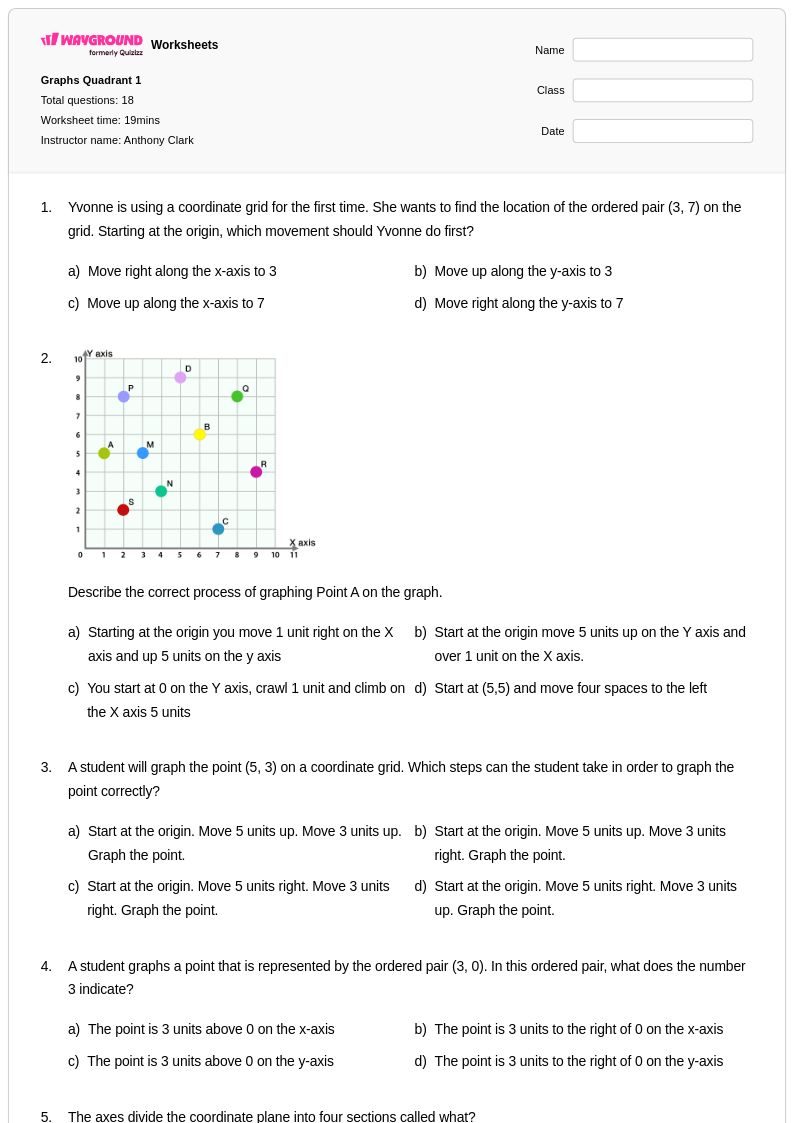
19 Q
9th - Uni
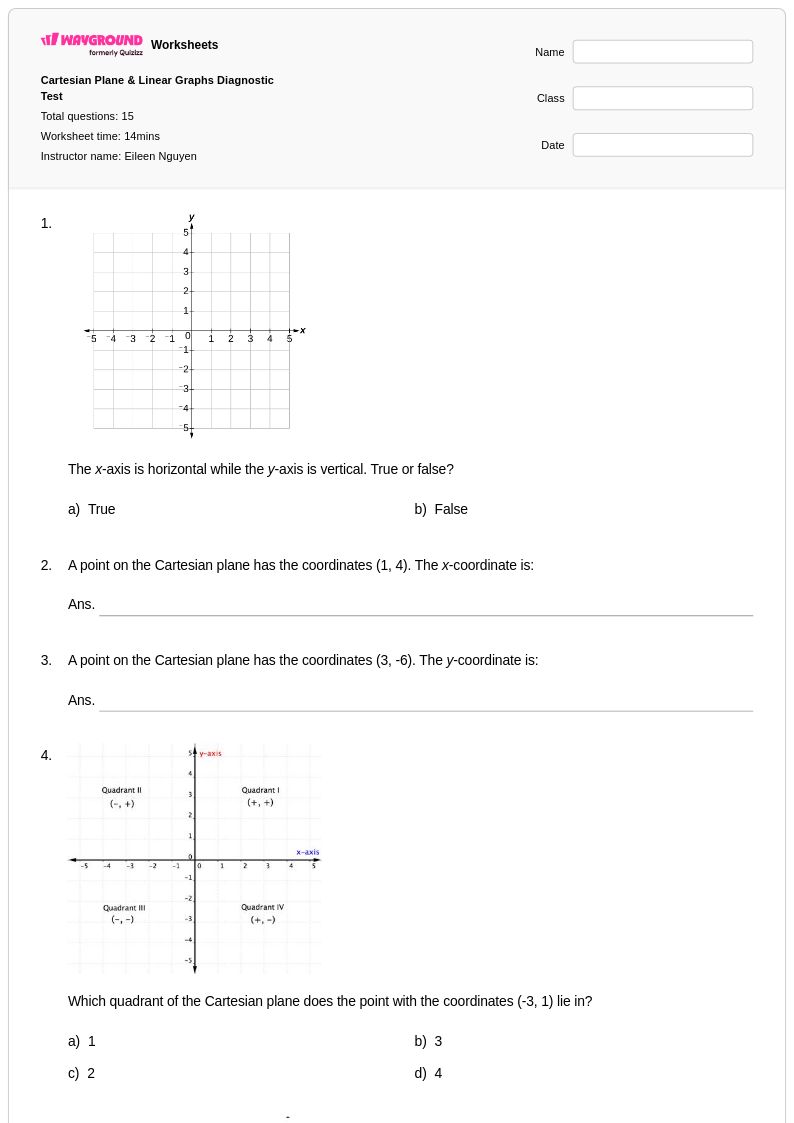
15 Q
7th
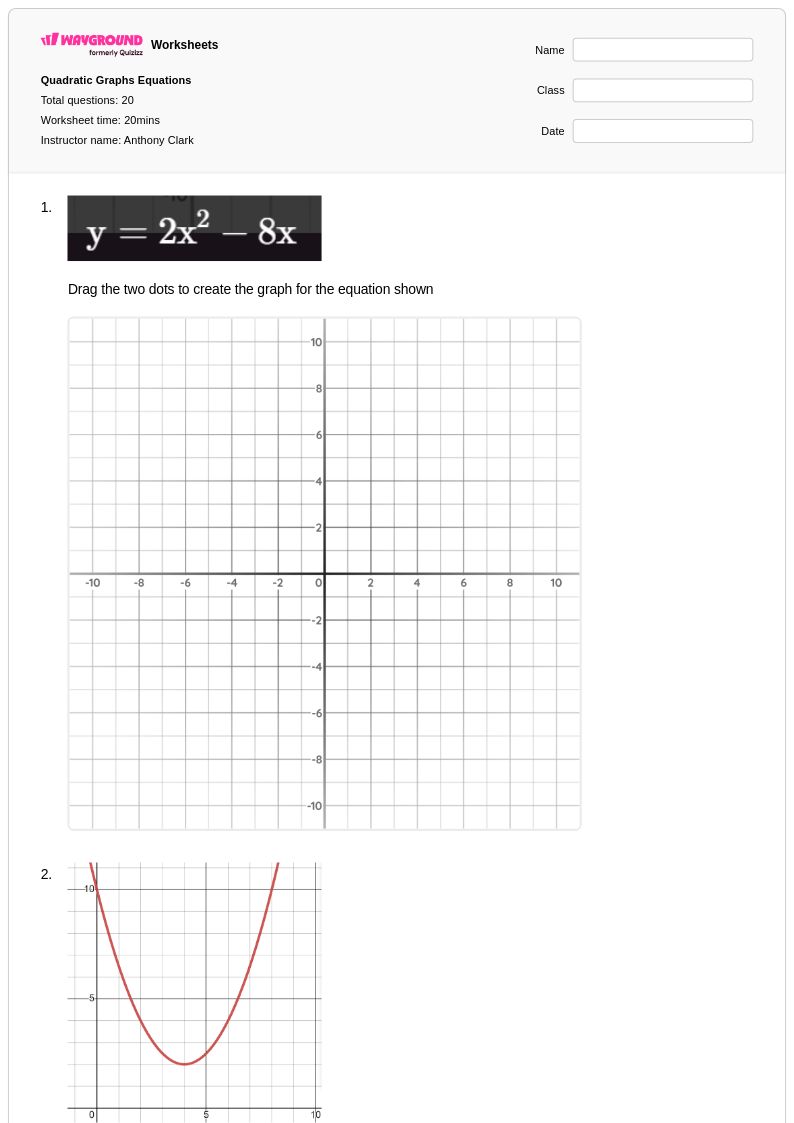
20 Q
9th - Uni
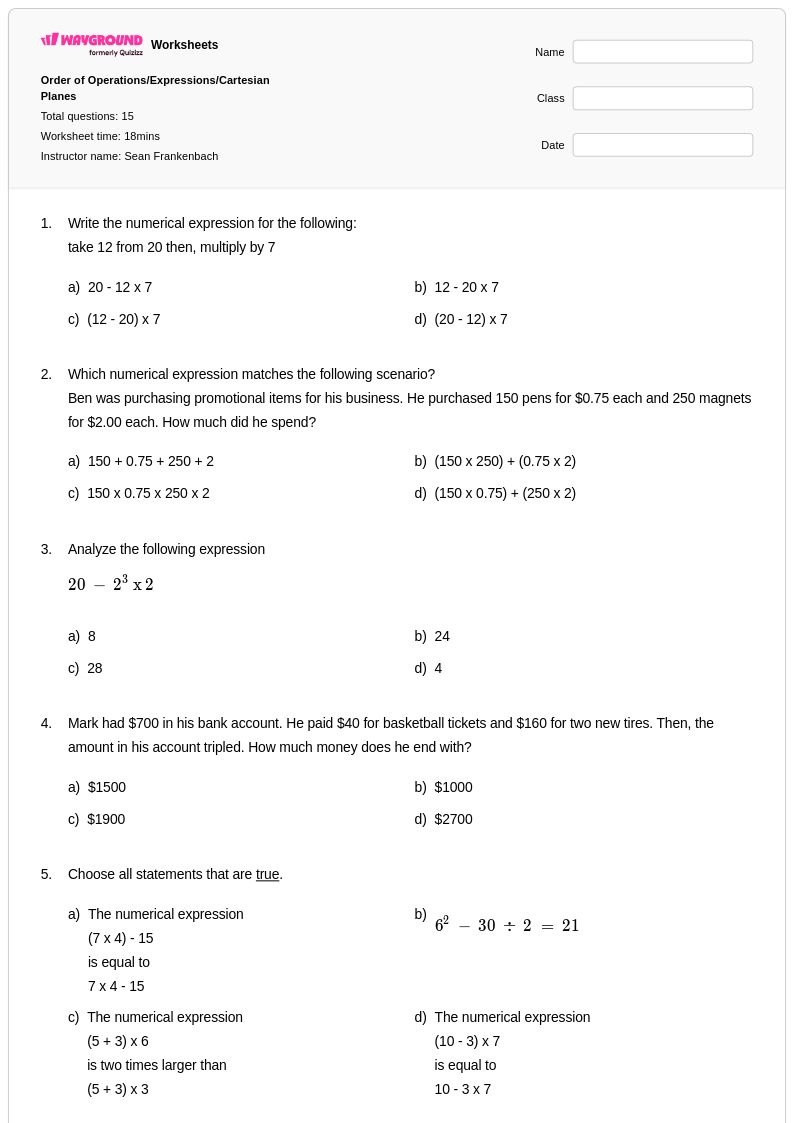
15 Q
4th - 5th
55 Q
7th
37 Q
6th - 8th
12 Q
9th - 12th
24 Q
11th
20 Q
9th - 12th
19 Q
8th - Uni
11 Q
7th
19 Q
9th - Uni
22 Q
8th
12 Q
9th - 12th
13 Q
8th
18 Q
11th
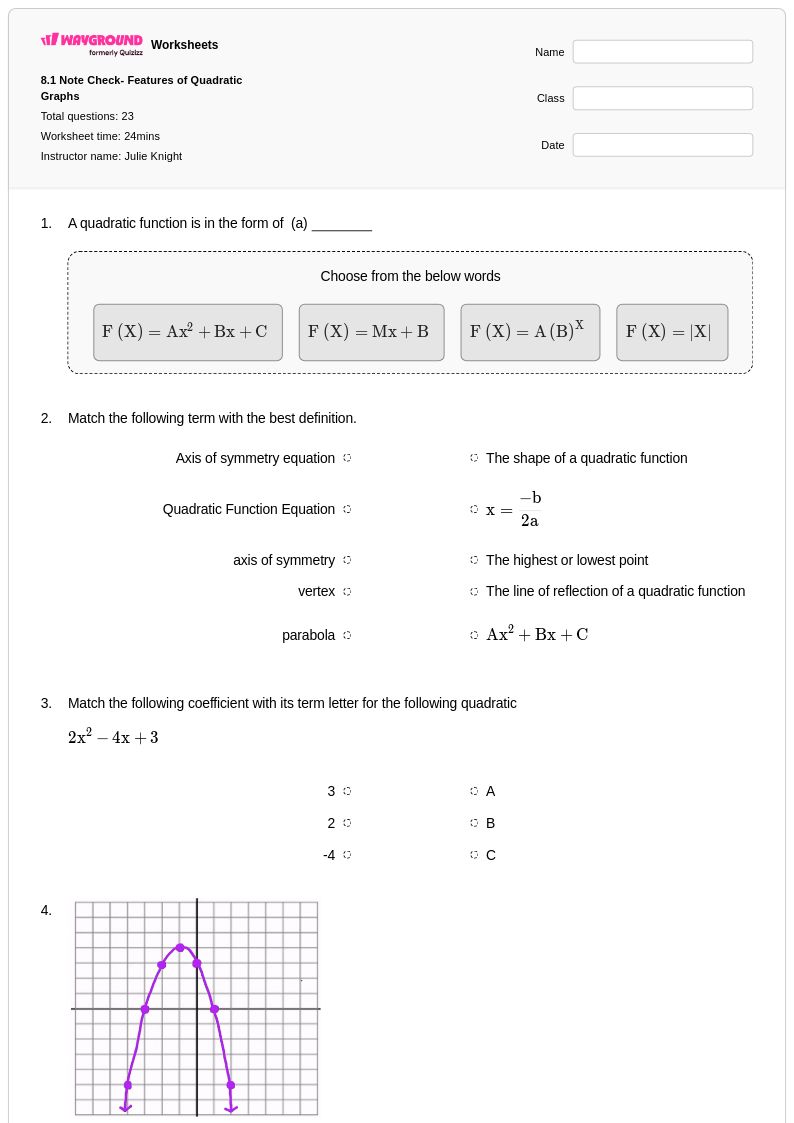
23 Q
9th
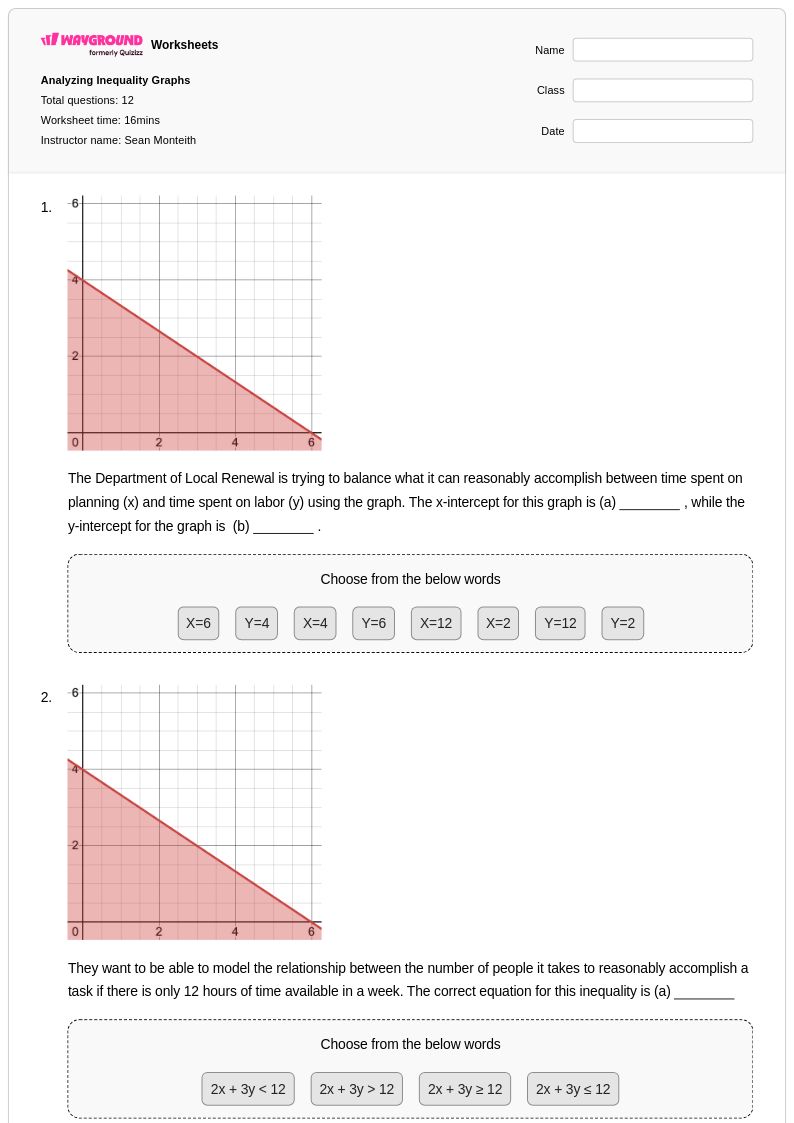
12 Q
9th
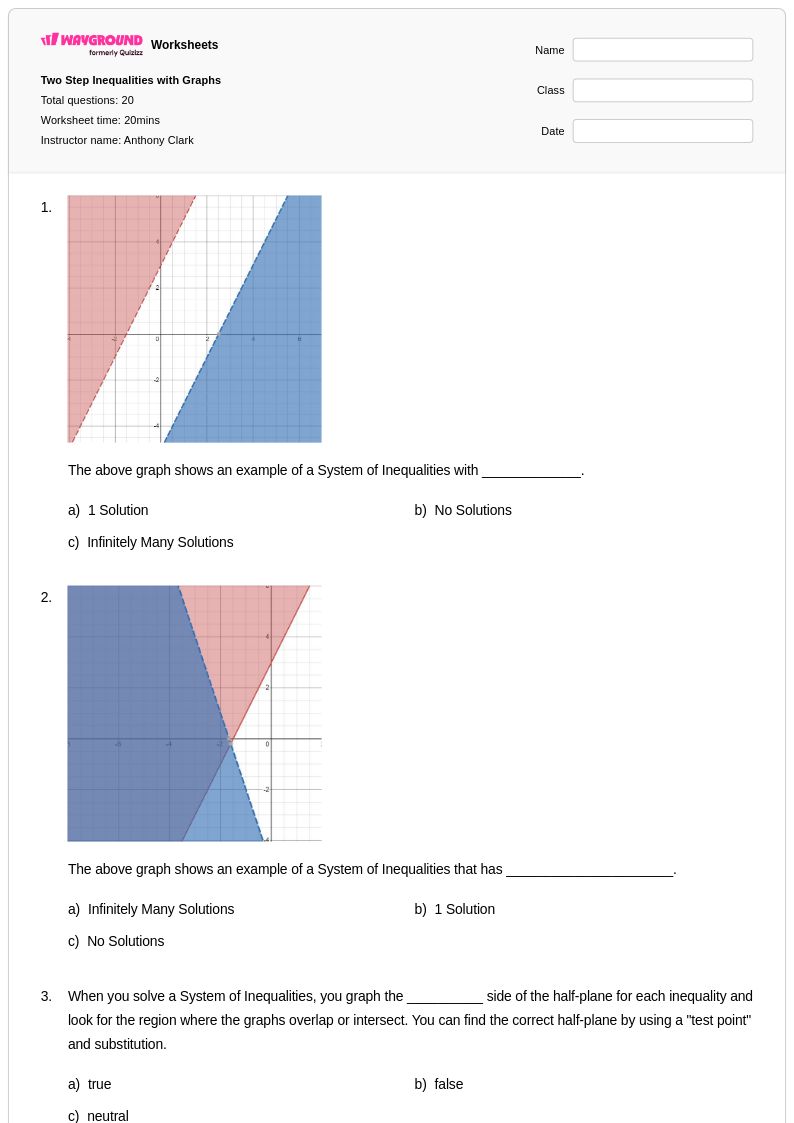
20 Q
9th - Uni
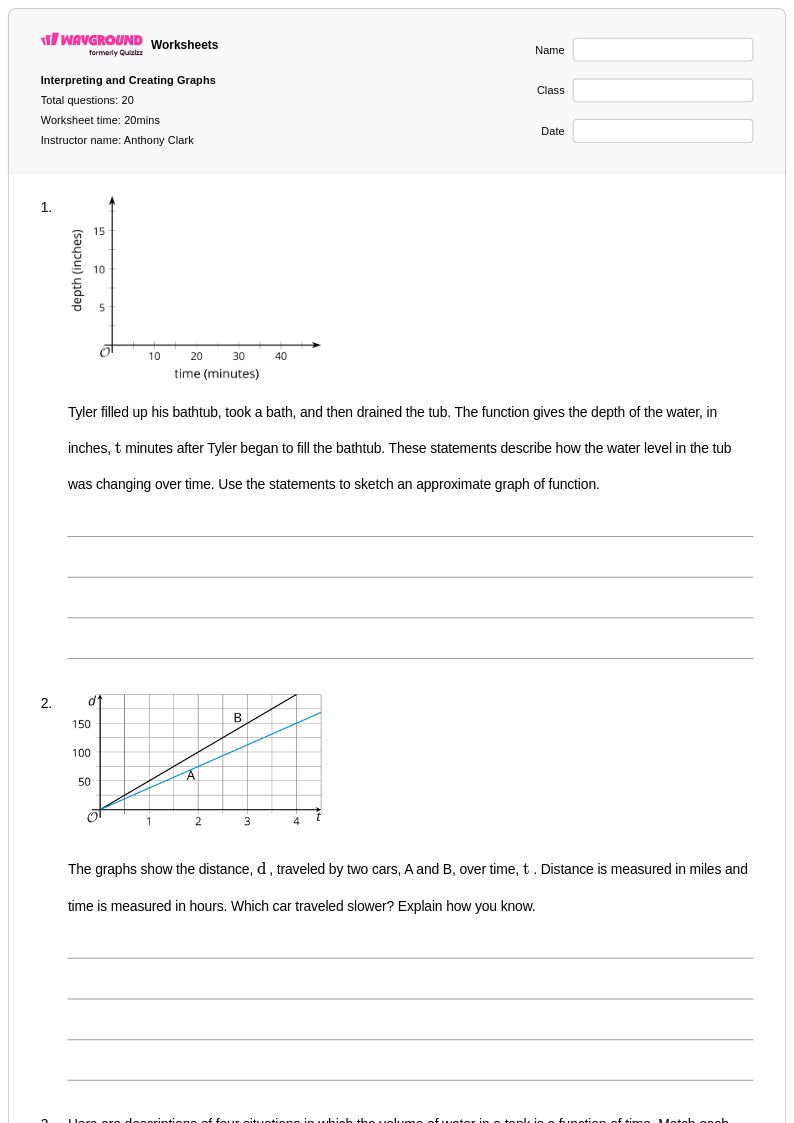
20 Q
6th - Uni
Explore Worksheets by Subjects
Explore printable Cartesian Graphs worksheets
Cartesian graphs worksheets available through Wayground (formerly Quizizz) provide comprehensive practice opportunities for students to master coordinate plane concepts and graphing fundamentals. These expertly designed printables focus on essential skills including plotting points using ordered pairs, identifying quadrants, determining coordinates of given points, and understanding the relationship between x and y axes. Each worksheet collection includes detailed answer keys and free pdf downloads, enabling students to work independently while building confidence with coordinate geometry. The practice problems systematically progress from basic point plotting to more complex applications, ensuring students develop a solid foundation in reading and interpreting Cartesian coordinate systems.
Wayground (formerly Quizizz) empowers educators with access to millions of teacher-created Cartesian graph resources that streamline lesson planning and differentiated instruction. The platform's robust search and filtering capabilities allow teachers to quickly locate worksheets aligned with specific learning standards and customize content to meet diverse student needs. Whether implementing remediation strategies for struggling learners or providing enrichment activities for advanced students, teachers can easily modify existing materials or create new practice sets. The flexible format options include both printable pdf versions for traditional classroom use and digital formats for interactive learning environments, supporting seamless integration into any instructional approach while ensuring consistent skill development across all learning modalities.
FAQs
How do I teach students to read Cartesian graphs?
What activities help students practice Cartesian graphs?
What common mistakes do students make when plotting Cartesian graphs?
How do I use Wayground Cartesian graph worksheets in class?
How do Cartesian graphs fit into the Common Core math curriculum?
How can I support students who struggle with Cartesian graphs?