
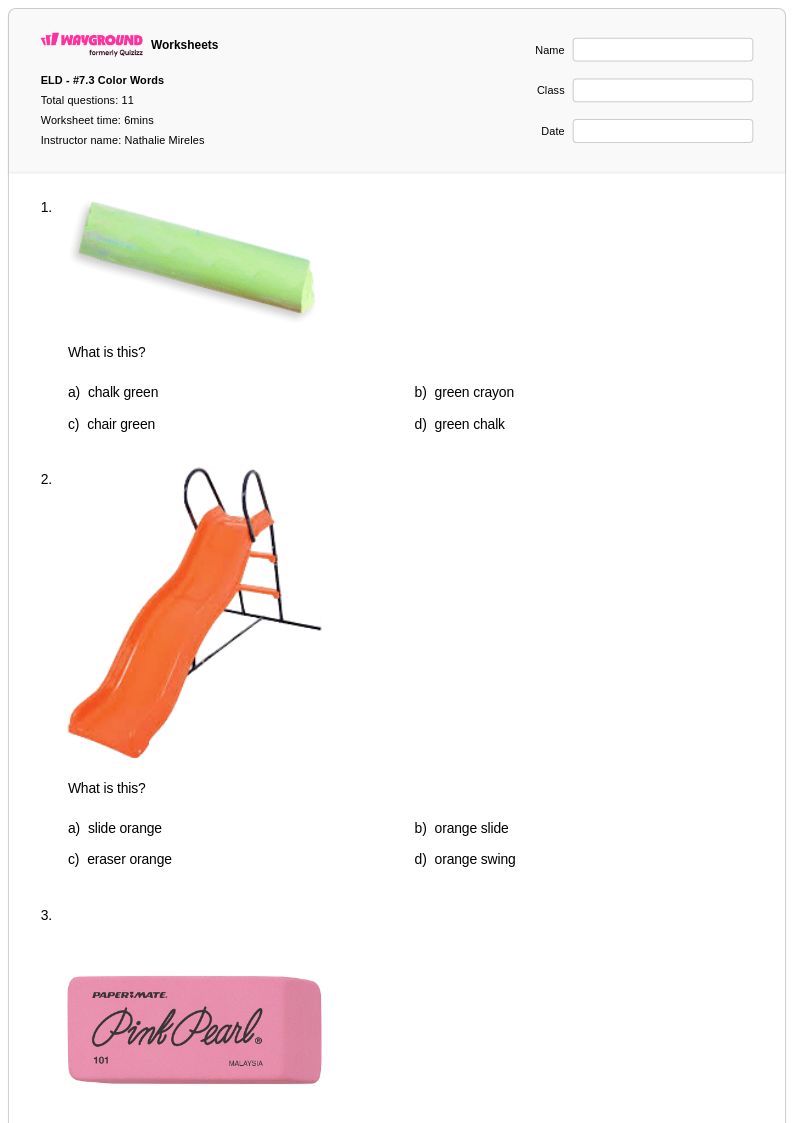
11 Q
1st - 5th
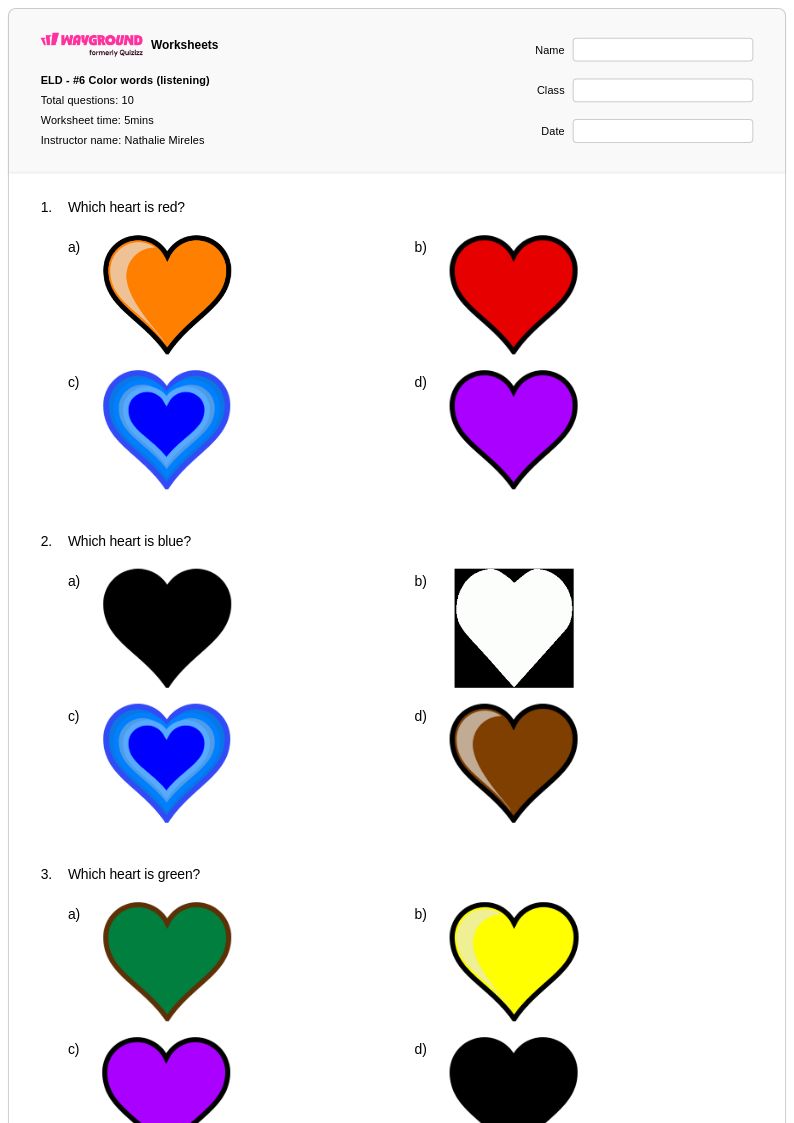
10 Q
KG - 5th
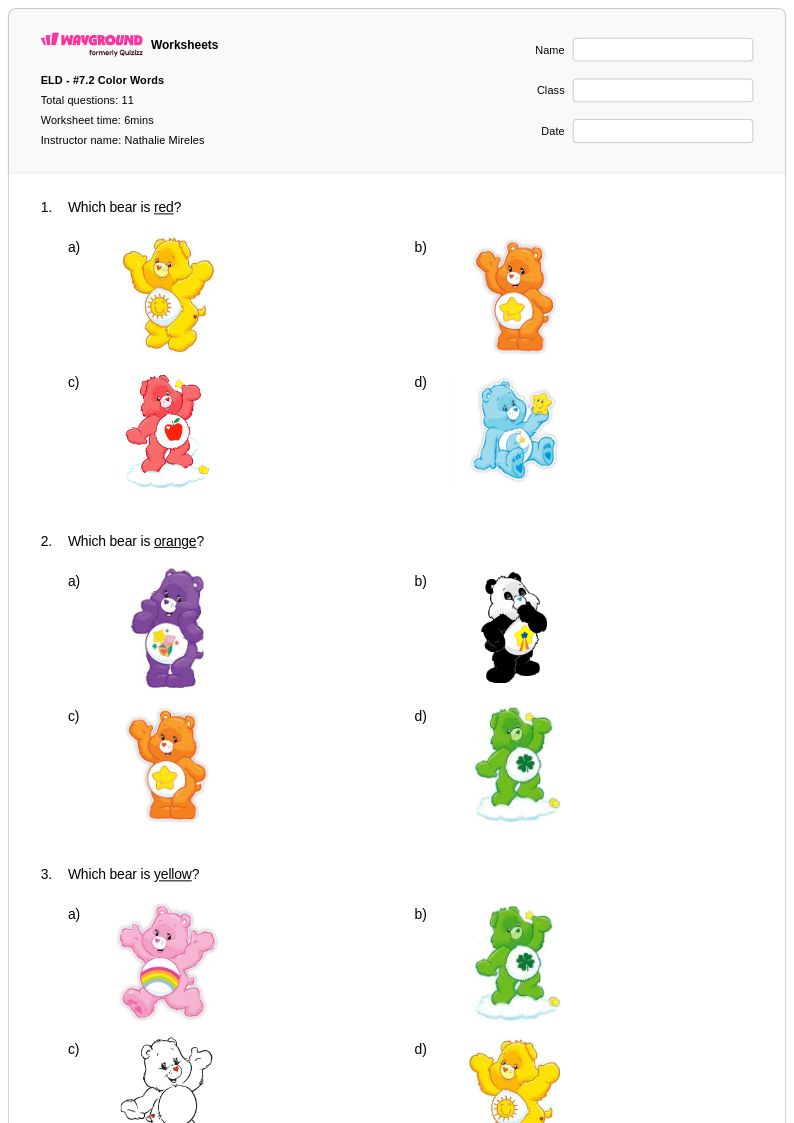
11 Q
KG - 5th
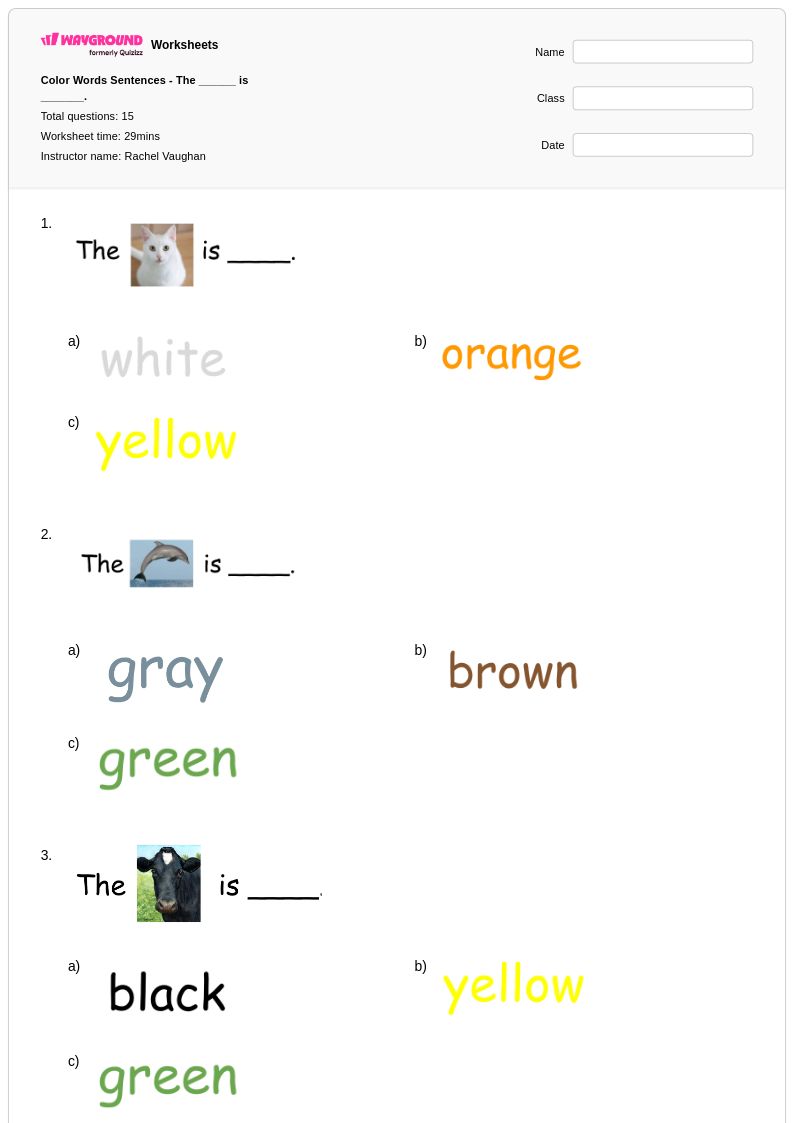
15 Q
KG - 3rd
11 Q
3rd
12 Q
KG - 3rd
39 Q
KG - 12th
10 Q
KG - Uni
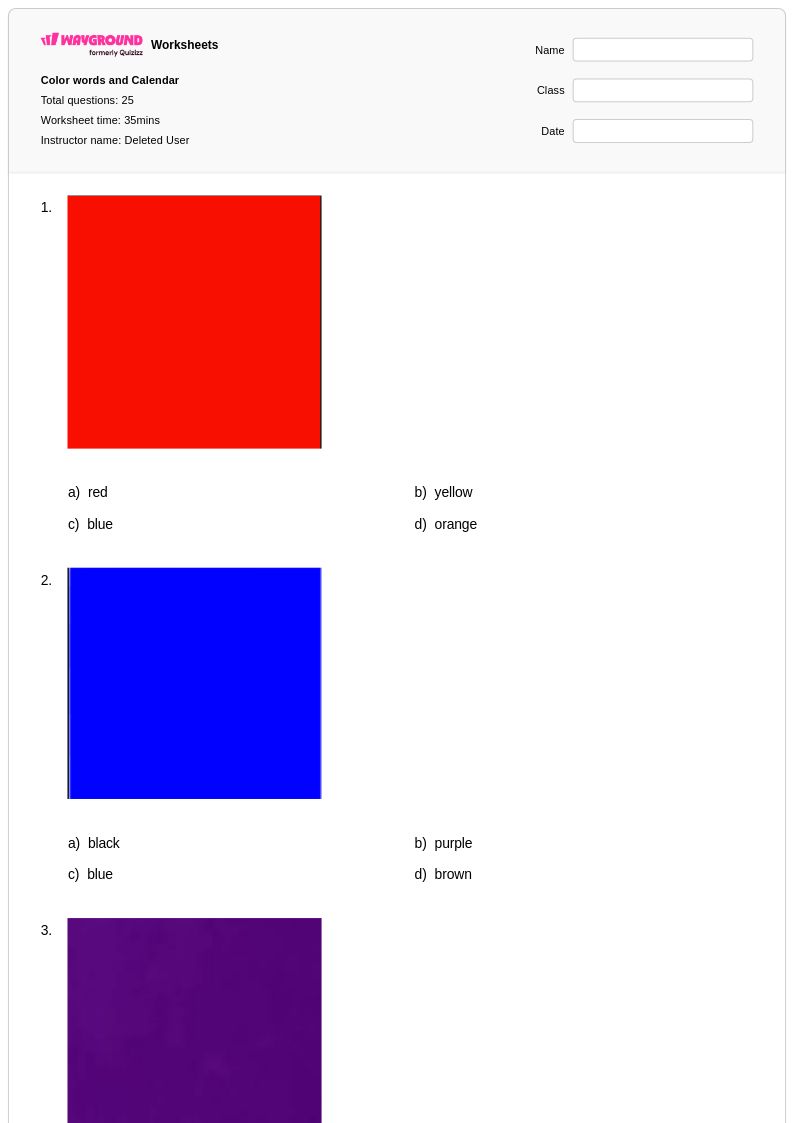
25 Q
3rd
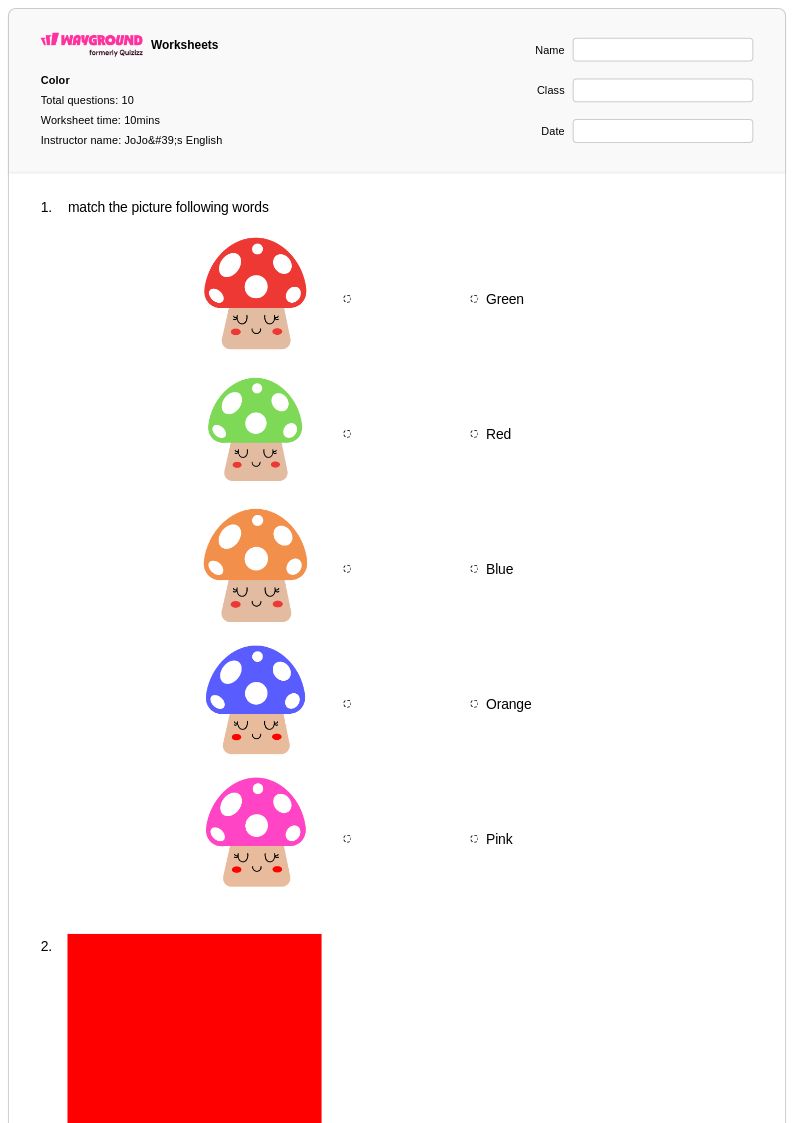
10 Q
1st - 5th
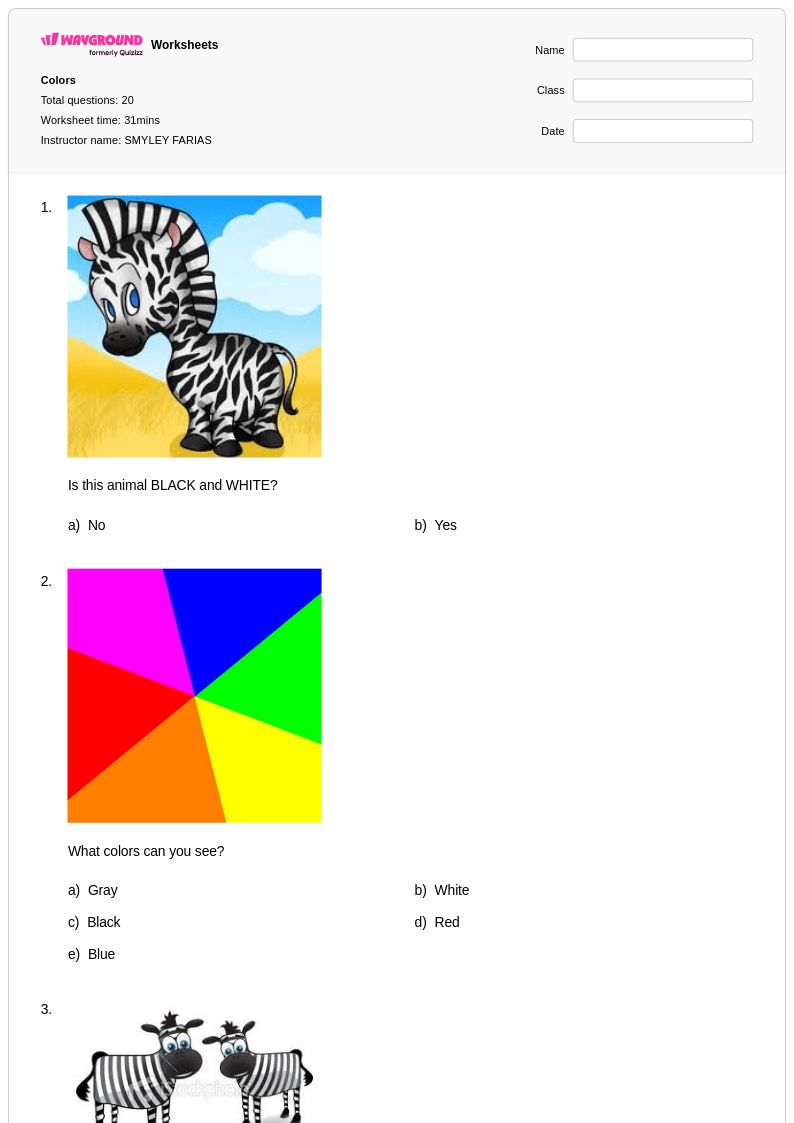
20 Q
1st - PD
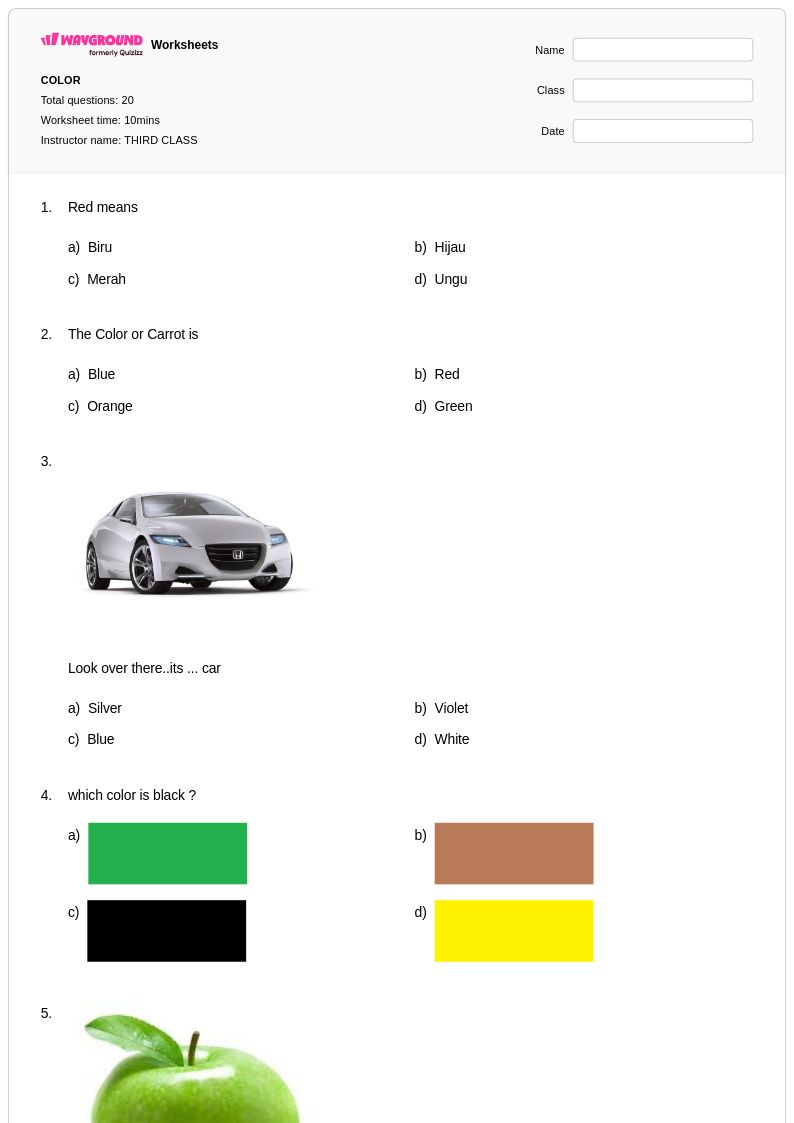
20 Q
3rd
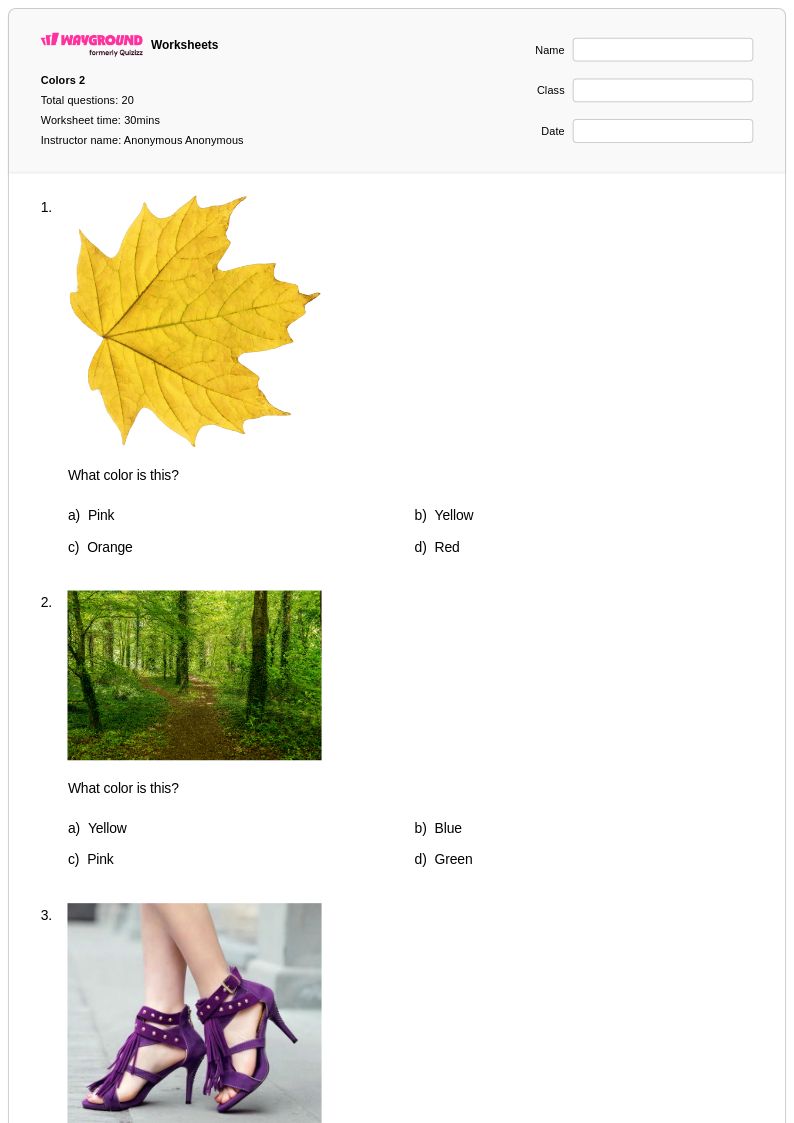
20 Q
1st - 5th
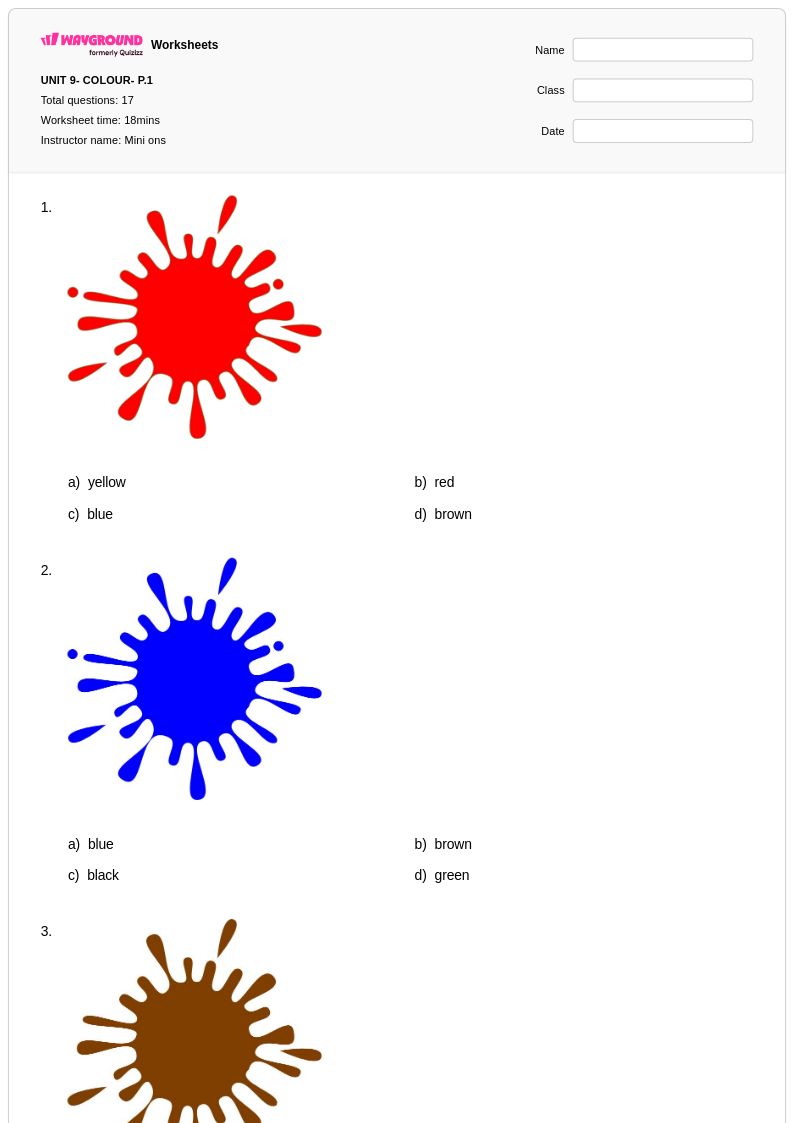
17 Q
3rd
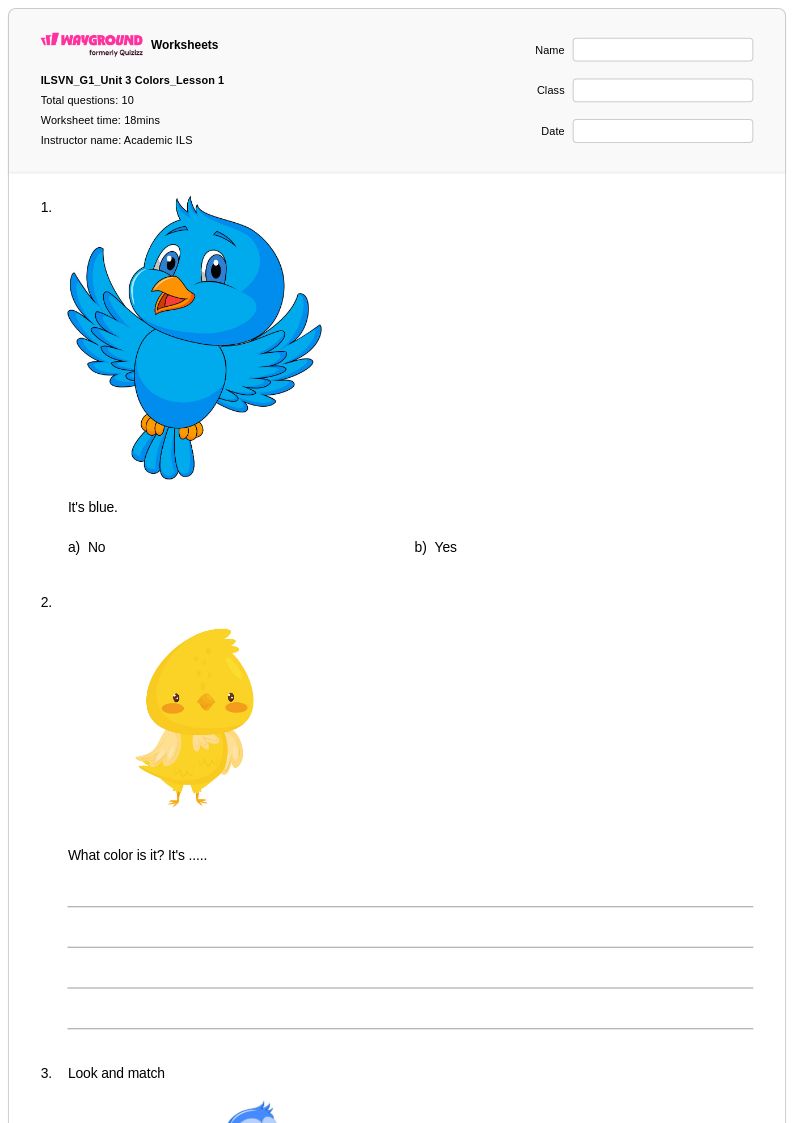
10 Q
1st - 5th
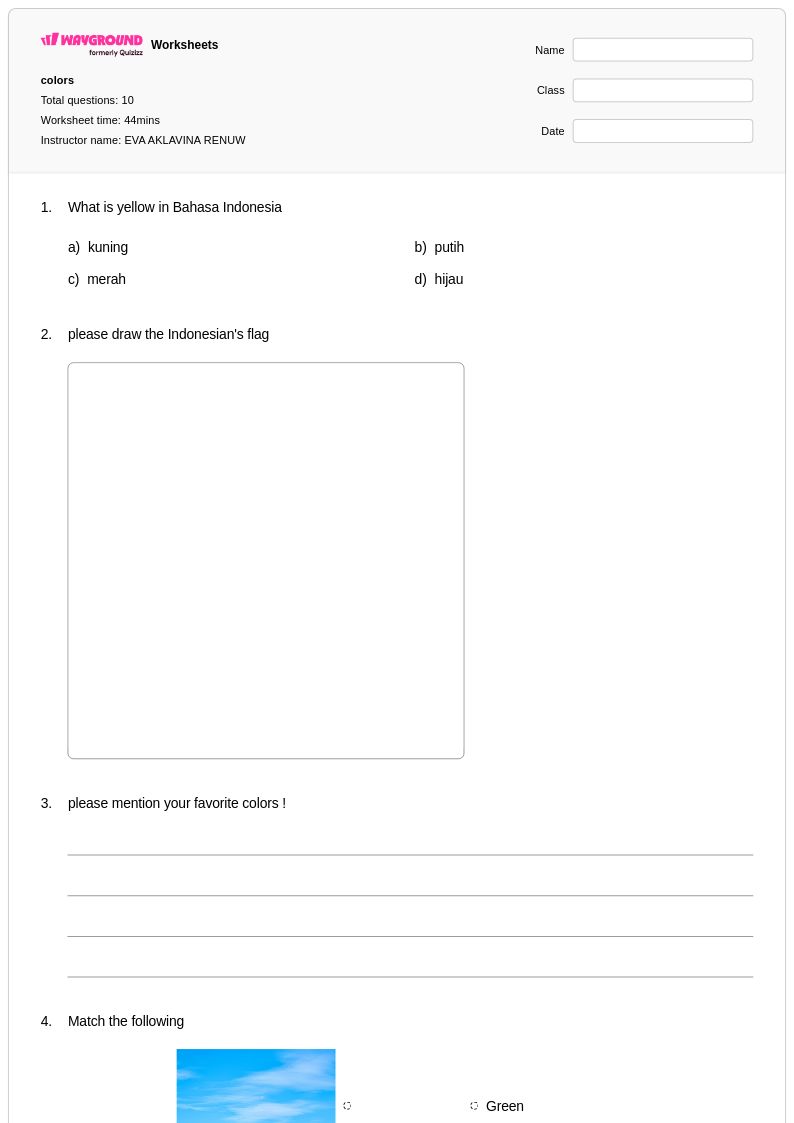
10 Q
3rd
10 Q
2nd - Uni
20 Q
1st - 3rd
10 Q
3rd
15 Q
3rd
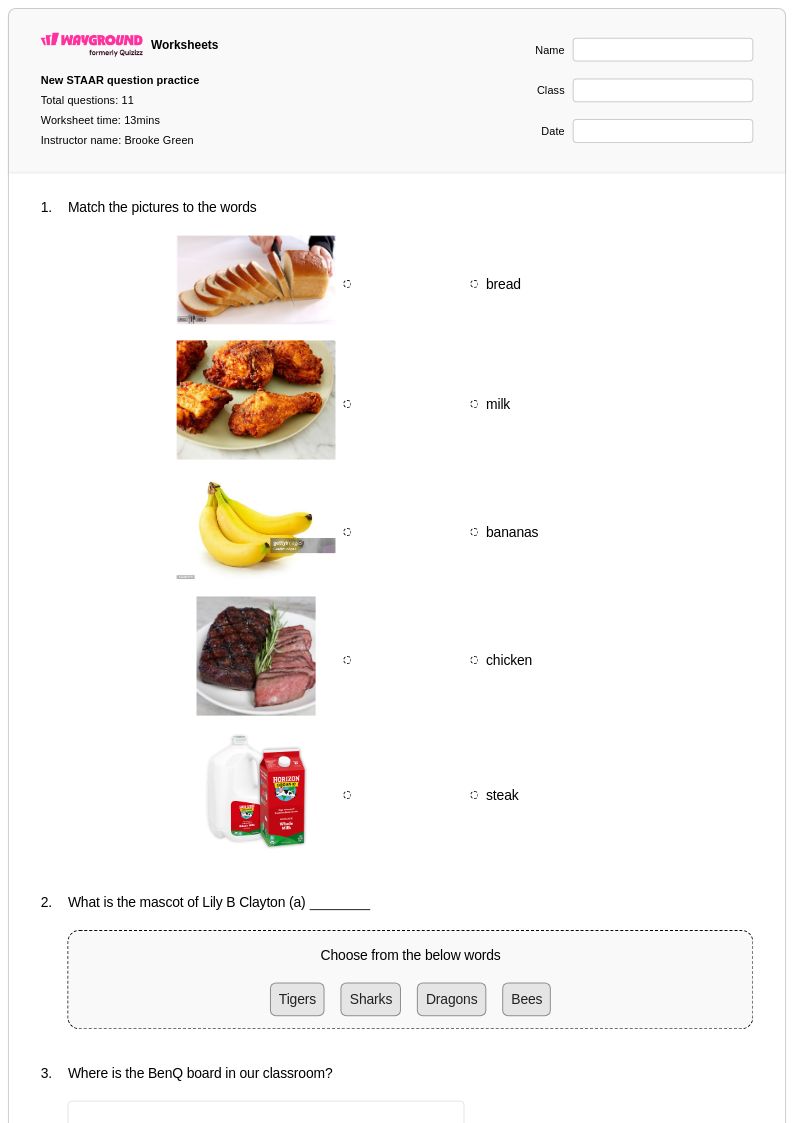
11 Q
3rd
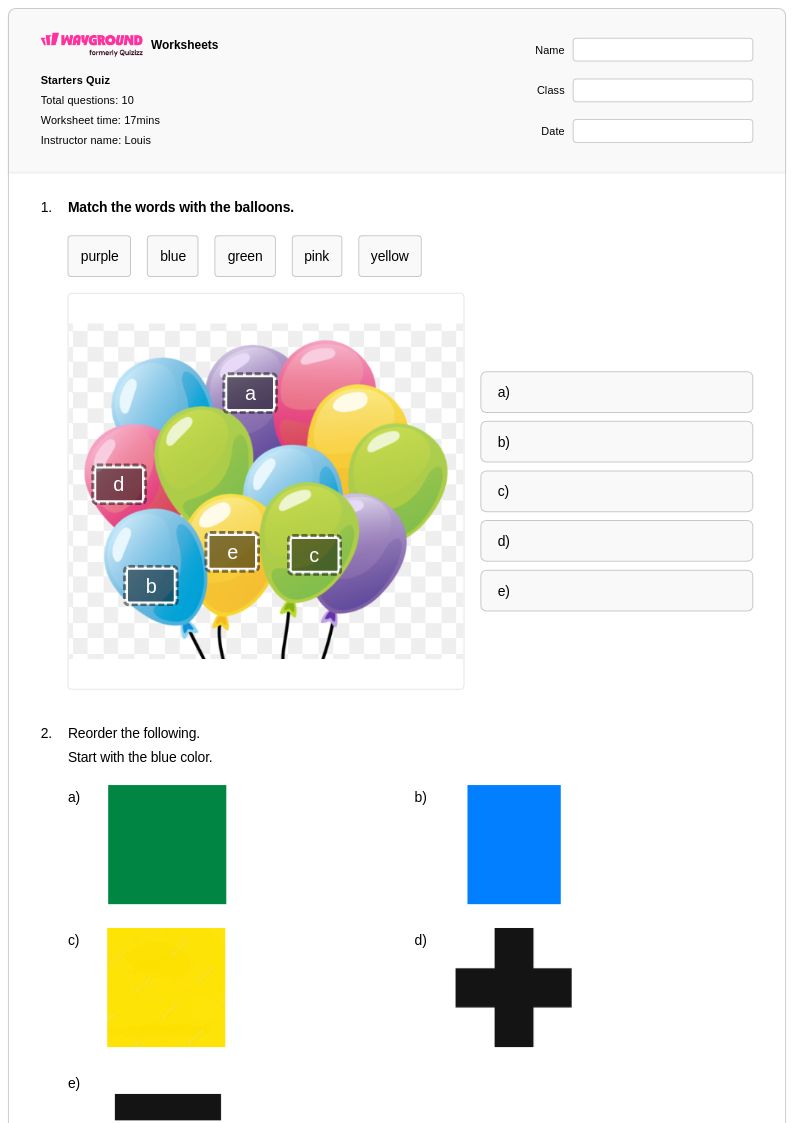
10 Q
1st - 5th
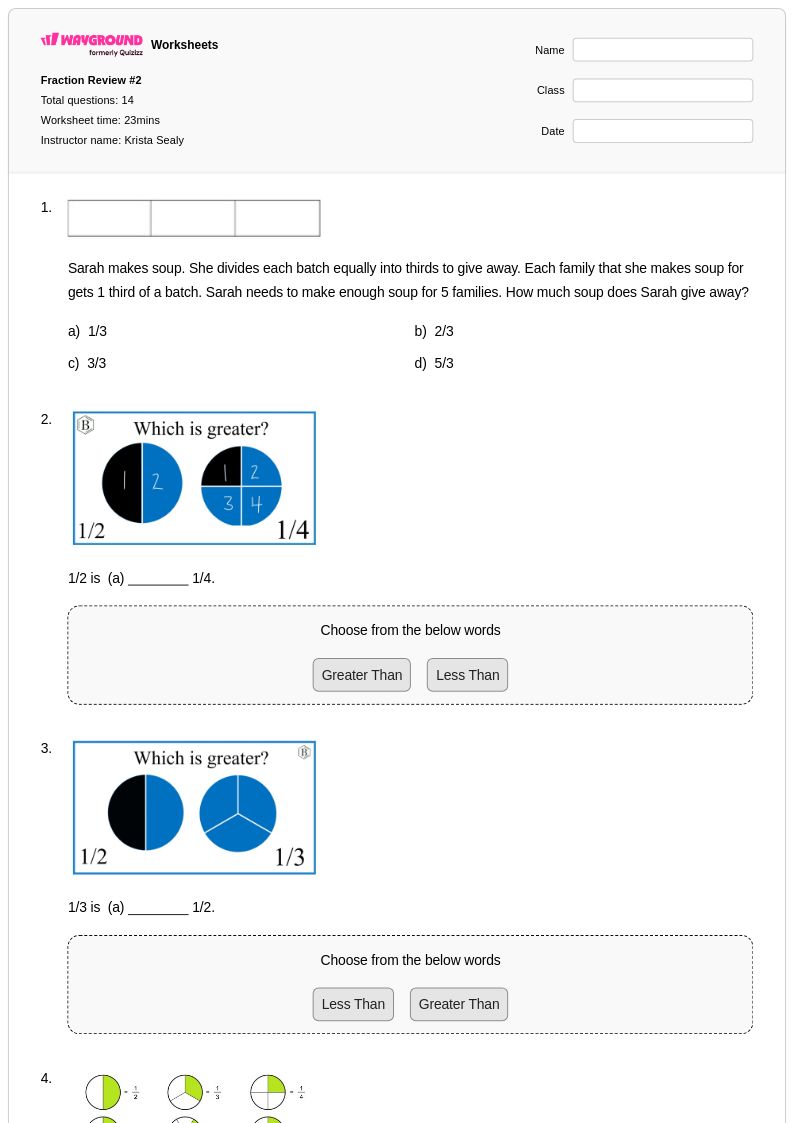
14 Q
3rd
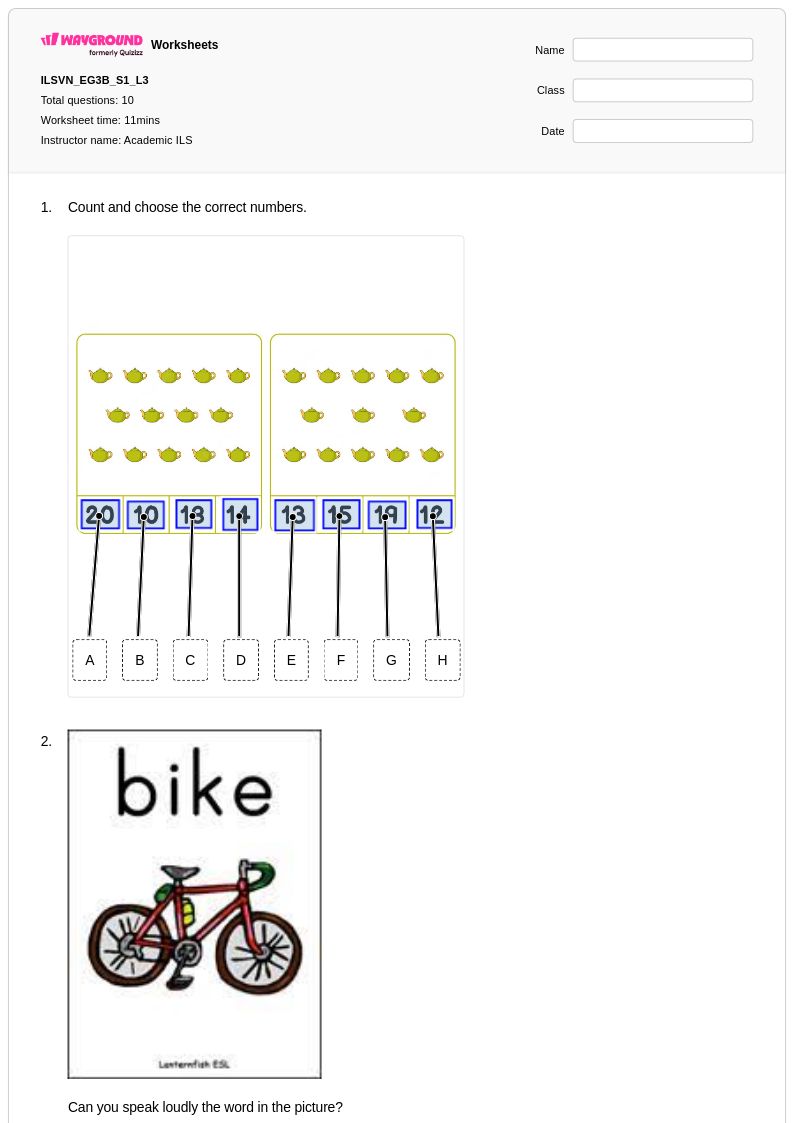
10 Q
1st - 5th
Explore Color Words Worksheets by Grades
Explore Other Subject Worksheets for class 3
Explore printable Color Words worksheets for Class 3
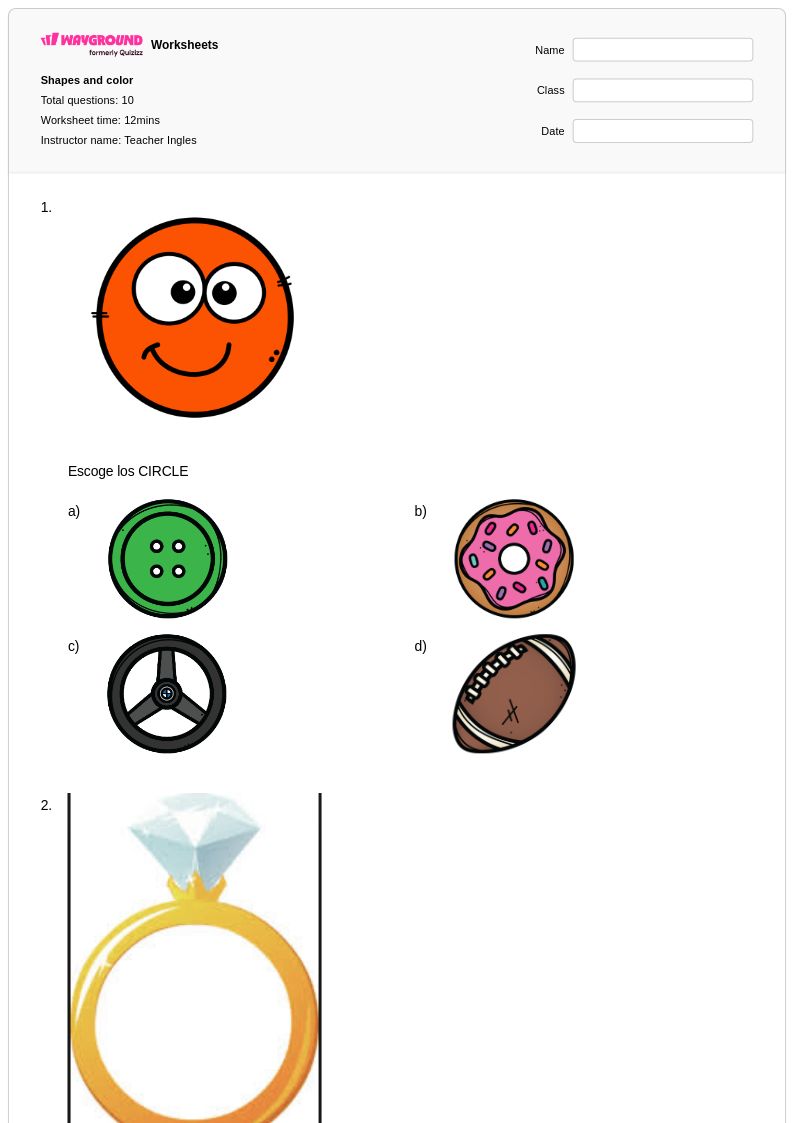
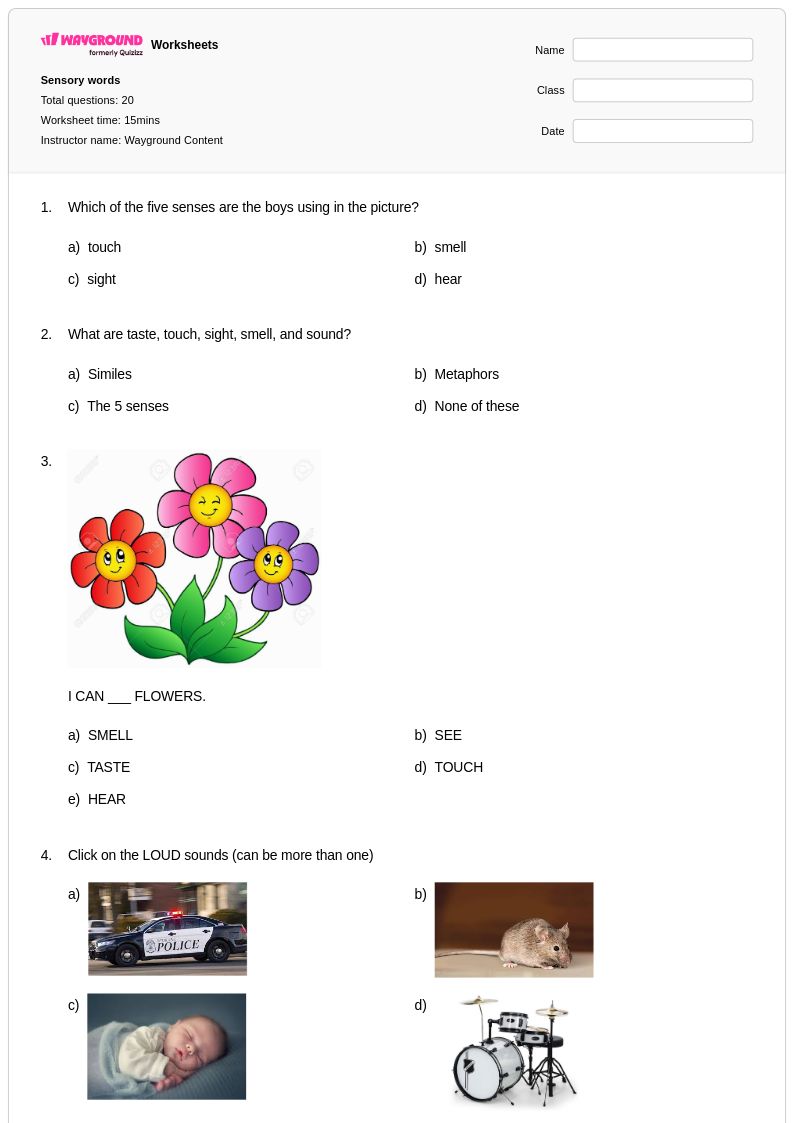
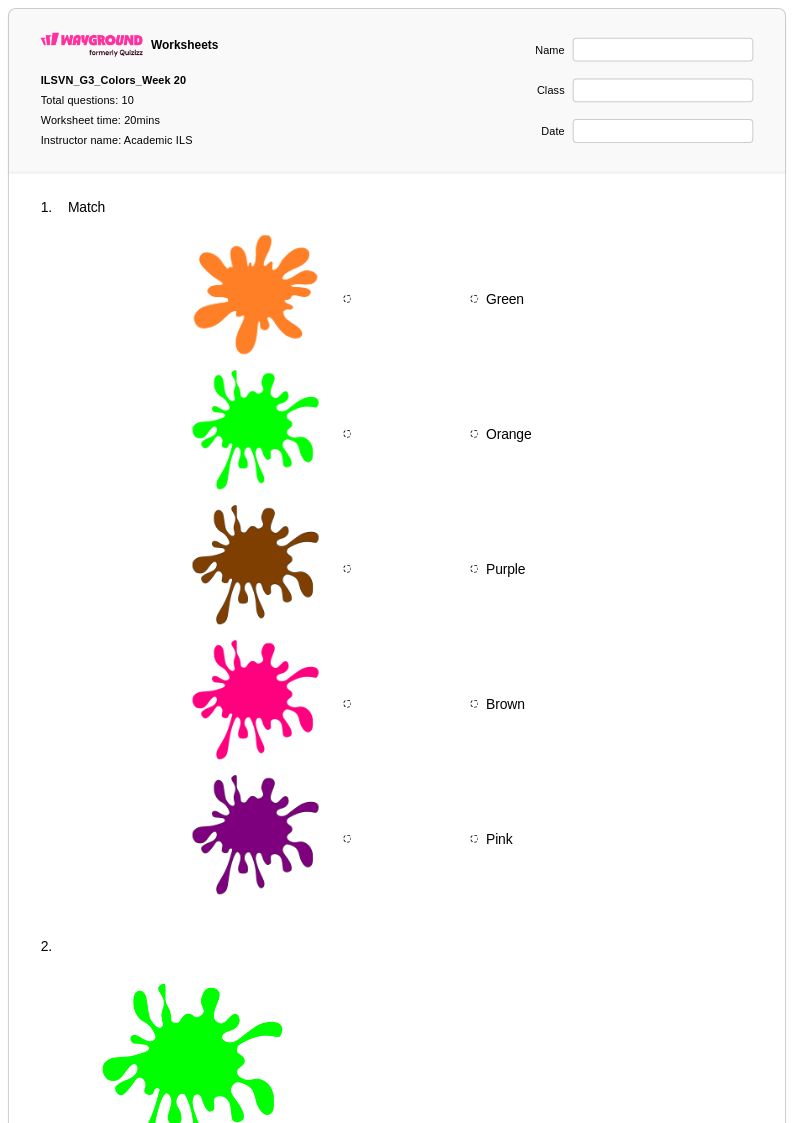
Color words worksheets for Class 3 students through Wayground (formerly Quizizz) provide essential vocabulary building exercises that strengthen students' ability to identify, spell, and use descriptive color terminology in their writing and communication. These comprehensive printables focus on expanding beyond basic primary colors to include advanced shades like turquoise, magenta, crimson, and bronze, helping third graders develop more sophisticated descriptive language skills. Each worksheet incorporates varied practice problems that challenge students to match colors with their names, complete sentences using appropriate color words, and categorize colors by families or intensity levels. The collection includes ready-to-use materials with complete answer keys, making assessment and self-checking seamless for both classroom instruction and independent practice sessions.
Wayground (formerly Quizizz) empowers educators with millions of teacher-created color words resources specifically designed for Class 3 vocabulary instruction, featuring robust search and filtering capabilities that allow teachers to quickly locate materials aligned with specific learning standards and student needs. The platform's differentiation tools enable instructors to customize worksheets for varying skill levels within their classrooms, supporting both remediation for struggling learners and enrichment opportunities for advanced students. Available in both printable PDF formats and interactive digital versions, these resources seamlessly integrate into lesson planning workflows, providing flexible options for whole-group instruction, small group activities, homework assignments, and assessment preparation. Teachers can efficiently address individual learning gaps while building the foundational color vocabulary that enhances students' descriptive writing abilities and visual literacy skills across multiple subject areas.
FAQs
How do I teach color words to early learners?
What activities help students practice spelling color words?
What mistakes do students commonly make when learning color words?
How can I use color words worksheets to support students with different learning needs?
How do I use color words worksheets from Wayground in my classroom?