
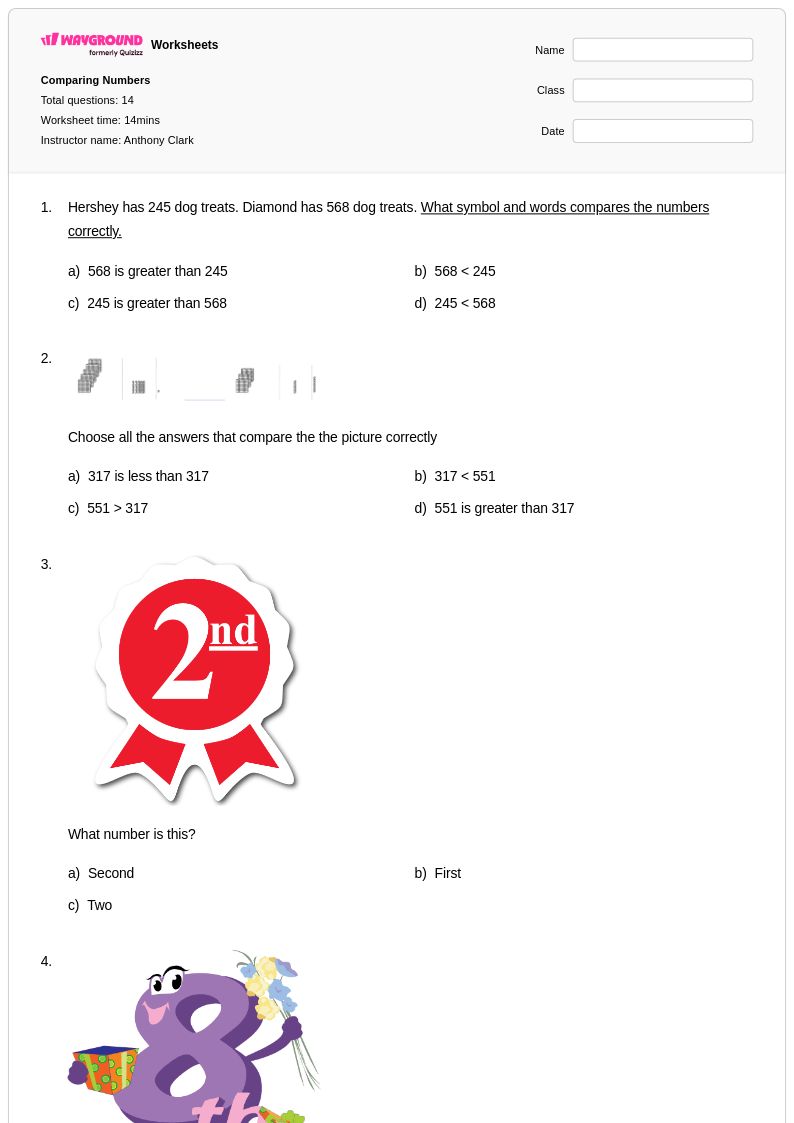
14 Q
2nd - Uni
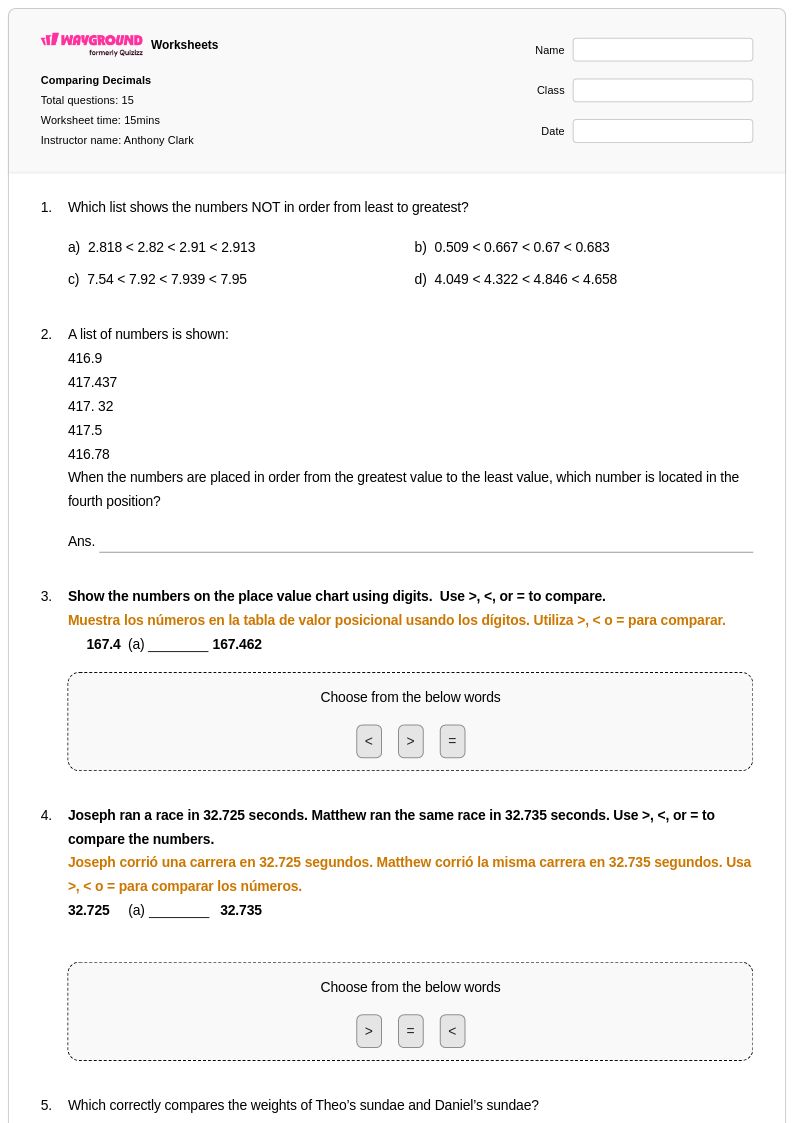
15 Q
5th - Uni
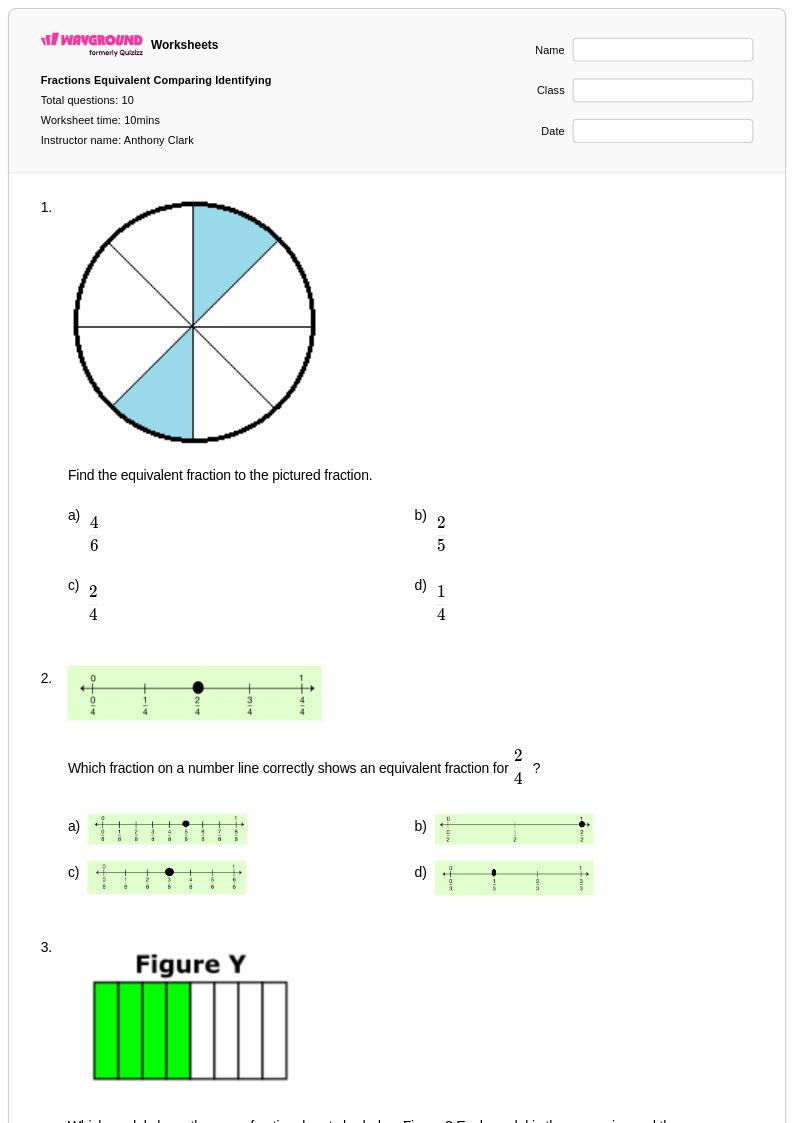
10 Q
3rd - Uni
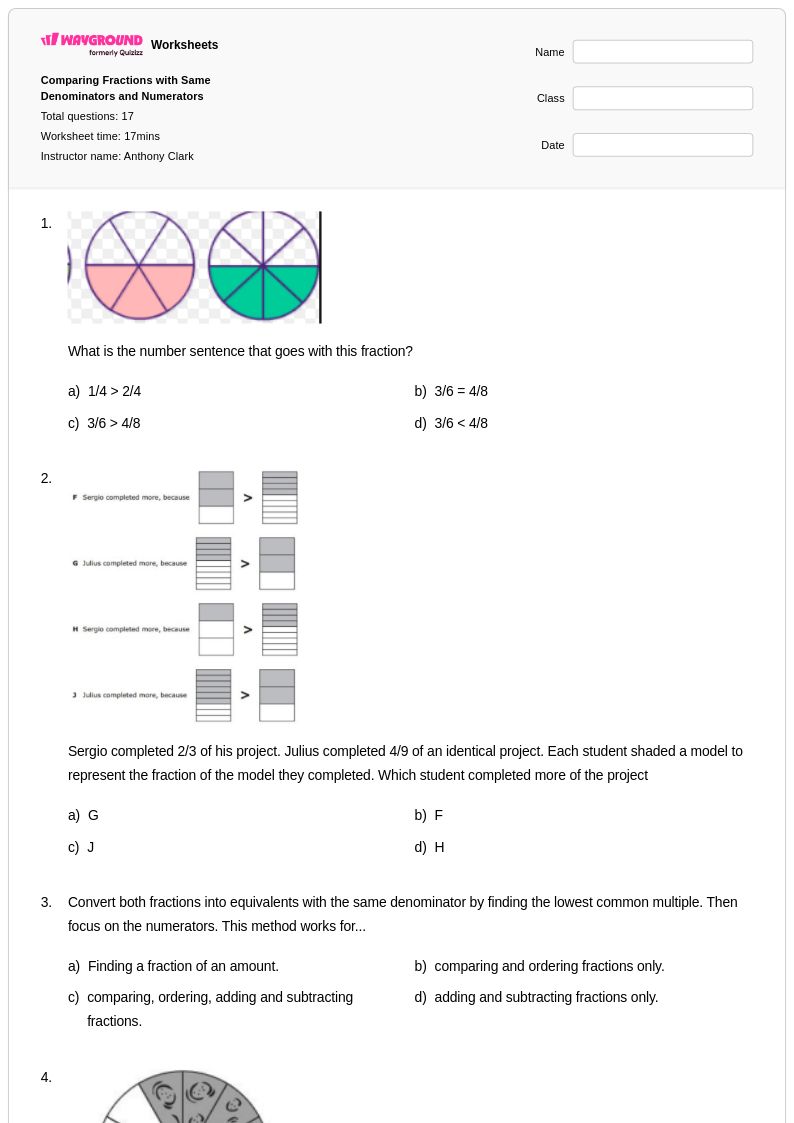
17 Q
4th - Uni
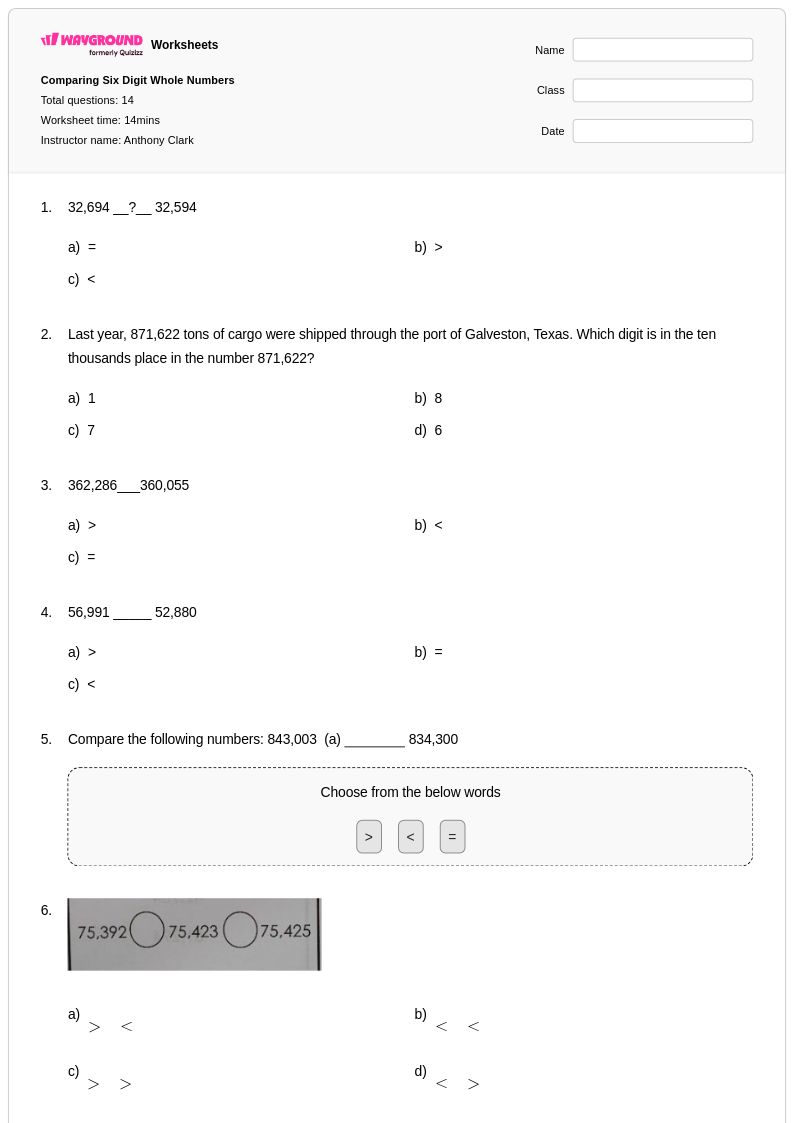
14 Q
5th - Uni
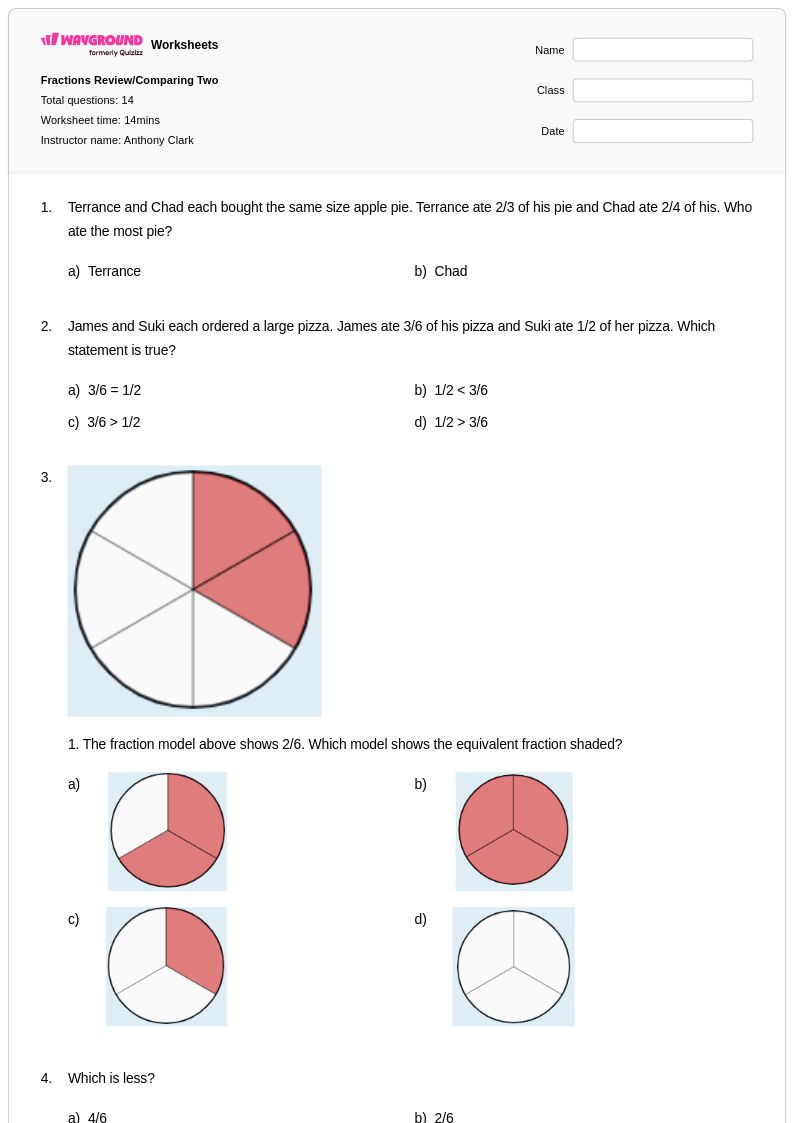
14 Q
4th - Uni
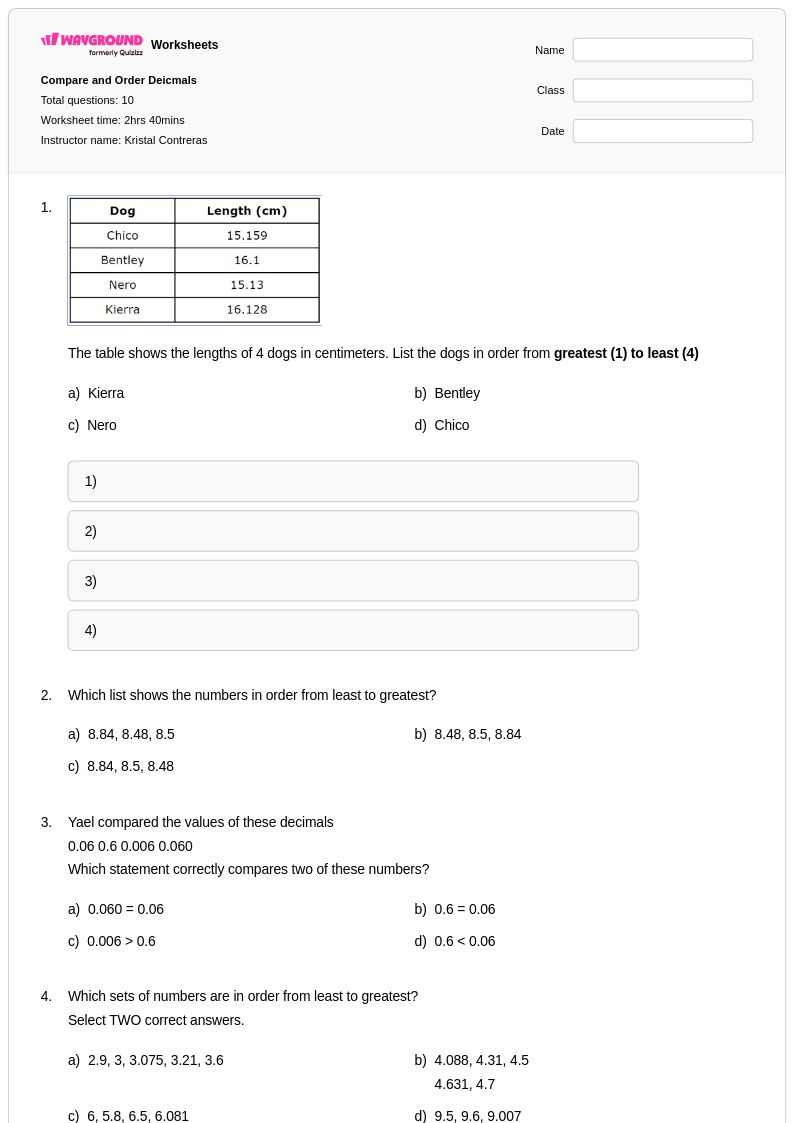
10 Q
5th
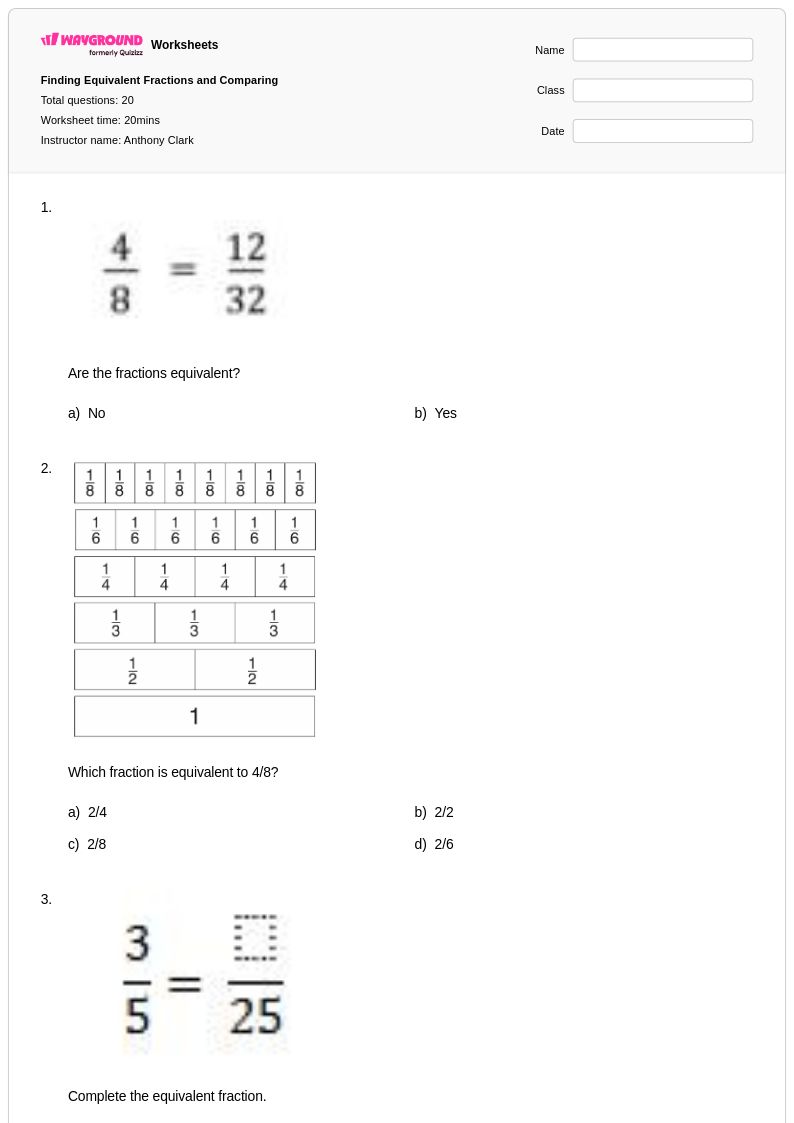
20 Q
4th - Uni
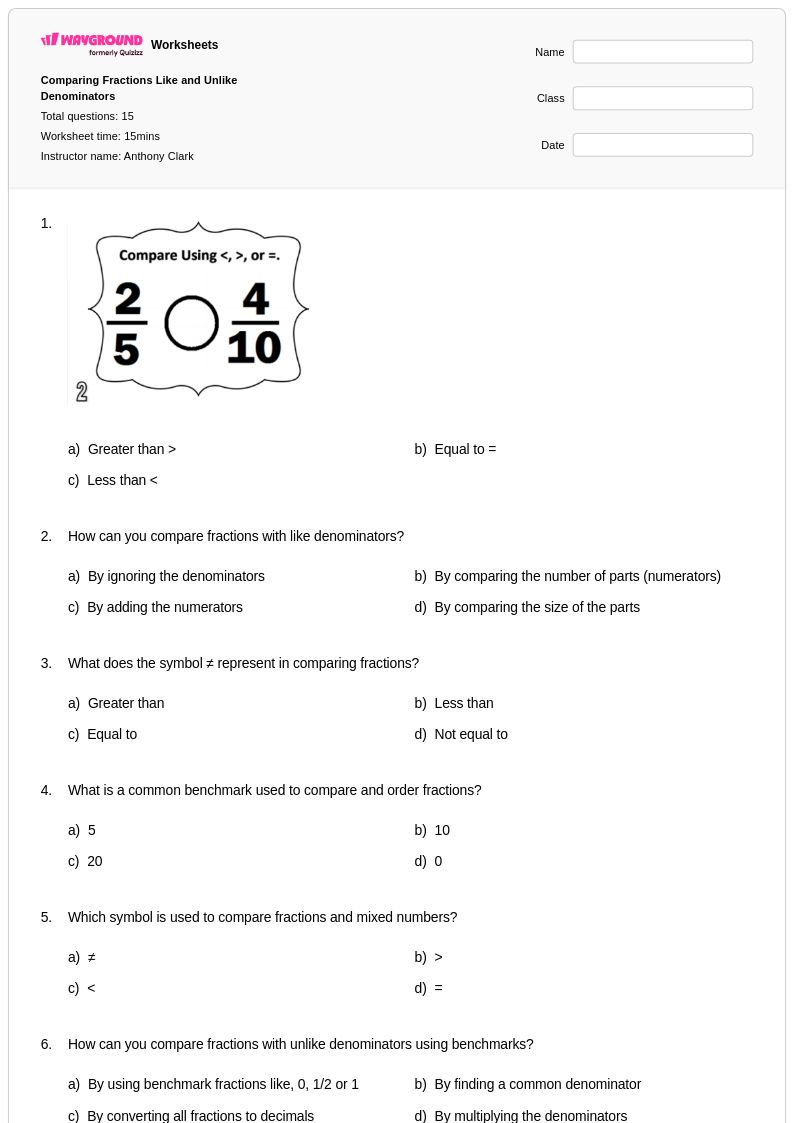
15 Q
4th - Uni
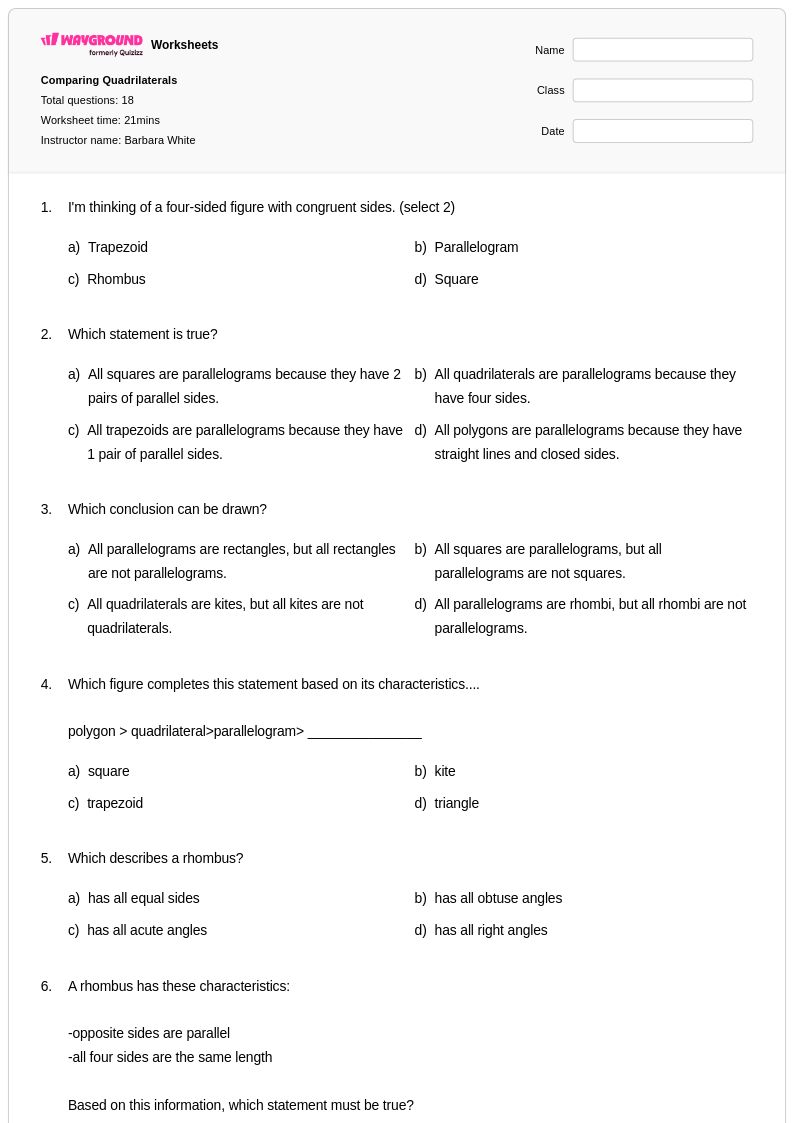
18 Q
5th
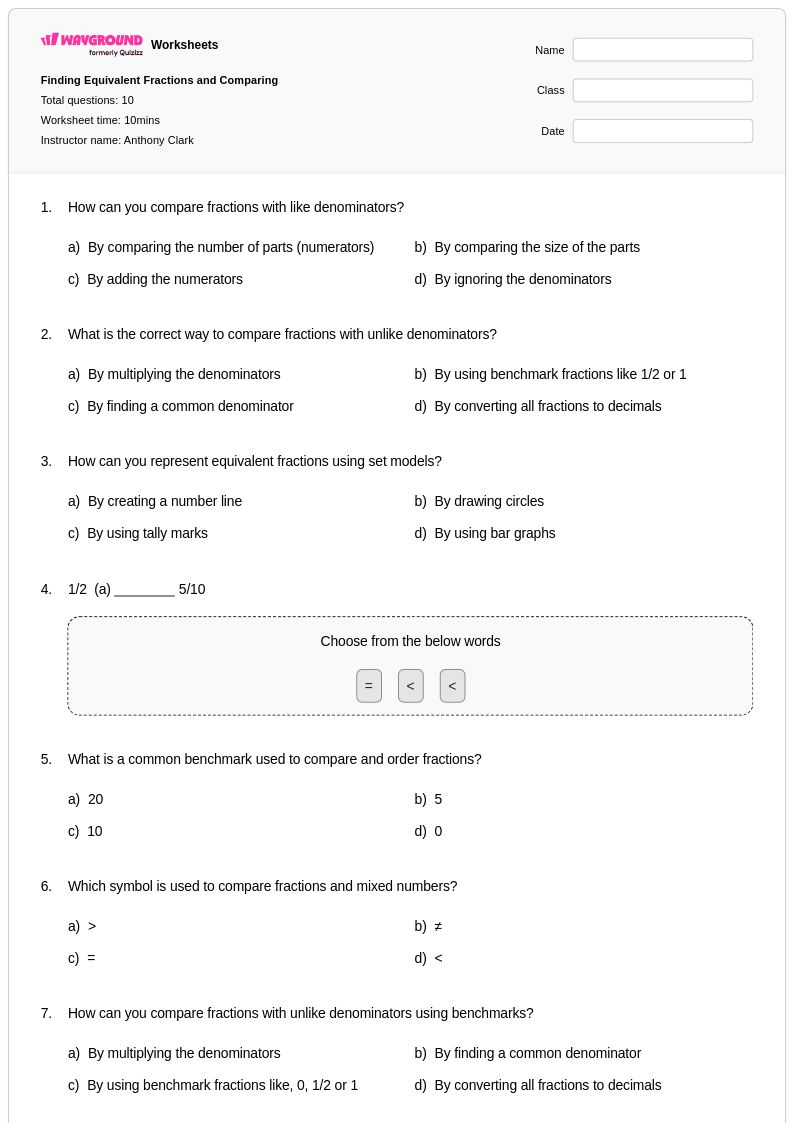
10 Q
4th - Uni
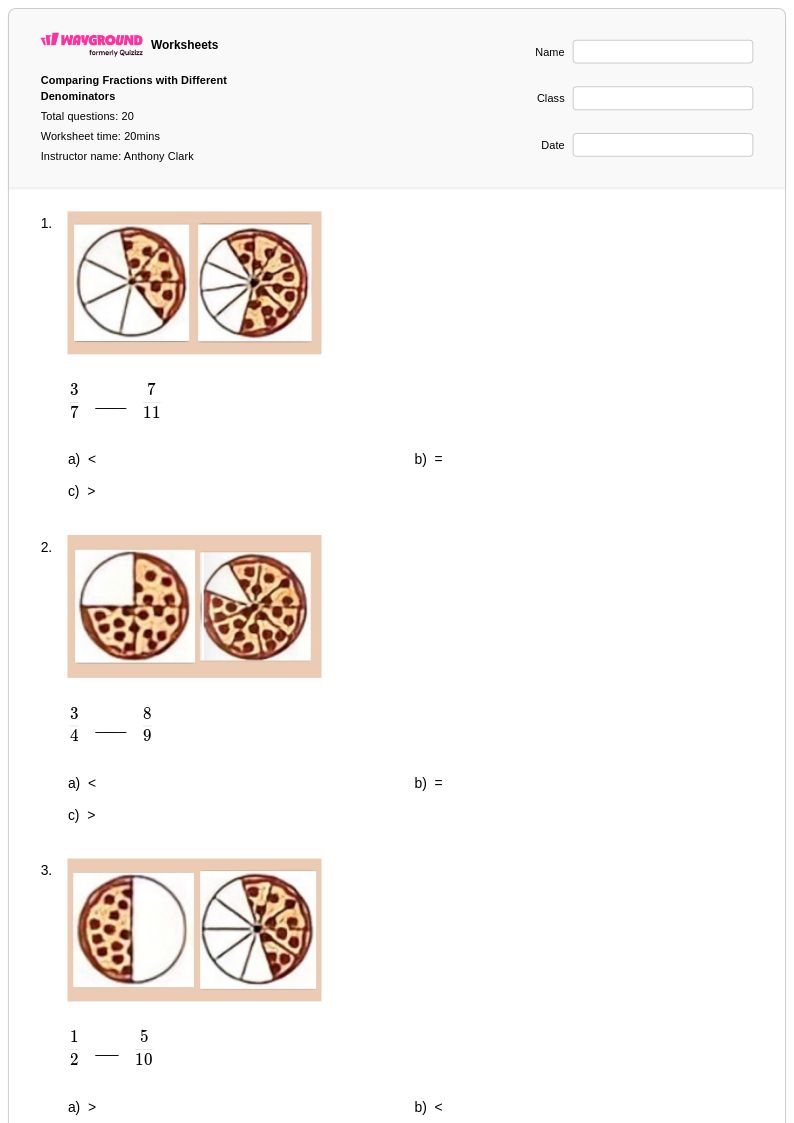
20 Q
3rd - Uni
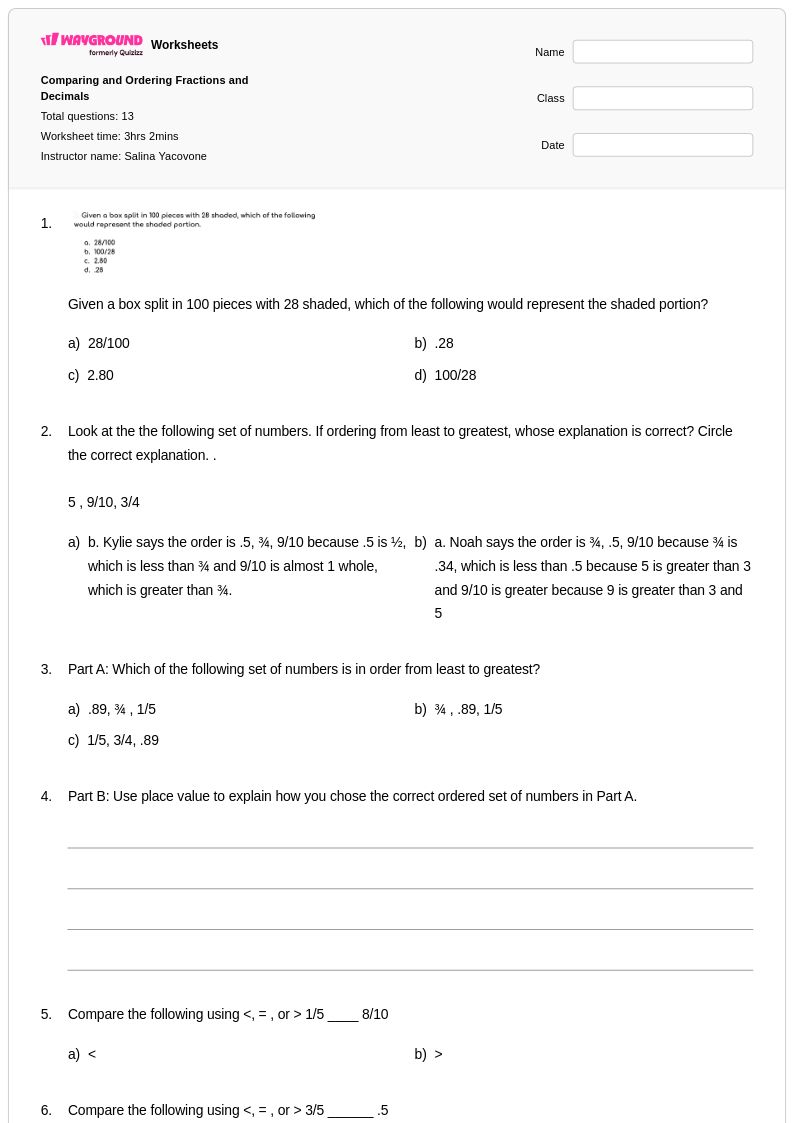
13 Q
5th
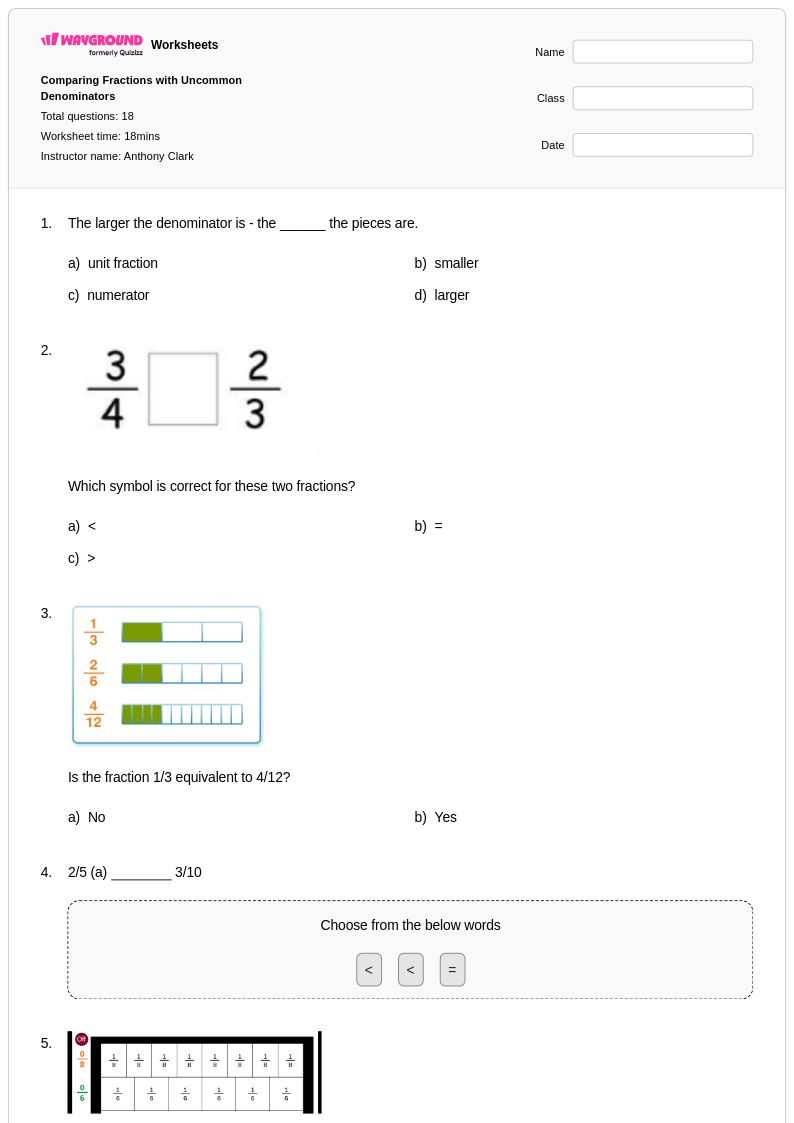
18 Q
3rd - Uni
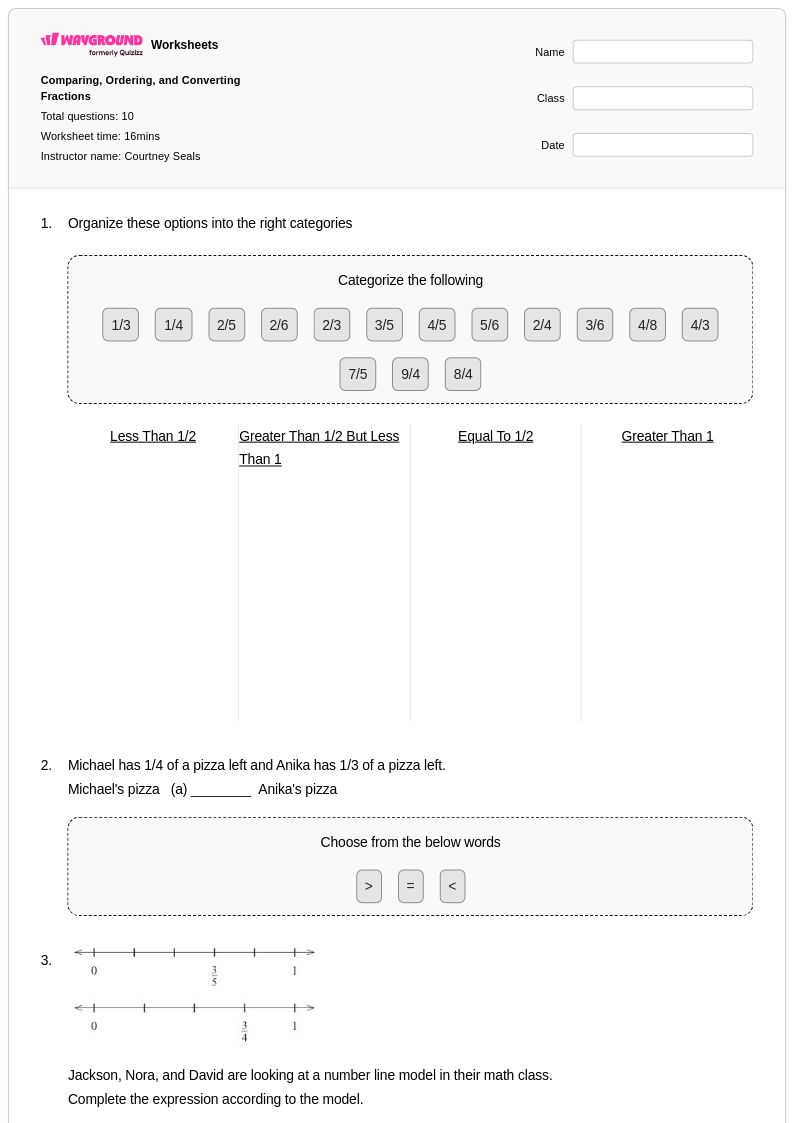
10 Q
5th
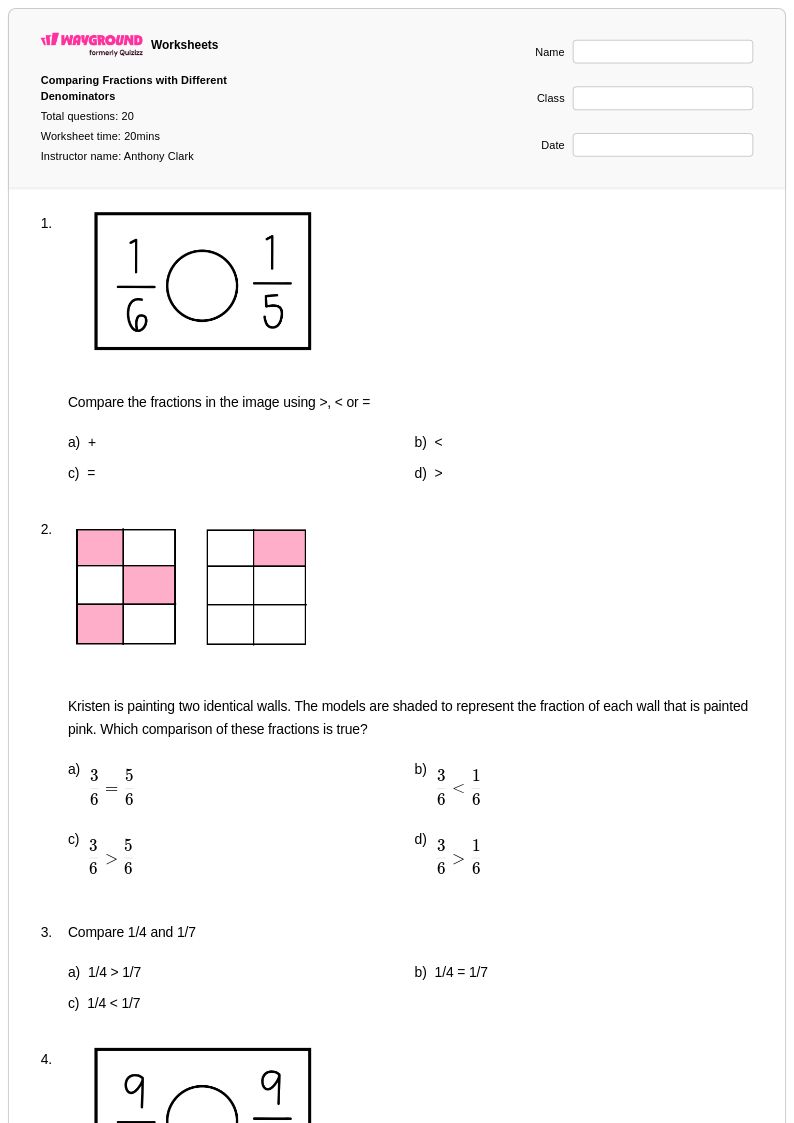
20 Q
3rd - Uni
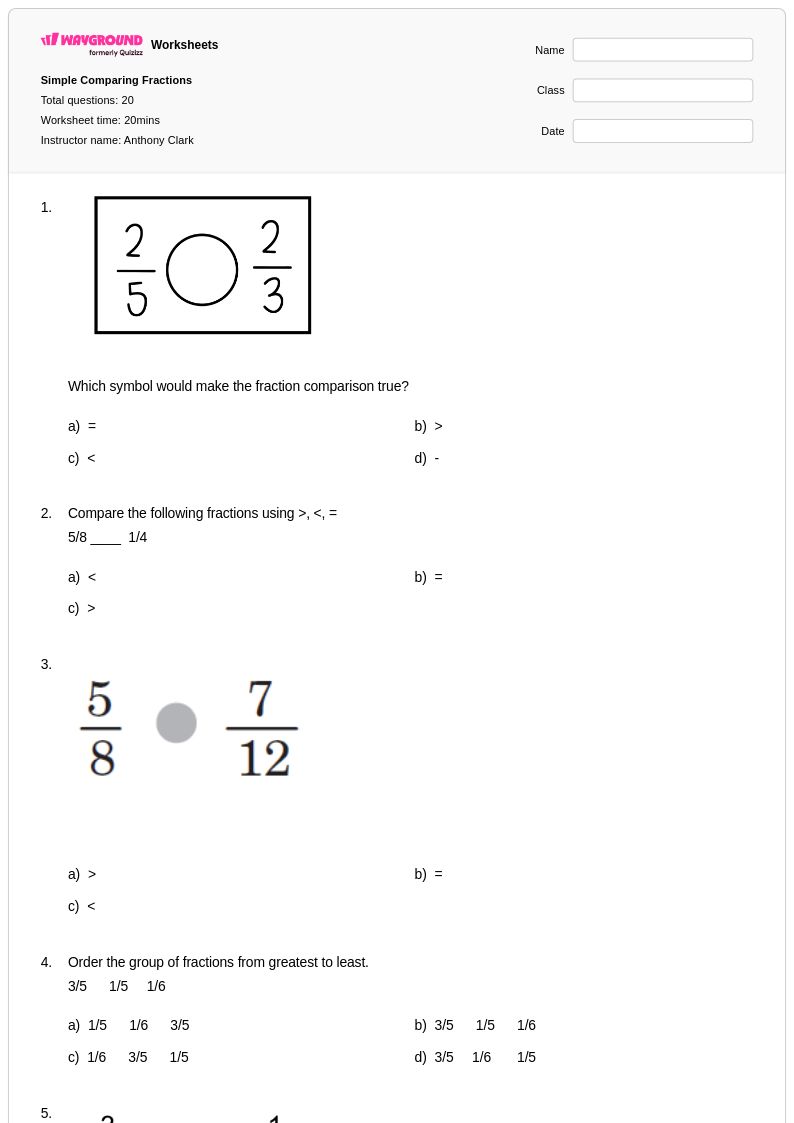
20 Q
4th - Uni
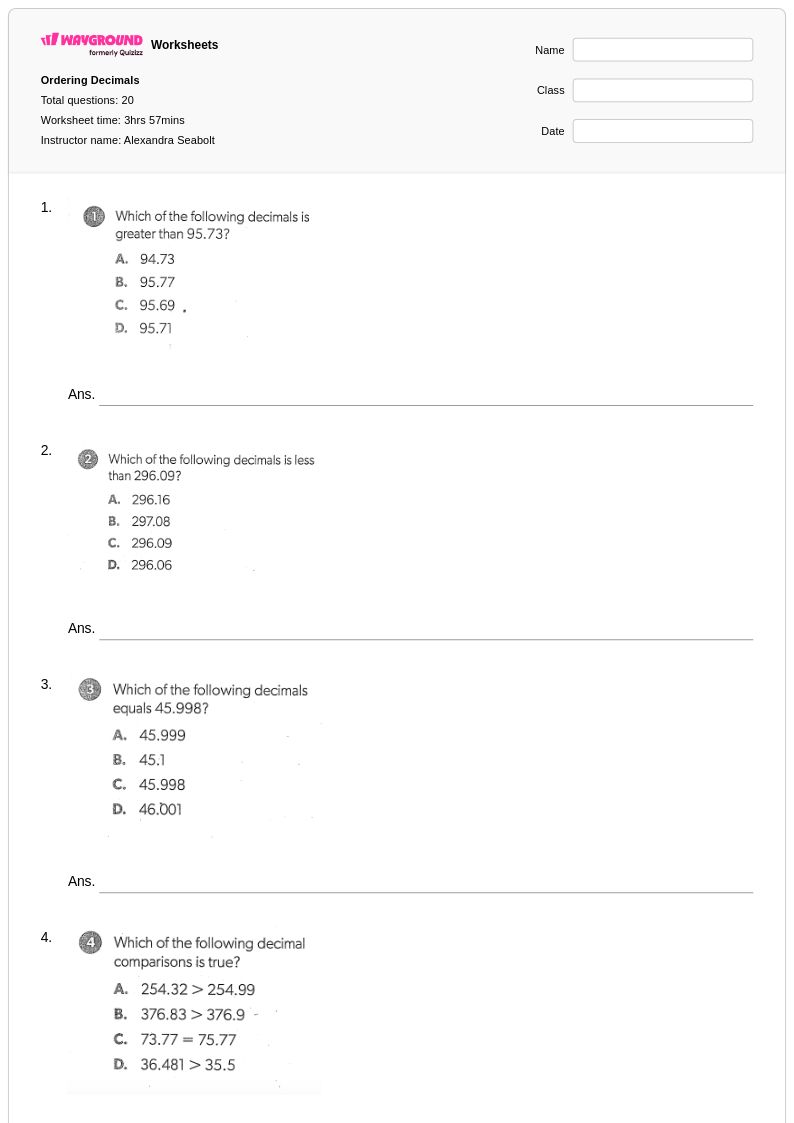
20 Q
5th
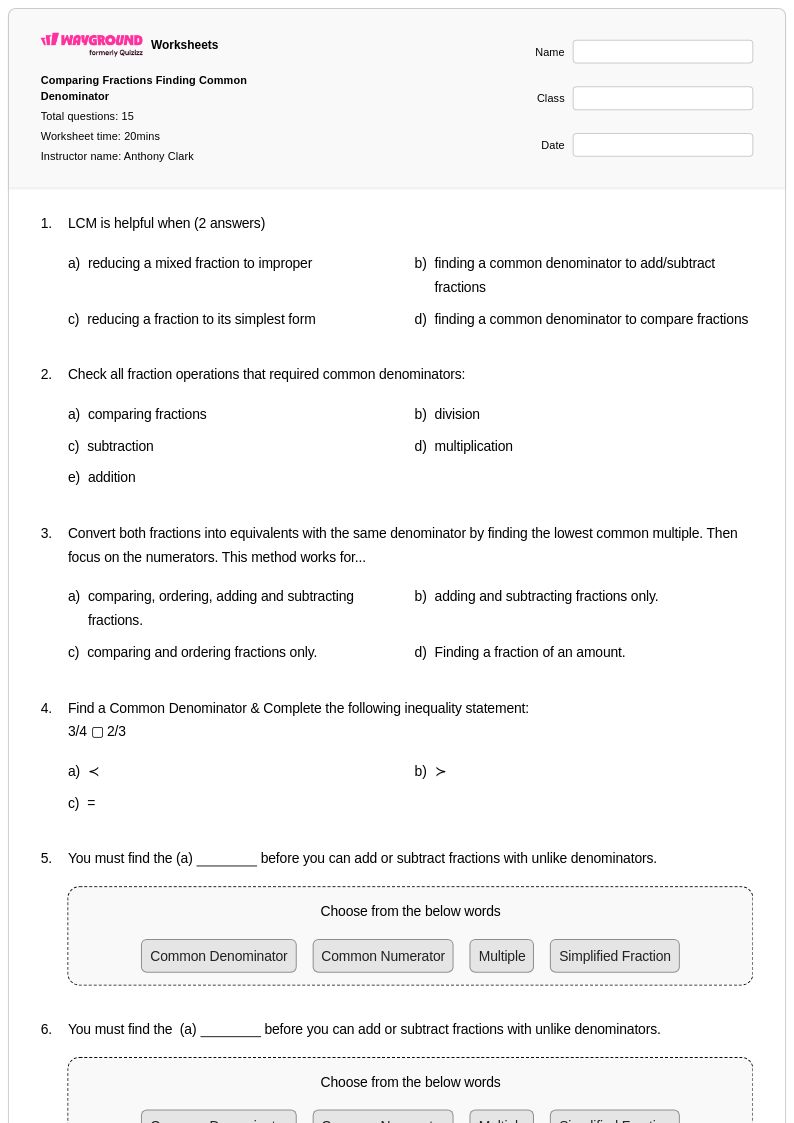
20 Q
4th - Uni
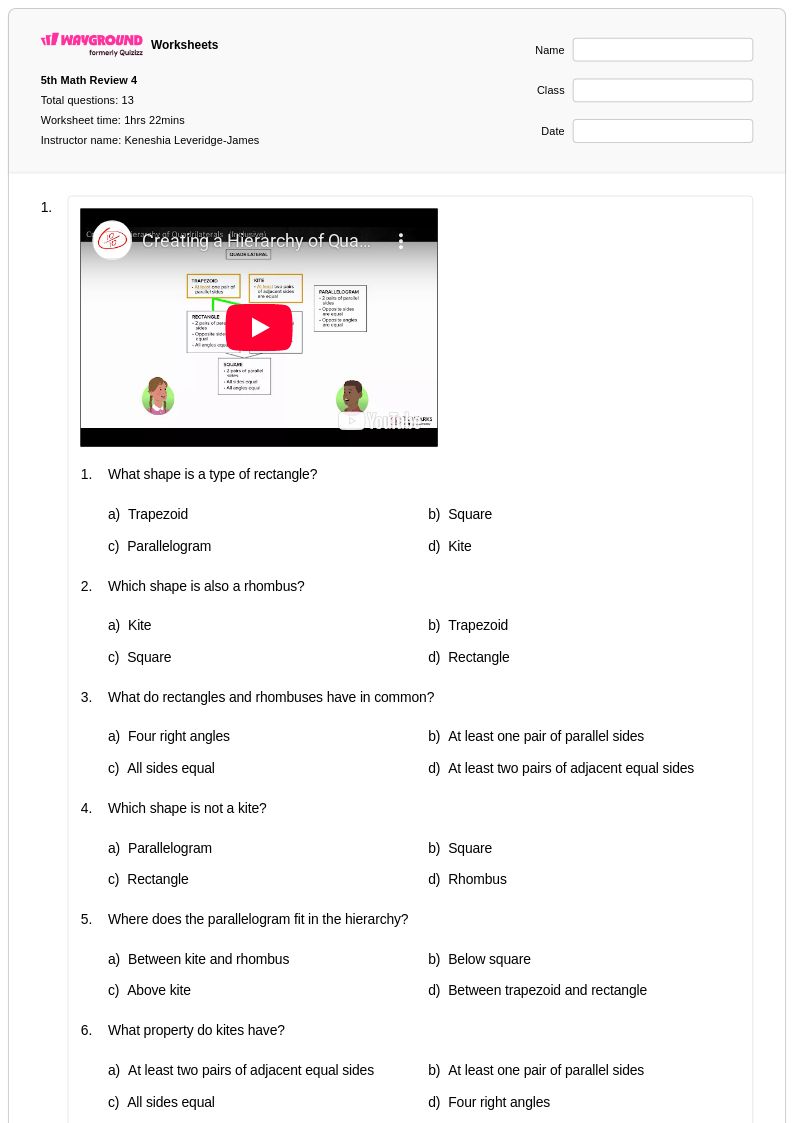
21 Q
5th
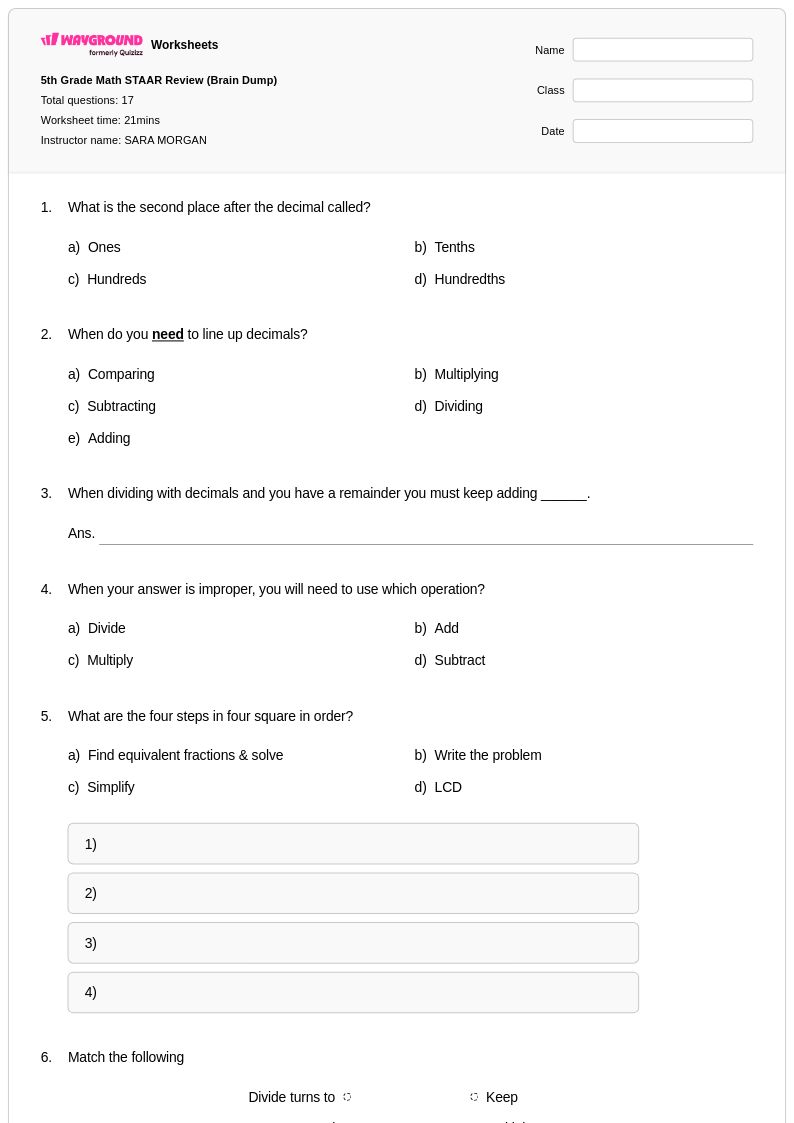
17 Q
5th
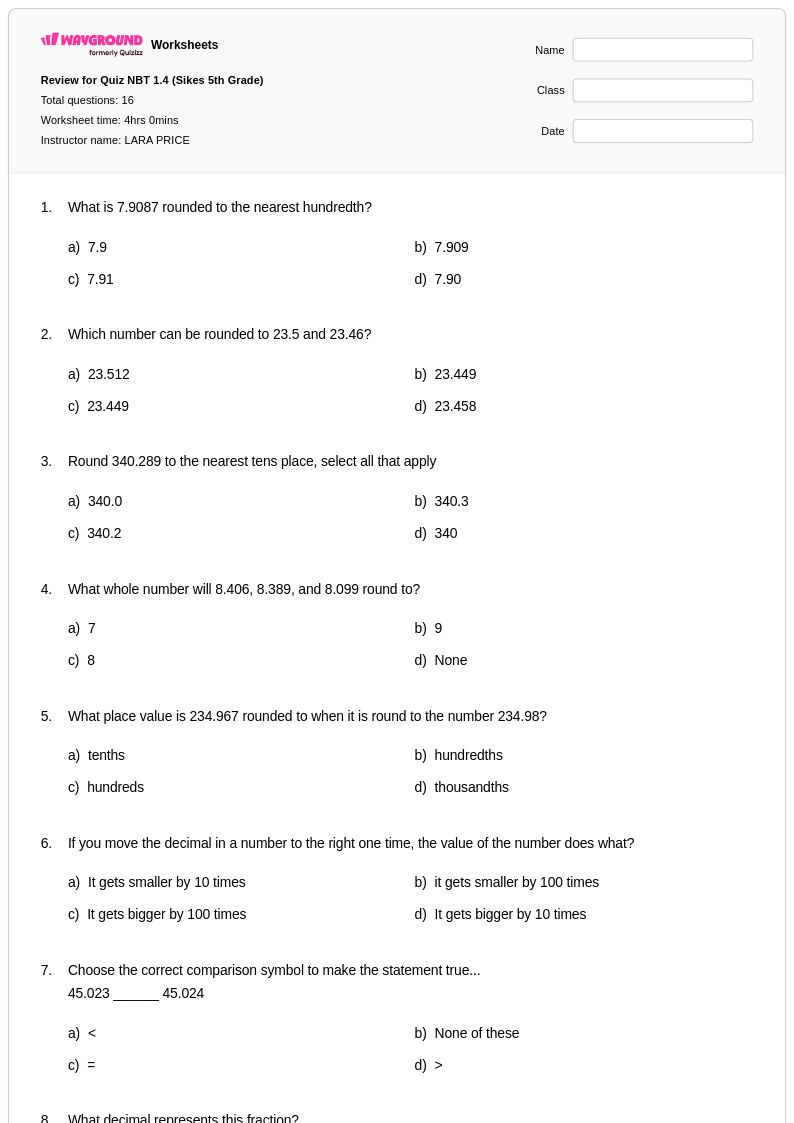
16 Q
5th
Explore Other Subject Worksheets for class 5
Explore printable Comparing Size worksheets for Class 5
Comparing size worksheets for Class 5 students available through Wayground (formerly Quizizz) provide essential practice in developing measurement comparison skills that form the foundation of advanced mathematical reasoning. These comprehensive resources help fifth-grade students master the ability to analyze, compare, and order objects based on various dimensional attributes including length, width, height, area, and volume. The practice problems within these free printables systematically guide students through increasingly complex scenarios where they must apply measurement concepts to determine relative sizes, make logical comparisons, and justify their reasoning using appropriate mathematical vocabulary. Each worksheet comes with a detailed answer key that supports both independent learning and guided instruction, while the pdf format ensures easy access for classroom use and home practice.
Wayground (formerly Quizizz) empowers educators with millions of teacher-created resources specifically designed to strengthen Class 5 comparing size concepts through carefully curated worksheet collections. The platform's robust search and filtering capabilities allow teachers to quickly locate materials aligned with specific standards and learning objectives, while built-in differentiation tools enable customization based on individual student needs and skill levels. These versatile resources are available in both printable and digital formats, including downloadable pdf versions, making them ideal for diverse instructional settings and learning preferences. Teachers can seamlessly integrate these worksheets into lesson planning, use them for targeted remediation with struggling learners, provide enrichment opportunities for advanced students, or assign them as structured skill practice to reinforce classroom instruction and assessment preparation.
FAQs
How do I teach comparing size to fifth graders?
What exercises help Grade 5 students practice comparing size?
What mistakes do fifth graders make when comparing area and volume?
How can I use a Grade 5 comparing size worksheet on Wayground?
How does comparing size fit into the Grade 5 Common Core math progression?
How can I differentiate comparing-size worksheets in Grade 5?
What grade do students learn to compare area and volume?