Free Printable Copying Practice Worksheets for Class 2
Enhance Class 2 students' copying practice skills with Wayground's free handwriting worksheets featuring printable PDF exercises, structured practice problems, and comprehensive answer keys to develop precise letter formation.
Explore printable Copying Practice worksheets for Class 2
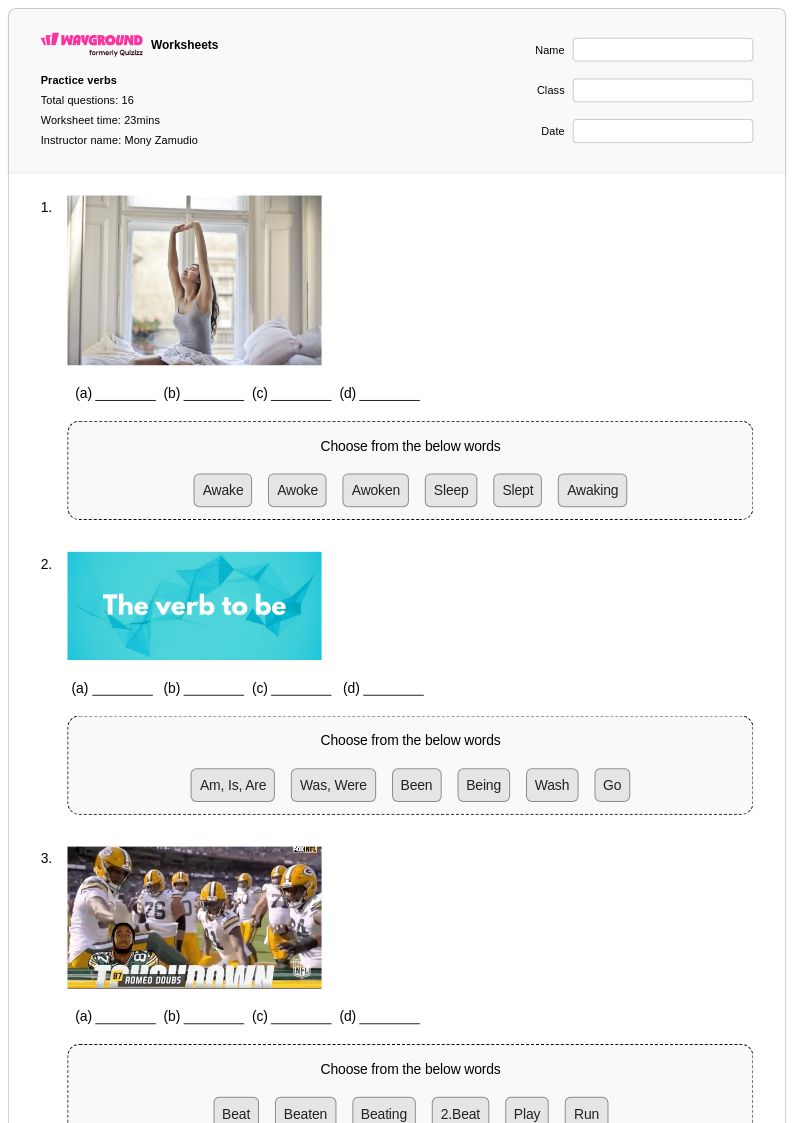
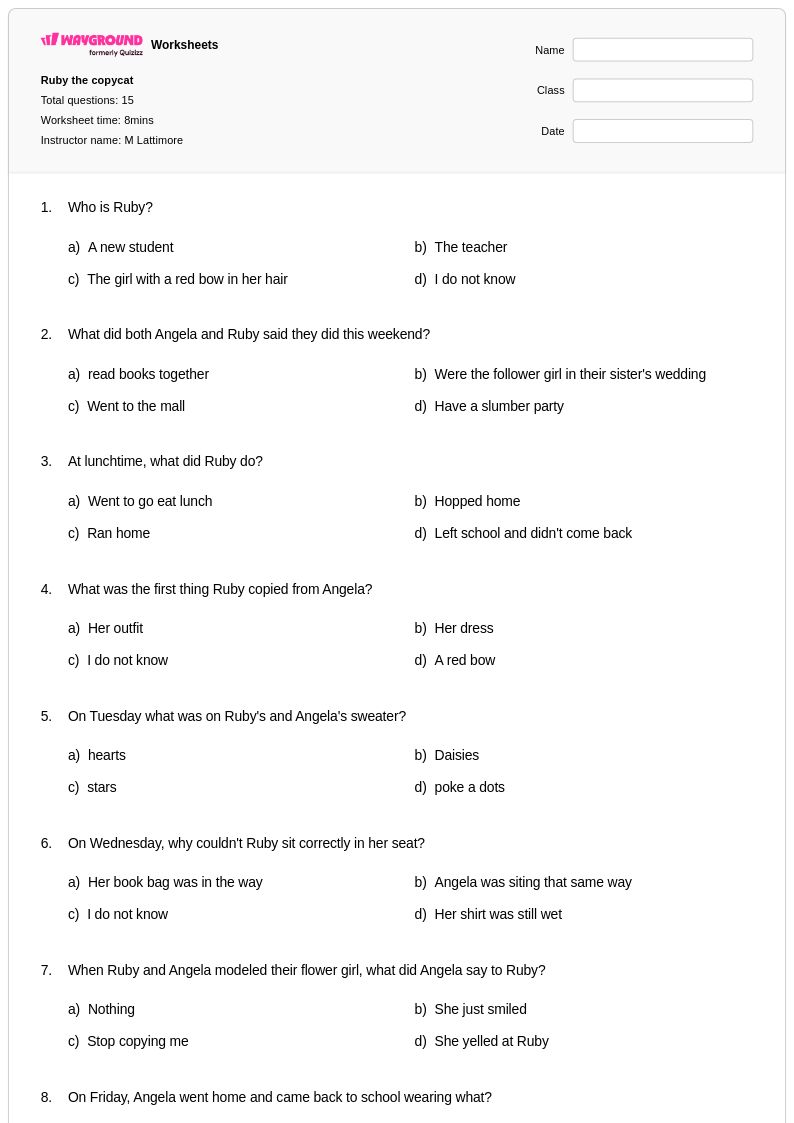
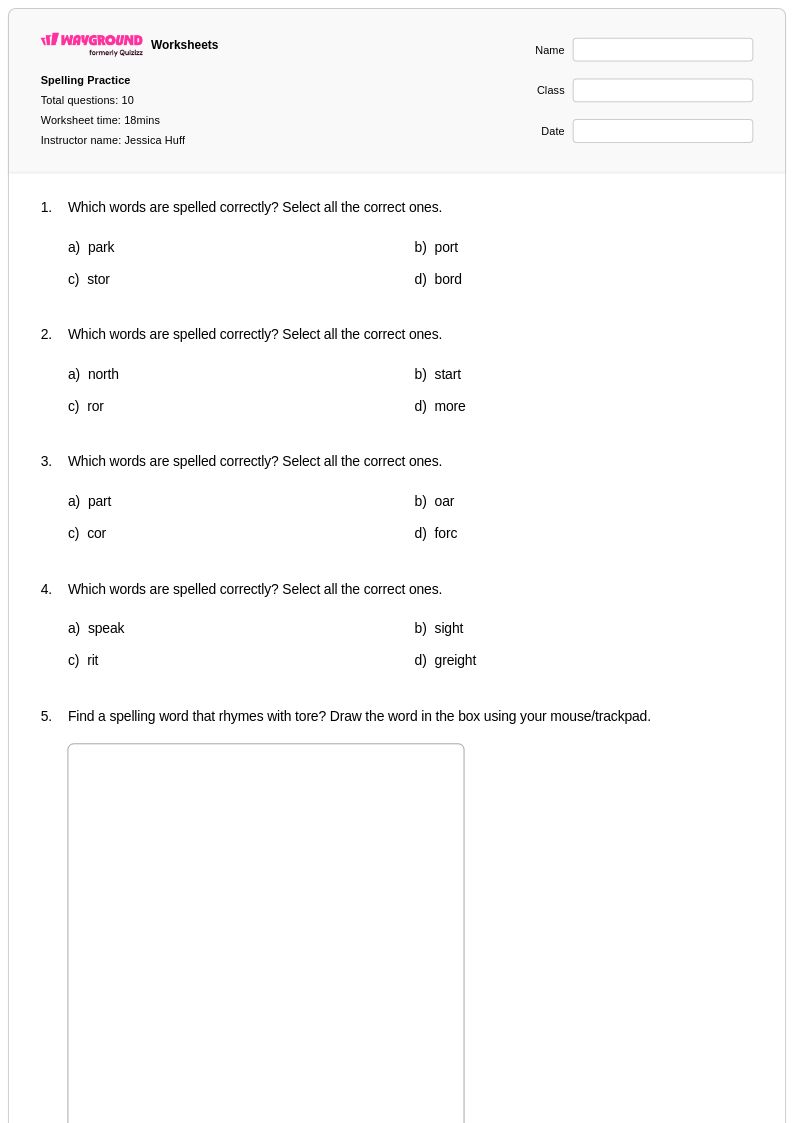
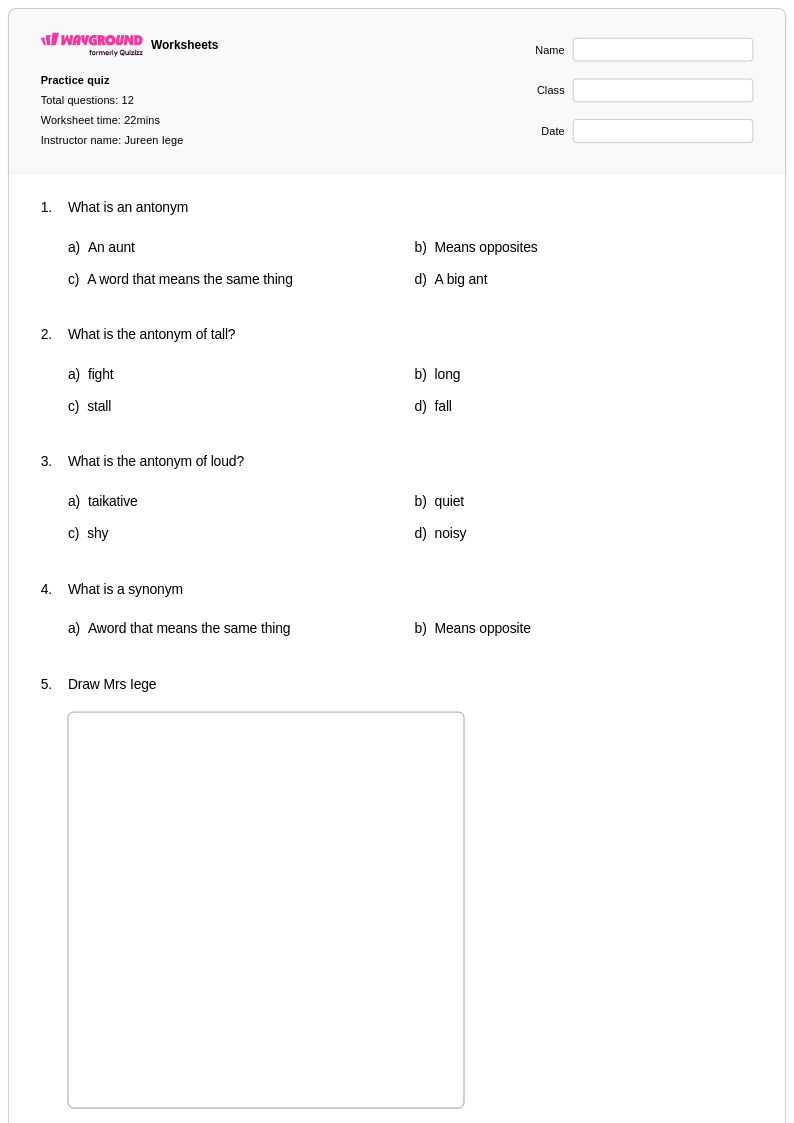
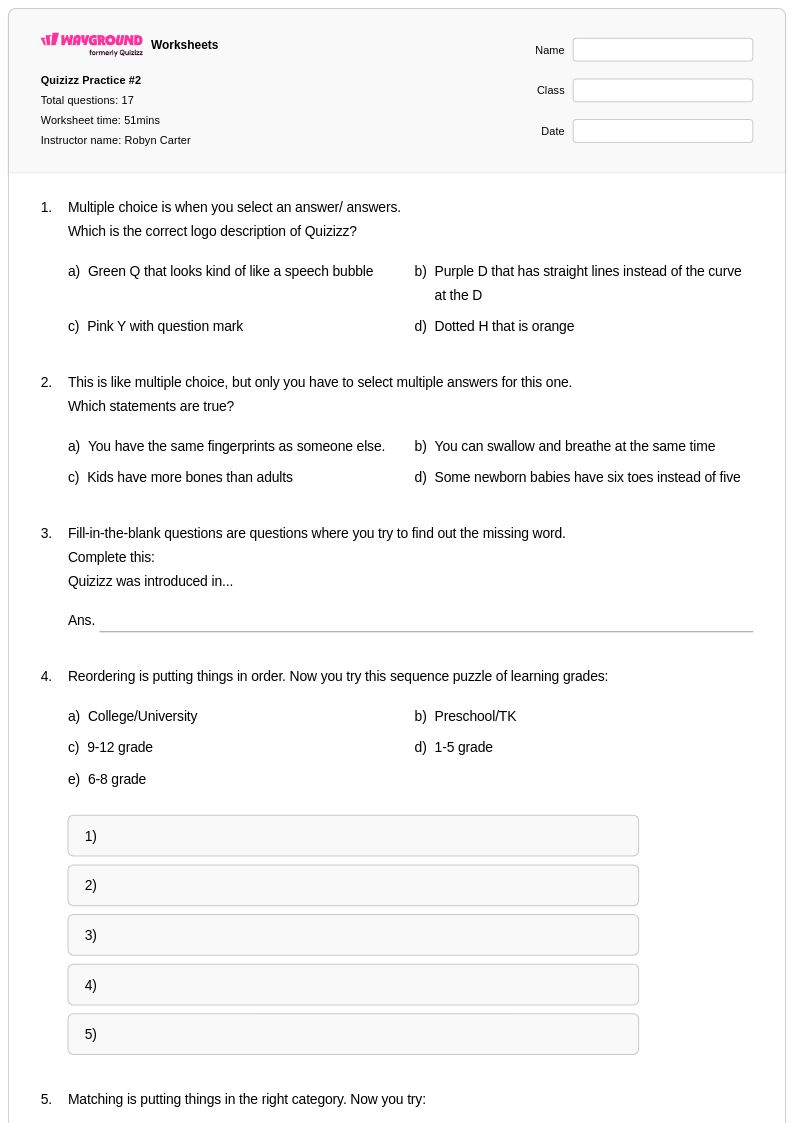
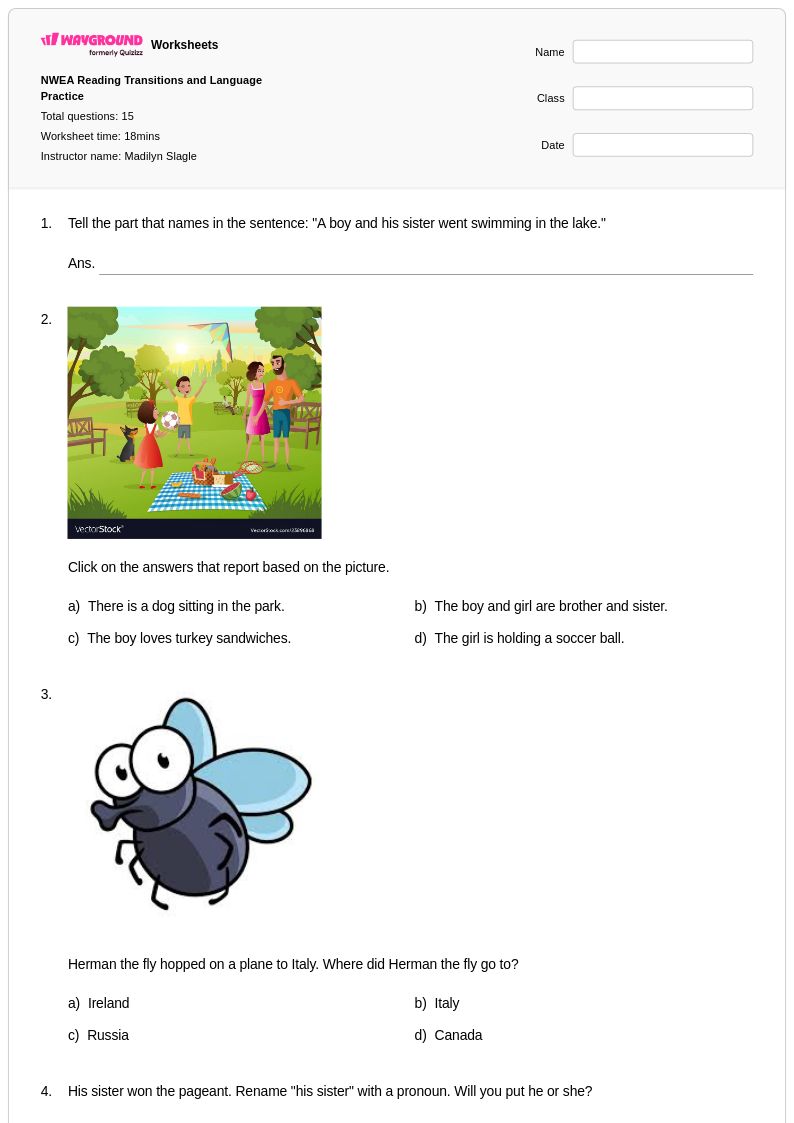
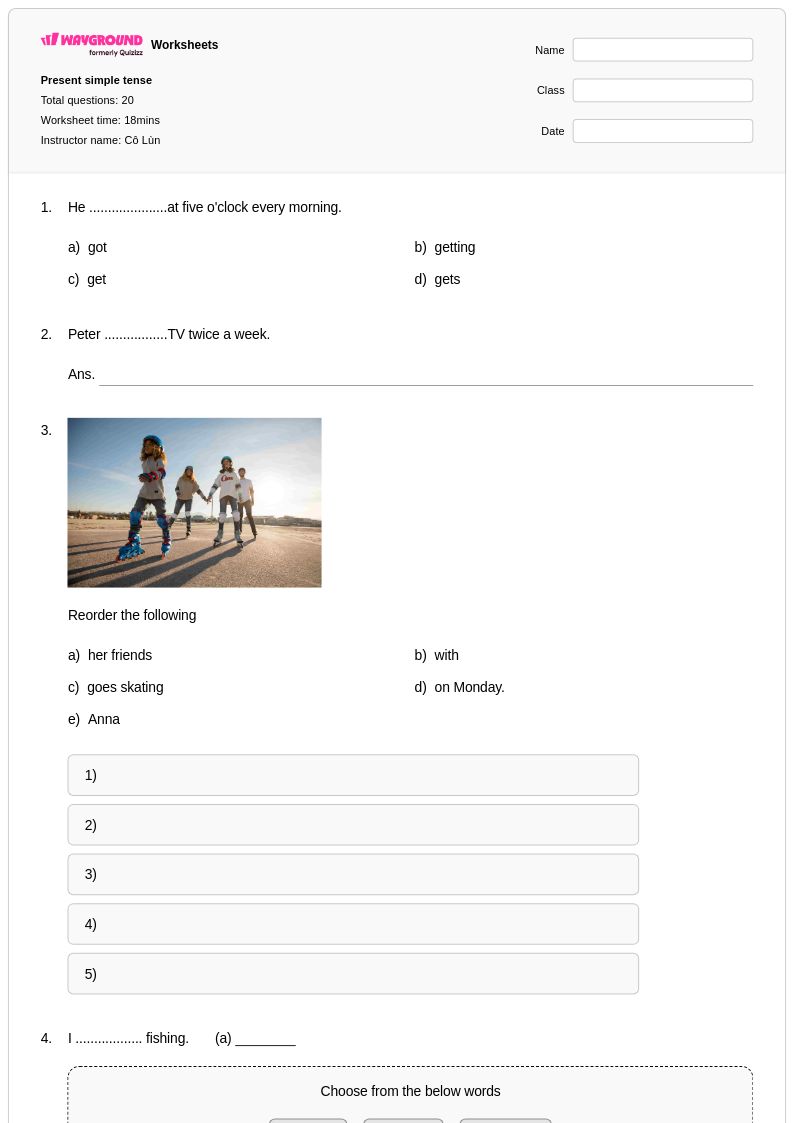
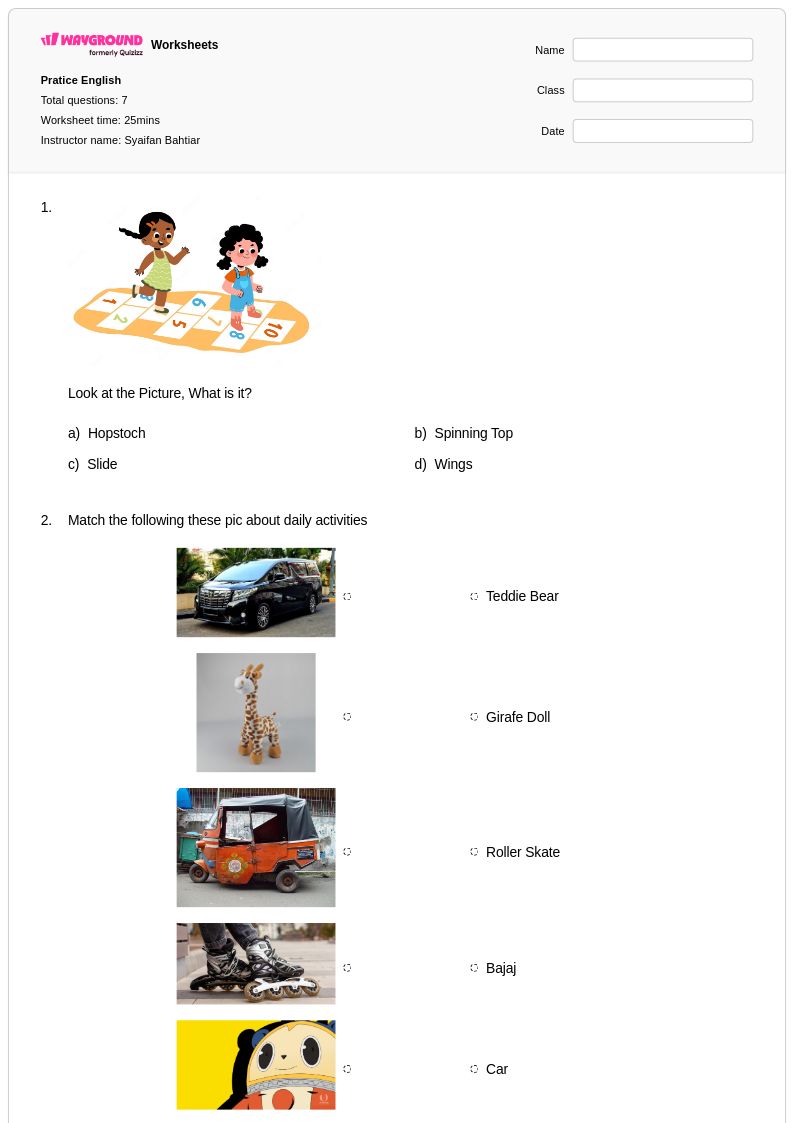
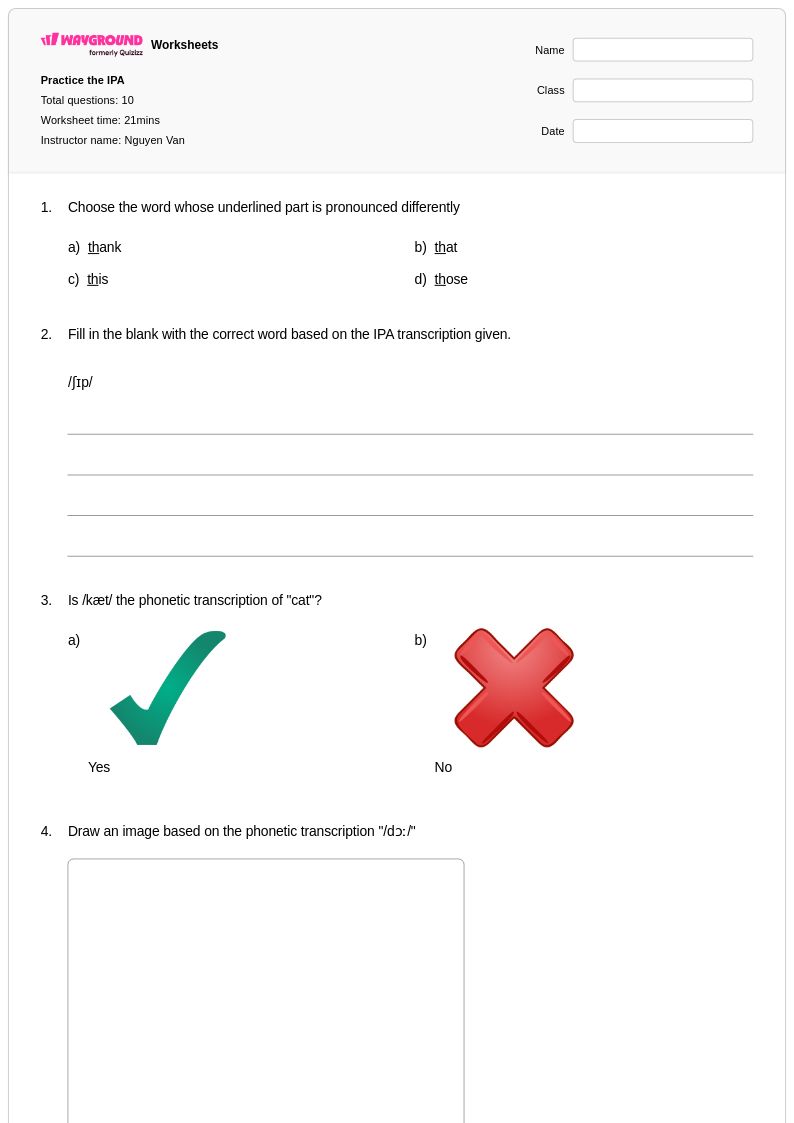
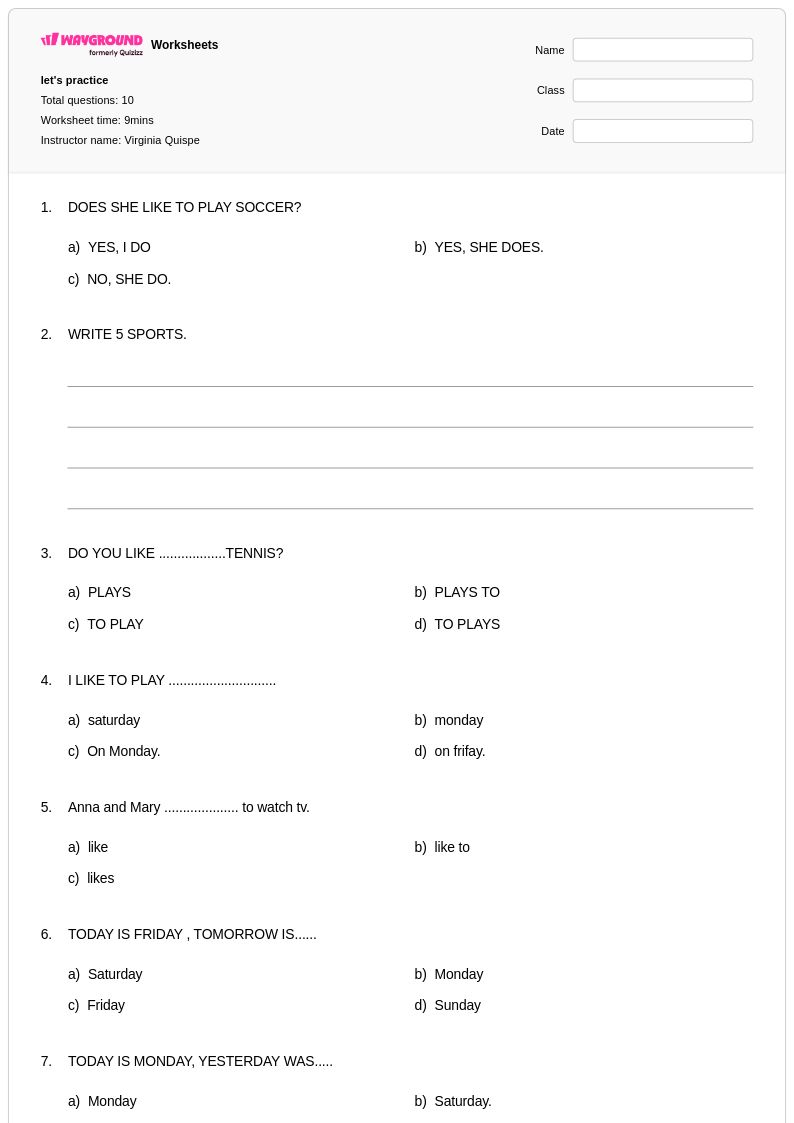
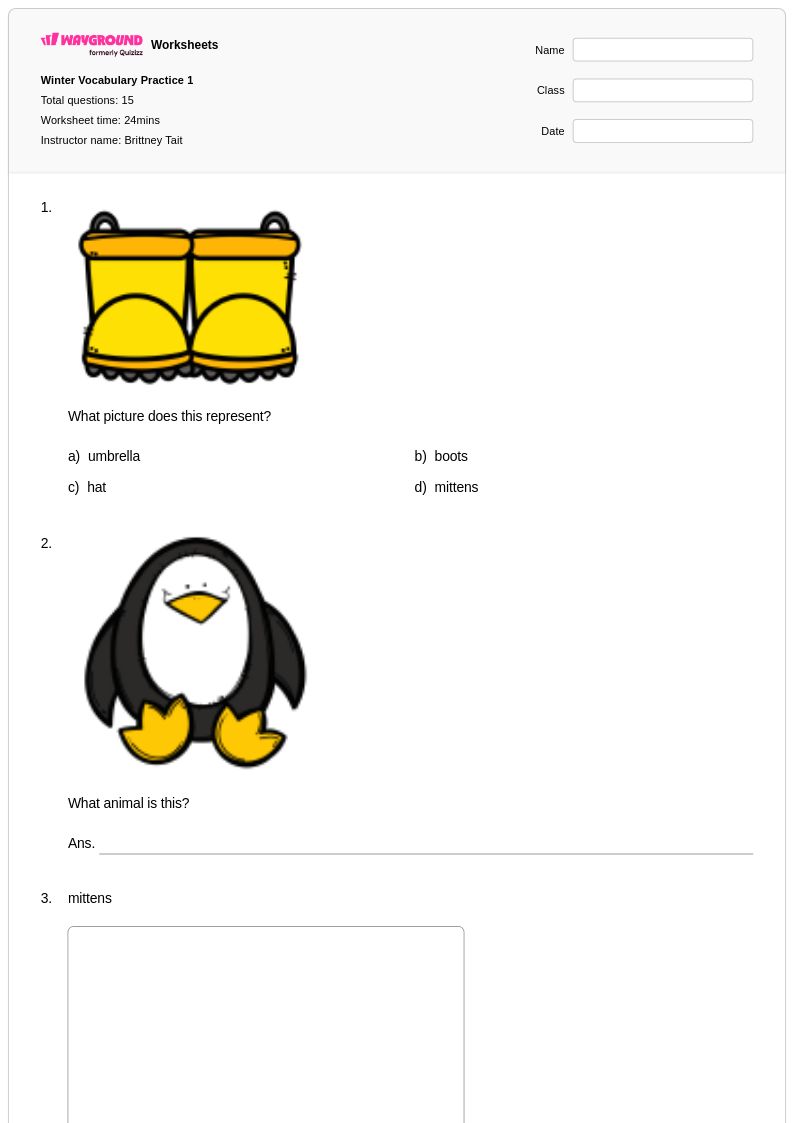
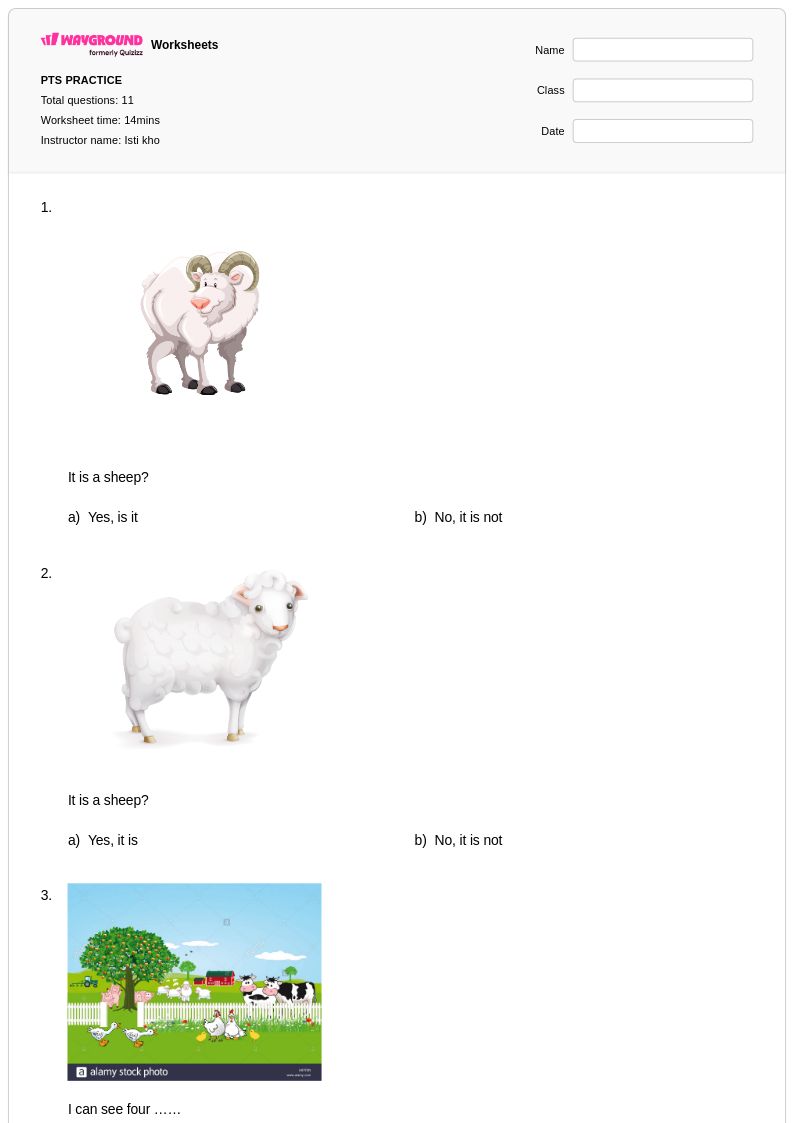
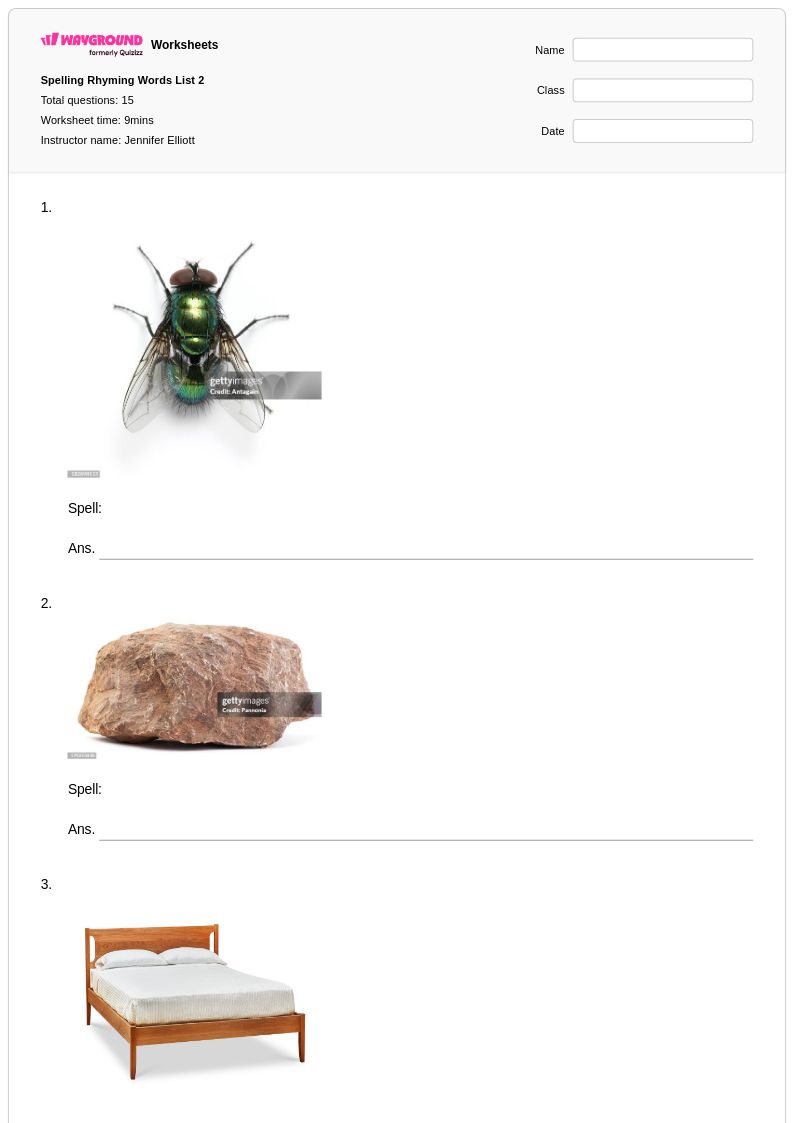
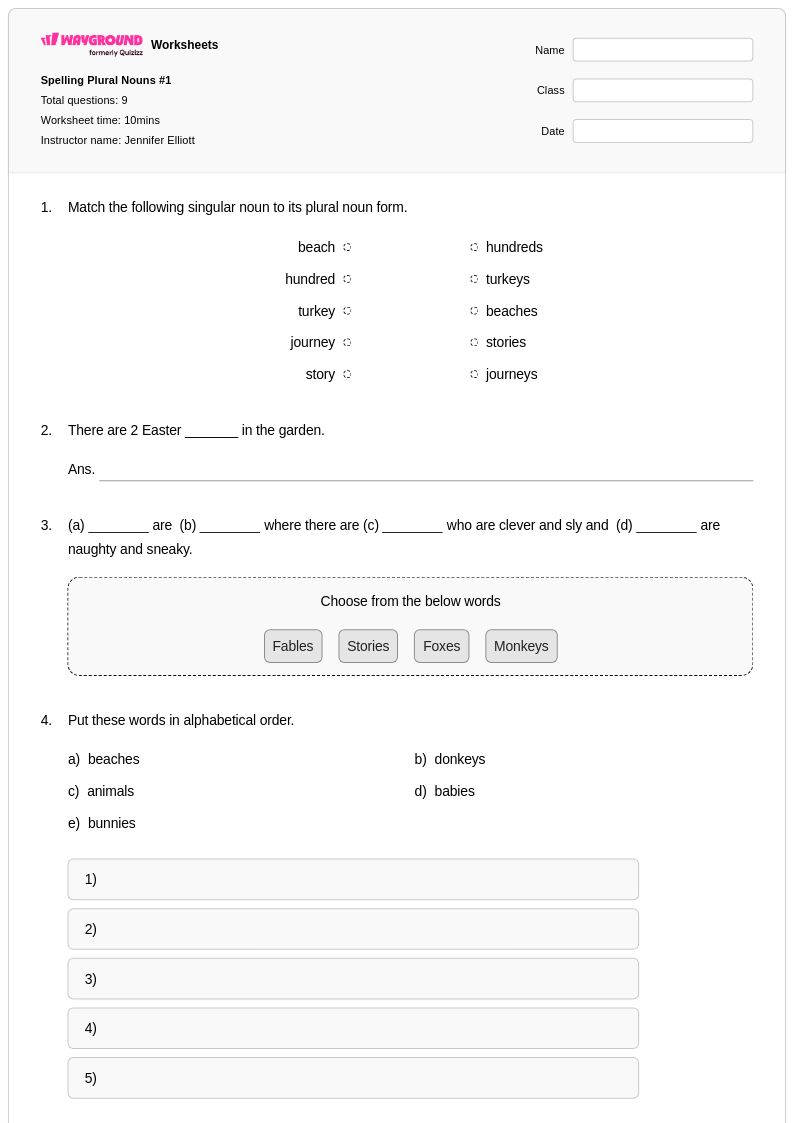
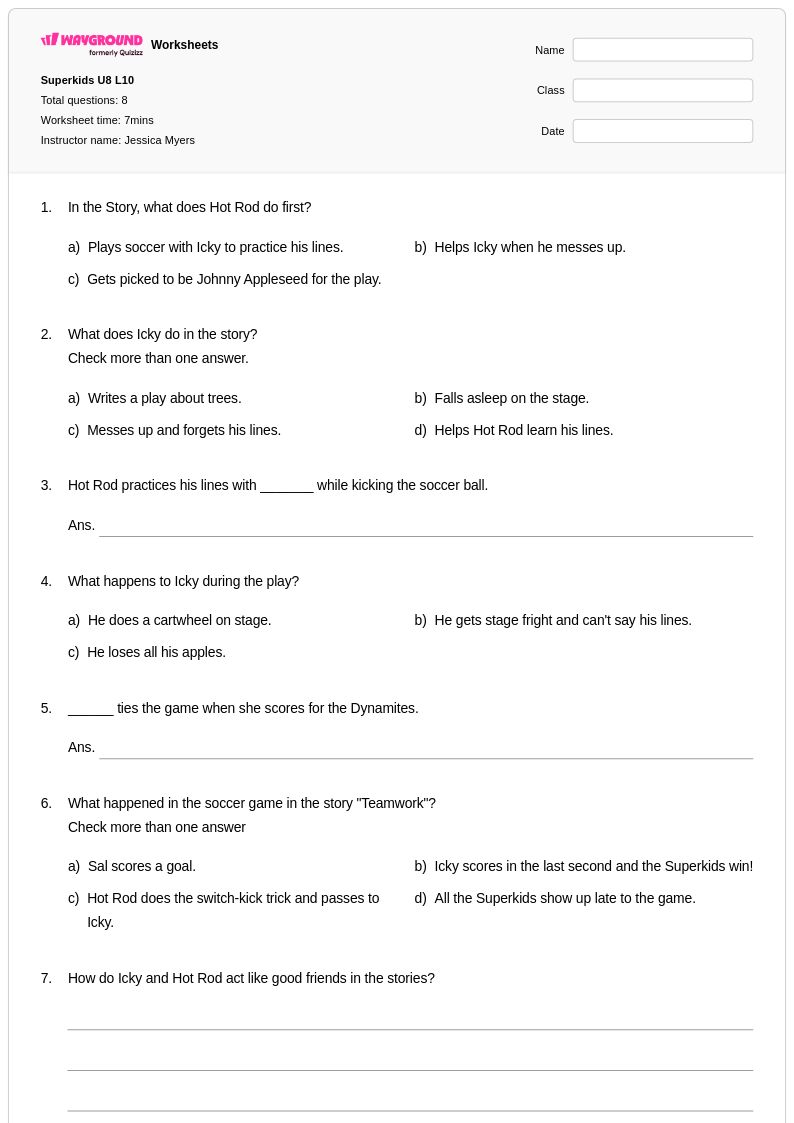
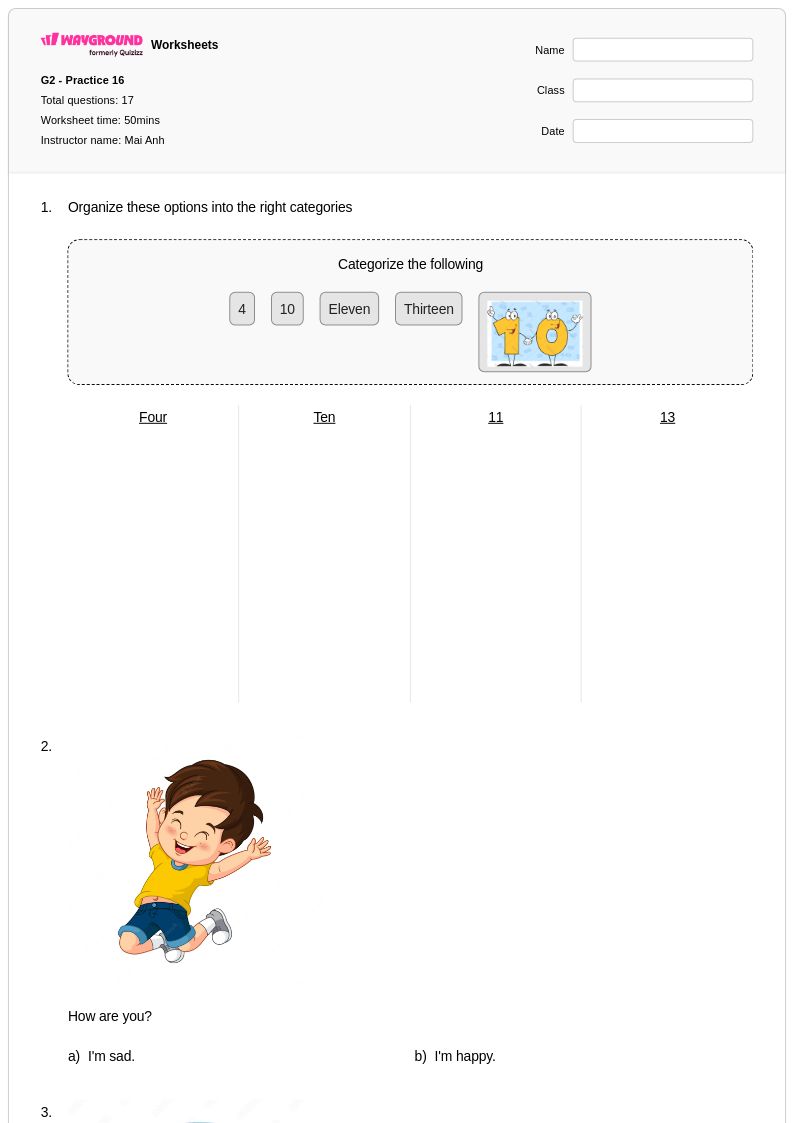
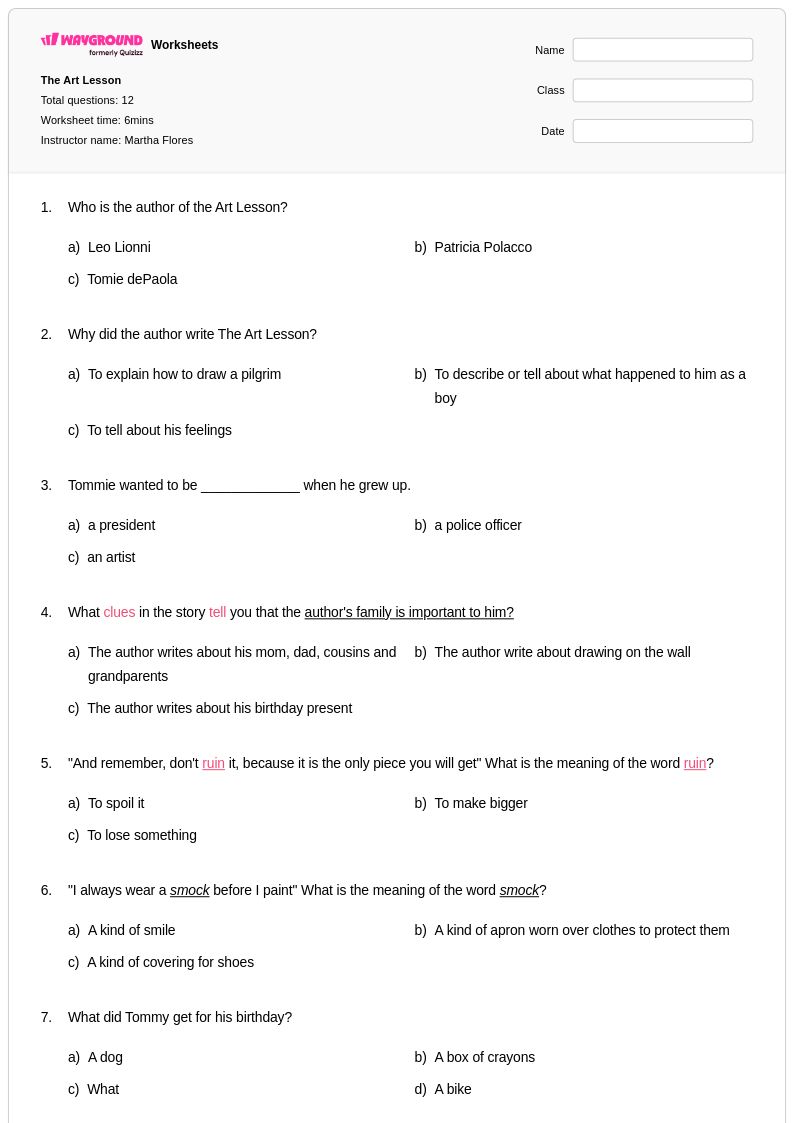
Class 2 copying practice worksheets available through Wayground (formerly Quizizz) provide essential foundational training for developing proper letter formation, spacing, and fine motor control in young learners. These carefully designed printables focus on helping second-grade students master the critical skill of accurately reproducing letters, words, and sentences while building muscle memory for correct handwriting patterns. Each worksheet collection includes structured practice problems that progress from simple letter copying to complete sentence transcription, with accompanying answer keys that enable teachers and parents to monitor student progress effectively. The free pdf resources emphasize proper pencil grip, consistent letter sizing, and appropriate spacing between words, creating a comprehensive foundation for legible handwriting development.
Wayground (formerly Quizizz) supports educators with an extensive library of millions of teacher-created copying practice resources specifically tailored for Class 2 handwriting instruction. The platform's robust search and filtering capabilities allow teachers to quickly locate worksheets that align with handwriting standards and match individual student needs, while differentiation tools enable customization for various skill levels within the classroom. These versatile materials are available in both printable and digital pdf formats, making them ideal for traditional classroom instruction, homework assignments, and remote learning scenarios. Teachers can utilize these comprehensive worksheet collections for systematic skill practice, targeted remediation for students struggling with letter formation, and enrichment activities that challenge advanced learners, streamlining lesson planning while ensuring consistent handwriting development across all students.
FAQs
How do I teach copying practice effectively in the classroom?
Effective copying practice instruction begins with explicit modeling of letter formation, including correct pencil grip, stroke sequence, and paper positioning. Teachers should break practice into short, focused sessions targeting individual letters before progressing to words and then sentences, allowing muscle memory to develop gradually. Providing immediate corrective feedback during guided practice prevents students from reinforcing incorrect habits.
What exercises help students practice handwriting copying skills?
The most effective copying practice exercises progress systematically from tracing individual letters to independently copying words, phrases, and full sentences. Activities that emphasize consistent letter sizing, uniform spacing, and proper baseline alignment give students clear targets to work toward. Regular short practice sessions are more effective than infrequent long ones, as repetition across multiple days is what builds durable muscle memory.
What mistakes do students commonly make during copying practice?
The most frequent errors in copying practice include inconsistent letter sizing, uneven spacing between words, incorrect stroke direction, and poor baseline alignment. Students often lift their pencil mid-letter rather than following the correct stroke sequence, which disrupts fluency and legibility. Teachers should watch for letter reversals, particularly with b/d and p/q, as these are common misconceptions that can persist if not addressed early.
How do I support students with different handwriting ability levels during copying practice?
Differentiation in copying practice means providing simpler letter sets or larger print for emerging writers while offering more complex words and condensed lines for students who are ready to advance. On Wayground, teachers can apply individual accommodations such as Read Aloud for students who need questions read to them, or reduced answer choices to lower cognitive load for students who find the task overwhelming. These settings can be assigned to individual students without disrupting the experience for the rest of the class.
How do I use Wayground's copying practice worksheets in my classroom?
Wayground's copying practice worksheets are available as printable PDFs for traditional classroom use and in digital formats for technology-integrated learning environments, and teachers can also host them as a quiz directly on Wayground. Each worksheet includes an answer key showing correct letter formation, making it straightforward to assess student work or guide self-correction. The flexible format supports whole-class instruction, small group intervention, and independent practice equally well.
How much time should I dedicate to copying practice each day?
Research on handwriting development supports short, daily copying practice sessions of 10 to 15 minutes rather than longer, less frequent sessions. Consistent daily repetition is what drives the motor automaticity students need for legible, efficient handwriting. Once students can form individual letters correctly, practice time is best spent on copying connected words and sentences to build fluency in authentic writing contexts.