
16 Q
8th
20 Q
7th - Uni
20 Q
7th - Uni
20 Q
6th - 10th
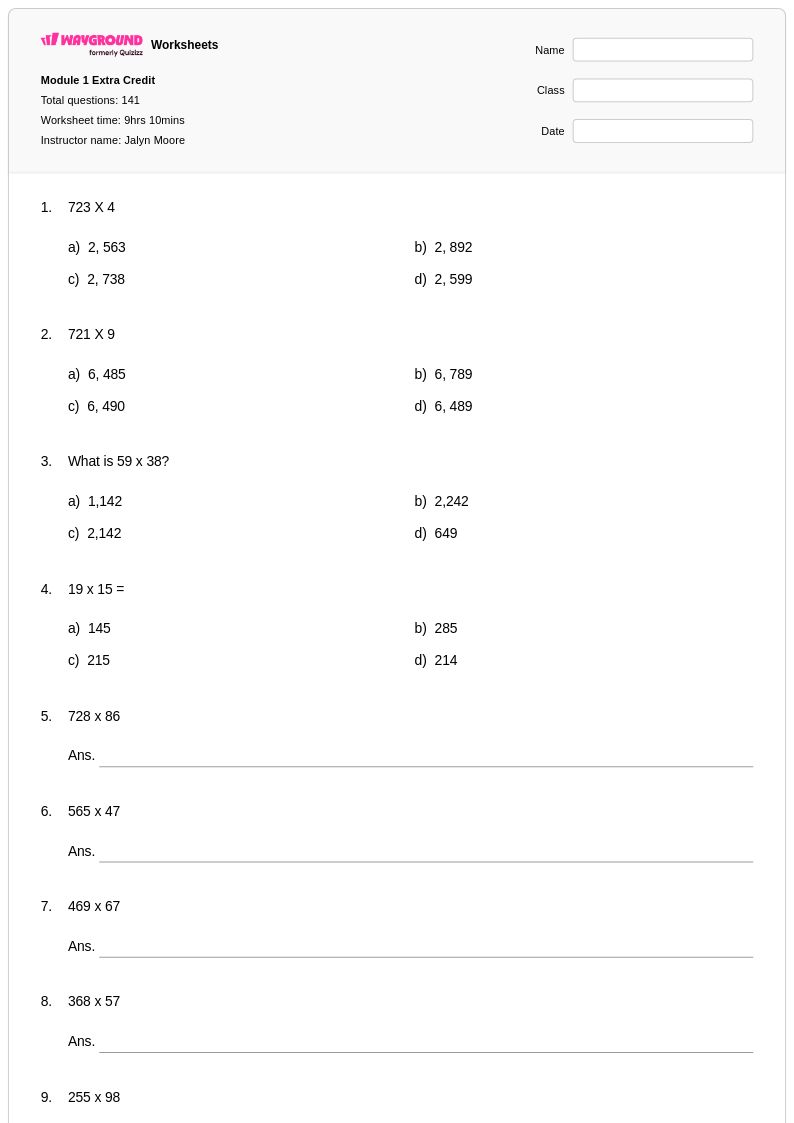
141 Q
6th - 8th
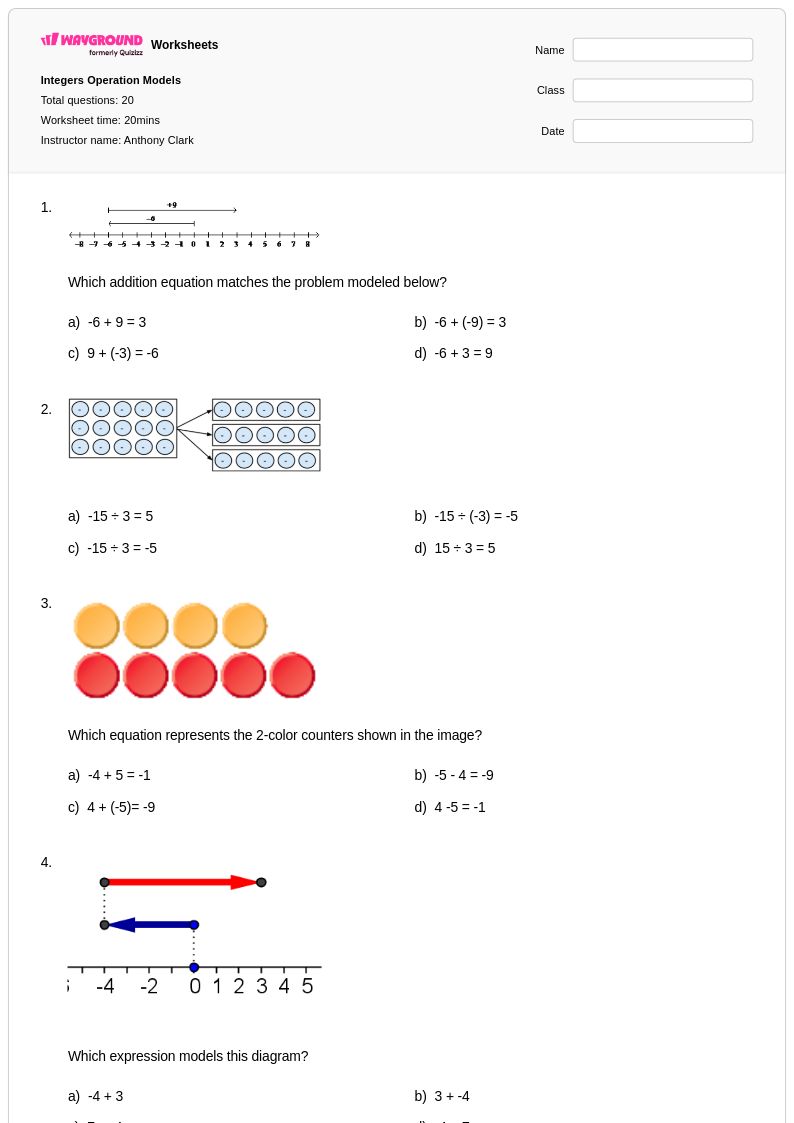
20 Q
6th - Uni
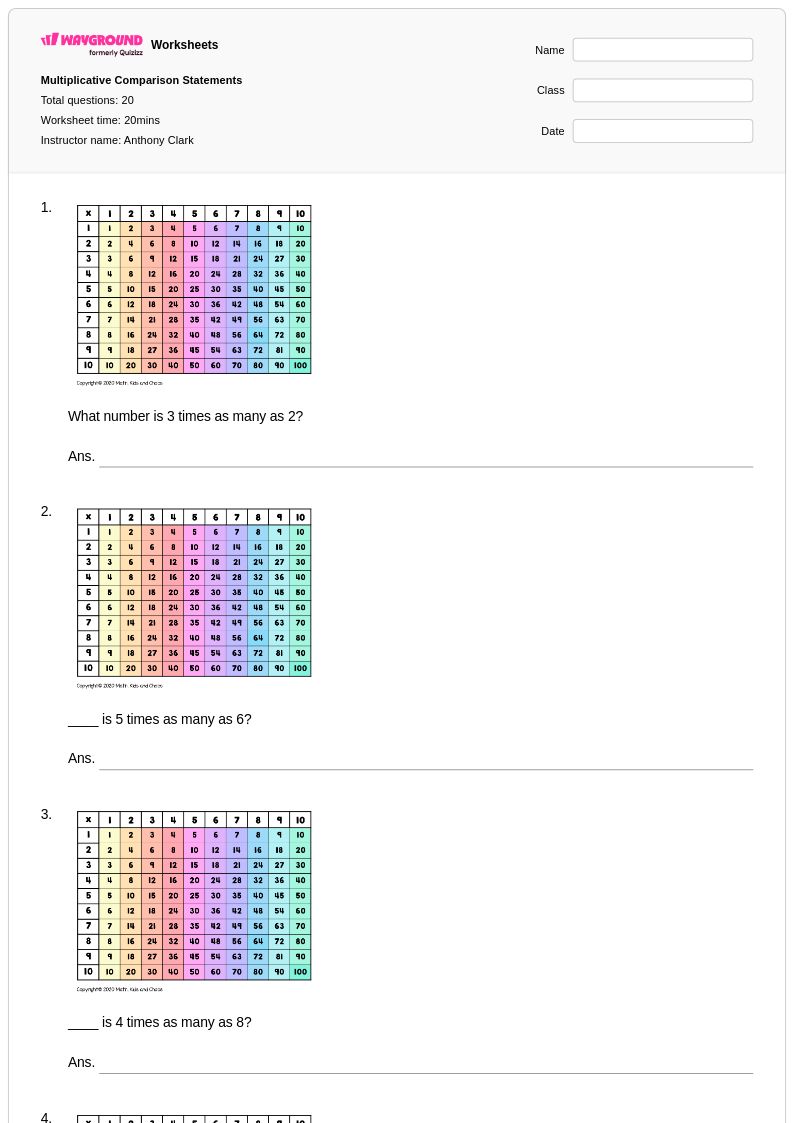
20 Q
4th - Uni
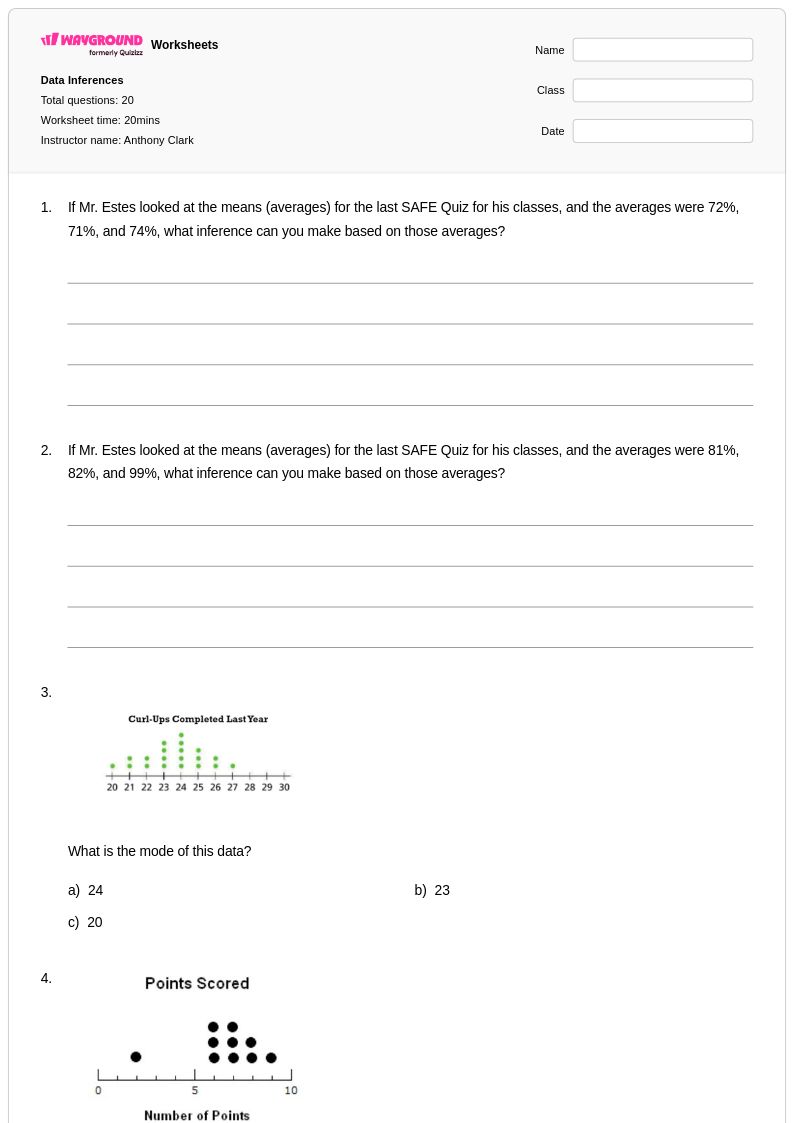
20 Q
7th - Uni
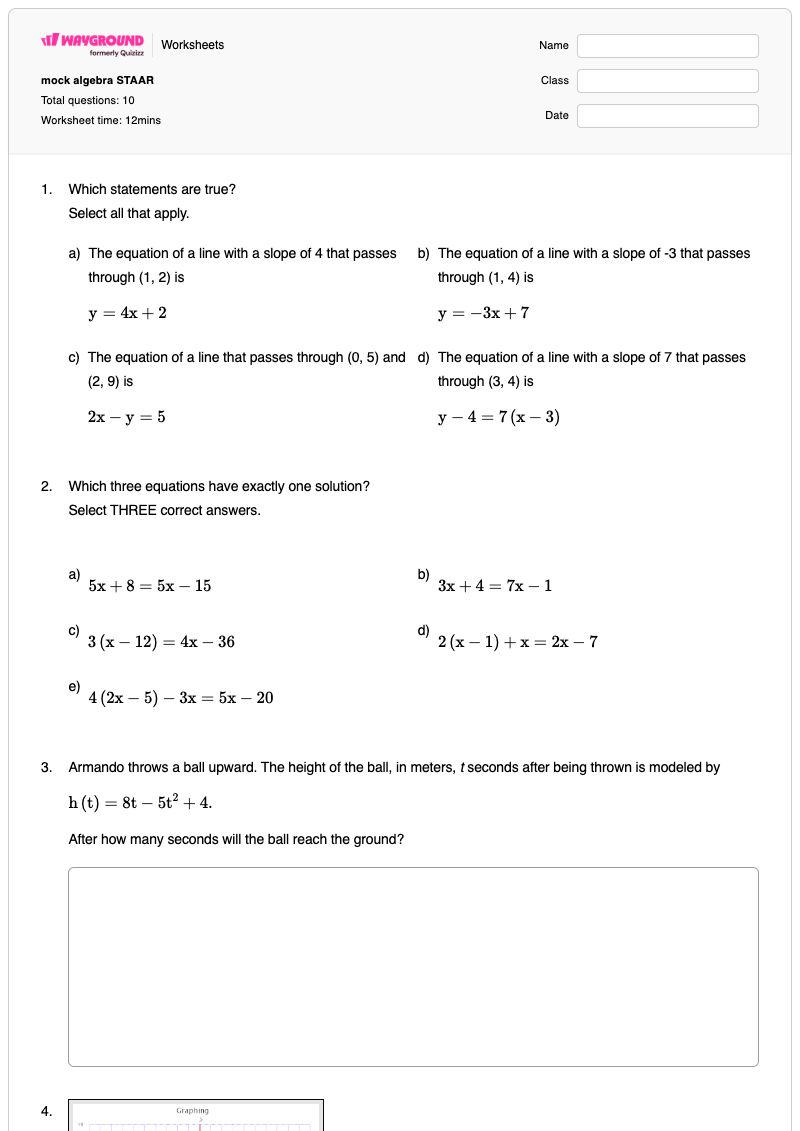
10 Q
8th
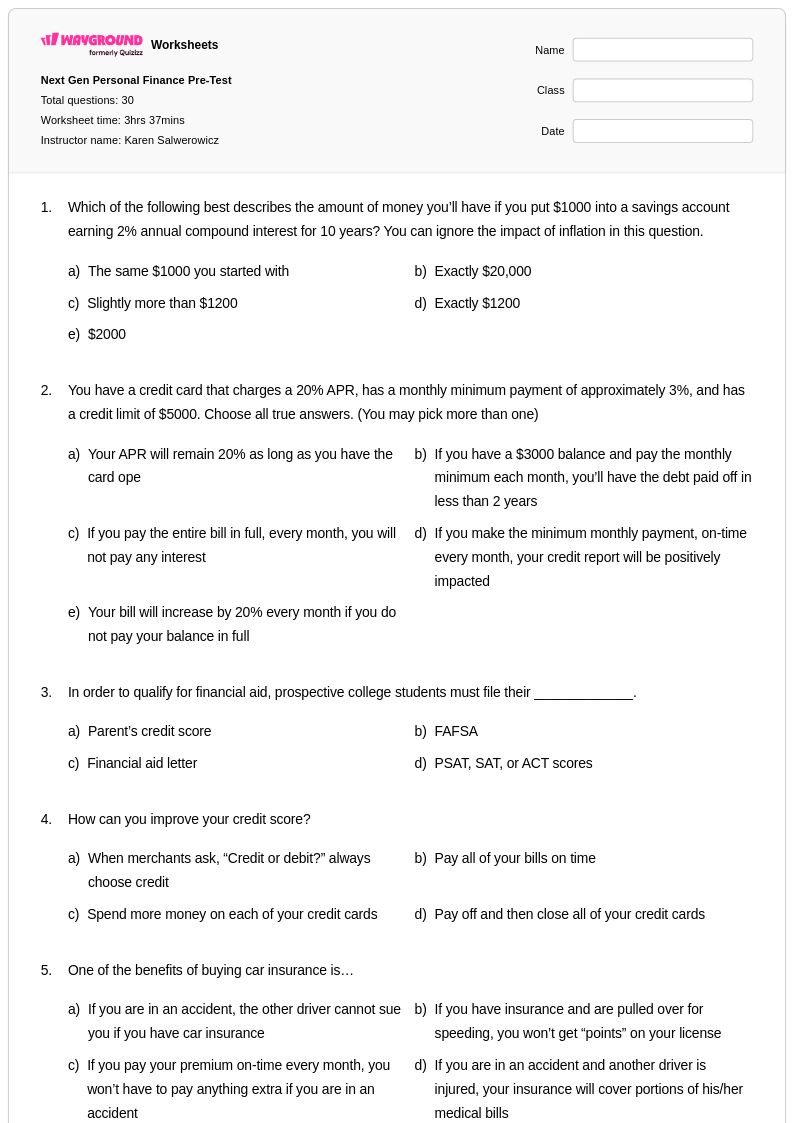
30 Q
8th
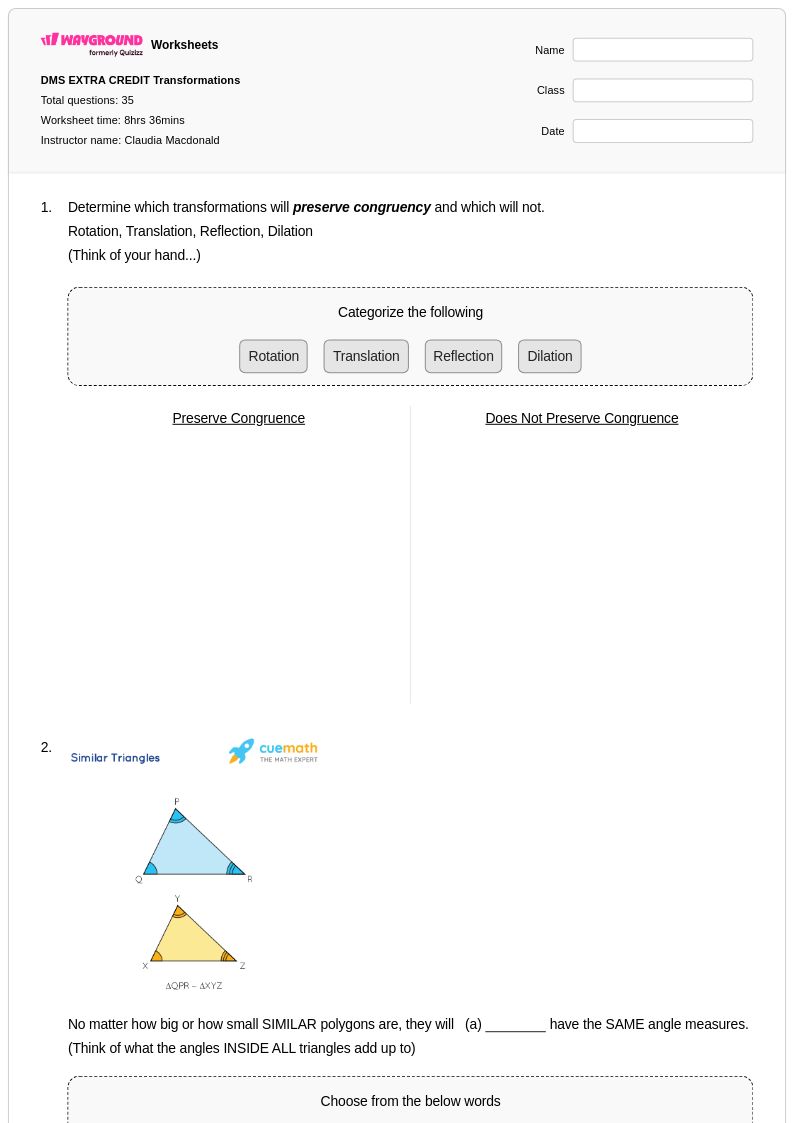
32 Q
8th
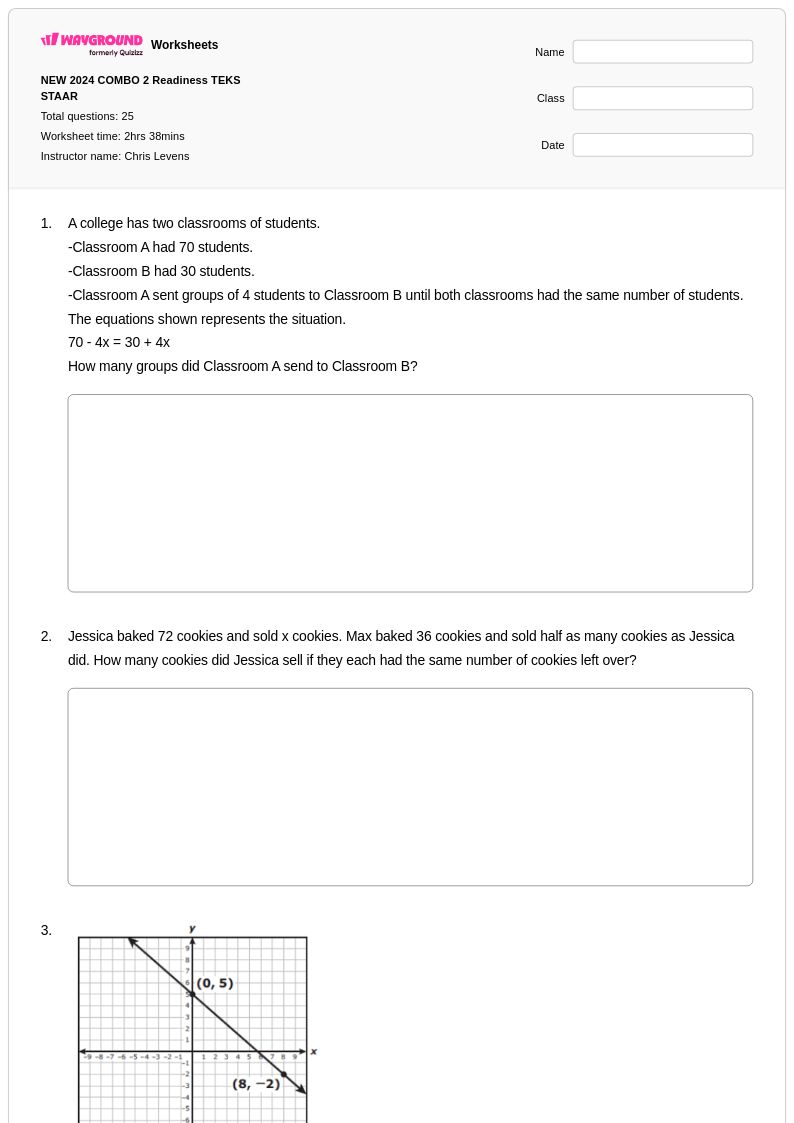
25 Q
8th
19 Q
8th
20 Q
6th - Uni
20 Q
8th - Uni
20 Q
4th - Uni
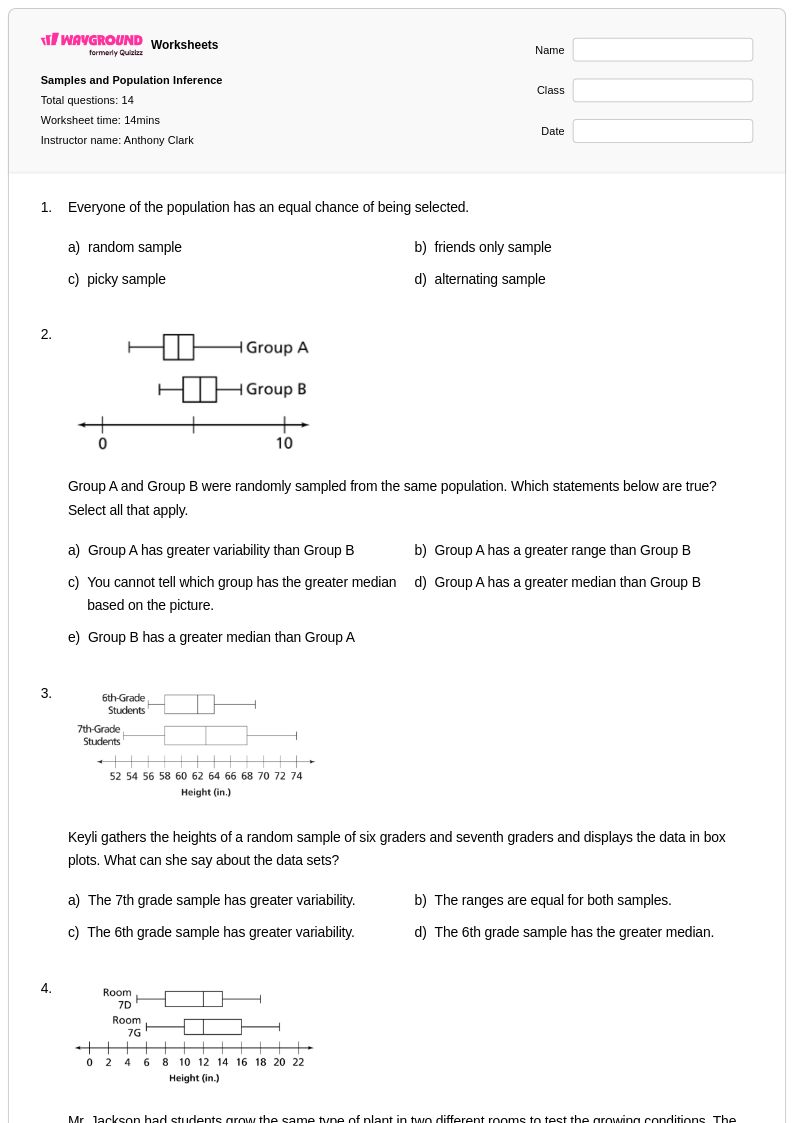
14 Q
7th - Uni
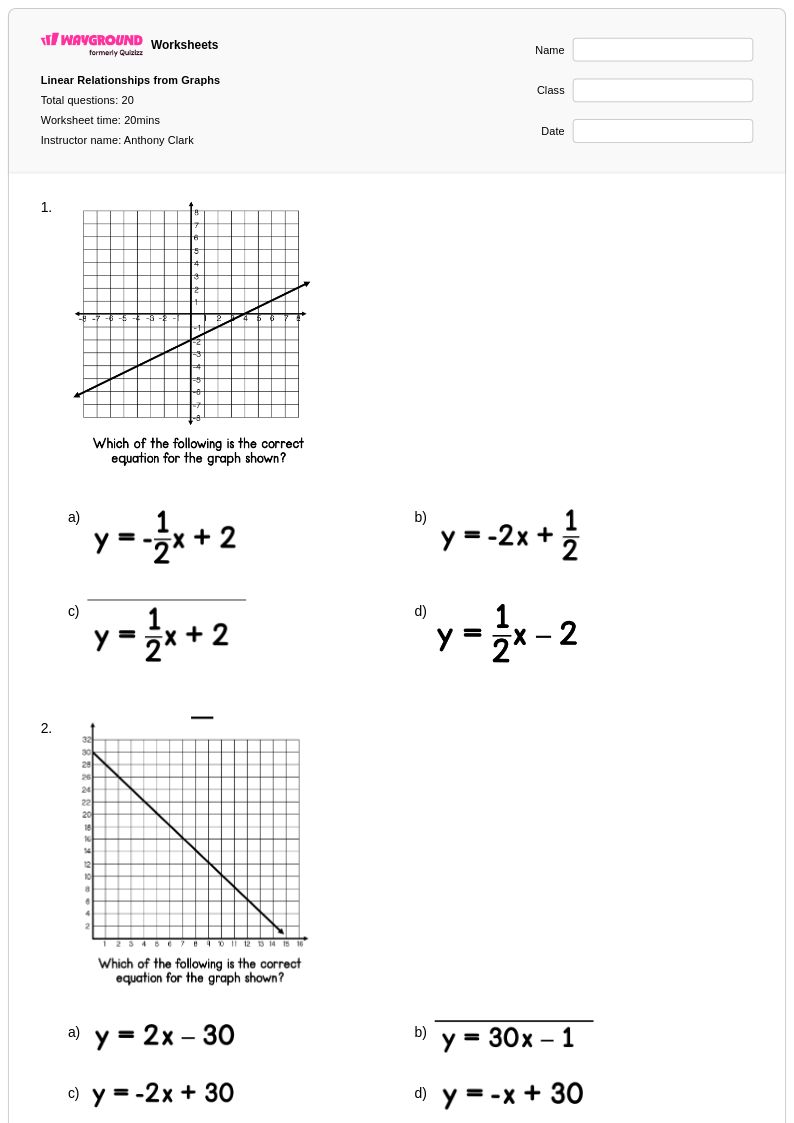
20 Q
7th - Uni
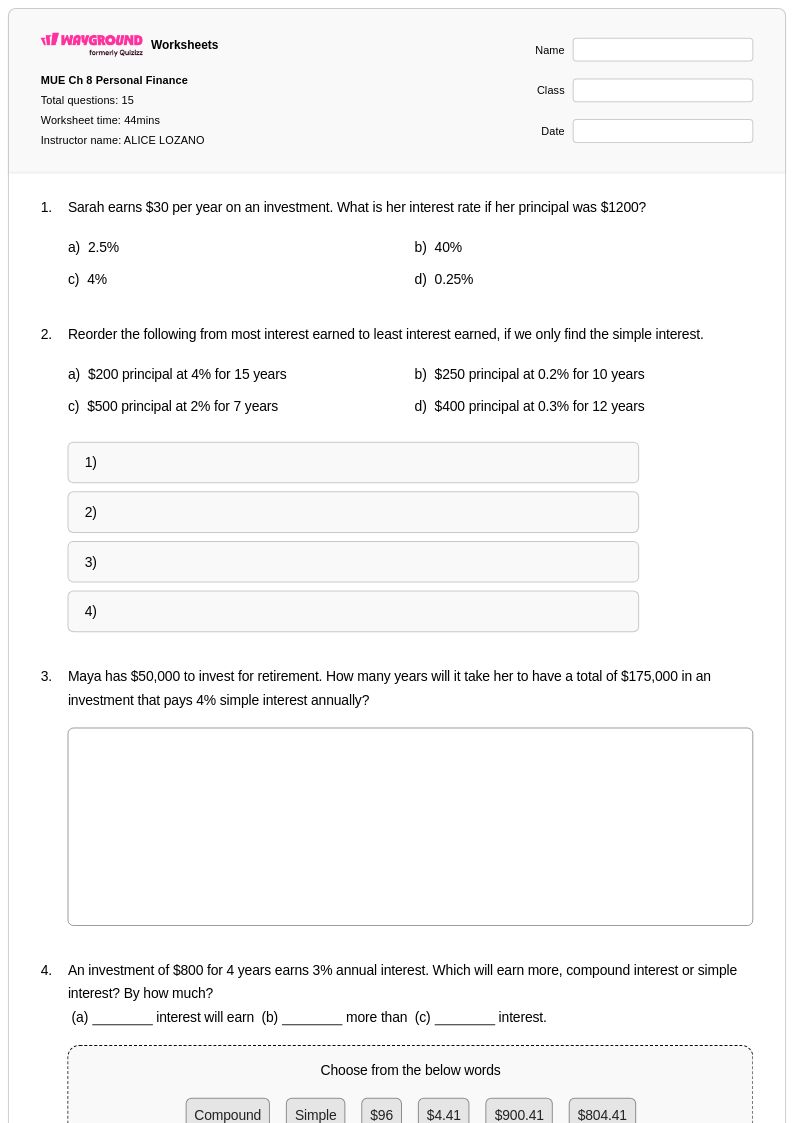
15 Q
8th
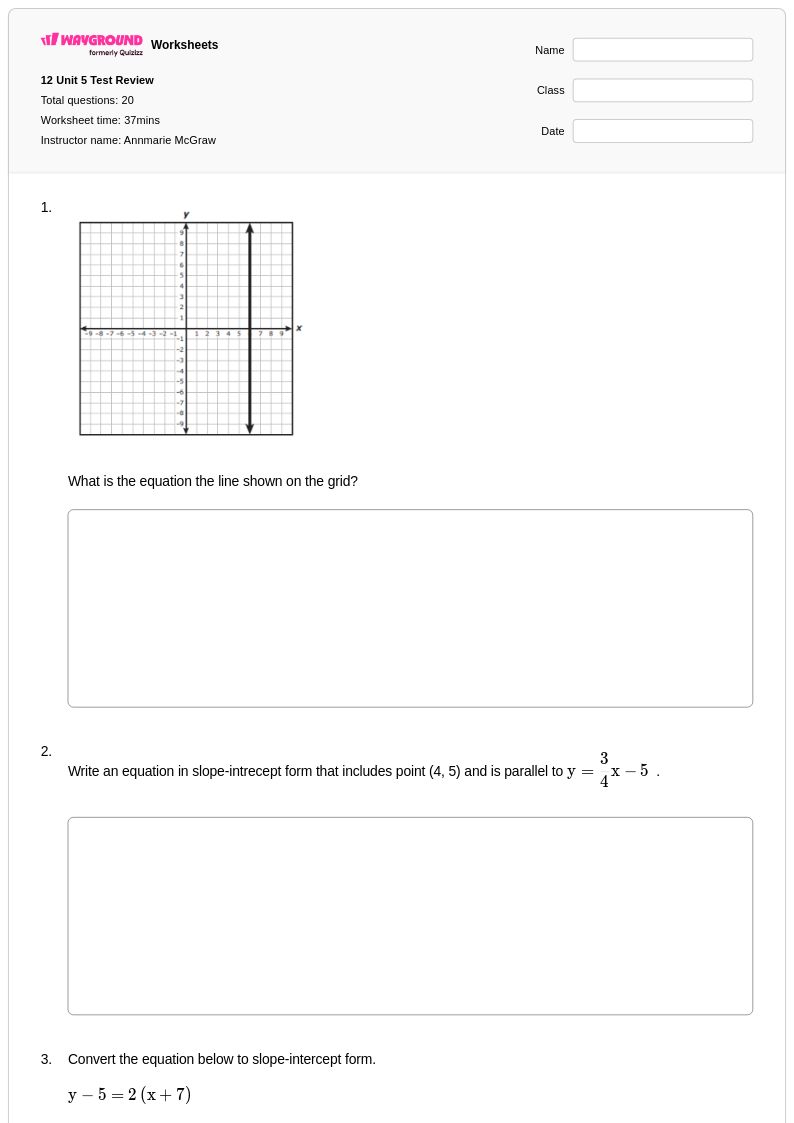
20 Q
8th
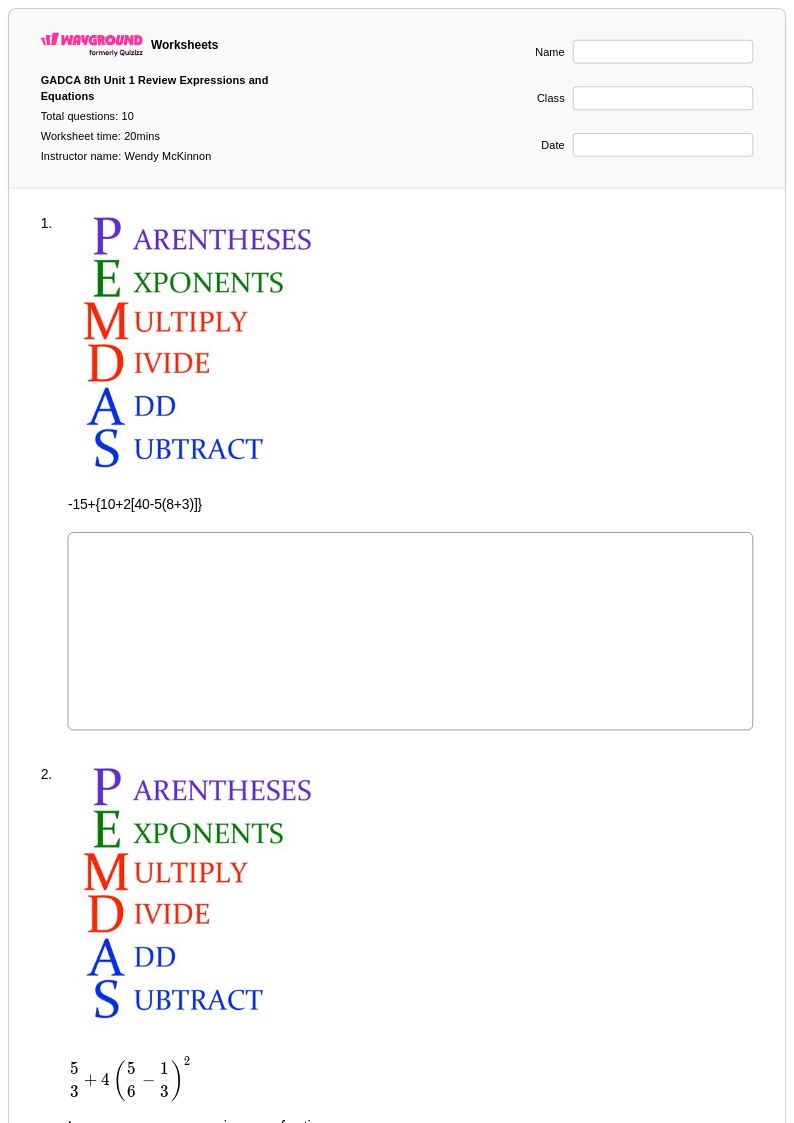
10 Q
8th
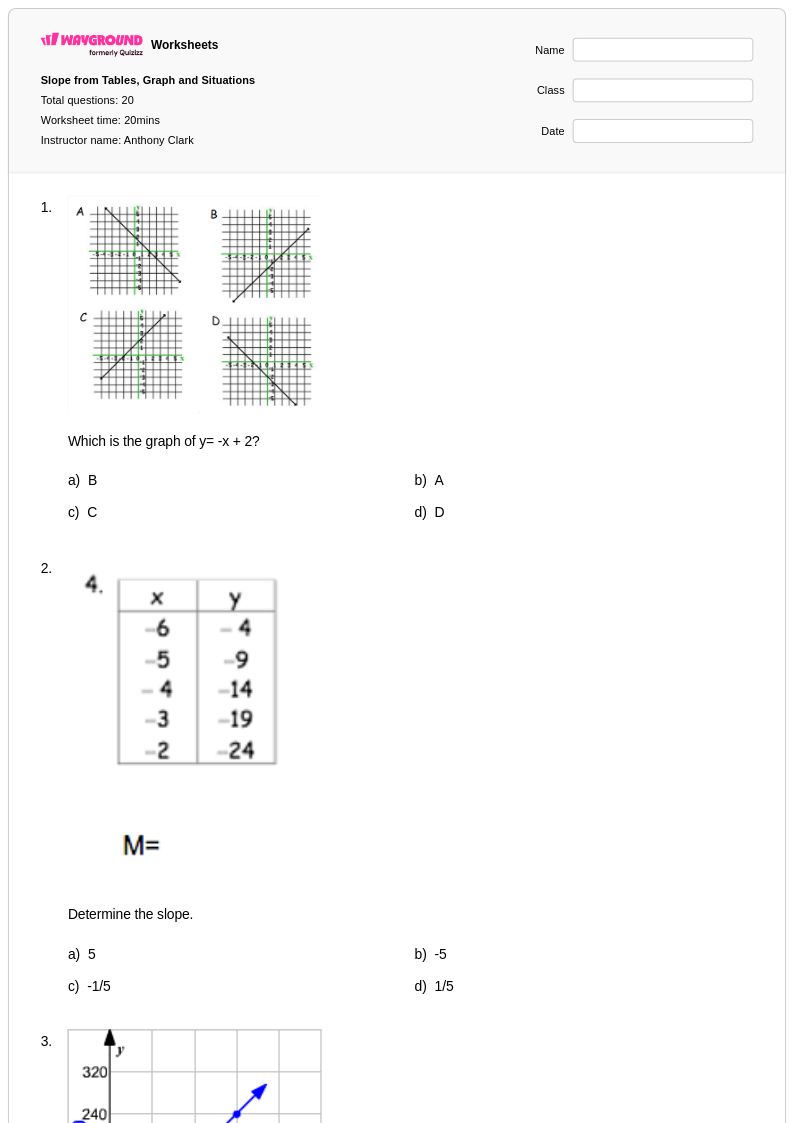
20 Q
8th - Uni
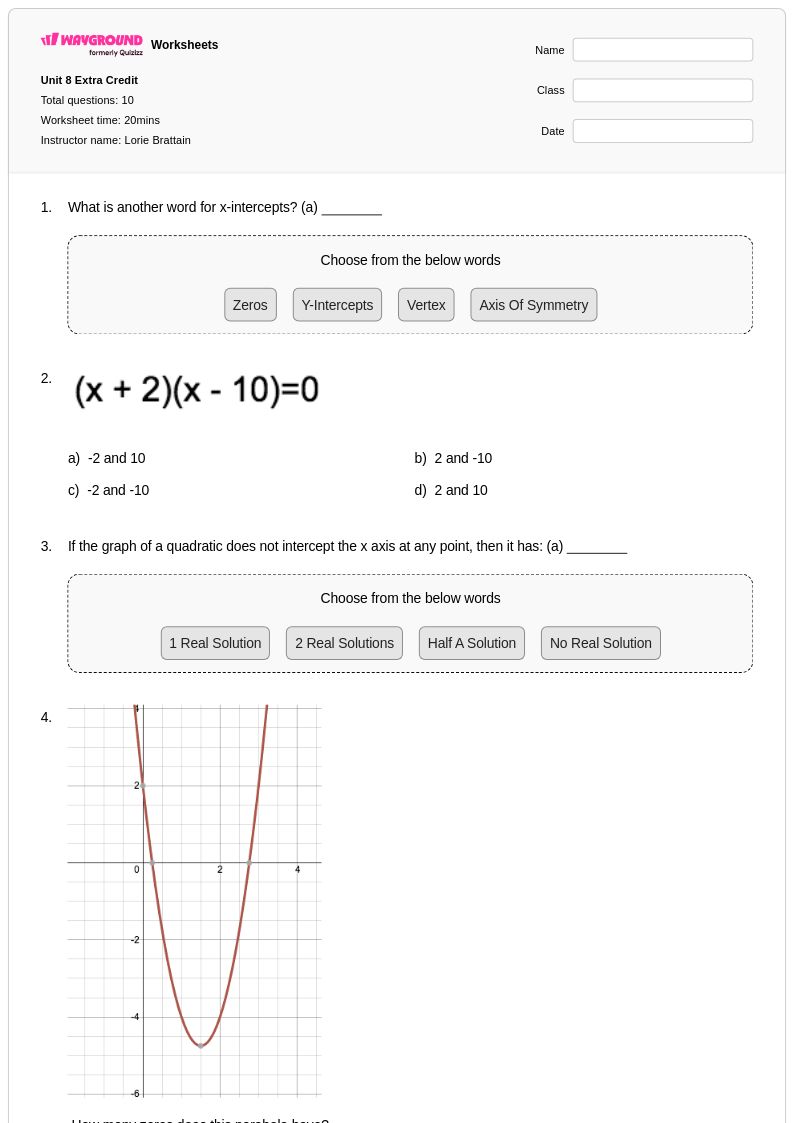
10 Q
8th - 10th
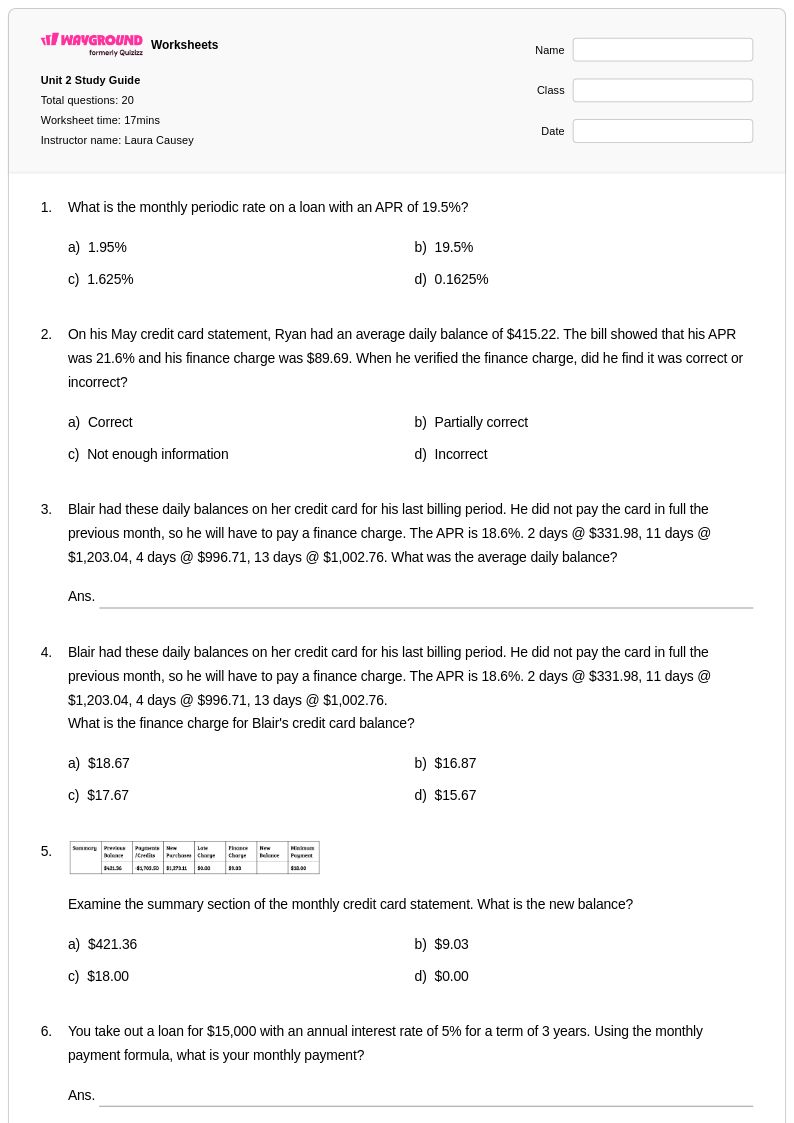
Explore Credit Card Statements Worksheets by Grades
Explore Other Subject Worksheets for class 8
Explore printable Credit Card Statements worksheets for Class 8
Credit card statements represent a crucial component of Class 8 financial literacy education, and Wayground's extensive collection of worksheets provides students with authentic practice interpreting these complex financial documents. These comprehensive worksheets guide eighth graders through the essential skills of analyzing monthly statements, calculating interest charges, identifying payment due dates, and understanding the relationship between minimum payments and total debt. Students work through practice problems that mirror real-world scenarios, developing critical thinking abilities as they navigate payment histories, transaction categories, and balance calculations. Each worksheet includes detailed answer keys that support both independent study and classroom instruction, with free printables available in convenient pdf format to accommodate diverse learning environments.
Wayground, formerly Quizizz, empowers educators with millions of teacher-created resources specifically designed for Class 8 financial literacy instruction, featuring robust search and filtering capabilities that allow teachers to locate credit card statement worksheets aligned with state and national standards. The platform's differentiation tools enable instructors to customize content complexity, ensuring appropriate challenge levels for students across varying skill levels while supporting both remediation for struggling learners and enrichment opportunities for advanced students. Teachers can seamlessly integrate these resources into their lesson planning, utilizing both printable pdf versions for traditional classroom activities and digital formats for interactive learning experiences. This comprehensive approach to worksheet delivery supports systematic skill practice while providing educators with the flexibility to address individual student needs through targeted practice problems and assessment tools.
FAQs
How do I teach Grade 8 students to interpret credit card statements?
What credit card statement exercises work well for Grade 8?
What mistakes do Grade 8 students make when calculating credit card balances?
How can I use a Grade 8 credit card statement worksheet from Wayground?
How does Grade 8 credit card statement work align with Common Core math?
How can I accommodate different learners during Grade 8 credit card statement practice?
Is credit card statement analysis appropriate for Grade 8?