Free Printable Declarative and Interrogative Sentences Worksheets for Class 2
Explore Wayground's free Class 2 declarative and interrogative sentences worksheets with printables, practice problems, and answer keys to help students master statement and question sentence structures.
Explore printable Declarative and Interrogative Sentences worksheets for Class 2
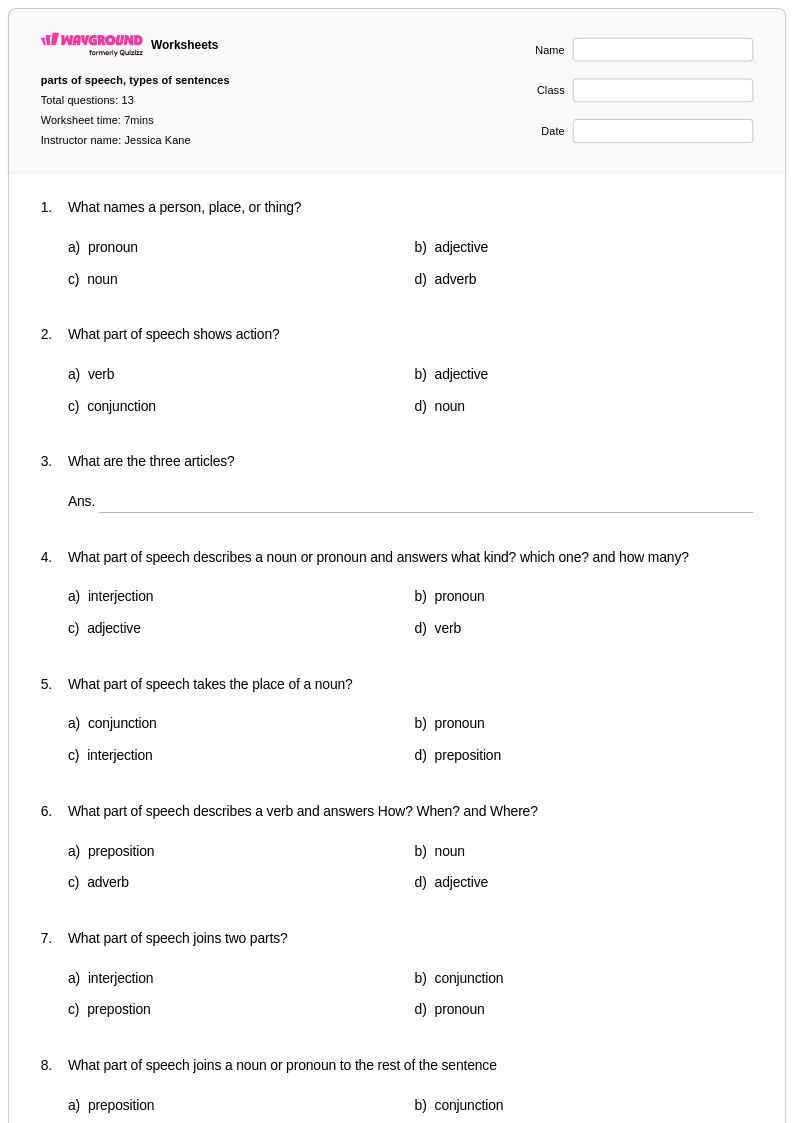
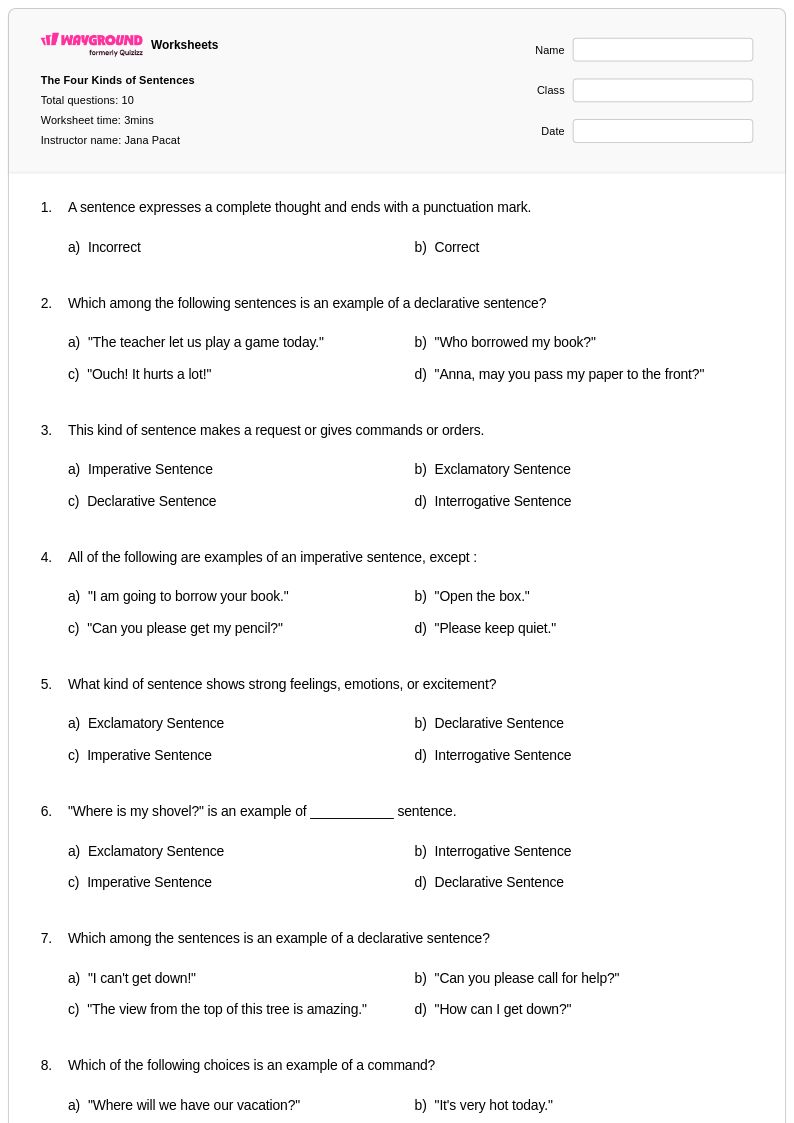
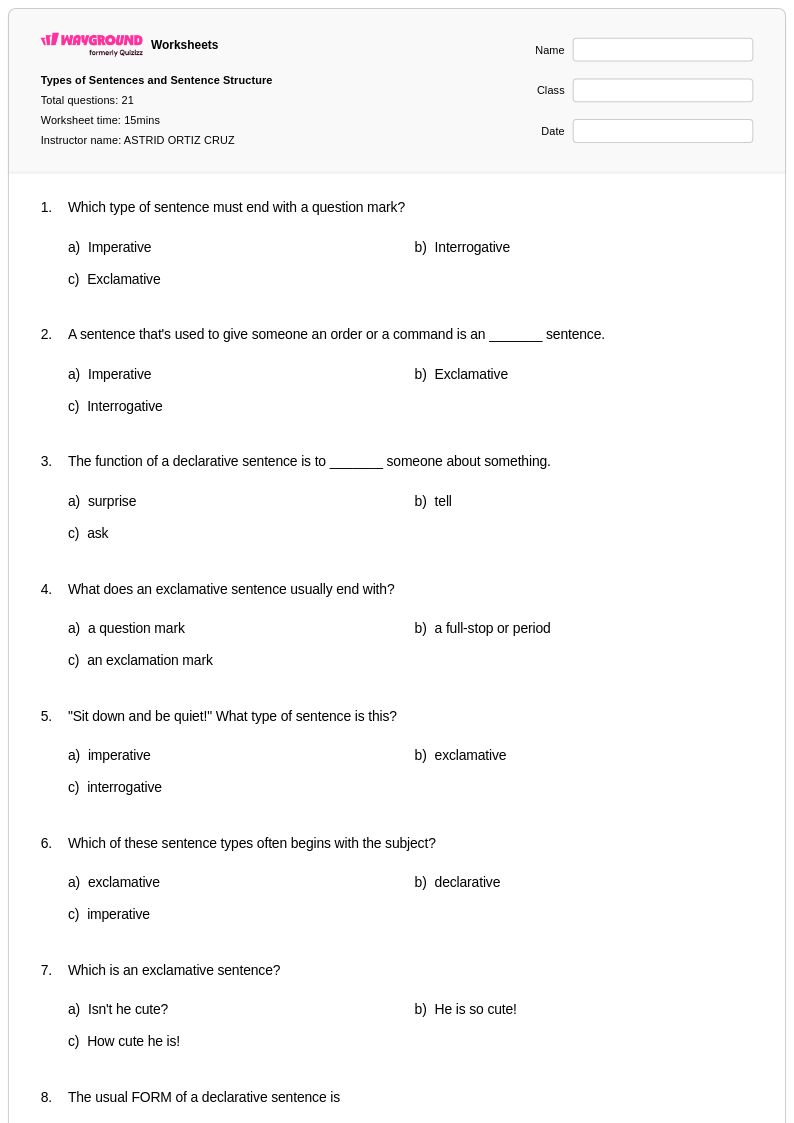
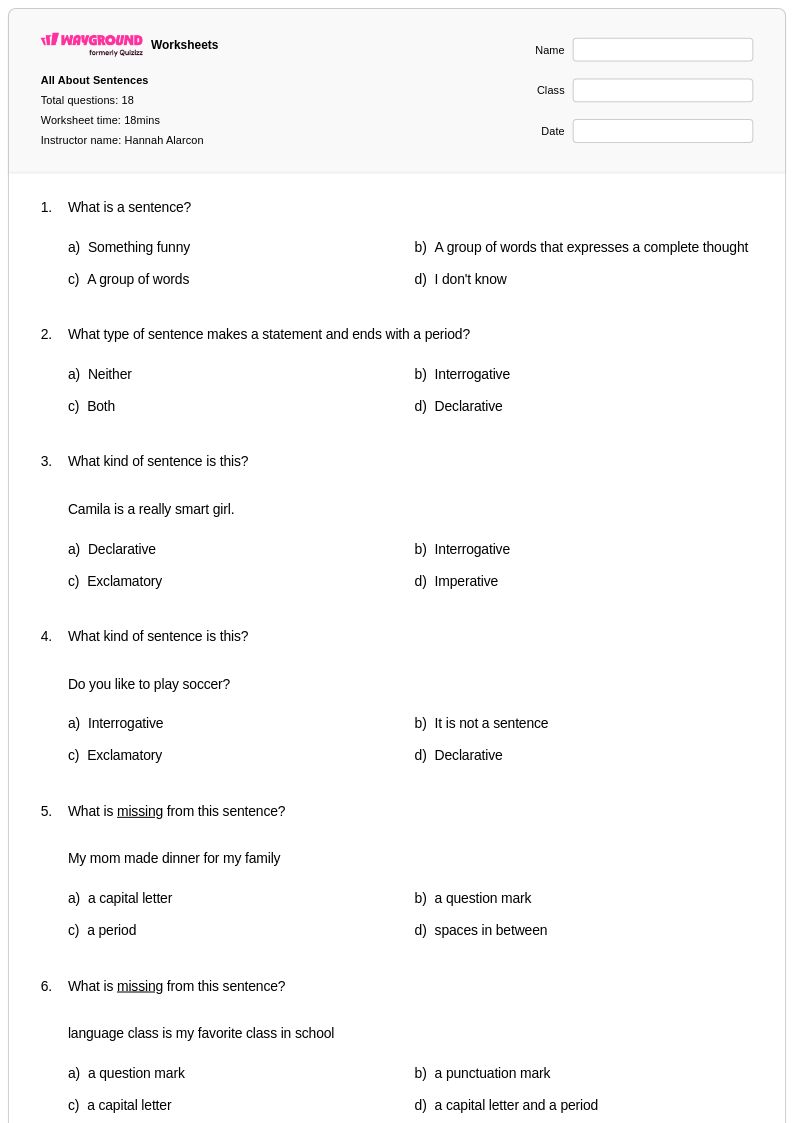
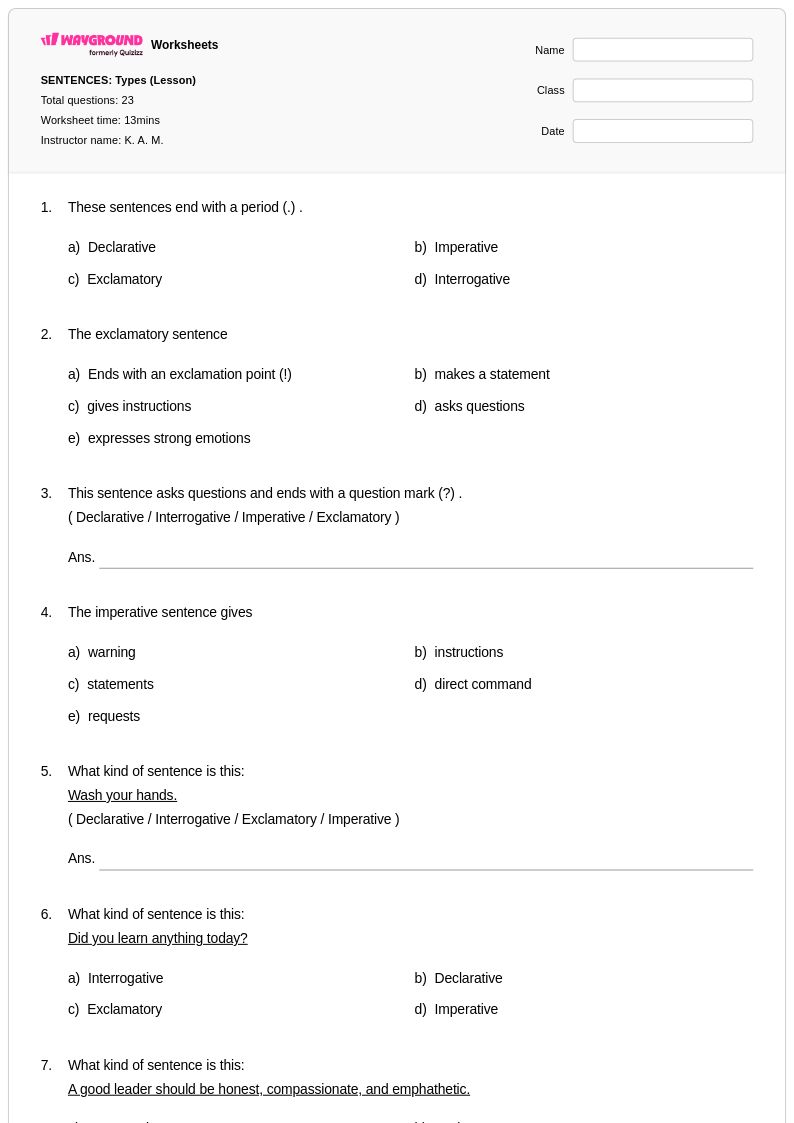
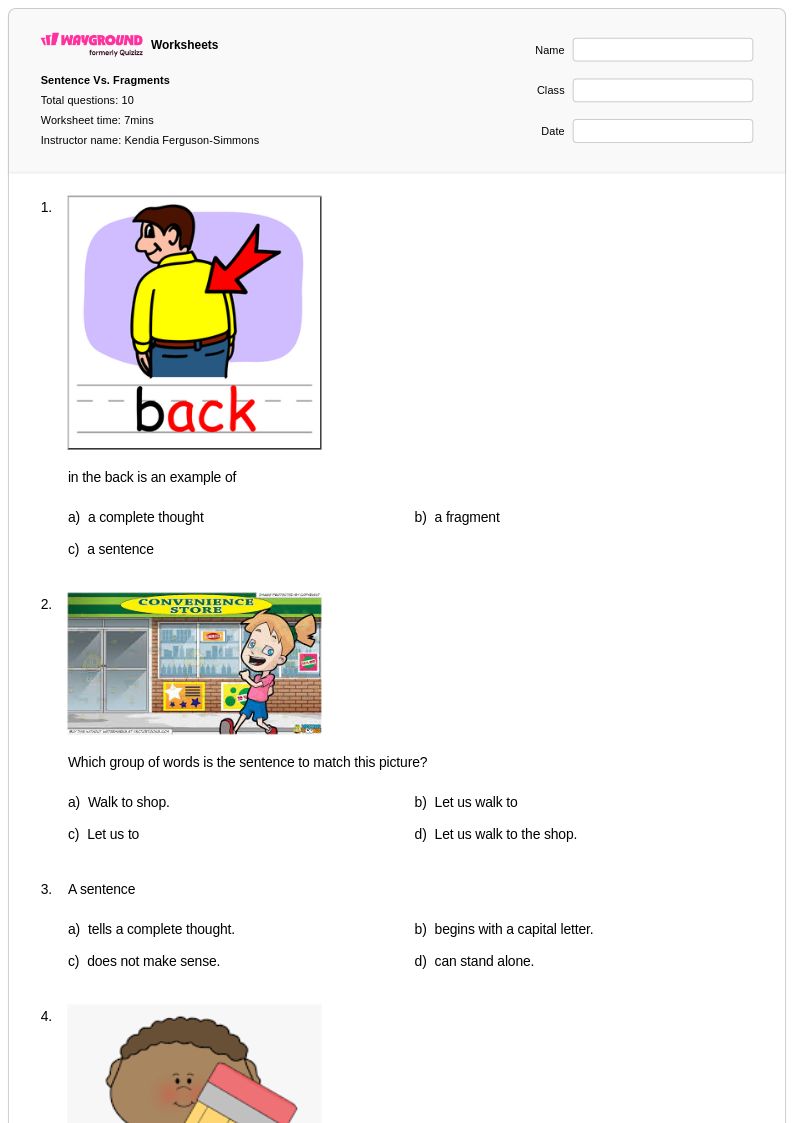
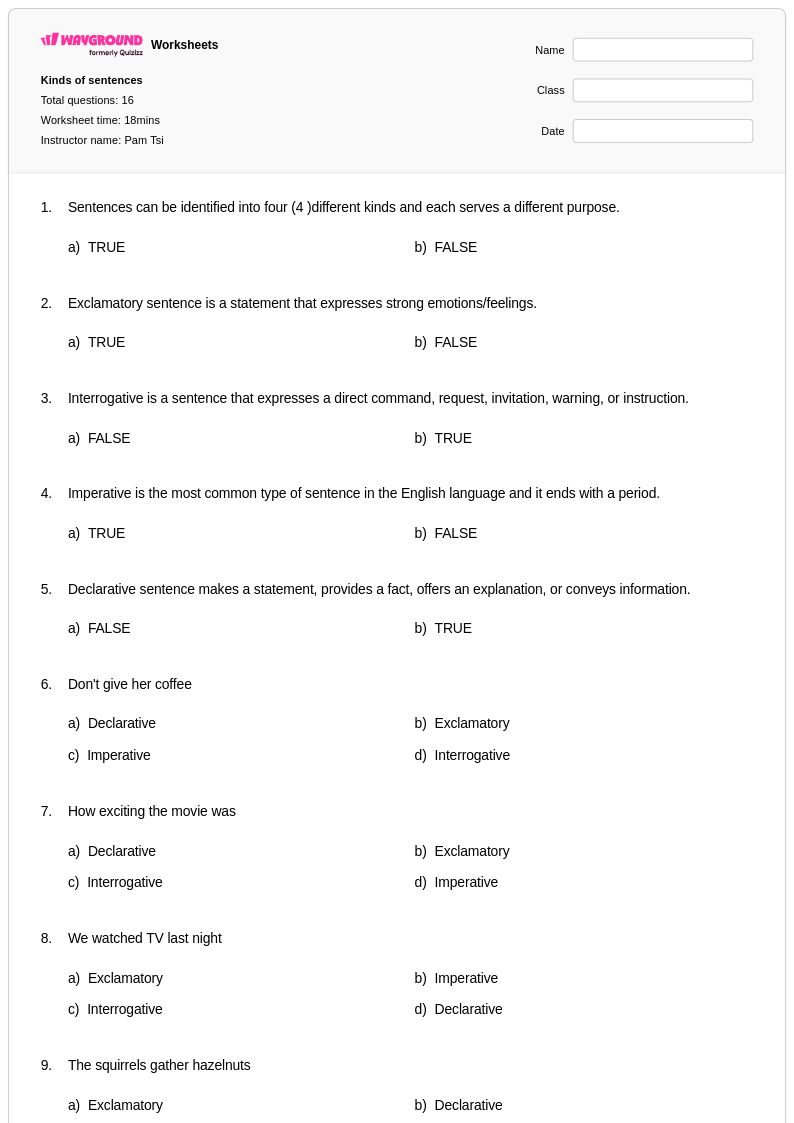
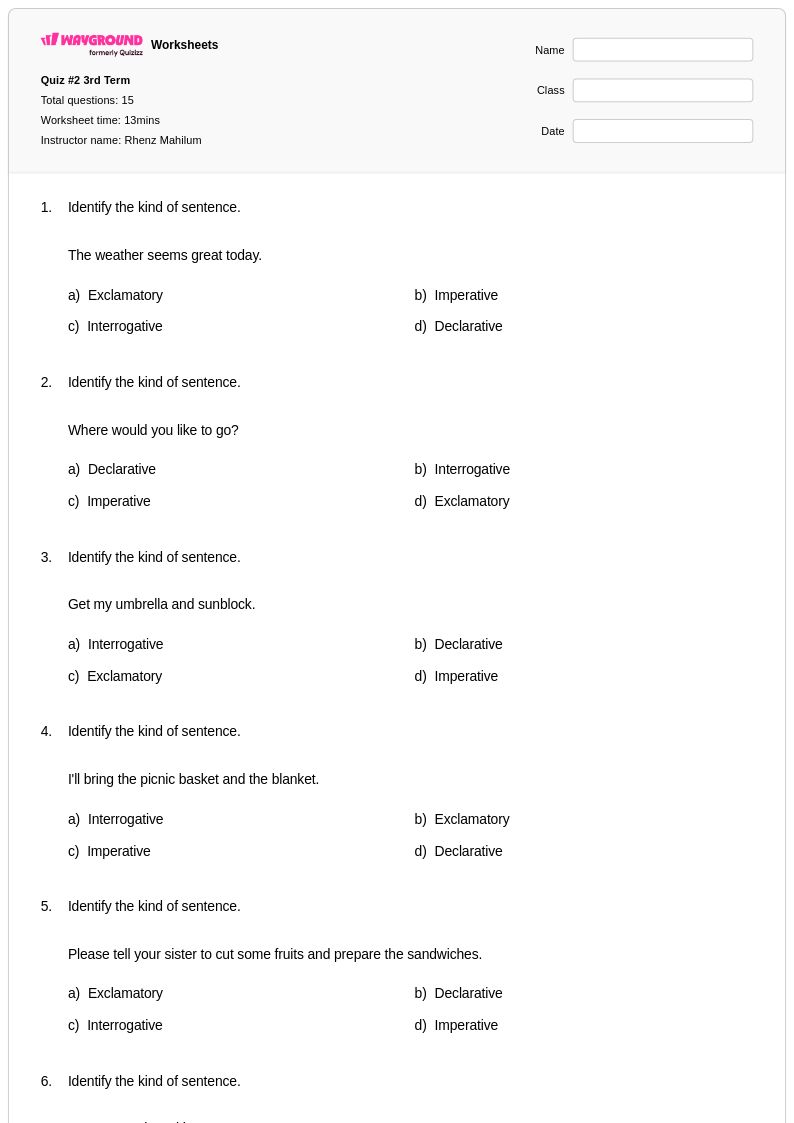
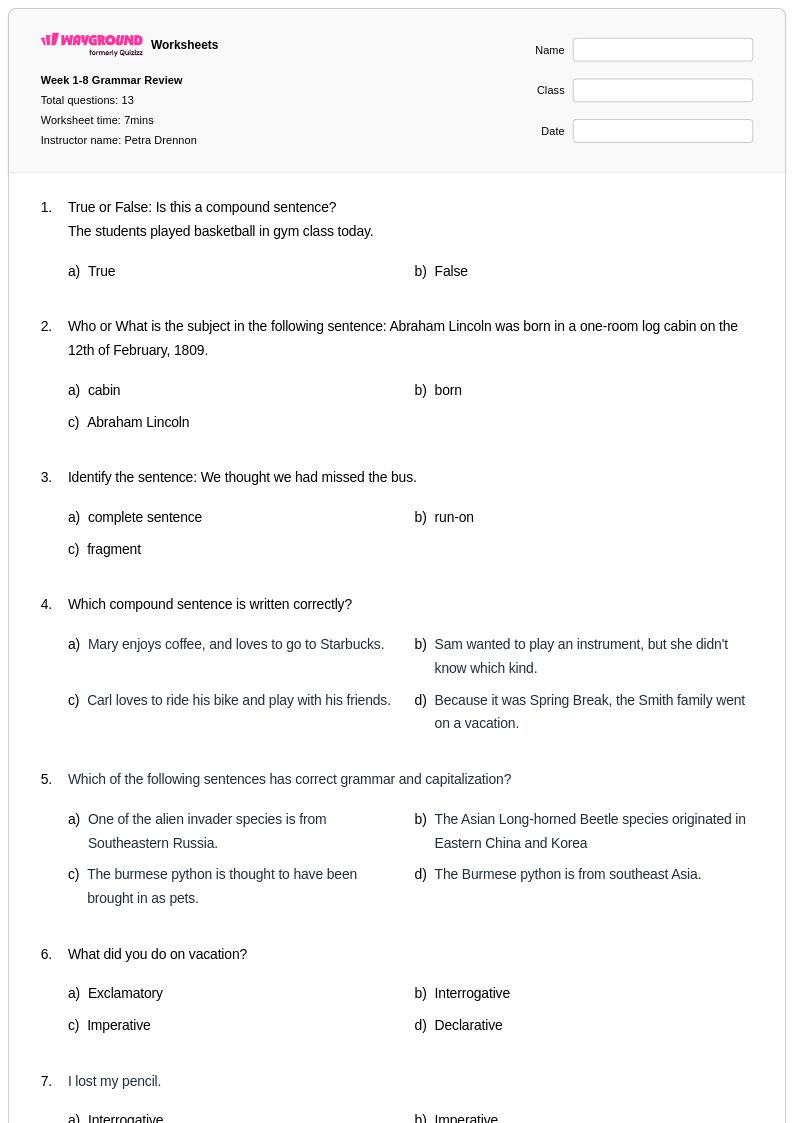
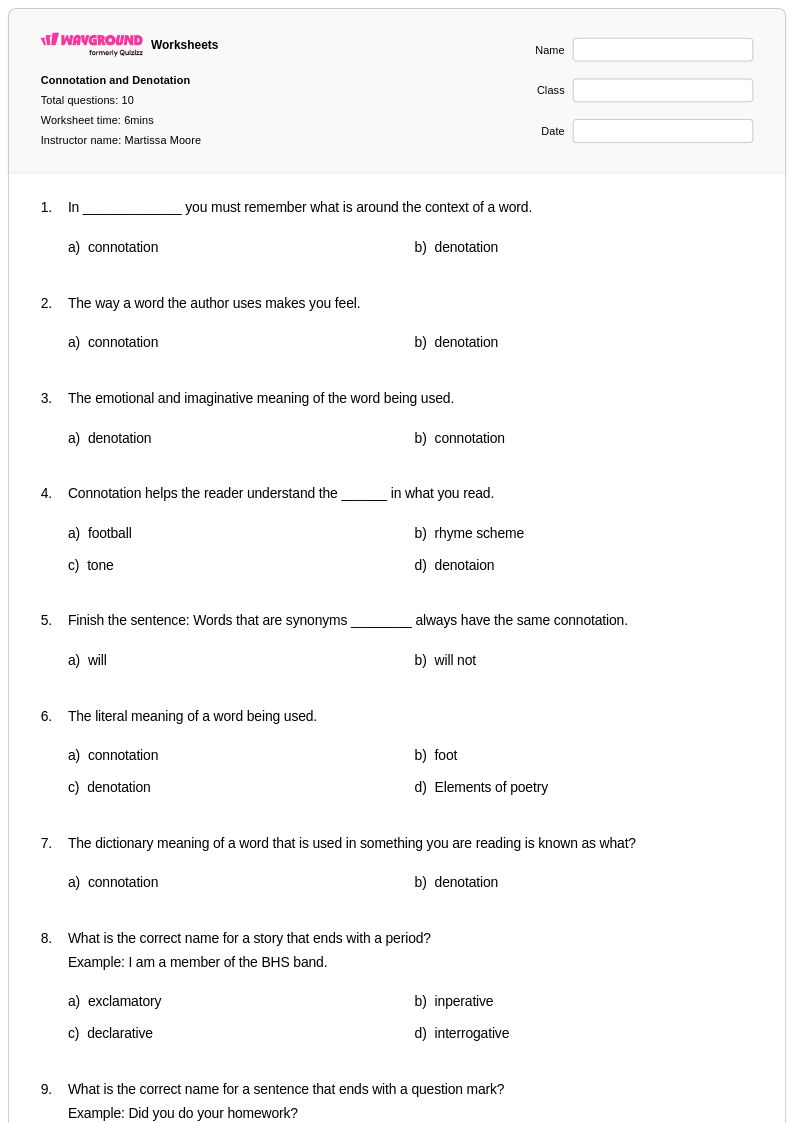
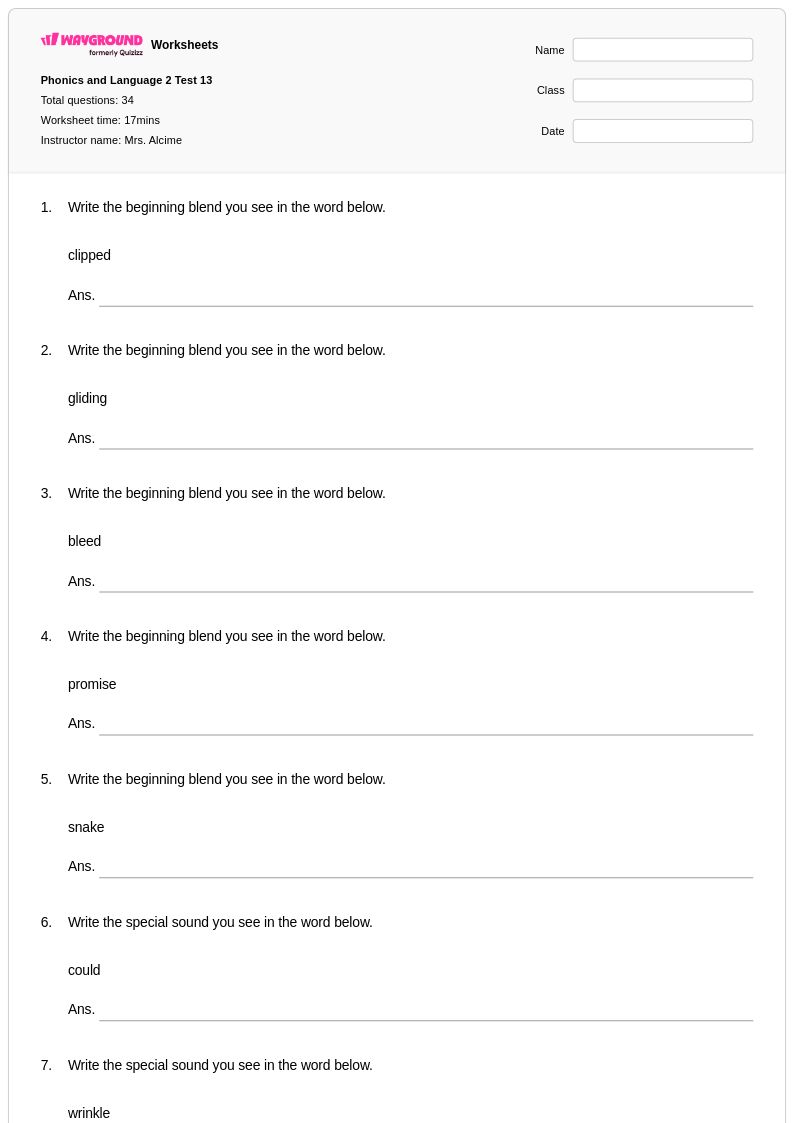
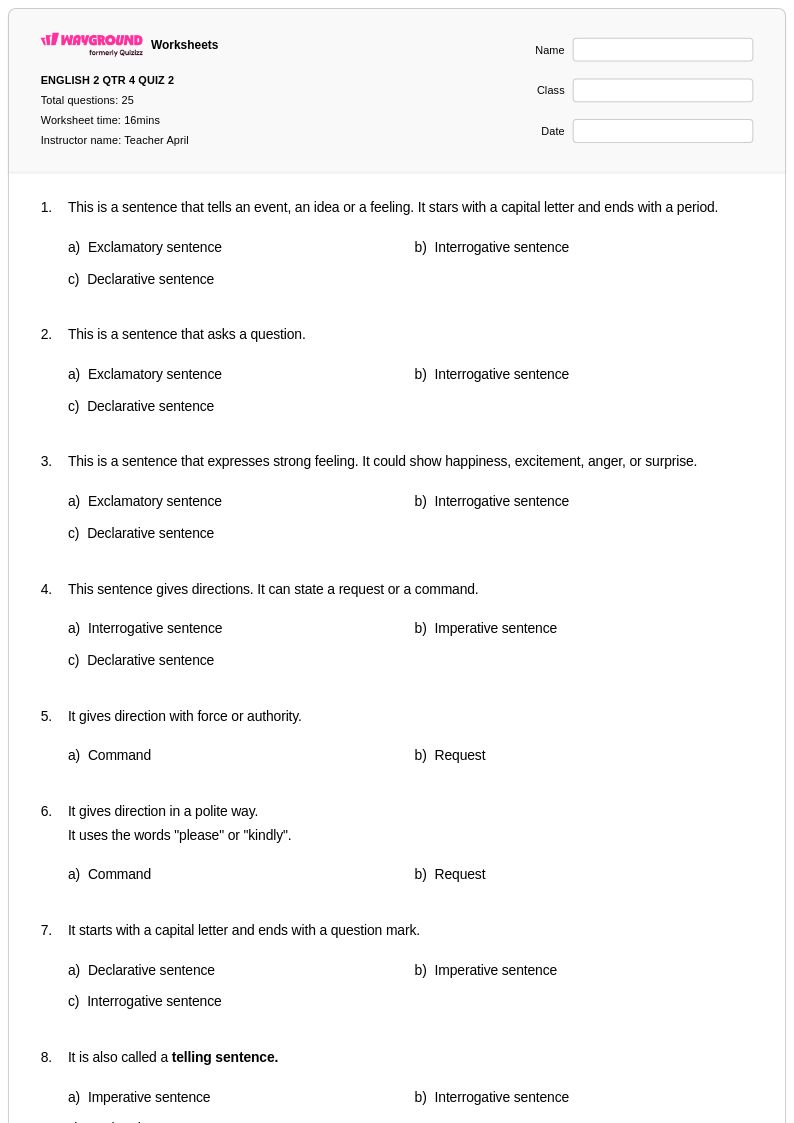
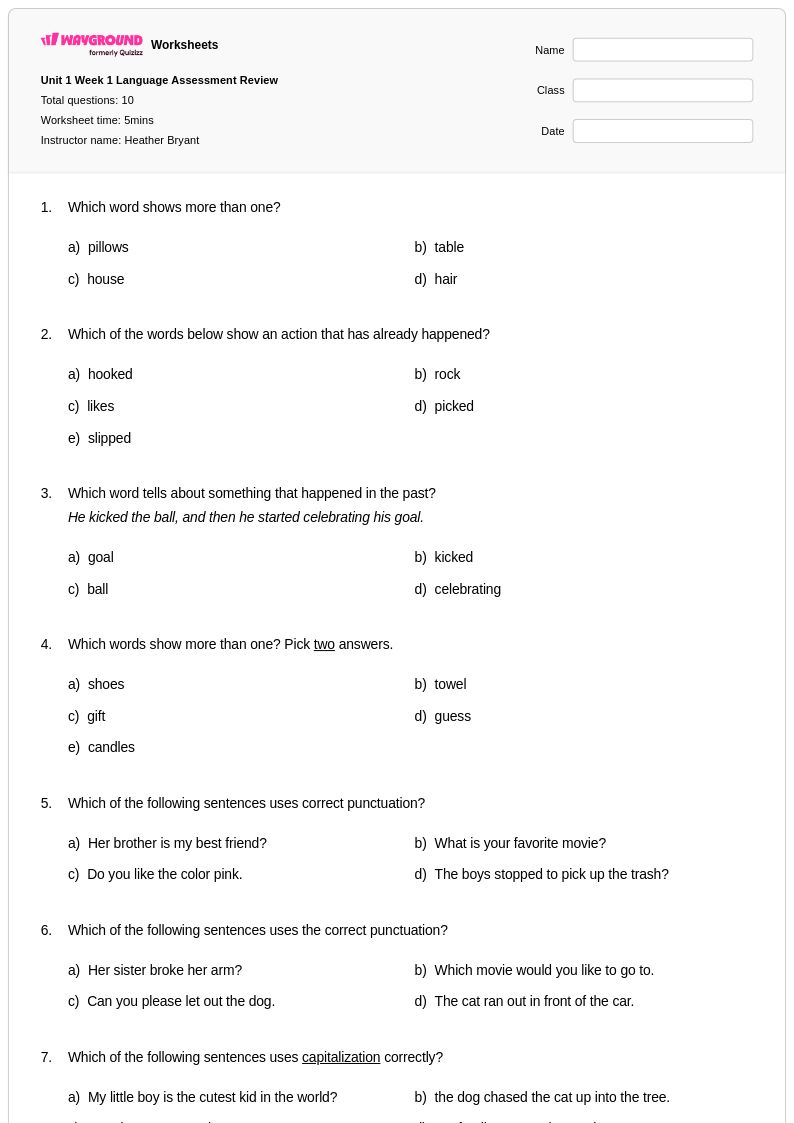
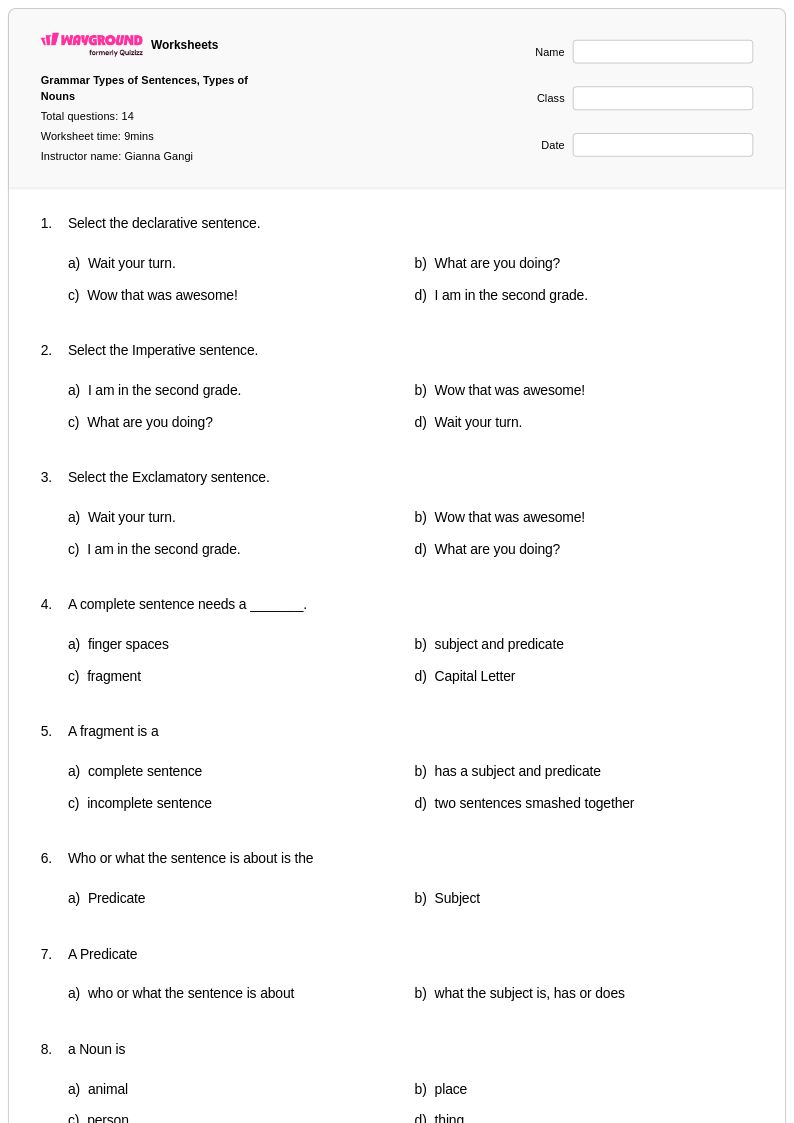
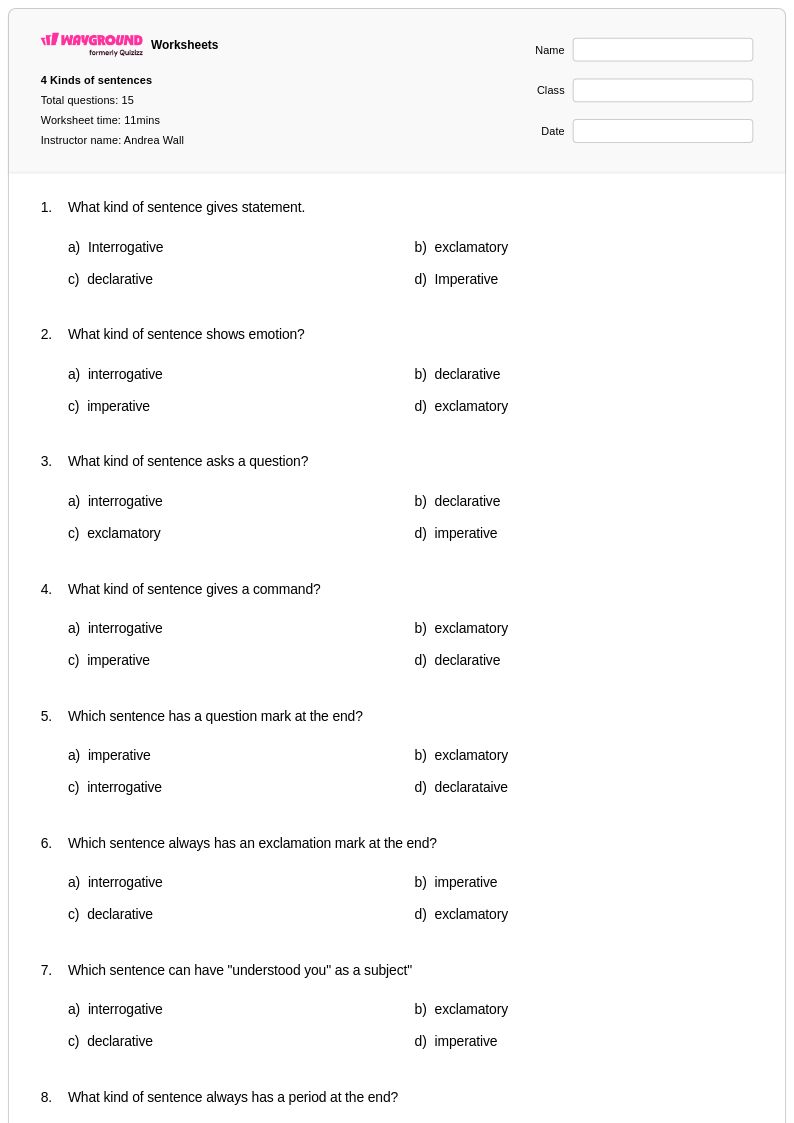
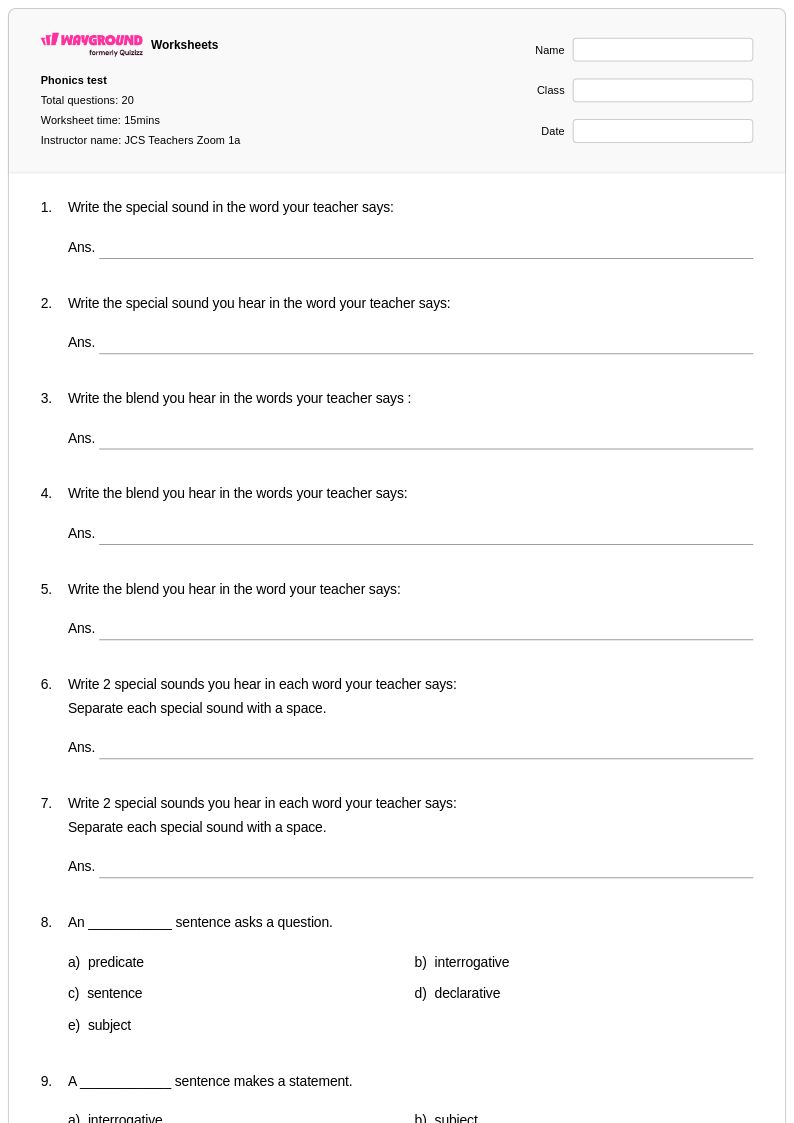
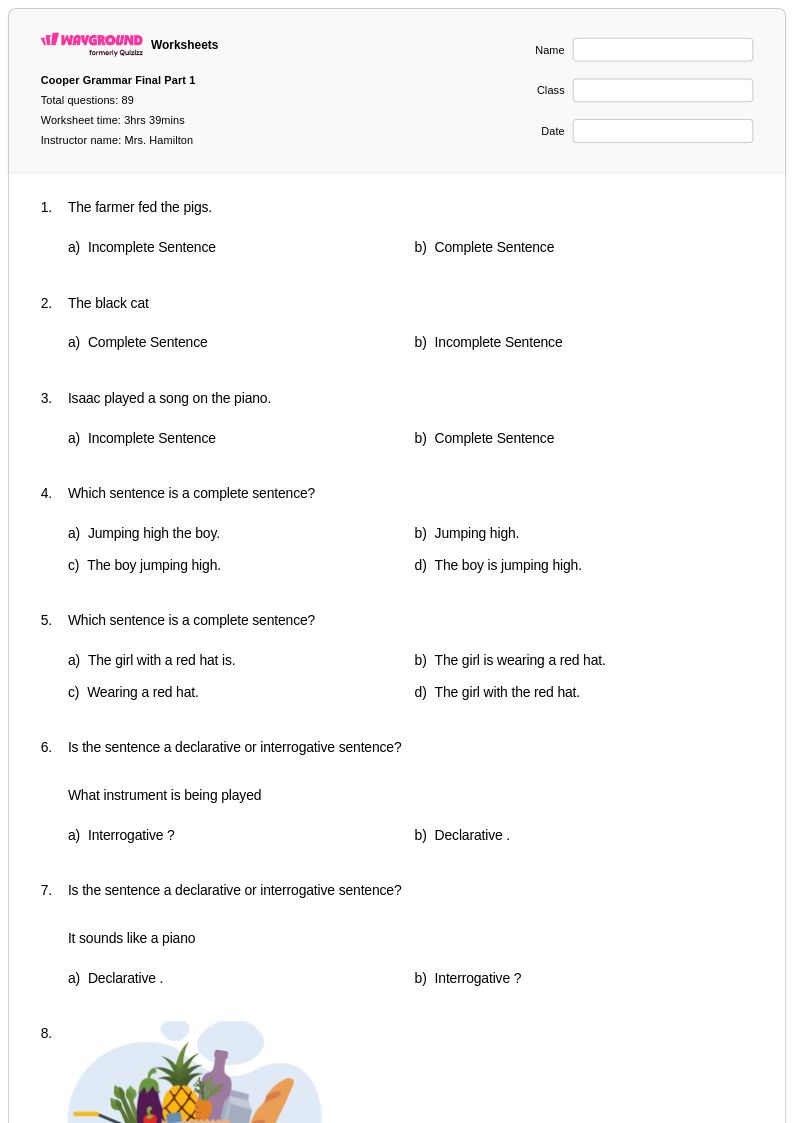
Declarative and interrogative sentences form the foundation of effective communication skills that Class 2 students must master as they develop their writing abilities. Wayground's comprehensive collection of declarative and interrogative sentence worksheets provides young learners with structured practice opportunities to distinguish between statements and questions while reinforcing proper punctuation usage. These carefully designed printables strengthen students' understanding of sentence types through engaging exercises that require them to identify, sort, and construct both declarative sentences that make statements and interrogative sentences that ask questions. Each worksheet includes a complete answer key and offers free access to practice problems that build confidence in recognizing the distinct purposes and punctuation marks associated with these fundamental sentence structures, supporting students as they transition from simple sentence recognition to independent sentence construction.
Wayground's extensive library draws from millions of teacher-created resources specifically focused on grammar and mechanics instruction, offering educators powerful search and filtering capabilities to locate the most appropriate declarative and interrogative sentence materials for their Class 2 classrooms. The platform's standards-aligned worksheet collections support differentiated instruction through customizable difficulty levels and varied question formats, enabling teachers to address diverse learning needs during both whole-group instruction and targeted remediation sessions. These versatile resources are available in both printable pdf format and interactive digital versions, allowing for seamless integration into lesson planning, homework assignments, and enrichment activities. Teachers can efficiently modify existing worksheets or combine multiple resources to create comprehensive skill practice sessions that reinforce proper sentence identification and punctuation application across various learning contexts.
FAQs
How do I teach declarative and interrogative sentences to elementary students?
Start by anchoring the distinction in function: declarative sentences make statements and end with a period, while interrogative sentences ask questions and end with a question mark. Use mentor texts students already know, such as picture books or read-alouds, to identify real examples of each type in context. Once students can recognize both forms, move to guided practice where they sort sentences, transform statements into questions, and write original examples of each type.
What exercises help students practice identifying declarative and interrogative sentences?
Effective practice includes sentence-sorting tasks where students categorize a mixed list as either statements or questions, sentence-transformation activities where declarative sentences are rewritten as interrogatives and vice versa, and punctuation-focused exercises where students supply the correct end mark. Progressing from identification to construction to transformation builds both recognition skills and writing fluency with these two sentence types.
What common mistakes do students make when learning declarative and interrogative sentences?
The most frequent error is misapplying end punctuation, particularly using periods after indirect questions such as 'She asked where he was going.' Students also confuse tone with sentence type, assuming any sentence that sounds uncertain must be interrogative. Another common misconception is failing to recognize that sentence type is determined by structure and function, not by word choice alone, which is why explicit instruction on question word order and punctuation rules is essential.
How can I use declarative and interrogative sentence worksheets in my classroom?
These worksheets work well as structured independent practice after direct instruction, as warm-up activities to reinforce prior lessons, or as targeted remediation for students still confusing sentence types. They are available as printable PDFs for traditional classroom use and in digital formats for technology-integrated environments, and can also be hosted as a quiz on Wayground, giving teachers flexible options for assigning and reviewing student work.
How do I support struggling students when teaching declarative and interrogative sentences?
For students who need additional support, reduce cognitive load by presenting fewer answer choices at a time or focusing practice on one sentence type before introducing the second. On Wayground, teachers can enable accommodations such as Read Aloud, which allows questions to be read to the student, and reduced answer choices, which limits the number of options displayed, helping students focus on the key distinction without being overwhelmed.
How does teaching declarative and interrogative sentences connect to broader grammar instruction?
Declarative and interrogative sentences are two of the four core sentence types in English, alongside imperative and exclamatory, so mastering them provides the grammatical foundation students need before tackling the full sentence-type framework. Understanding these forms also directly supports writing mechanics instruction, since correct end punctuation depends on accurate identification of sentence type, making this a high-leverage grammar skill across grade levels.