Free Printable Dialectical Thinking Worksheets for Class 6
Free Class 6 dialectical thinking worksheets and printables help students develop critical analysis skills by examining multiple perspectives, comparing opposing viewpoints, and synthesizing complex ideas through engaging practice problems with answer keys.
Explore printable Dialectical Thinking worksheets for Class 6
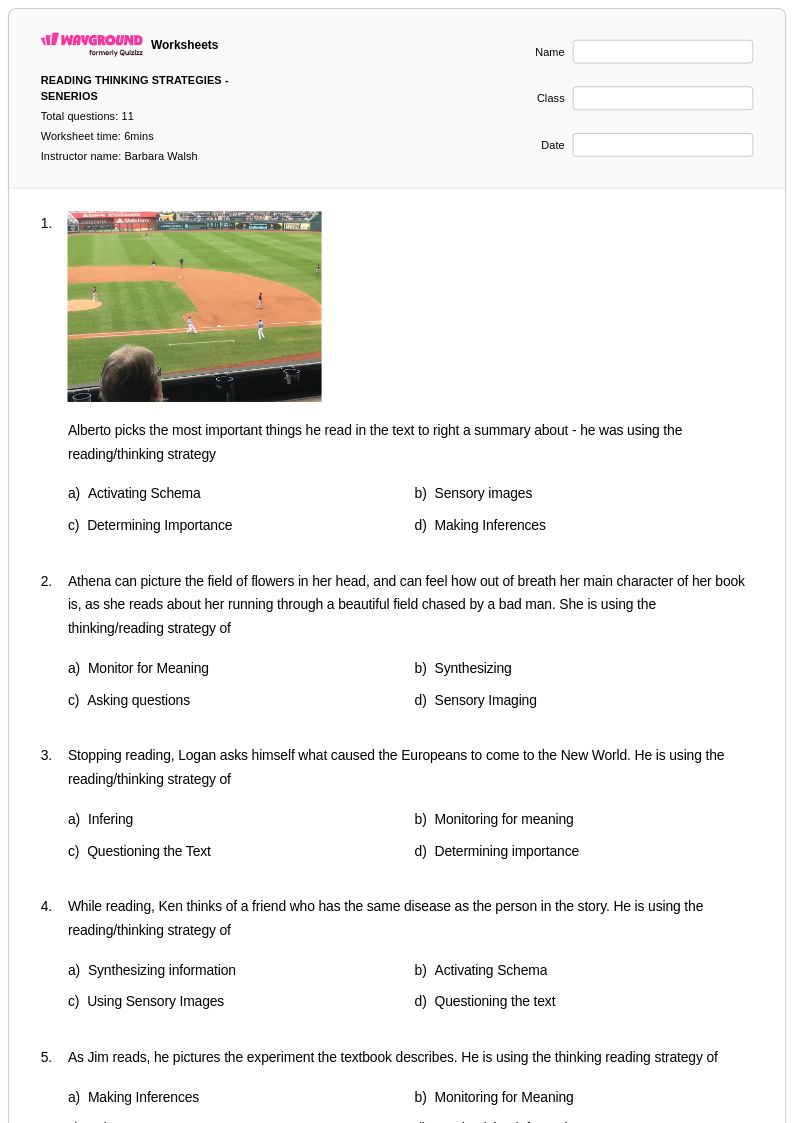
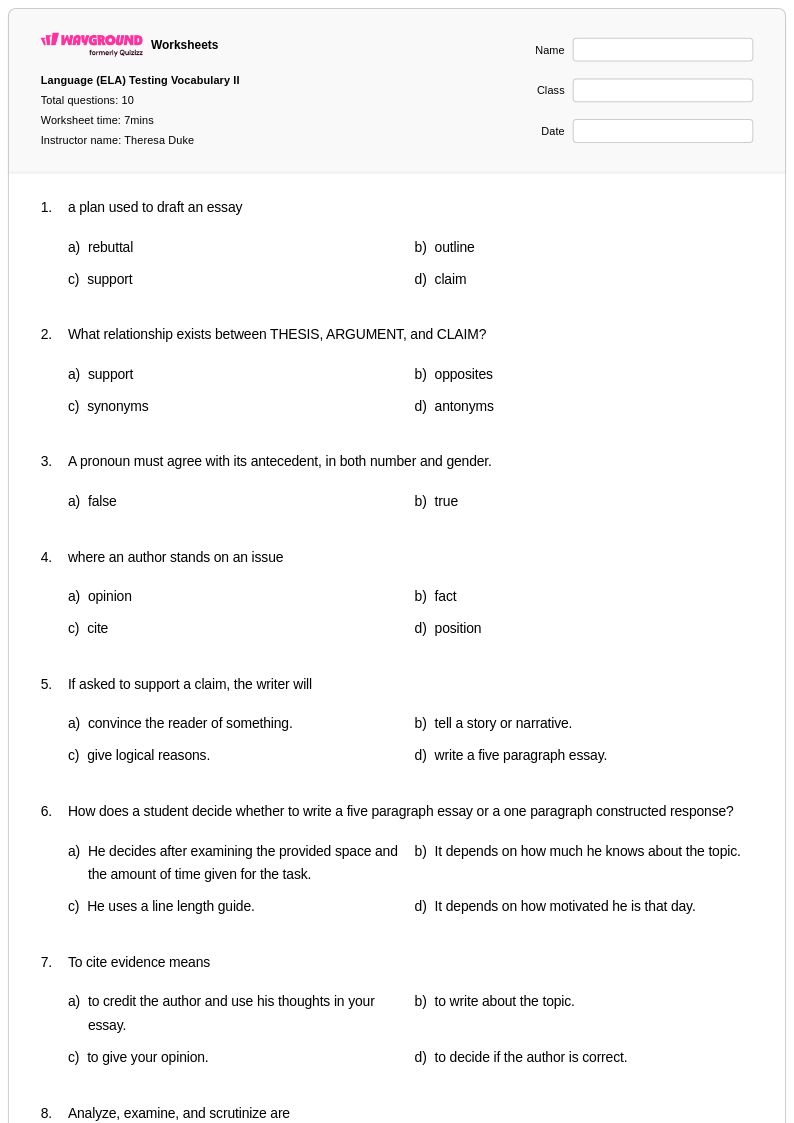
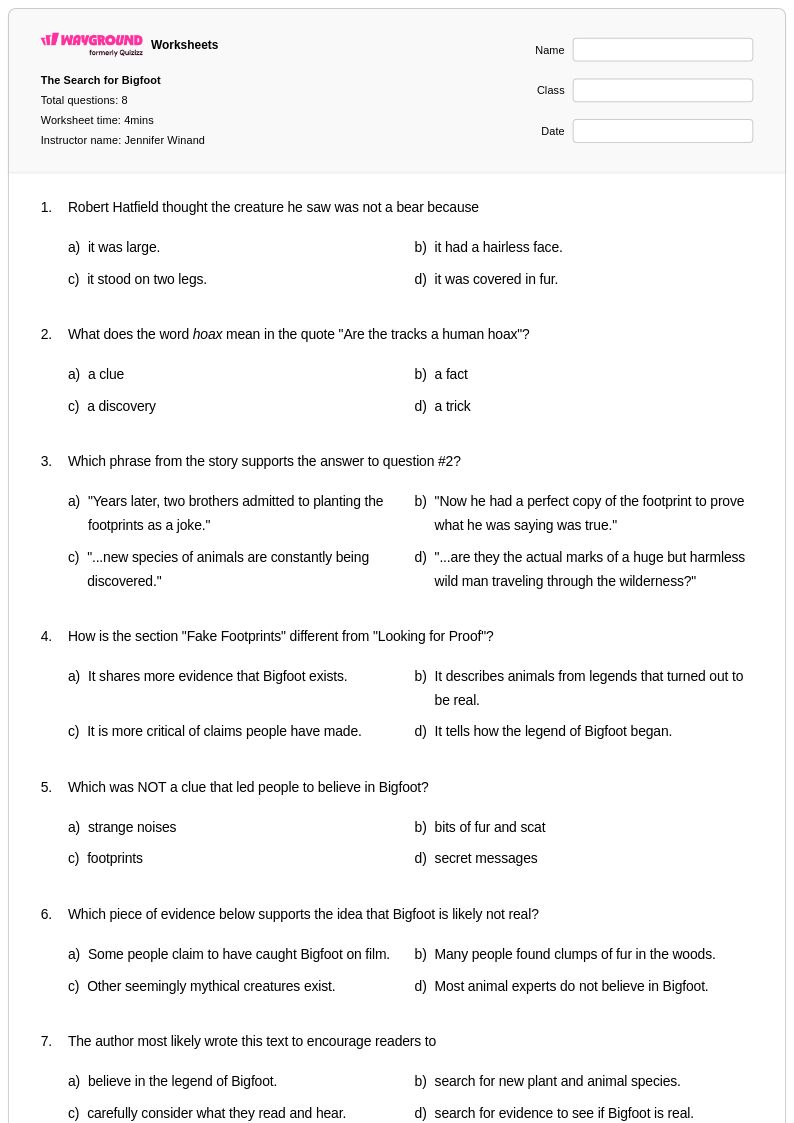
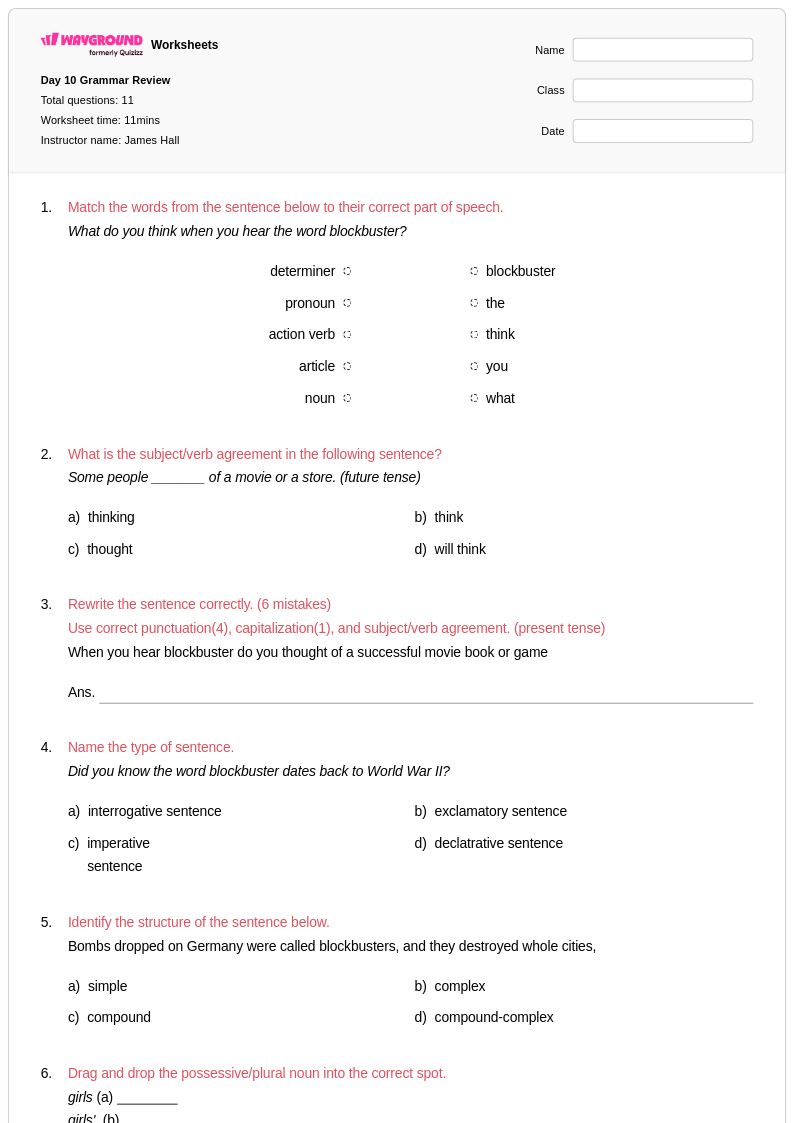
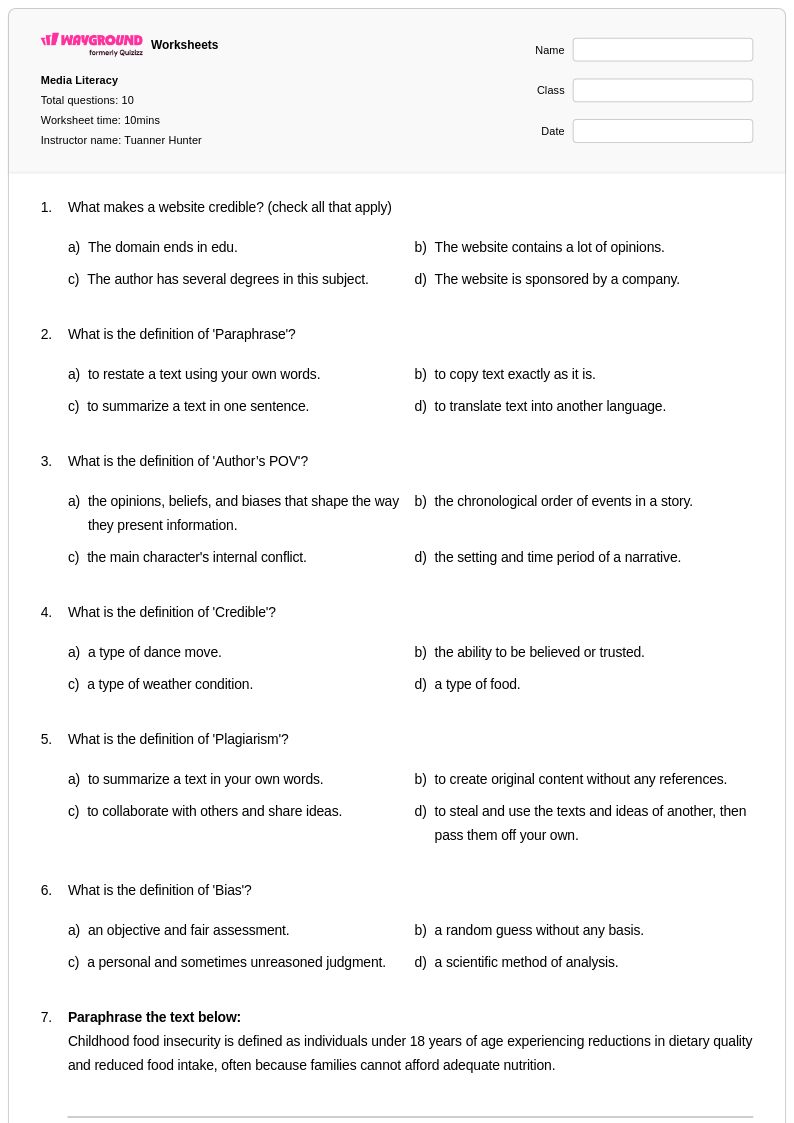
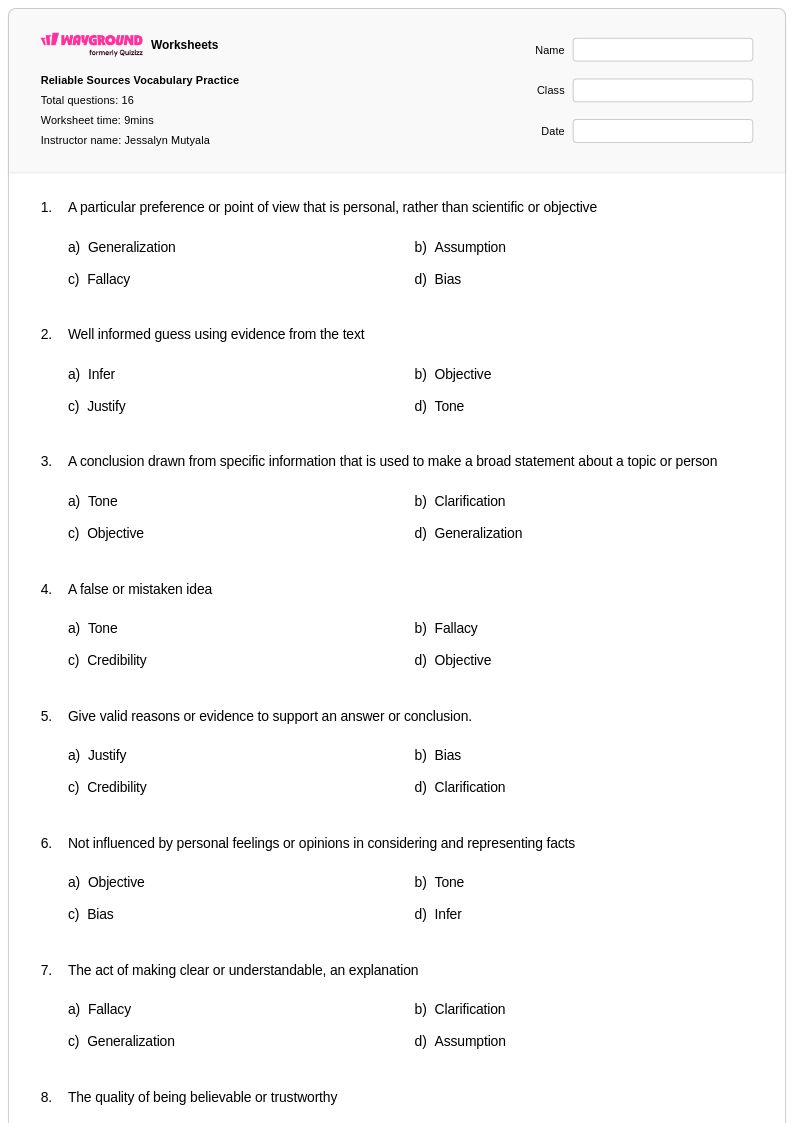
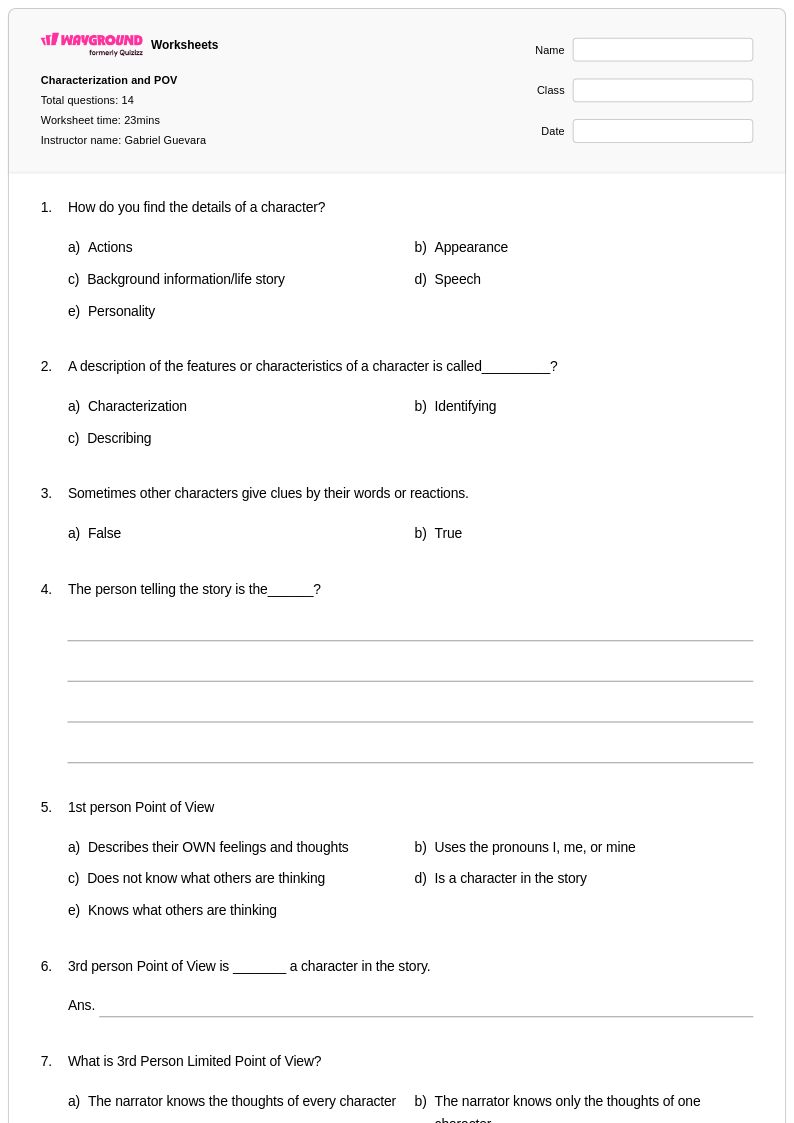
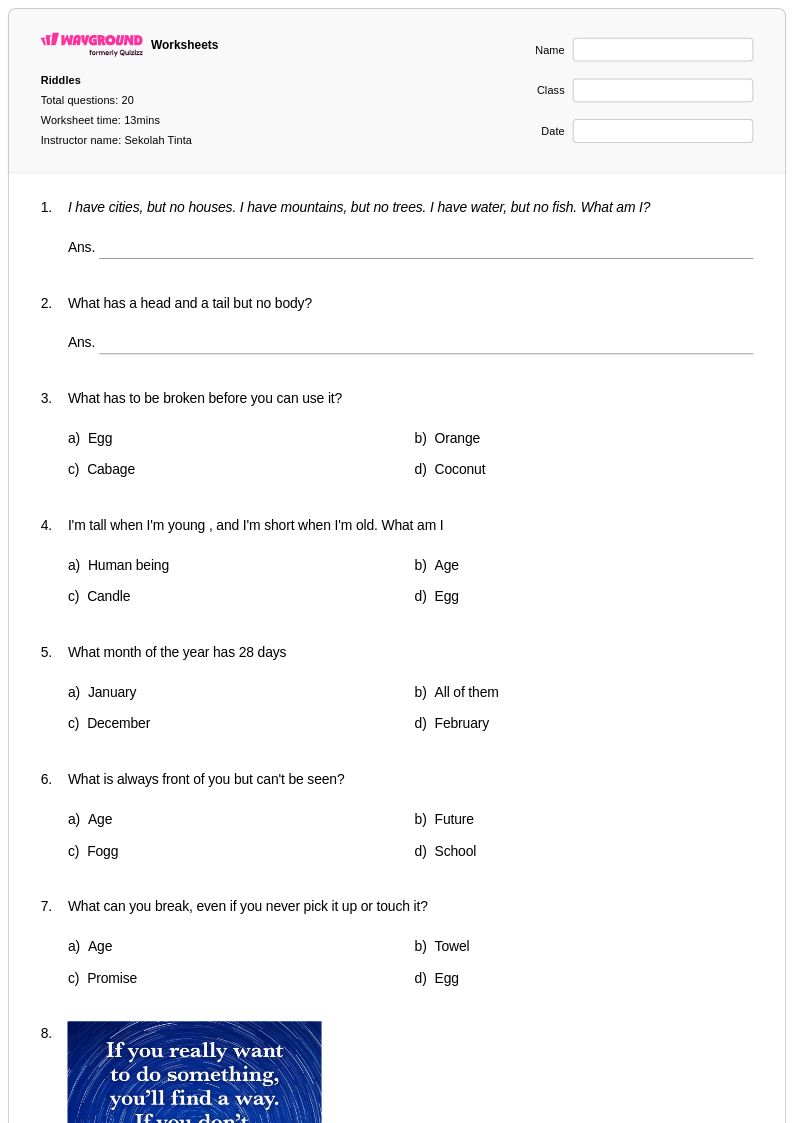
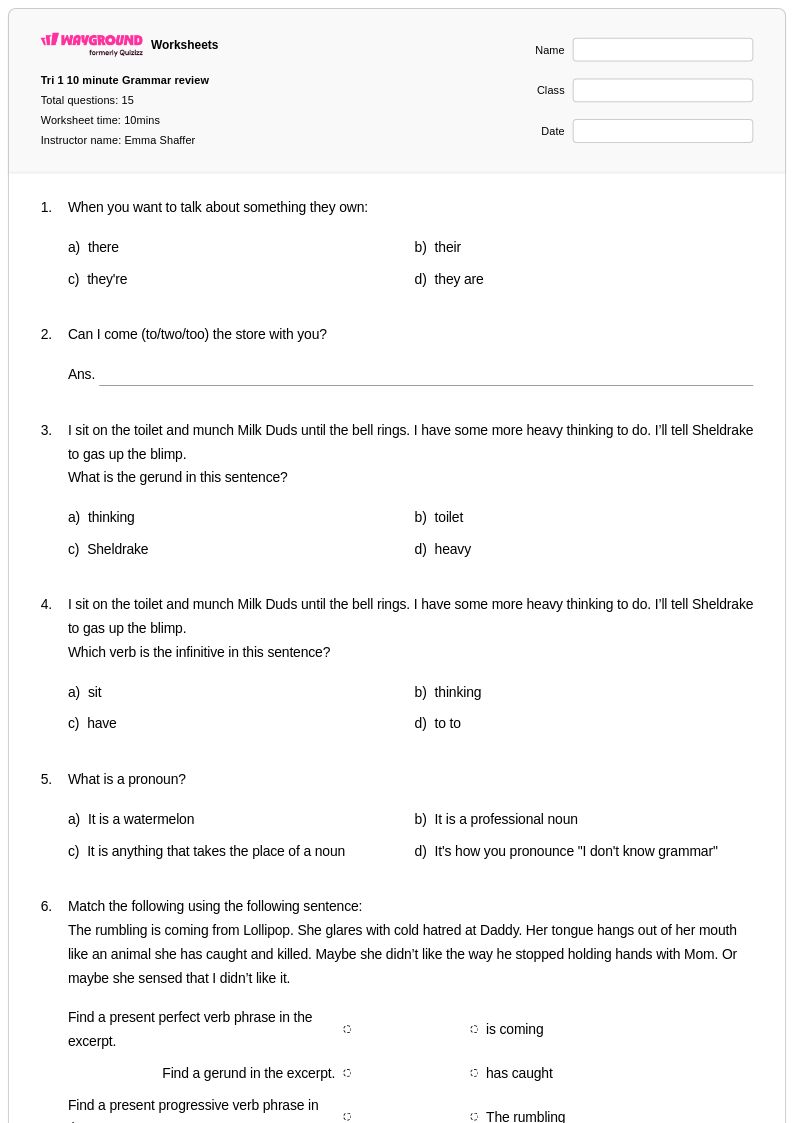
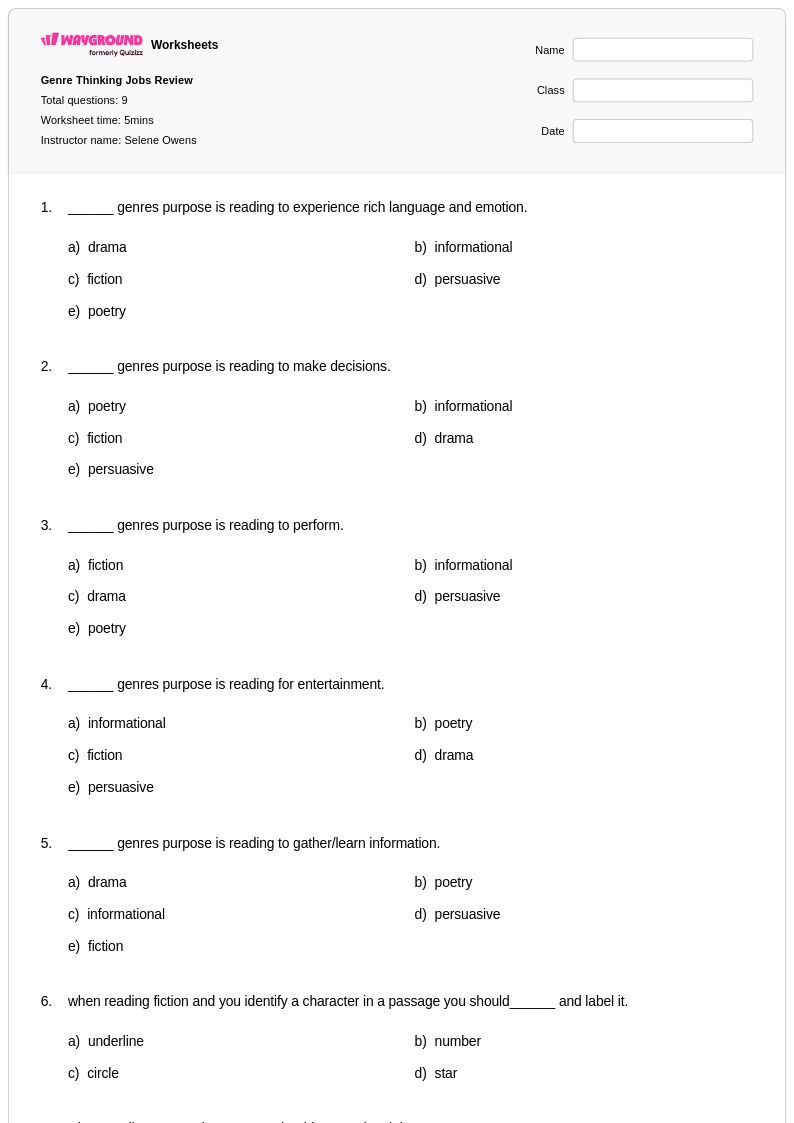
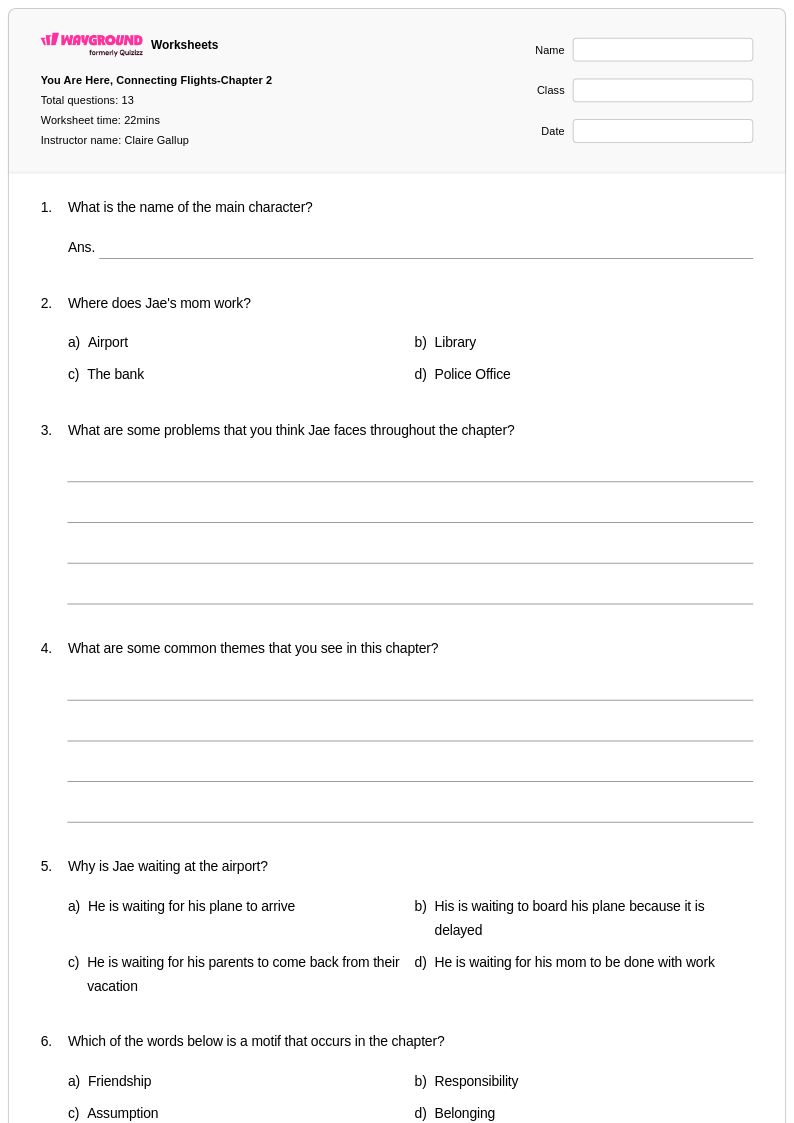
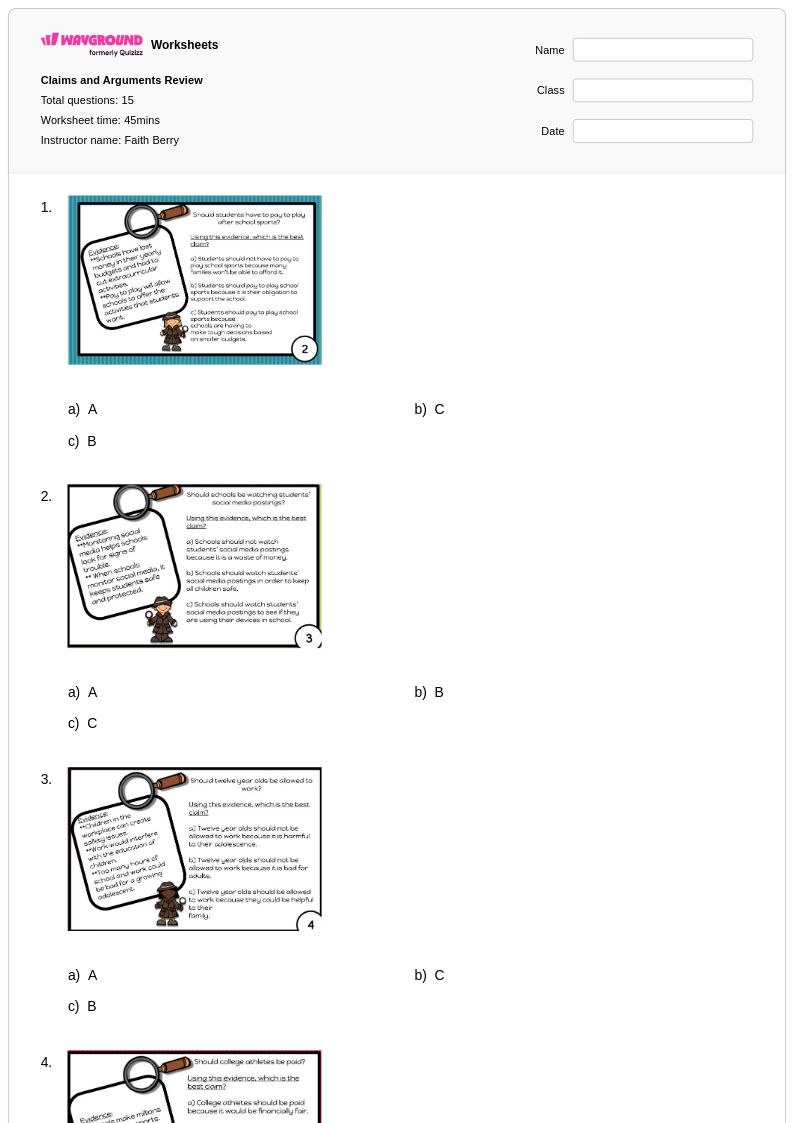
Dialectical thinking worksheets for Class 6 students through Wayground (formerly Quizizz) provide essential practice in examining multiple perspectives and understanding how opposing ideas can coexist within complex situations. These comprehensive resources strengthen students' ability to move beyond black-and-white thinking by presenting scenarios that require consideration of contradictory viewpoints, emotional complexity, and nuanced problem-solving approaches. The practice problems challenge sixth graders to identify thesis-antithesis relationships, recognize paradoxes in everyday situations, and develop comfort with ambiguity and contradiction. Each worksheet includes detailed answer keys that guide students through the reasoning process, helping them understand how to hold multiple truths simultaneously while developing more sophisticated analytical skills essential for academic success and real-world decision-making.
Wayground's extensive collection of teacher-created dialectical thinking resources offers educators millions of customizable materials specifically designed to meet diverse classroom needs and learning objectives. The platform's robust search and filtering capabilities allow teachers to quickly locate age-appropriate content that aligns with critical thinking standards while providing differentiation tools to support students across various skill levels. These versatile worksheets are available in both printable PDF formats for traditional classroom use and interactive digital versions that can be seamlessly integrated into online learning environments. Teachers can easily modify existing materials or combine multiple resources to create comprehensive lesson plans that address remediation needs, provide enrichment opportunities, and offer targeted skill practice that helps students develop the sophisticated reasoning abilities required for advanced academic work.
FAQs
How do I teach dialectical thinking to students?
Dialectical thinking is best introduced by presenting students with two opposing but defensible positions on a real-world issue and asking them to articulate the internal logic of each side before attempting any synthesis. From there, structured Socratic discussion helps students move beyond either-or reasoning toward holding contradictory truths simultaneously. Scaffolded practice with increasingly complex scenarios builds the cognitive flexibility this skill requires.
What exercises help students practice dialectical thinking?
Effective practice exercises include 'thesis-antithesis-synthesis' written responses, perspective-mapping activities where students must steelman opposing viewpoints, and scenario-based prompts drawn from real-world ethical or social dilemmas. Structured worksheets that require students to identify contradictions, explain why both positions hold validity, and articulate a nuanced resolution are particularly useful for building this skill systematically.
What mistakes do students commonly make when learning dialectical thinking?
The most common error is defaulting to a compromise rather than a genuine synthesis — students often split the difference between two positions rather than developing a higher-order understanding that honors the truth in each. Another frequent mistake is dismissing one viewpoint outright once a preferred position is identified, which collapses dialectical reasoning back into binary thinking. Students also tend to seek a single 'correct' answer, struggling to accept that contradictory statements can both carry validity.
How is dialectical thinking different from critical thinking?
Critical thinking focuses on evaluating the logic, evidence, and soundness of a single argument or claim, while dialectical thinking specifically requires holding two or more opposing arguments in tension and reasoning through their relationship. Dialectical thinking presupposes that contradictions are not errors to be resolved away but productive tensions to be explored. In practice, dialectical thinking is a more advanced form of reasoning that builds on — but extends well beyond — foundational critical thinking skills.
How can I use dialectical thinking worksheets in my classroom?
Dialectical thinking worksheets on Wayground are available as printable PDFs for traditional classroom use and in digital formats for technology-integrated learning environments, including the option to host them as a quiz directly on Wayground. Teachers can use them as standalone guided practice, as pre-discussion preparation tools, or as assessment prompts that reveal how well students can navigate complex, multi-perspective reasoning. Each worksheet includes detailed answer keys so teachers can efficiently review student responses and target misconceptions.
How do I support students who struggle with abstract reasoning in dialectical thinking tasks?
Students who struggle with abstraction benefit from grounding dialectical tasks in concrete, familiar scenarios before moving to complex philosophical or social topics. On Wayground, teachers can use built-in accommodation tools such as Read Aloud for students who process text better aurally, reduced answer choices to lower cognitive load on structured response items, and adjustable reading modes with larger fonts and accessible themes. These settings can be assigned individually so that students who need support receive it without disrupting the experience for the rest of the class.