
Recommended Topics for you
12 Q
4th
12 Q
4th
19 Q
3rd - Uni
11 Q
3rd - Uni
11 Q
4th
17 Q
2nd - 5th
18 Q
2nd - 4th
20 Q
4th - Uni
12 Q
4th
28 Q
4th
11 Q
3rd - Uni
20 Q
4th
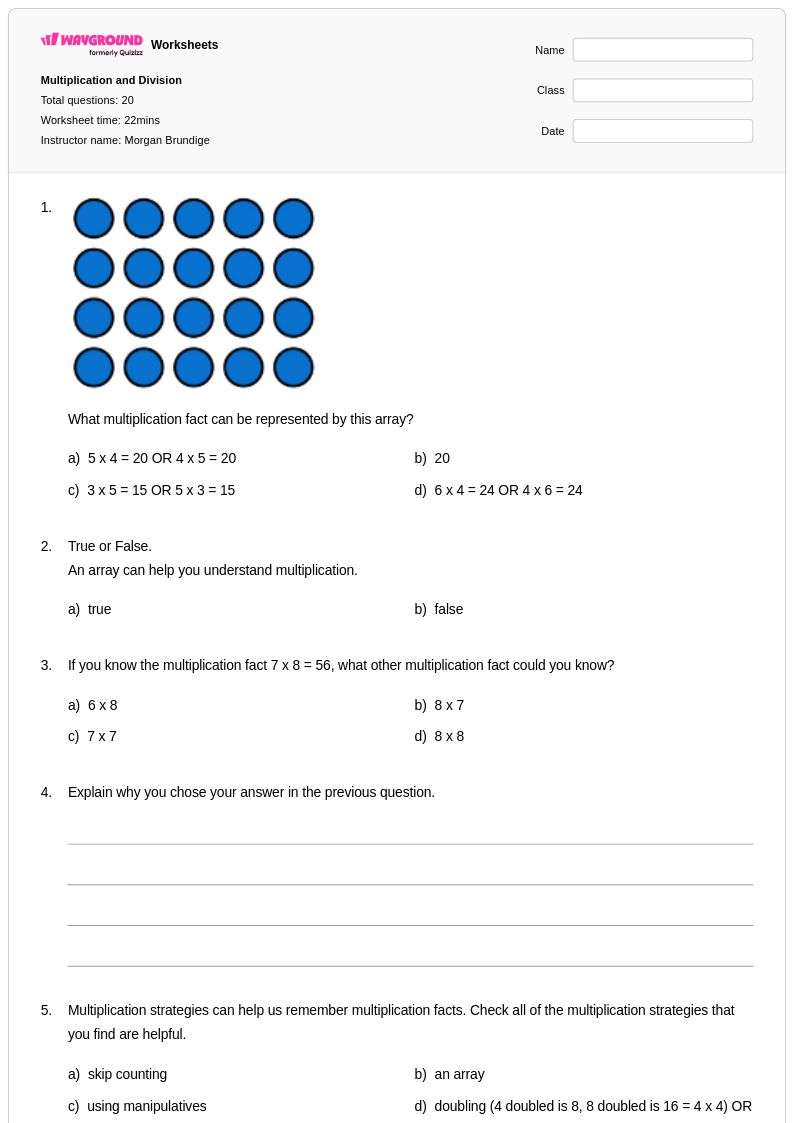
20 Q
3rd - 5th
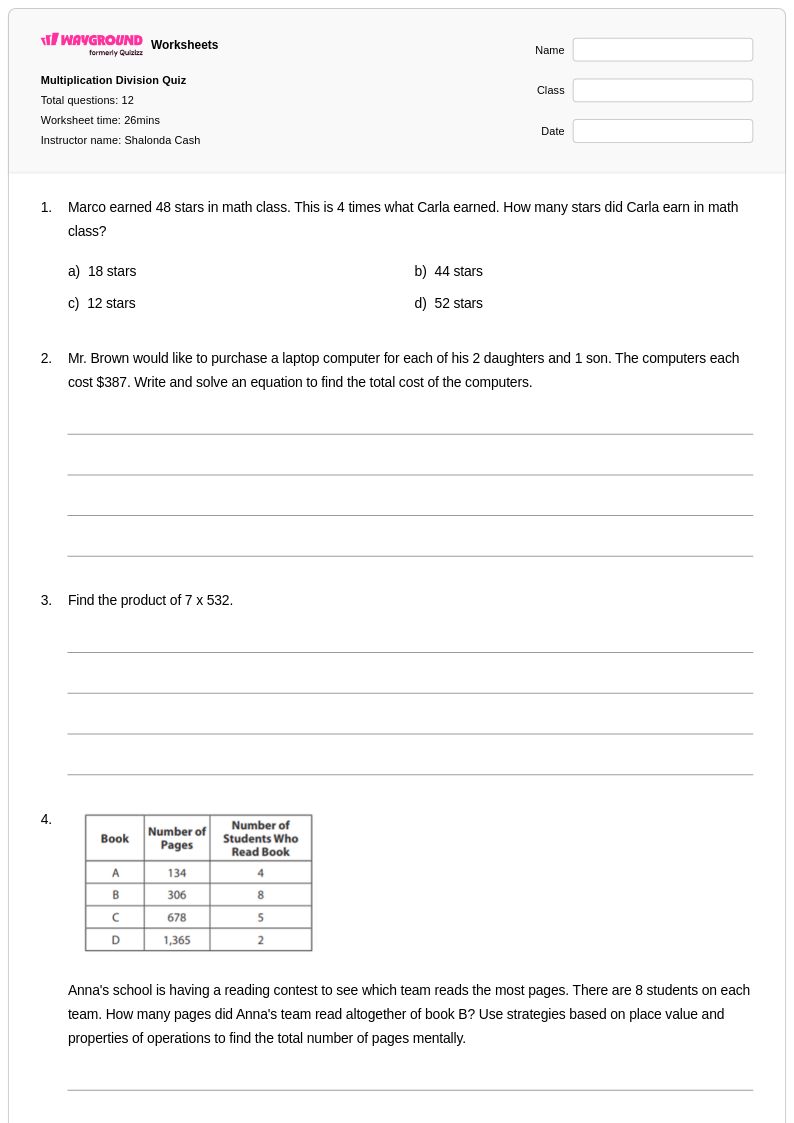
12 Q
4th
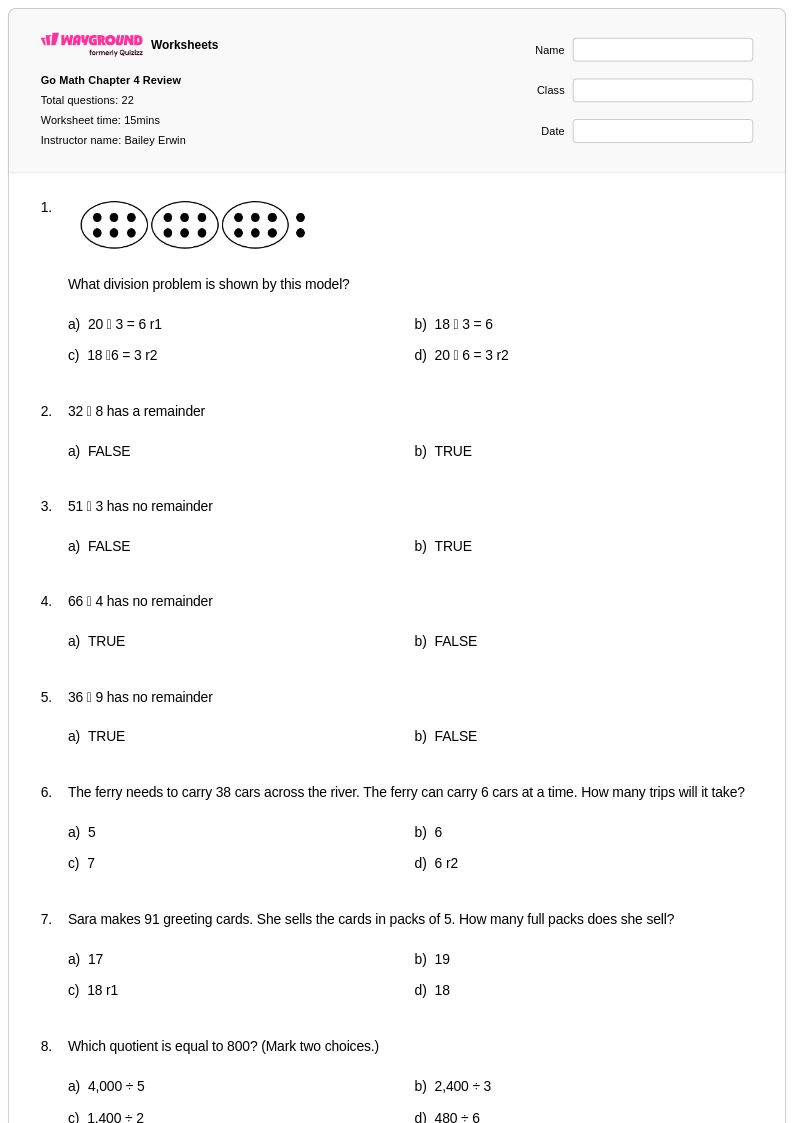
22 Q
4th
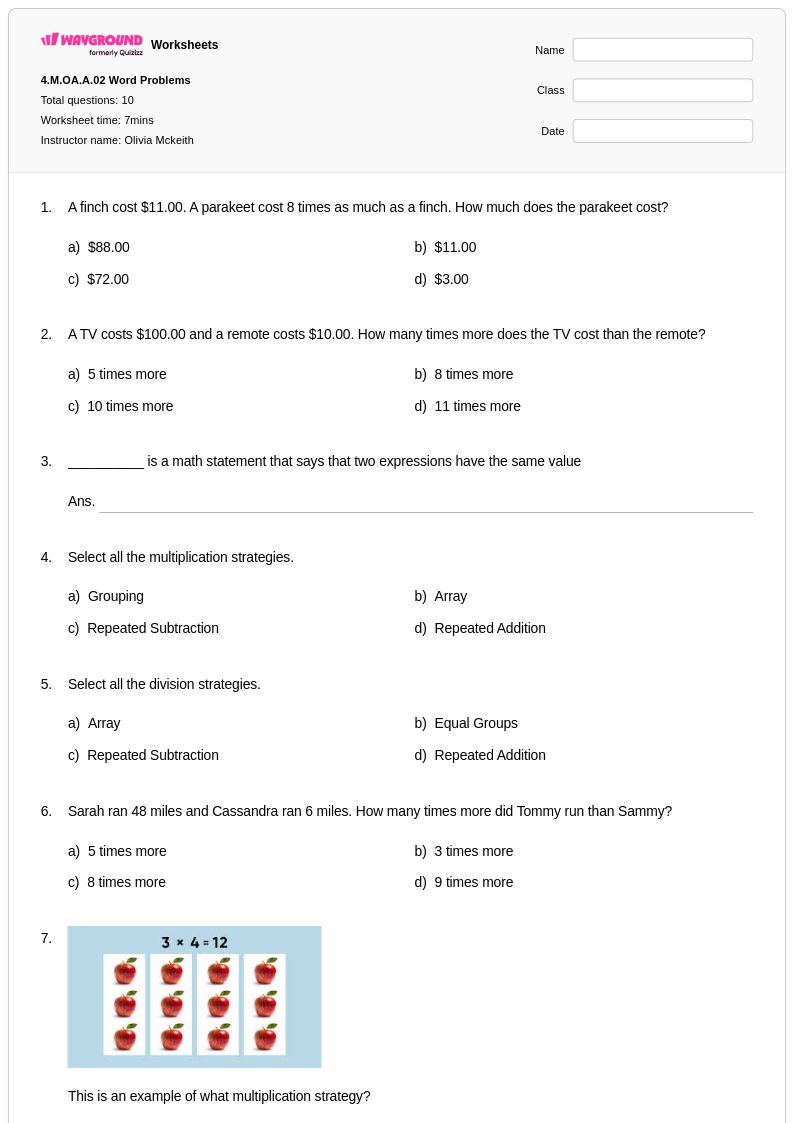
10 Q
4th
12 Q
4th
15 Q
4th
14 Q
4th
10 Q
4th
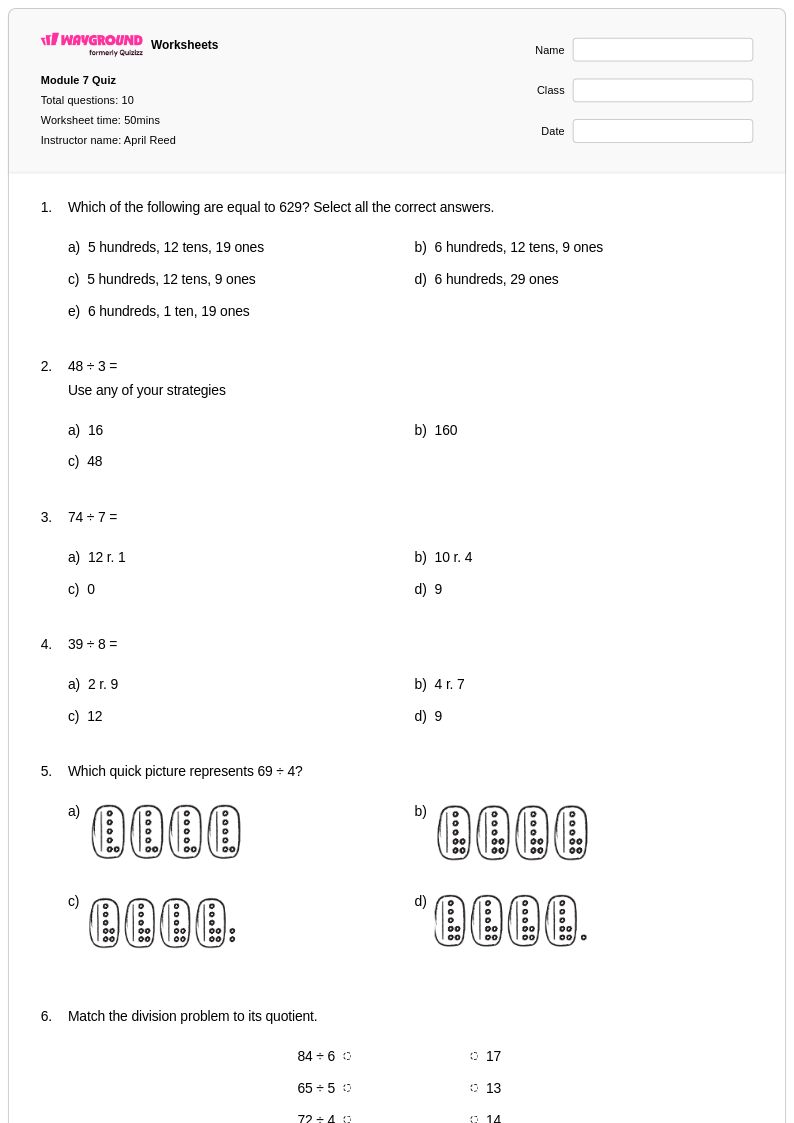
10 Q
4th
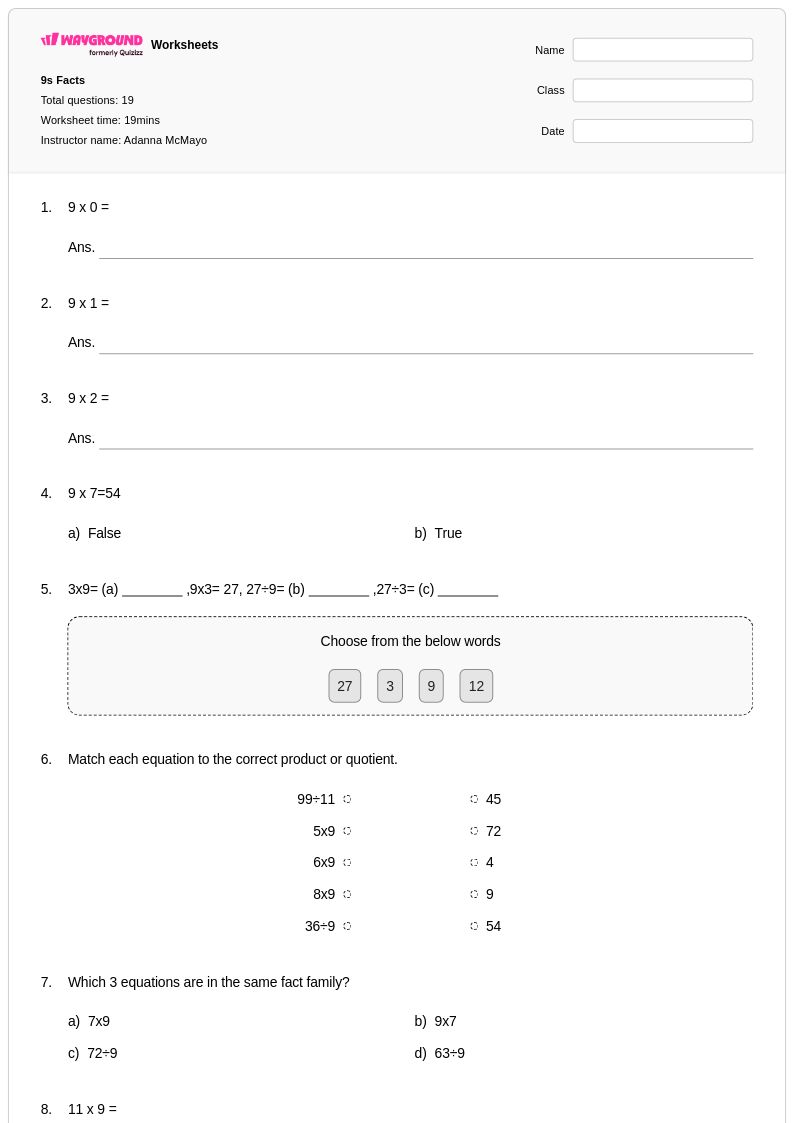
19 Q
1st - Uni
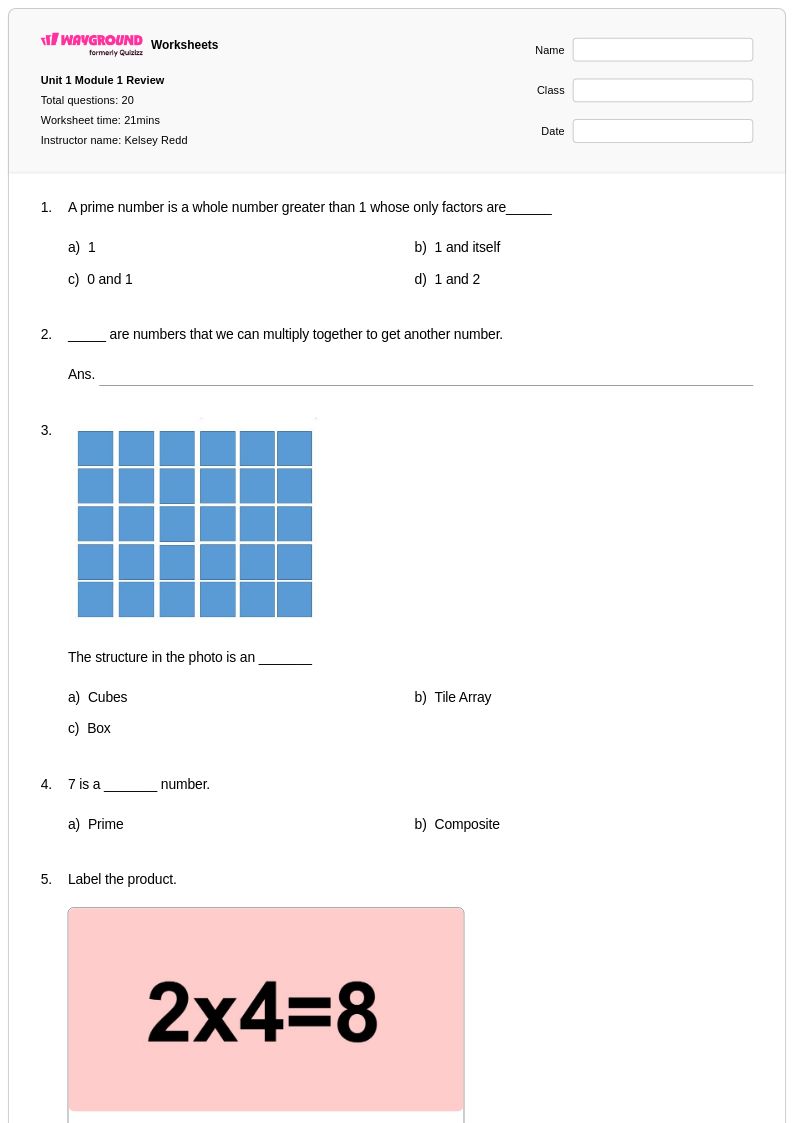
20 Q
3rd - 4th
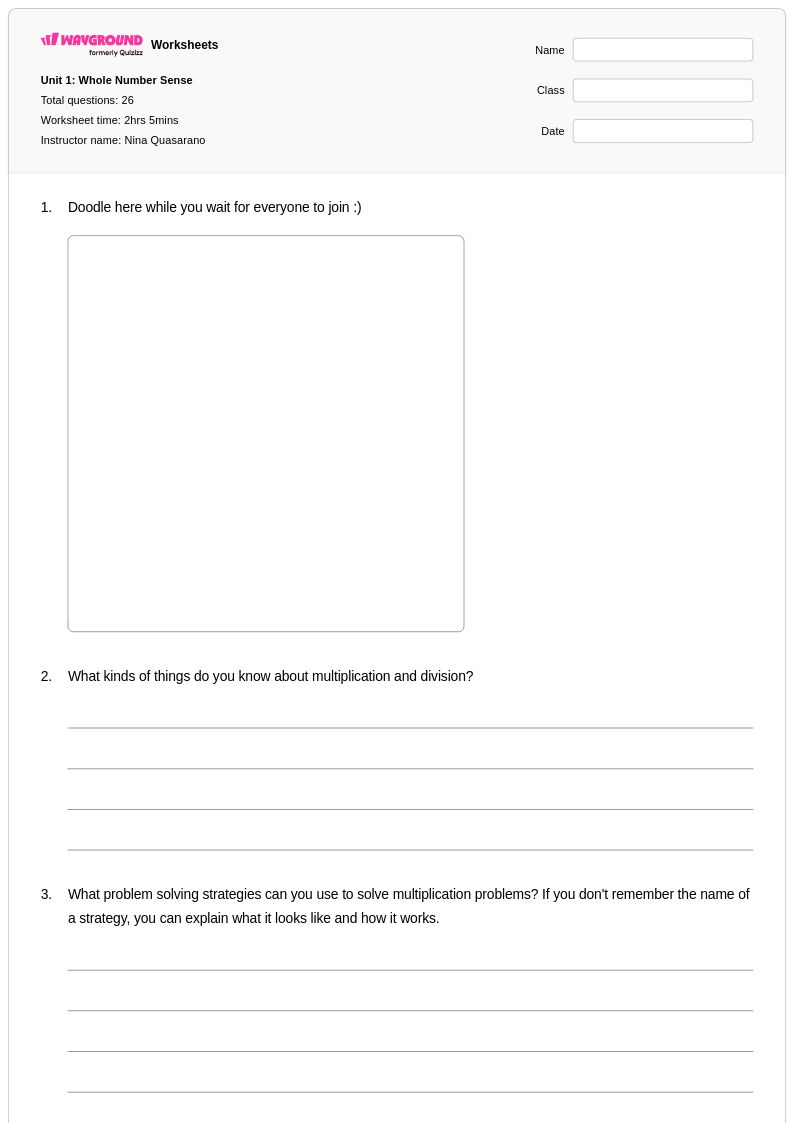
26 Q
4th
Explore Division Strategies Worksheets by Grades
Explore Division Strategies Worksheets for class 4 by Topic
Explore Other Subject Worksheets for class 4
Explore printable Division Strategies worksheets for Class 4
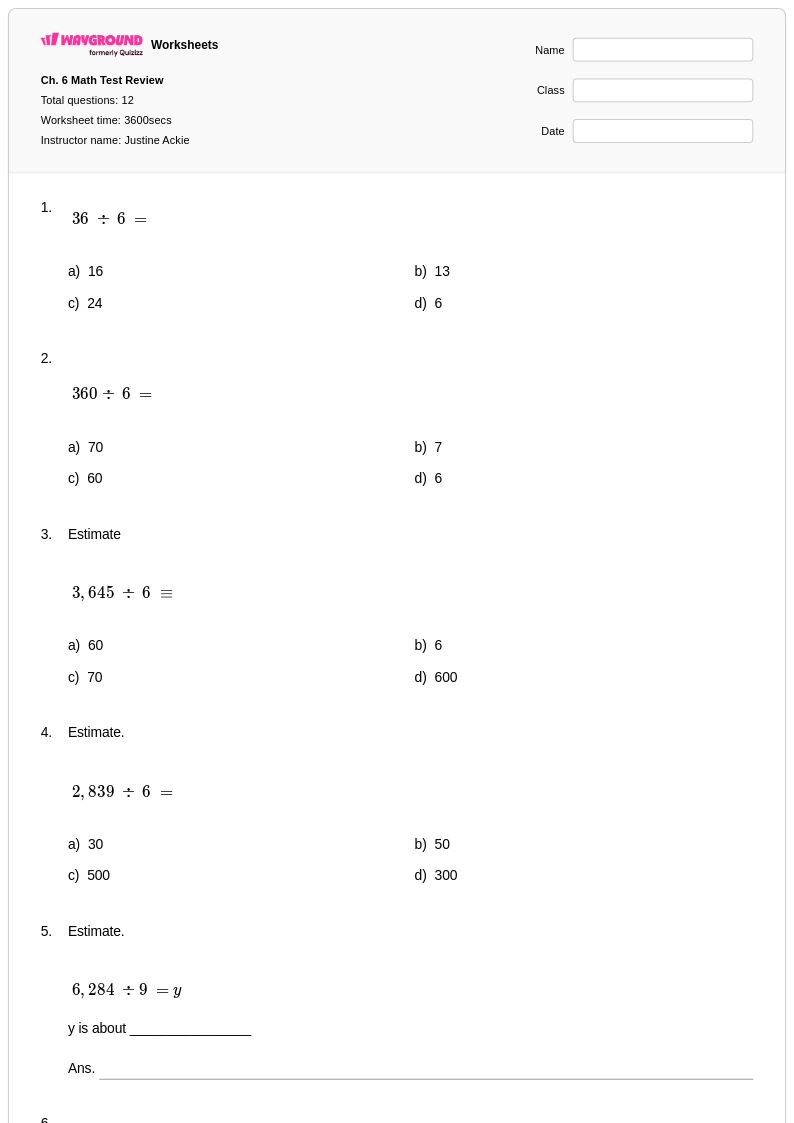
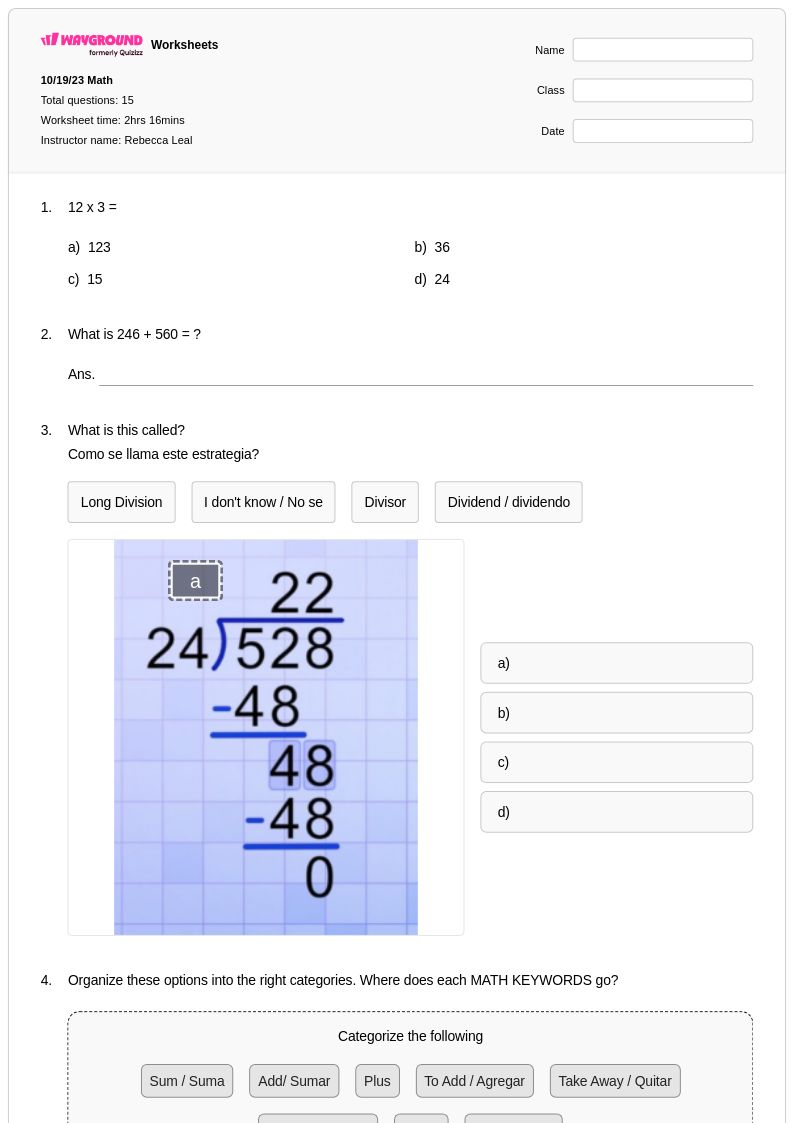
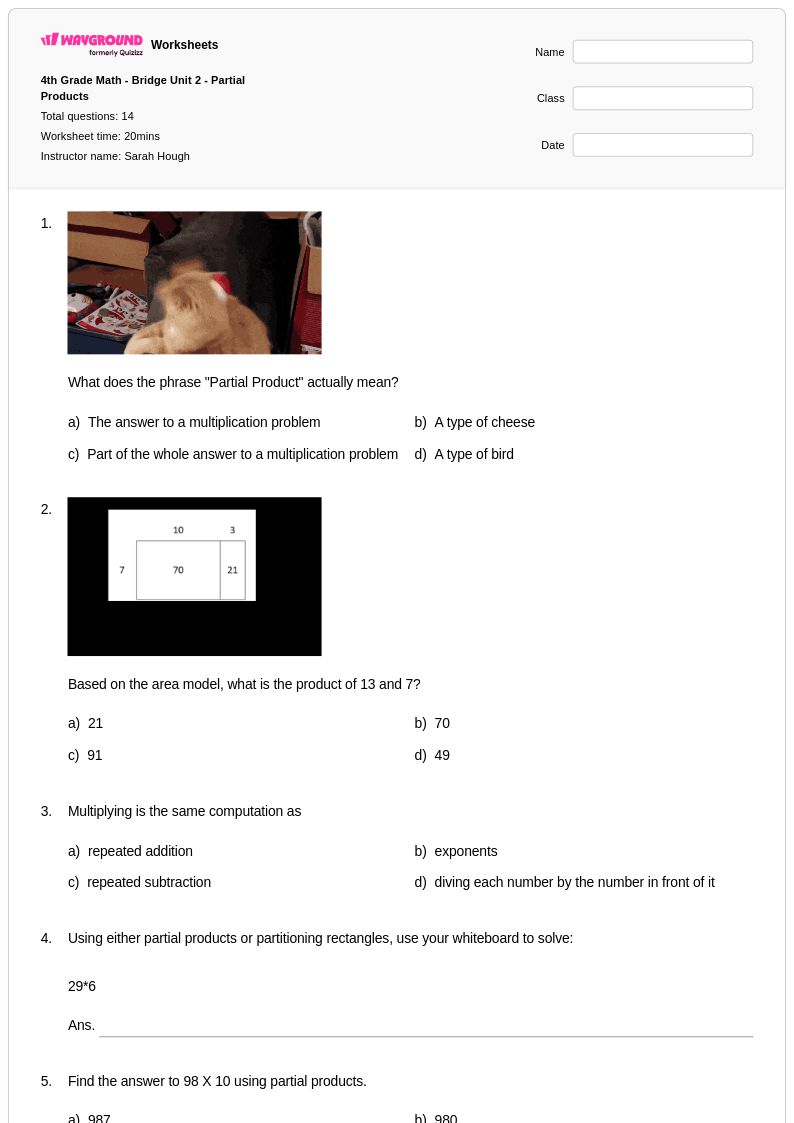
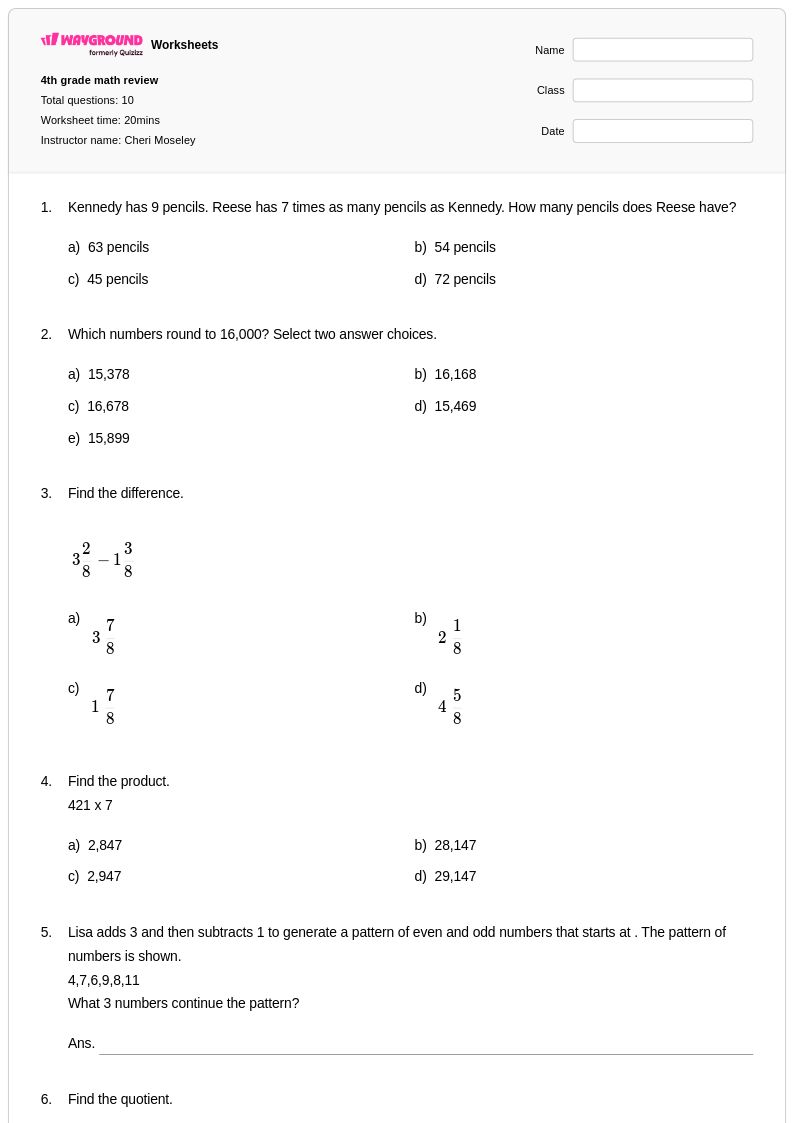
Class 4 division strategies worksheets available through Wayground (formerly Quizizz) provide comprehensive practice opportunities for students to master various computational approaches to division problems. These educational resources focus on building conceptual understanding of division through multiple methods including long division, repeated subtraction, area models, and arrays, helping fourth-grade students develop flexibility in their mathematical thinking. Each worksheet collection strengthens essential skills such as fact fluency, estimation, and problem-solving while offering structured practice problems that progress from basic concepts to more complex applications. Teachers can access complete answer keys and free printable pdf versions that support both classroom instruction and independent study, ensuring students receive adequate practice with division strategies that align with grade-level expectations.
Wayground (formerly Quizizz) supports educators with an extensive library of millions of teacher-created division strategy resources that can be easily customized to meet diverse classroom needs. The platform's robust search and filtering capabilities allow teachers to quickly locate worksheets that target specific division methods, skill levels, or standards alignment requirements for fourth-grade mathematics instruction. These versatile materials are available in both printable and digital formats, including downloadable pdf versions, making them suitable for traditional classroom settings, remote learning environments, or hybrid instructional models. Teachers can utilize these differentiated resources for lesson planning, targeted remediation with struggling learners, enrichment activities for advanced students, and ongoing skill practice that reinforces division strategy concepts throughout the academic year.
FAQs
How do I teach division strategies to fourth graders?
What exercises help fourth graders practice division strategies?
What mistakes do fourth graders make when using division strategies?
How can I use these Grade 4 division strategy worksheets?
How do Grade 4 division strategies fit into the Common Core math progression?
How can I differentiate division strategy practice in a mixed-ability fourth-grade class?
What grade do students learn division strategies such as repeated subtraction and area models?