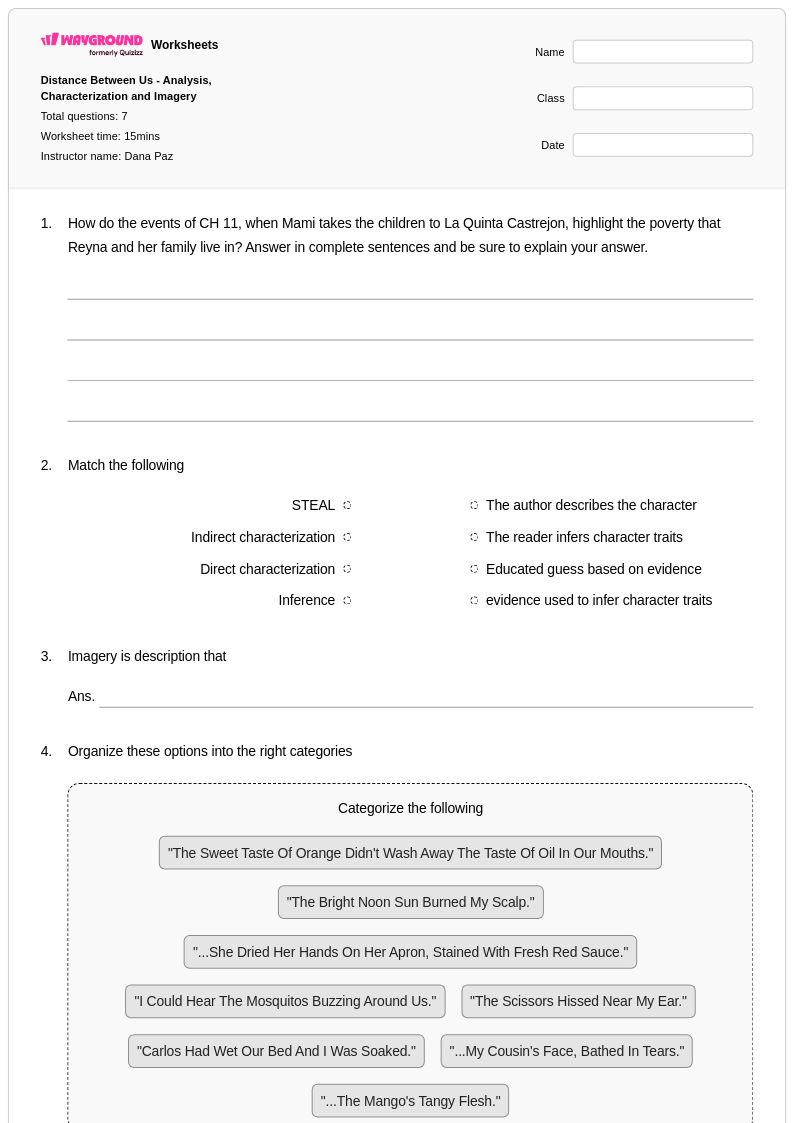
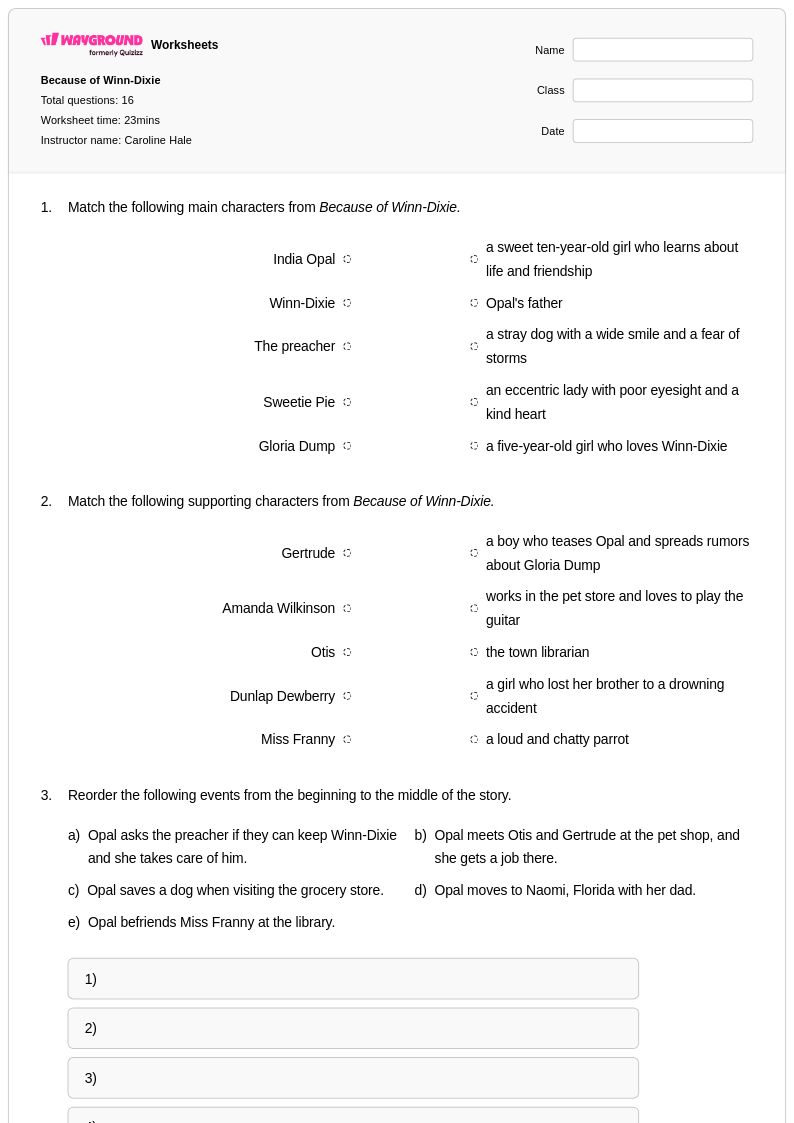
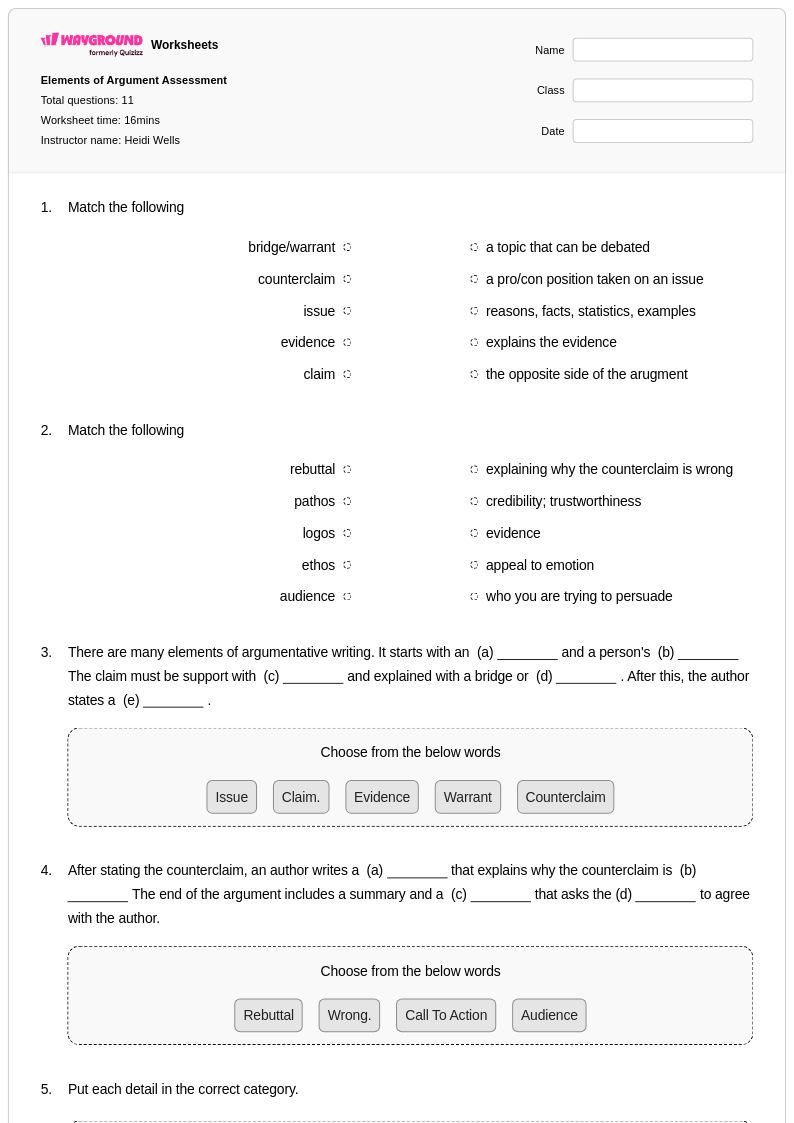
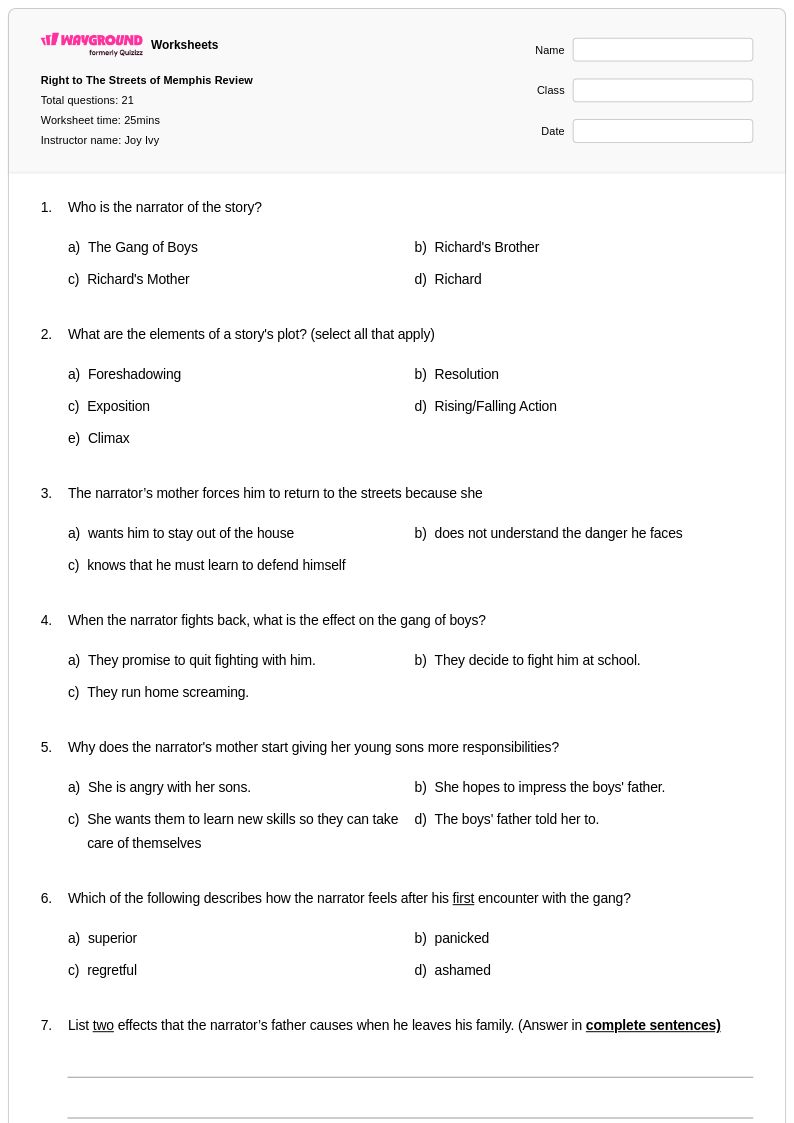
Enhance students' document analysis skills with Wayground's comprehensive collection of free worksheets, printables, and practice problems that develop critical reading comprehension strategies through structured exercises and detailed answer keys.
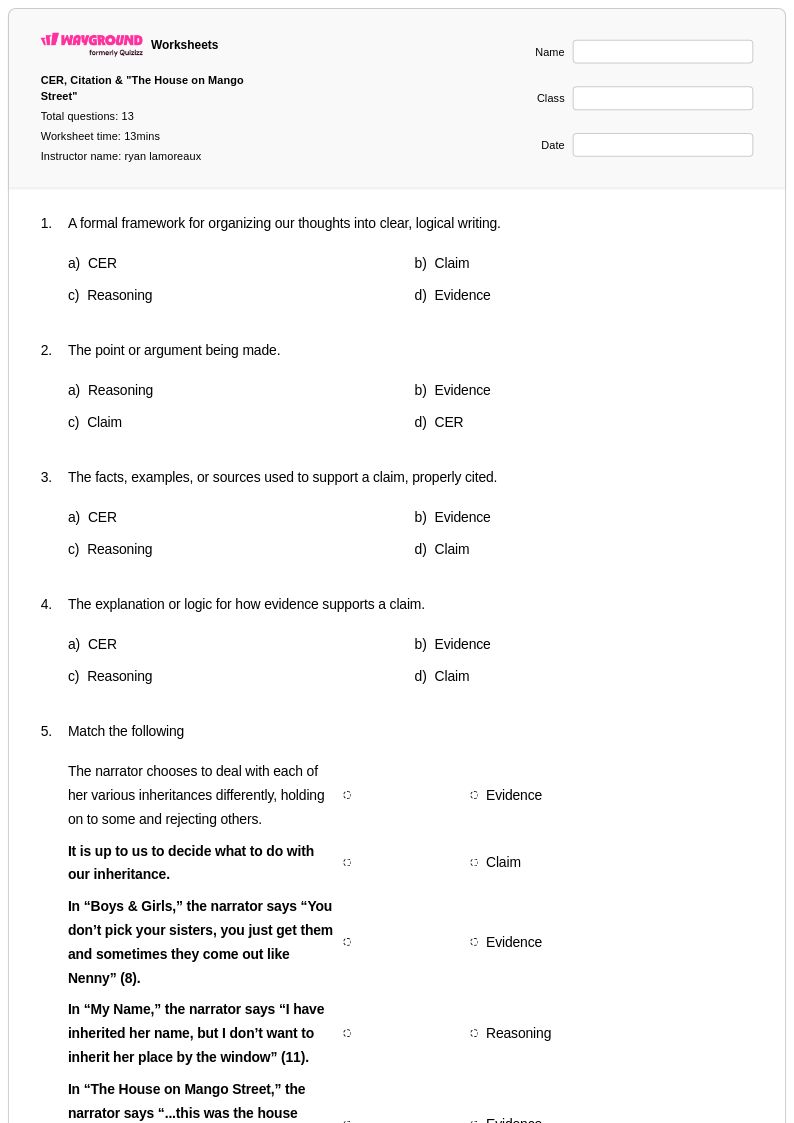
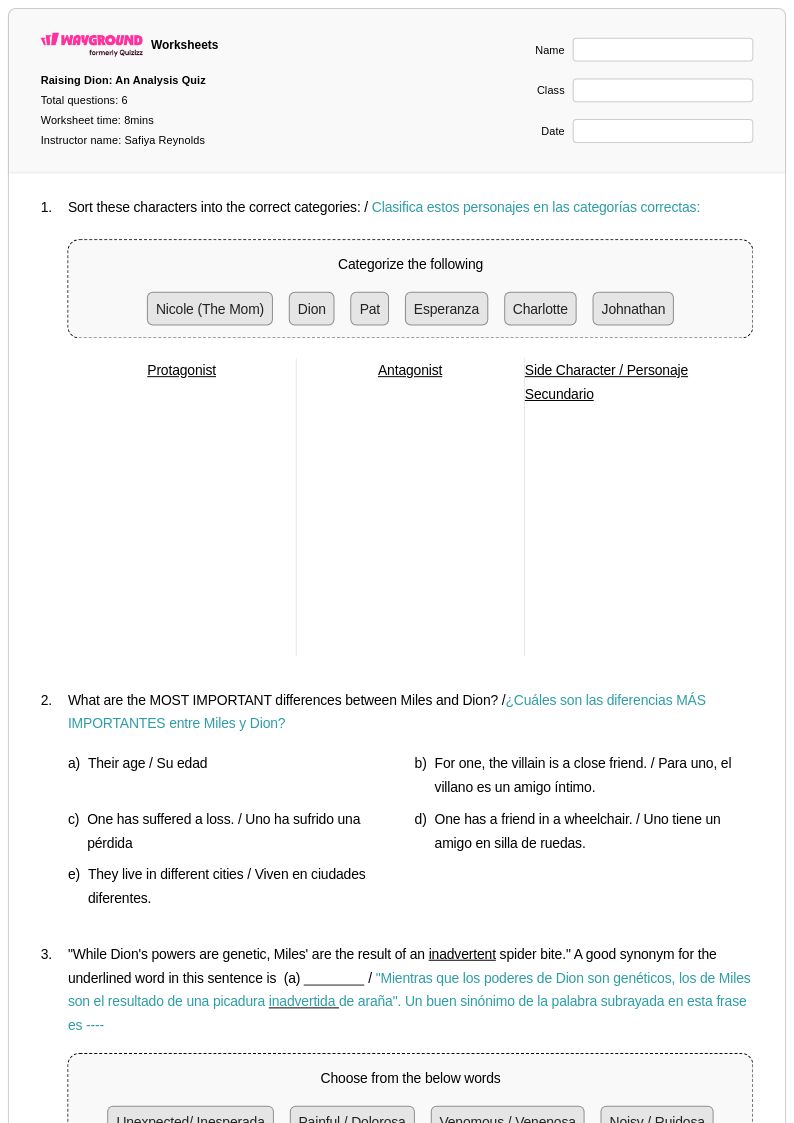
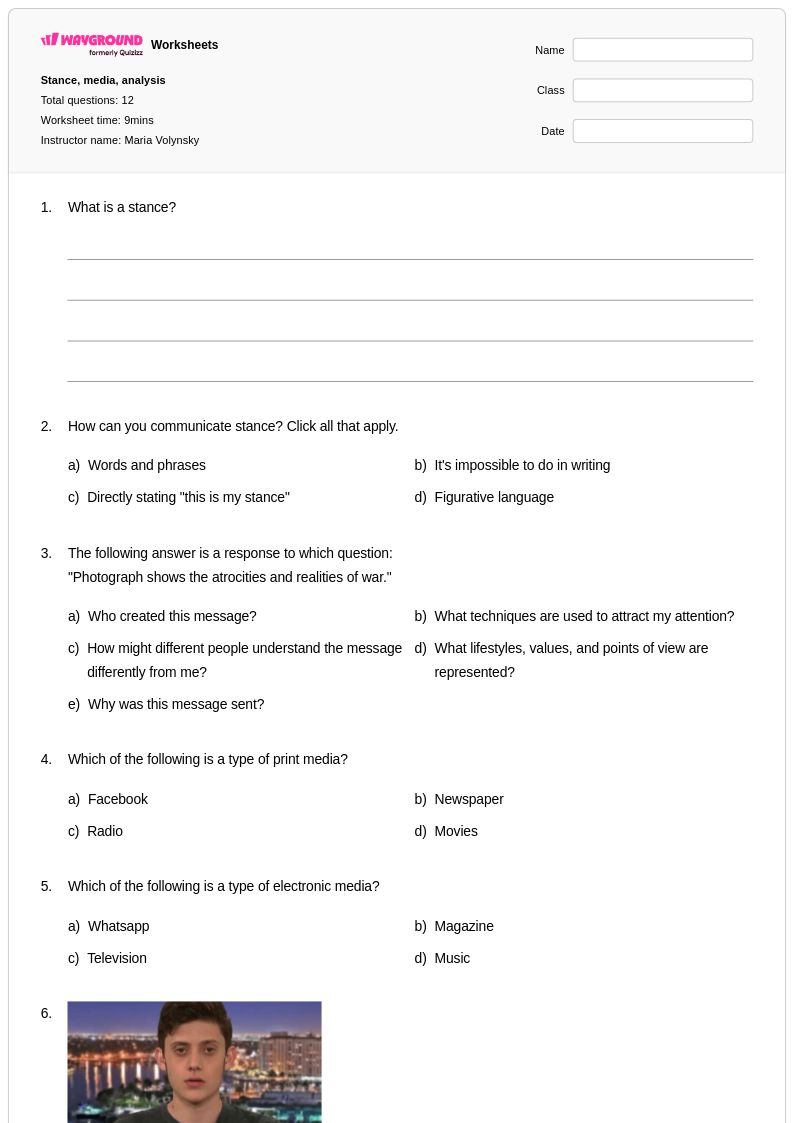
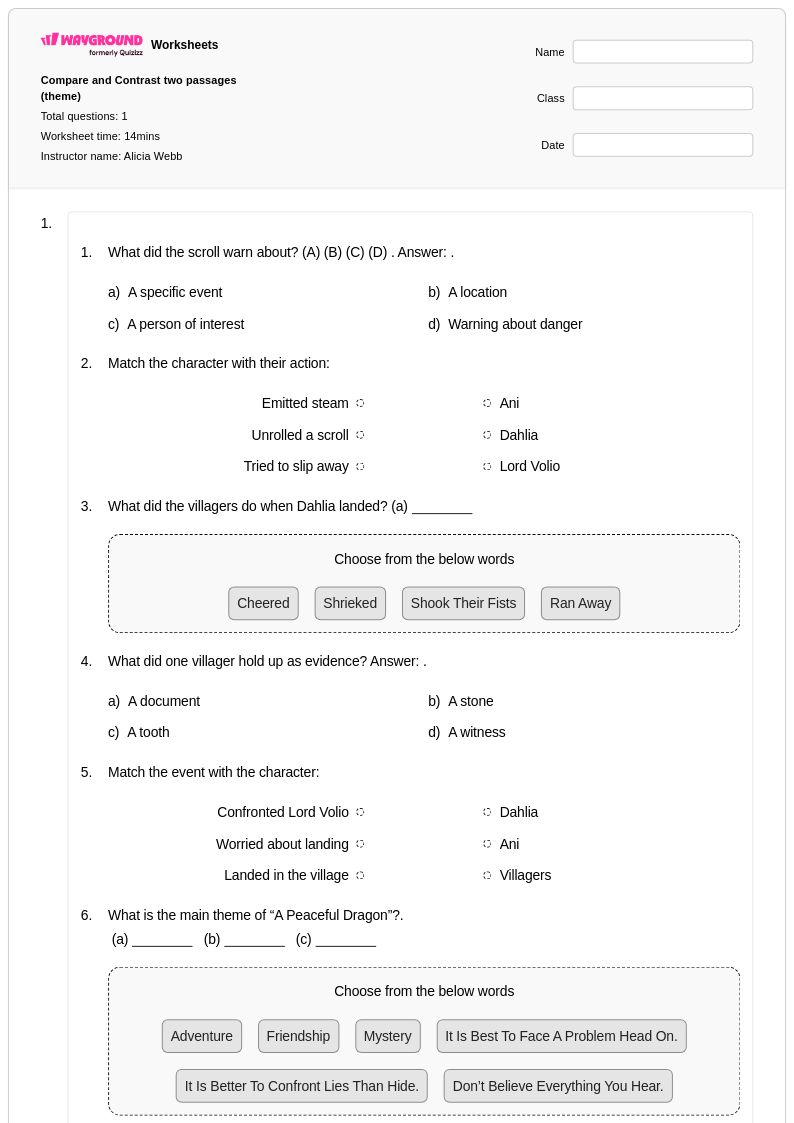
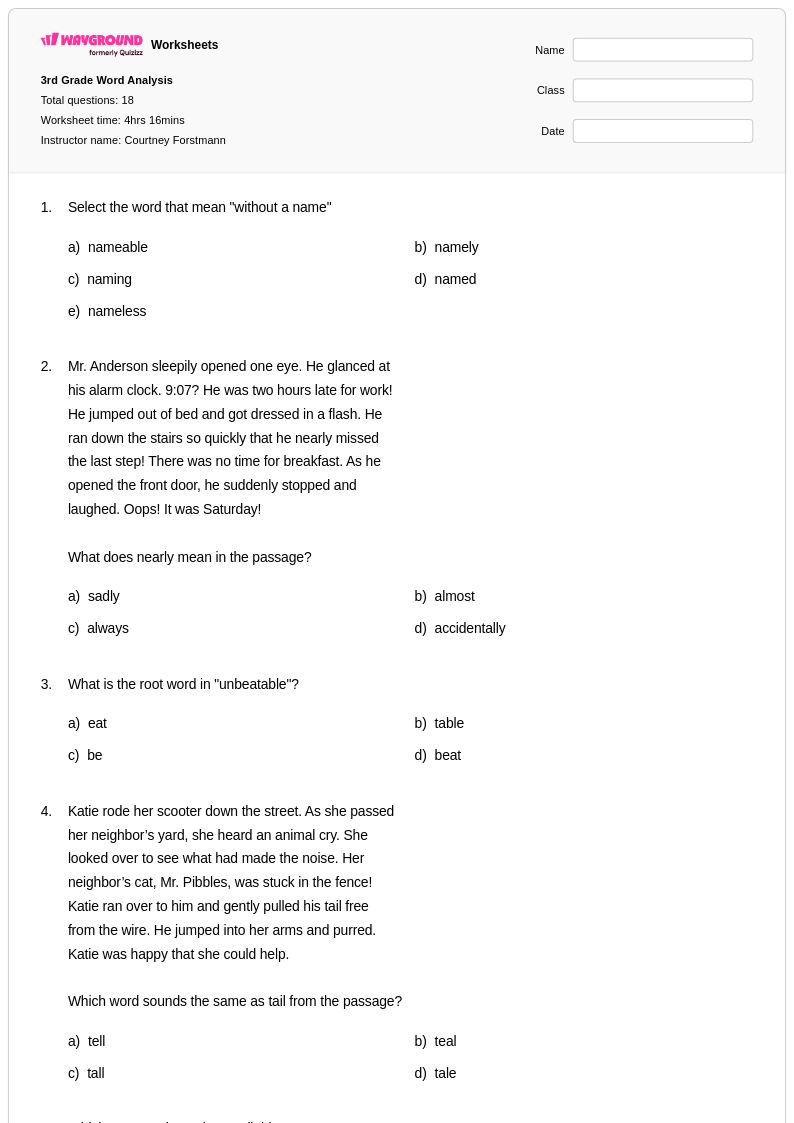
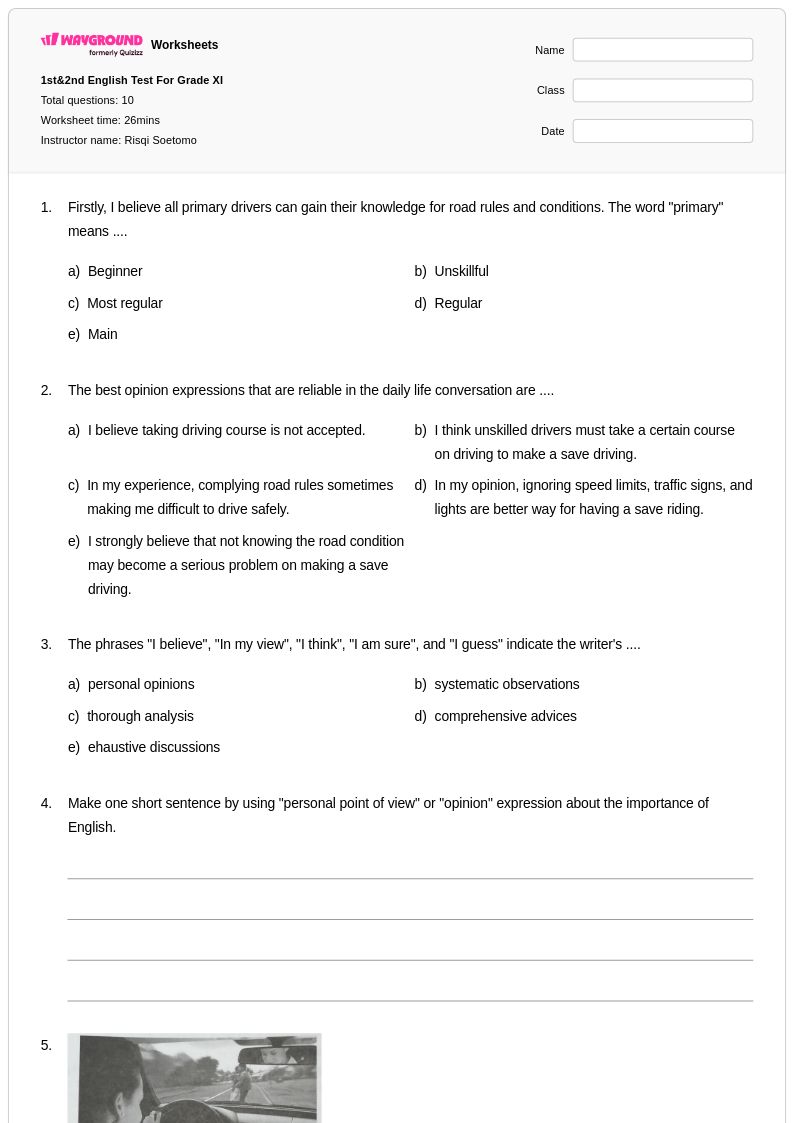
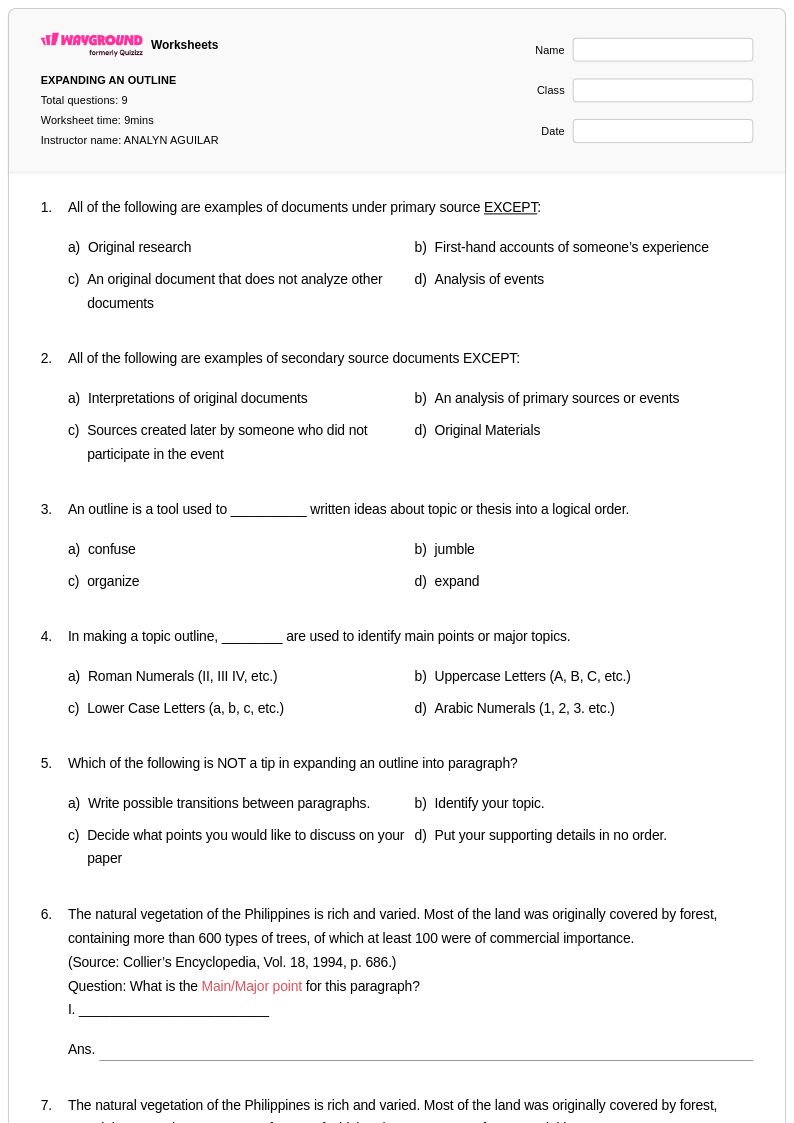
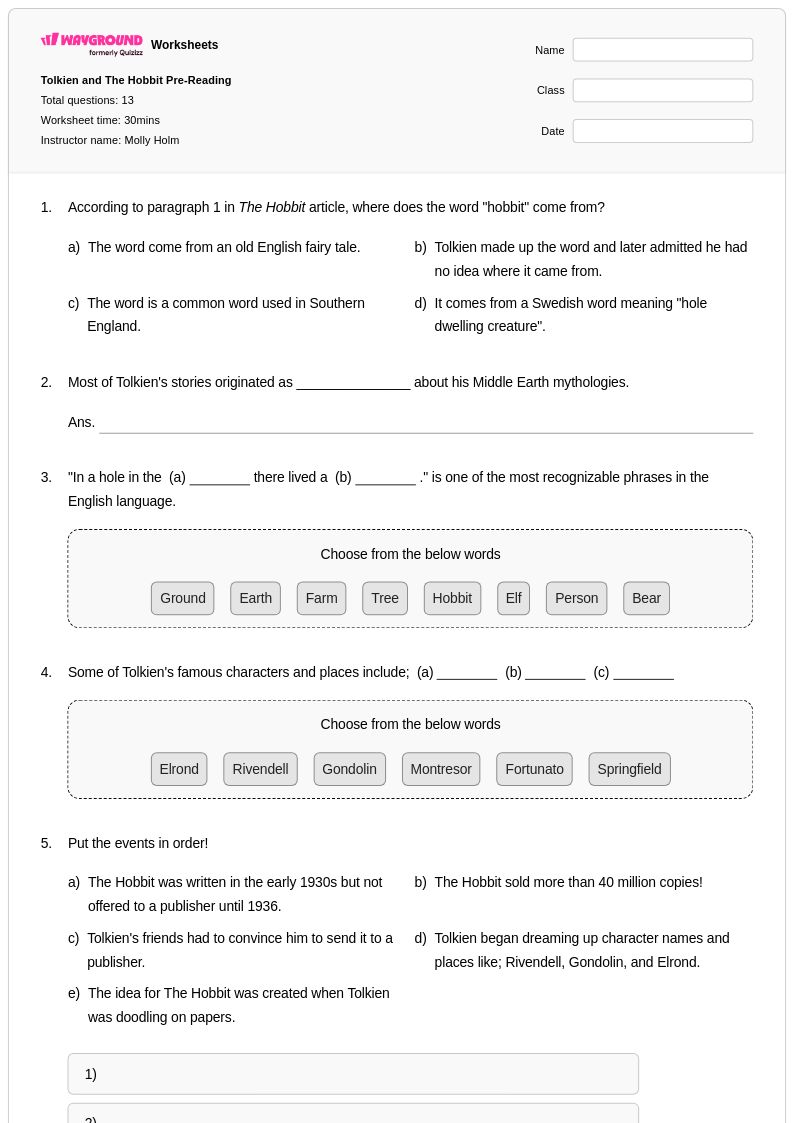
Document analysis worksheets available through Wayground (formerly Quizizz) provide students with essential practice in critically examining and interpreting various text sources, from historical documents and scientific reports to literary passages and informational articles. These comprehensive worksheets strengthen crucial academic skills including identifying main ideas and supporting details, analyzing author purpose and bias, evaluating evidence and credibility, making inferences from textual clues, and synthesizing information across multiple sources. Each worksheet includes structured practice problems that guide students through systematic document examination techniques, complete with answer keys that help educators assess student progress and understanding. These free printable resources serve as valuable tools for developing the analytical thinking skills students need across all subject areas, offering pdf formats that ensure consistent formatting and easy distribution for both classroom instruction and independent study.
Wayground (formerly Quizizz) supports educators with an extensive collection of teacher-created document analysis resources, featuring millions of worksheets that can be easily located through robust search and filtering capabilities organized by skill level, document type, and curriculum standards. The platform's differentiation tools enable teachers to customize worksheets for diverse learner needs, while the flexible format options include both printable pdf versions for traditional instruction and digital formats for technology-enhanced learning environments. These comprehensive resources streamline lesson planning by providing ready-to-use materials for skill practice, targeted remediation for struggling readers, and enrichment opportunities for advanced students, allowing educators to focus their time on instruction rather than resource creation. The standards-aligned content ensures that document analysis practice connects directly to curriculum requirements, while the variety of source materials and question types helps students develop transferable analytical skills applicable across academic disciplines.
FAQs
How do I teach document analysis skills to students?
Effective document analysis instruction begins with modeling a systematic approach: guide students to first identify the source type and context, then examine the author's purpose, detect bias, evaluate evidence, and synthesize meaning. Using structured graphic organizers or step-by-step worksheets helps students internalize this process before applying it independently. Repeated practice across varied document types, including historical texts, scientific reports, and literary passages, builds the transferable analytical habits students need across all subject areas.
What exercises help students practice document analysis?
Structured practice exercises that walk students through identifying main ideas, supporting details, author purpose, and textual evidence are among the most effective for building document analysis skills. Worksheets that present a short primary or informational source alongside targeted questions give students repeated, low-stakes reps with the analytical process. Varying the document type across practice sessions, from newspaper articles to historical speeches to scientific summaries, ensures students can transfer their skills rather than relying on genre-specific familiarity.
What mistakes do students commonly make when analyzing documents?
One of the most frequent errors is conflating the author's stated claim with the document's overall meaning, leading students to summarize rather than analyze. Students also commonly accept information at face value without evaluating source credibility or author bias, particularly with persuasive or historically situated texts. Another persistent misconception is treating inference as guessing, rather than as a reasoned conclusion grounded in textual evidence, which results in unsupported responses on analysis tasks.
How can I differentiate document analysis instruction for struggling or advanced readers?
For struggling readers, simplifying the source material while maintaining the analytical task preserves rigor without overwhelming students with decoding demands. Wayground supports individual student accommodations including Read Aloud, which audio-reads document content for students who need it, and reduced answer choices to lower cognitive load on comprehension questions. Advanced students benefit from multi-source synthesis tasks that require them to compare author perspectives or evaluate conflicting evidence across two or more documents.
How do I use Wayground's document analysis worksheets in my classroom?
Wayground's document analysis worksheets are available as printable PDFs, making them easy to distribute for in-class or independent work, and in digital formats suited for technology-integrated classrooms. Teachers can also host worksheets directly as a quiz on Wayground, enabling real-time student responses and built-in progress tracking. Each worksheet includes a complete answer key, so educators can efficiently review responses and identify patterns in student understanding without additional prep.
How do I assess whether students are developing strong document analysis skills?
Look beyond correct answers to the quality of students' reasoning: can they identify not just what a document says, but why the author chose to frame it that way and whether the evidence supports the claim? Common assessment checkpoints include evaluating students' ability to distinguish fact from opinion, detect bias, and make inferences supported by specific textual evidence. Using worksheets with structured response formats and answer keys helps teachers pinpoint exactly where students' analytical reasoning breaks down, allowing for targeted remediation.