Free Printable Domestic Violence Awareness Worksheets for Class 8
Class 8 domestic violence awareness worksheets from Wayground help students develop critical social skills through engaging printables and practice problems that explore healthy relationships, warning signs, and safety resources with comprehensive answer keys.
Explore printable Domestic Violence Awareness worksheets for Class 8
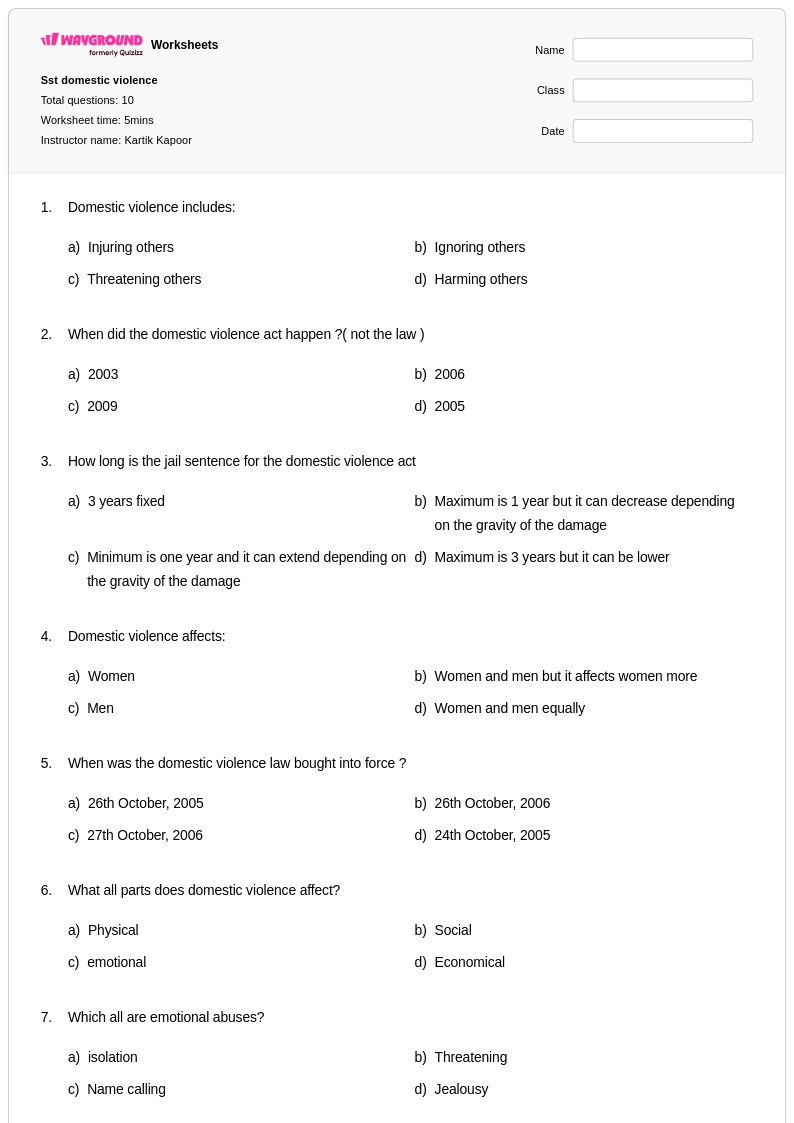
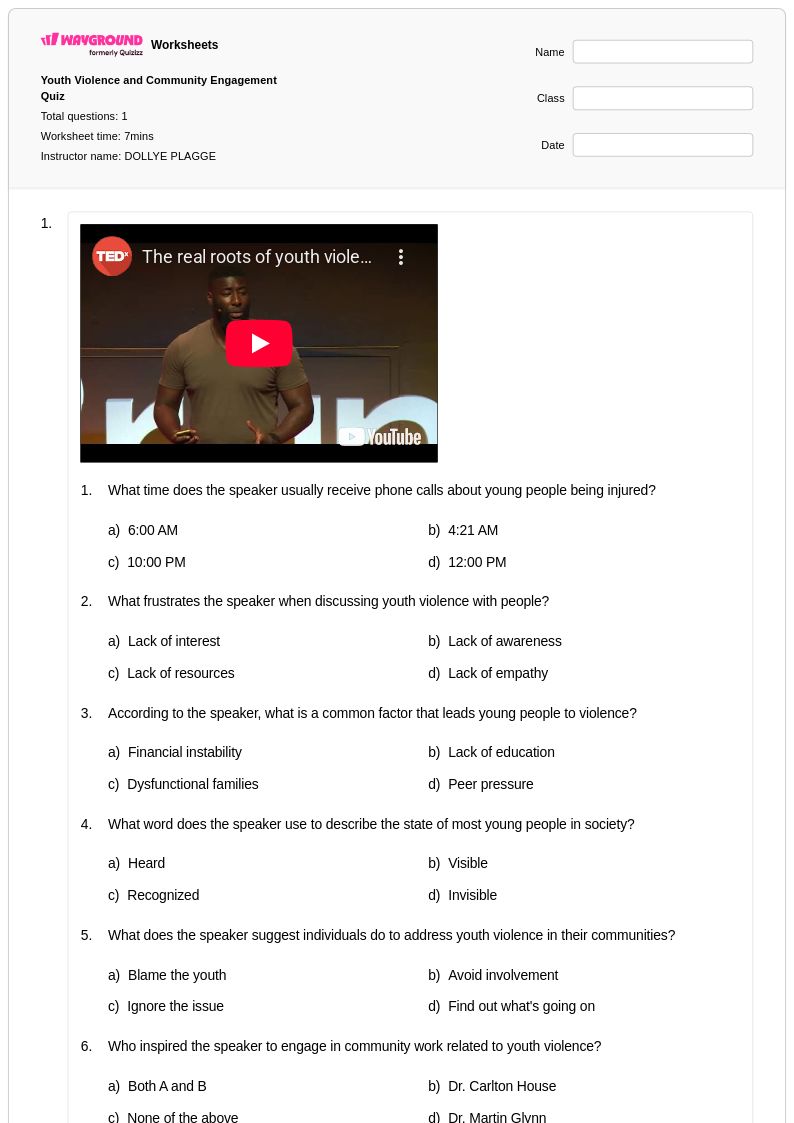
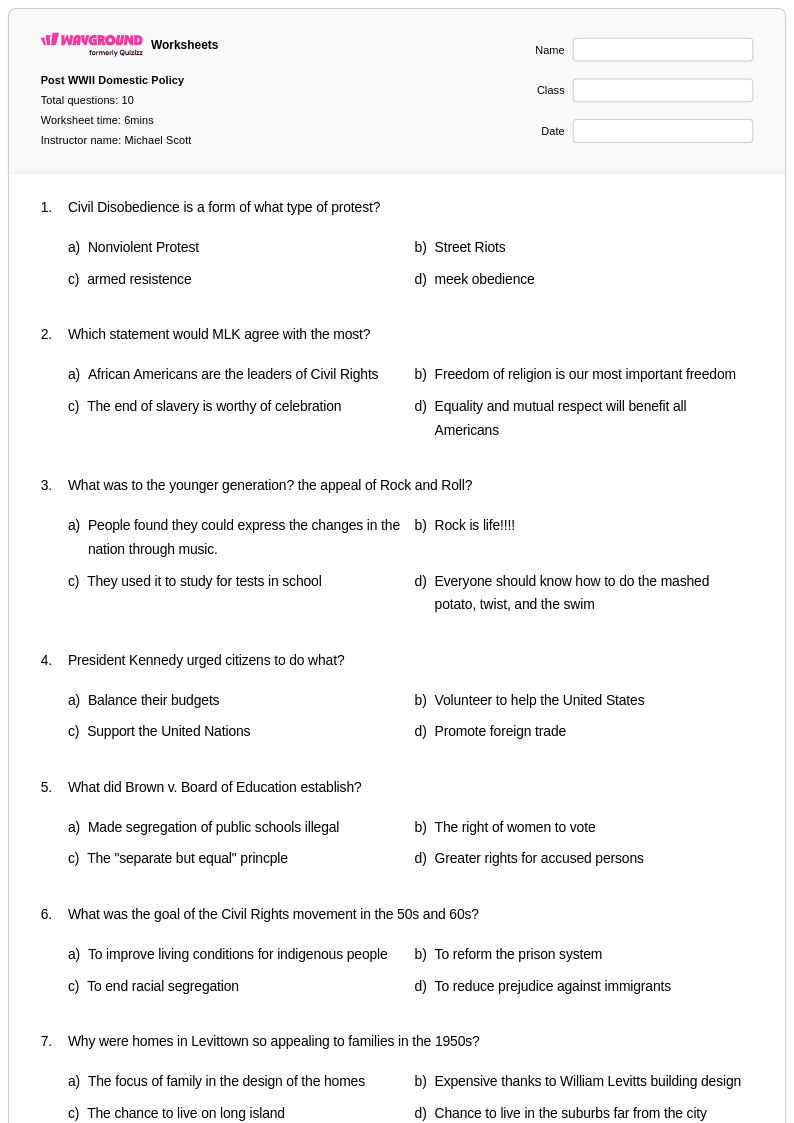
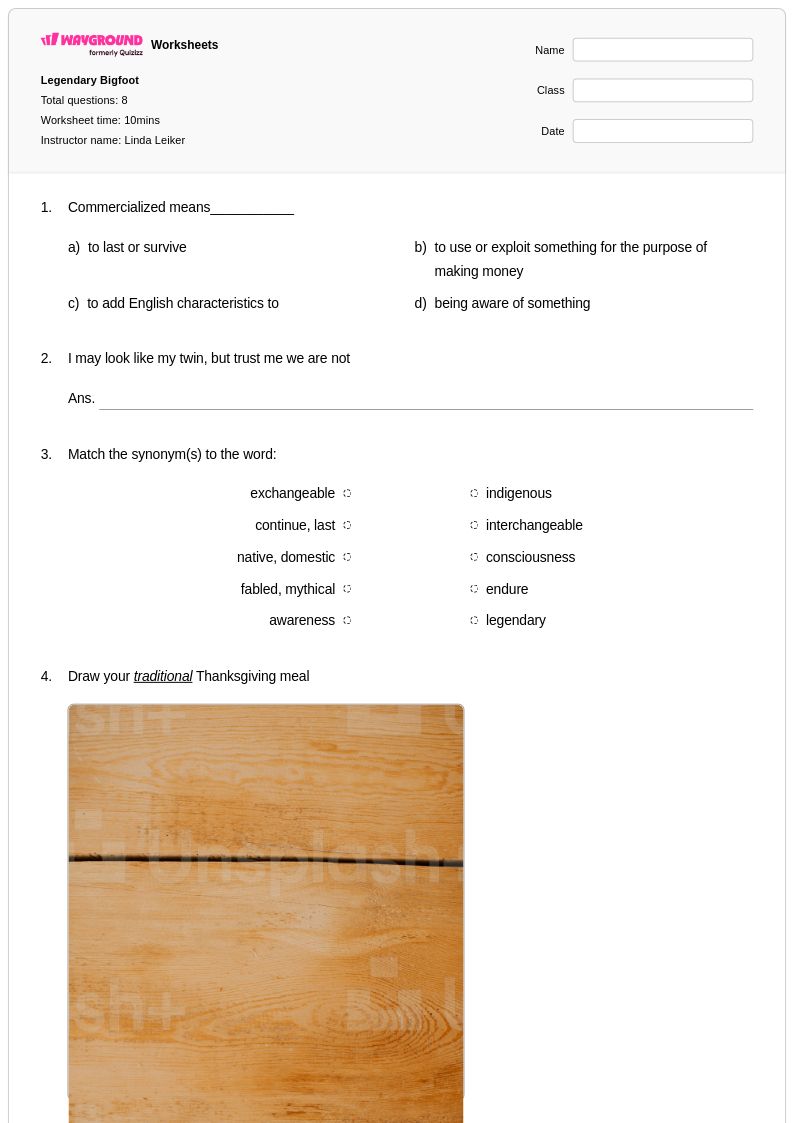
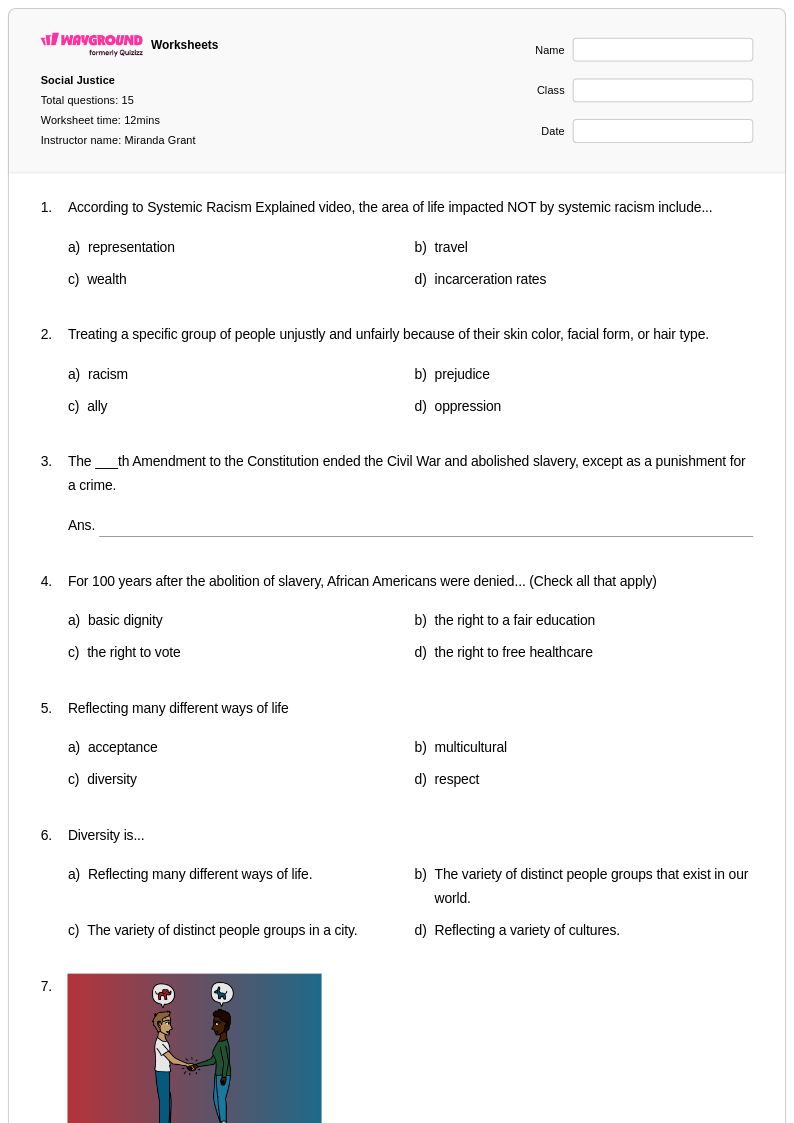
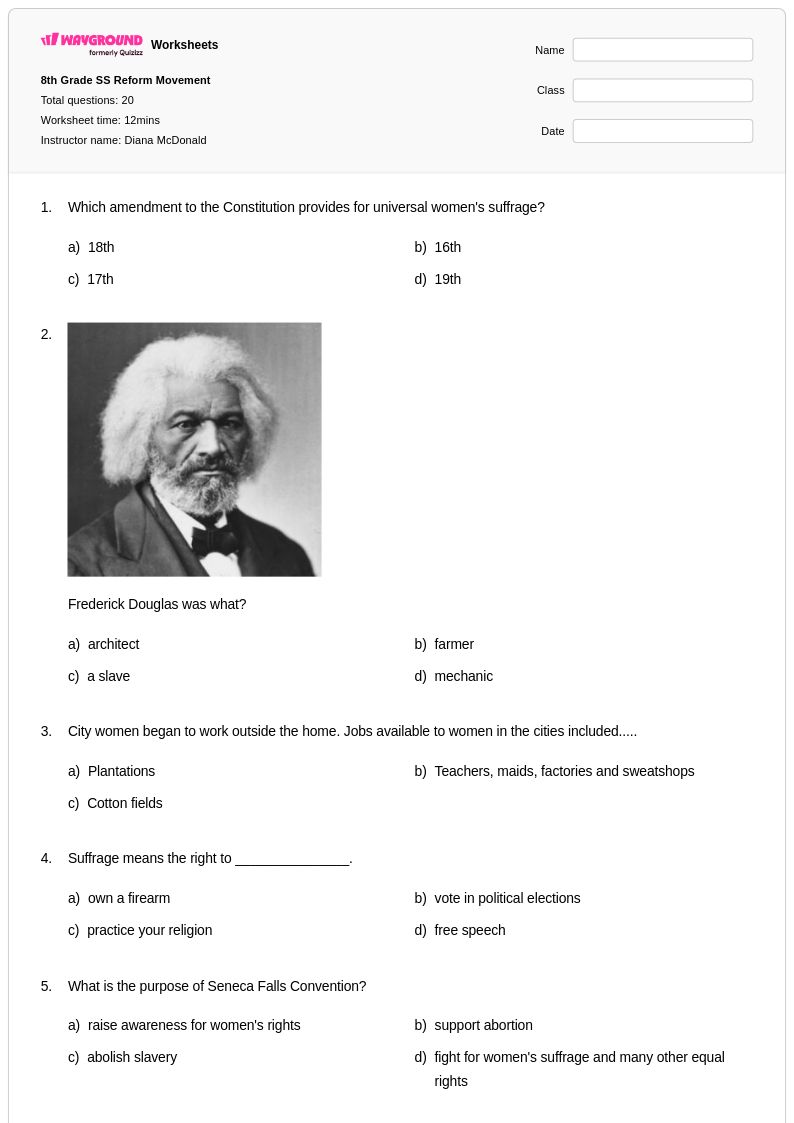
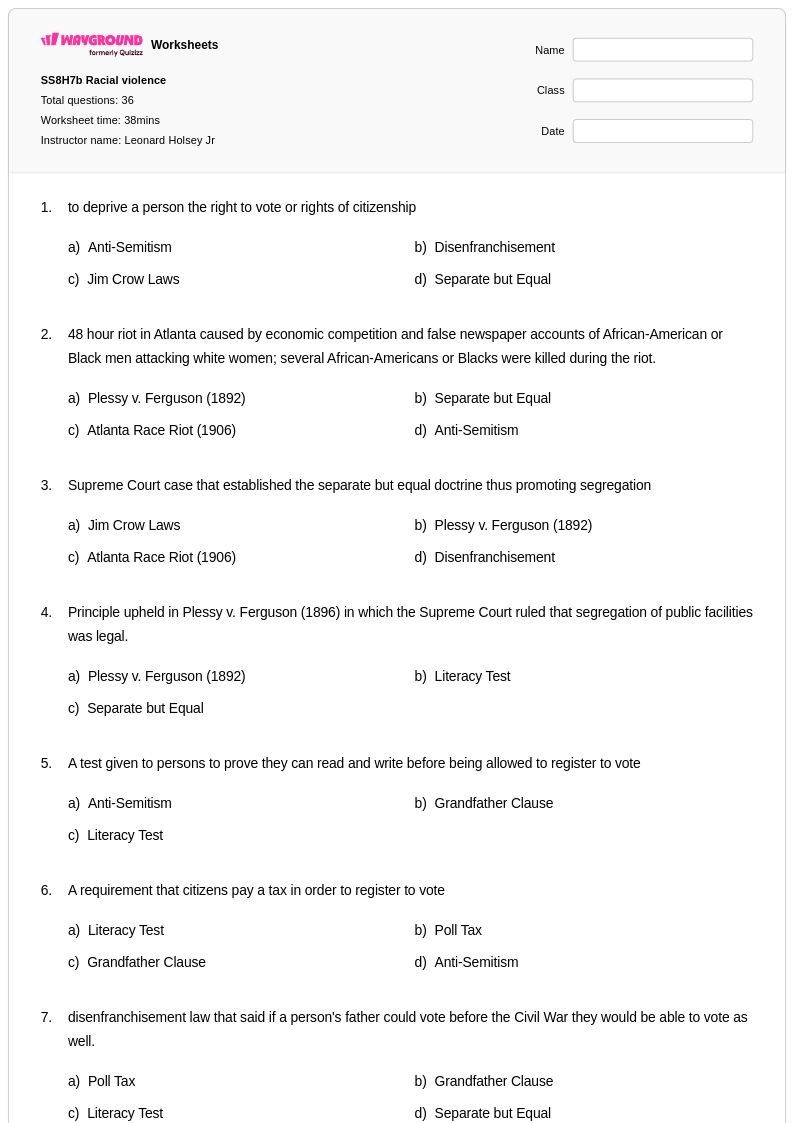
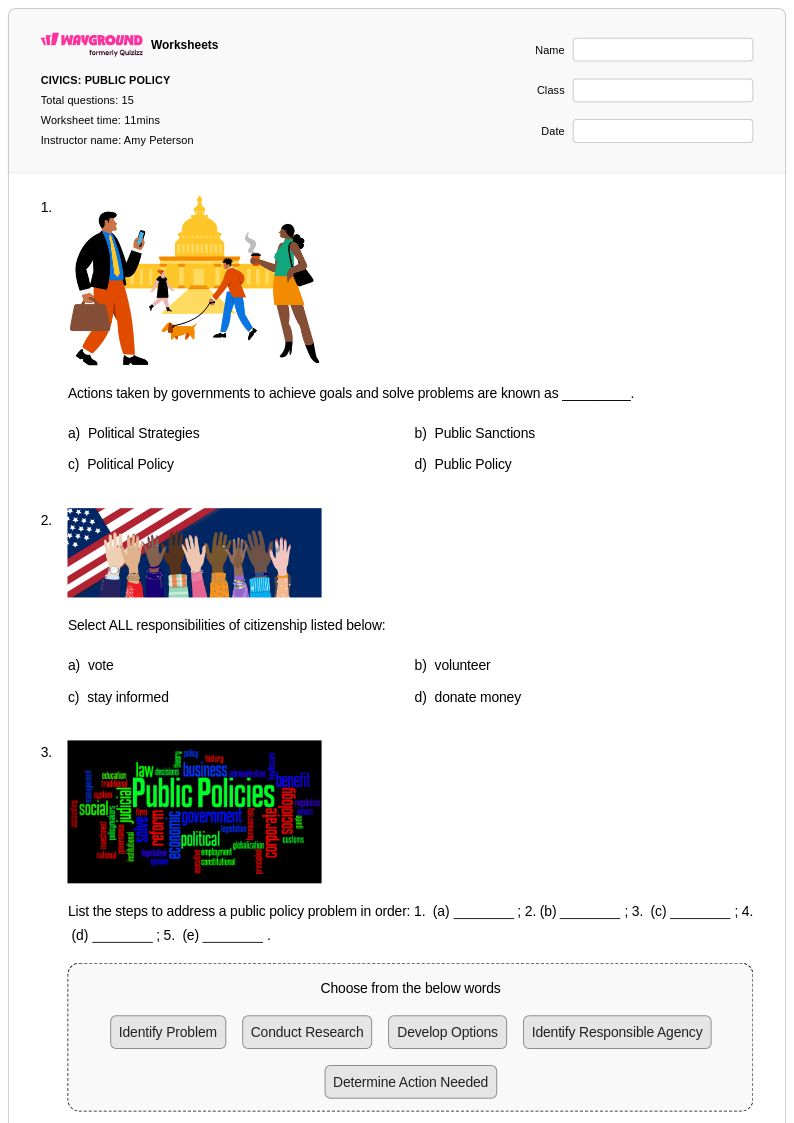
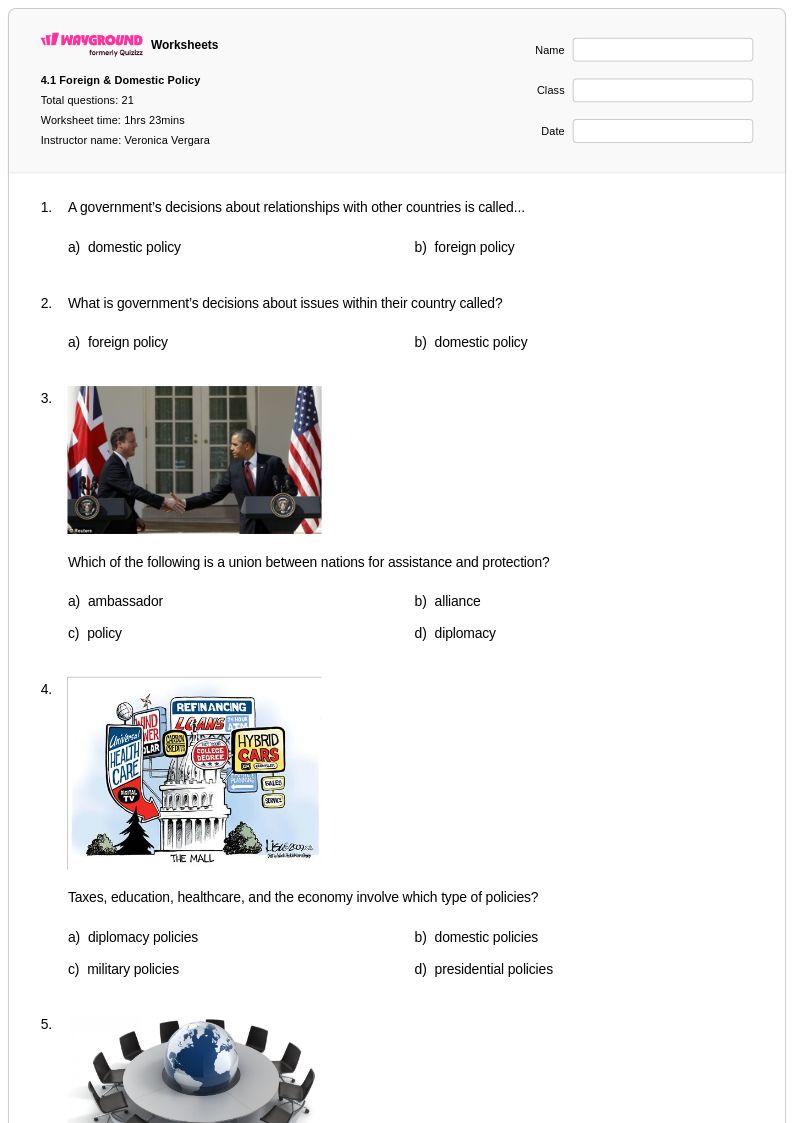
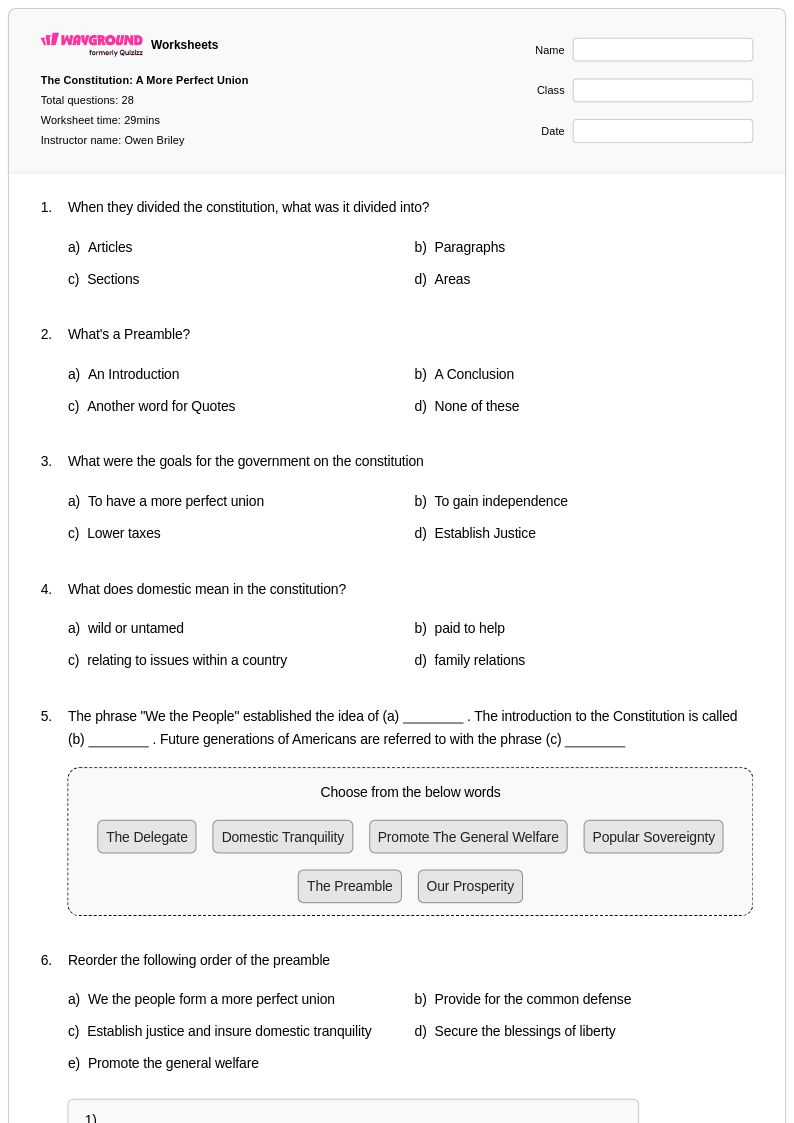
Class 8 domestic violence awareness worksheets available through Wayground (formerly Quizizz) provide educators with age-appropriate resources to address this critical social issue within the social studies curriculum. These comprehensive materials help students develop essential social skills including recognizing warning signs of unhealthy relationships, understanding the cycle of abuse, identifying support resources, and building empathy for survivors. The worksheets strengthen students' analytical thinking as they examine case studies, statistical data, and prevention strategies while fostering responsible citizenship and personal safety awareness. Each resource includes detailed answer keys to support accurate assessment, and the free printables offer flexible implementation options for classroom discussions, individual reflection, or practice problems that reinforce key concepts about healthy relationships and conflict resolution.
Wayground's extensive collection draws from millions of teacher-created resources specifically designed to support educators tackling sensitive topics like domestic violence awareness in Class 8 social studies classrooms. The platform's robust search and filtering capabilities enable teachers to quickly locate materials that align with state standards for health education and social-emotional learning objectives. Differentiation tools allow educators to customize worksheets for varying reading levels and learning needs, ensuring all students can engage meaningfully with this important content. Available in both printable and digital PDF formats, these resources support diverse instructional approaches from whole-class discussions to small group investigations, making them invaluable for lesson planning, targeted skill practice, and creating safe spaces for students to explore complex social issues while developing critical thinking and interpersonal communication skills.
FAQs
How do I teach domestic violence awareness in a classroom setting?
Teaching domestic violence awareness requires a trauma-informed approach that prioritizes emotional safety for all students. Begin by establishing clear classroom norms around confidentiality and respectful dialogue, then introduce foundational concepts such as healthy versus unhealthy relationship dynamics, warning signs of abuse, and the cycle of violence. Use age-appropriate materials that build empathy and critical thinking without sensationalizing the topic, and always connect lessons to available support systems and trusted adults students can turn to.
What topics should a domestic violence awareness worksheet cover?
Effective domestic violence awareness worksheets should address recognizing warning signs of abuse, understanding healthy relationship dynamics, identifying the cycle of violence, and knowing where to find help including trusted adults and community resources. They should also build vocabulary around emotional, physical, and psychological abuse so students can identify and articulate what they observe or experience. Age-appropriate content that develops empathy alongside factual knowledge is especially important for this sensitive subject area.
What misconceptions do students commonly have about domestic violence?
A common misconception is that domestic violence only involves physical harm, when in reality it encompasses emotional, psychological, financial, and verbal abuse as well. Students also frequently believe that victims can simply leave an abusive situation at any time, which overlooks the complex cycle of violence, fear, and dependency that makes leaving dangerous and difficult. Addressing these misconceptions directly in classroom materials helps students develop more accurate understanding and genuine empathy for those affected.
How can I support students who may be personally affected when teaching this topic?
Before beginning any unit on domestic violence awareness, coordinate with your school counselor so there is a clear referral pathway in place for any student who discloses or shows signs of distress. Frame lessons around empowerment and available resources rather than graphic descriptions of violence, and give students multiple ways to engage with the content, such as written reflection rather than open discussion, to reduce pressure. On Wayground, teachers can enable the Read Aloud accommodation for students who need additional support processing written content, and extended time settings can be applied individually to students who may need more space to work through sensitive material.
How do I use Wayground's domestic violence awareness worksheets in my classroom?
Wayground's domestic violence awareness worksheets are available as printable PDFs for traditional classroom use and in digital formats for technology-integrated learning environments, and teachers can also host them as a quiz directly on Wayground. The platform's differentiation tools allow teachers to customize content for diverse learning needs and sensitivity levels, making it straightforward to adapt materials for different student readiness levels within the same class. Complete answer keys are included, so teachers can efficiently review student responses and identify areas where additional discussion or support is needed.
How do I differentiate domestic violence awareness instruction for students with varying needs?
Differentiation for this topic should account for both academic readiness and emotional sensitivity, since students bring very different life experiences to the subject. On Wayground, teachers can apply accommodations such as reduced answer choices to lower cognitive load for students who need it, adjustable font sizes and reading themes through reading mode, and Read Aloud functionality for students who benefit from audio support. These settings can be assigned to individual students without notifying the rest of the class, allowing seamless differentiation during digital activities.