Free Printable Protective Factors in Health Worksheets for Class 8
Enhance Class 8 students' understanding of protective factors in health with Wayground's comprehensive collection of free worksheets, printables, and practice problems that include detailed answer keys and downloadable PDFs.
Explore printable Protective Factors in Health worksheets for Class 8
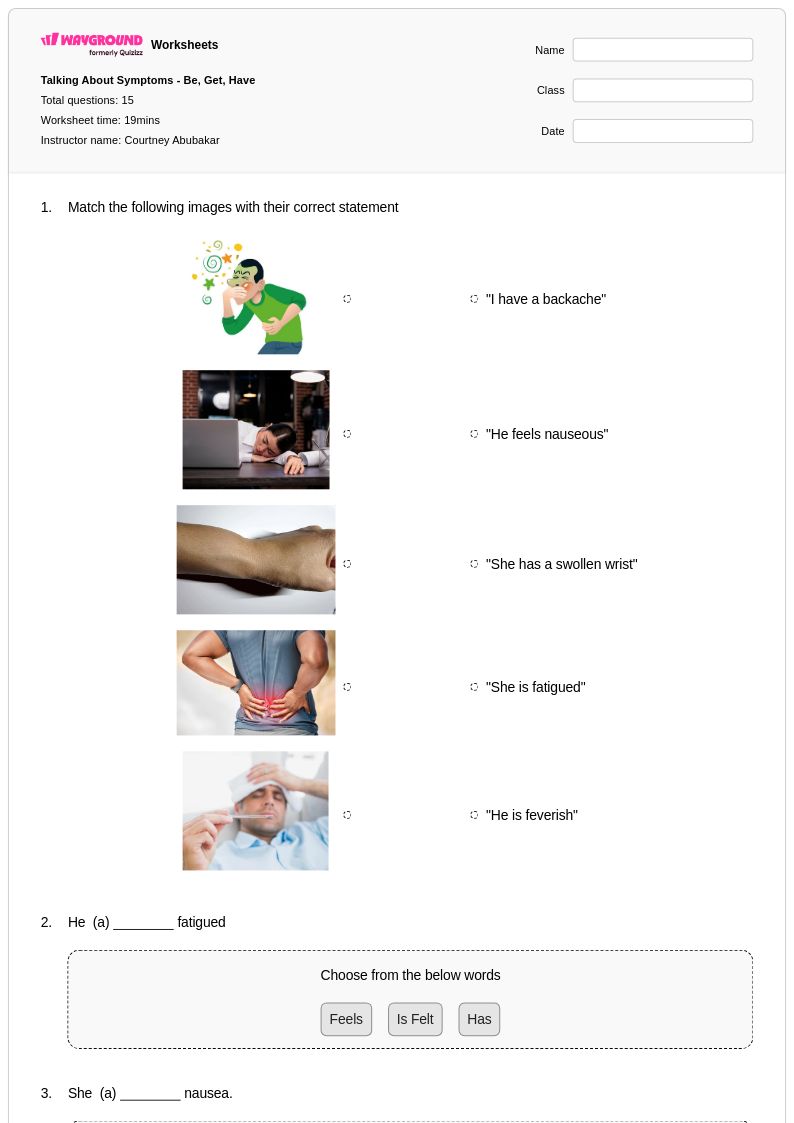
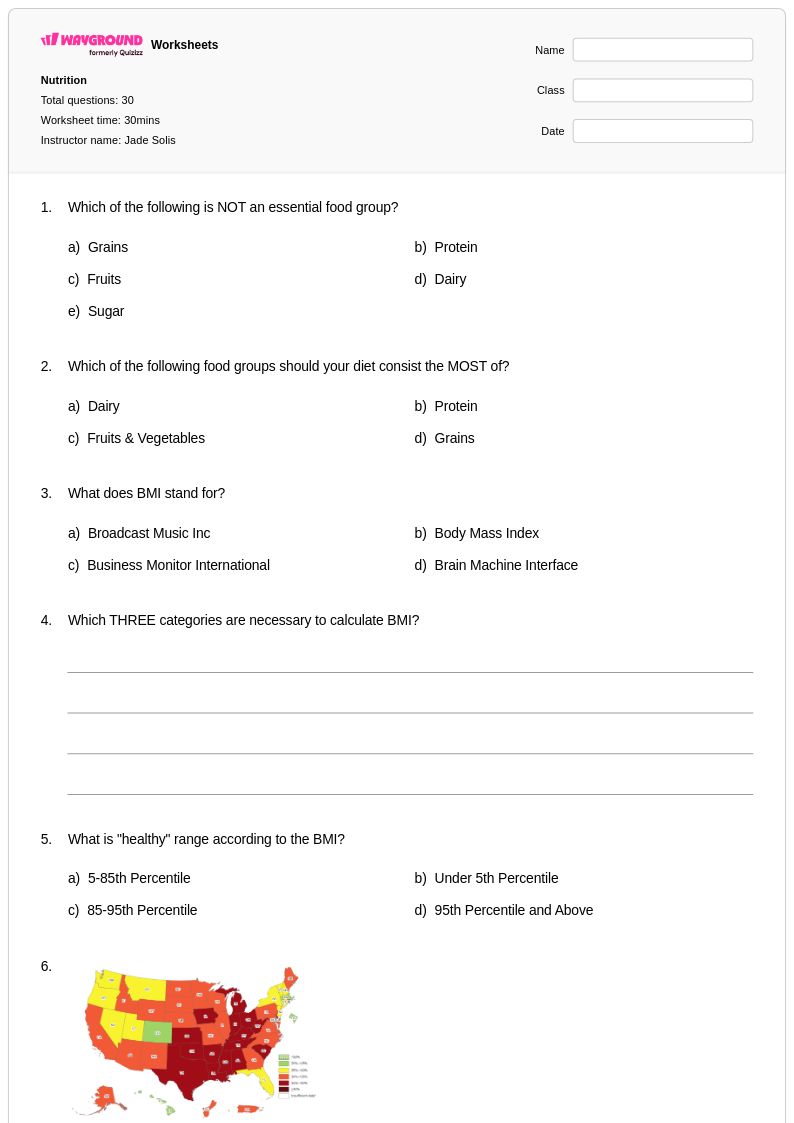
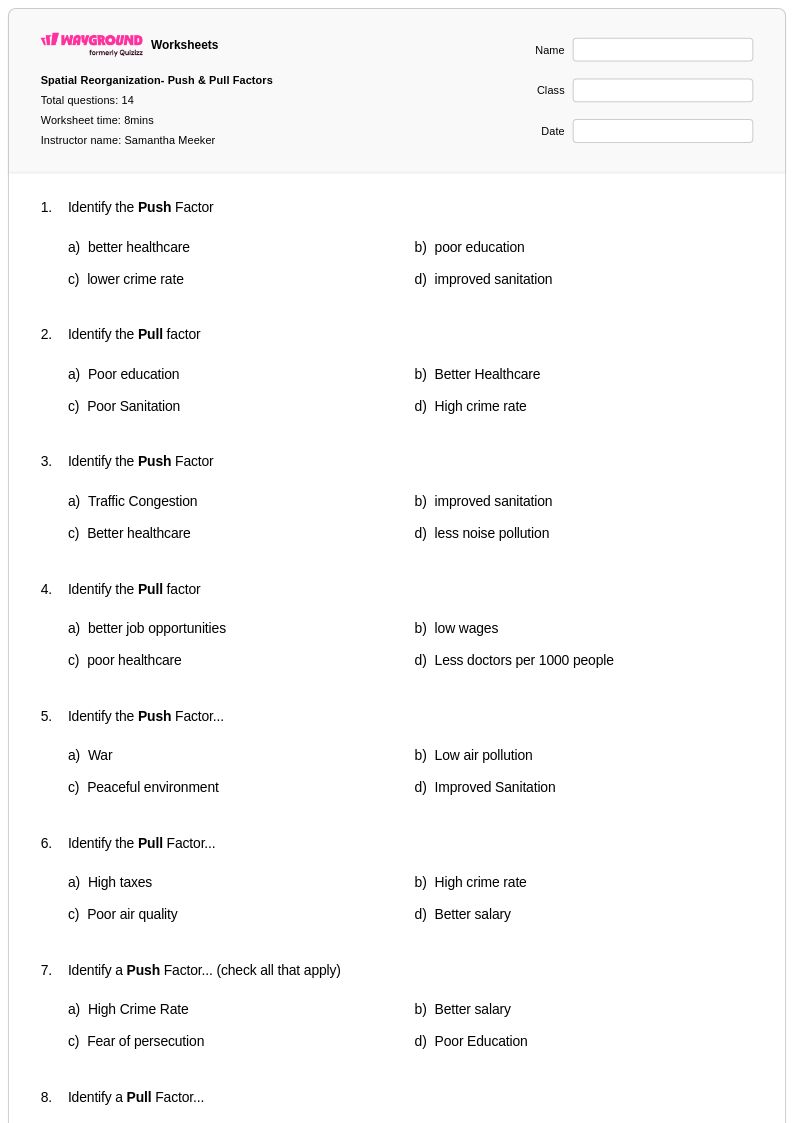
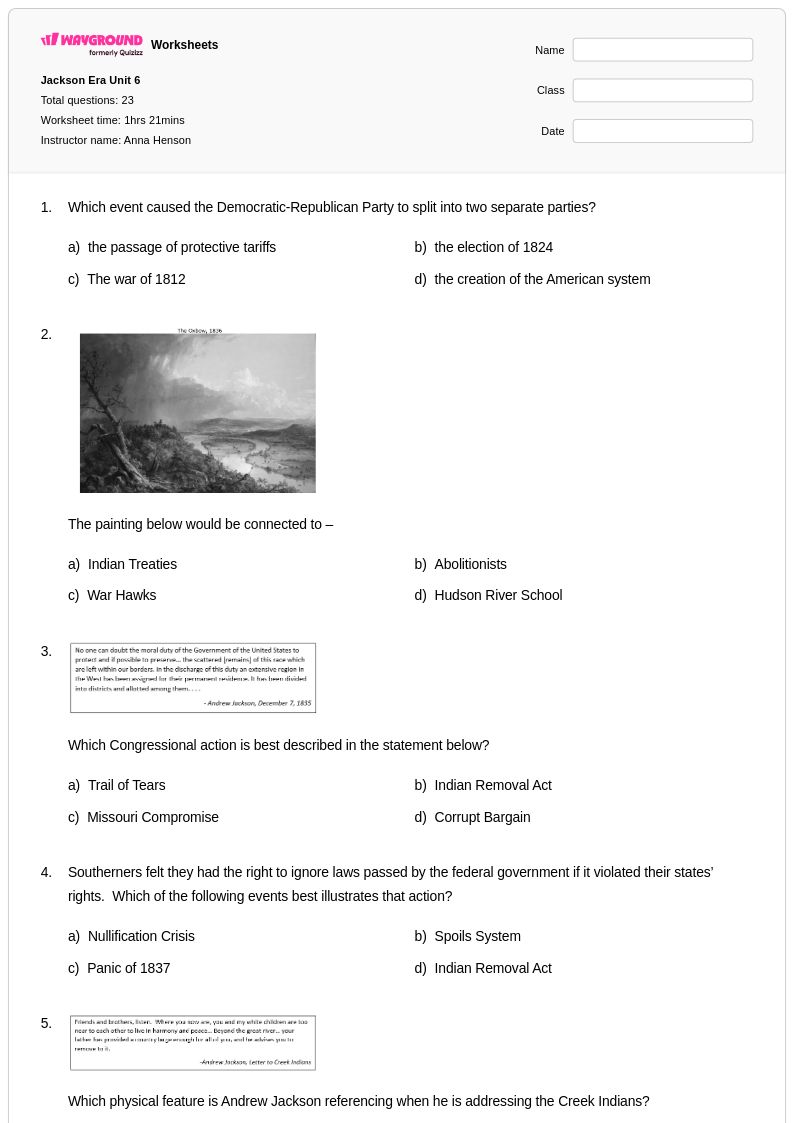
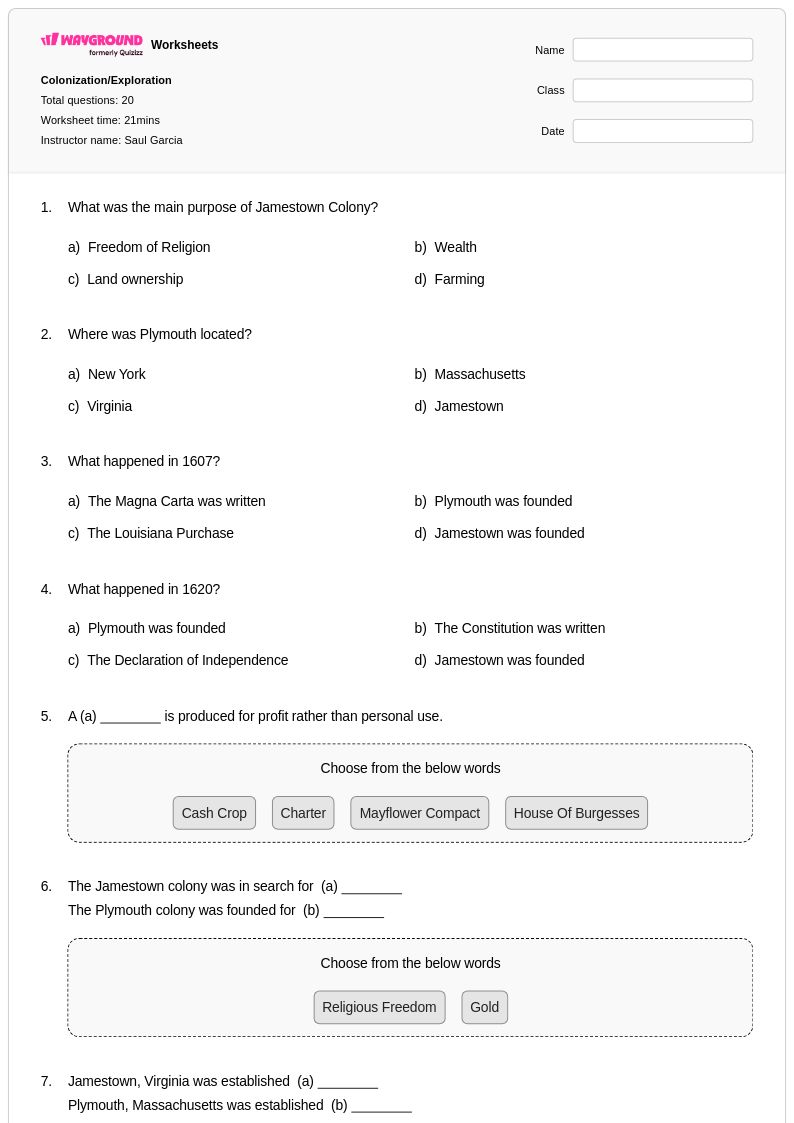
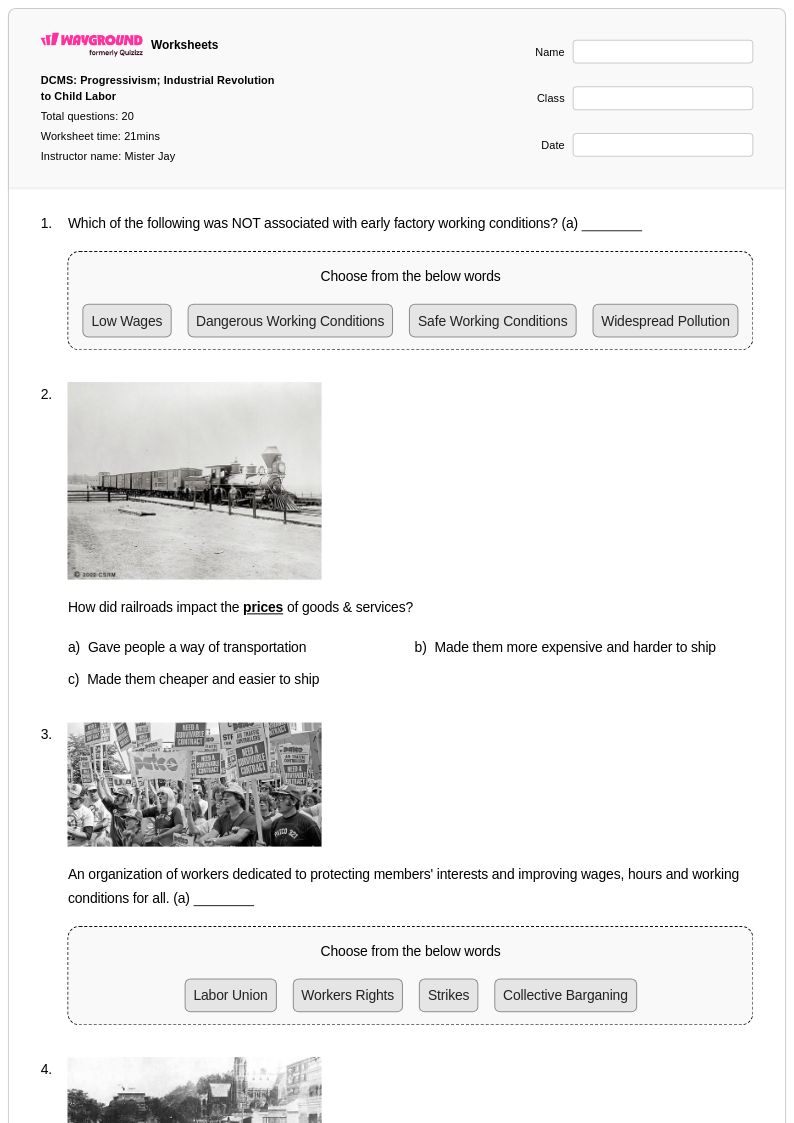
Protective factors in health worksheets for Class 8 students available through Wayground (formerly Quizizz) provide comprehensive resources that help adolescents identify and strengthen the personal, social, and environmental elements that promote wellbeing and resilience. These expertly designed materials guide eighth graders through understanding how supportive relationships, positive coping strategies, community connections, and personal strengths serve as shields against health risks and challenges during this critical developmental period. The worksheets include practice problems that require students to analyze real-world scenarios, evaluate protective factors in their own lives, and develop strategies for building resilience, while answer keys and free printables ensure teachers can effectively assess student comprehension of these essential social skills concepts.
Wayground (formerly quizizz) supports educators with an extensive collection of teacher-created resources focused on protective factors in health, offering millions of carefully curated worksheets that align with social studies and health education standards for middle school learners. The platform's robust search and filtering capabilities enable teachers to quickly locate age-appropriate materials that match their specific curriculum needs, while differentiation tools allow for customization based on individual student readiness levels and learning styles. Available in both printable pdf format and interactive digital versions, these resources provide flexible options for classroom instruction, homework assignments, remediation support, and enrichment activities, empowering educators to effectively teach students how to recognize and cultivate the protective factors that contribute to lifelong health and wellness.
FAQs
How do I teach protective factors in health to students?
Start by helping students distinguish protective factors from risk factors, using real-world examples they can relate to — such as family support, access to healthcare, and positive peer relationships. From there, guide students to analyze how these factors interact across physical, mental, and social dimensions of health. Case studies and scenario-based discussions are particularly effective for helping students see how protective factors operate within different communities and populations.
What exercises help students practice identifying protective factors in health?
Worksheets that ask students to categorize protective factors by domain (physical, mental, social) and match them to specific health outcomes are highly effective for building conceptual fluency. Practice problems that present real-world scenarios and ask students to identify which protective factors are present — or absent — strengthen their ability to apply this knowledge analytically. These exercises also build the critical thinking skills students need to connect protective factors to resilience and risk reduction.
What misconceptions do students commonly have about protective factors in health?
A common misconception is that protective factors are only relevant to students facing obvious risk — in reality, they apply universally and operate on a spectrum. Students also frequently conflate protective factors with the absence of risk factors, rather than understanding them as distinct, positive assets that actively promote well-being. Another error pattern is treating protective factors as fixed traits rather than dynamic elements that can be developed and strengthened over time.
How can I use protective factors in health worksheets in my classroom?
These worksheets work well as guided practice during instruction, formative checks after a lesson, or independent review activities. They are available as printable PDFs for traditional classroom use and in digital formats for technology-integrated environments, including the option to host them as a quiz on Wayground. For students who need additional support, Wayground's accommodation tools — such as read aloud, extended time, and reduced answer choices — can be applied individually without disrupting the rest of the class.
How do protective factors in health connect to social-emotional learning?
Protective factors such as strong family relationships, positive peer influences, and healthy coping strategies sit directly at the intersection of health education and social-emotional learning. Teaching students to identify and build these factors reinforces SEL competencies including self-management, relationship skills, and responsible decision-making. This overlap makes protective factors in health an ideal topic for cross-disciplinary instruction.
How do I differentiate protective factors in health instruction for diverse learners?
Differentiation works best when students can engage with the same core concepts at varying levels of complexity — for example, pairing scenario analysis with visual organizers for students who need scaffolding. On Wayground, teachers can assign individual accommodations such as read aloud, extended time, or reduced answer choices to specific students, while the rest of the class receives standard settings without notification. These tools make it straightforward to support learners with IEPs or language needs within a whole-class activity.