
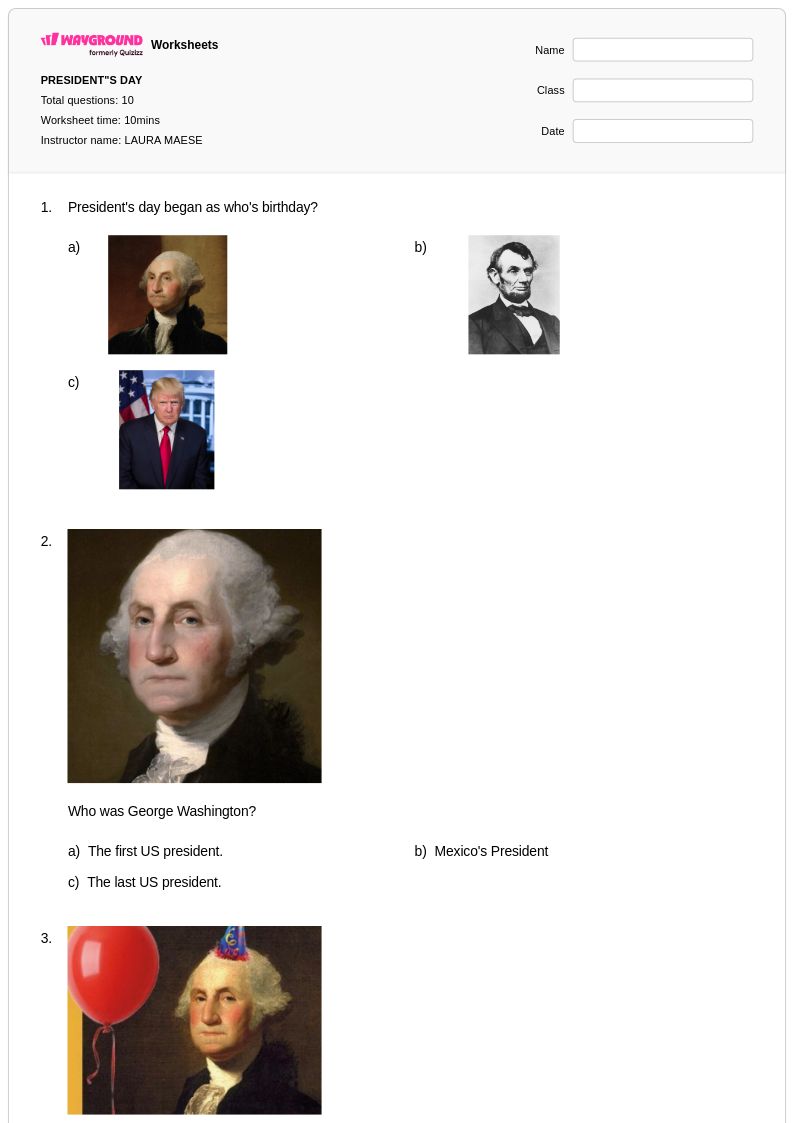
10 Q
1st - 2nd
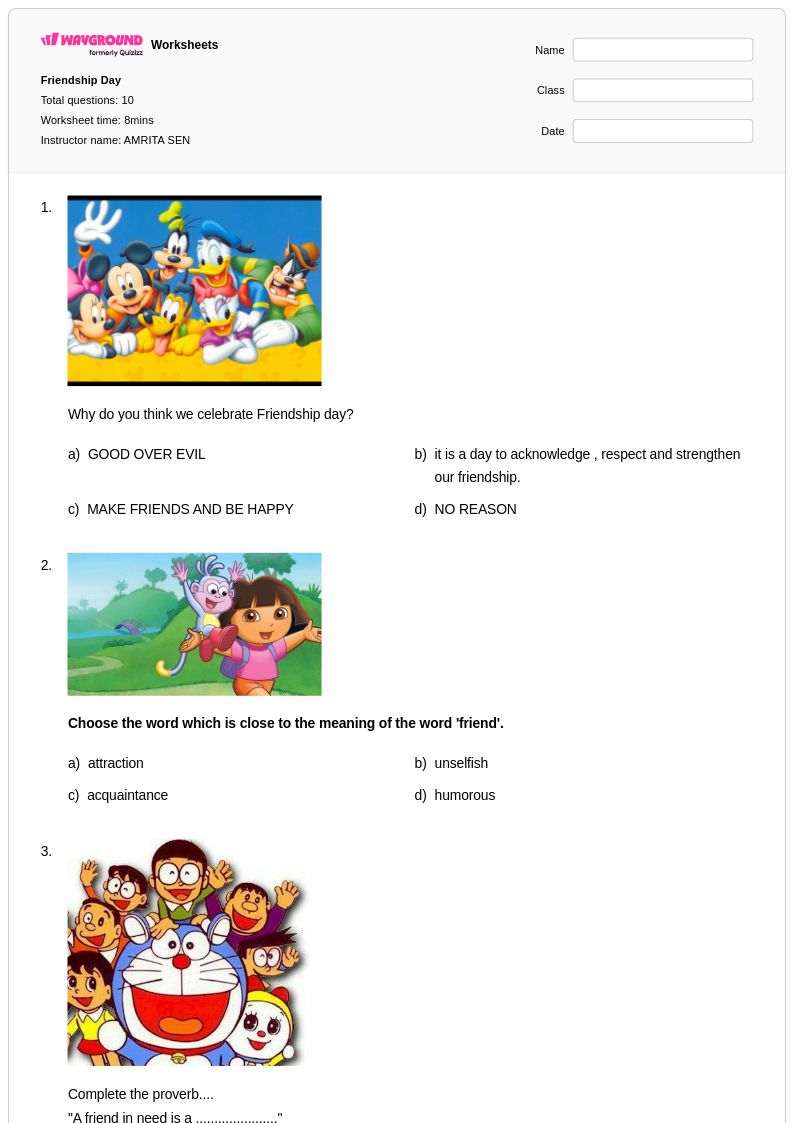
10 Q
1st - 3rd

10 Q
1st - 5th
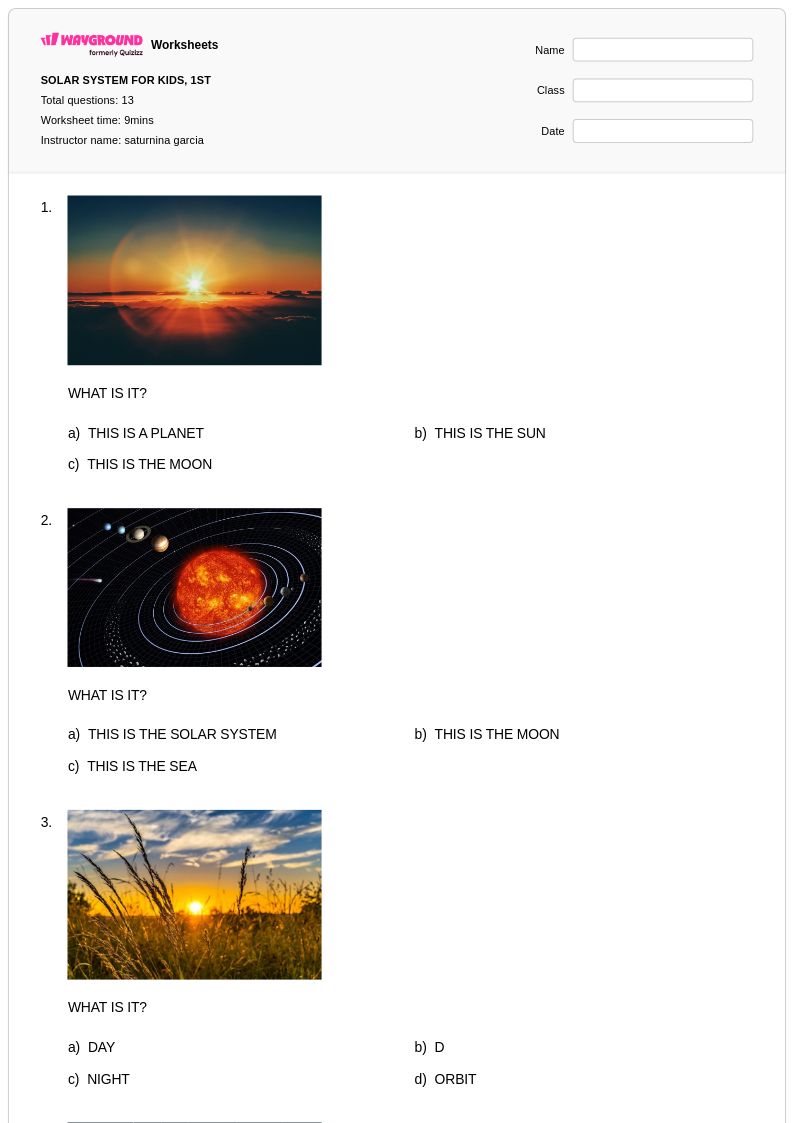
13 Q
1st
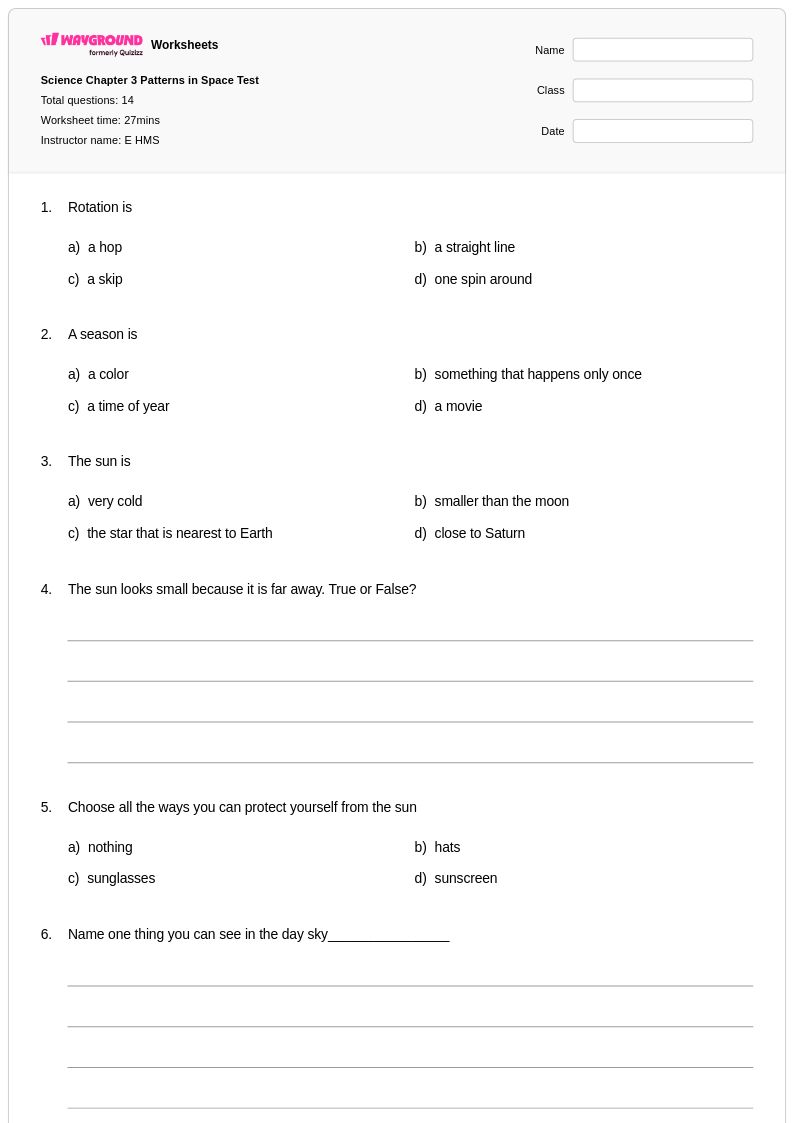
14 Q
1st
6 Q
1st
10 Q
1st
11 Q
1st - 2nd
20 Q
1st - 2nd
8 Q
KG - 3rd
14 Q
1st
18 Q
1st
6 Q
1st
13 Q
1st - 3rd
12 Q
KG - 2nd
10 Q
KG - 2nd
13 Q
1st
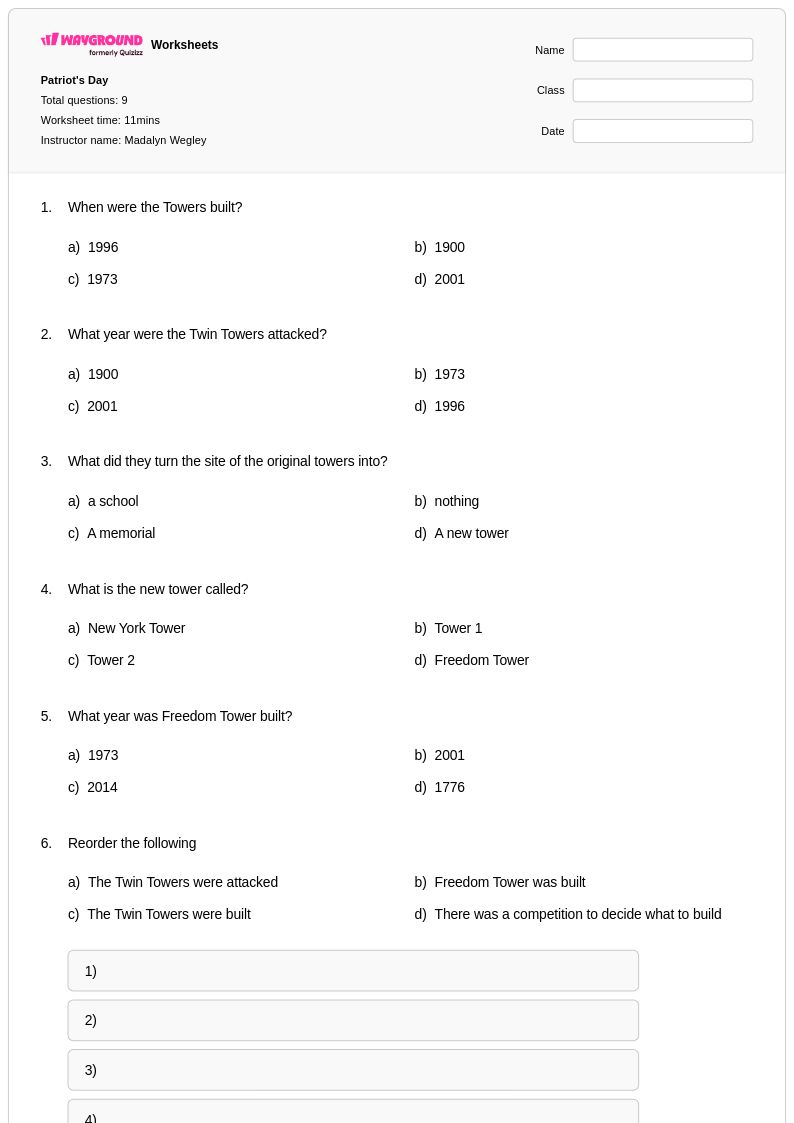
9 Q
1st - 5th
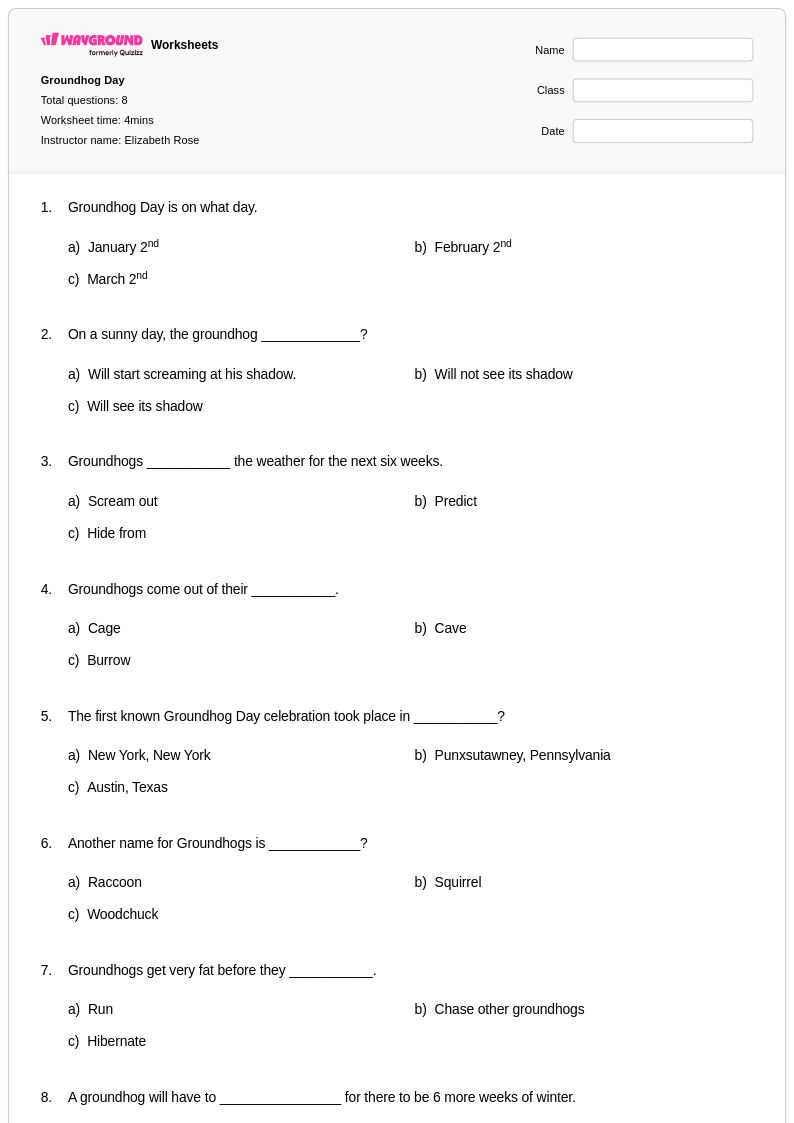
8 Q
1st
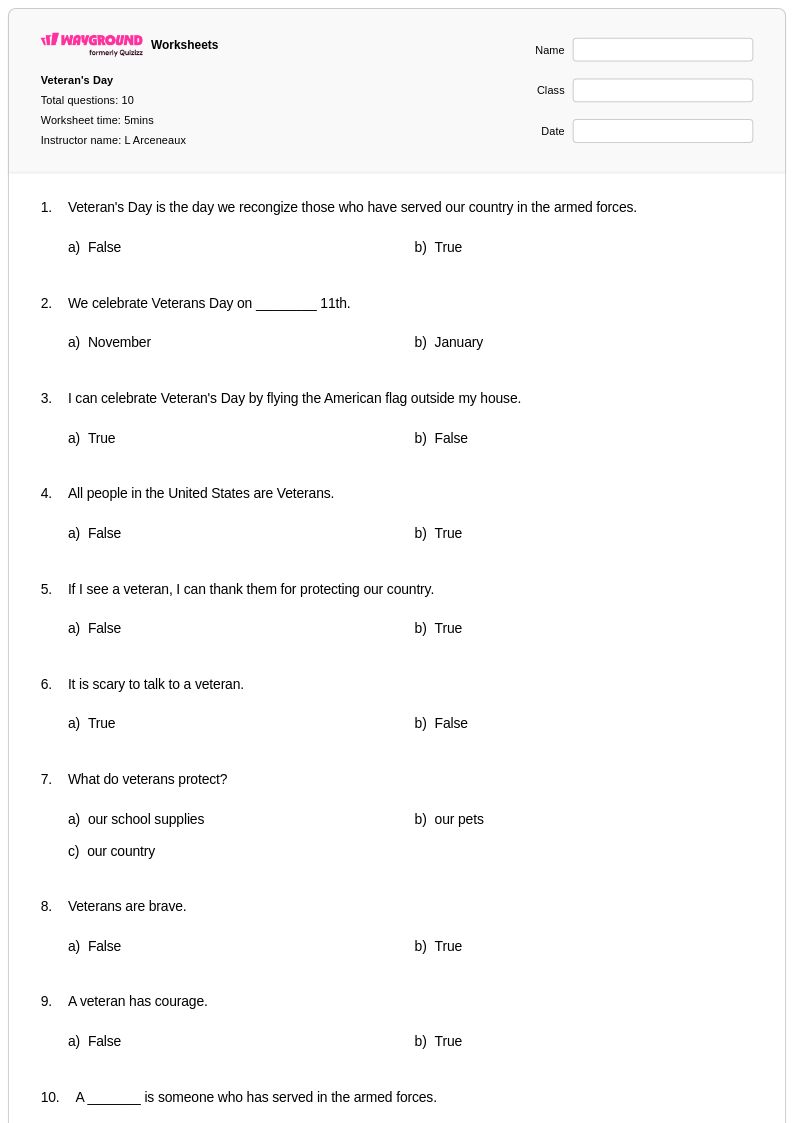
10 Q
1st
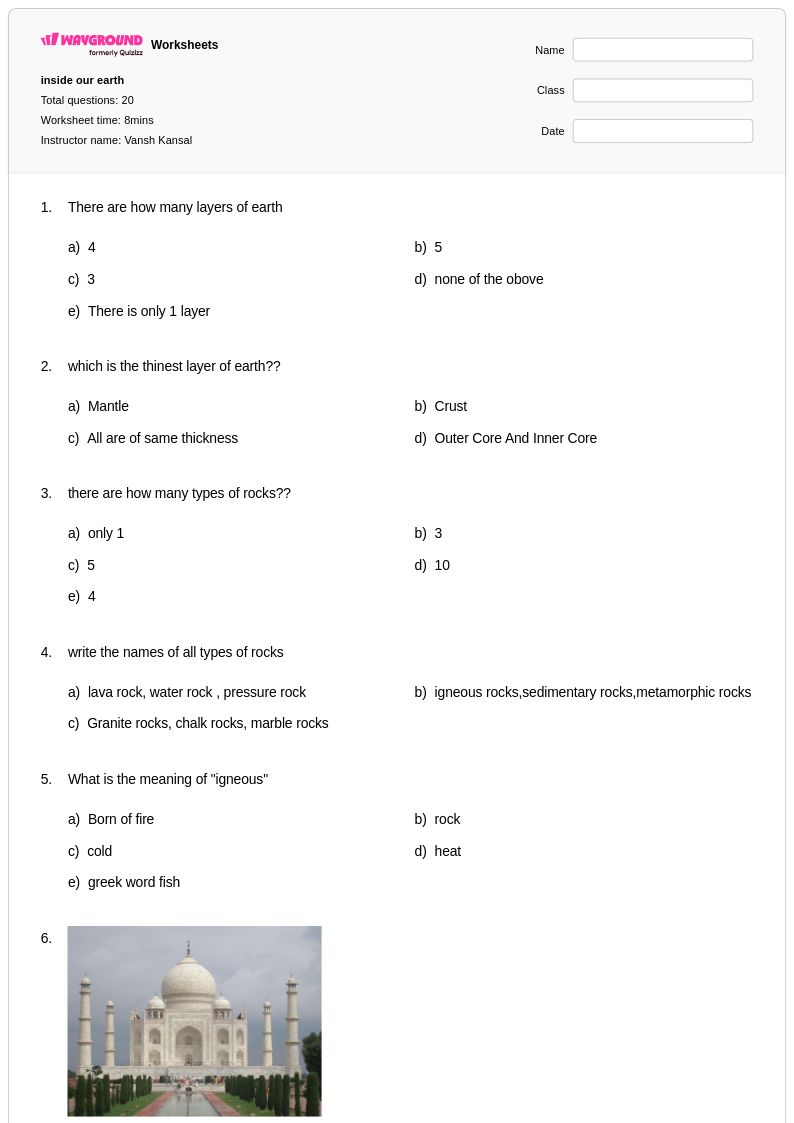
20 Q
1st - 3rd
24 Q
1st
36 Q
1st - 5th
20 Q
1st - 4th
Explore Other Subject Worksheets for class 1
Explore printable Earth Day worksheets for Class 1
Earth Day worksheets for Class 1 available through Wayground (formerly Quizizz) introduce young learners to environmental awareness and community responsibility through age-appropriate activities and engaging content. These carefully designed printables help first-grade students develop foundational understanding of caring for our planet while strengthening essential skills in reading comprehension, critical thinking, and civic awareness. The worksheet collection includes practice problems that encourage students to identify ways they can help protect the environment, recognize the importance of recycling and conservation, and understand their role as community members in preserving Earth's natural resources. Each free worksheet comes with a comprehensive answer key, making it easy for educators to assess student progress and provide targeted feedback on environmental concepts and social studies skills.
Wayground (formerly Quizizz) empowers teachers with access to millions of educator-created Earth Day resources specifically tailored for Class 1 social studies instruction. The platform's robust search and filtering capabilities allow educators to quickly locate worksheets that align with curriculum standards and match their students' diverse learning needs. Teachers can customize these printable and digital materials, including pdf formats, to support differentiated instruction, whether they need simplified activities for struggling learners or enrichment challenges for advanced students. This extensive collection streamlines lesson planning by providing ready-to-use resources for introducing environmental concepts, reinforcing community values, and developing cultural awareness, while offering flexible options for both classroom instruction and independent practice that support remediation and skill-building across various learning environments.
FAQs
How do I teach Earth Day concepts in a meaningful way across grade levels?
What kinds of activities help students practice environmental stewardship skills?
What common misconceptions do students have about Earth Day and environmental responsibility?
How can I differentiate Earth Day worksheets for students with different learning needs?
How do I use Wayground's Earth Day worksheets in my classroom?