Free Printable Ellis Island Worksheets for Class 8
Explore free Class 8 Ellis Island worksheets and printables that help students understand immigration history through engaging practice problems, with comprehensive PDF resources and answer keys available.
Explore printable Ellis Island worksheets for Class 8
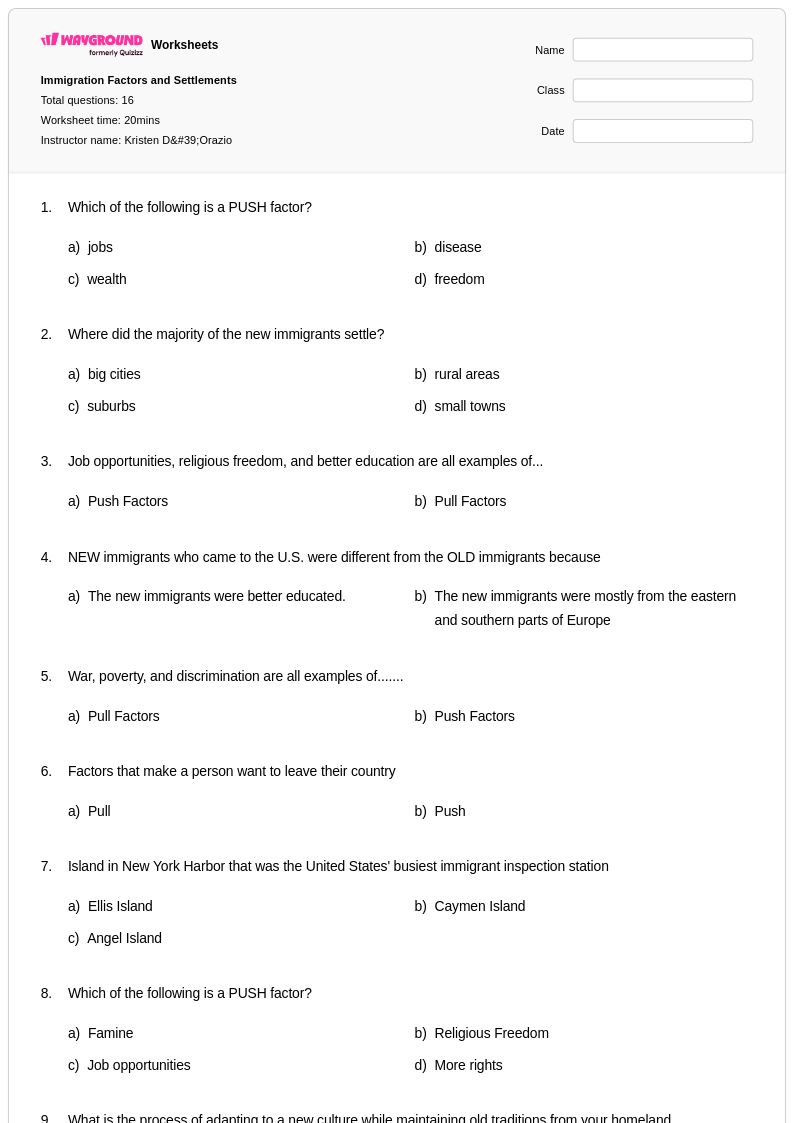
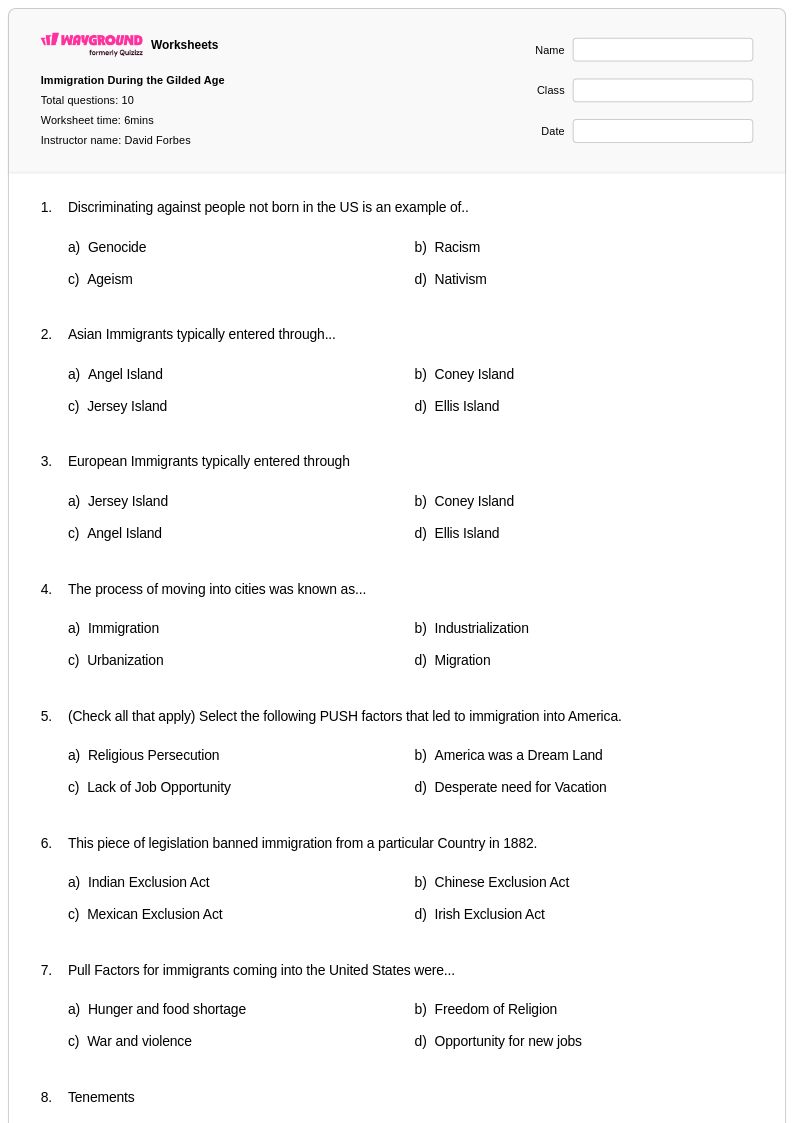
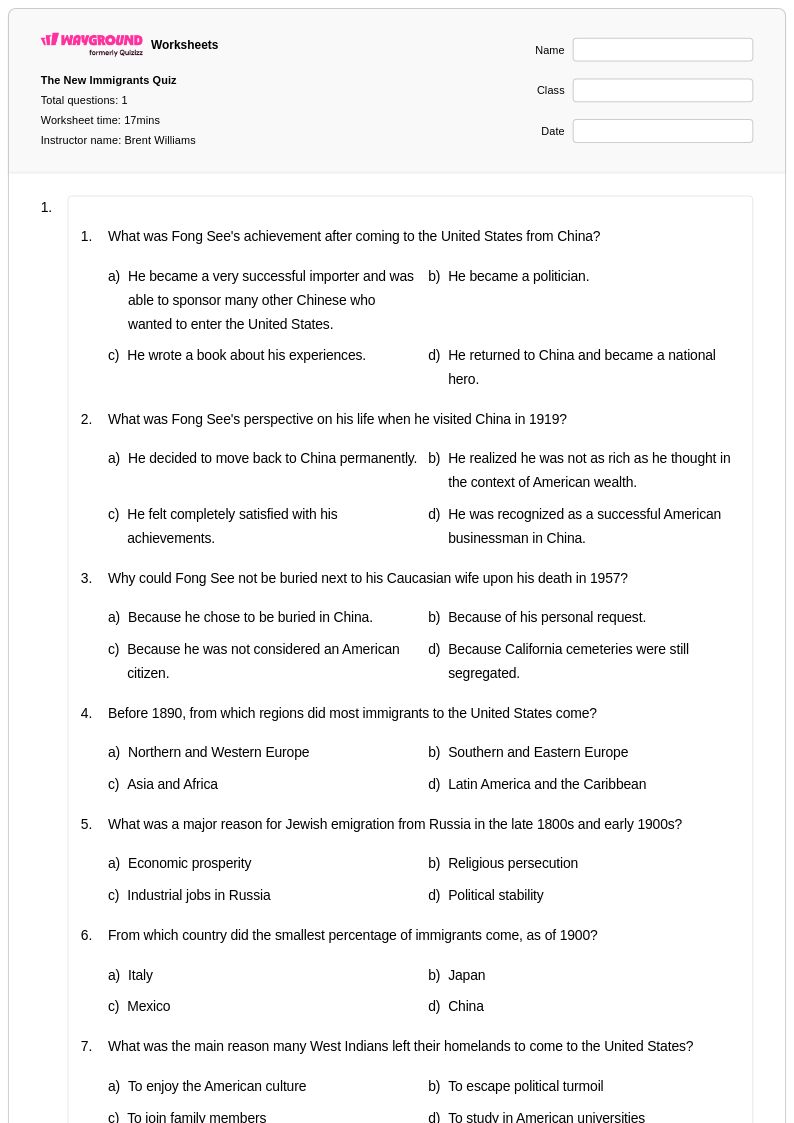
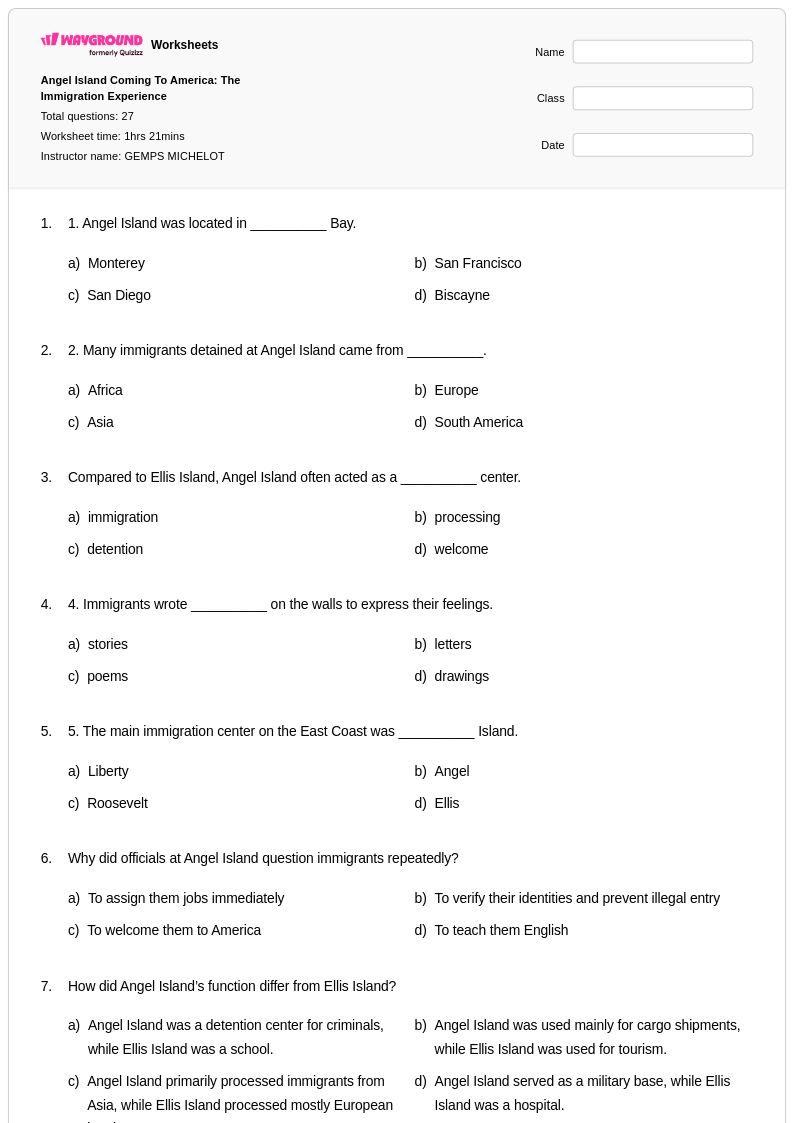
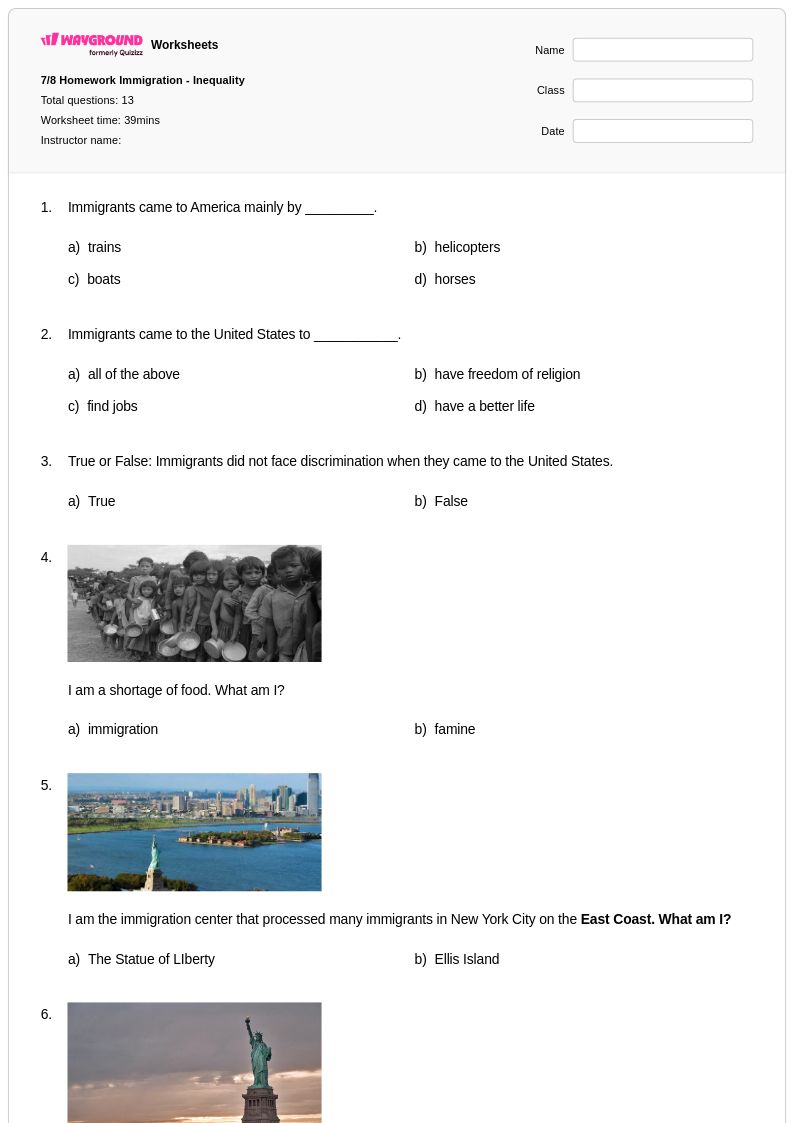
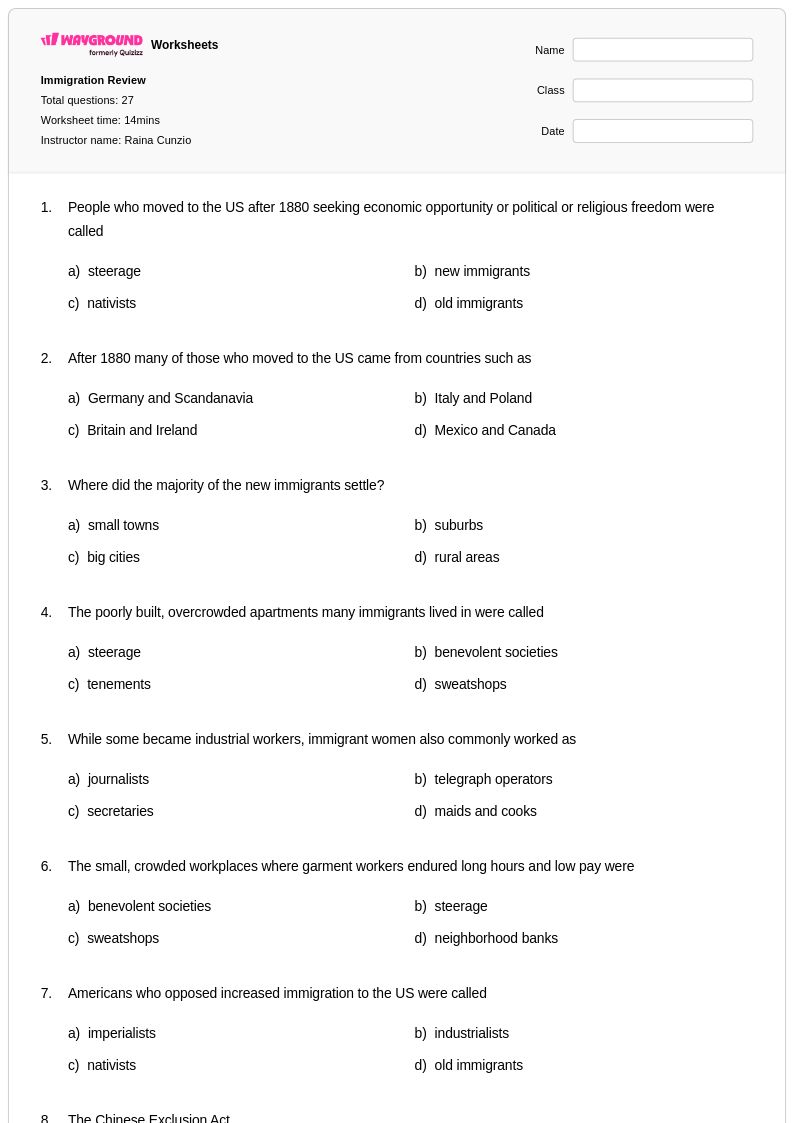
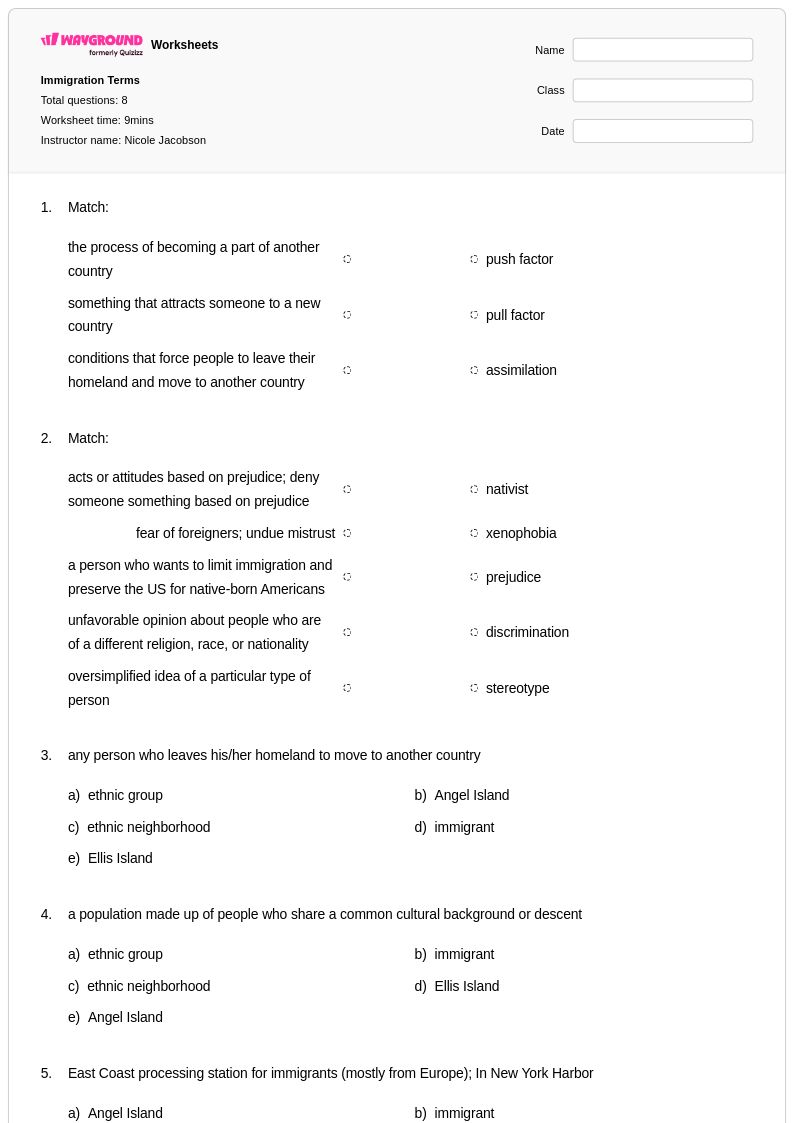
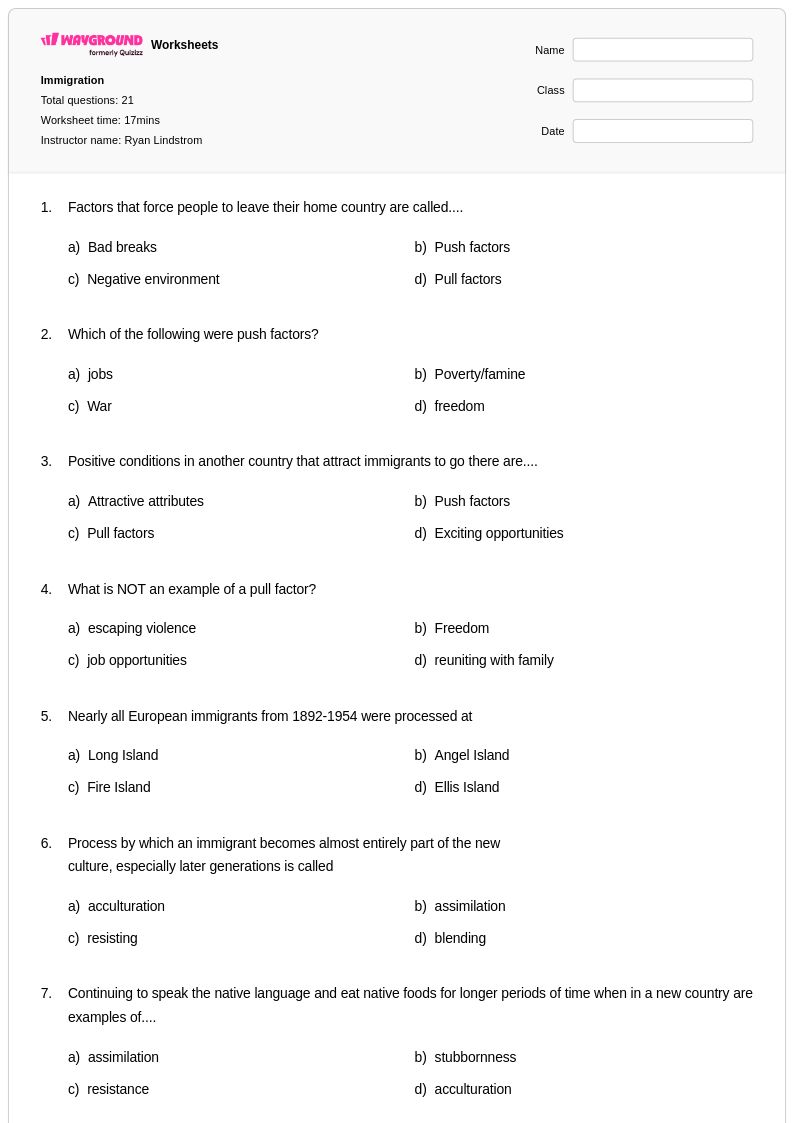
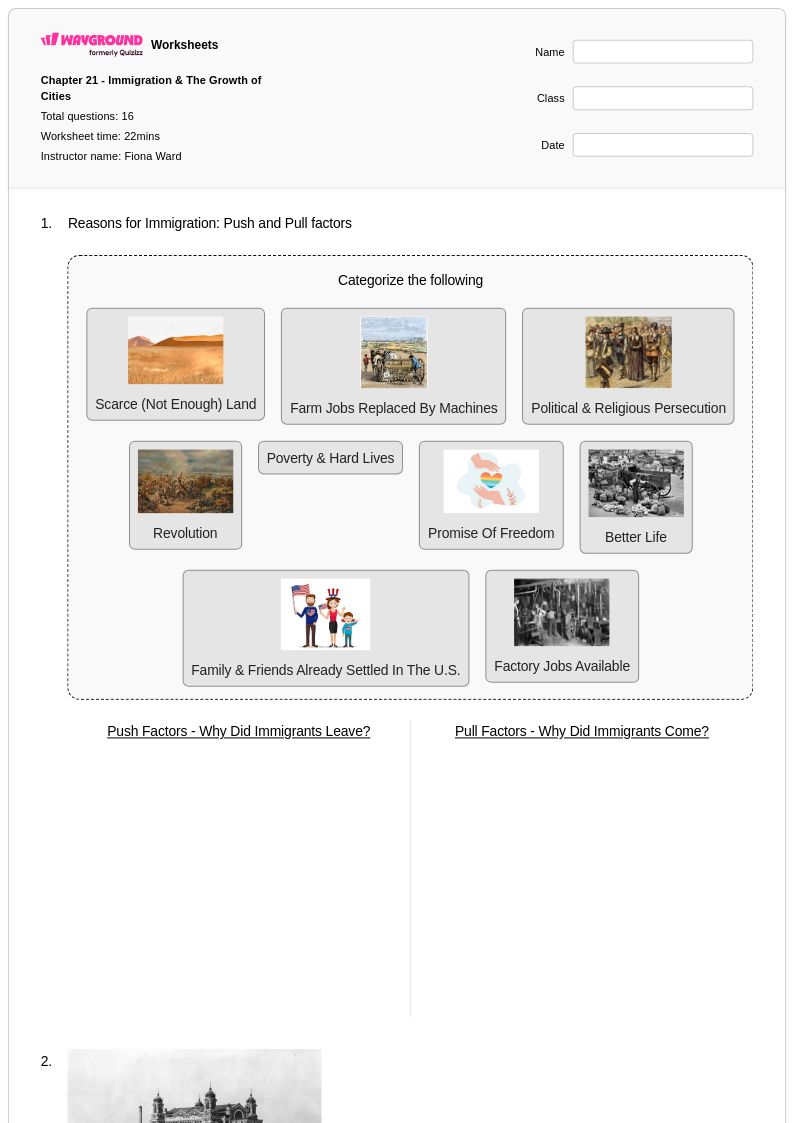
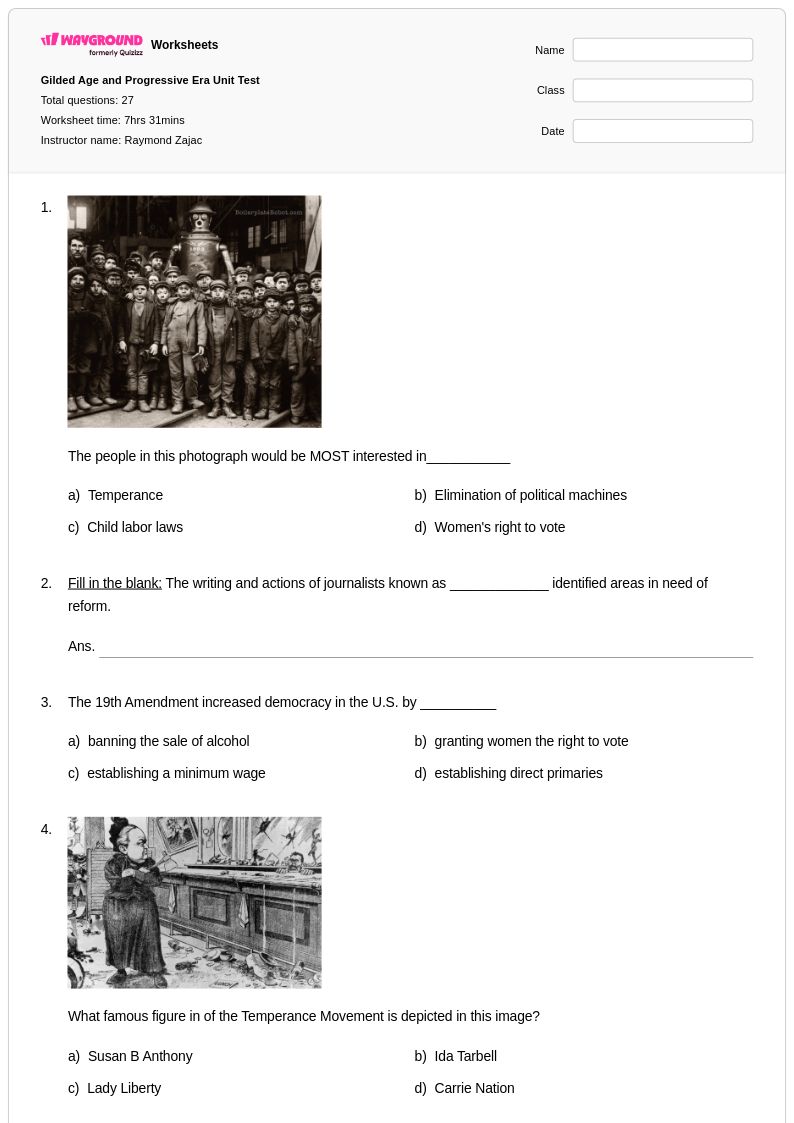
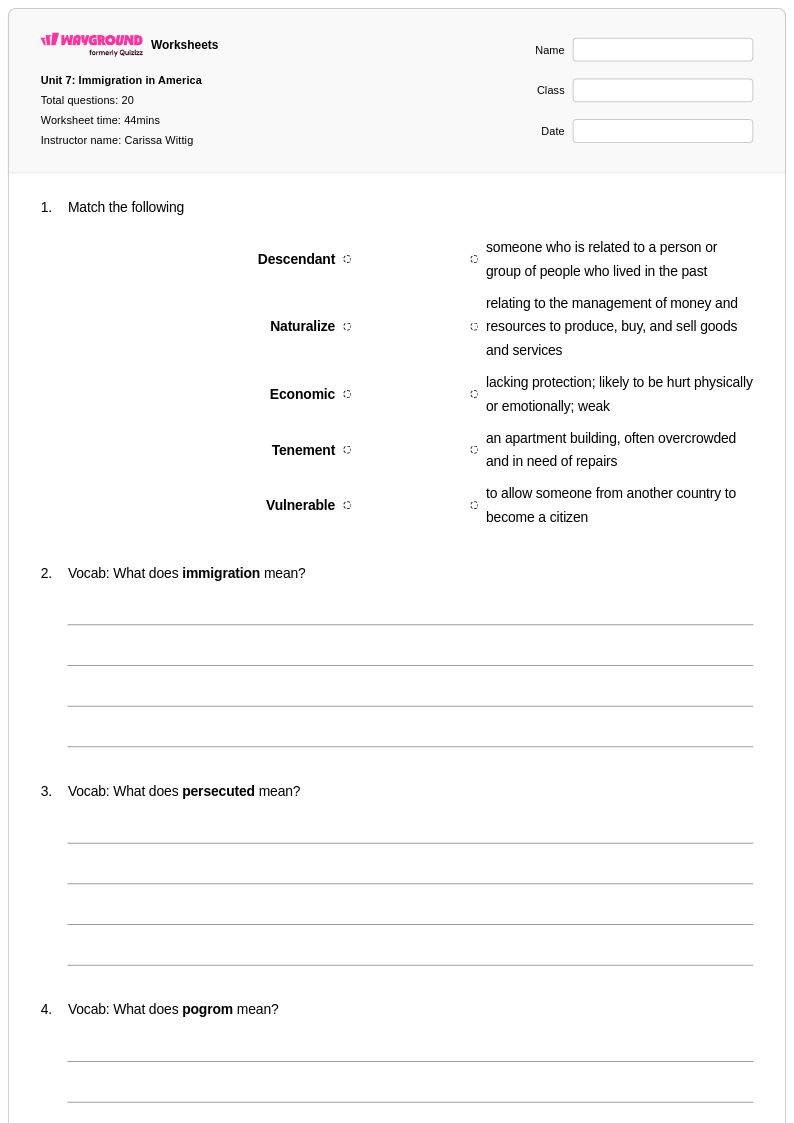
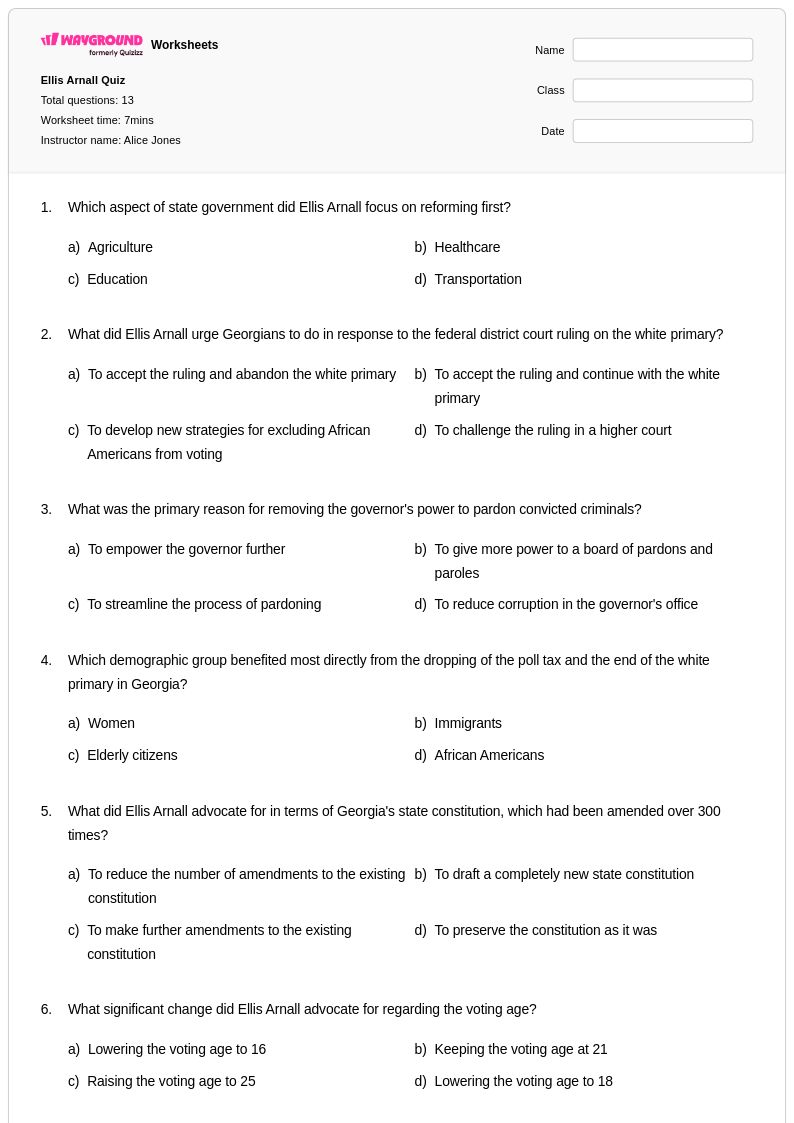
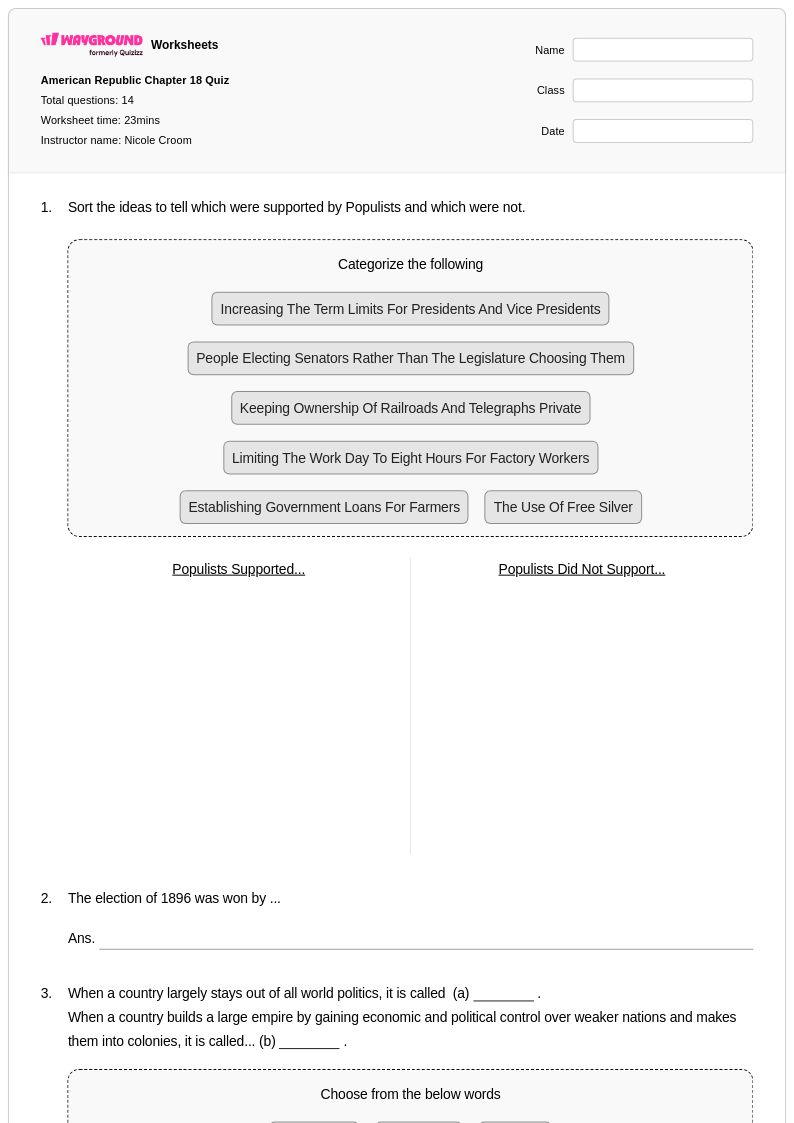
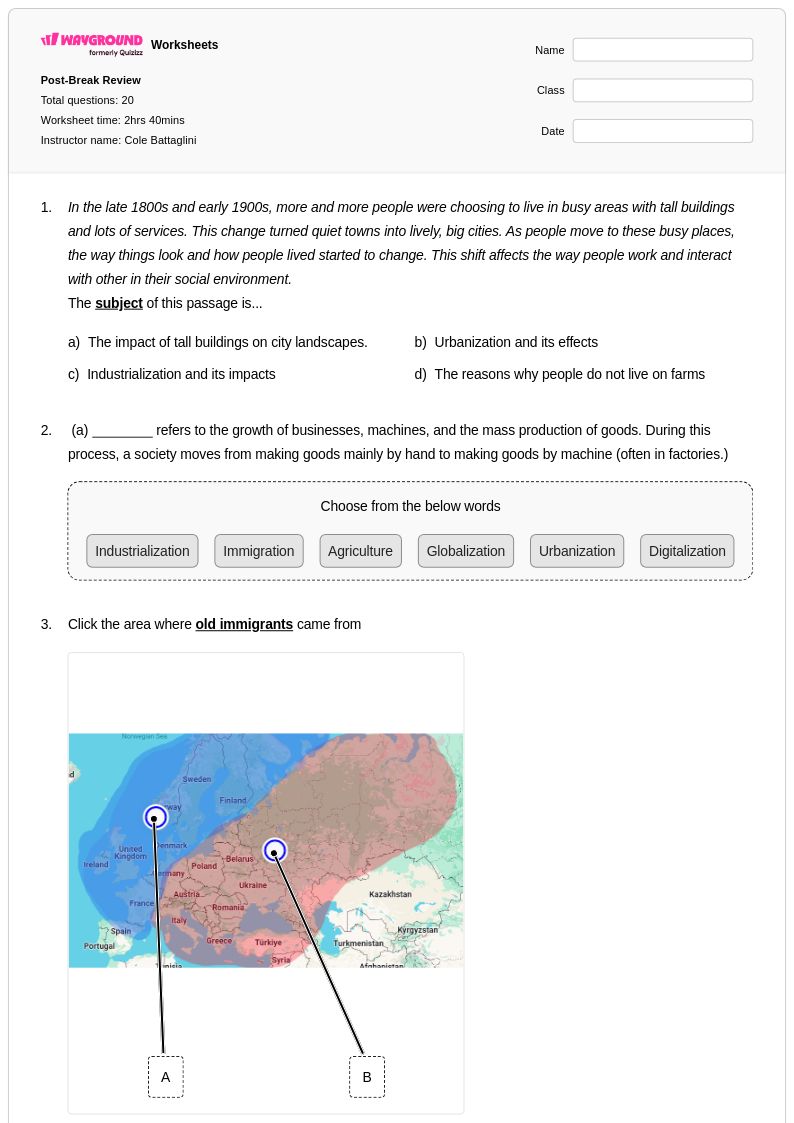
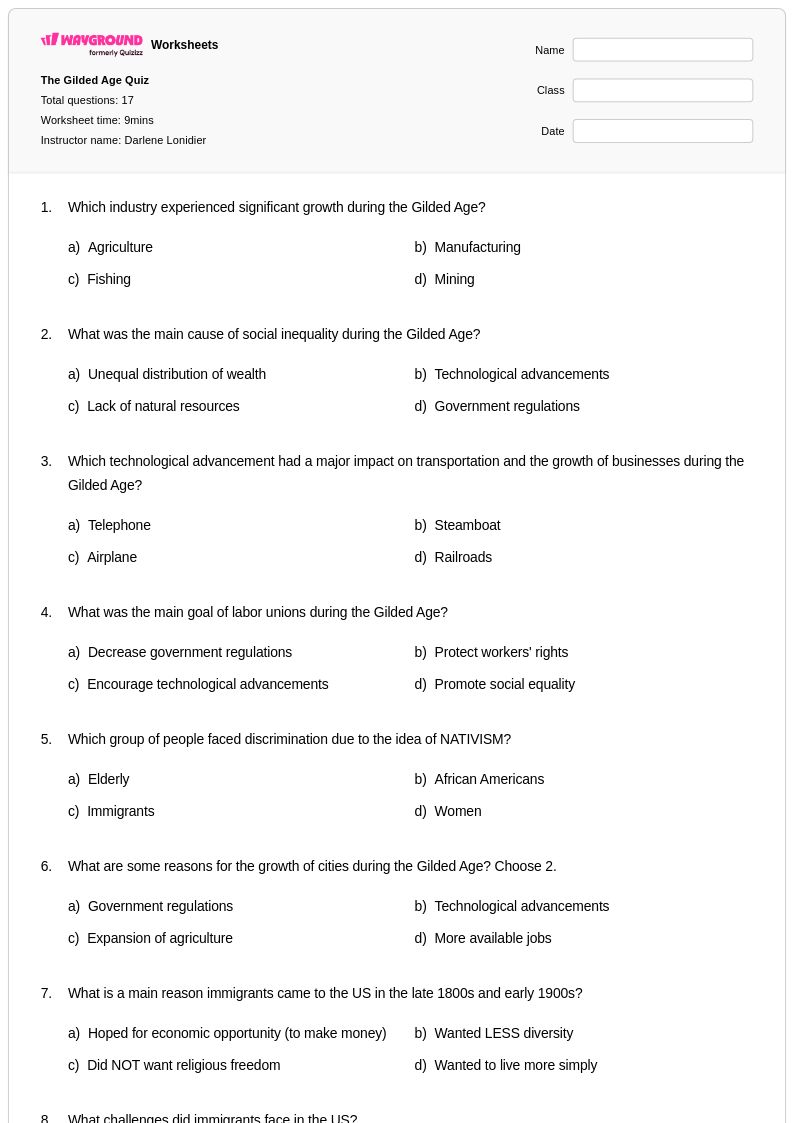
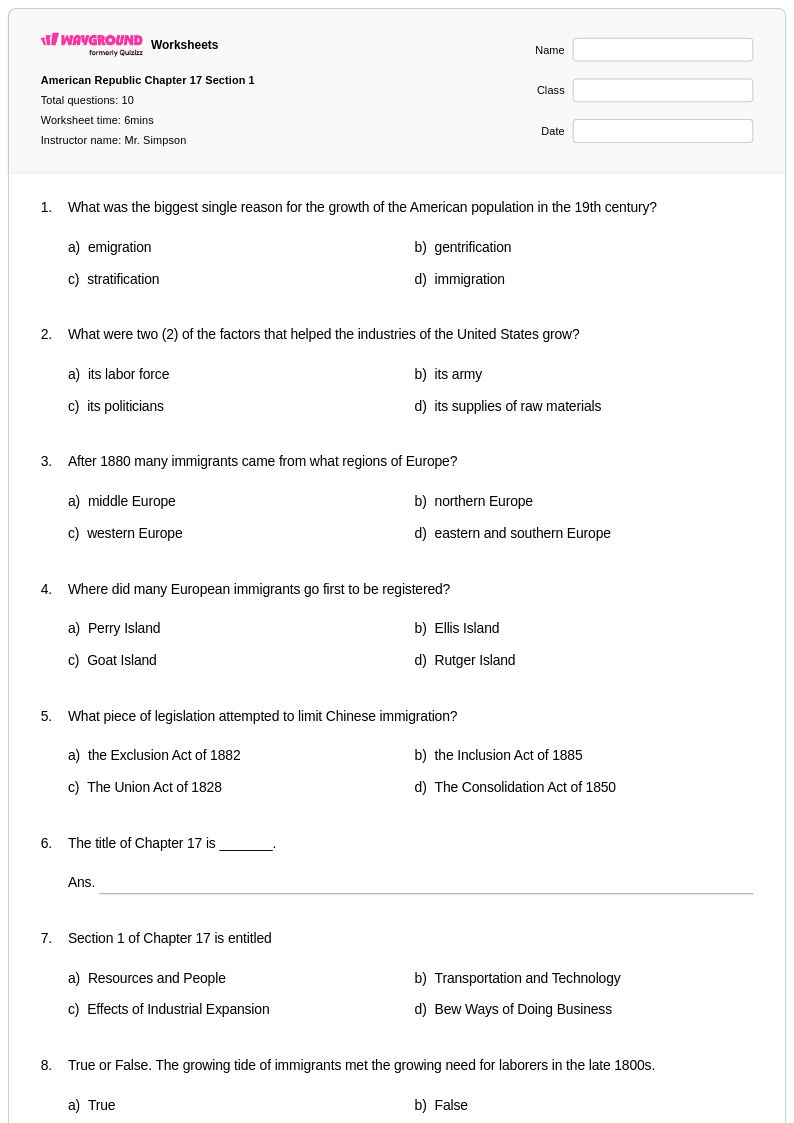
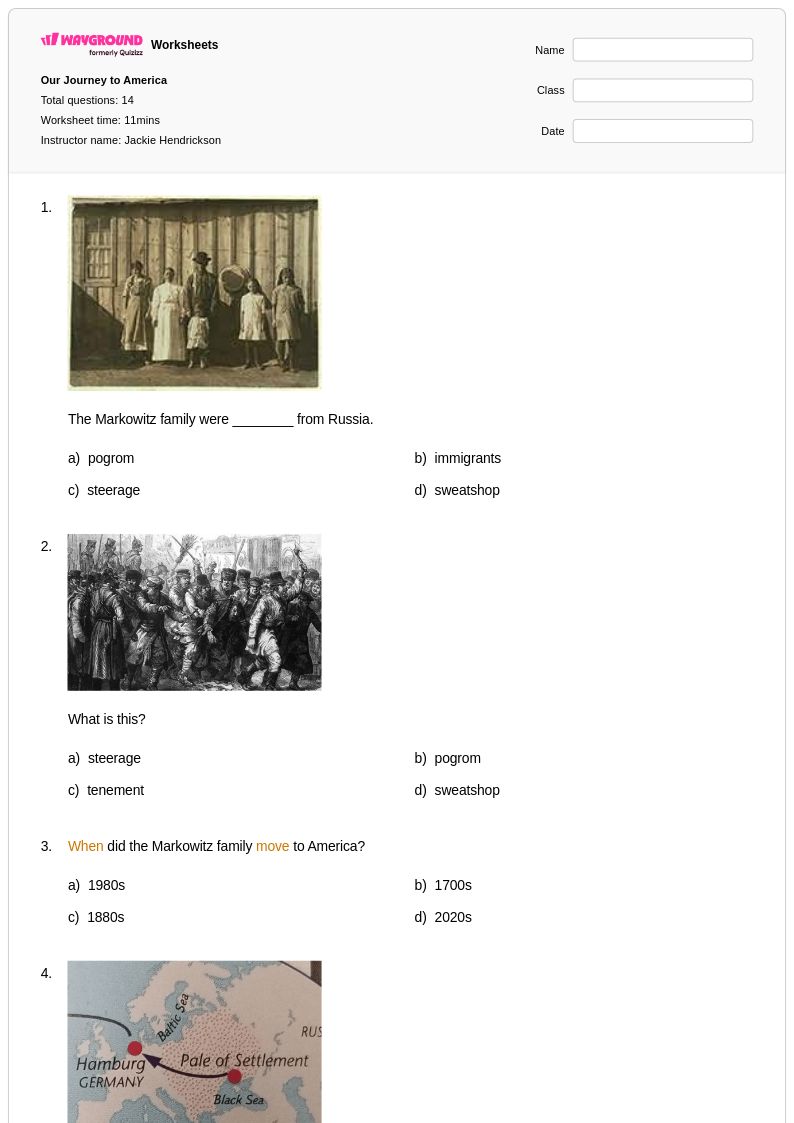
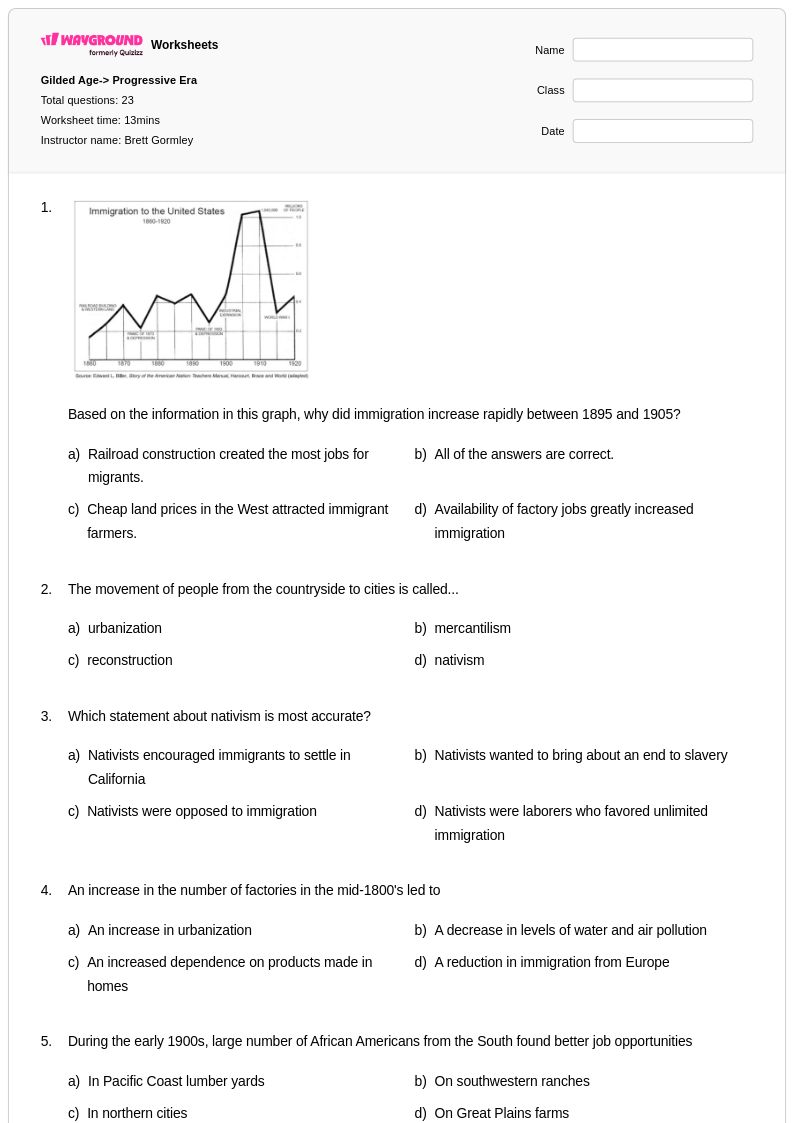
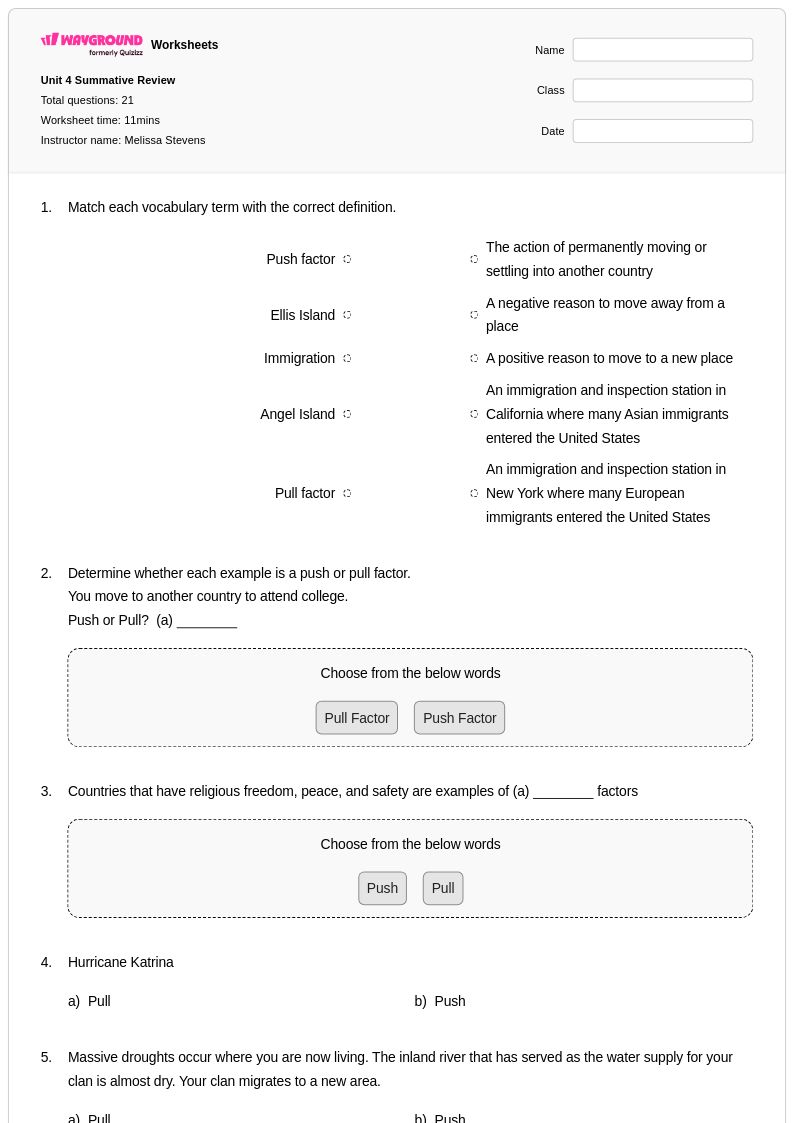
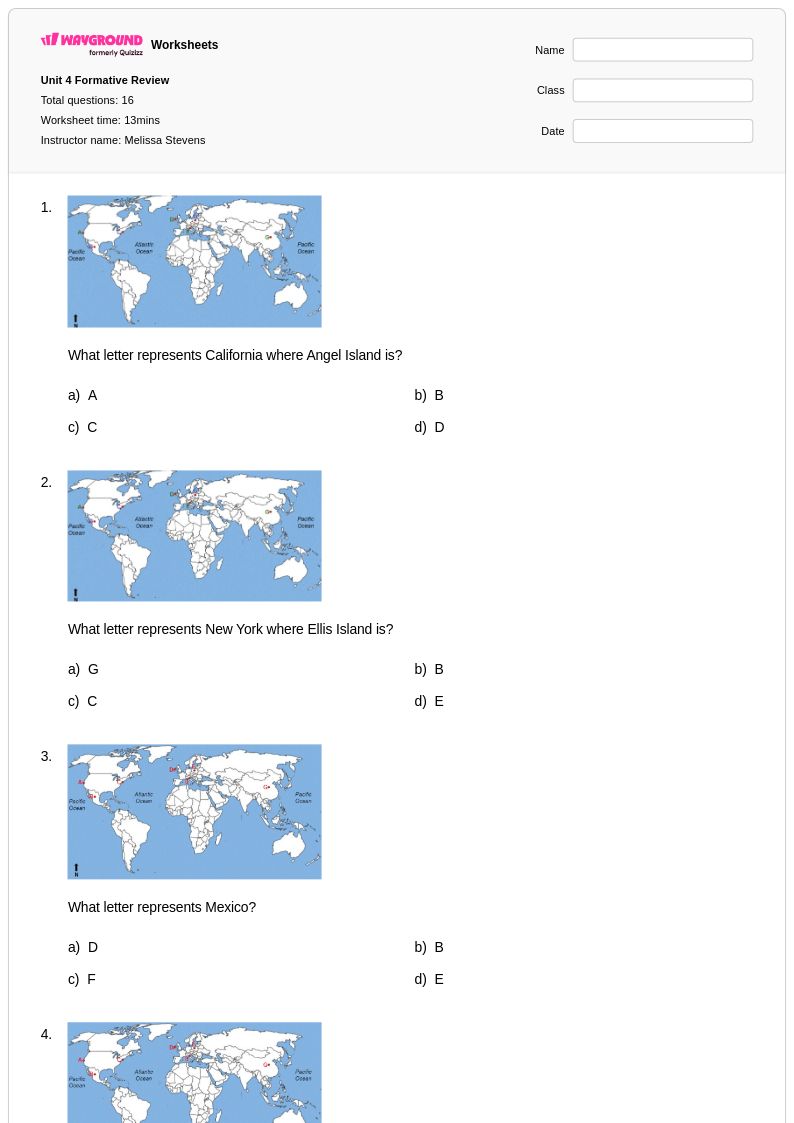
Ellis Island worksheets for Class 8 students available through Wayground (formerly Quizizz) provide comprehensive educational resources that explore this pivotal gateway to American immigration history. These carefully crafted materials help students develop critical thinking skills as they analyze primary source documents, examine immigration patterns, and understand the personal experiences of millions of immigrants who passed through Ellis Island between 1892 and 1954. The worksheets strengthen historical analysis abilities through practice problems that require students to interpret photographs, maps, and firsthand accounts, while building vocabulary related to immigration processes and cultural adaptation. Each worksheet comes with a detailed answer key to support both independent learning and teacher assessment, and the free printables are designed to engage eighth-grade learners with age-appropriate content that connects past immigration experiences to contemporary social studies themes.
Wayground (formerly Quizizz) empowers educators with an extensive collection of teacher-created Ellis Island resources drawn from millions of educational materials that have been developed and refined by classroom professionals. The platform's robust search and filtering capabilities allow teachers to quickly locate worksheets that align with specific learning standards and curriculum requirements, while differentiation tools enable customization for diverse learning needs within the Class 8 classroom. These Ellis Island worksheets are available in both printable pdf format and digital versions, providing flexibility for various instructional settings and learning preferences. Teachers can utilize these resources for lesson planning, targeted remediation for students who need additional support with immigration history concepts, enrichment activities for advanced learners, and regular skill practice that reinforces understanding of this crucial period in American social studies education.
FAQs
How do I teach Ellis Island to elementary and middle school students?
Teaching Ellis Island effectively starts with grounding students in the human stories behind the data. Use primary source photographs, personal narratives from immigrant families, and immigration records to make the experience concrete and emotionally resonant. Pairing timeline activities with push-and-pull factor analysis helps students understand both the chronology and the motivations driving migration to America between 1892 and 1954. Biographical studies of individual immigrant families are especially effective at building empathy alongside historical understanding.
What types of practice activities help students learn about Ellis Island?
Effective Ellis Island practice activities include primary source document analysis, timeline sequencing, and comparative exercises that examine the push and pull factors behind immigration. Having students analyze historical photographs and immigration records builds research and analytical skills while keeping content grounded in real historical evidence. Biographical studies of immigrant families add a personal dimension that helps students connect individual experiences to broader patterns of cultural assimilation and national development.
What common misconceptions do students have about Ellis Island?
A common misconception is that Ellis Island was the only or primary entry point for all immigrants to America, when in fact it served primarily European immigrants arriving in the late 19th and early 20th centuries. Students also frequently misunderstand the immigration inspection process, often assuming it was a simple formality rather than a rigorous and sometimes life-altering procedure. Another error is conflating Ellis Island's role with broader U.S. immigration policy, missing the distinction between the processing center itself and the legislative forces shaping who was admitted or excluded.
How do I use Ellis Island worksheets in my classroom?
Ellis Island worksheets on Wayground are available as printable PDFs for traditional classroom use and in digital formats for technology-integrated or hybrid learning environments, including the option to host them as a quiz directly on Wayground. Printable versions work well for document analysis and annotation activities, while digital formats allow for interactive engagement with immigration records and historical photographs. Both formats include complete answer keys, making it straightforward to use the materials for independent practice, small group work, or whole-class instruction.
How can I differentiate Ellis Island instruction for diverse learners?
Differentiation for Ellis Island content can include modifying text complexity, adjusting the number of primary sources students analyze at once, or providing sentence frames for written responses. On Wayground, teachers can apply student-level accommodations such as Read Aloud for students who need audio support, reduced answer choices to lower cognitive load, and extended time settings configurable per student. These accommodations can be assigned individually without notifying other students, allowing the rest of the class to work under default settings seamlessly.
How does Ellis Island connect to broader social studies standards?
Ellis Island is a central anchor for national social studies standards related to U.S. immigration history, cultural diversity, and civic identity. It connects to standards addressing historical thinking skills, including the analysis of primary sources and the evaluation of multiple perspectives on historical events. The topic also bridges into geography through migration patterns and into economics through the push-and-pull factors that drove millions of immigrants to seek entry into the United States between 1892 and 1954.