Free Printable Emotional Regulation Worksheets for Class 5
Class 5 emotional regulation worksheets and printables help students develop self-awareness and coping strategies through engaging practice problems, with free PDF downloads and comprehensive answer keys available.
Explore printable Emotional Regulation worksheets for Class 5
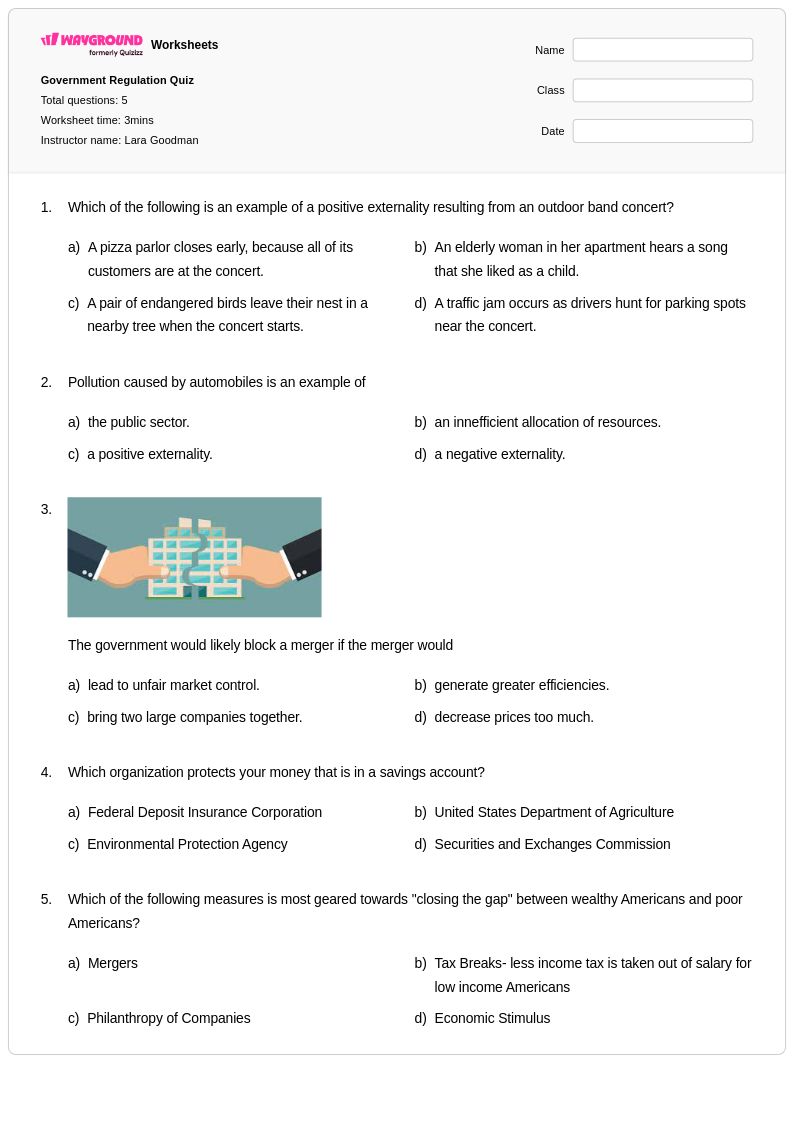
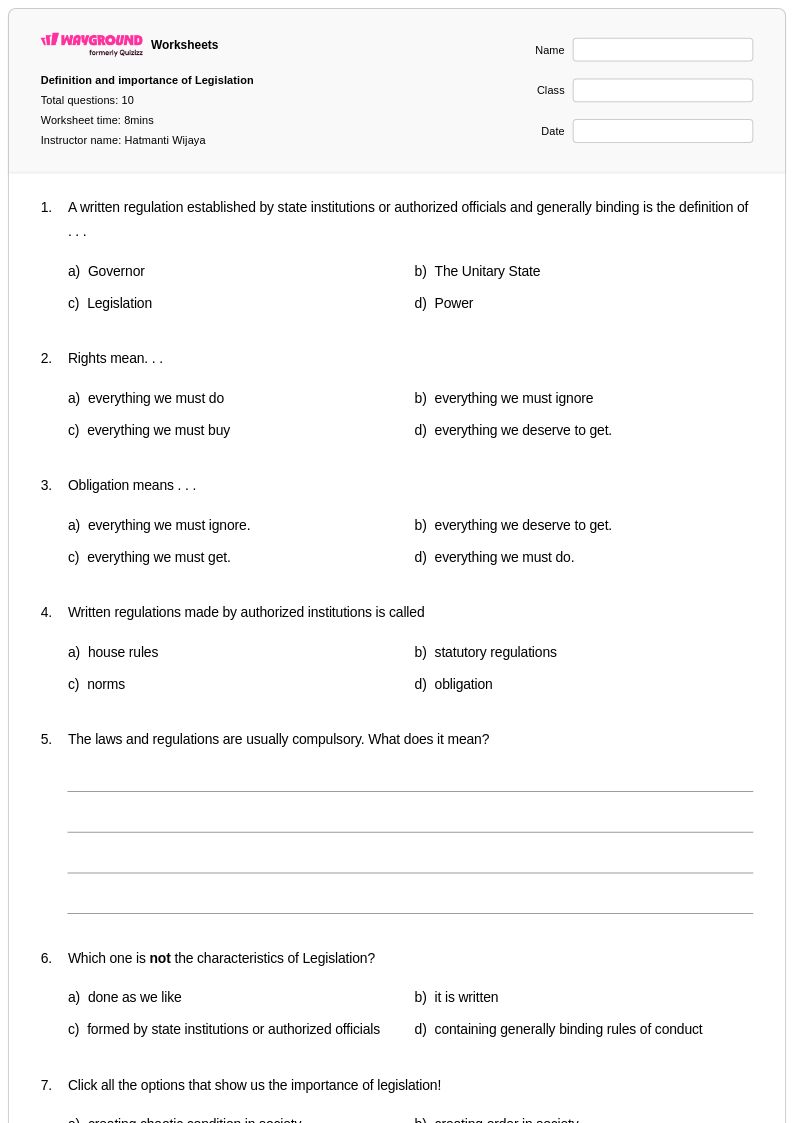
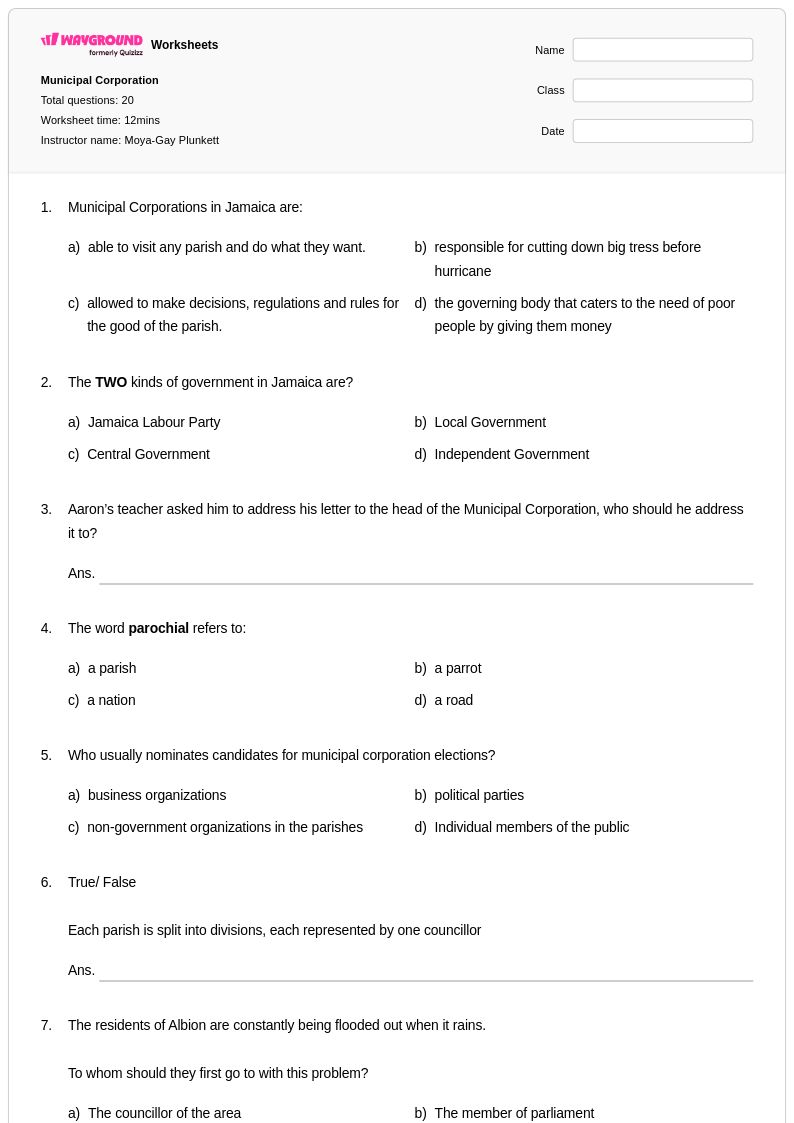
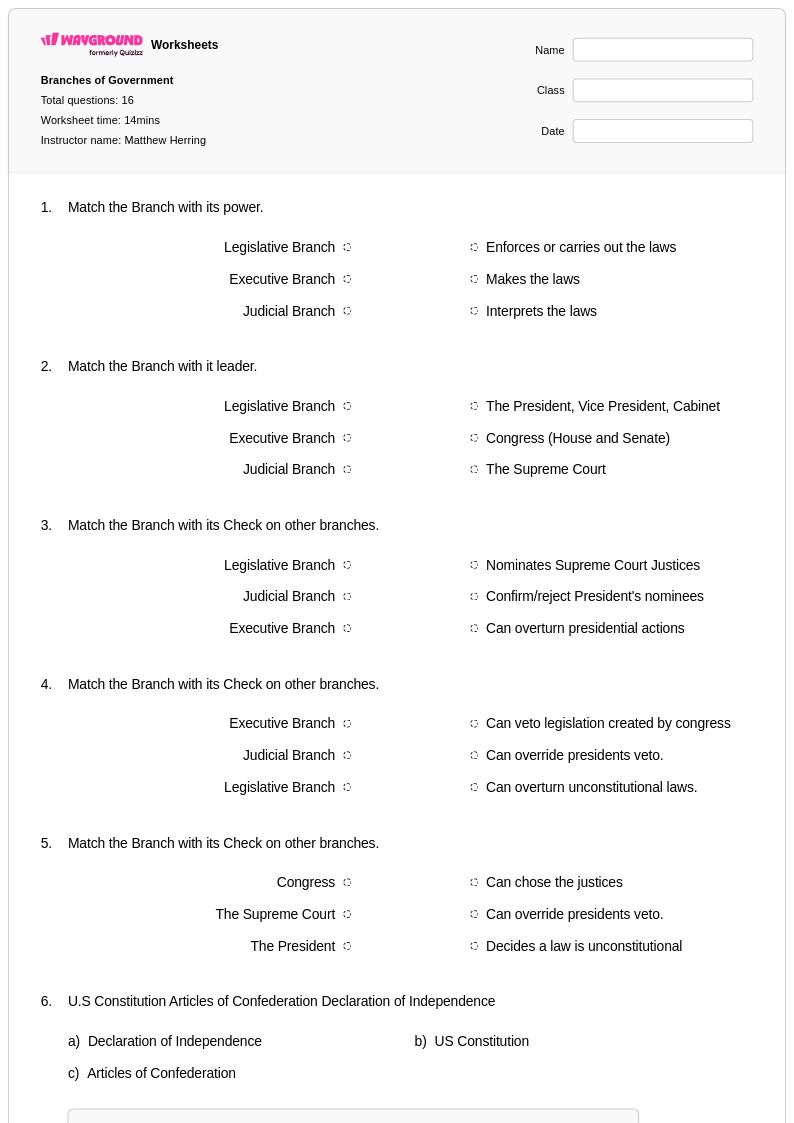
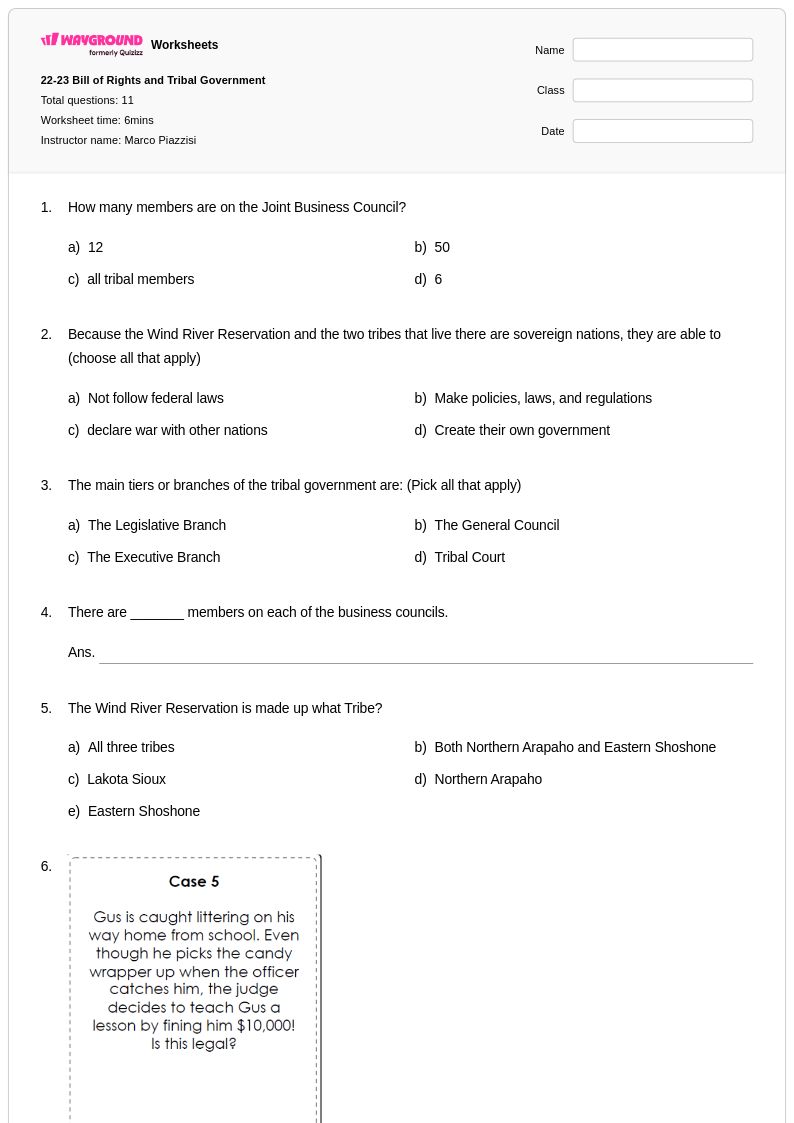
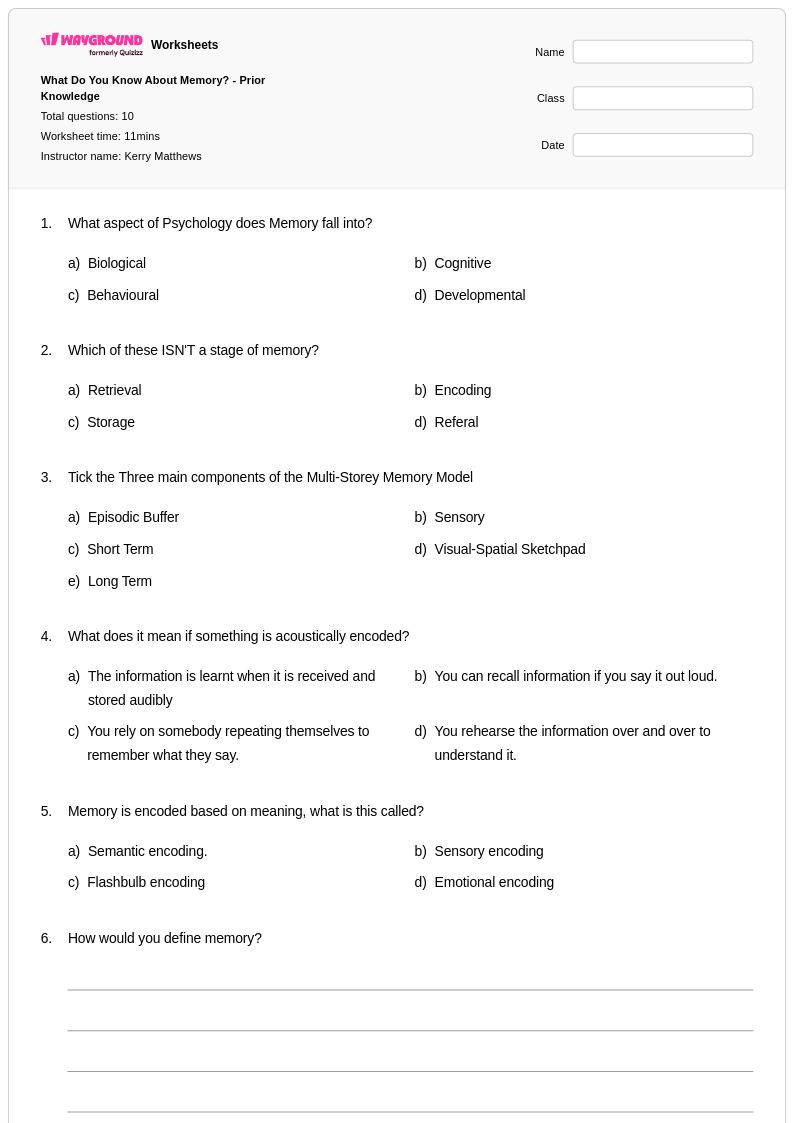
Emotional regulation worksheets for Class 5 students available through Wayground (formerly Quizizz) provide essential social-emotional learning opportunities that help young learners develop critical self-management skills. These comprehensive printables focus on teaching fifth graders how to identify, understand, and appropriately respond to their emotions in various social situations. The worksheets strengthen key competencies including recognizing emotional triggers, implementing coping strategies, understanding the connection between thoughts and feelings, and practicing appropriate responses to challenging circumstances. Students engage with practice problems that present real-world scenarios, guided reflection exercises, and skill-building activities that promote emotional awareness and self-control. Each worksheet collection includes detailed answer keys and assessment rubrics, making these free resources invaluable tools for systematic social skills instruction in the elementary classroom.
Wayground (formerly Quizizz) supports educators with an extensive collection of teacher-created emotional regulation resources specifically designed for Class 5 social studies curricula, drawing from millions of high-quality materials developed by experienced classroom professionals. The platform's robust search and filtering capabilities allow teachers to quickly locate worksheets that align with specific learning objectives and social-emotional learning standards, while differentiation tools enable customization for diverse student needs and ability levels. These resources are available in both printable pdf formats and interactive digital versions, providing flexibility for various instructional approaches and learning environments. Teachers utilize these comprehensive worksheet collections for targeted skill practice, remediation support for students struggling with emotional self-regulation, enrichment activities for advanced learners, and systematic lesson planning that builds emotional intelligence throughout the academic year.
FAQs
How do I teach emotional regulation skills to students?
Teaching emotional regulation works best through a structured, scaffolded approach that begins with helping students identify and name their emotions before progressing to recognizing triggers and practicing coping strategies. Classroom instruction should include direct teaching of techniques such as deep breathing, mindfulness, and positive self-talk, followed by guided practice using real-world scenarios. Consistent reinforcement across daily routines, not just isolated lessons, is what makes these skills stick.
What exercises help students practice emotional regulation?
Effective practice exercises include emotion identification activities, trigger-mapping tasks, coping strategy choice boards, and scenario-based problem-solving where students decide how to respond to challenging social situations. Structured reflection prompts after conflicts or stressful events also build self-awareness over time. Worksheets that walk students through these steps systematically are especially useful for building the habit of pausing and responding rather than reacting.
What mistakes do students commonly make when learning emotional regulation?
A common misconception is that emotional regulation means suppressing or ignoring emotions rather than managing how one responds to them. Students often struggle to distinguish between feeling an emotion and acting on it impulsively, which is a critical distinction to address early. Another frequent error is defaulting to avoidance coping strategies rather than building a toolkit of active, healthy responses to stressors.
How can I differentiate emotional regulation instruction for students with different needs?
Differentiation can include simplified emotion vocabulary lists and visual supports for younger or struggling learners, while advanced students can engage with more complex scenario analysis and perspective-taking tasks. On Wayground, teachers can apply accommodations such as Read Aloud for students who need audio support, reduced answer choices to lower cognitive load, and extended time for students who need additional processing time. These settings can be assigned individually so each student receives appropriate support without singling anyone out.
How do I use Wayground's emotional regulation worksheets in my classroom?
Wayground's emotional regulation worksheets are available as printable PDFs for traditional classroom use and in digital formats for technology-integrated or remote learning environments. Teachers can also host these materials as an interactive quiz directly on Wayground, which allows for real-time student engagement and automatic scoring. Each worksheet includes answer keys, supporting both independent student practice and teacher-led instruction.
At what age or grade level should emotional regulation instruction begin?
Emotional regulation instruction is most effective when introduced in early childhood and reinforced consistently through secondary school, as the foundational skills built in K-2 directly support the more complex social-emotional demands students face in middle and high school. Early grades focus on emotion identification and basic coping strategies, while upper grades address more nuanced topics like managing peer conflict, academic stress, and long-term self-regulation habits.