Free Printable Self-monitoring Worksheets for Class 5
Enhance Class 5 students' self-monitoring abilities with Wayground's comprehensive collection of free Social Studies worksheets, featuring engaging printables, practice problems, and complete answer keys in convenient PDF format.
Explore printable Self-monitoring worksheets for Class 5
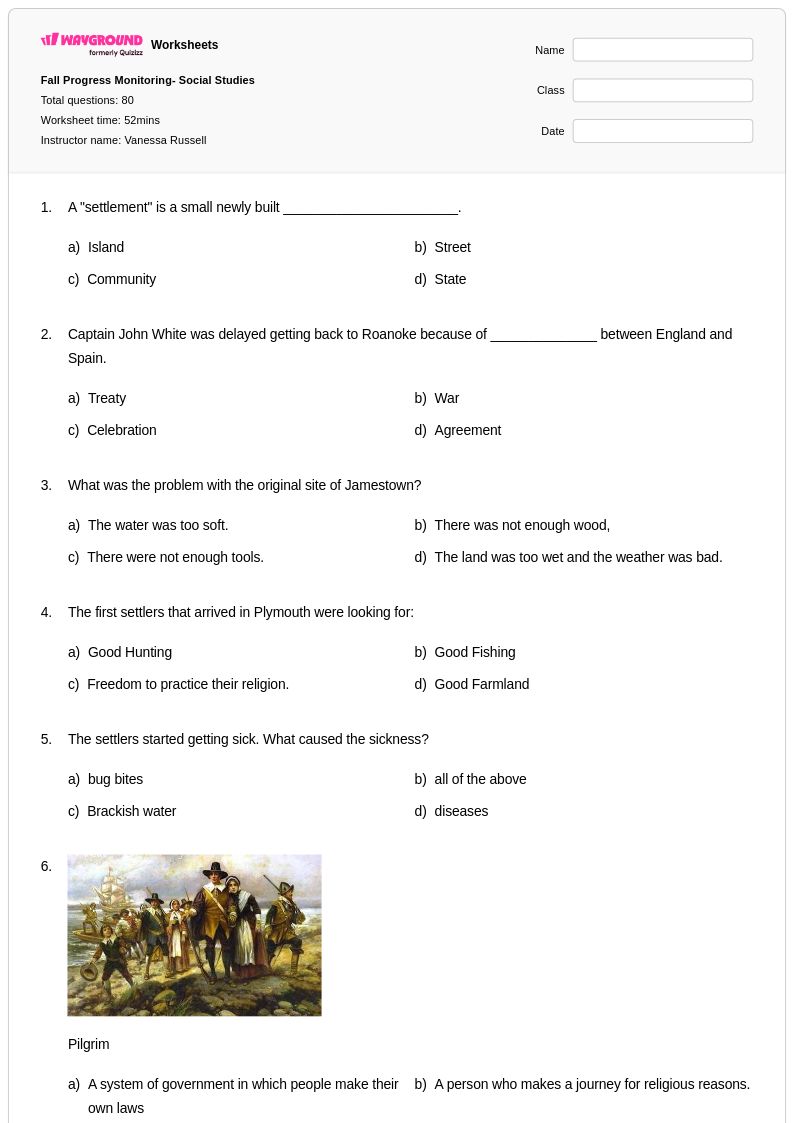
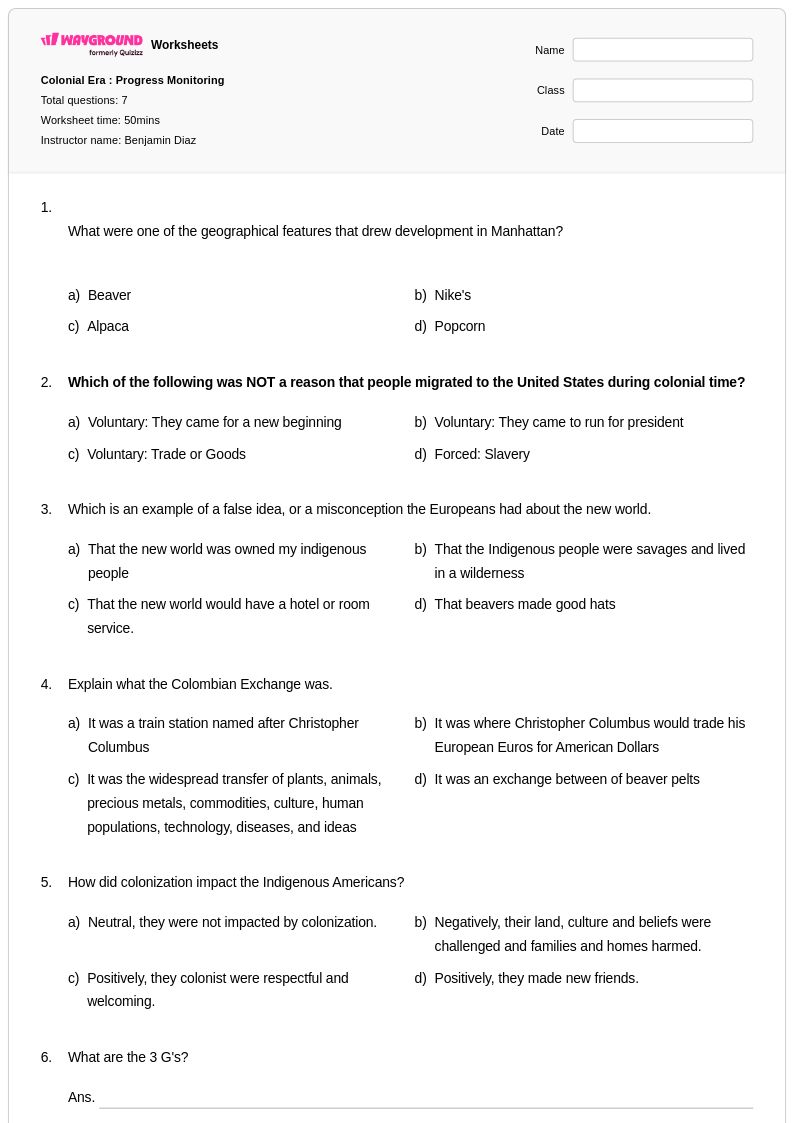
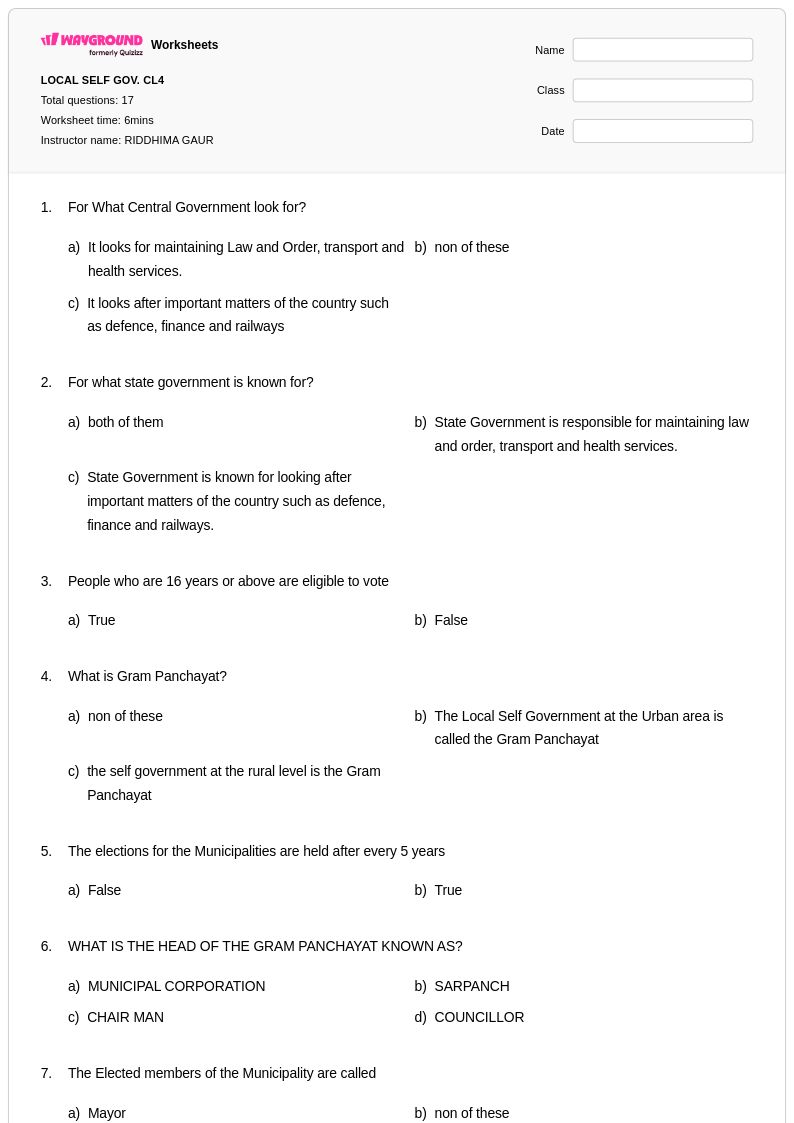
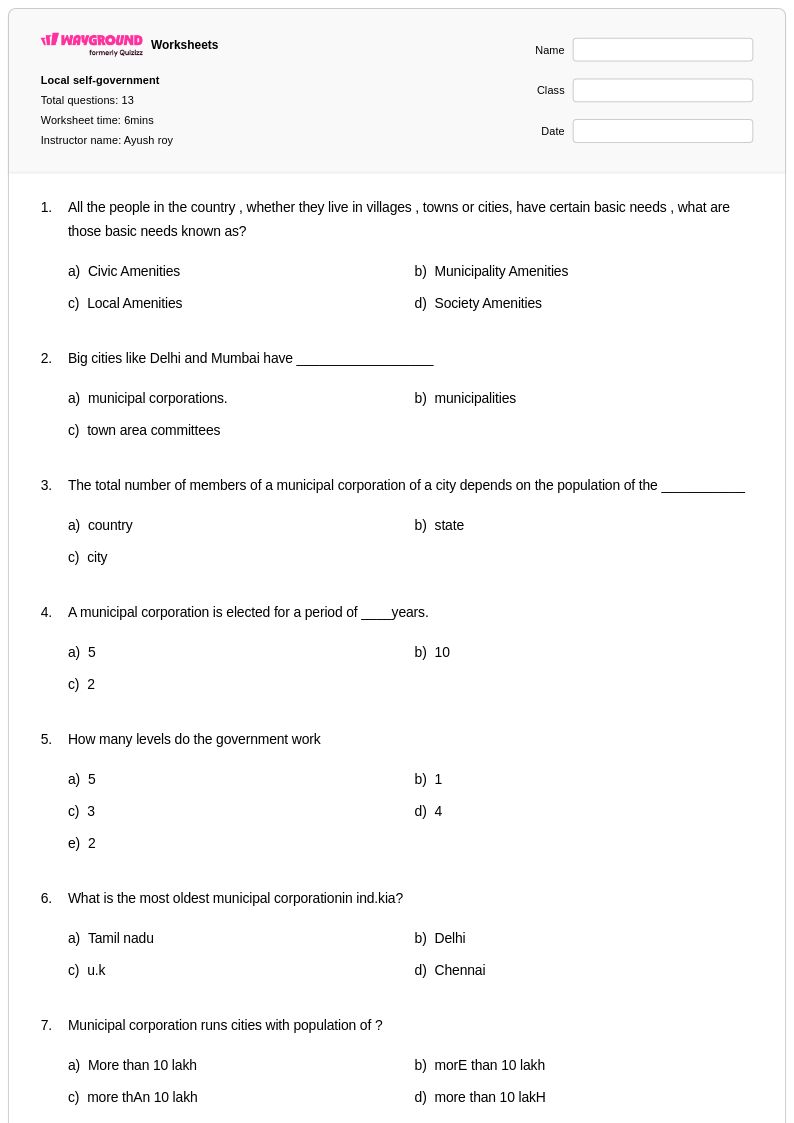
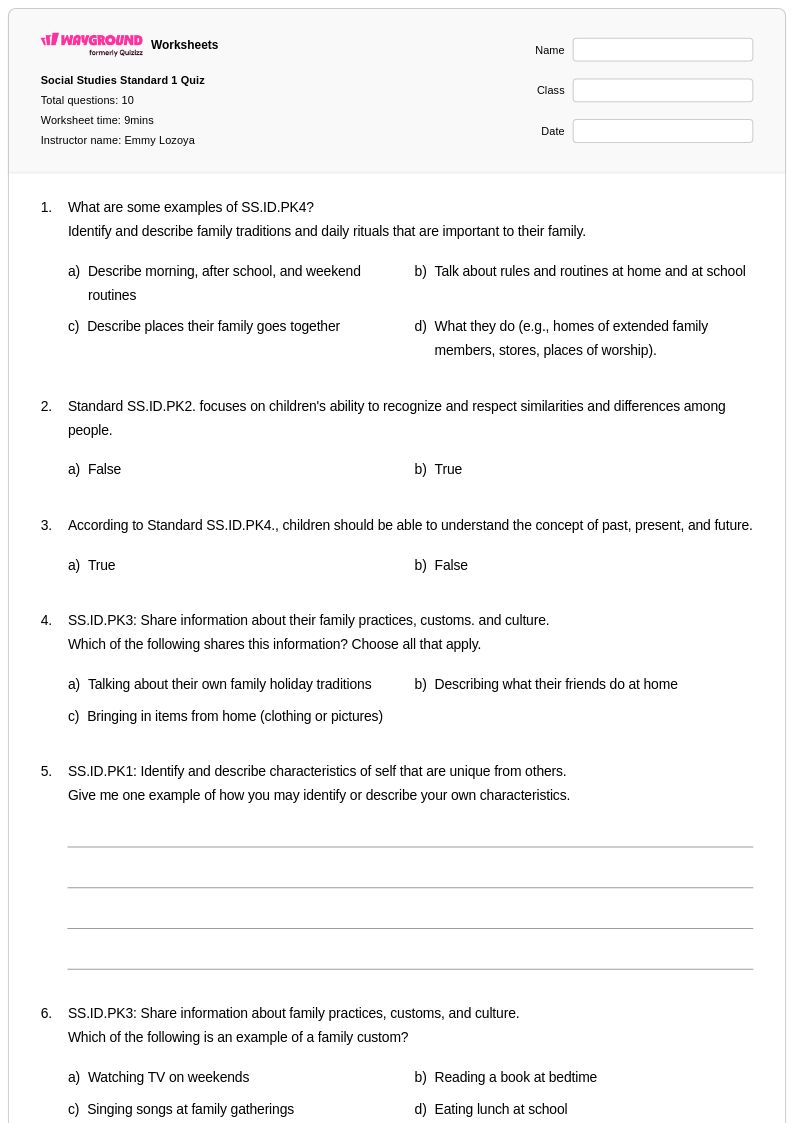
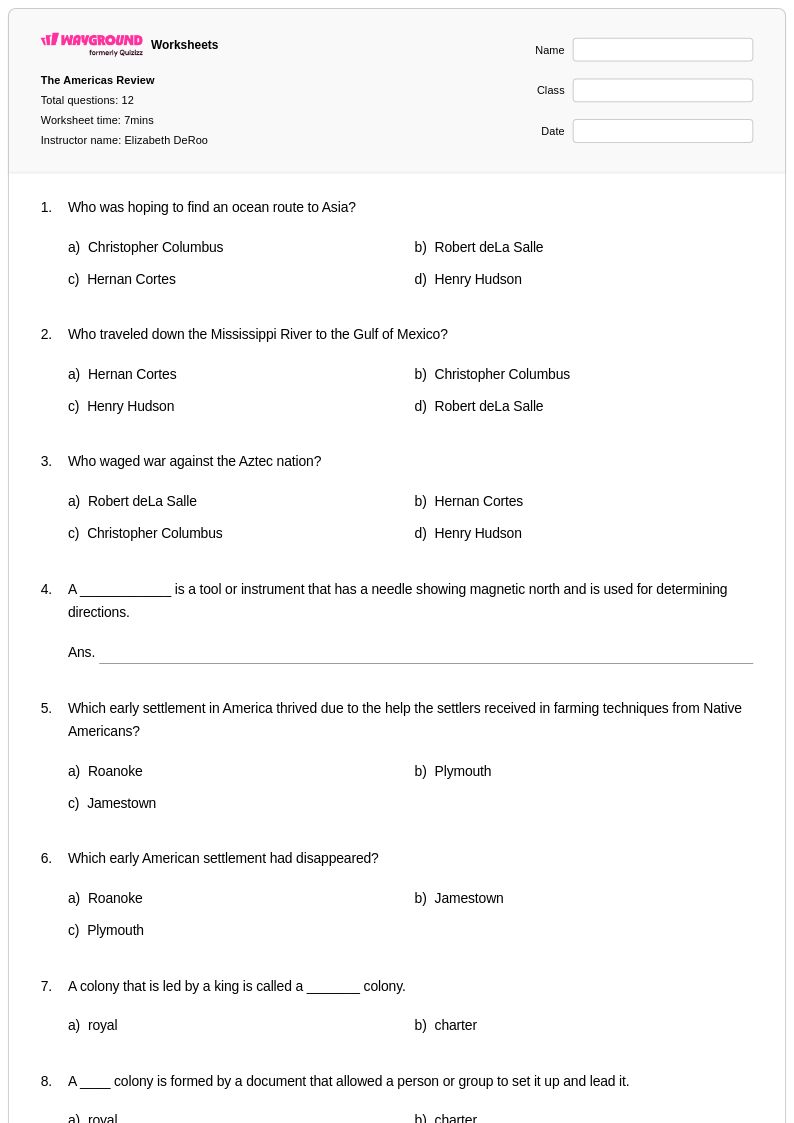
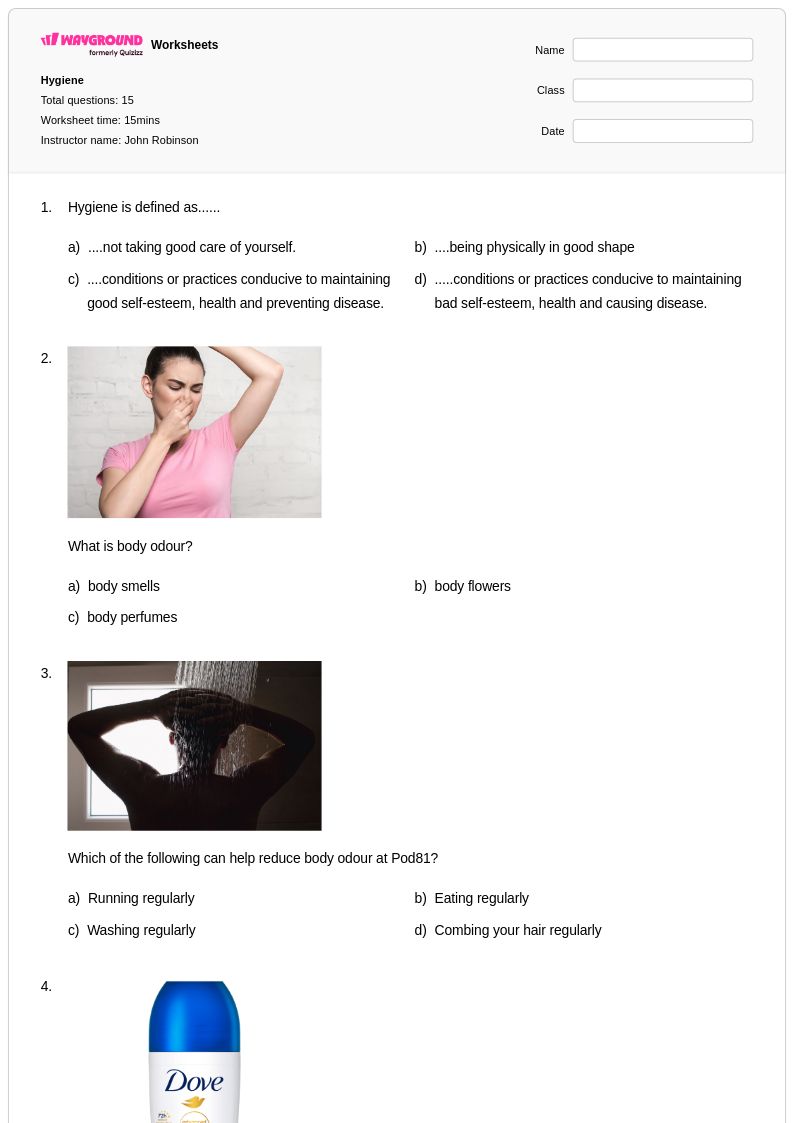
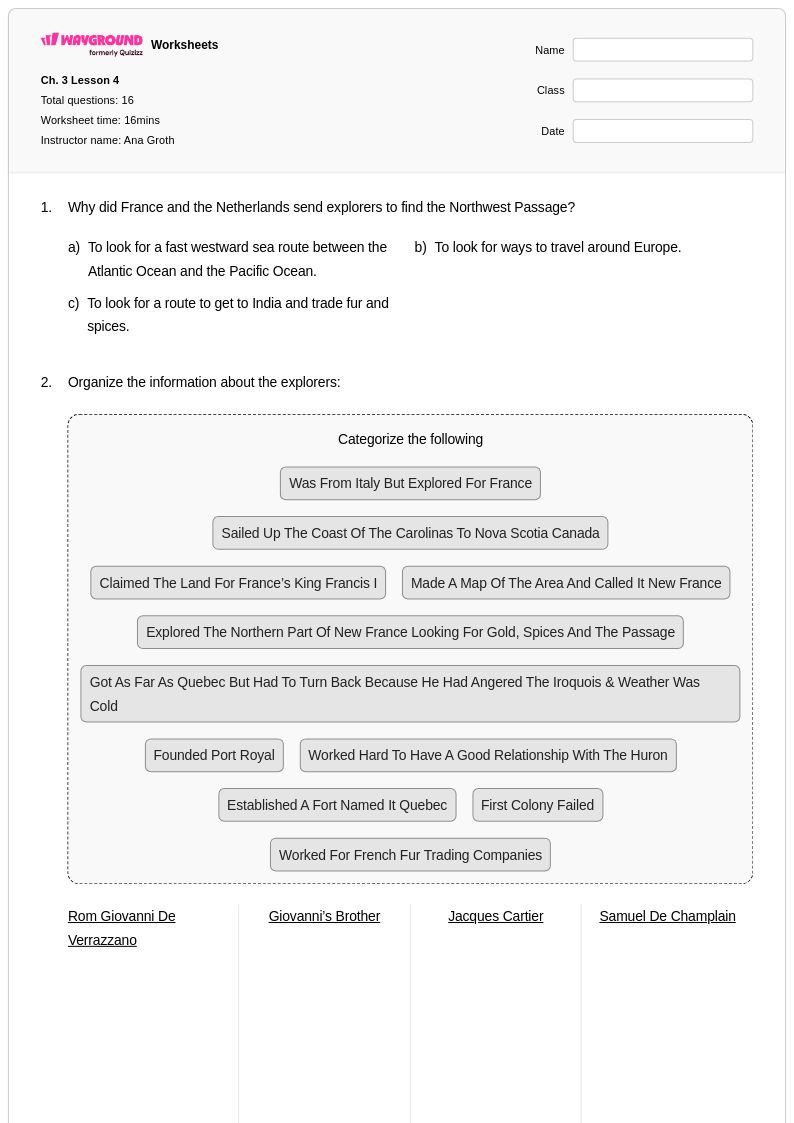
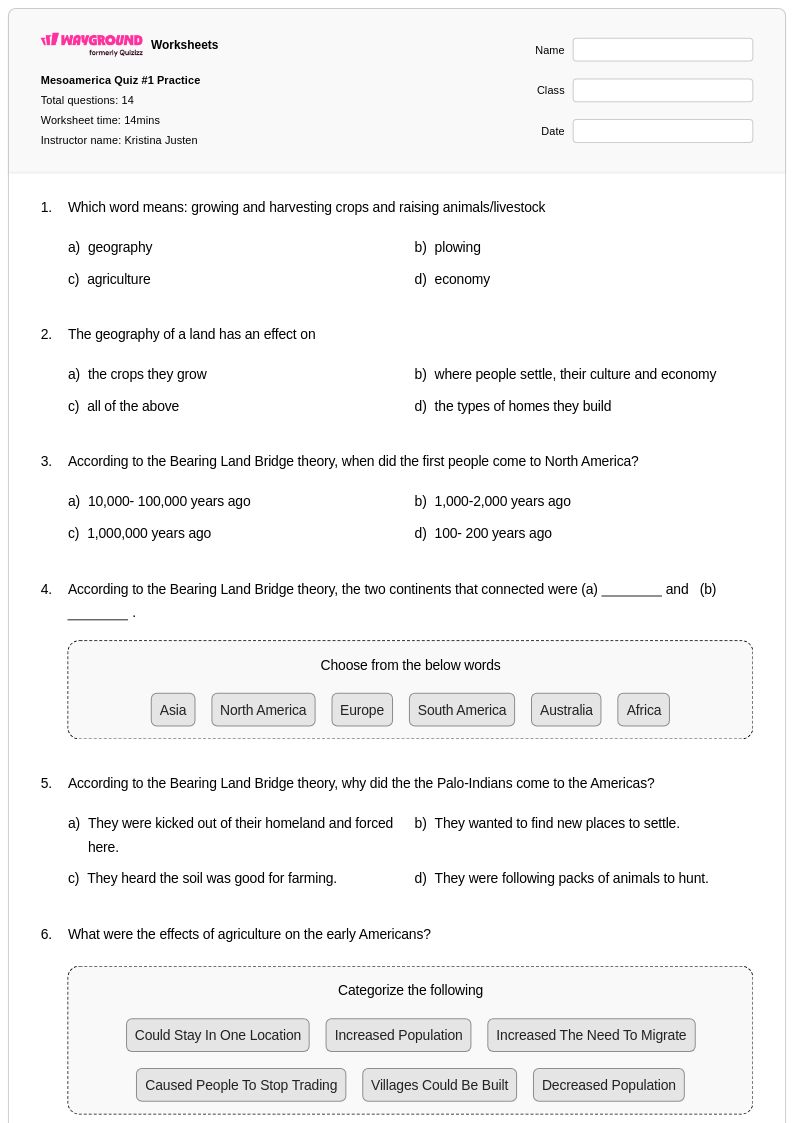
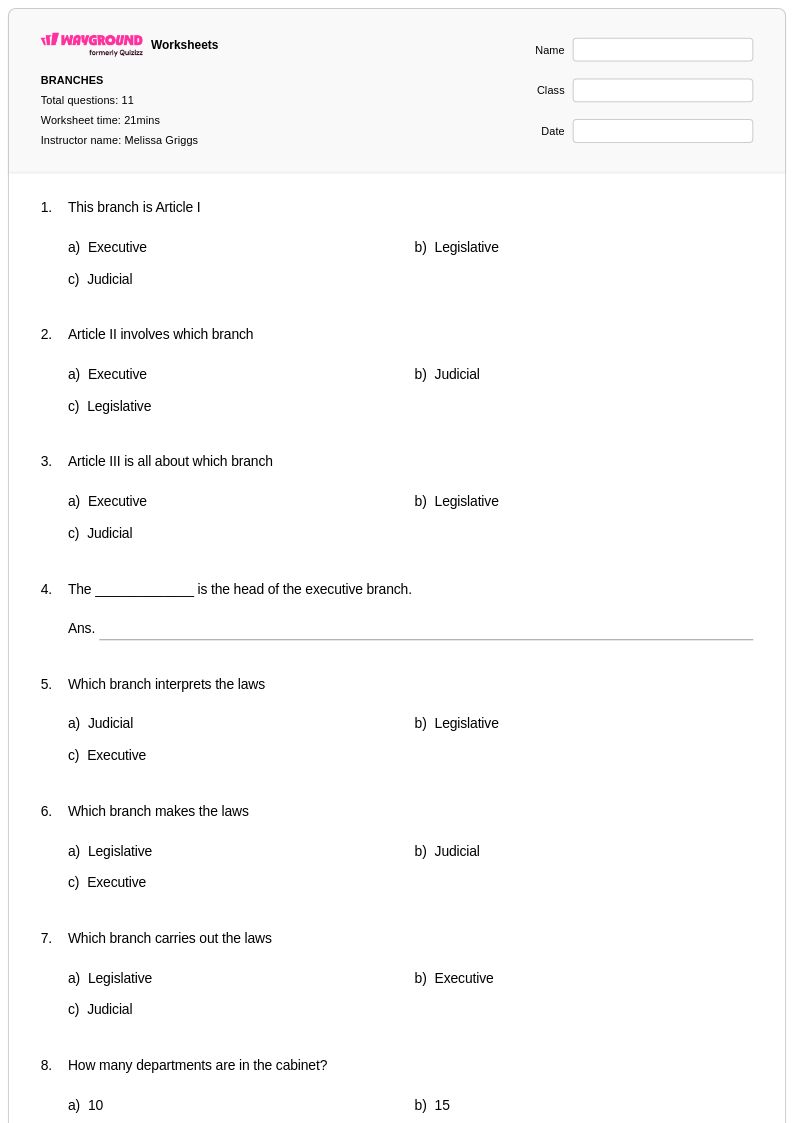
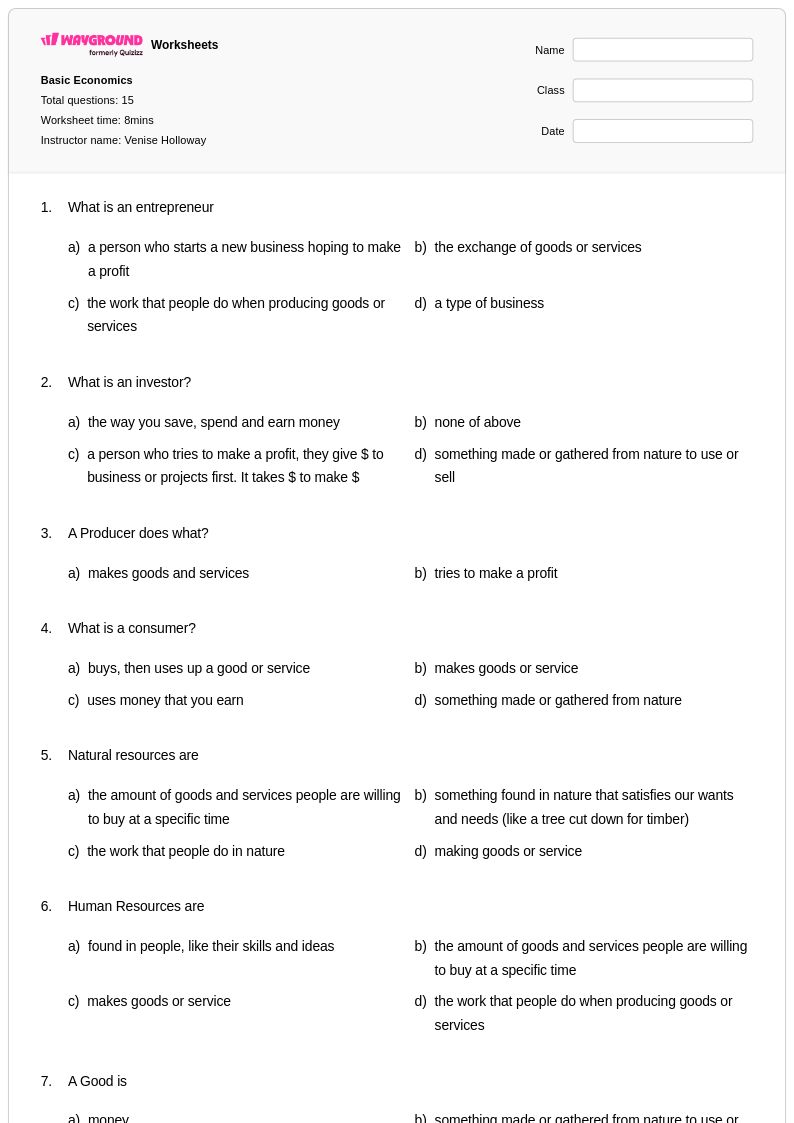
Self-monitoring worksheets for Class 5 students through Wayground (formerly Quizizz) provide essential practice in developing metacognitive awareness and emotional regulation skills that are fundamental to social studies learning and personal development. These comprehensive resources help fifth-grade students learn to observe their own thoughts, feelings, and behaviors while engaging with social studies content, strengthening their ability to recognize when they need help, when they understand material, and how their actions affect group work and classroom discussions. The worksheets include structured practice problems that guide students through self-assessment techniques, reflection exercises, and monitoring strategies, with each resource featuring detailed answer keys that help teachers provide targeted feedback. These free printables cover various aspects of self-monitoring, from tracking comprehension during reading about historical events to evaluating participation in collaborative social studies projects.
Wayground's extensive collection of millions of teacher-created self-monitoring resources provides educators with powerful tools to support Class 5 students' social-emotional learning within the social studies curriculum. The platform's robust search and filtering capabilities allow teachers to quickly locate worksheets that align with specific learning standards and match their students' developmental needs, while differentiation tools enable customization for diverse learning styles and ability levels. These resources are available in both printable pdf formats for traditional classroom use and digital formats for technology-integrated learning environments, making them ideal for lesson planning, targeted remediation for students who struggle with self-awareness, and enrichment activities for advanced learners. Teachers can easily modify worksheets to focus on specific self-monitoring skills such as attention regulation, comprehension checking, or social interaction awareness, ensuring that every fifth-grade student receives appropriate practice in developing these critical life skills.
FAQs
How do I teach self-monitoring skills to students?
Teaching self-monitoring begins with helping students recognize their own thoughts, emotions, and behaviors in real time rather than in retrospect. Effective strategies include modeling think-alouds, using behavioral checklists after social interactions, and introducing structured reflection routines at the end of lessons or school days. Scenario-based discussions give students a low-stakes way to practice evaluating their responses before applying those skills in live situations. Consistency is key — brief, regular check-ins build metacognitive habits far more effectively than occasional deep dives.
What exercises help students practice self-monitoring?
Guided reflection exercises, behavioral checklists, and scenario-based practice problems are among the most effective tools for building self-monitoring skills. Students benefit from activities that ask them to track specific emotional responses across different social situations, then compare their intended behavior with their actual behavior. Structured self-assessment formats help learners identify patterns in how they interact with others, which is the foundation for conscious behavioral adjustment. Repeating these exercises regularly reinforces metacognitive awareness over time.
What mistakes do students commonly make when learning self-monitoring?
A common error is conflating self-monitoring with self-criticism — students often struggle to evaluate their behavior objectively without sliding into negative self-judgment. Many students also assess their actions only after a situation has escalated, rather than developing the in-the-moment awareness that makes self-monitoring genuinely useful. Another frequent gap is failing to connect emotional recognition to behavioral choice, treating feelings as fixed outcomes rather than signals that inform decision-making. Explicit instruction on the difference between noticing and judging helps address all three of these patterns.
How can I differentiate self-monitoring activities for students with varying skill levels?
For students who are newer to self-reflection, simplified checklists with fewer behavioral categories reduce cognitive load and make the task more accessible. More advanced learners can engage with open-ended scenario analysis that asks them to consider multiple perspectives and predict social outcomes. On Wayground, teachers can apply accommodations such as reduced answer choices for students who need additional support, or enable Read Aloud so questions and prompts are read to students who benefit from audio access. These settings can be assigned to individual students without disrupting the experience for the rest of the class.
How do I use self-monitoring worksheets in my classroom?
Self-monitoring worksheets on Wayground are available as printable PDFs for traditional classroom use and in digital formats for technology-integrated or remote learning environments, giving teachers flexibility regardless of their instructional setup. Teachers can also host these worksheets as a live or assigned quiz directly on Wayground, making it easy to collect student responses and review results in one place. Using guided reflection sheets at the close of a lesson, or behavioral checklists after group activities, integrates self-monitoring practice naturally into existing routines without requiring dedicated standalone lessons.
How does self-monitoring connect to social studies standards?
Self-monitoring is a foundational social-emotional skill embedded in many social studies frameworks because it directly supports students' ability to understand and navigate interpersonal relationships, civic responsibilities, and community dynamics. Recognizing and regulating one's own emotional responses is a prerequisite for perspective-taking, conflict resolution, and collaborative participation — all of which appear across K-12 social studies standards. Worksheets that combine behavioral checklists with scenario analysis help students draw explicit connections between self-awareness and real-world social effectiveness.