
Recommended Topics for you
- Claim Evidence Reasoning
- Controls and Variables
- Curiosity
- Data Types
- Dependent Variable
- Engineering Design Process
- Experiment
- Experimental Design
- Hypothesis
- Hypothesis, Theory and Law
- Independent Variable
- Lab Safety
- Observation and Inference
- Procedure
- Qualitative and Quantitative Observations
- Reality Testing
- Safety Equipment
- Safety Rules and Symbols
- Science Practices Vocabulary
- Scientific Inquiry
- Scientific Observation
- Scientific Tools
15 Q
7th - Uni
30 Q
7th - Uni
25 Q
8th - Uni
20 Q
9th - 12th
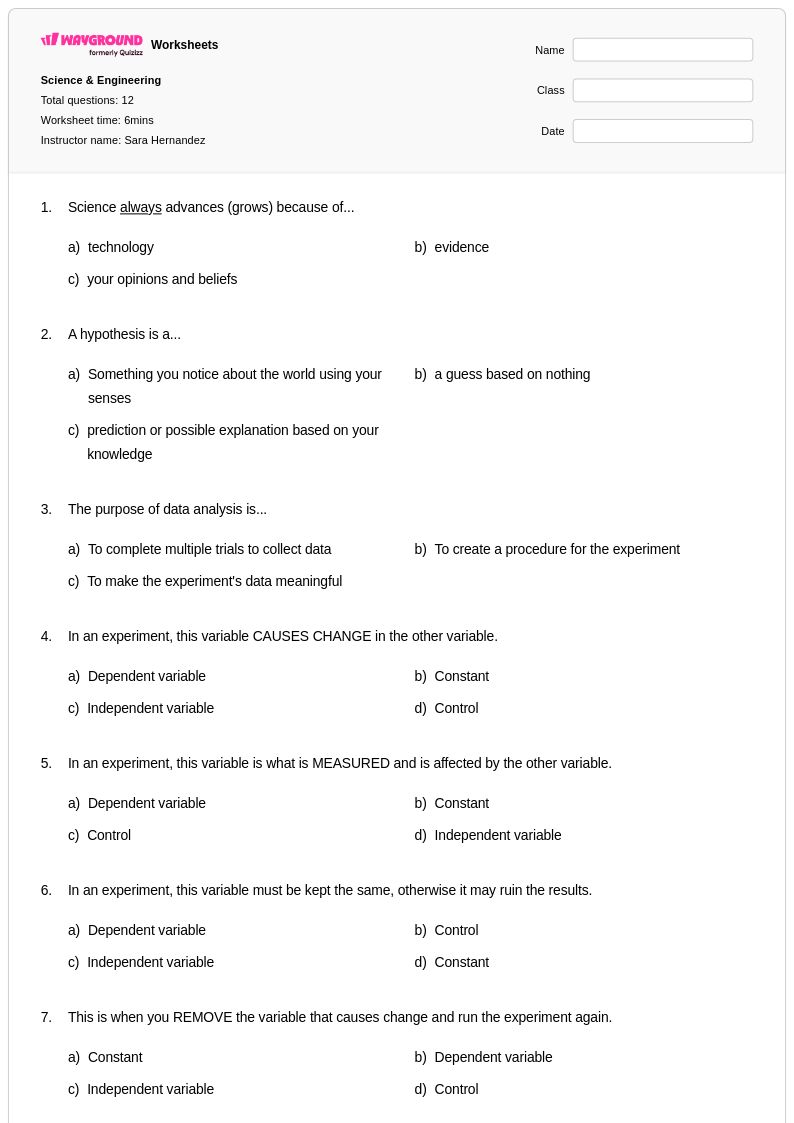
12 Q
9th
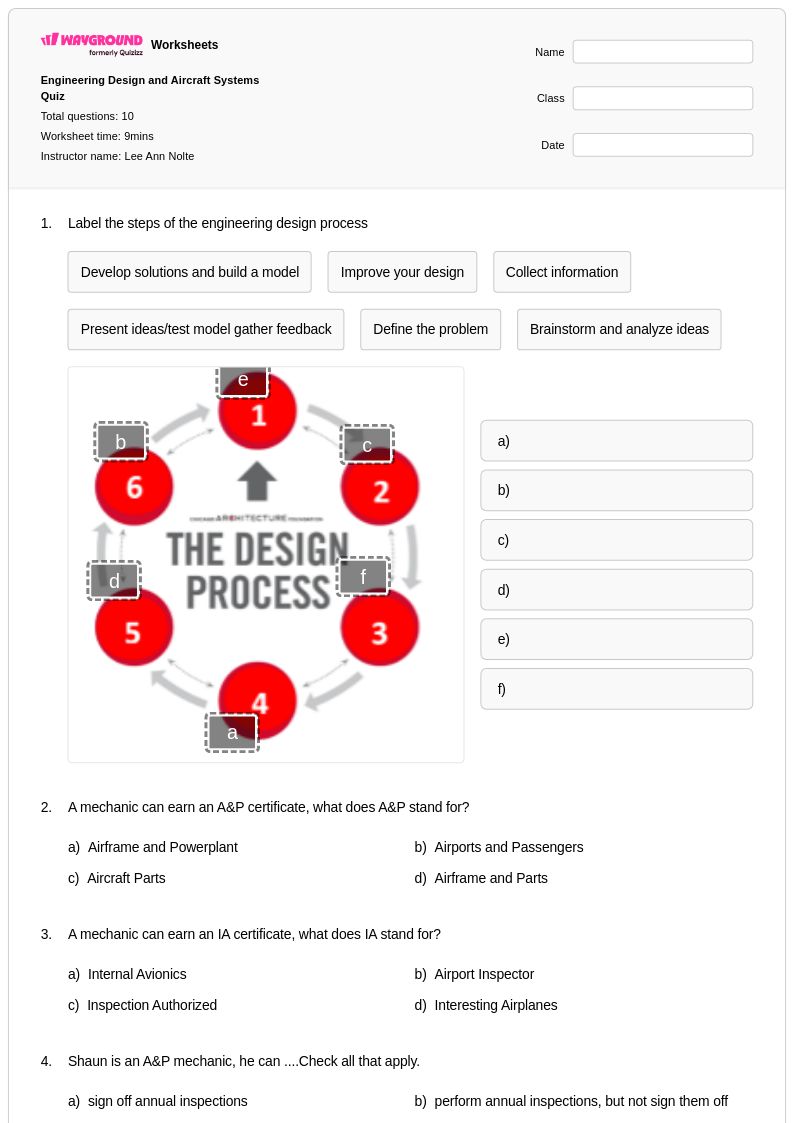
10 Q
9th
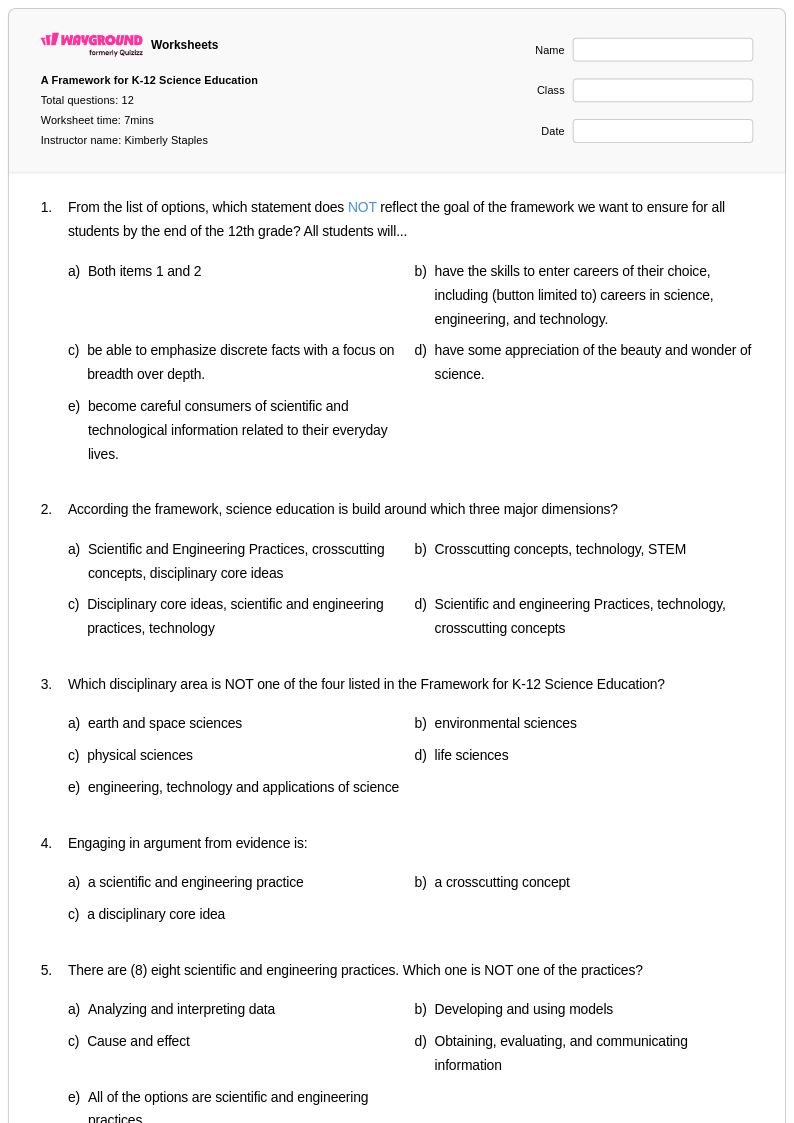
12 Q
6th - Uni
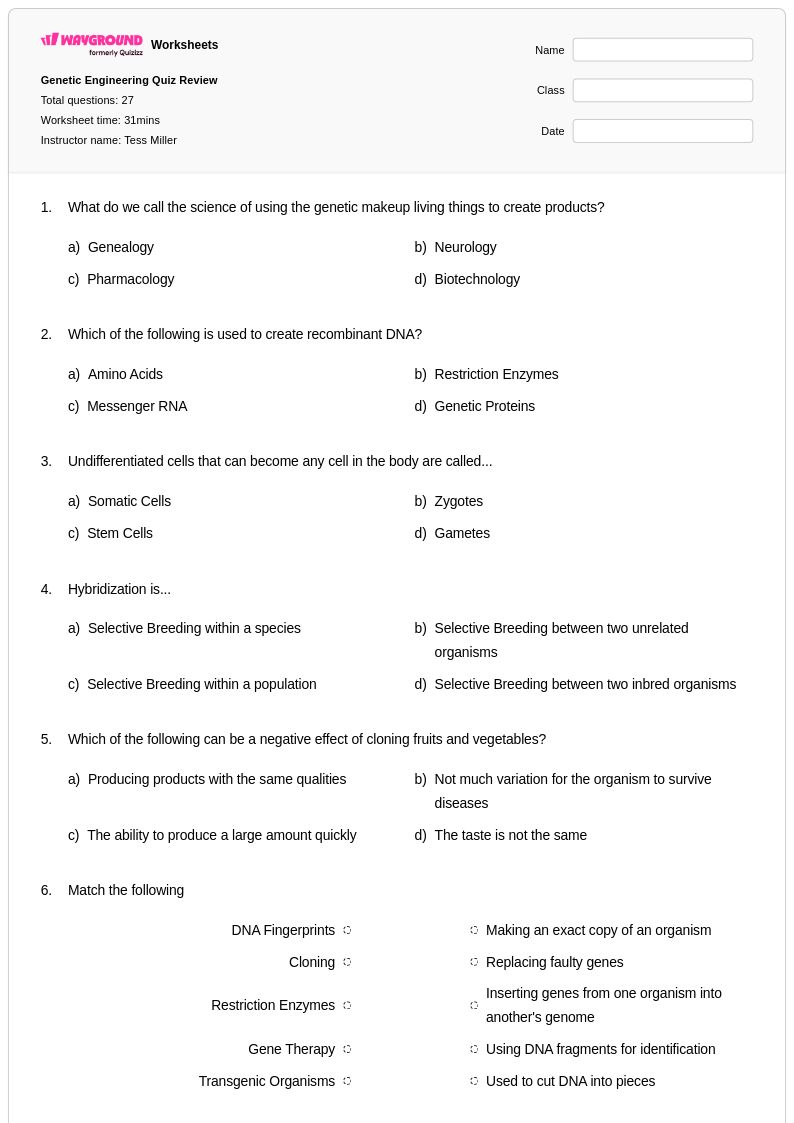
27 Q
9th - 12th
16 Q
9th - 11th
11 Q
5th - 12th
39 Q
5th - Uni
182 Q
9th - 12th
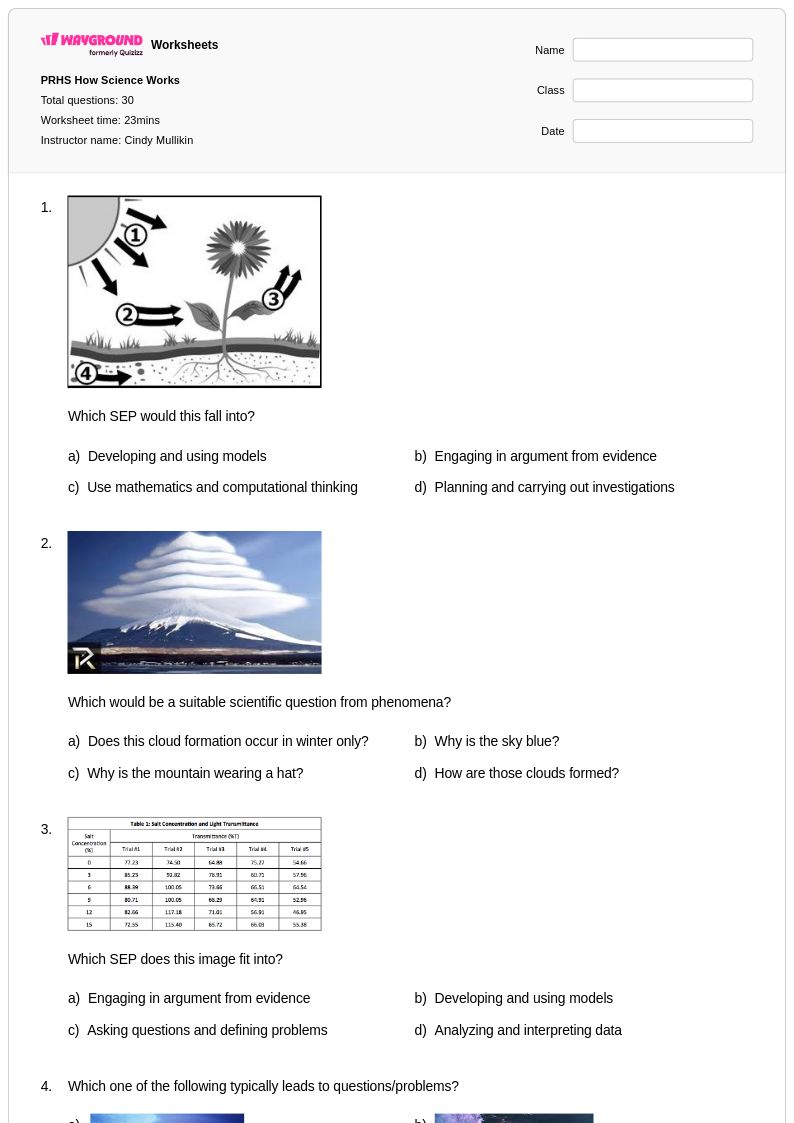
30 Q
9th - 12th
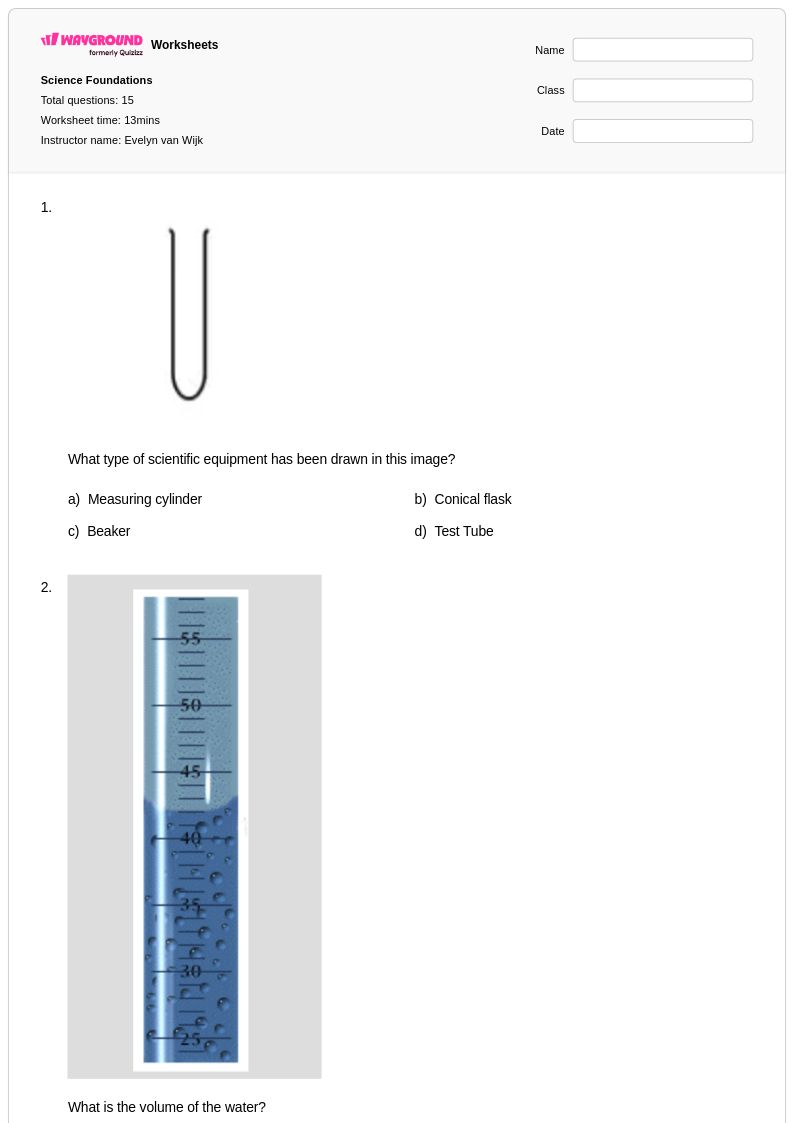
15 Q
7th - 12th
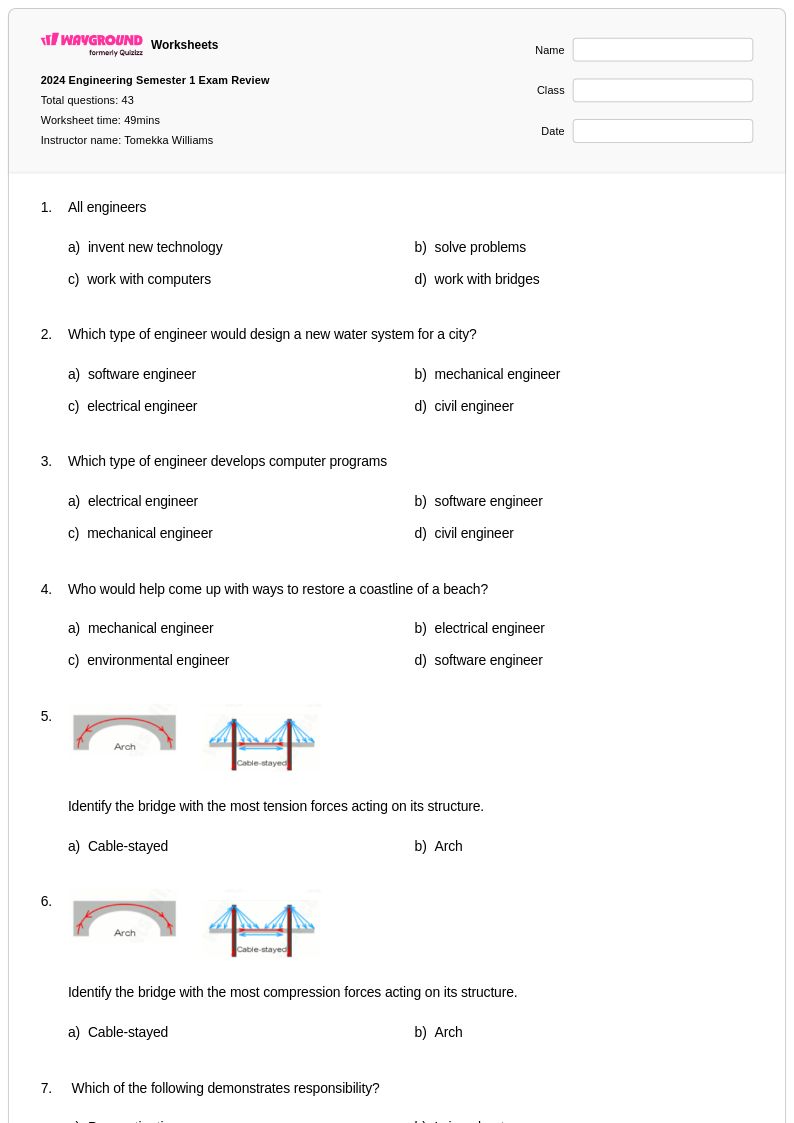
43 Q
9th - 12th
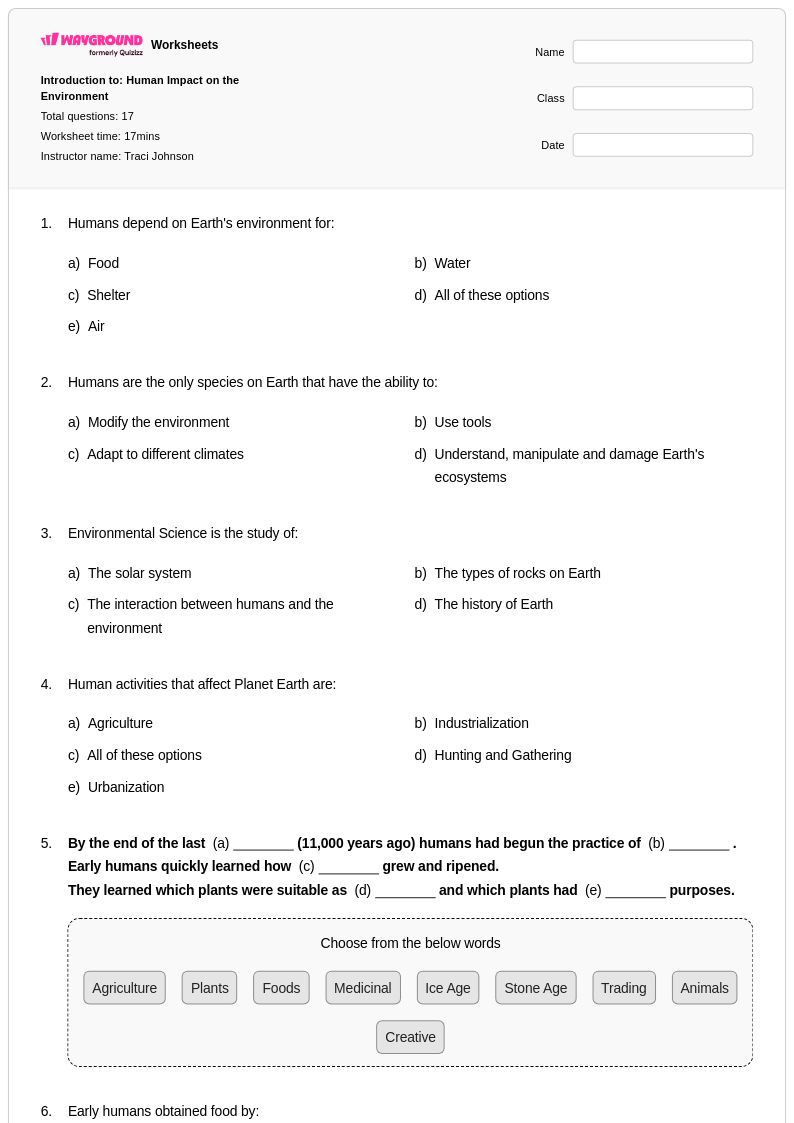
17 Q
9th - 12th
10 Q
8th - 12th
14 Q
9th
14 Q
9th
42 Q
9th - 12th
15 Q
3rd - Uni
14 Q
9th - 12th
82 Q
9th
21 Q
9th
Explore Engineering & Science Practices Worksheets by Grades
Explore Engineering & Science Practices Worksheets for class 9 by Topic
- Claim Evidence Reasoning
- Controls and Variables
- Curiosity
- Data Types
- Dependent Variable
- Engineering Design Process
- Experiment
- Experimental Design
- Hypothesis
- Hypothesis, Theory and Law
- Independent Variable
- Lab Safety
- Observation and Inference
- Procedure
- Qualitative and Quantitative Observations
- Reality Testing
- Safety Equipment
- Safety Rules and Symbols
- Science Practices Vocabulary
- Scientific Inquiry
Explore Other Subject Worksheets for class 9
Explore printable Engineering & Science Practices worksheets for Class 9
Engineering and science practices worksheets for Class 9 students available through Wayground provide comprehensive resources that develop critical thinking and inquiry-based learning skills essential for advanced scientific study. These carefully designed materials guide students through the eight core practices outlined in national science standards, including asking questions, developing models, planning investigations, analyzing data, using mathematical thinking, constructing explanations, engaging in argument from evidence, and communicating information. Each worksheet collection includes detailed answer keys and step-by-step solutions that help students understand complex scientific reasoning processes. The printable pdf format ensures easy classroom distribution, while the free practice problems allow students to repeatedly engage with challenging concepts such as experimental design, data interpretation, and evidence-based reasoning that form the foundation of scientific literacy.
Wayground's extensive library of teacher-created engineering and science practices resources empowers educators with millions of high-quality materials specifically aligned to Class 9 learning objectives and state science standards. The platform's advanced search and filtering capabilities allow teachers to quickly locate worksheets that target specific practices or integrate multiple inquiry skills within a single lesson. Robust differentiation tools enable instructors to customize content difficulty and provide appropriate scaffolding for diverse learners, while the availability of both digital and printable pdf formats supports flexible classroom implementation. These comprehensive worksheet collections streamline lesson planning by offering ready-to-use materials for skill practice, targeted remediation for struggling students, and enrichment opportunities for advanced learners, ensuring that all Class 9 students develop the sophisticated analytical and problem-solving abilities necessary for success in advanced science coursework.
FAQs
How do I teach the engineering design process in middle or high school science?
What's the difference between a hypothesis, a theory, and a law in science, and how do I explain it to students?
What exercises help students practice identifying independent and dependent variables?
What mistakes do students commonly make when writing a hypothesis?
How do I help students distinguish between qualitative and quantitative observations?
How do I use Engineering and Science Practices worksheets in my classroom?
How can I support students who struggle with science practices vocabulary?