Free Printable Following Directions Worksheets for Class 2
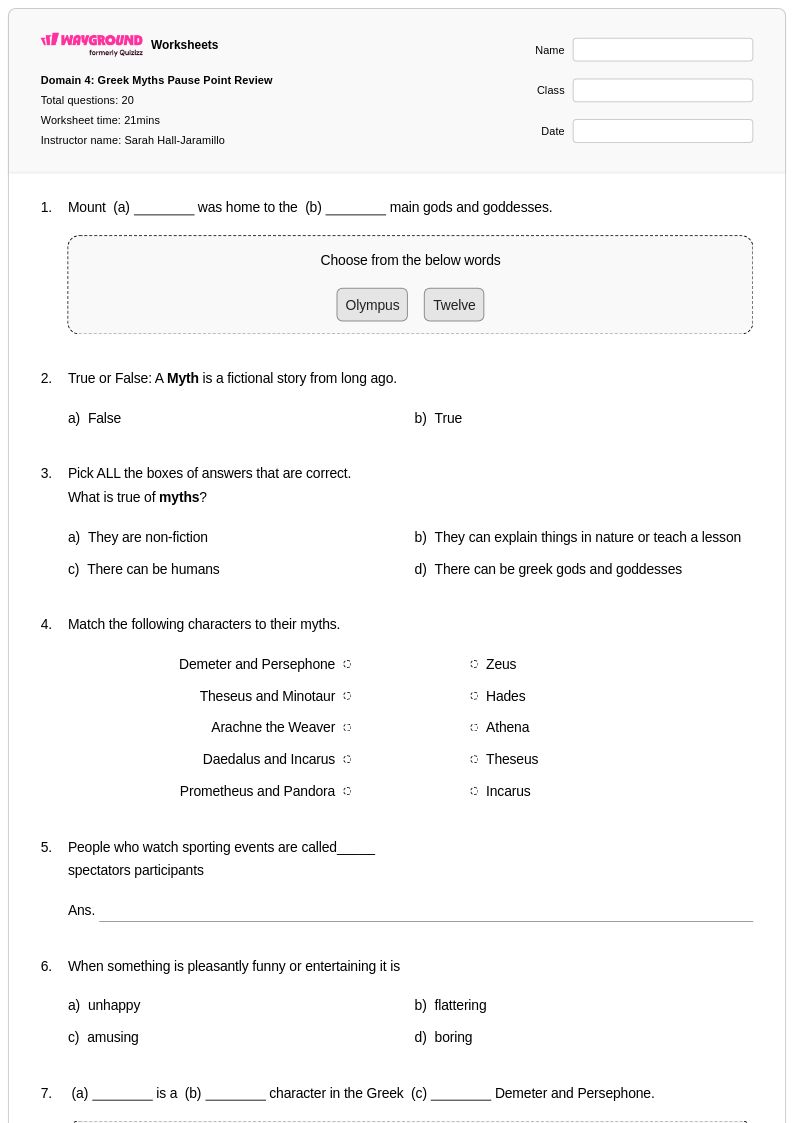
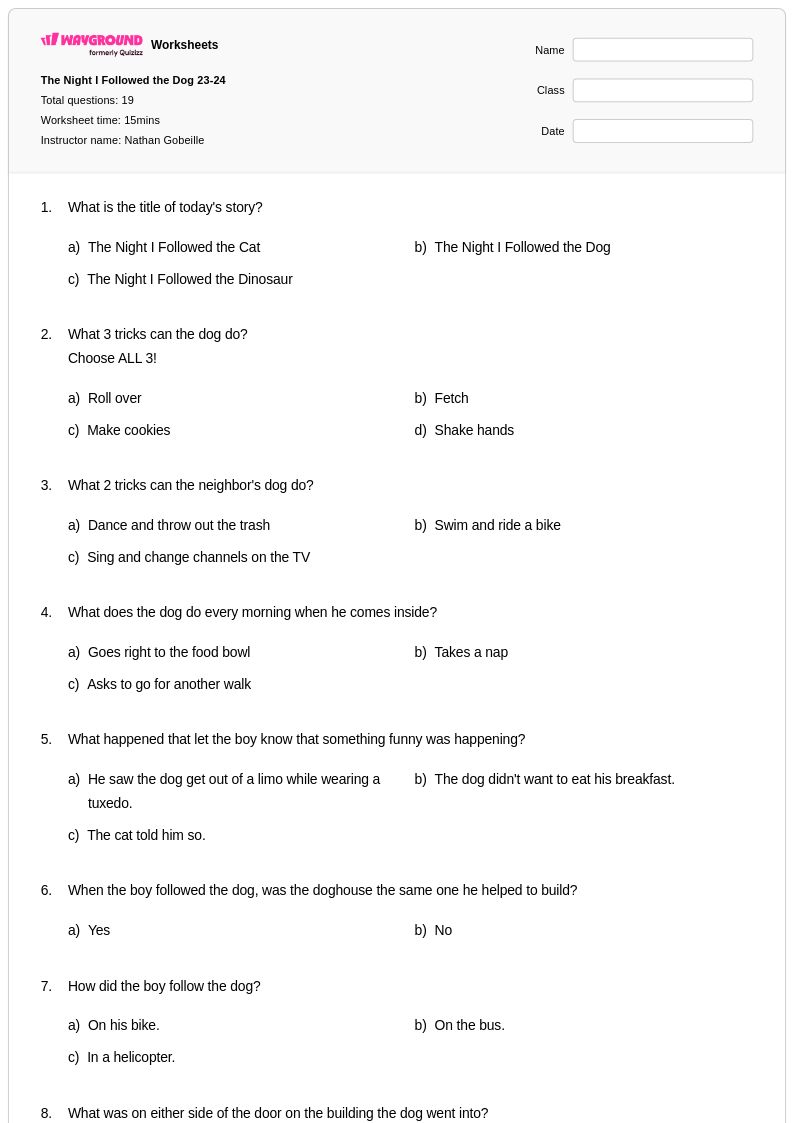
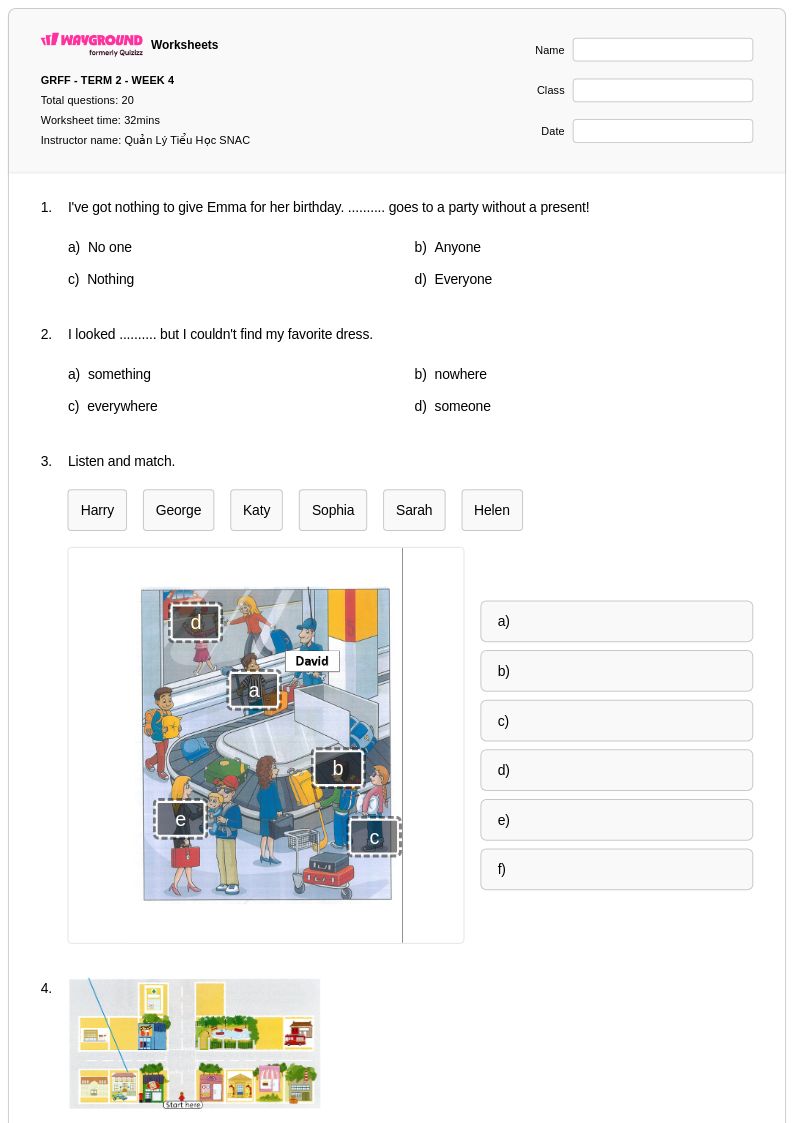
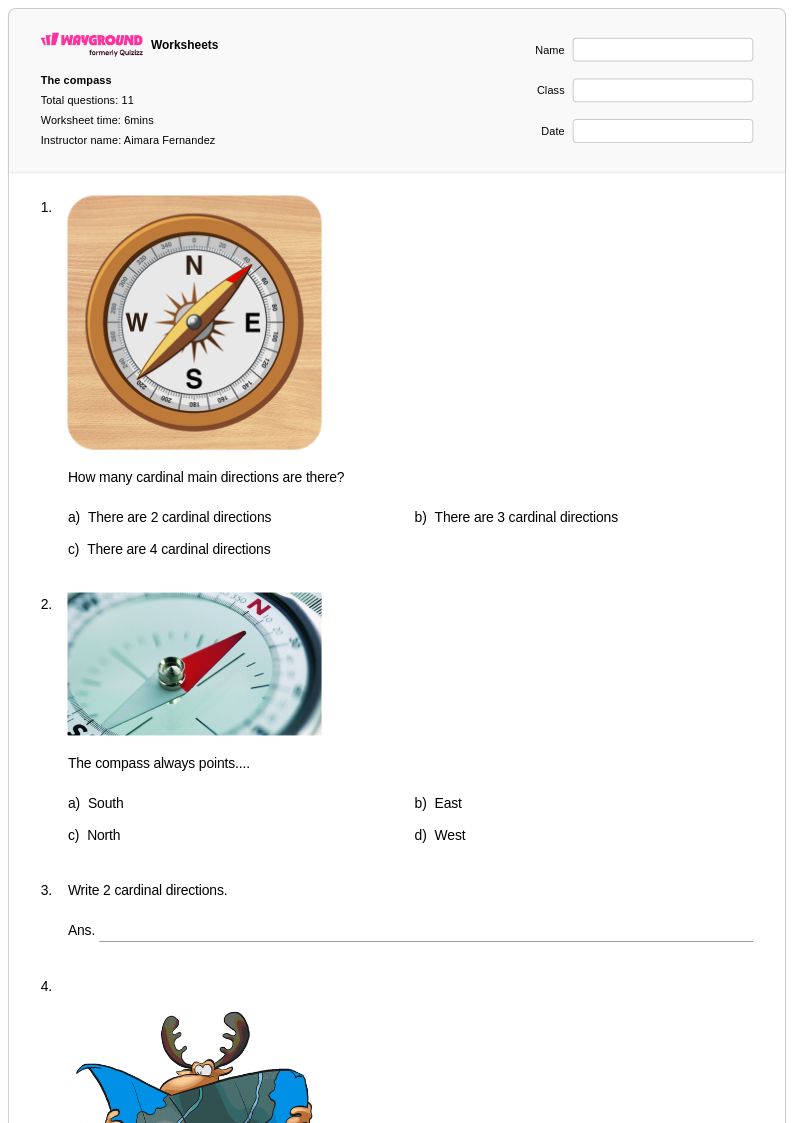
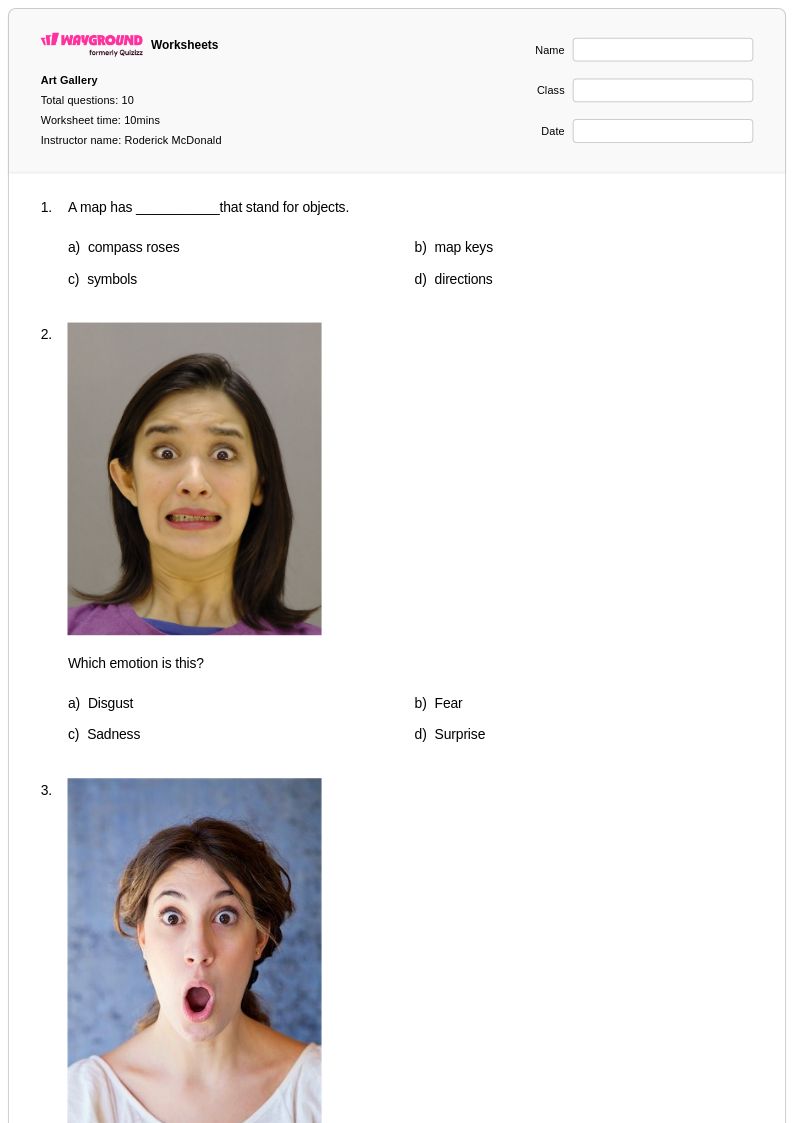
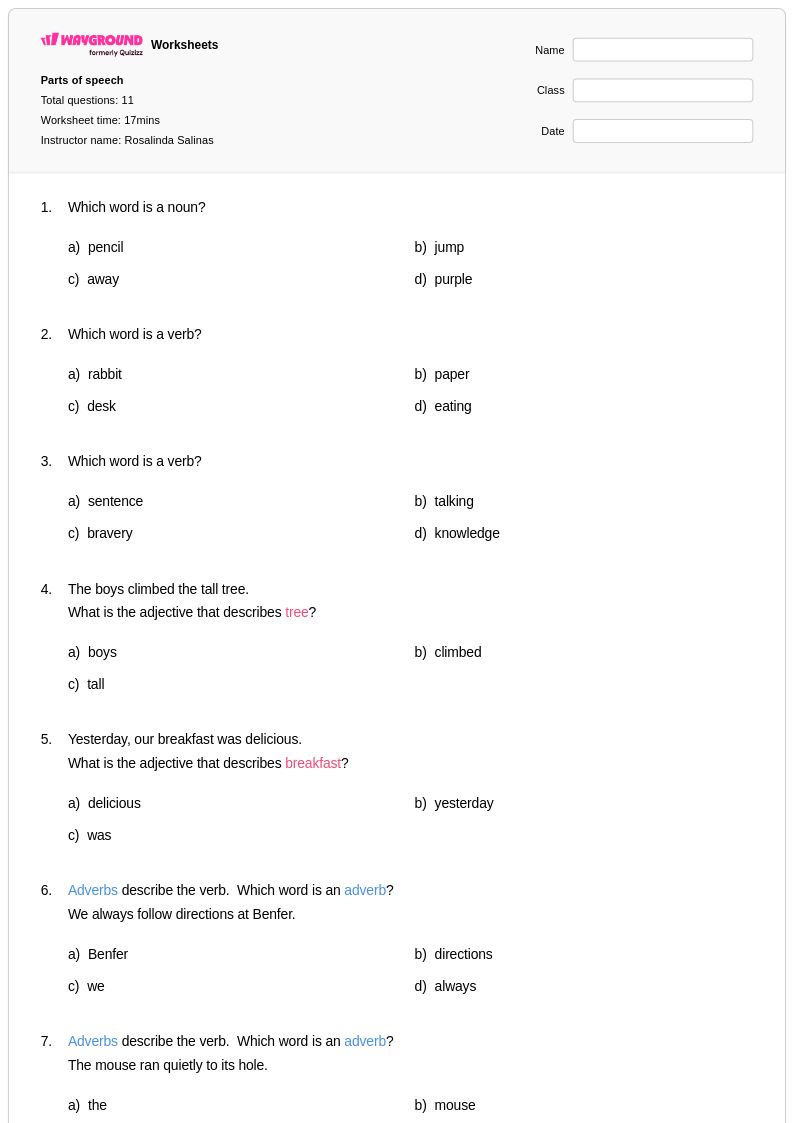
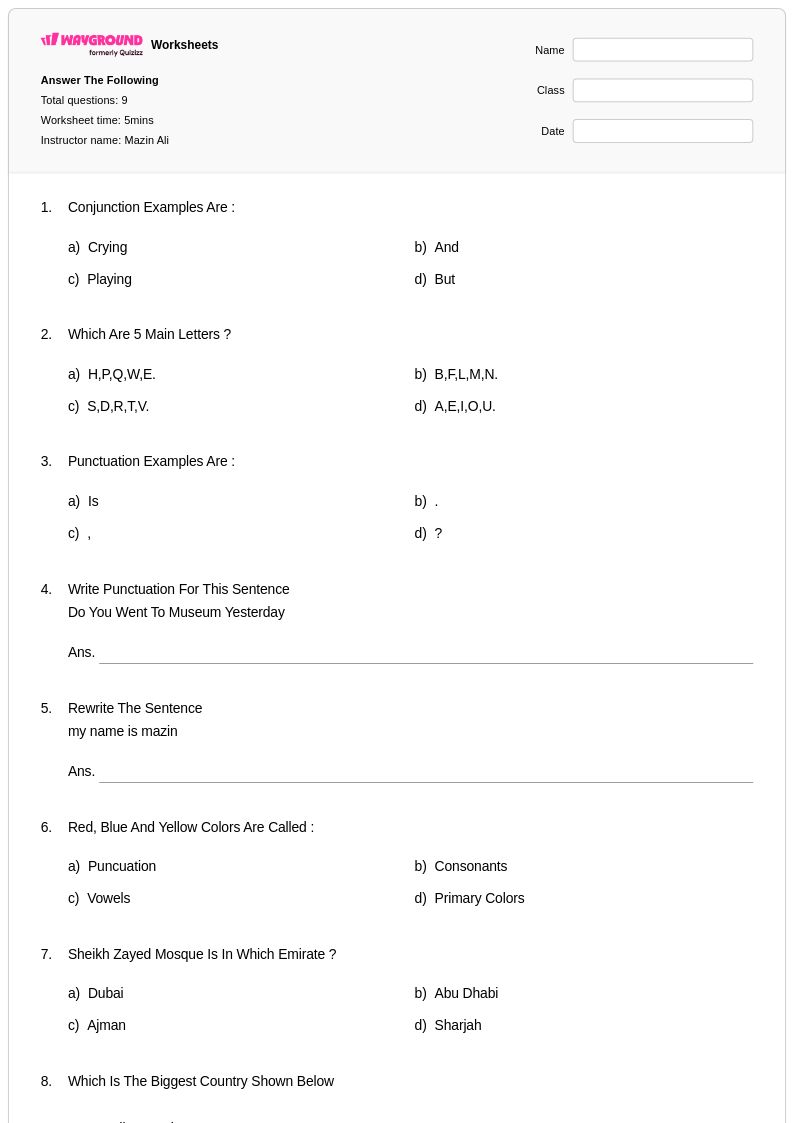
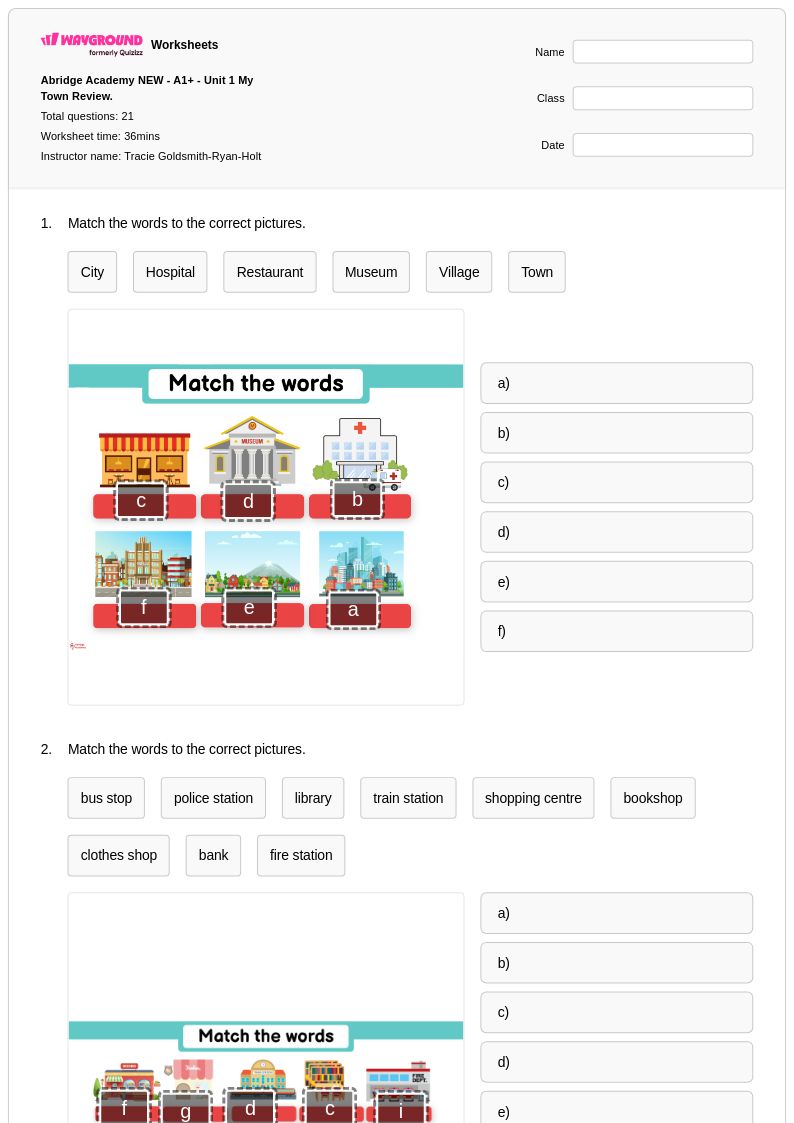
Class 2 following directions worksheets and printables from Wayground help students develop essential reading comprehension skills through engaging practice problems with clear answer keys available as free PDF downloads.
Explore printable Following Directions worksheets for Class 2
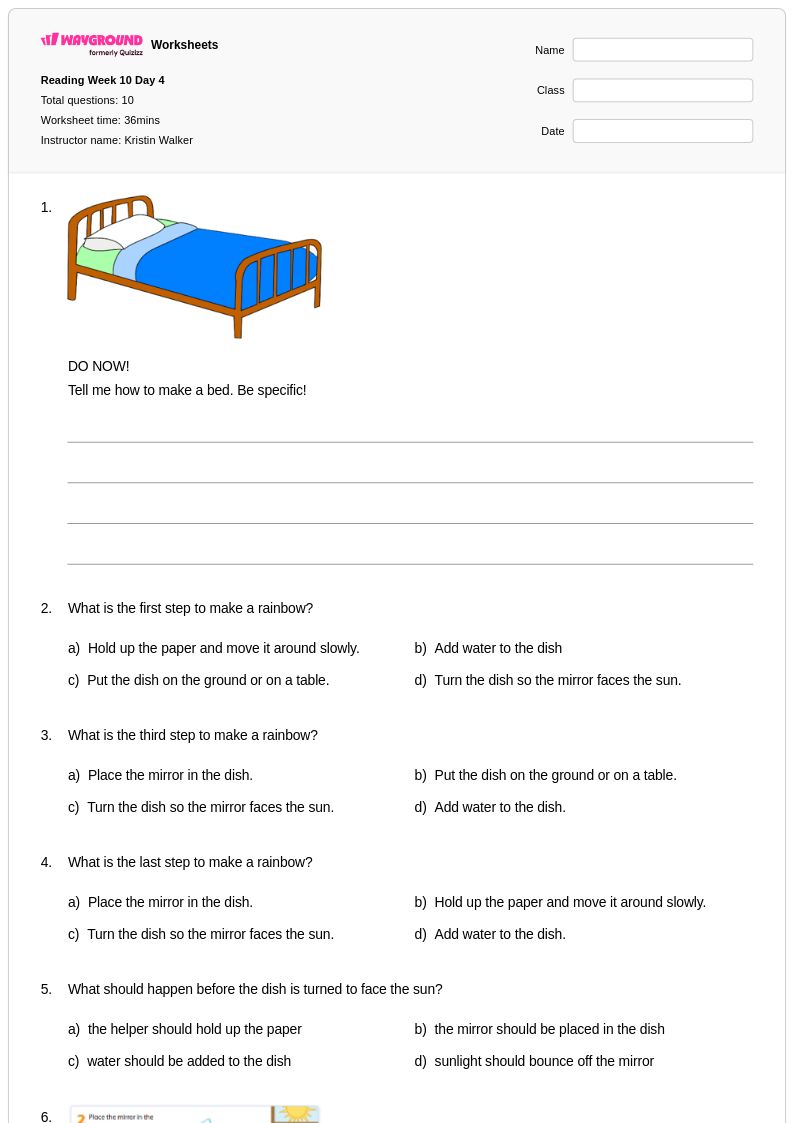
Following directions worksheets for Class 2 students available through Wayground (formerly Quizizz) provide essential practice in developing sequential thinking and comprehension skills that form the foundation of academic success. These carefully crafted printables focus on helping young learners understand and execute multi-step instructions, whether they involve completing drawings, solving simple puzzles, or performing classroom tasks in a specific order. Each worksheet includes clear, age-appropriate directions that gradually increase in complexity, allowing second-grade students to build confidence while strengthening their ability to process written information systematically. The collection features practice problems that range from basic two-step instructions to more challenging sequences, with accompanying answer keys that enable teachers and parents to provide immediate feedback and support student learning effectively.
Wayground's extensive library contains millions of teacher-created resources specifically designed to support educators in delivering targeted instruction for following directions and other critical Class 2 reading comprehension strategies. The platform's robust search and filtering capabilities allow teachers to quickly locate worksheets that align with curriculum standards and match their students' specific learning needs, whether for whole-class instruction, small group work, or individual remediation. These differentiation tools enable educators to customize content for diverse learners, while the availability of both printable PDF formats and interactive digital versions provides flexibility for various classroom environments and teaching styles. Teachers can seamlessly integrate these resources into lesson planning for skill practice, use them for enrichment activities with advanced learners, or deploy them as targeted interventions to help students who need additional support in developing their ability to follow written instructions accurately.
FAQs
How do I teach students to follow written directions effectively?
Start by modeling the process explicitly: read all directions before beginning, identify action words (circle, underline, draw, write), and complete steps in sequence. Use think-alouds to make your reasoning visible, then gradually release responsibility to students through guided and independent practice. Beginning with single-step tasks and increasing complexity over time helps students build confidence and accuracy before tackling multi-step instructions.
What kinds of exercises help students practice following directions?
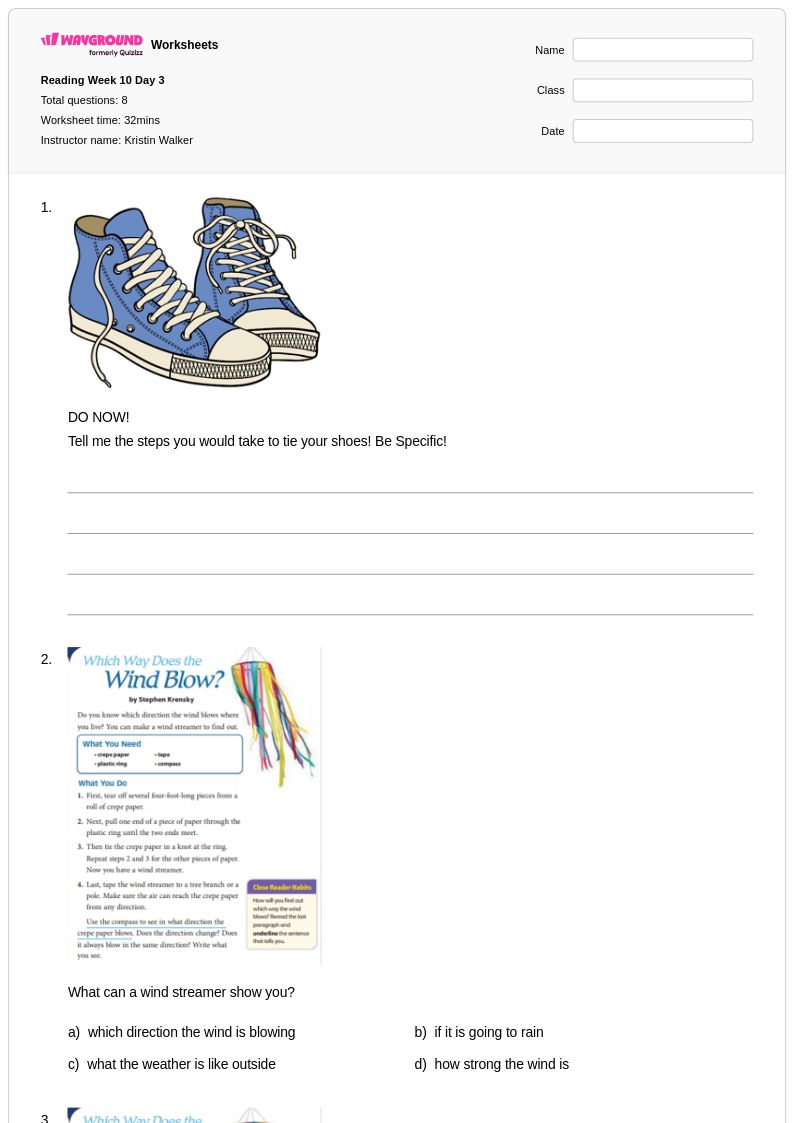
Effective practice tasks include drawing exercises where students must execute a precise sequence of steps, procedural tasks that require interpreting written instructions to produce a specific outcome, and multi-step activities that combine reading comprehension with physical or written responses. These formats require students to parse sequential information and demonstrate understanding through accurate task completion, rather than simply reading and moving on.
What mistakes do students commonly make when following written directions?
The most common error is skipping the step of reading all directions before starting, which leads students to miss conditional instructions or complete steps out of order. Students also frequently overlook key action words like 'only,' 'except,' or 'before,' which change the meaning of a direction entirely. A targeted classroom strategy is to have students underline action words and number steps prior to attempting any task.
How can I differentiate following directions activities for students at different skill levels?
Scaffold by adjusting the number of steps, the complexity of vocabulary, and the type of response required. Beginning learners benefit from single-step, concrete tasks with familiar vocabulary, while advanced students can handle multi-step procedural directions with nuanced conditional language. On Wayground, teachers can apply accommodations such as read aloud support, reduced answer choices, and extended time to individual students without notifying the rest of the class, making differentiation seamless within a single session.
How do I use Wayground's following directions worksheets in my classroom?
Wayground's following directions worksheets are available as printable PDFs, making them easy to distribute for in-class work, homework, or learning centers, and in digital formats for technology-integrated or remote learning environments. Teachers can also host them as a quiz directly on Wayground, enabling immediate feedback and self-assessment using the included answer keys. The platform's search and filtering tools help you quickly locate worksheets matched to specific skill levels and instructional goals.
Are following directions worksheets useful for reading comprehension instruction?
Yes, following directions tasks are a high-value comprehension exercise because they require students to extract meaning from text and act on it accurately, not just decode words. Students must identify sequence, interpret action words, and hold multiple pieces of information in working memory simultaneously. This makes following directions practice a functional bridge between decoding skills and applied reading comprehension.