
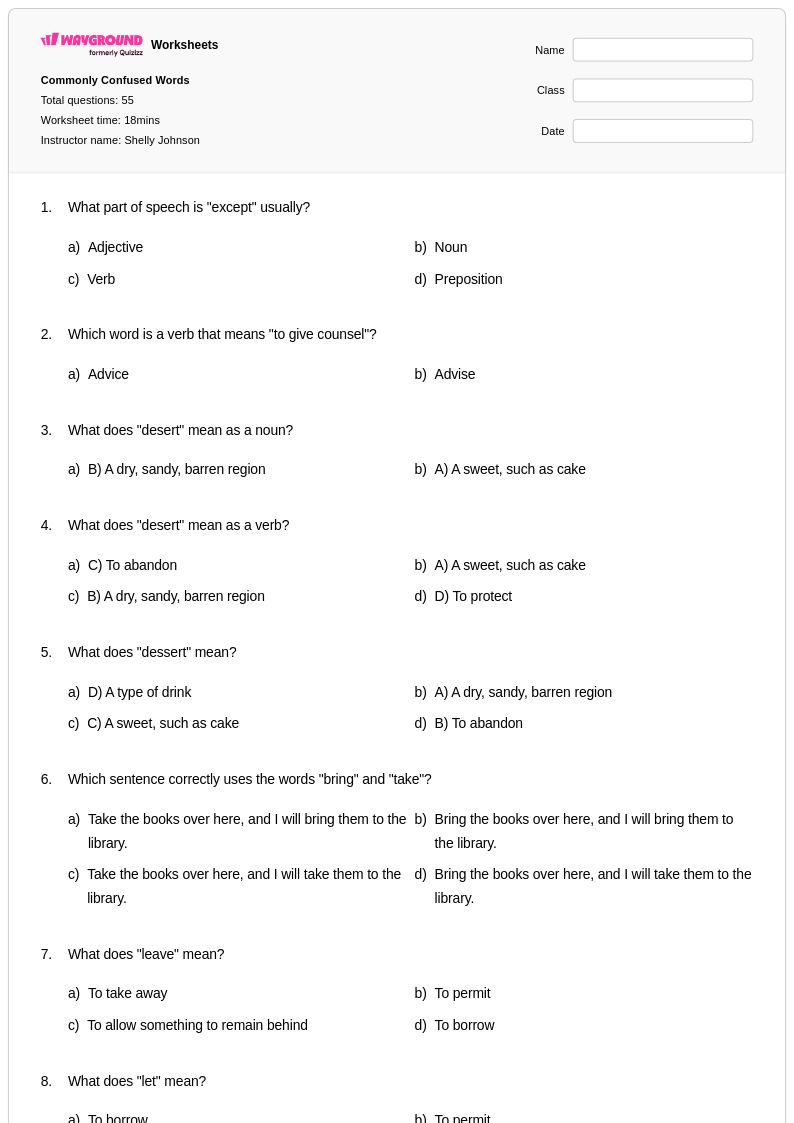
55 Q
8th
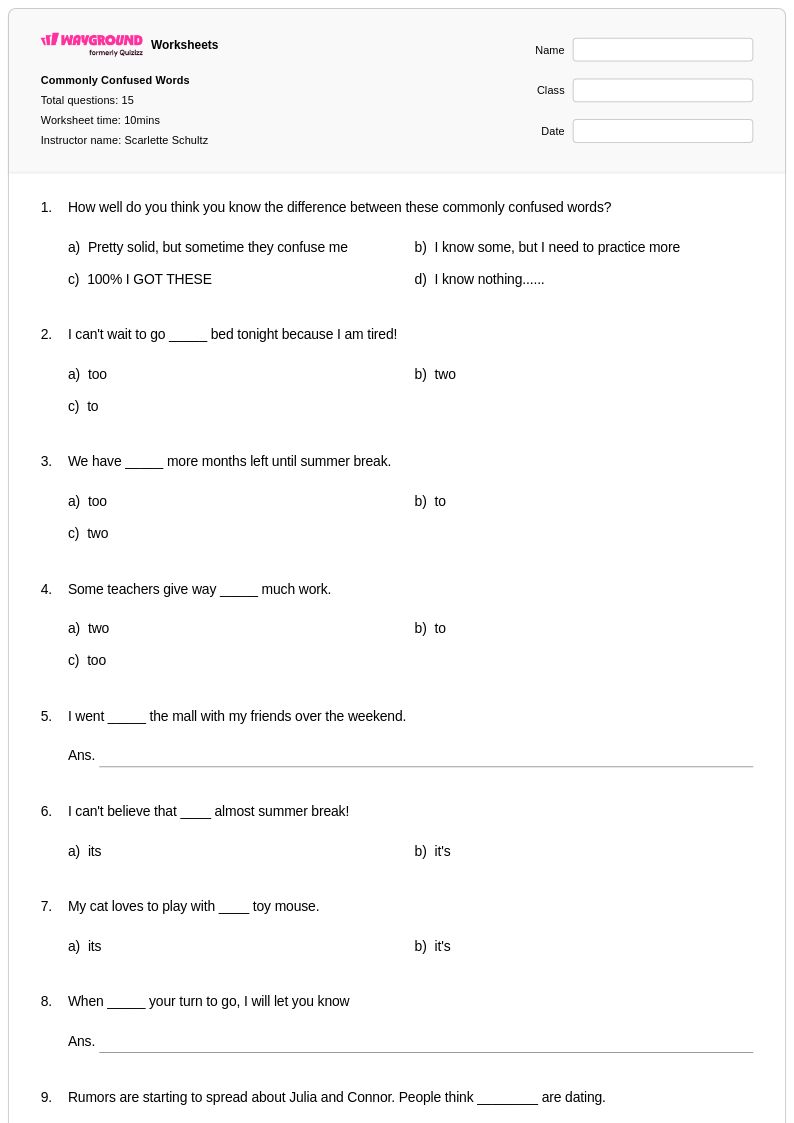
15 Q
5th - 8th
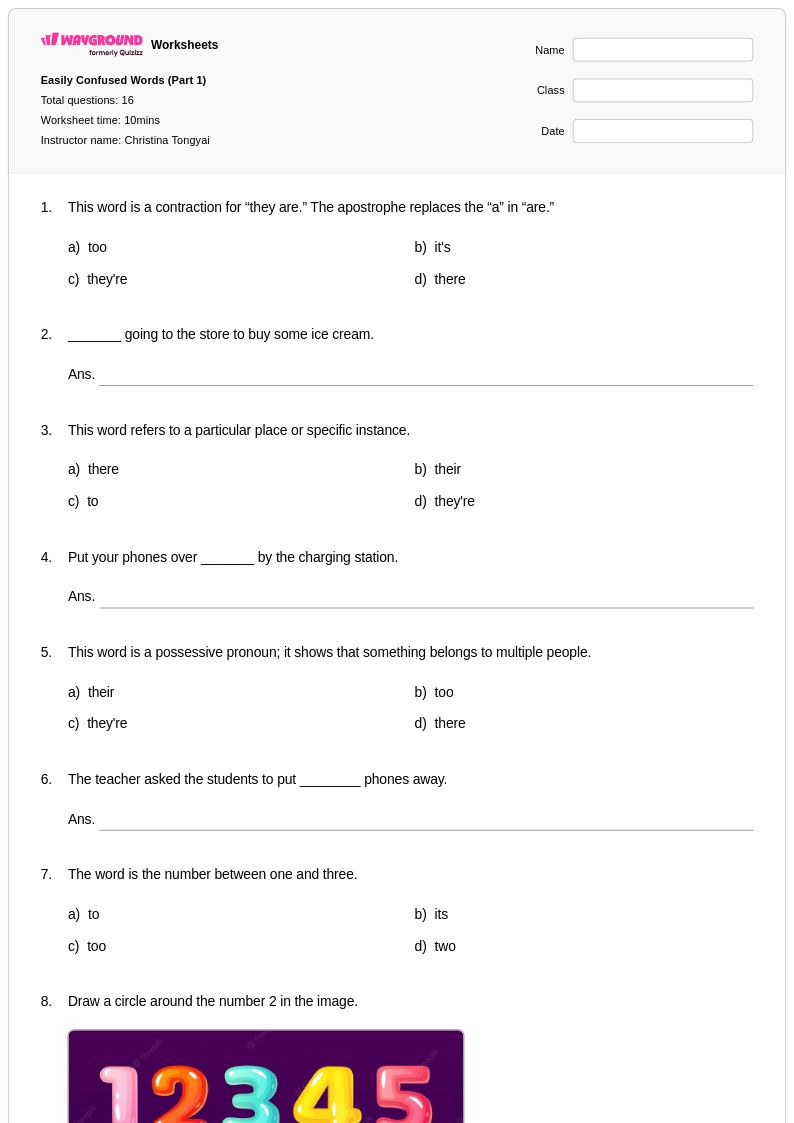
16 Q
6th - 9th
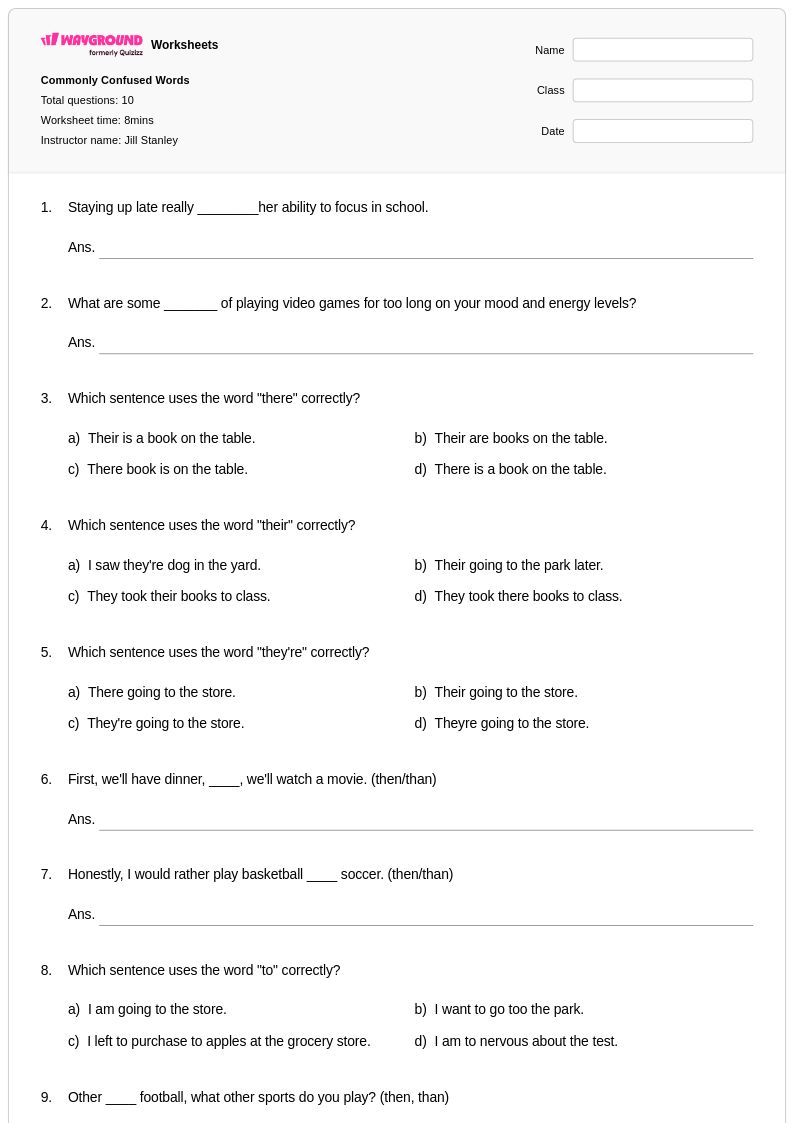
10 Q
6th - 8th
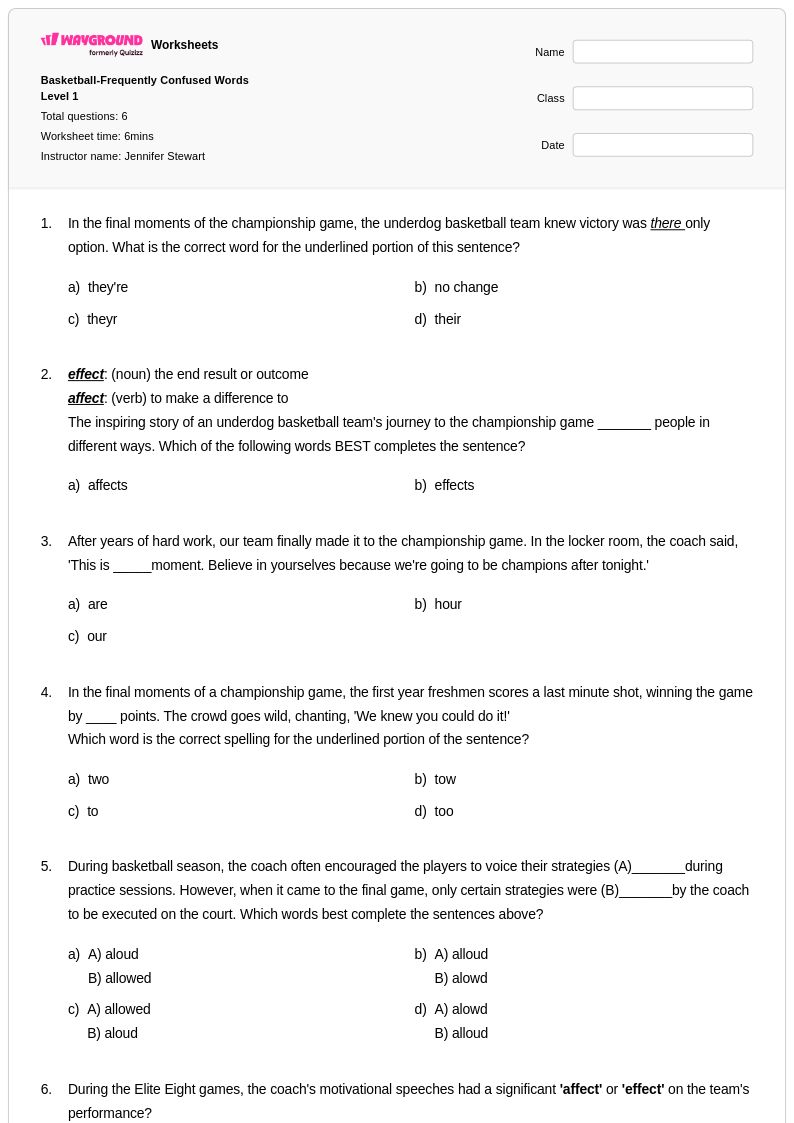
6 Q
8th
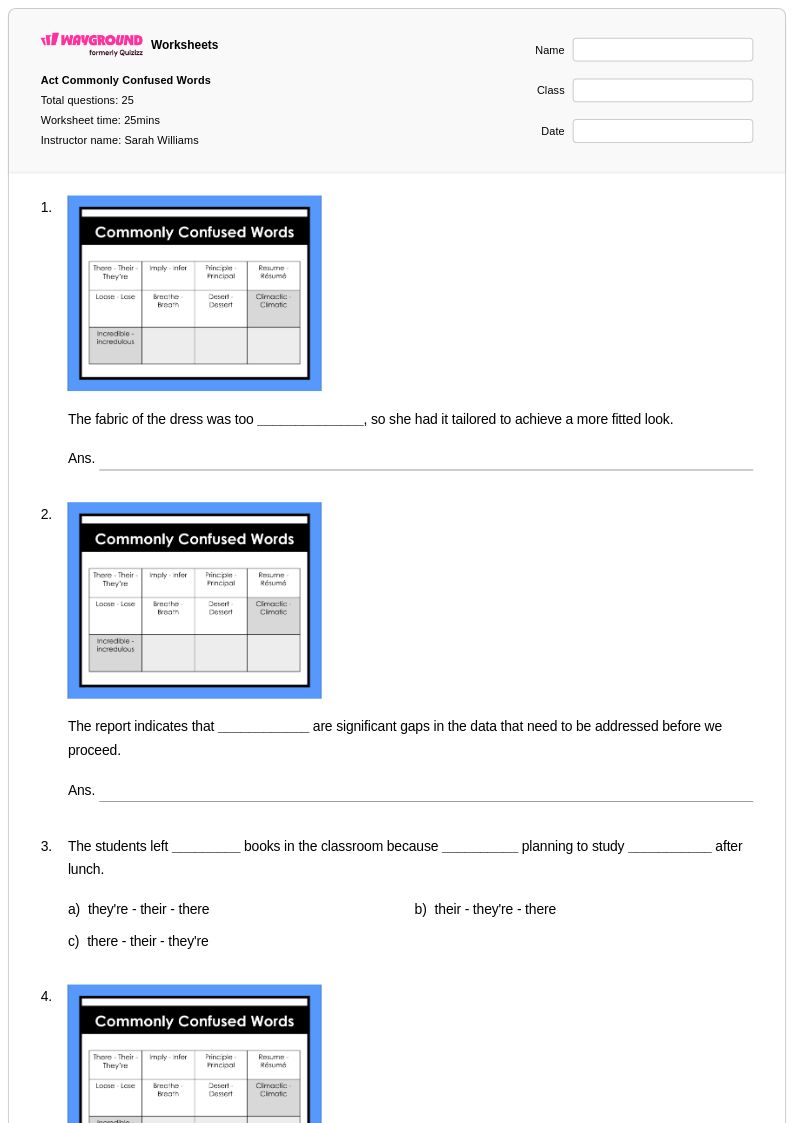
25 Q
6th - Uni
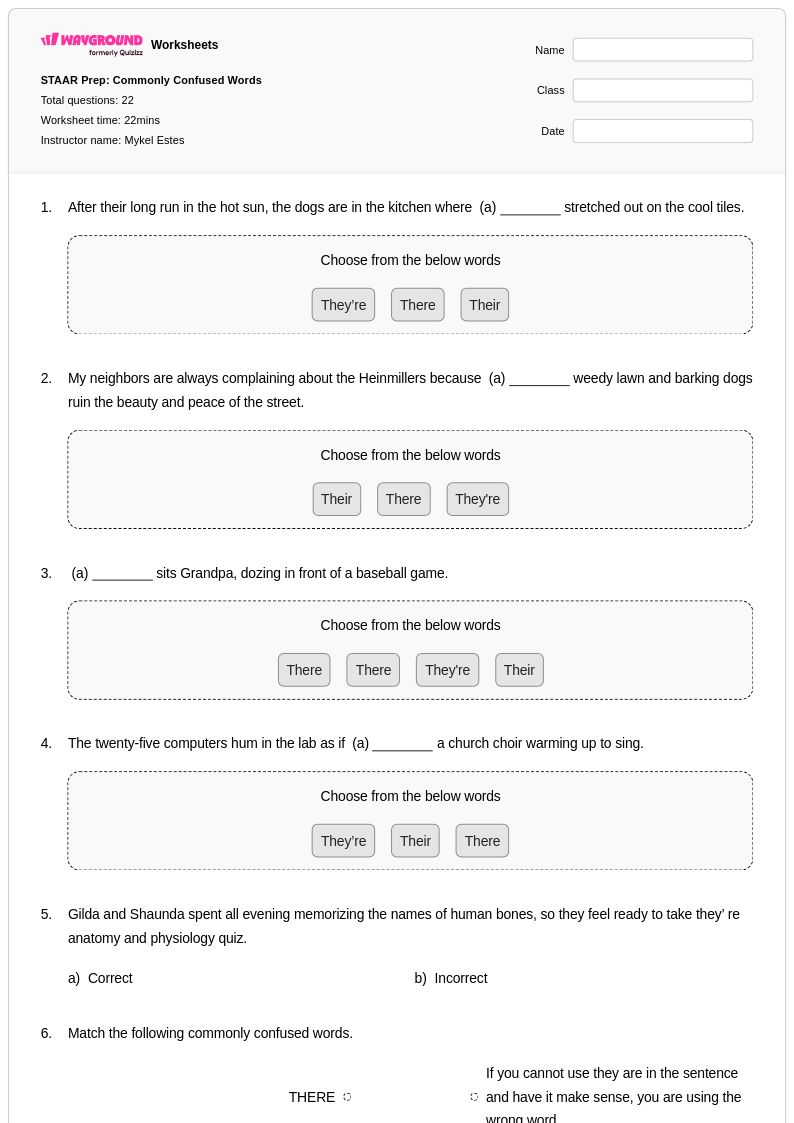
22 Q
8th
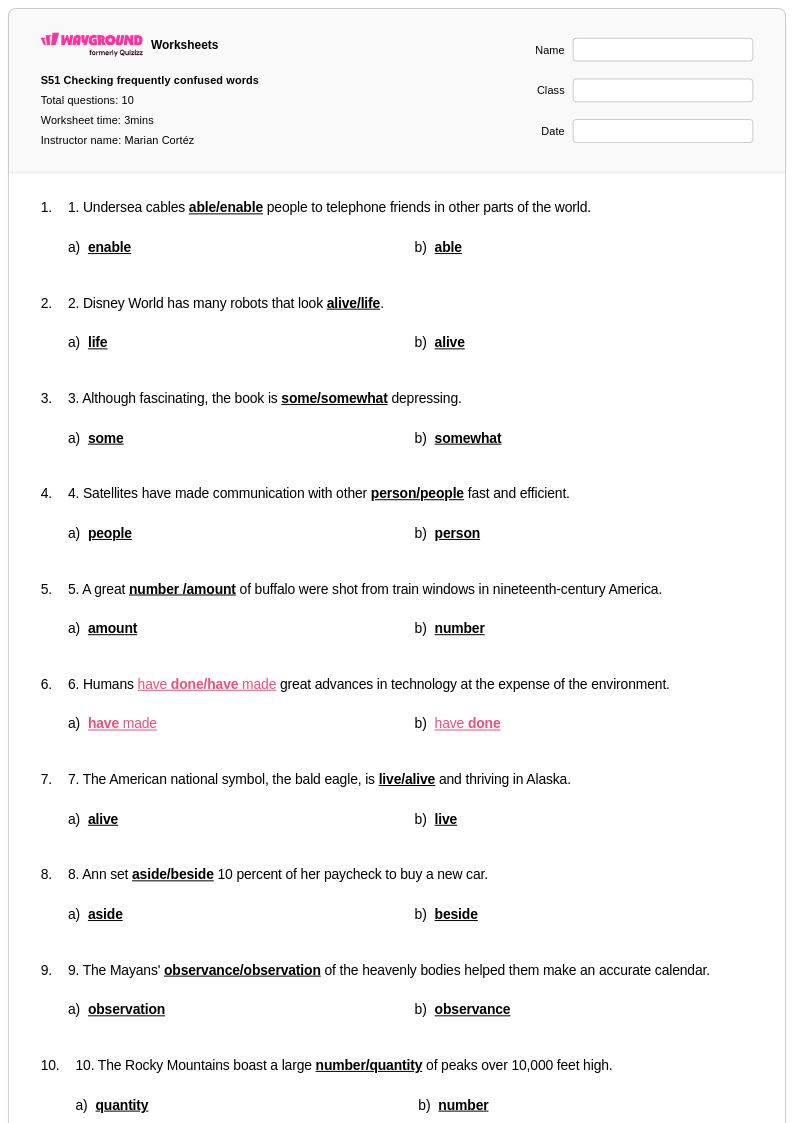
10 Q
1st - 10th
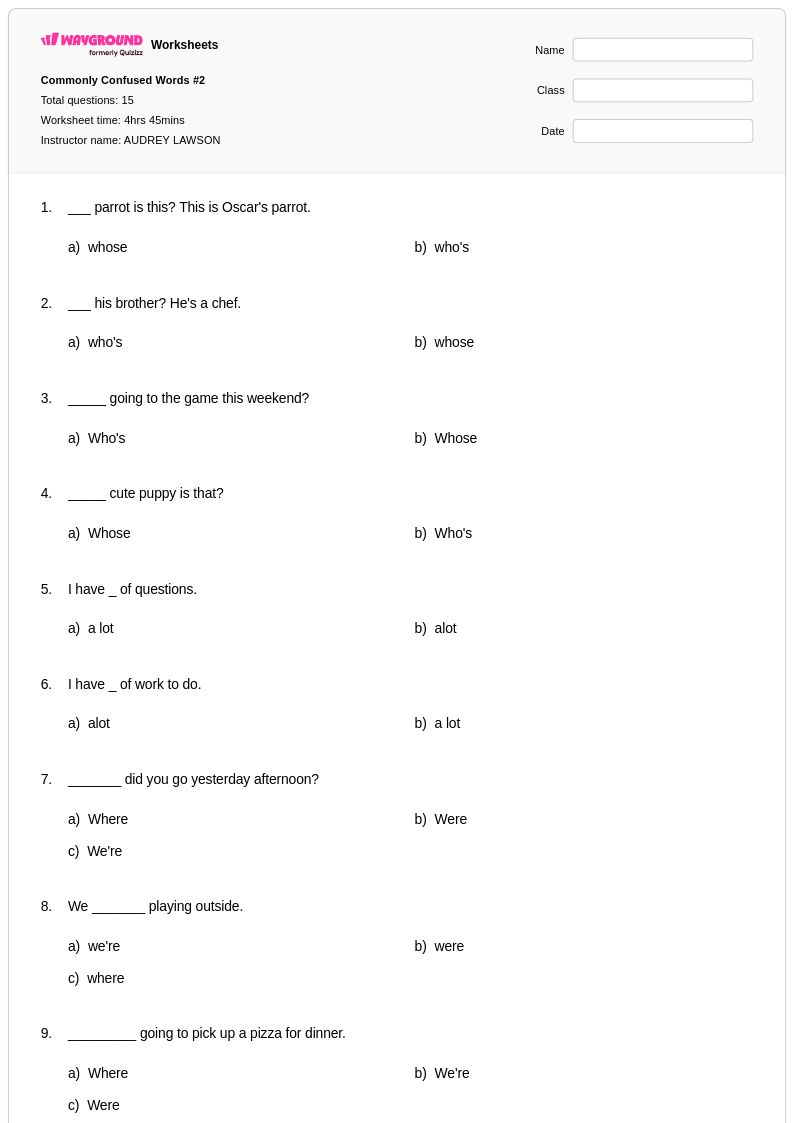
15 Q
8th
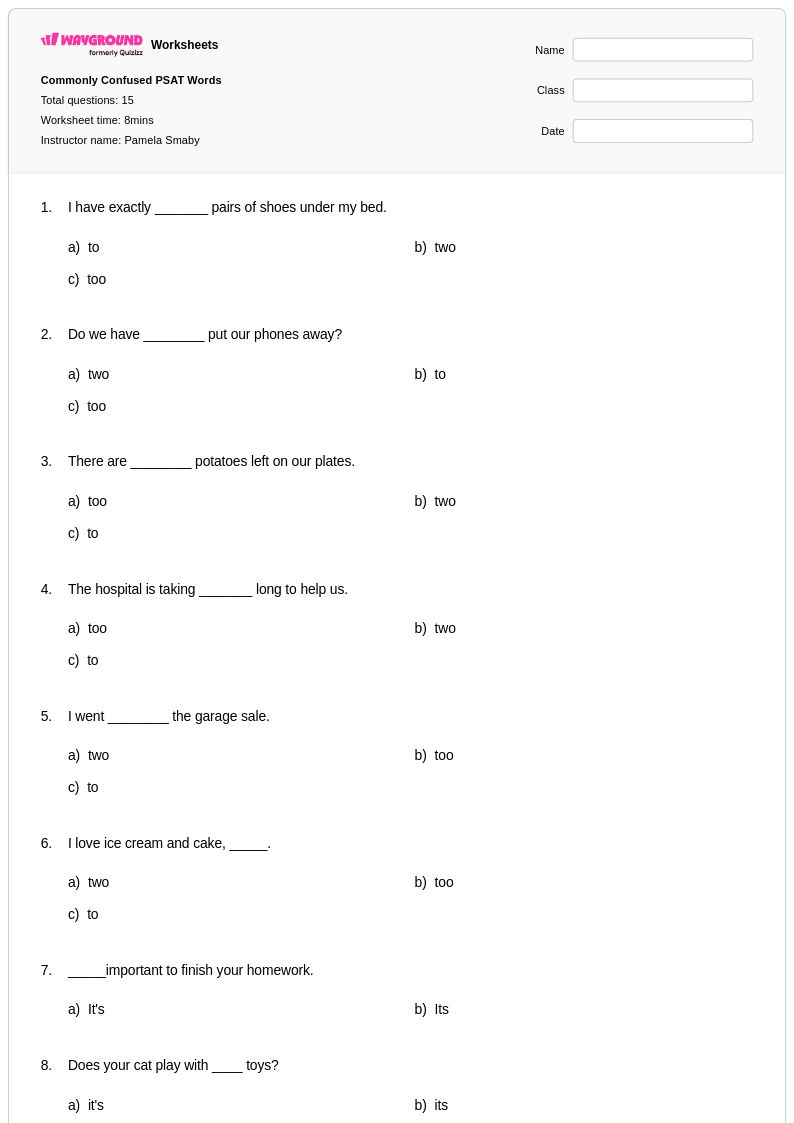
15 Q
8th
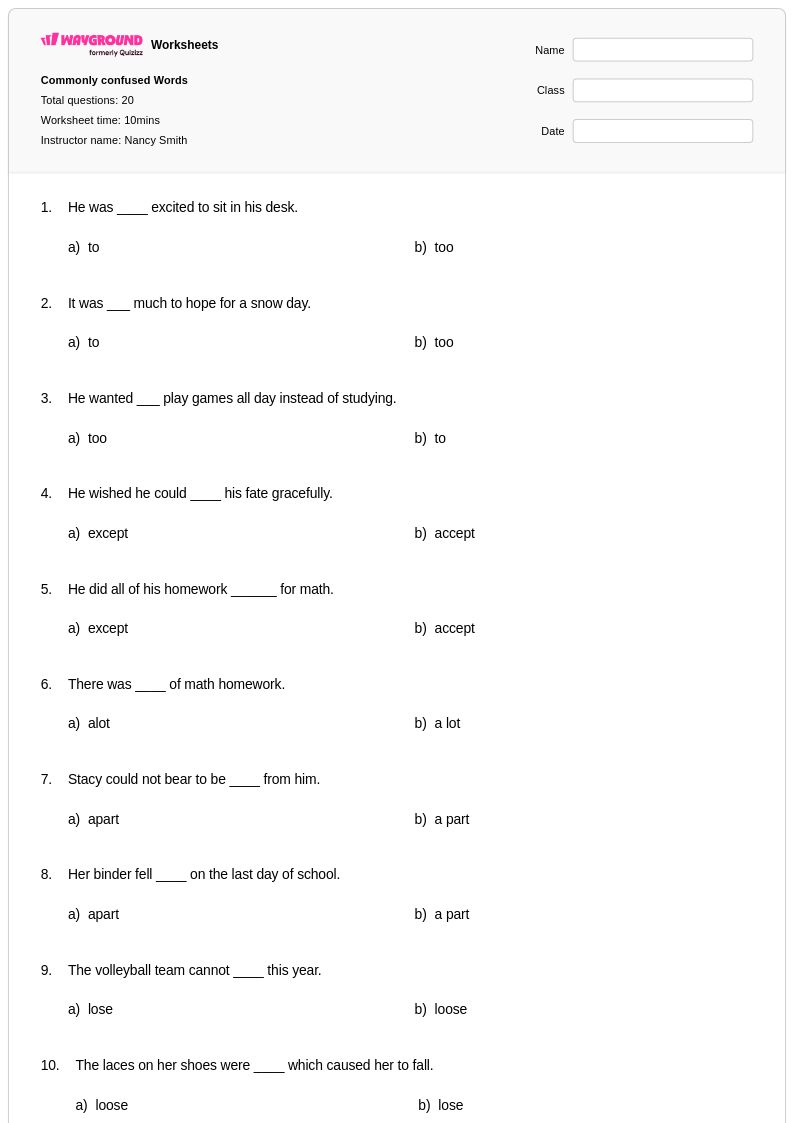
20 Q
8th
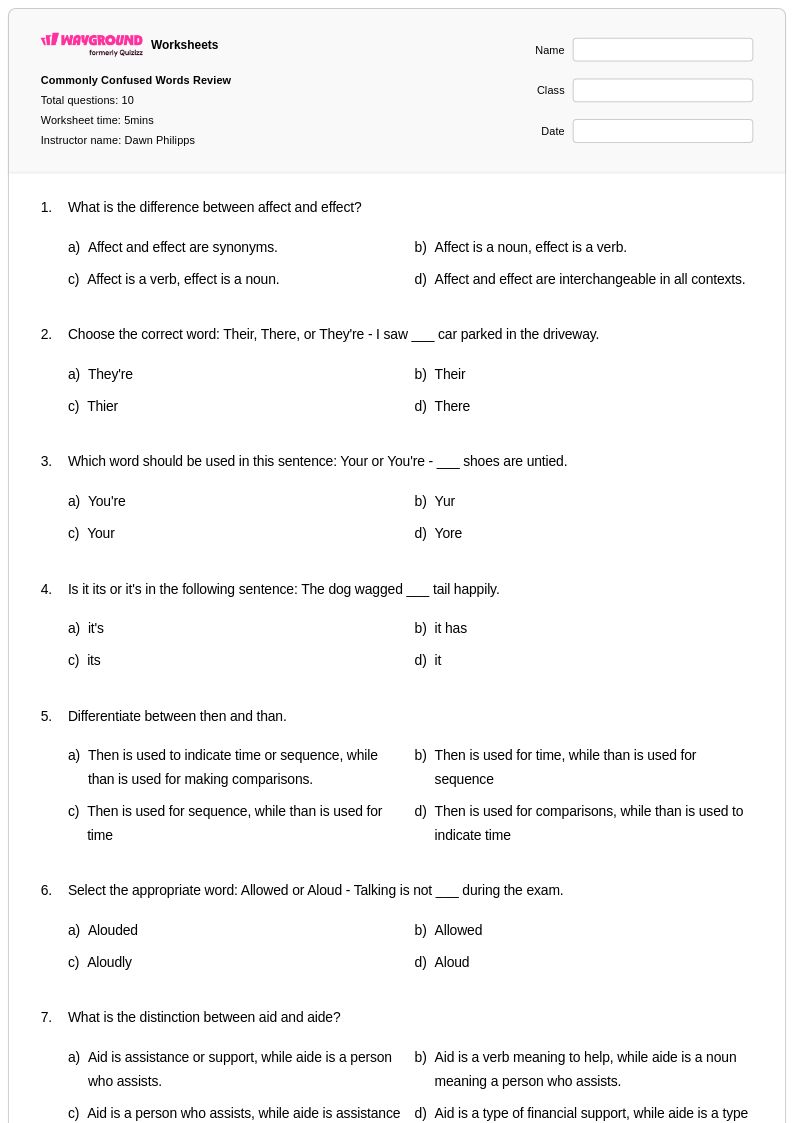
10 Q
8th
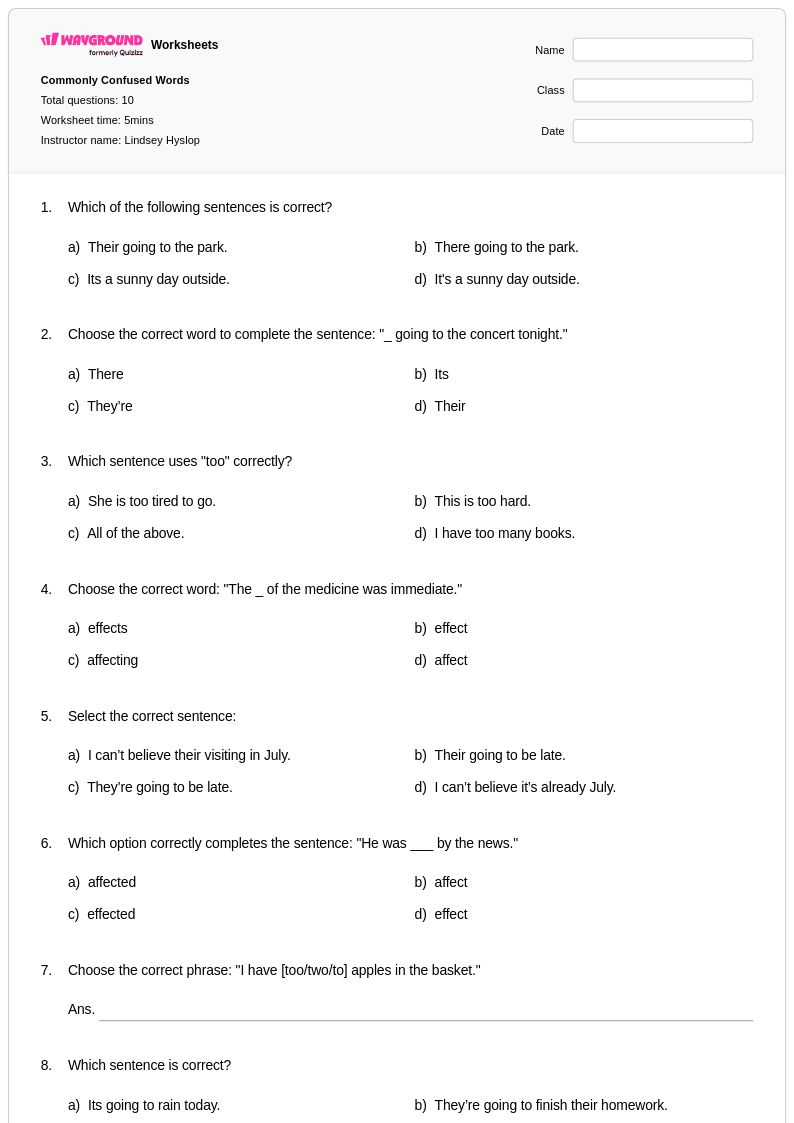
10 Q
8th
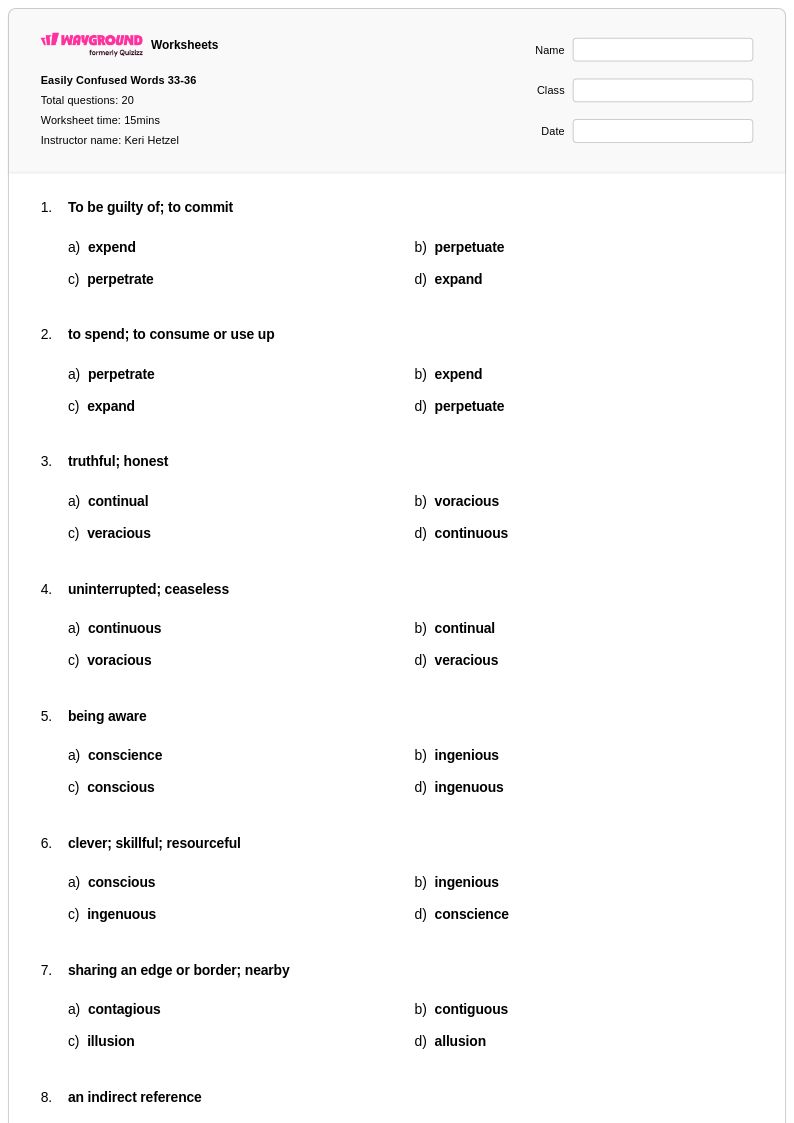
20 Q
8th
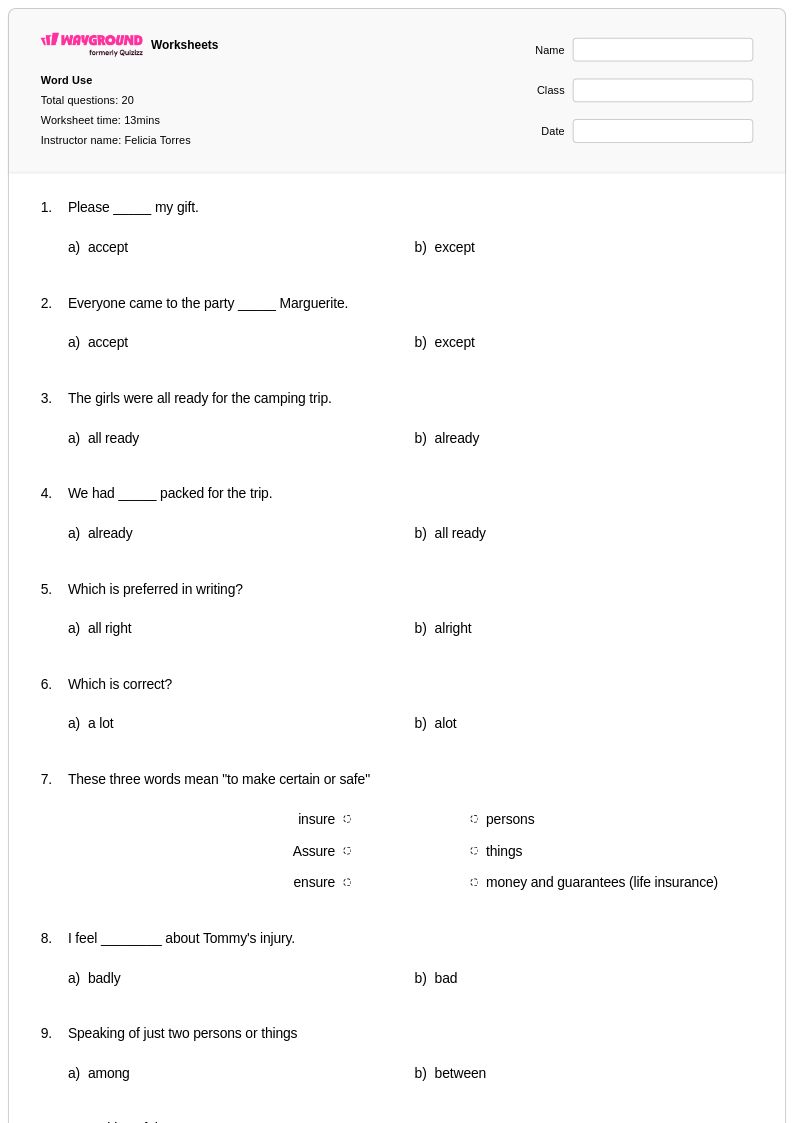
20 Q
8th
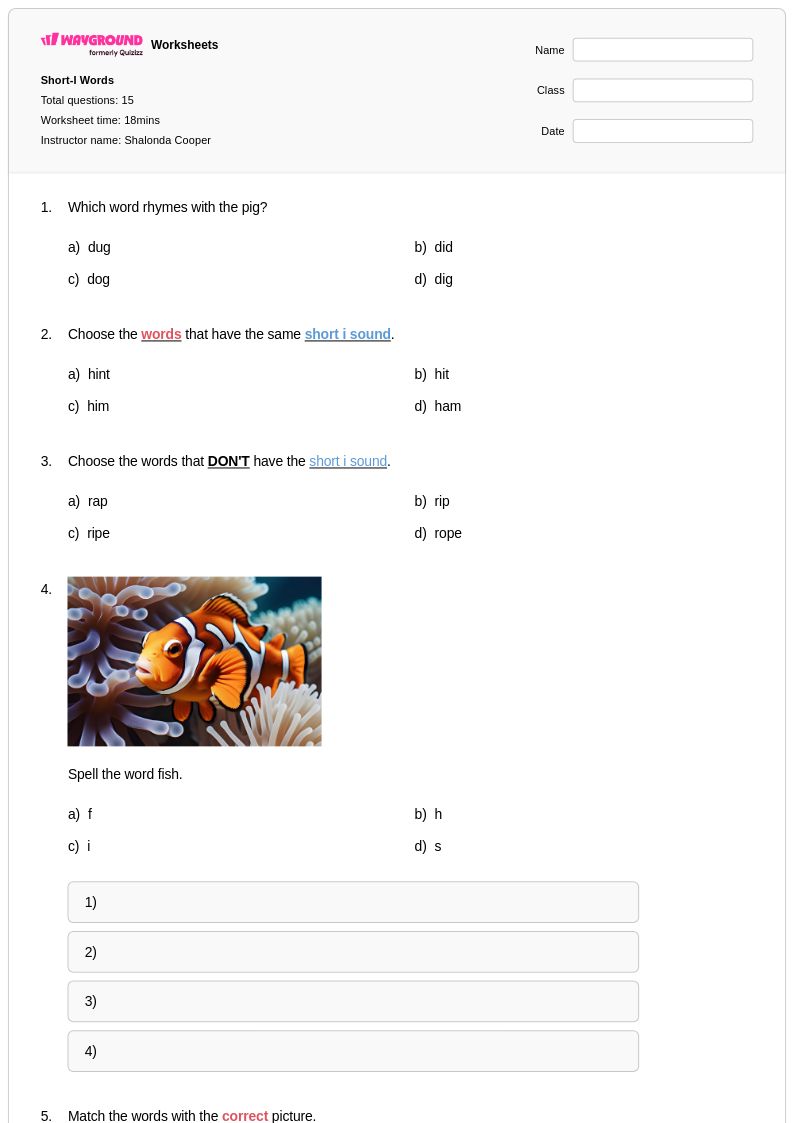
15 Q
2nd - Uni
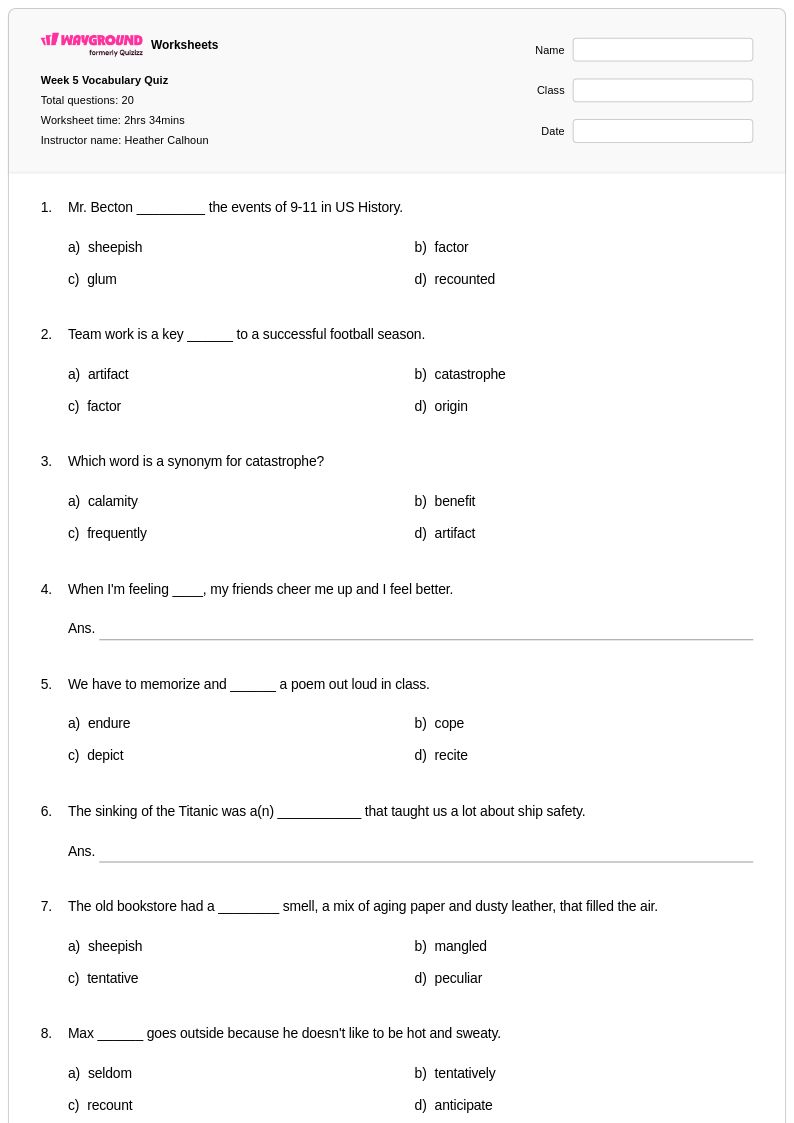
20 Q
8th
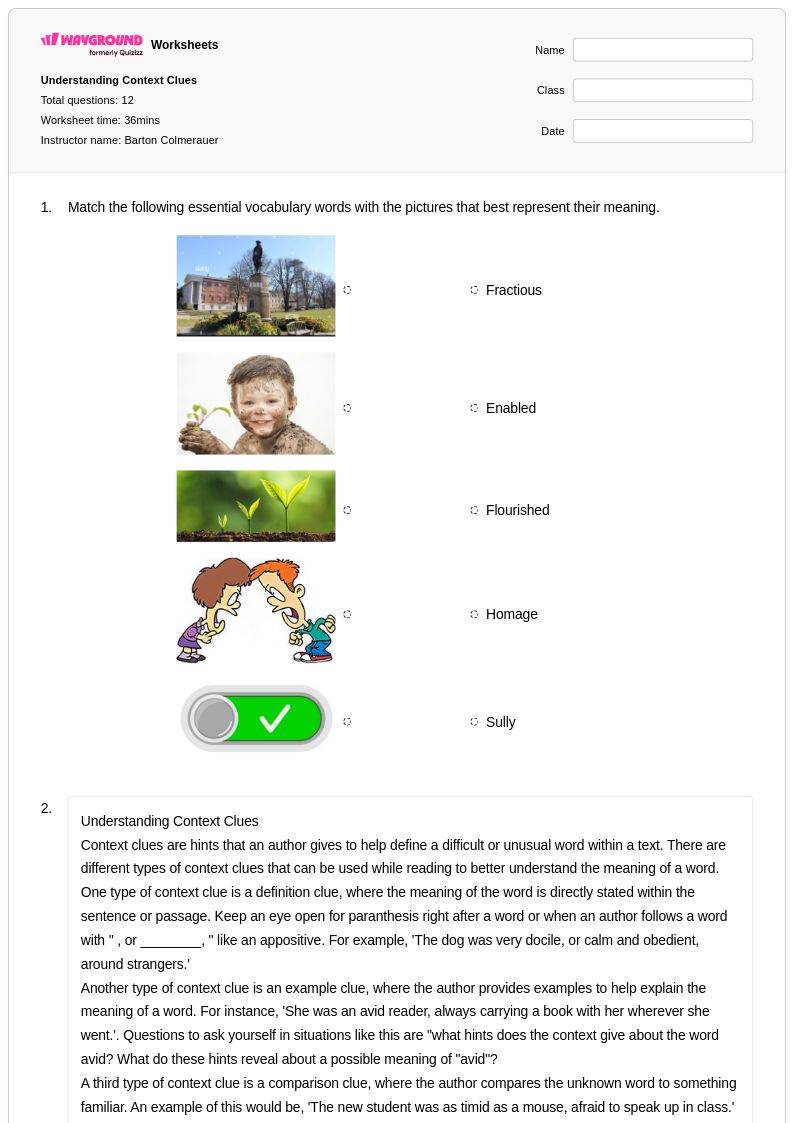
19 Q
8th
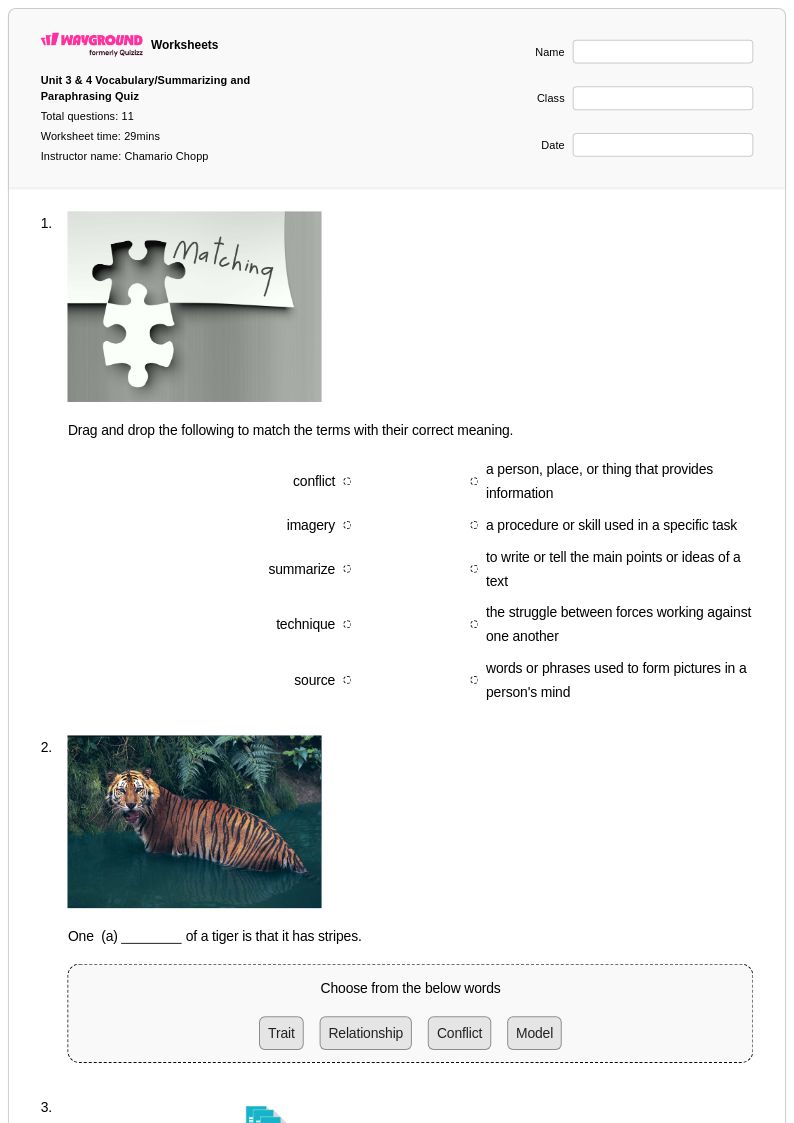
11 Q
6th - 8th
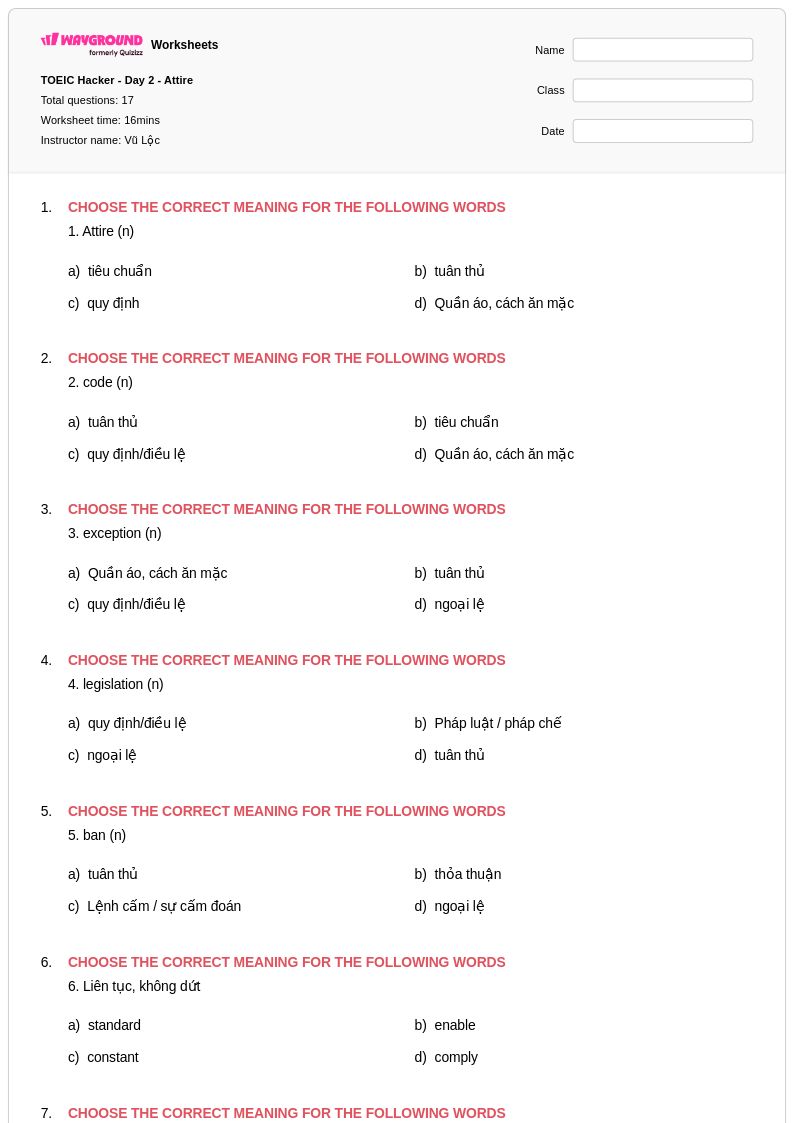
17 Q
6th - 8th
12 Q
4th - 8th
11 Q
6th - 8th
18 Q
8th
10 Q
6th - 8th
Explore Frequently Confused Words Worksheets by Grades
Explore Other Subject Worksheets for class 8
Explore printable Frequently Confused Words worksheets for Class 8
Frequently confused words worksheets for Class 8 students available through Wayground (formerly Quizizz) provide targeted practice to help students master vocabulary pairs that commonly cause writing and communication errors. These comprehensive worksheets address challenging word pairs such as affect/effect, principal/principle, complement/compliment, and stationary/stationary, building essential language skills that strengthen both written and verbal communication. Each worksheet includes carefully crafted practice problems that require students to analyze context clues, understand precise meanings, and apply correct usage in various sentence structures. The collection features detailed answer keys that support independent learning and self-assessment, while printable pdf formats ensure easy classroom distribution and homework assignments for consistent vocabulary reinforcement.
Wayground (formerly Quizizz) empowers educators with millions of teacher-created resources specifically designed for frequently confused words instruction, offering robust search and filtering capabilities that allow teachers to quickly locate Class 8 vocabulary materials aligned with their curriculum standards. The platform's differentiation tools enable teachers to customize worksheets based on individual student needs, providing multiple difficulty levels and varied question formats to support both remediation for struggling learners and enrichment opportunities for advanced students. Available in both printable and digital formats including downloadable pdfs, these worksheet collections streamline lesson planning while offering flexible implementation options for in-class activities, homework assignments, and assessment preparation. Teachers can efficiently monitor student progress through integrated tracking features, making data-driven instructional decisions that target specific vocabulary gaps and reinforce proper word usage across all academic writing contexts.
FAQs
How do I teach frequently confused words effectively in the classroom?
What exercises help students practice frequently confused words?
What mistakes do students commonly make with frequently confused words?
How can I use frequently confused words worksheets to support struggling writers?
How do I use Wayground's frequently confused words worksheets in my class?