Free Printable Functional Text Comprehension Worksheets for Class 10
Class 10 functional text comprehension worksheets from Wayground help students master real-world reading skills through engaging printables, practice problems, and comprehensive answer keys for effective learning.
Explore printable Functional Text Comprehension worksheets for Class 10
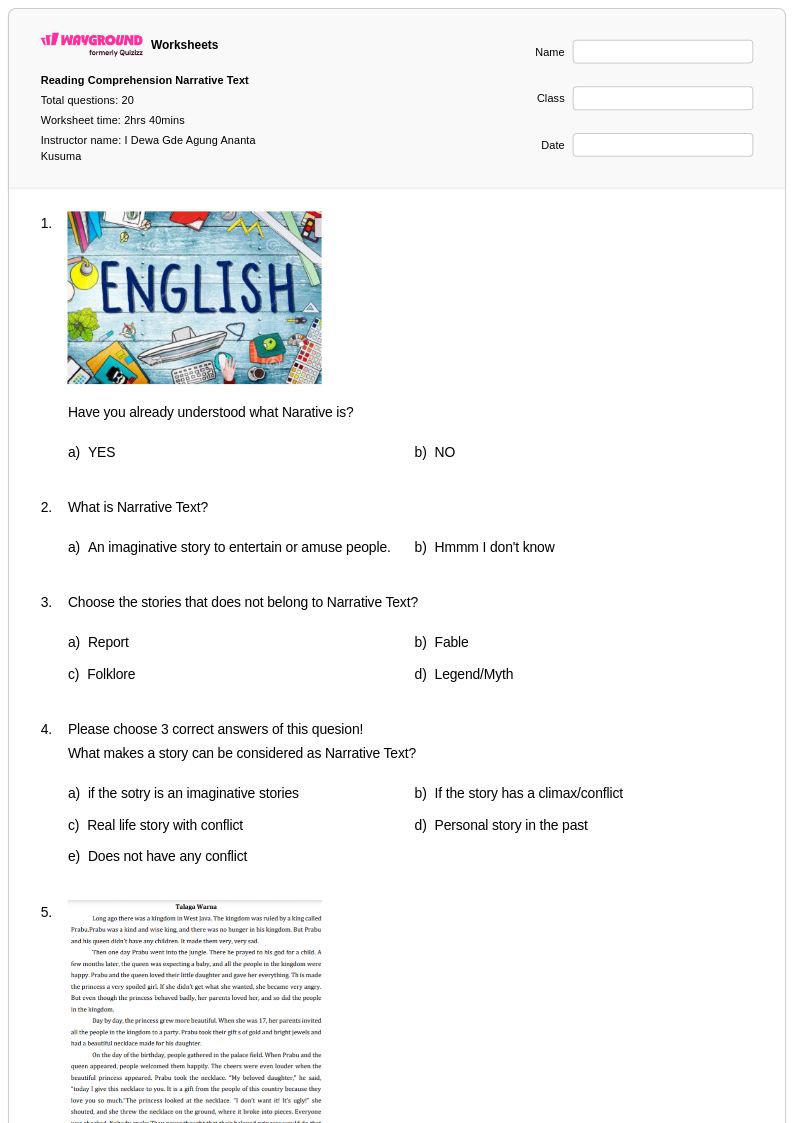
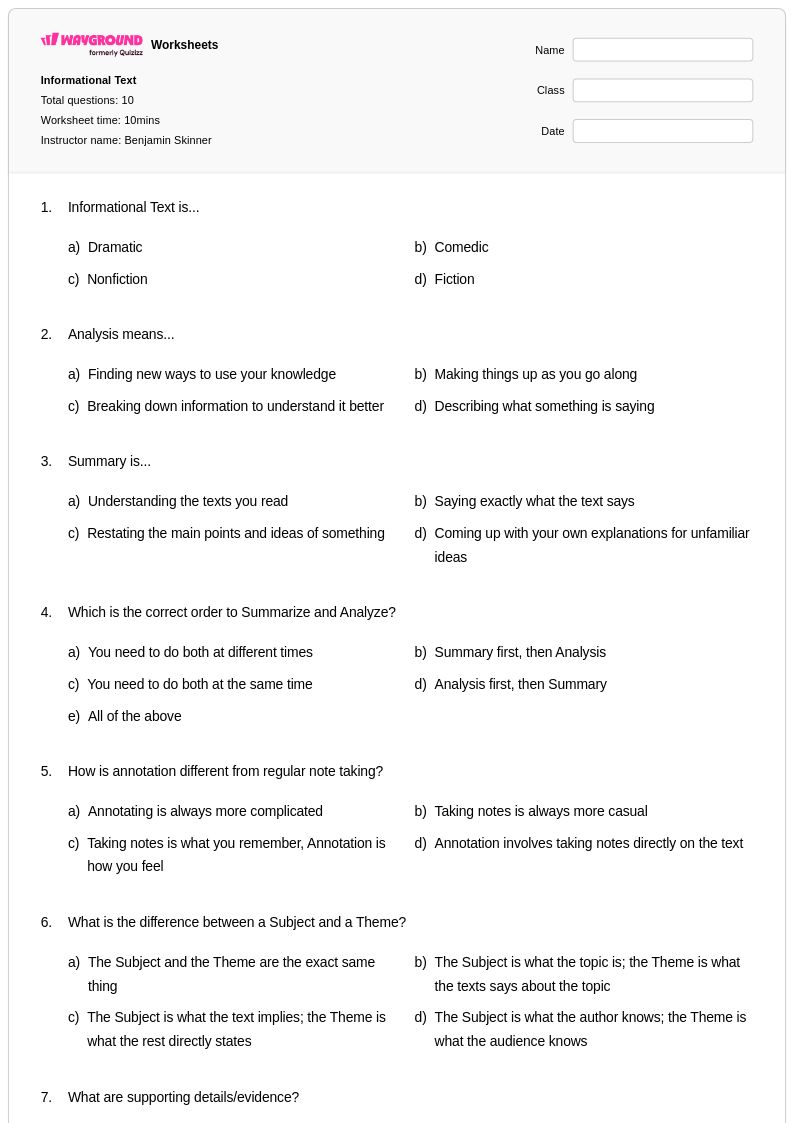
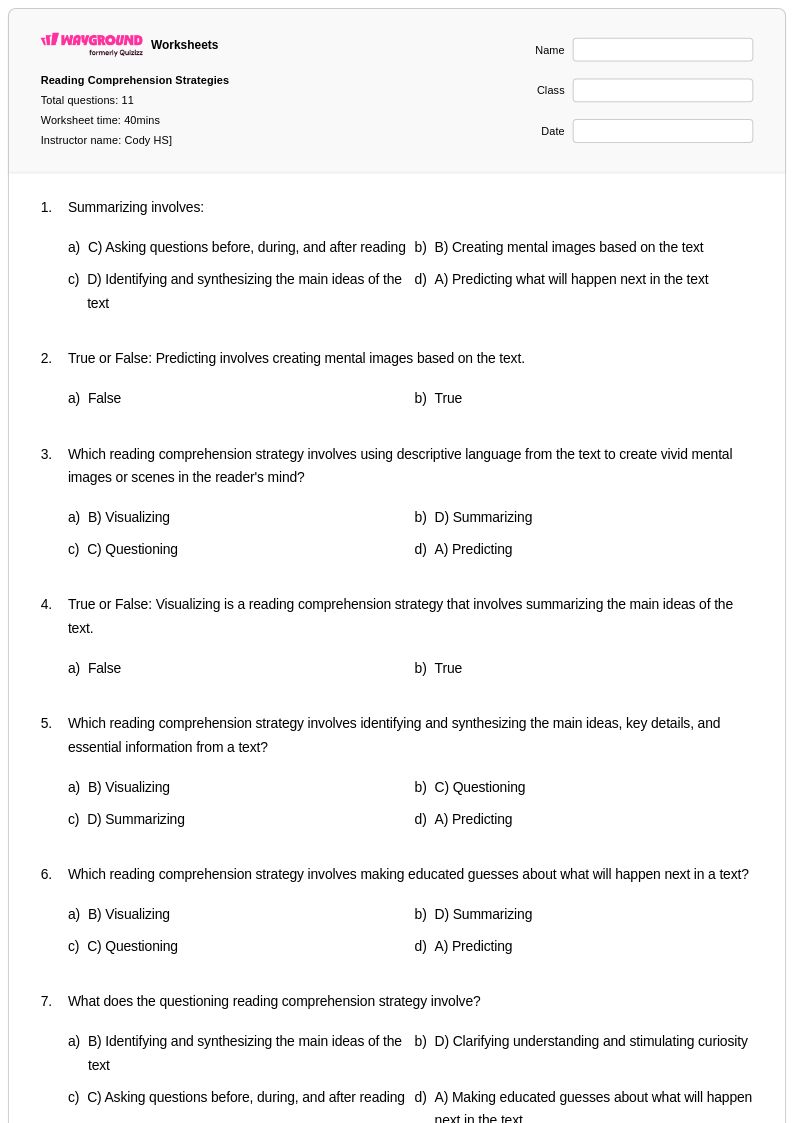
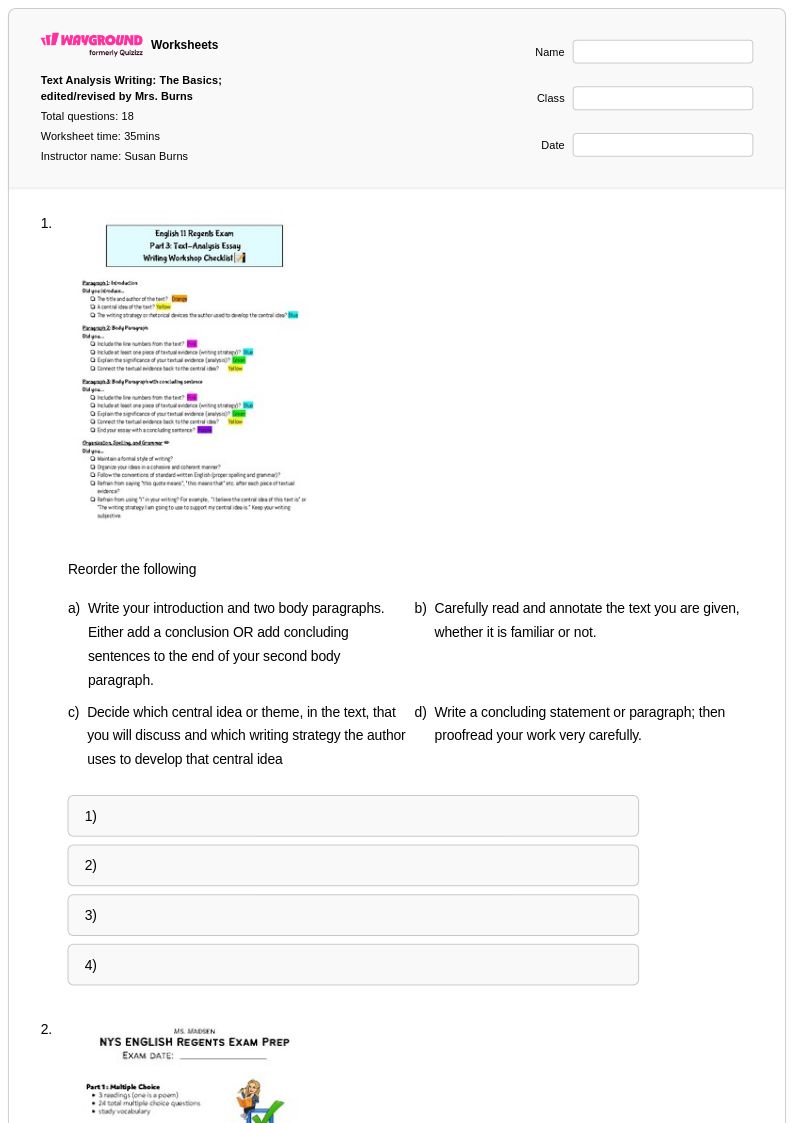
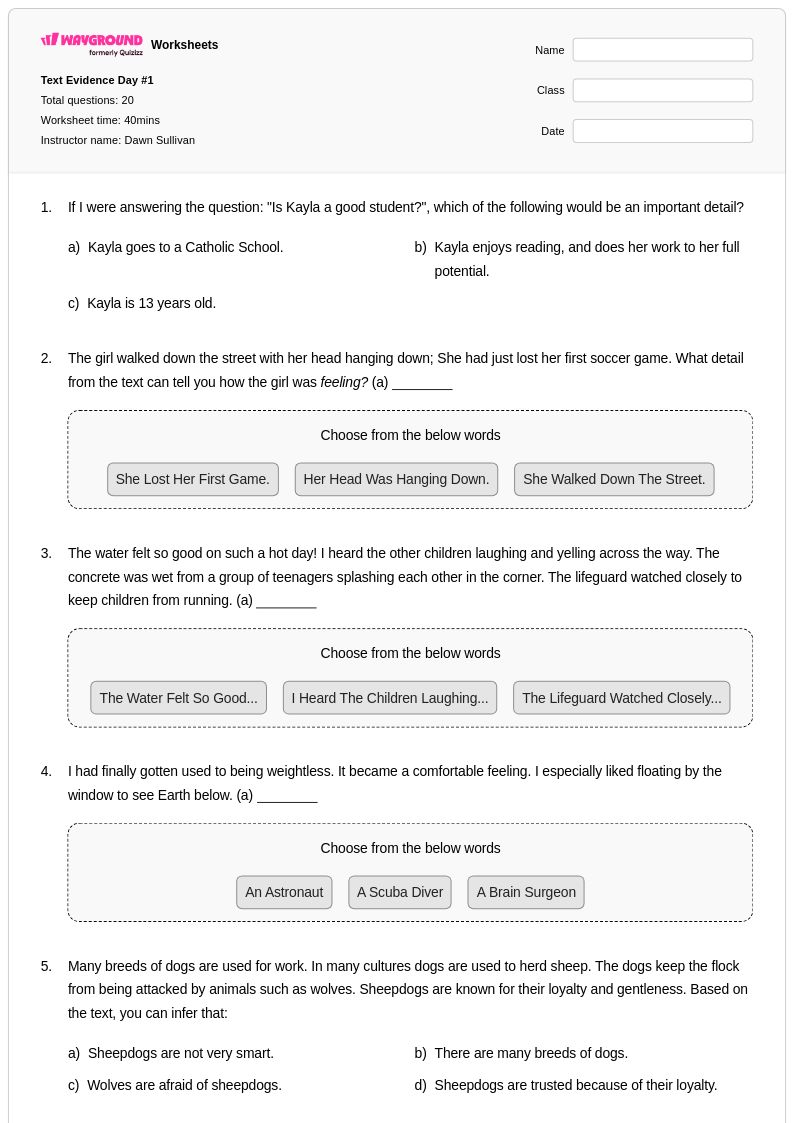
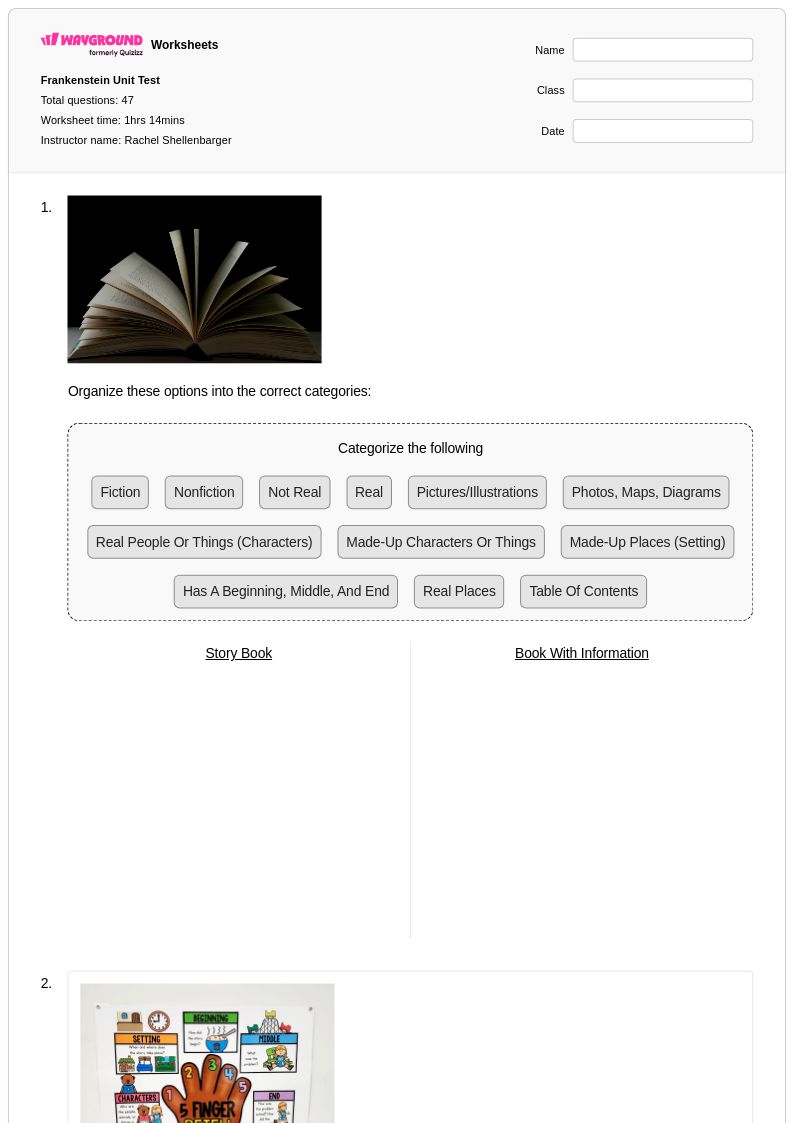
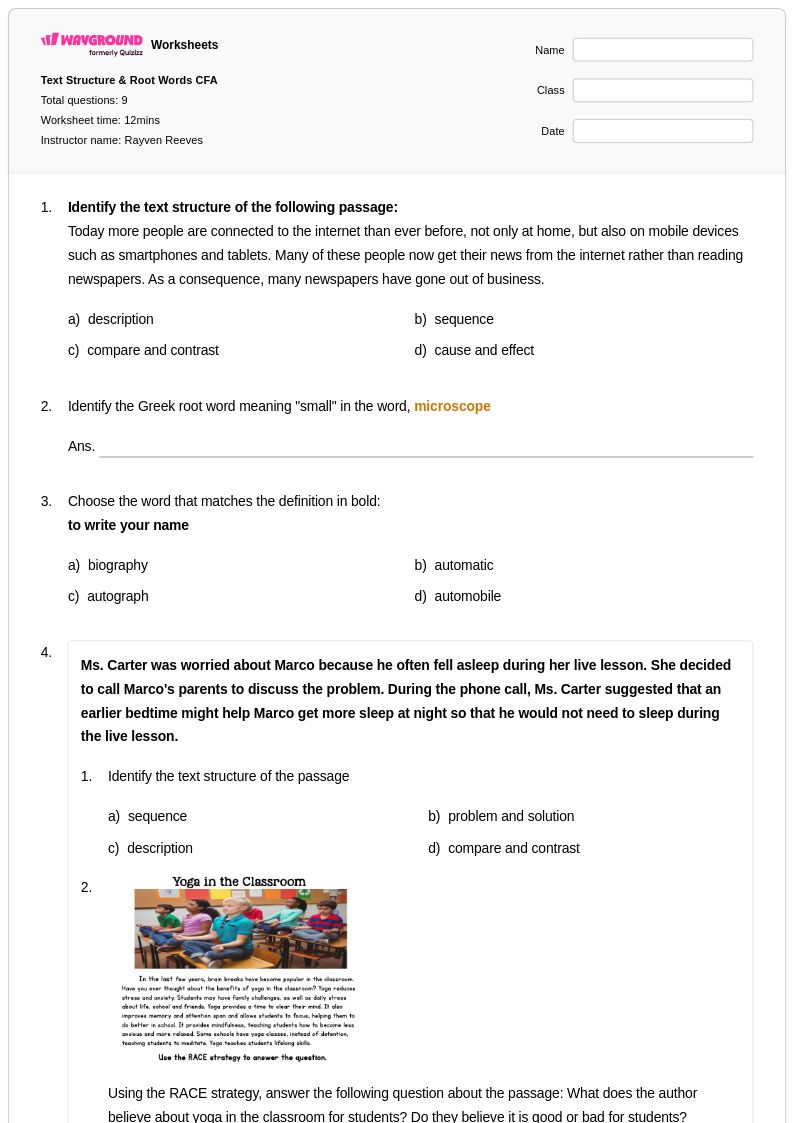
Functional text comprehension worksheets for Class 10 students available through Wayground (formerly Quizizz) provide essential practice with real-world reading materials that students encounter in their daily lives and academic pursuits. These comprehensive resources focus on developing critical skills needed to interpret and analyze practical documents such as technical manuals, workplace communications, government forms, instructional guides, and informational brochures. Students strengthen their ability to extract key information, follow multi-step directions, identify purpose and audience, and evaluate the effectiveness of functional texts through targeted practice problems that mirror authentic literacy demands. Each worksheet comes with a complete answer key and is available as a free printable pdf, allowing educators to seamlessly integrate these materials into their reading comprehension instruction while supporting students in mastering the sophisticated analytical skills required for success in academic and professional contexts.
Wayground's extensive collection of functional text comprehension materials draws from millions of teacher-created resources, providing educators with an unparalleled selection of high-quality worksheets that align with Class 10 reading standards and curriculum expectations. The platform's advanced search and filtering capabilities enable teachers to quickly locate materials that match specific functional text types, complexity levels, and skill focuses, while built-in differentiation tools support diverse learner needs through customizable difficulty settings and scaffolding options. These versatile resources are available in both printable and digital formats, including downloadable pdfs, making them ideal for traditional classroom instruction, hybrid learning environments, and remote teaching situations. Teachers can efficiently plan comprehensive units, provide targeted remediation for struggling readers, offer enrichment opportunities for advanced students, and deliver consistent skill practice that builds the functional literacy competencies essential for college and career readiness.
FAQs
How do I teach functional text comprehension in the classroom?
Teaching functional text comprehension works best when students are exposed to authentic real-world documents such as bus schedules, product warranties, instruction manuals, and advertisements. Begin by modeling how to identify the purpose of a document and locate specific information quickly, then gradually release responsibility to students through guided and independent practice. Connecting these texts to students' daily lives increases engagement and helps them recognize why these reading strategies matter beyond the classroom.
What types of texts are used in functional text comprehension worksheets?
Functional text comprehension worksheets typically include real-world documents such as instructions, schedules, advertisements, warranties, technical manuals, charts, and diagrams. These materials reflect the kinds of texts students encounter outside of academic settings, making practice directly relevant to their personal and professional lives. Exposing students to a variety of functional text formats builds flexible reading strategies that transfer across contexts.
What exercises help students practice functional text comprehension skills?
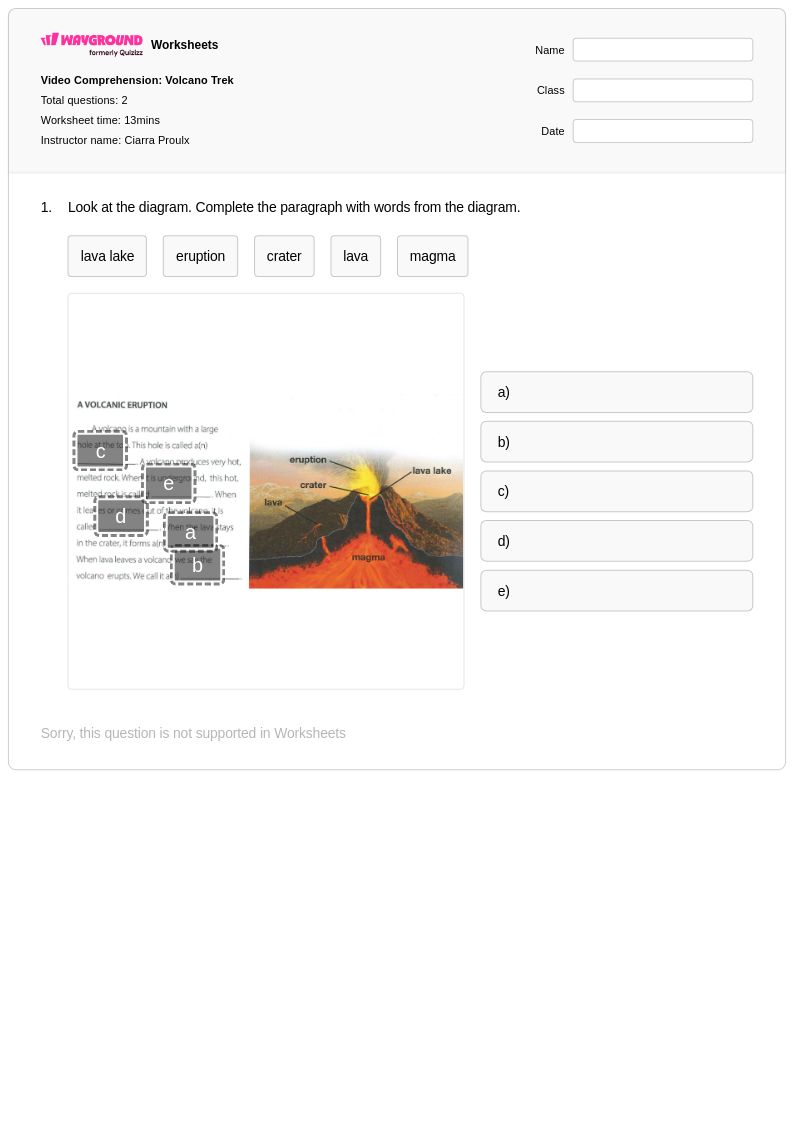
Effective practice exercises for functional text comprehension include locating specific information within formatted documents, interpreting visual elements like charts and diagrams, identifying the main idea of practical texts, and making inferences based on real-world content. Structured worksheets that mirror authentic literacy demands give students repeated exposure to these skills in a low-stakes environment. Regular practice with varied document types builds the fluency students need to navigate functional texts independently.
What mistakes do students commonly make when reading functional texts?
A common error is reading functional texts linearly rather than strategically, causing students to miss key information embedded in headers, tables, or sidebars. Students also frequently confuse the purpose of different text features, misreading a warning label as general information or skipping visual elements like diagrams entirely. Another widespread misconception is assuming that shorter or simpler-looking functional texts require less careful reading, when in fact precision and attention to detail are critical for accurate interpretation.
How can I differentiate functional text comprehension practice for struggling readers?
For struggling readers, reducing the complexity of the functional text while maintaining the authentic format helps build confidence without sacrificing skill development. On Wayground, teachers can apply accommodations such as Read Aloud to have questions and content read to students, reduced answer choices to lower cognitive load, and extended time per question for students who need additional processing time. These settings can be assigned to individual students while the rest of the class works under standard conditions, and they carry over to future sessions automatically.
How do I use Wayground's functional text comprehension worksheets in my classroom?
Wayground's functional text comprehension worksheets are available as free printable PDFs for traditional classroom use and in digital formats for technology-integrated instruction, giving teachers flexibility across different teaching environments. Teachers can also host these materials as a quiz directly on Wayground, which allows for real-time monitoring of student responses. The platform's search and filtering tools make it straightforward to find worksheets aligned to specific reading standards or targeted toward particular functional text types.