
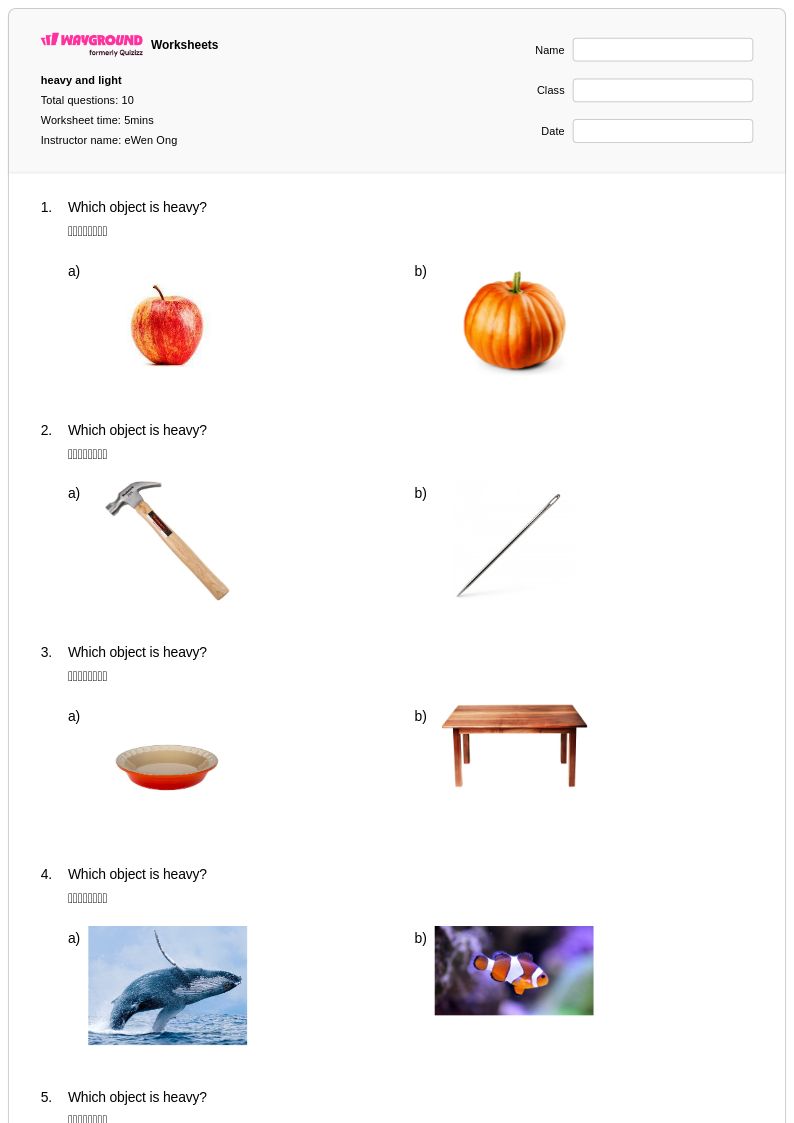
10 Q
KG
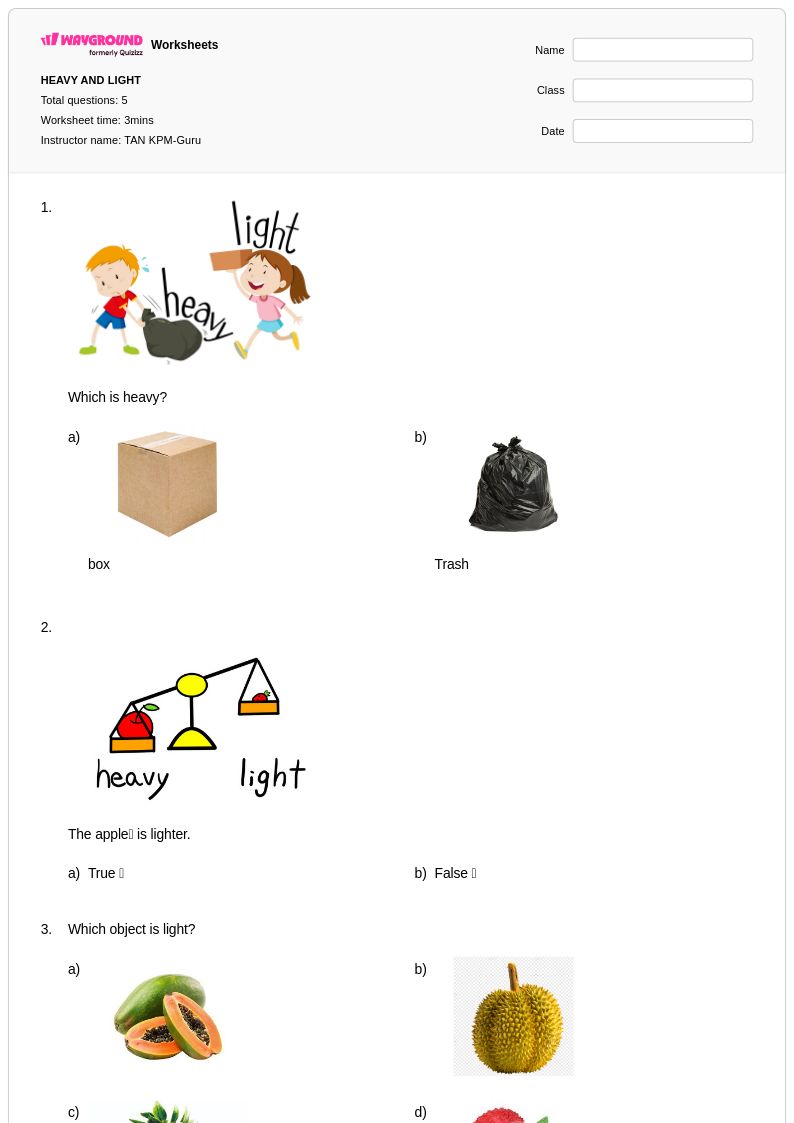
5 Q
KG
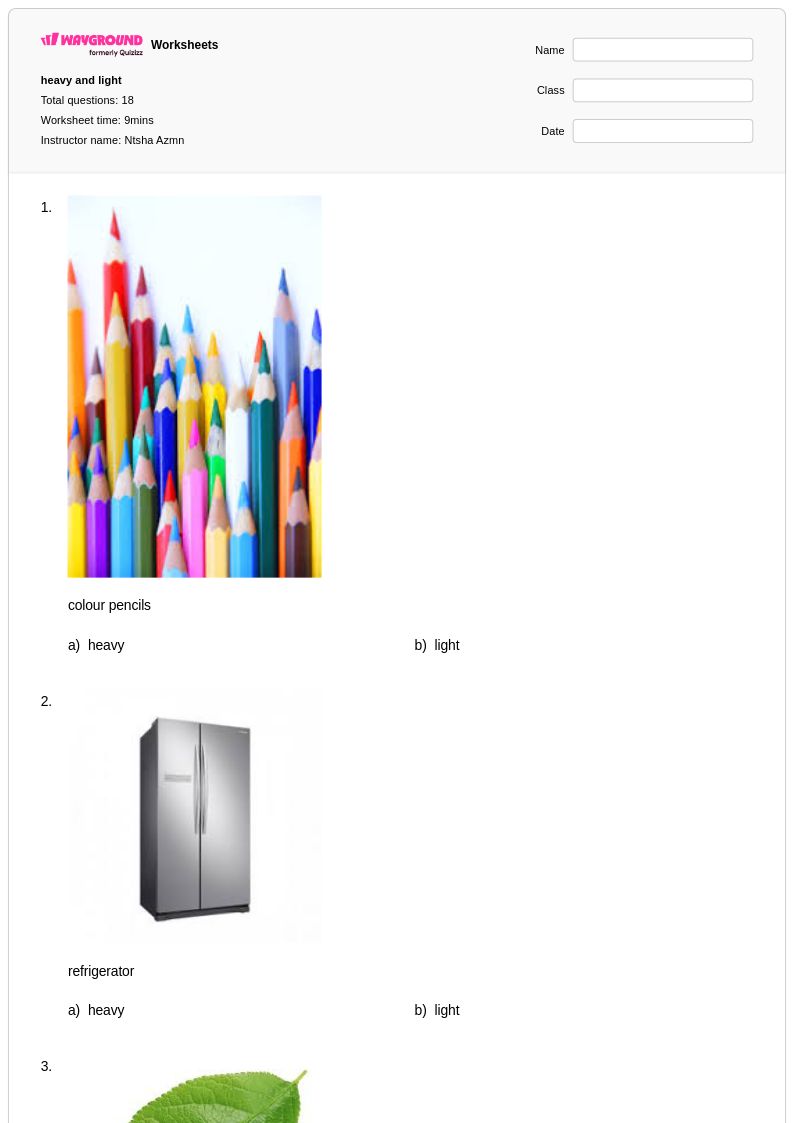
18 Q
KG
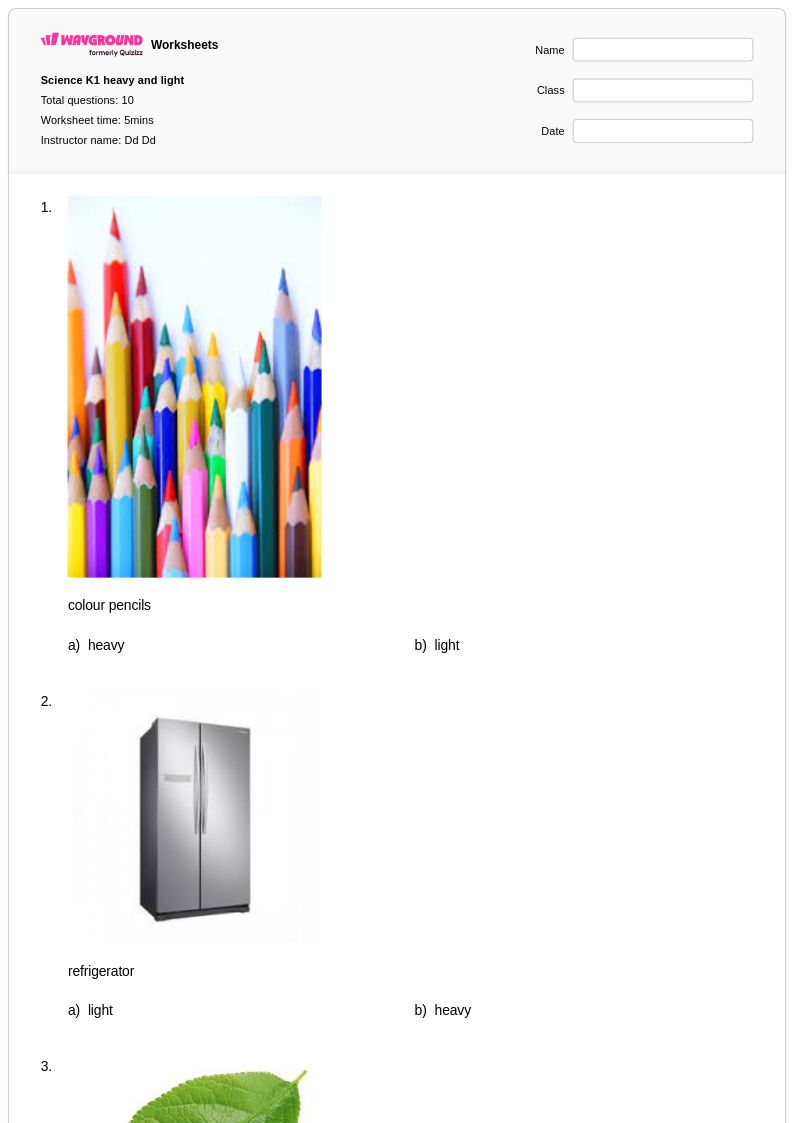
10 Q
KG
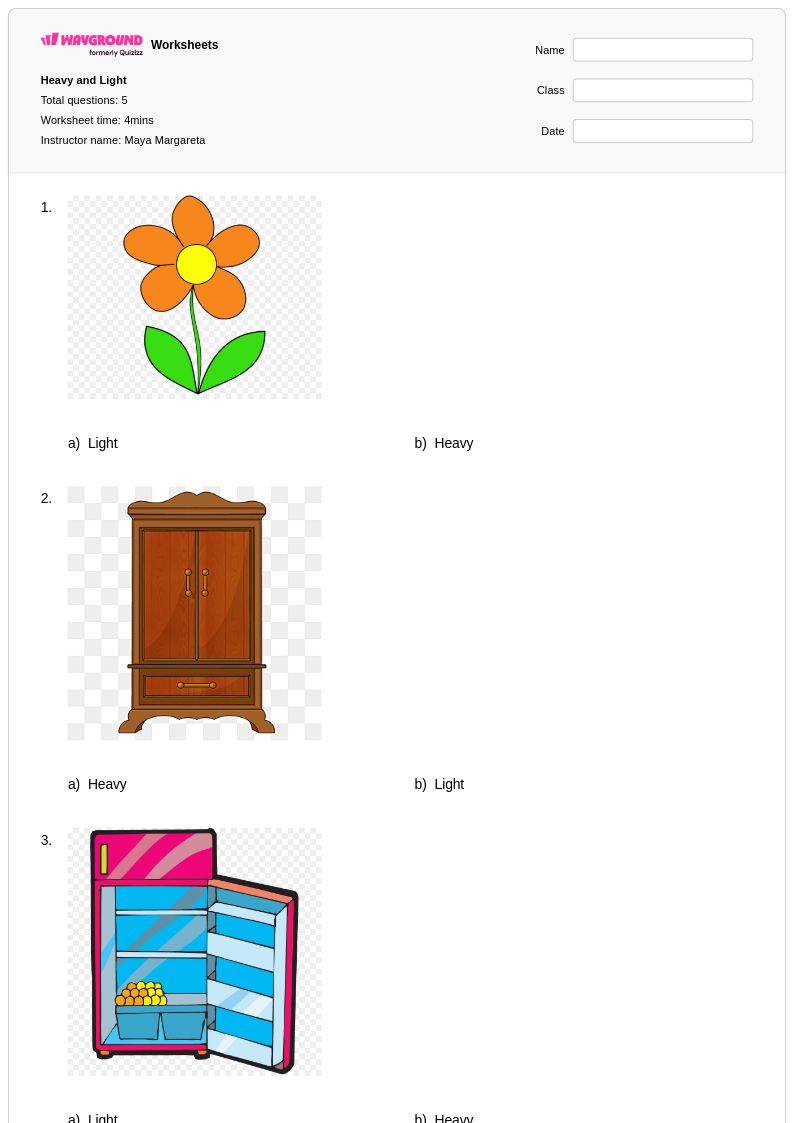
5 Q
KG
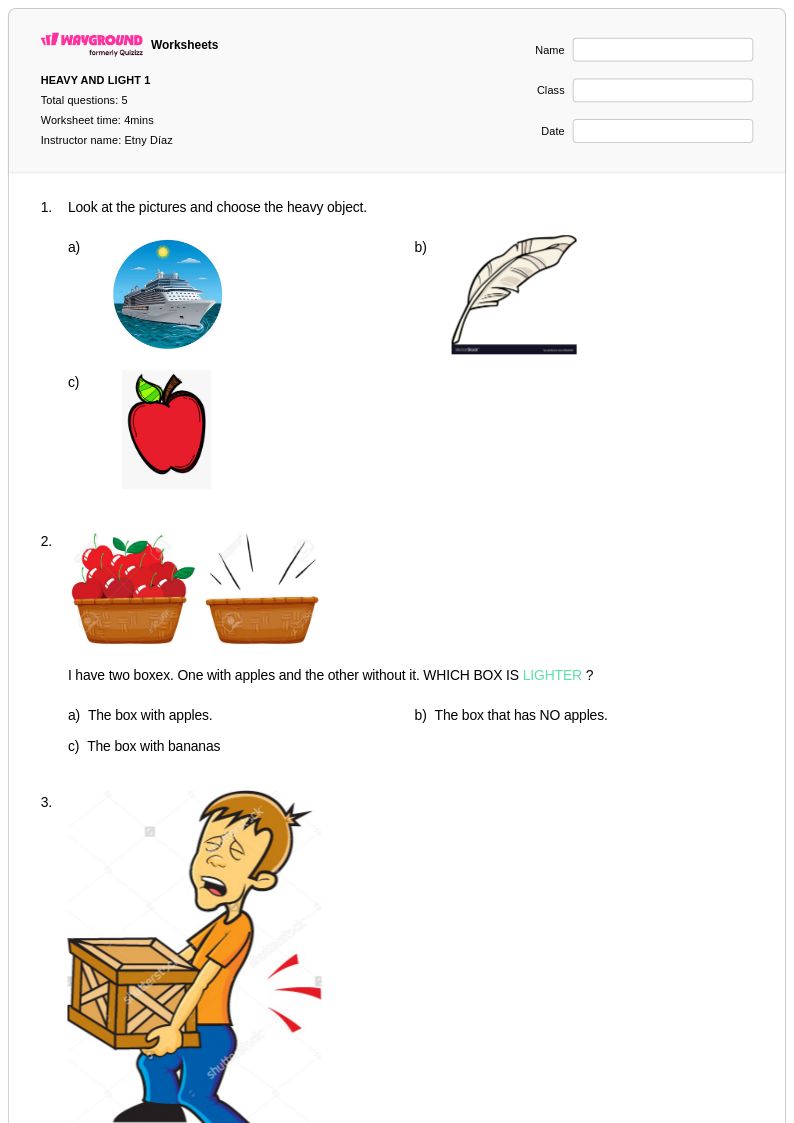
5 Q
1st
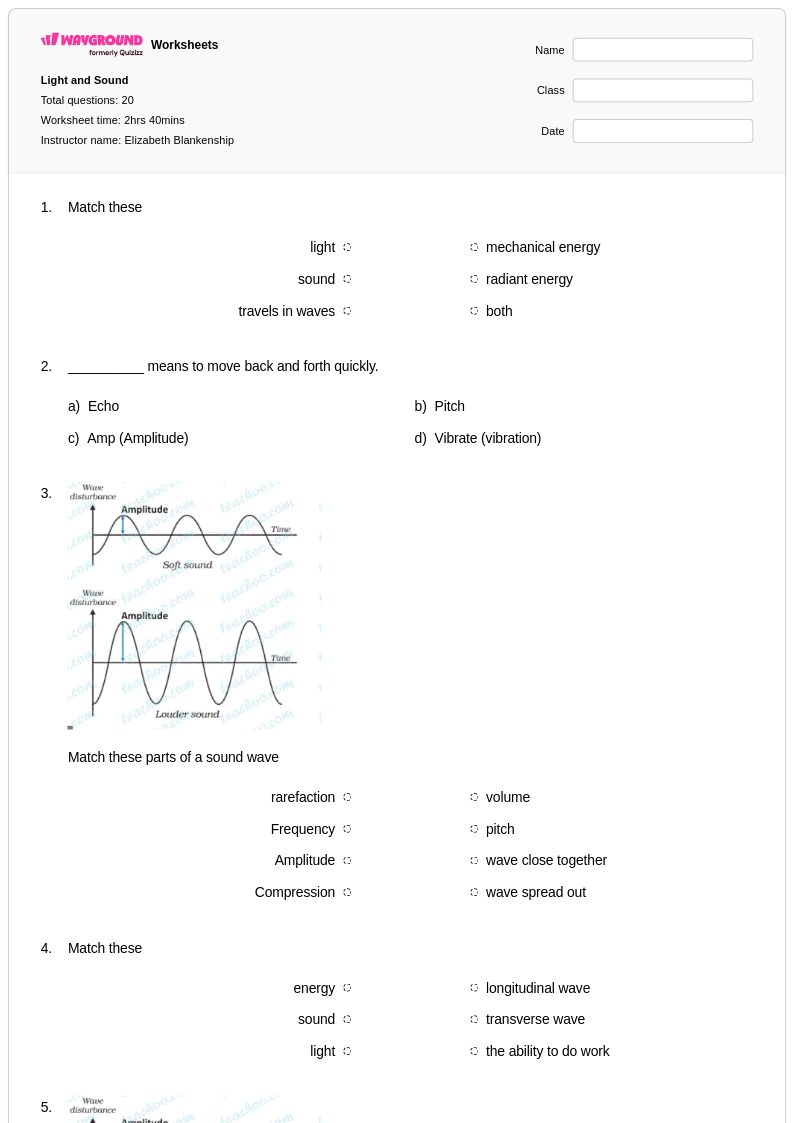
20 Q
8th
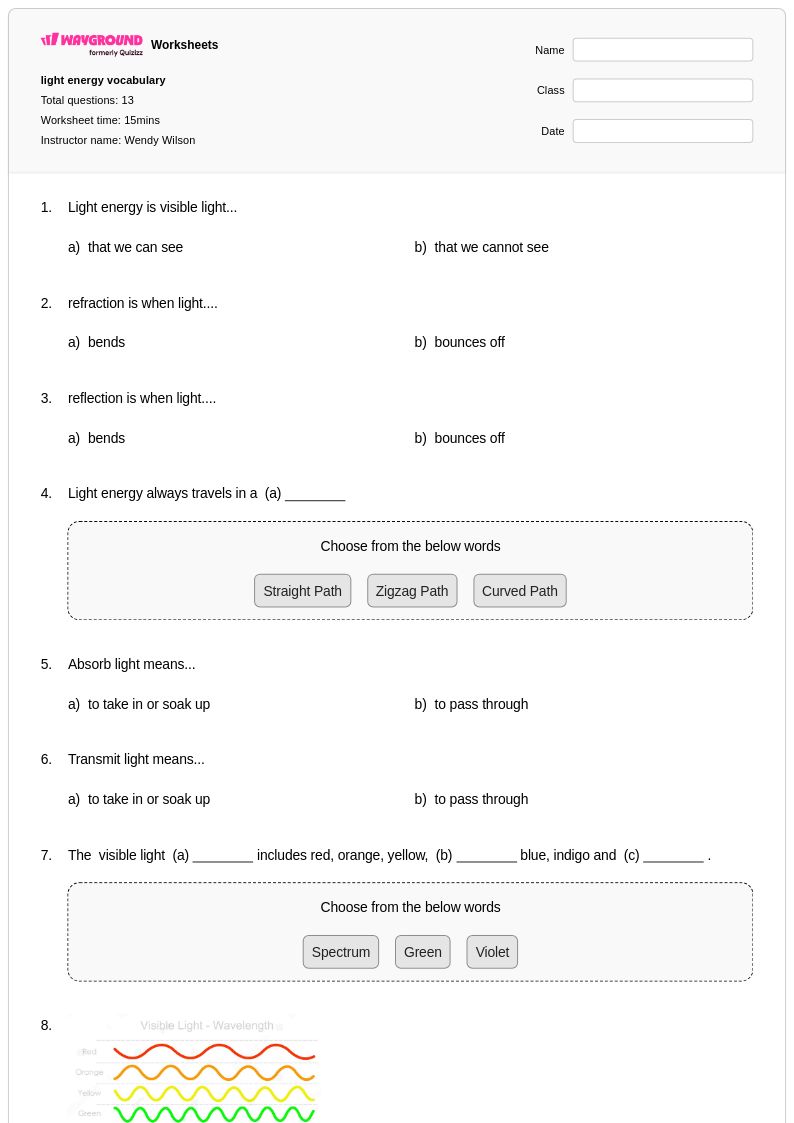
13 Q
5th
20 Q
8th
10 Q
5th
12 Q
5th
20 Q
12th
9 Q
6th
20 Q
9th
16 Q
5th
20 Q
11th
20 Q
8th
14 Q
6th - Uni
38 Q
8th
20 Q
8th
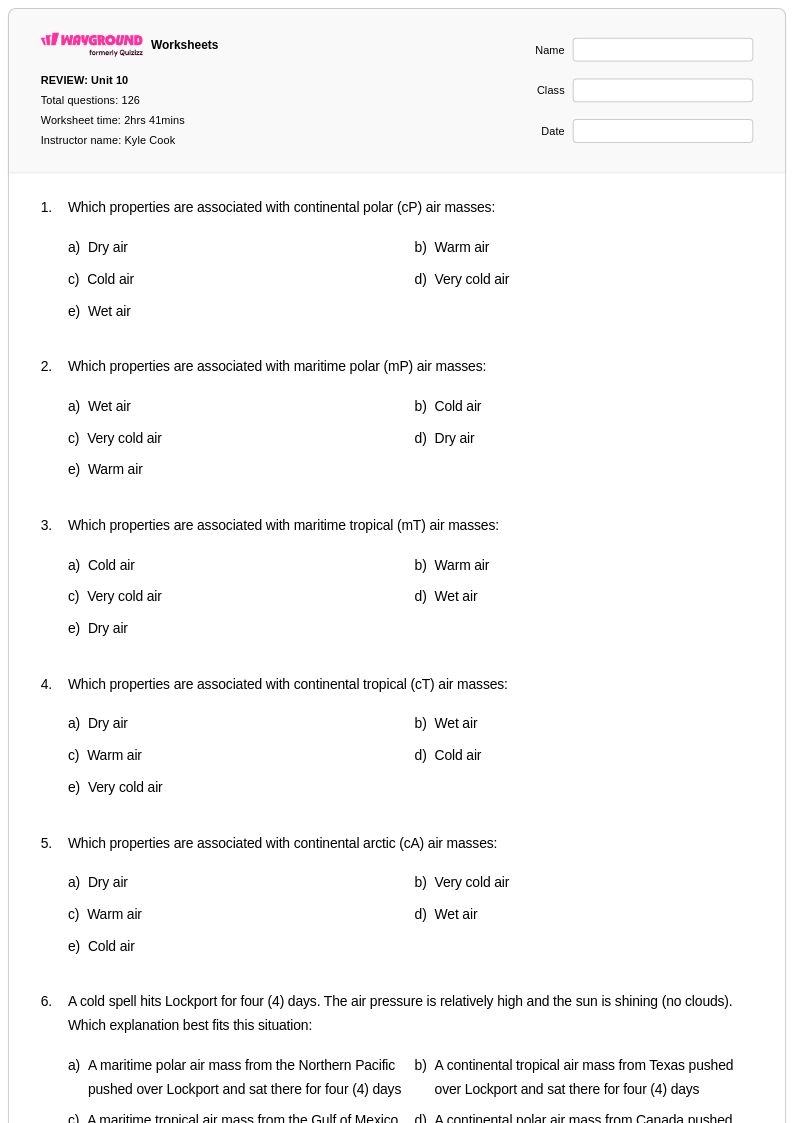
126 Q
11th
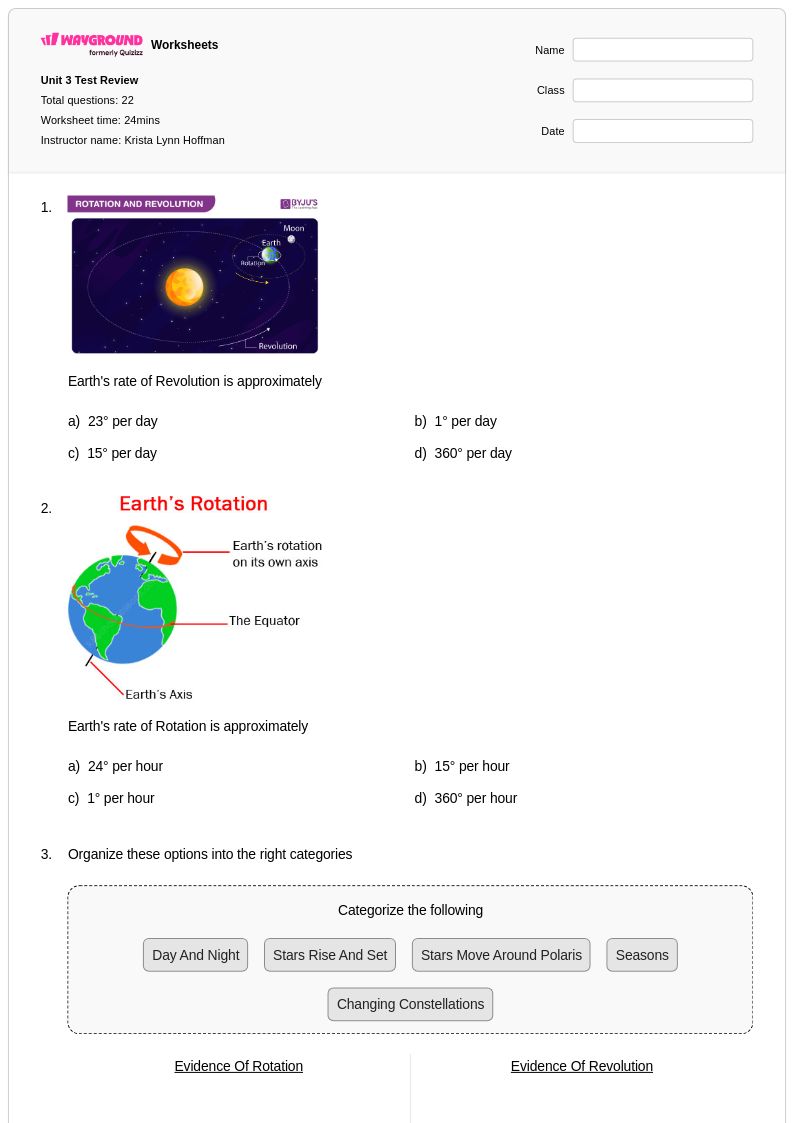
22 Q
10th
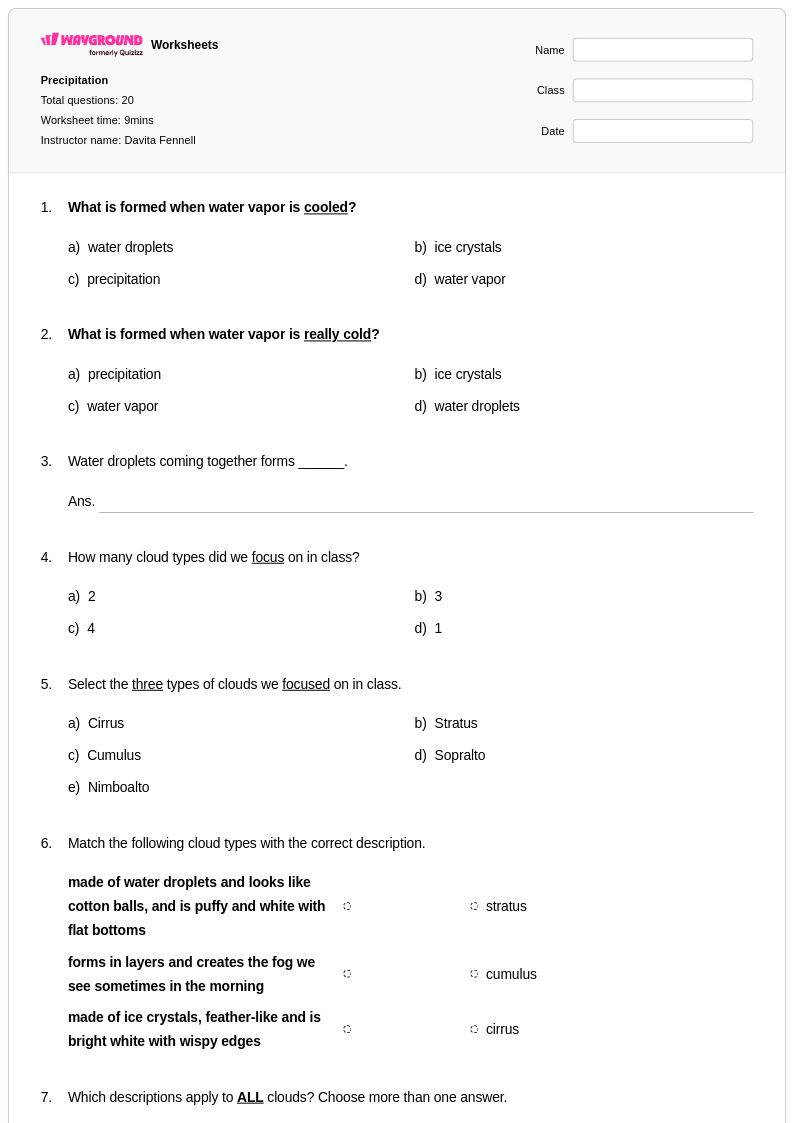
20 Q
6th
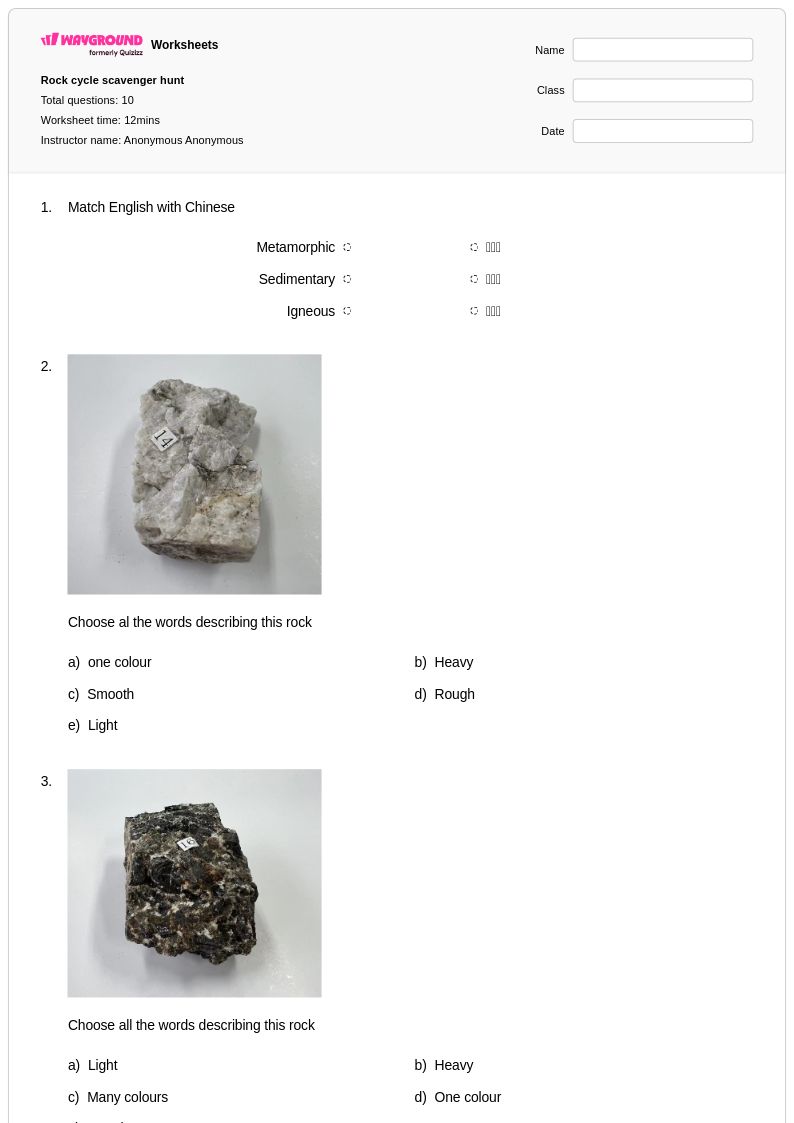
10 Q
6th
Explore Other Subject Worksheets for kindergarten
Explore printable Heavy and Light worksheets for Kindergarten
Heavy and light worksheets for kindergarten students available through Wayground (formerly Quizizz) provide essential foundational experiences in physical science concepts that young learners encounter daily. These carefully designed printables help kindergarteners develop critical observation and comparison skills as they examine objects of varying weights and learn to distinguish between heavy and light items in their environment. The worksheets feature age-appropriate activities such as sorting exercises, visual comparisons, and hands-on measurement tasks that strengthen students' ability to make predictions, test hypotheses, and draw conclusions about weight relationships. Each worksheet comes with a comprehensive answer key and is available as a free pdf download, making it easy for educators to incorporate meaningful practice problems into their physical science curriculum while building students' scientific vocabulary and reasoning abilities.
Wayground (formerly Quizizz) empowers teachers with an extensive collection of millions of teacher-created resources specifically designed for kindergarten heavy and light instruction, complete with robust search and filtering capabilities that streamline lesson planning and material selection. The platform's differentiation tools allow educators to customize worksheets based on individual student needs, supporting both remediation for struggling learners and enrichment opportunities for advanced students. Standards alignment features ensure that heavy and light activities meet curriculum requirements while flexible formatting options provide both printable pdf versions for traditional classroom use and digital formats for interactive learning experiences. These comprehensive resources enable teachers to effectively plan engaging physical science lessons, provide targeted skill practice opportunities, and assess student understanding of weight concepts through varied approaches that accommodate different learning styles and classroom environments.
FAQs
How do I teach heavy and light concepts to young students?
What activities help students practice comparing heavy and light objects?
What mistakes do students commonly make when learning about heavy and light?
How can I differentiate heavy and light worksheets for students at different levels?
How do I use Wayground's heavy and light worksheets in my classroom?