
15 Q
1st

19 Q
1st
15 Q
1st
19 Q
1st
15 Q
1st
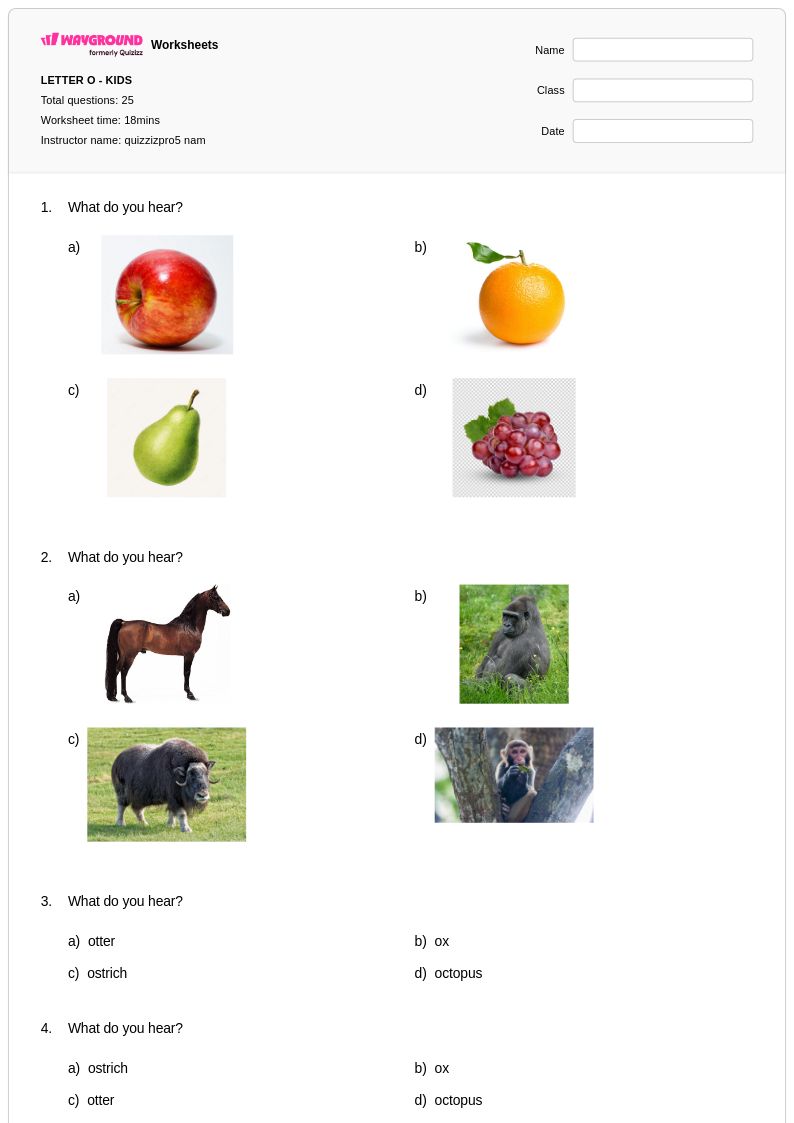
25 Q
1st - 5th
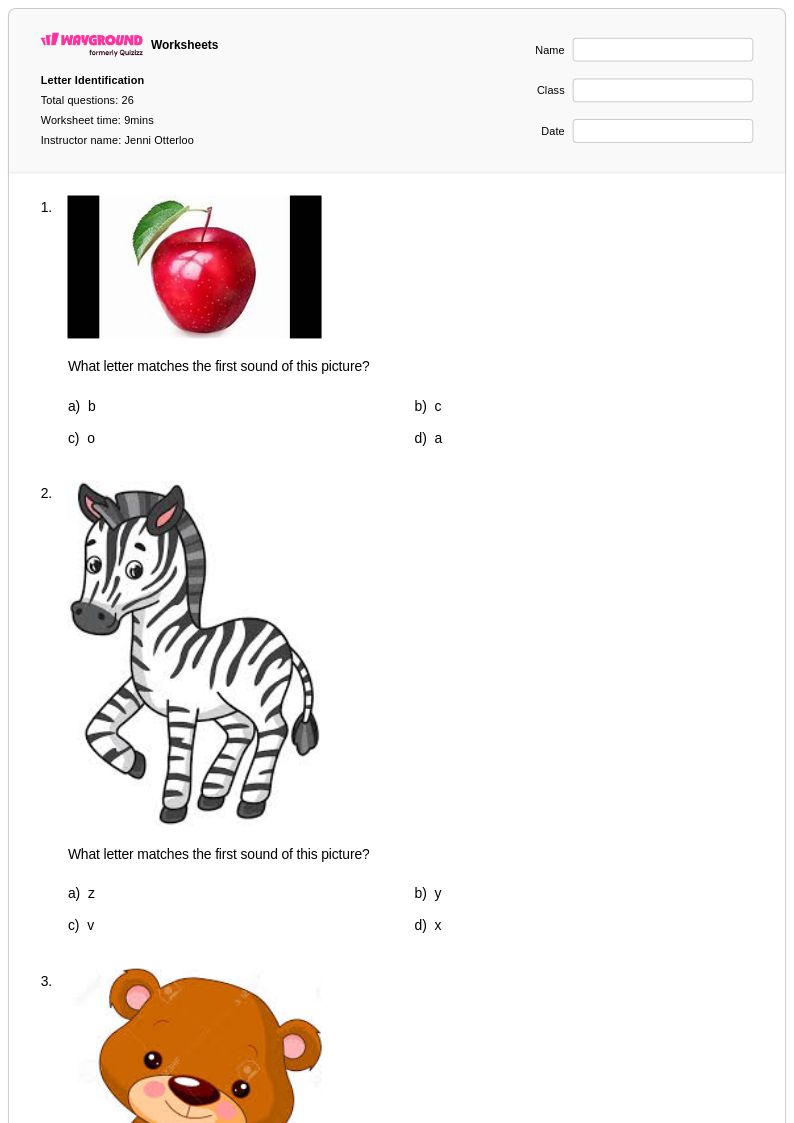
26 Q
KG - 3rd
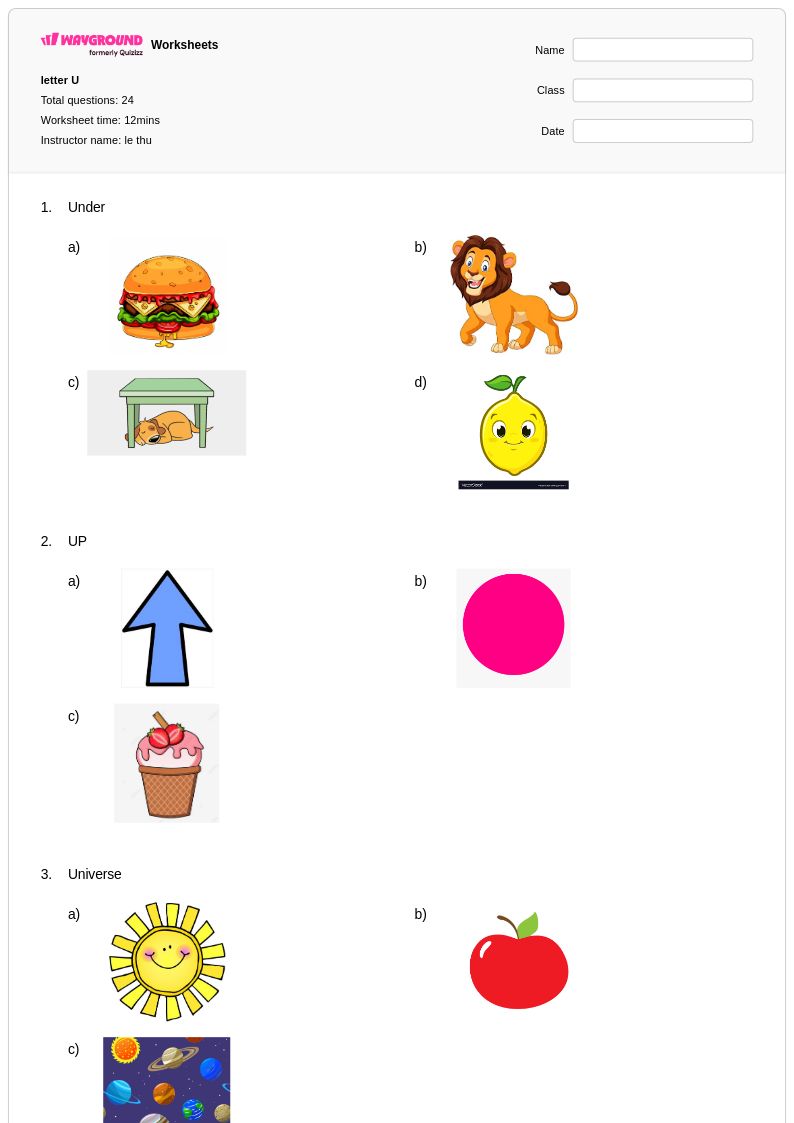
24 Q
1st
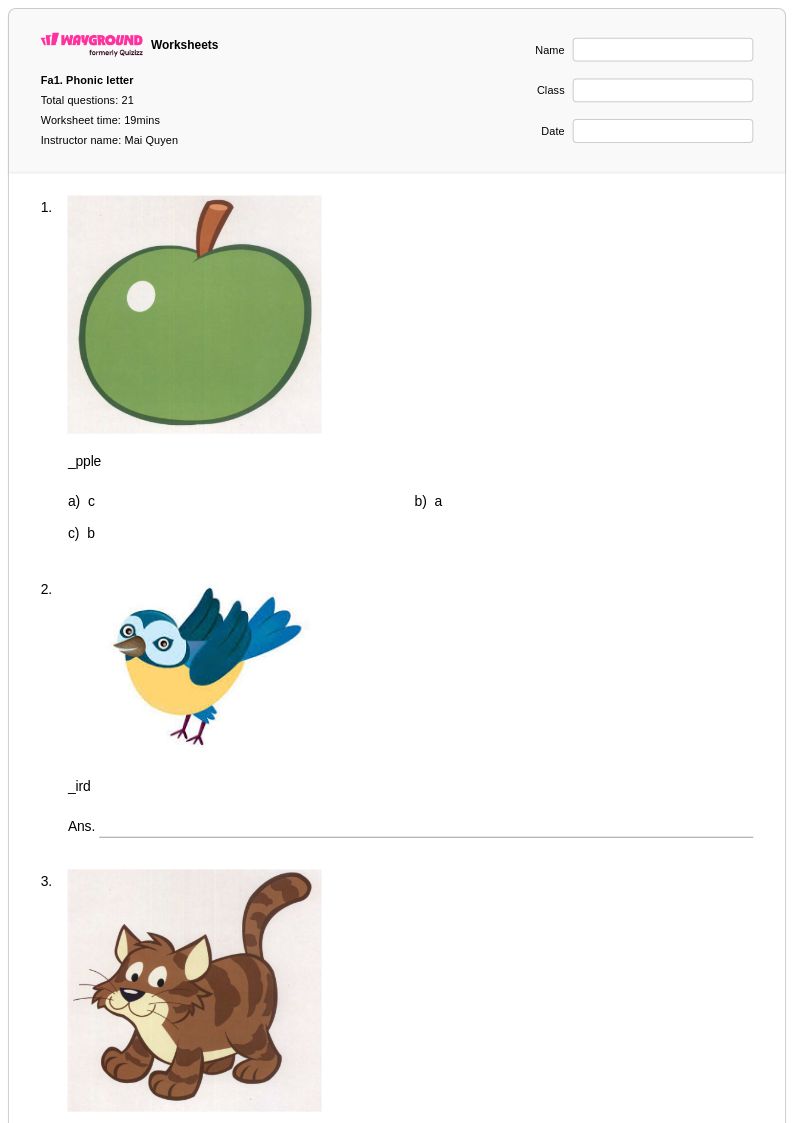
21 Q
1st
17 Q
1st
20 Q
1st
9 Q
KG - 1st
10 Q
1st - 3rd
10 Q
KG - 2nd
10 Q
1st - 5th
10 Q
KG - 1st
16 Q
1st
15 Q
1st
22 Q
1st - 4th
13 Q
KG - 1st
25 Q
1st
14 Q
KG - 2nd
10 Q
1st
12 Q
1st
Explore Letter Reversal Worksheets by Grades
Explore Other Subject Worksheets for class 1
Explore printable Letter Reversal worksheets for Class 1
Letter reversal worksheets for Class 1 students available through Wayground address one of the most common challenges young learners face as they develop foundational reading and writing skills. These comprehensive printables focus on helping students distinguish between commonly confused letters such as b and d, p and q, and other mirror images that frequently cause difficulty in early literacy development. The worksheets systematically strengthen visual discrimination skills, spatial awareness, and letter recognition through targeted practice problems that guide students in identifying correct letter orientation. Each resource includes structured activities that progress from simple letter identification to more complex tasks involving letter formation and contextual usage, with answer keys provided to support both independent practice and guided instruction. These free educational materials serve as essential tools for building the neurological pathways necessary for fluent reading and accurate writing.
Wayground's extensive collection of letter reversal resources draws from millions of teacher-created materials, ensuring educators have access to diverse, high-quality worksheets that address varying student needs and learning styles. The platform's robust search and filtering capabilities allow teachers to quickly locate age-appropriate materials aligned with Class 1 literacy standards, while differentiation tools enable customization for students requiring additional support or advanced challenges. Available in both printable pdf format and interactive digital versions, these worksheets support flexible lesson planning and can be seamlessly integrated into whole-group instruction, small-group interventions, or individual remediation sessions. Teachers can modify difficulty levels, adjust font sizes, and select specific letter combinations to target, making these resources invaluable for systematic skill practice and progress monitoring as students master this critical component of early literacy development.
FAQs
How do I teach students to stop reversing letters like b and d?
At what age should I be concerned about letter reversals?
What exercises help students practice distinguishing between b, d, p, and q?
What mistakes do students commonly make with letter reversals?
How can I use letter reversal worksheets to support students with different needs in the same classroom?
How do I use Wayground's letter reversal worksheets in my classroom?