
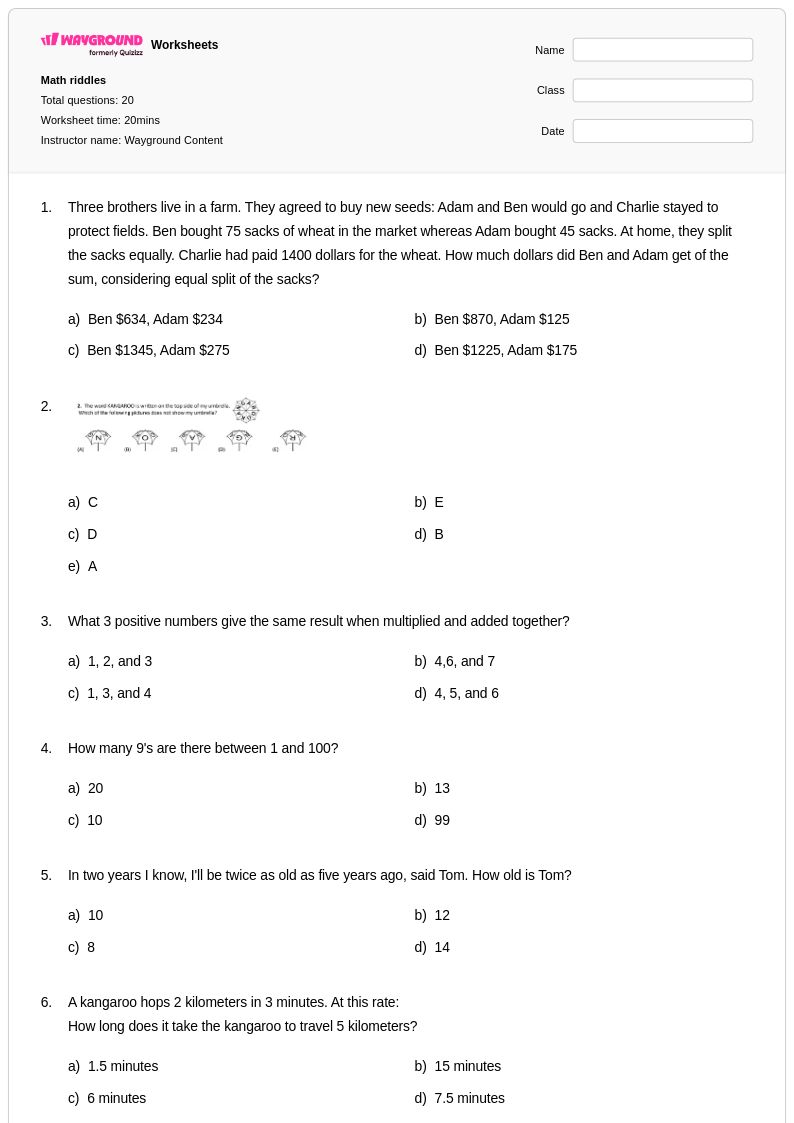
20 Q
6th - 8th
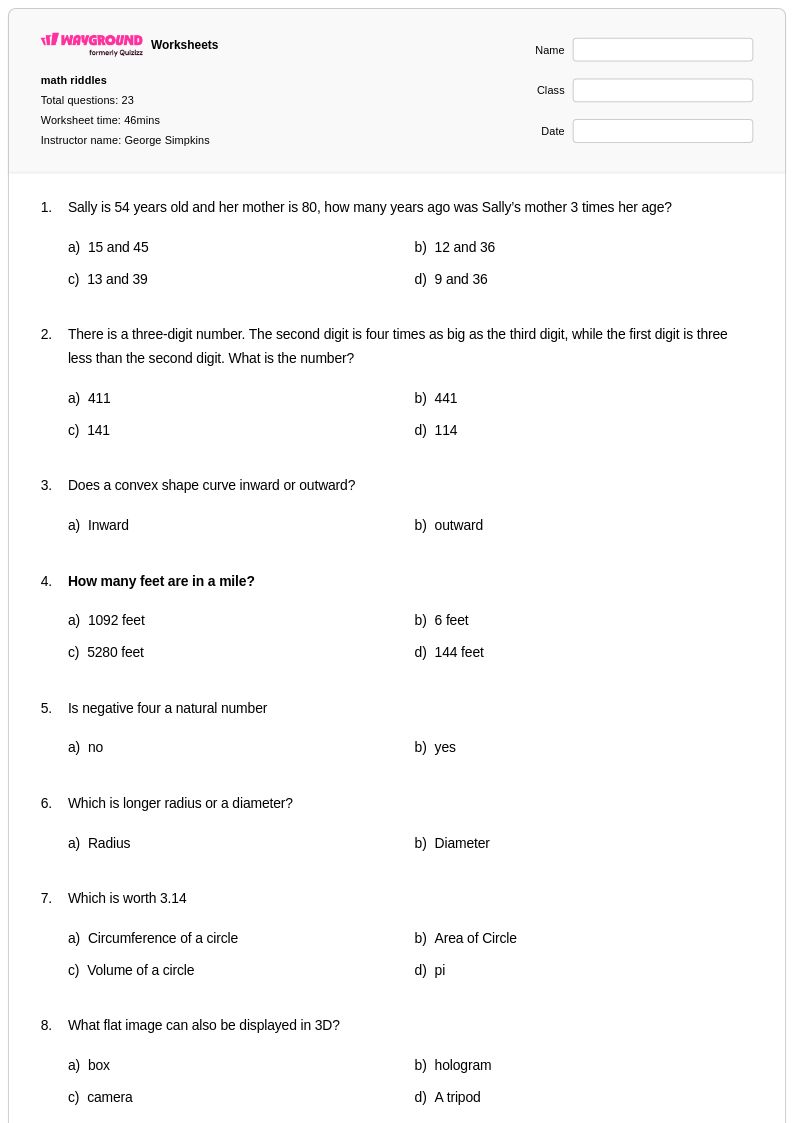
23 Q
7th
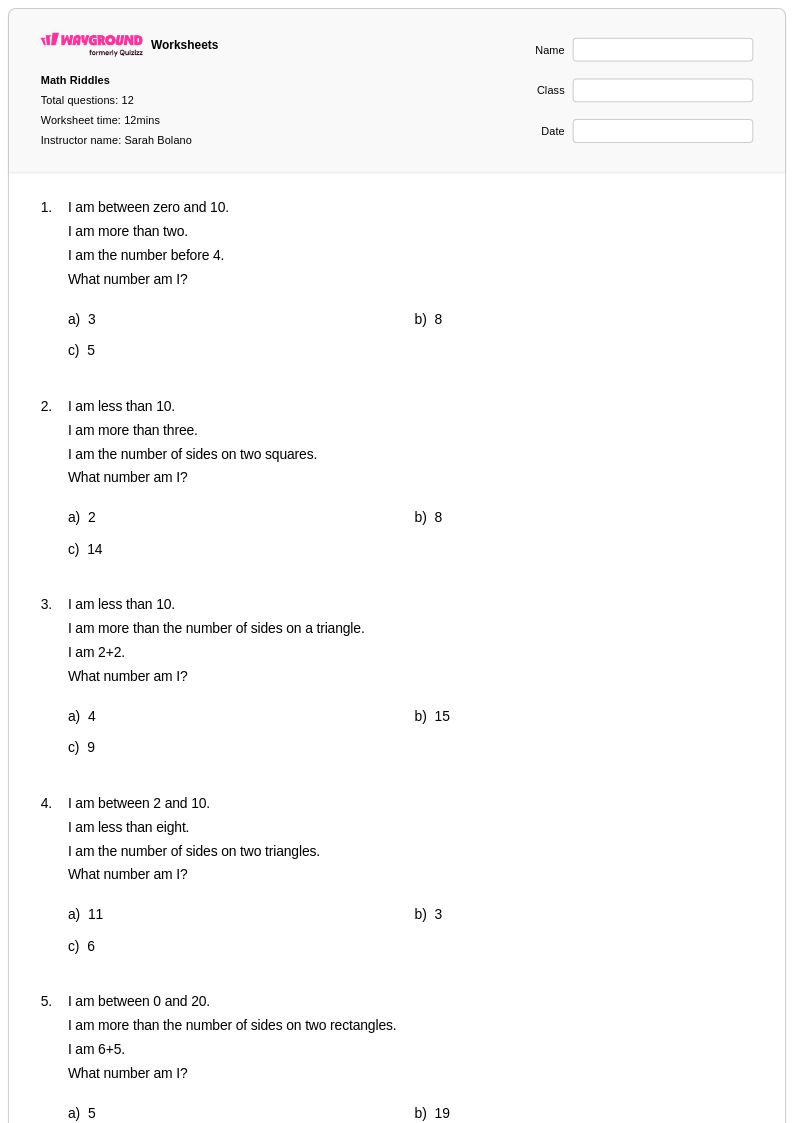
12 Q
KG
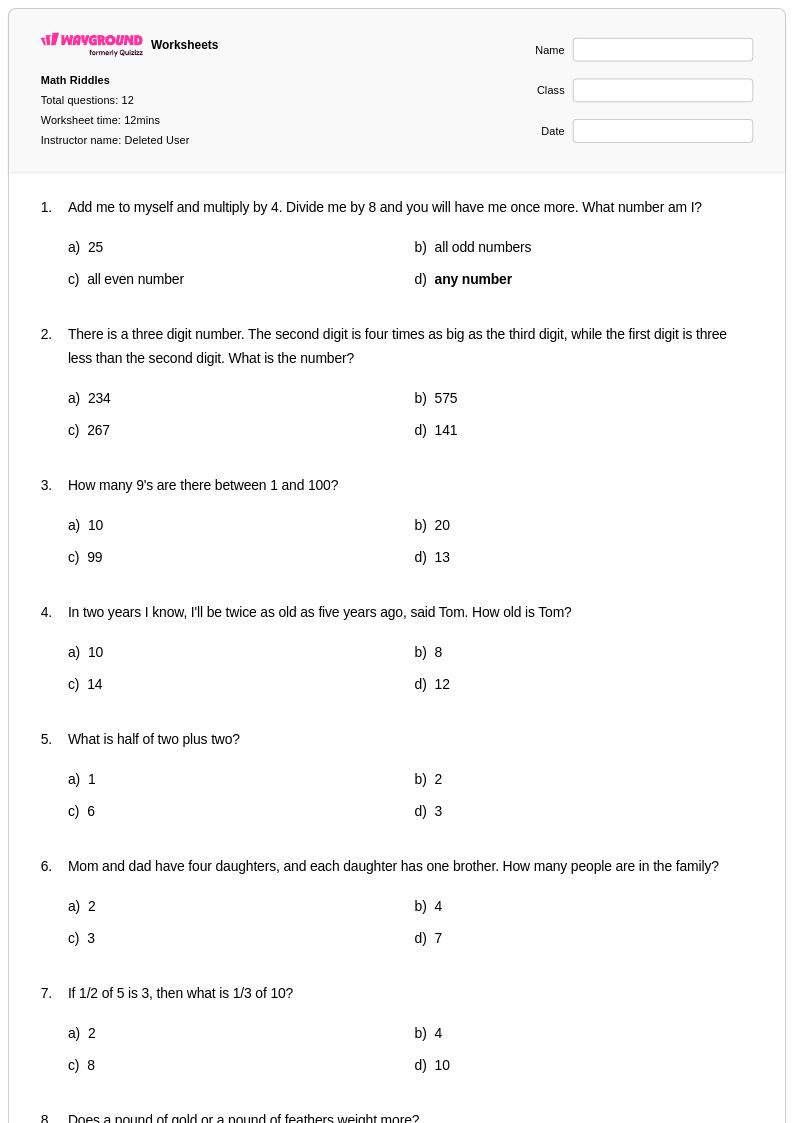
12 Q
6th - 7th
20 Q
6th - 8th
10 Q
3rd - 5th
21 Q
3rd
22 Q
PD
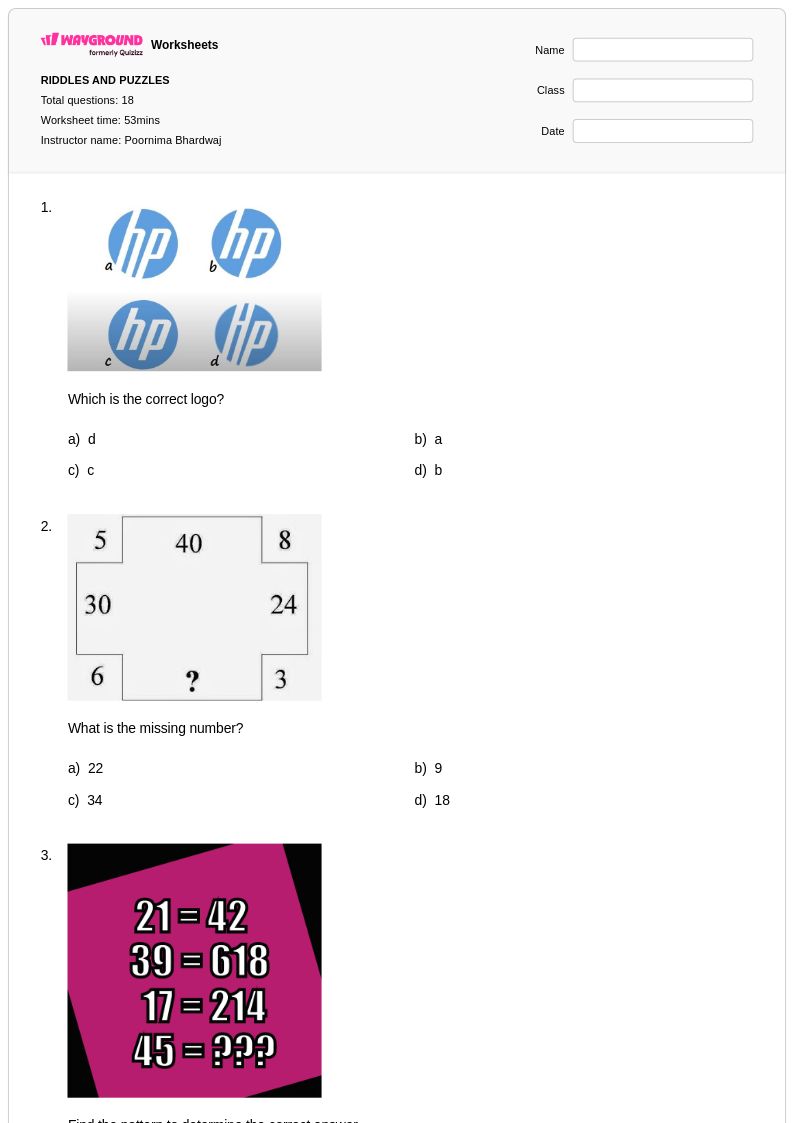
18 Q
7th - 8th
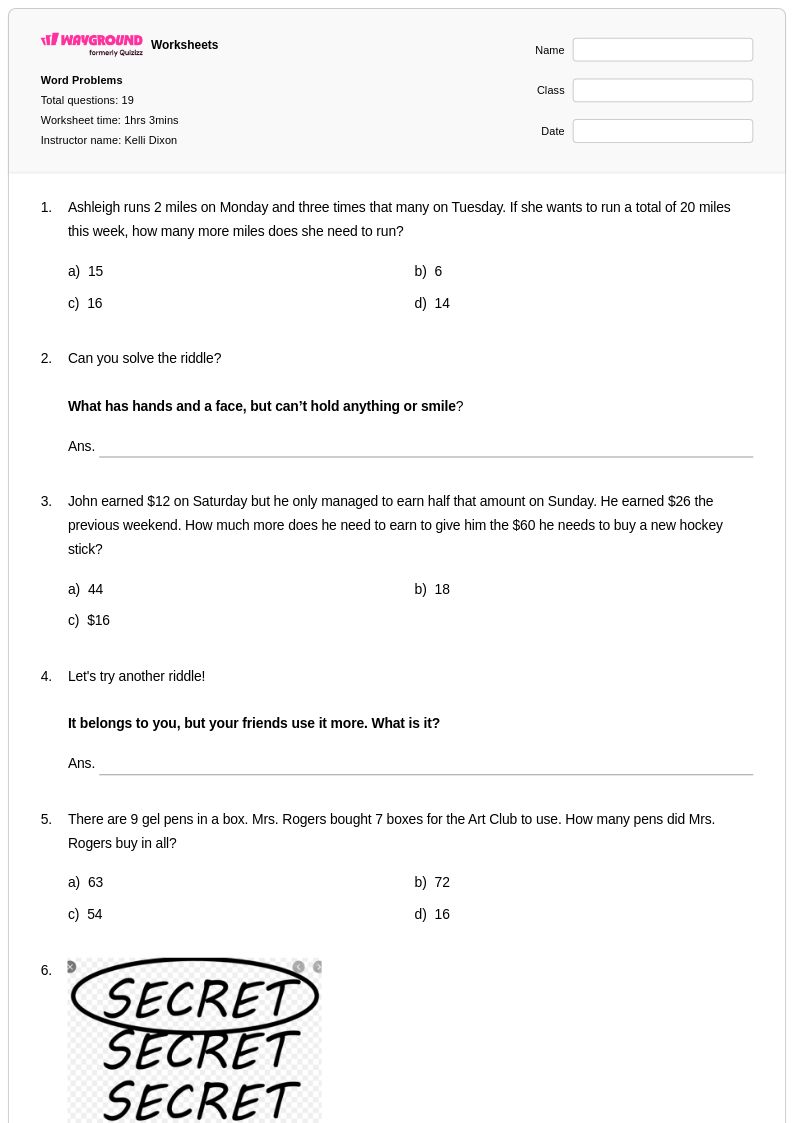
19 Q
3rd
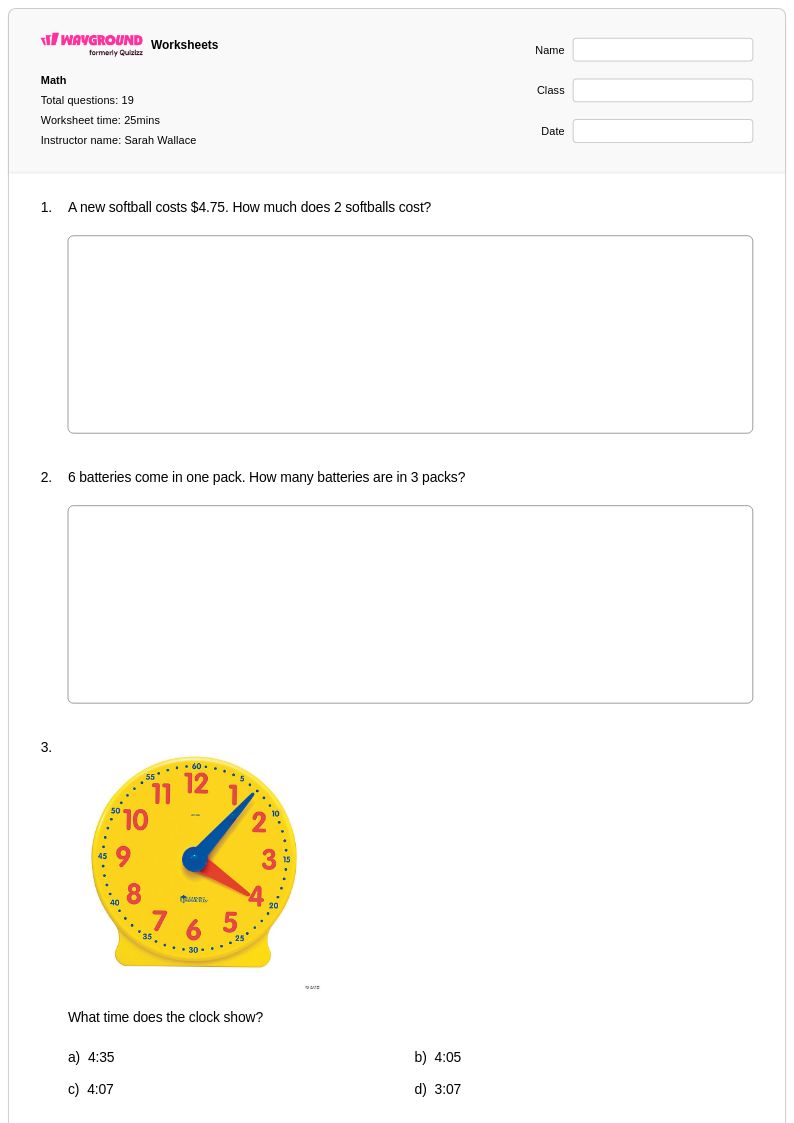
19 Q
3rd
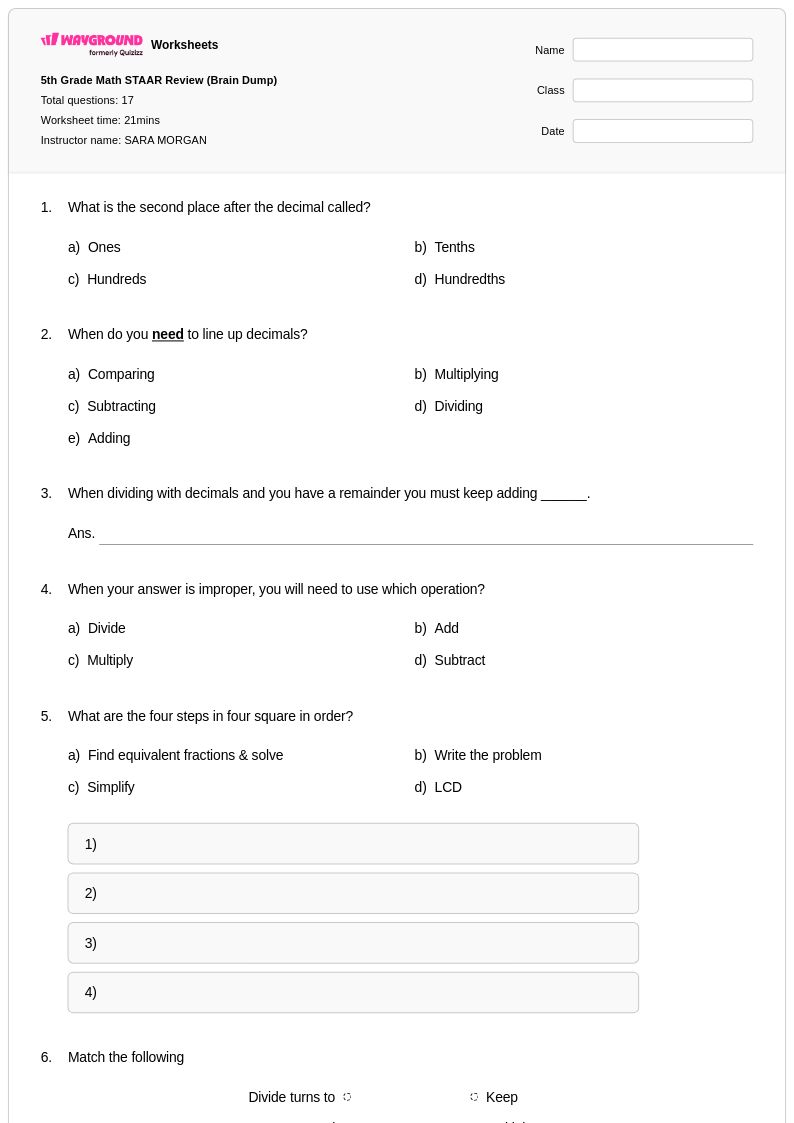
17 Q
5th
8 Q
9th - 12th
23 Q
6th
13 Q
Uni
16 Q
8th
12 Q
8th
12 Q
8th

15 Q
5th
20 Q
6th
15 Q
5th
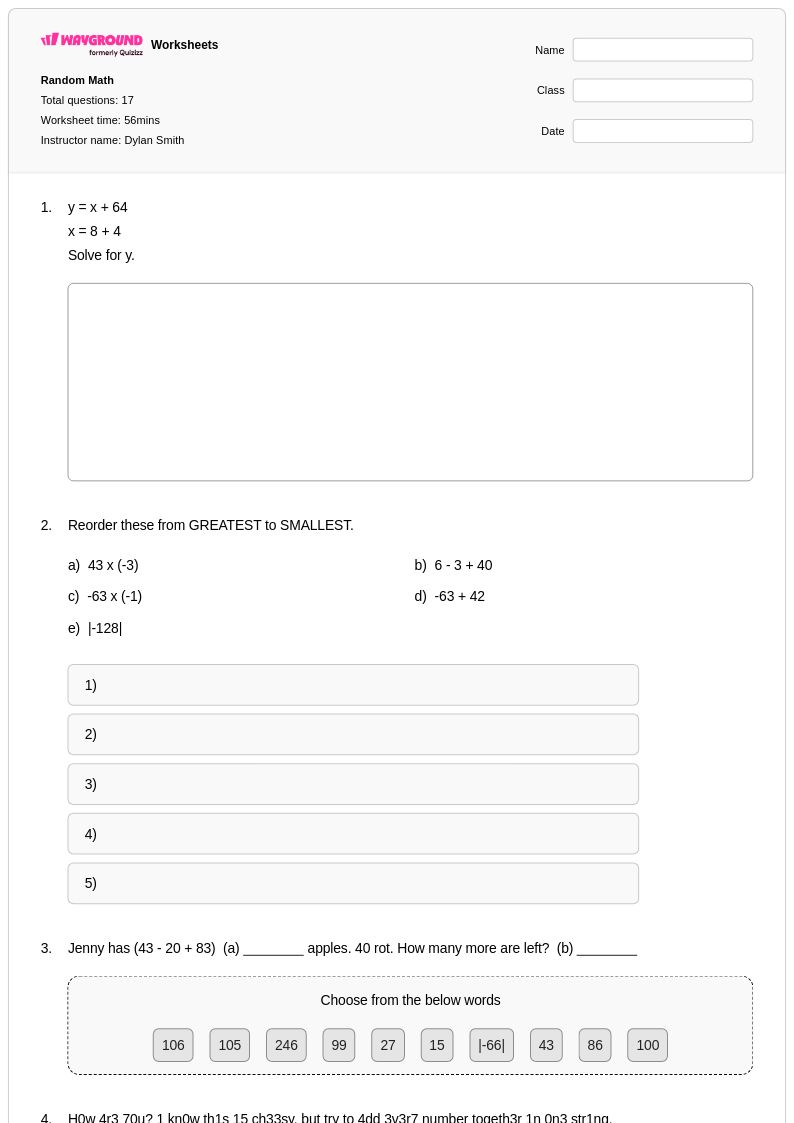
27 Q
11th
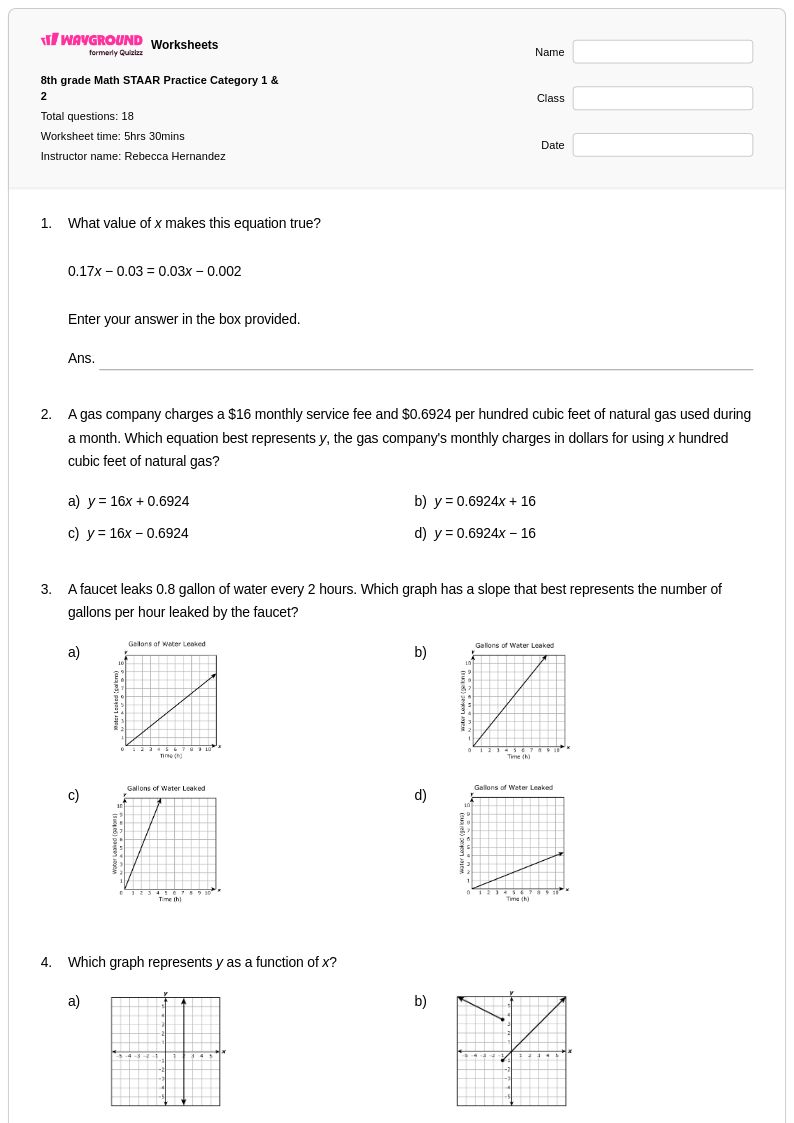
18 Q
8th
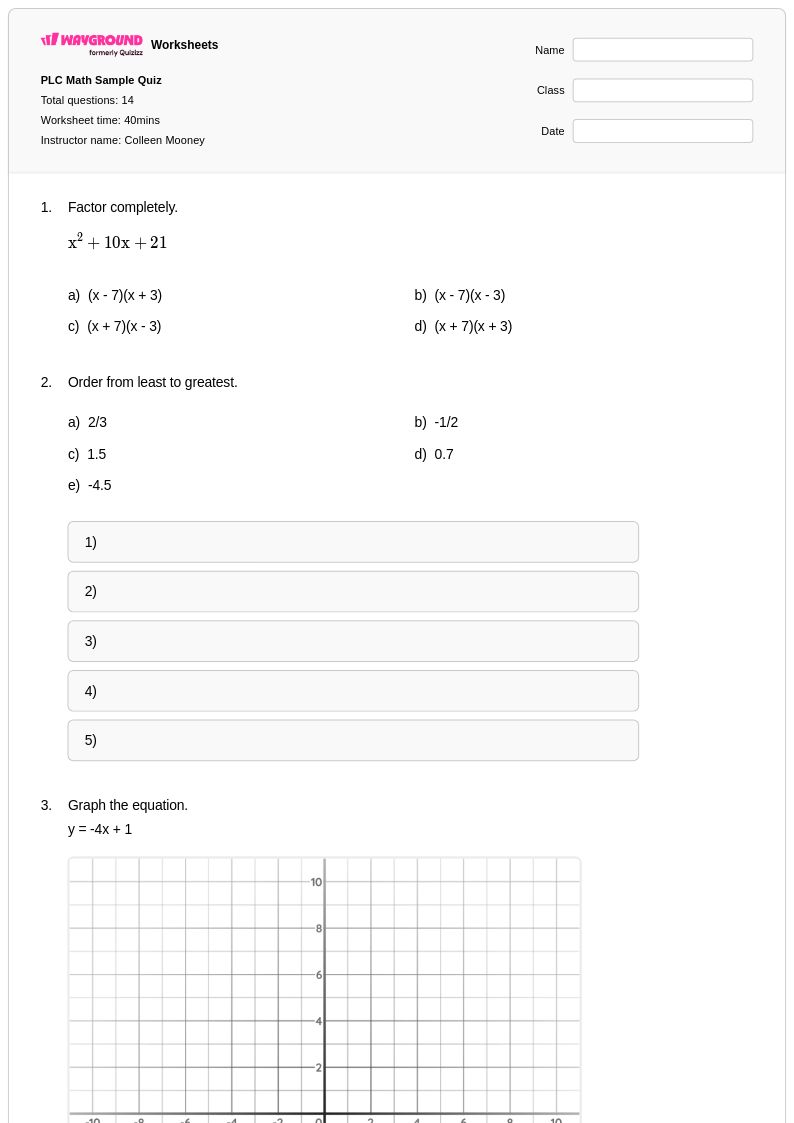
14 Q
9th
Explore Math Riddles Worksheets by Grades
Explore Other Subject Worksheets for kindergarten
Explore printable Math Riddles worksheets for Kindergarten
Math riddles for kindergarten students available through Wayground (formerly Quizizz) provide an engaging introduction to mathematical thinking through age-appropriate puzzles that combine numbers, shapes, and logical reasoning. These carefully designed worksheets help young learners develop critical thinking skills, number recognition, basic counting abilities, and problem-solving strategies while maintaining the playful approach essential for kindergarten education. Each printable worksheet includes an answer key to support both independent practice and guided instruction, with free resources covering fundamental concepts like identifying patterns, simple addition and subtraction scenarios, and shape recognition through riddle format. The practice problems are structured to encourage mathematical discourse and help students articulate their reasoning process, building confidence in their ability to tackle challenging questions.
Wayground's extensive collection of teacher-created math riddle worksheets draws from millions of educational resources specifically curated for kindergarten mathematics instruction. The platform's robust search and filtering capabilities allow educators to quickly locate materials aligned with curriculum standards and appropriate for their students' developmental levels. Teachers can easily differentiate instruction by accessing worksheets in both printable pdf format and interactive digital versions, enabling flexible implementation across diverse learning environments. These comprehensive tools support lesson planning by providing ready-to-use materials for skill practice, remediation activities for students needing additional support, and enrichment opportunities for advanced learners, while the customization features allow educators to modify content to meet specific classroom needs and learning objectives.
FAQs
What grade are these math riddles for?
How can I use riddles to introduce math to kindergarteners?
What specific kindergarten math skills do these riddles cover?
What should I look for when a kindergartener solves a math riddle?
How do math riddles align with early math curriculum goals?
How can I use these kindergarten math riddle worksheets?