
10 Q
6th - 8th
11 Q
6th - Uni
15 Q
6th
14 Q
6th - 8th
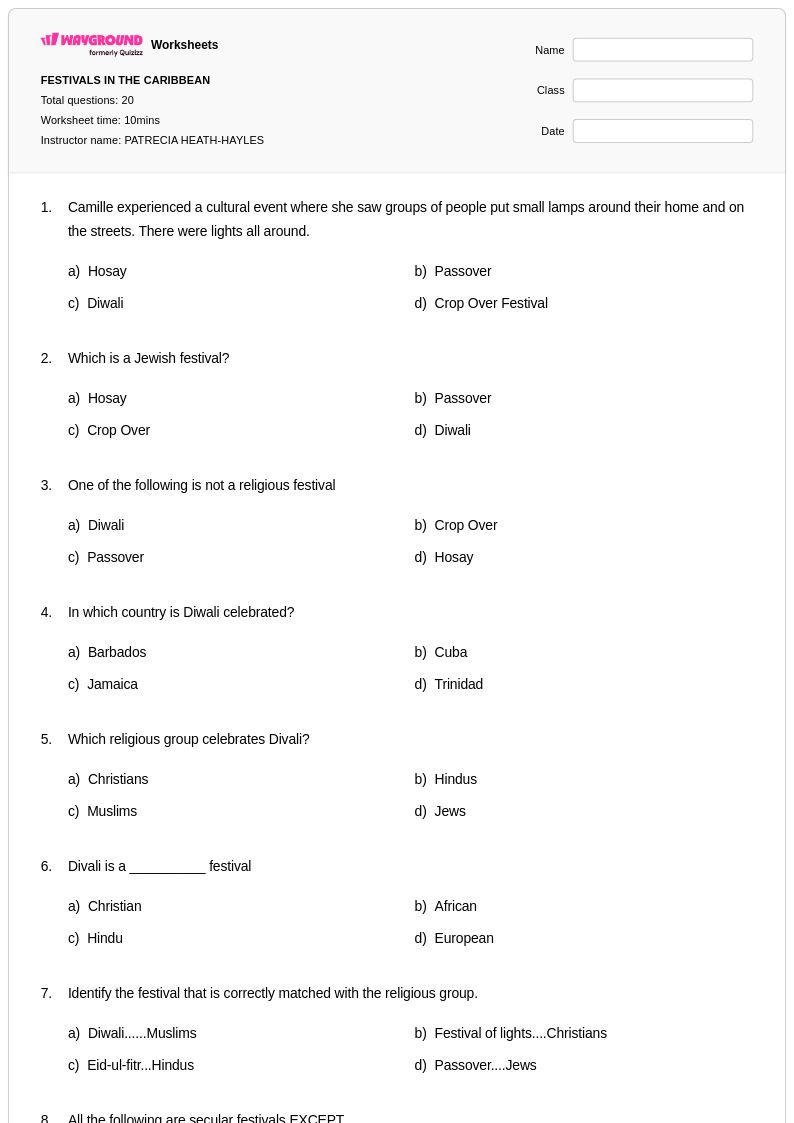
20 Q
6th
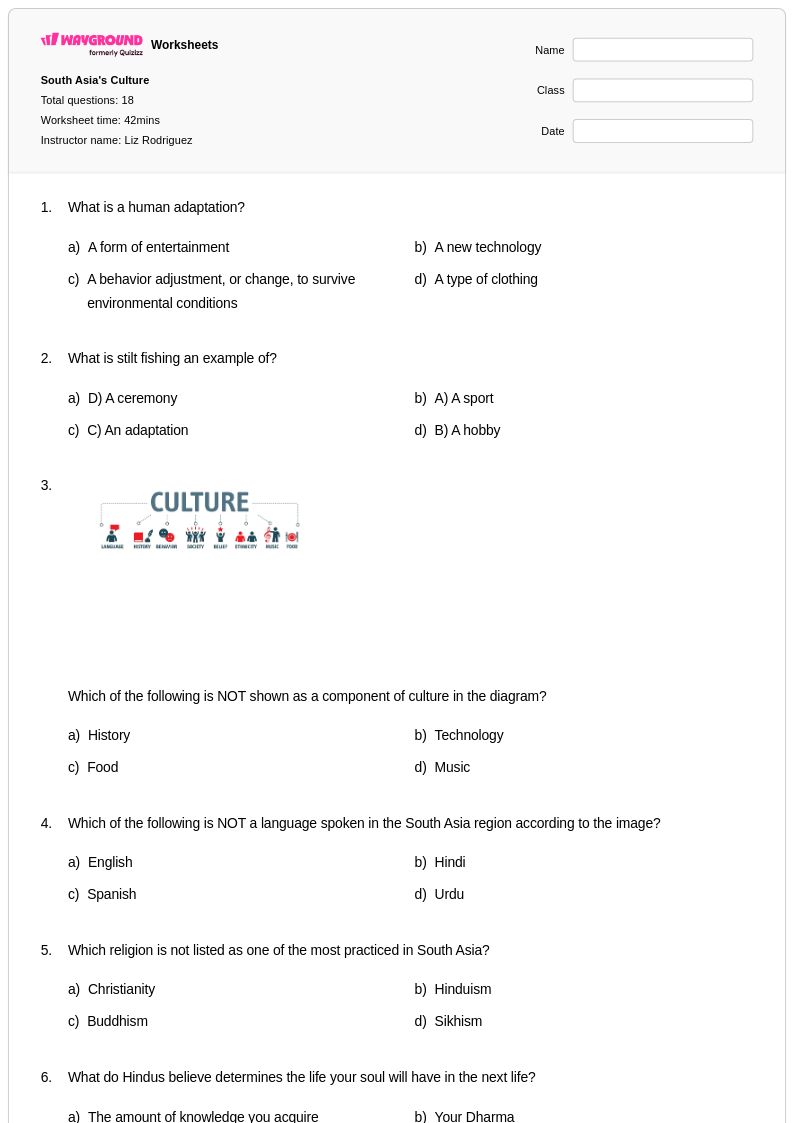
21 Q
6th
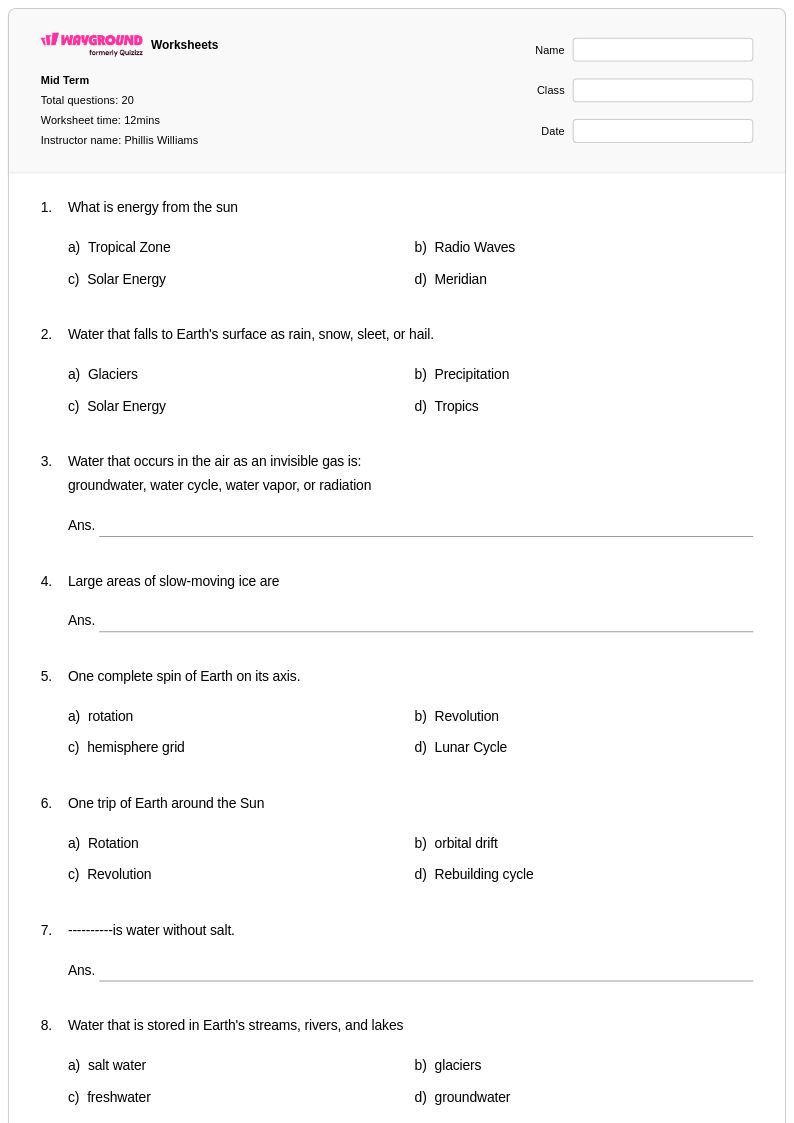
20 Q
6th

35 Q
6th
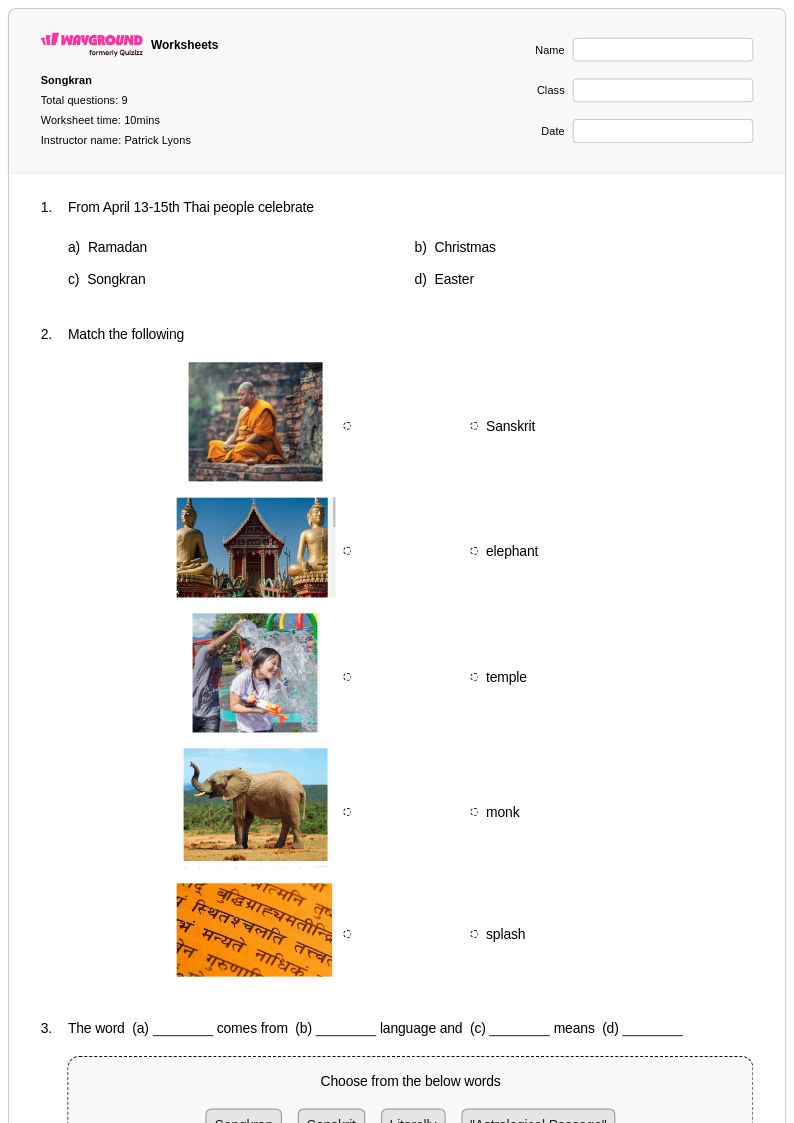
9 Q
6th
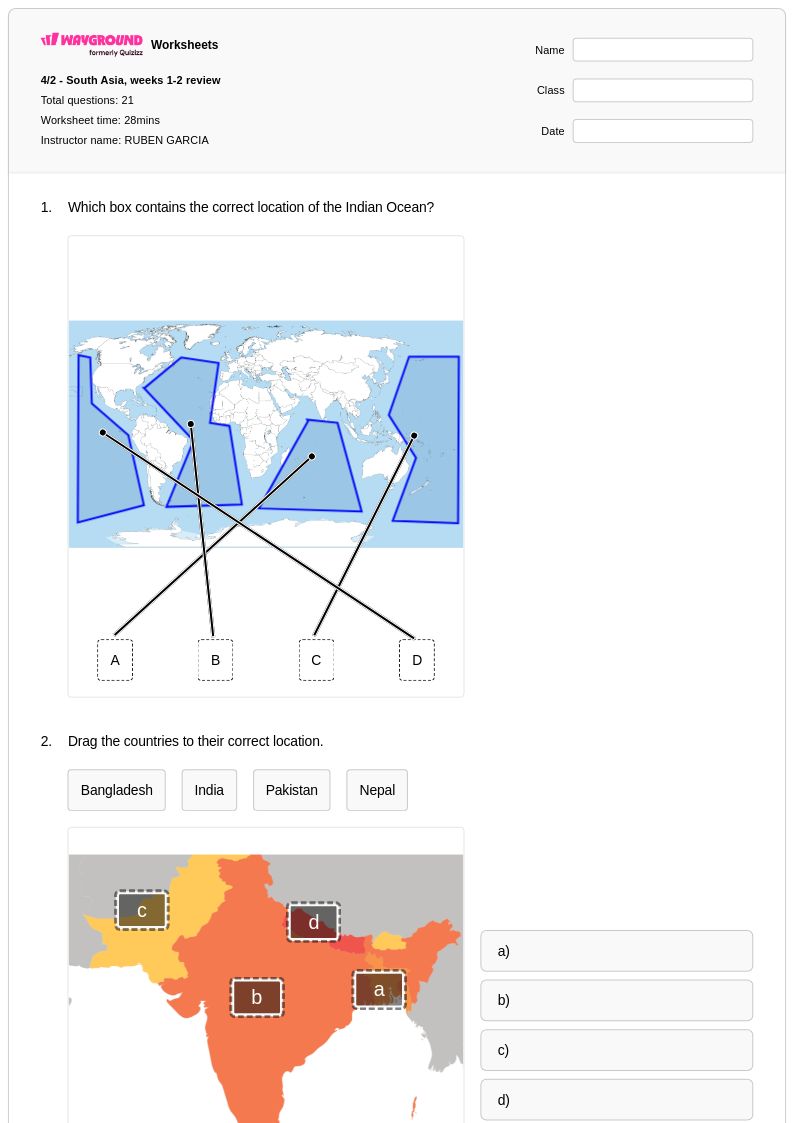
21 Q
6th
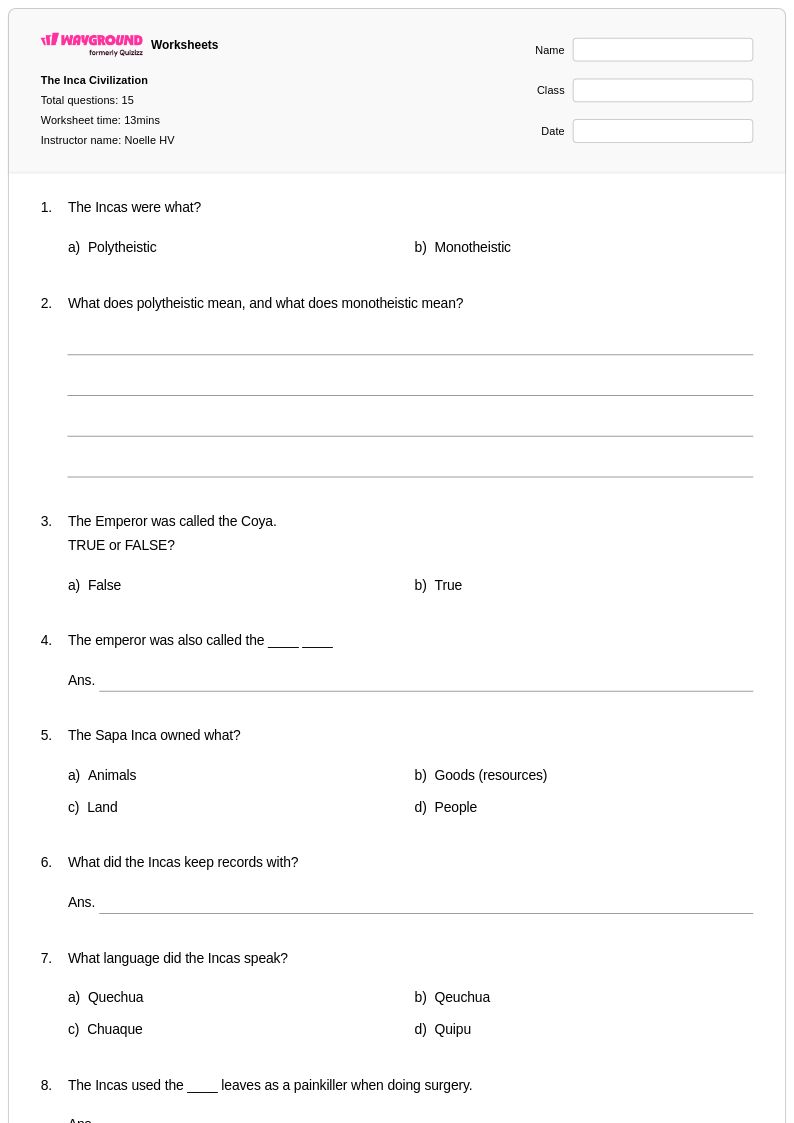
15 Q
6th - 8th
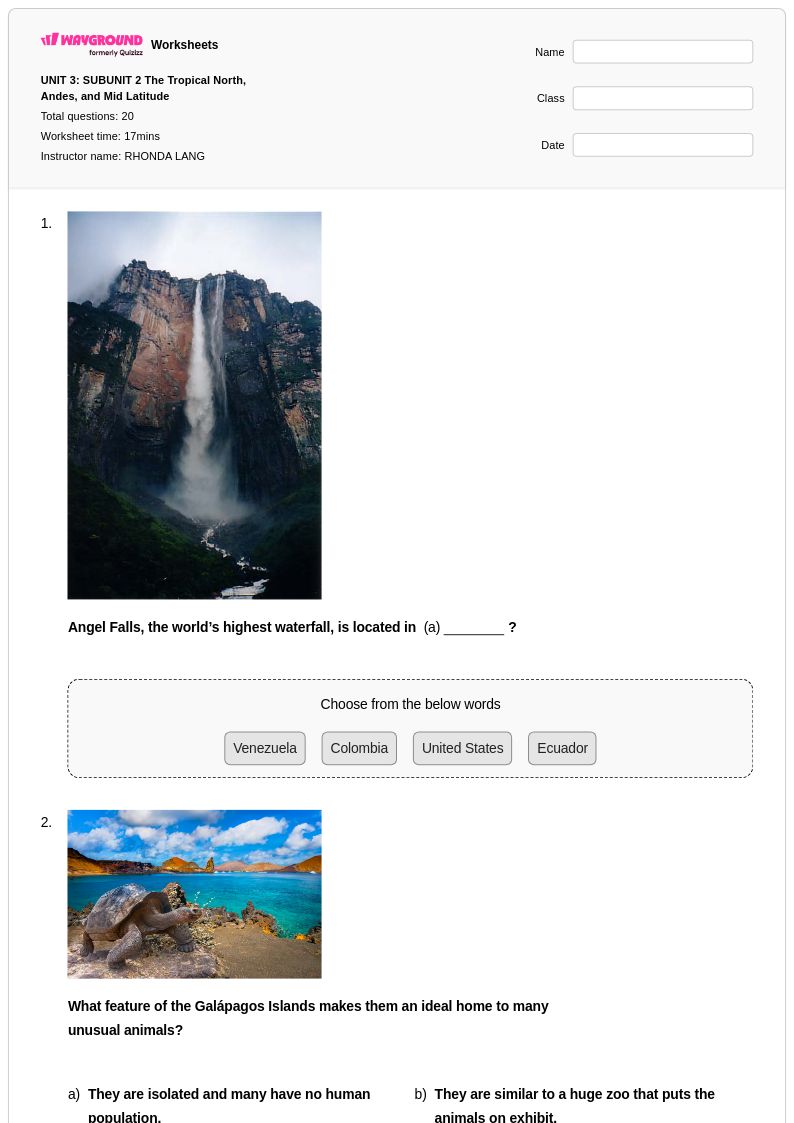
20 Q
6th
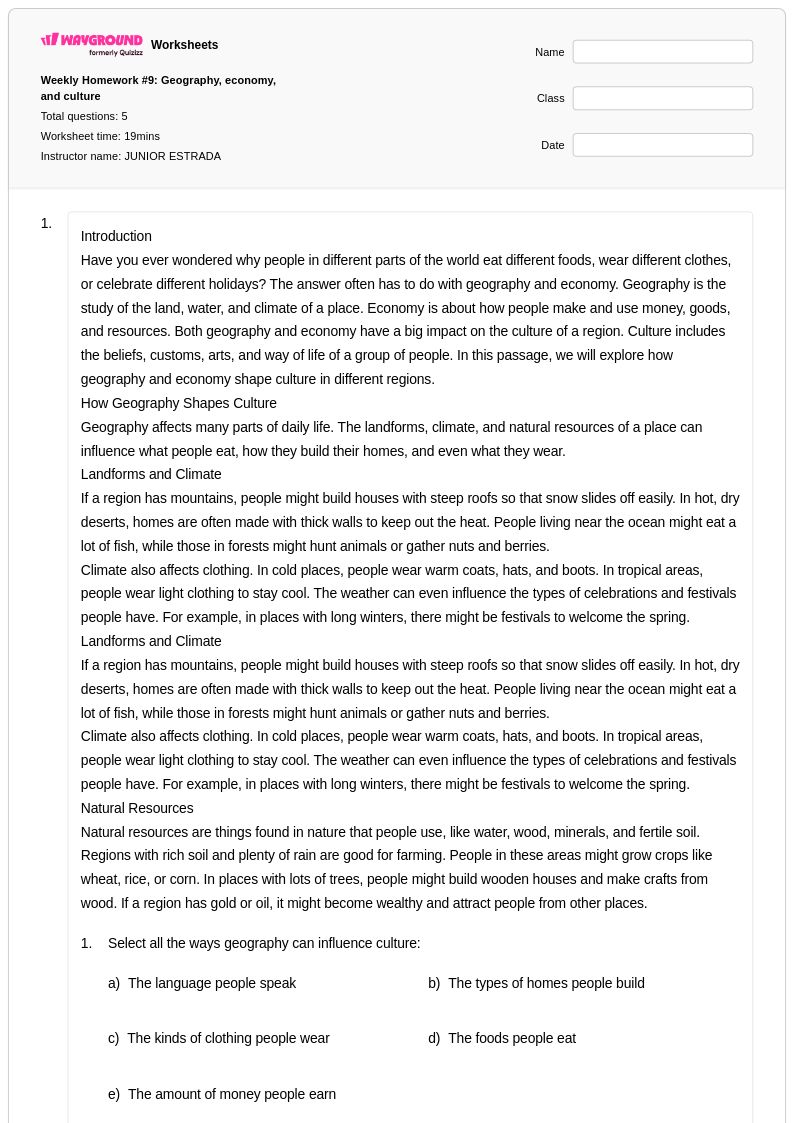
14 Q
6th
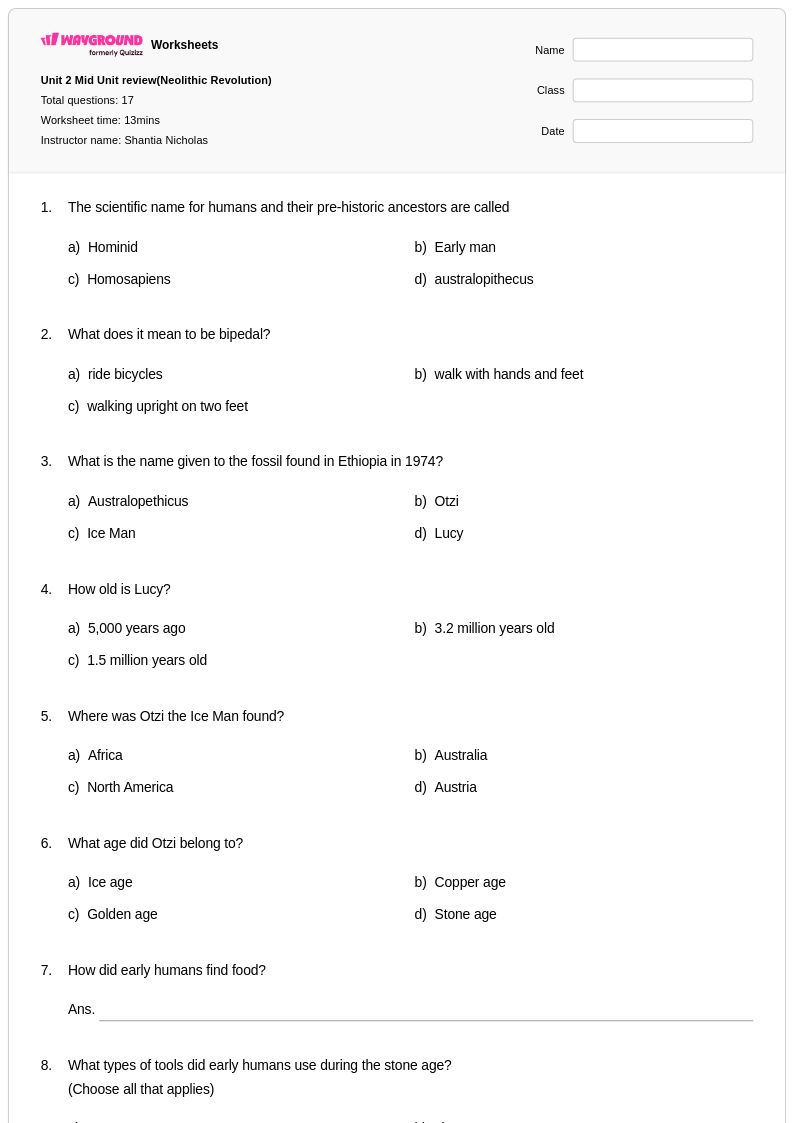
17 Q
6th
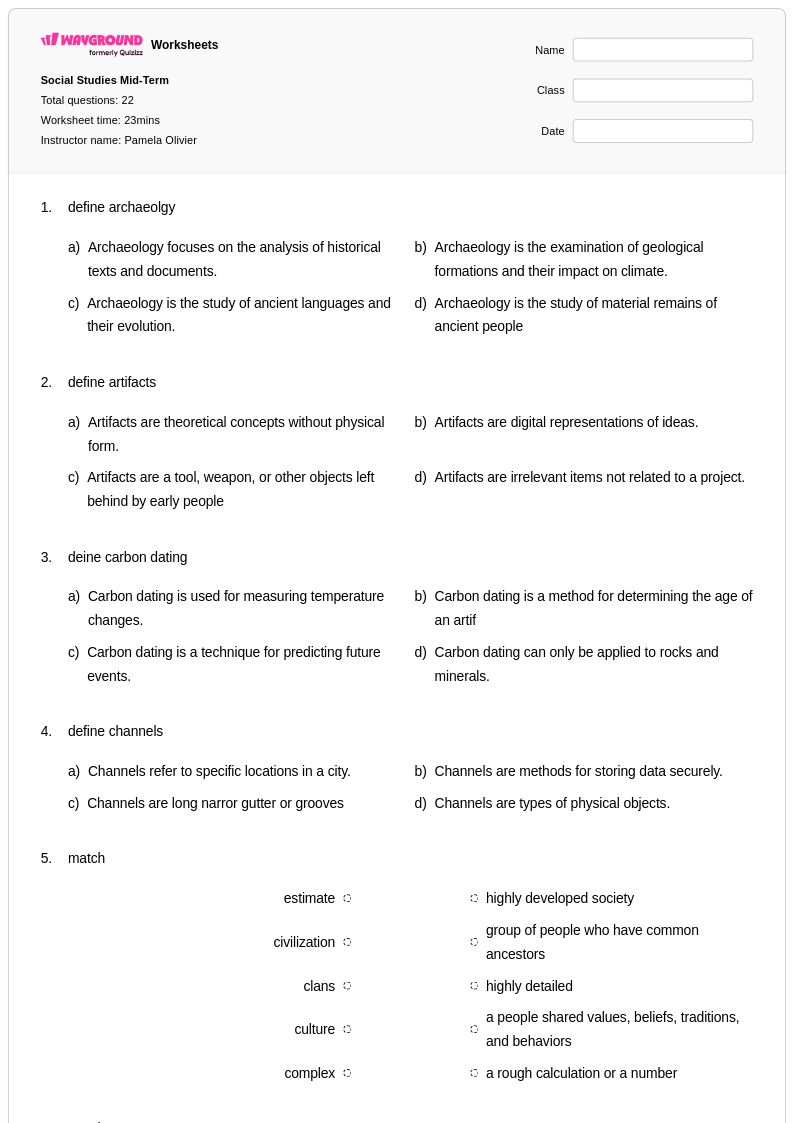
22 Q
6th - 8th
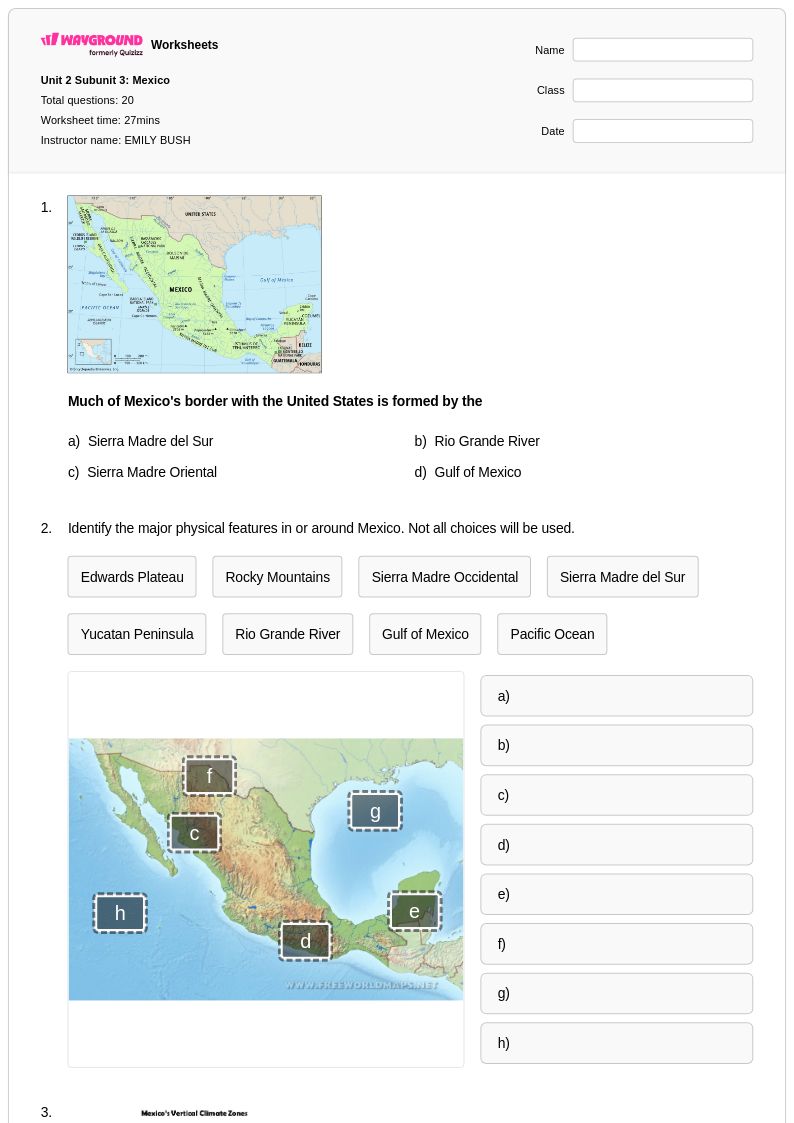
20 Q
6th
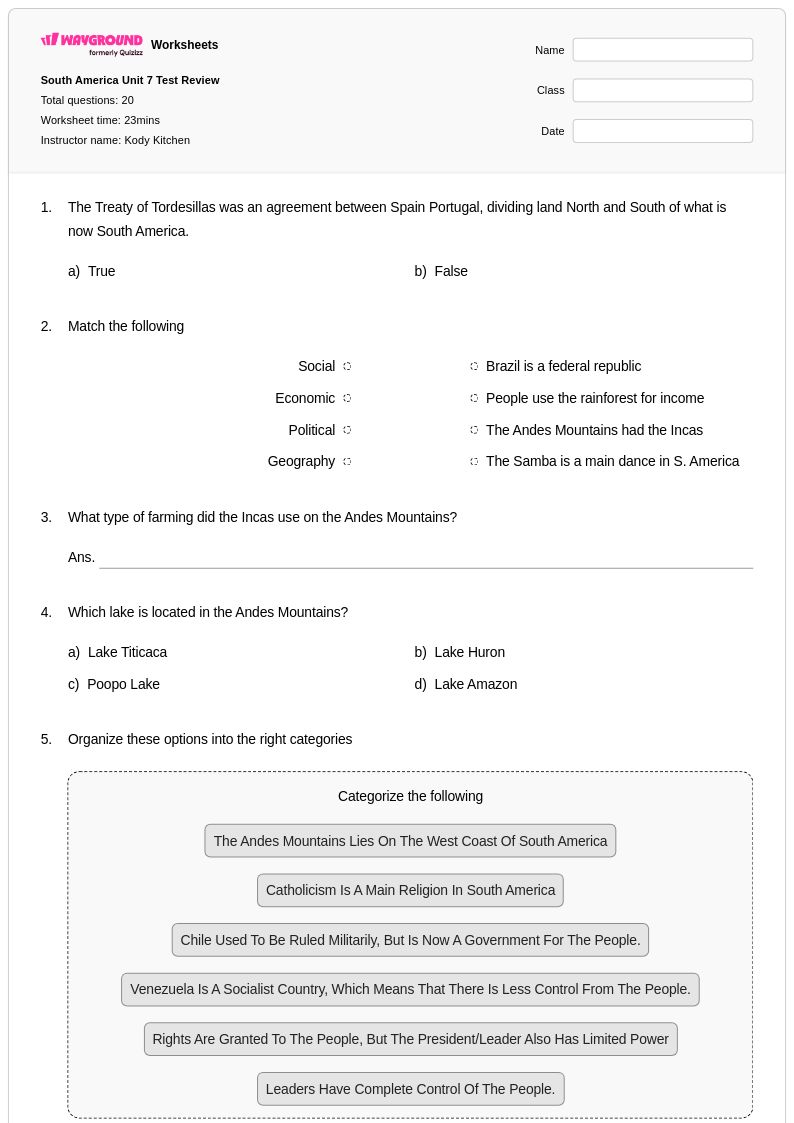
20 Q
6th
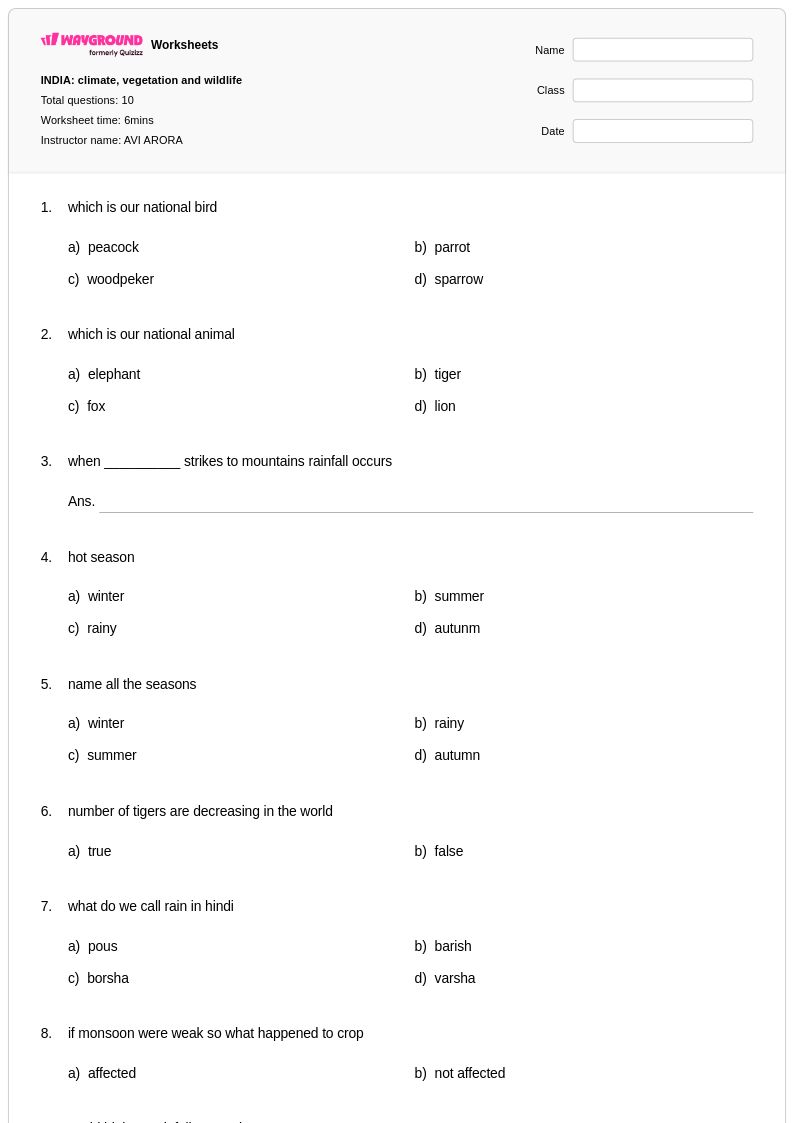
10 Q
6th - 10th
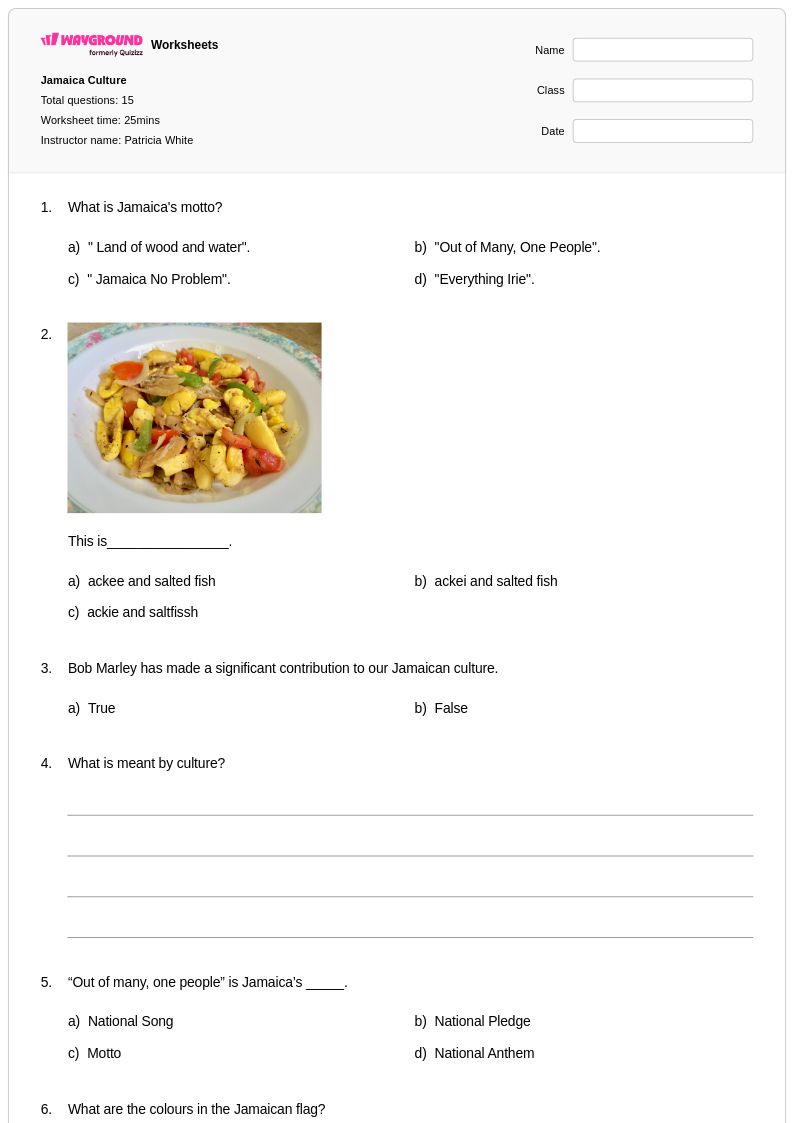
15 Q
6th
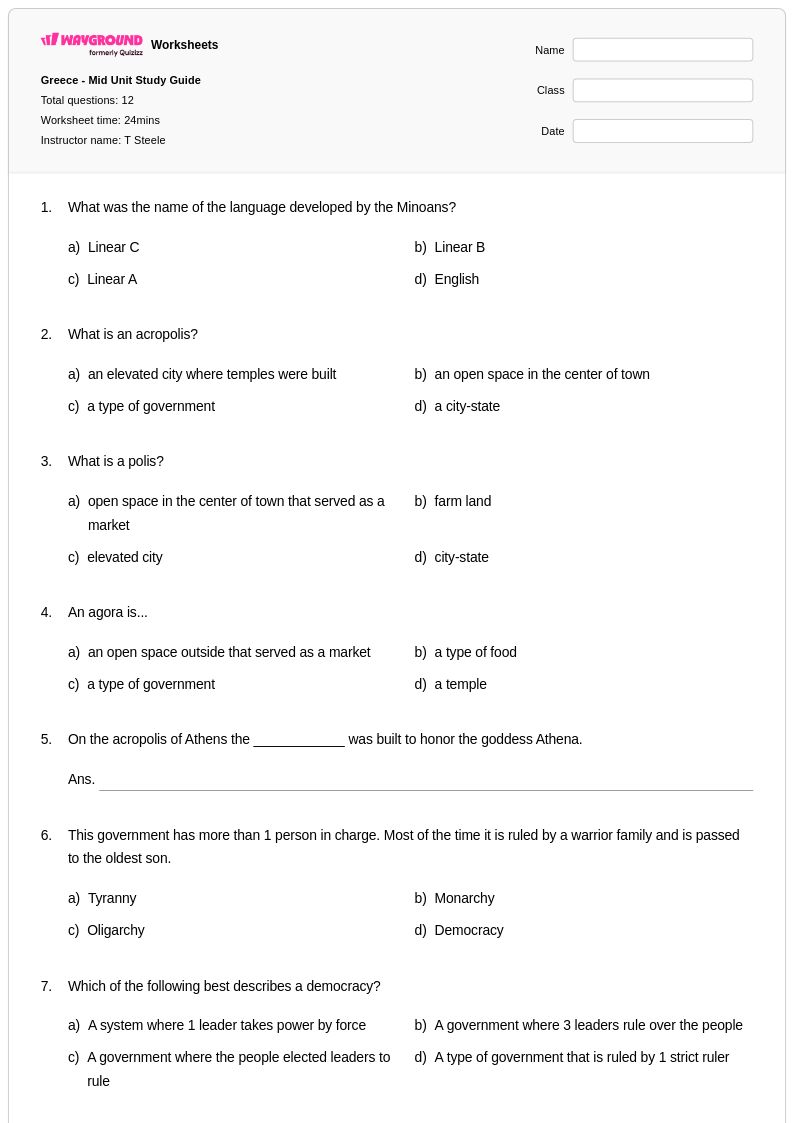
12 Q
6th
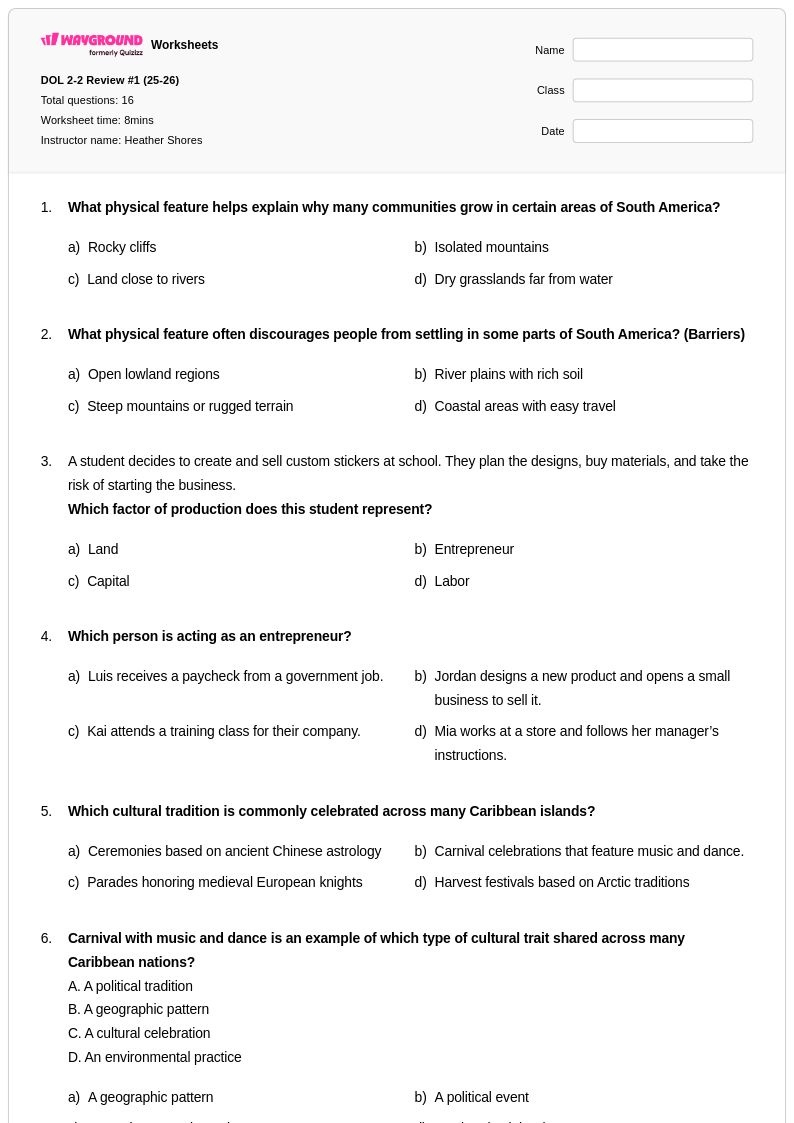
16 Q
6th - 8th
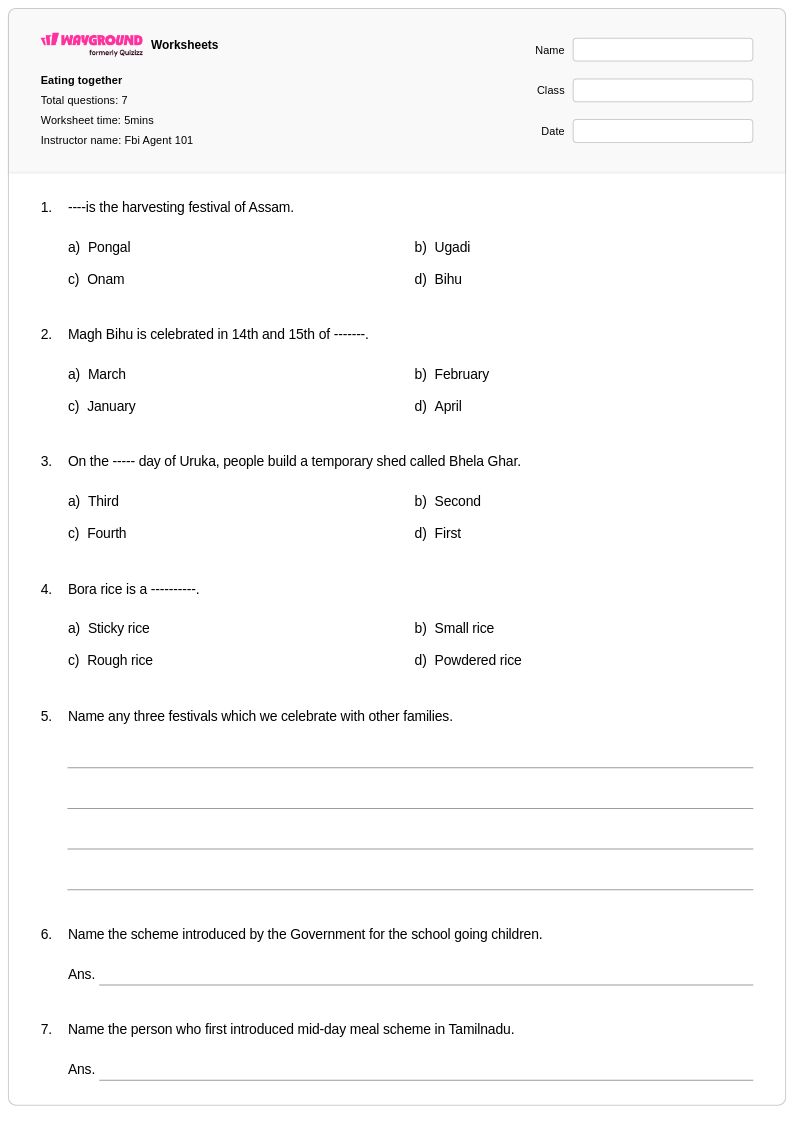
7 Q
1st - PD
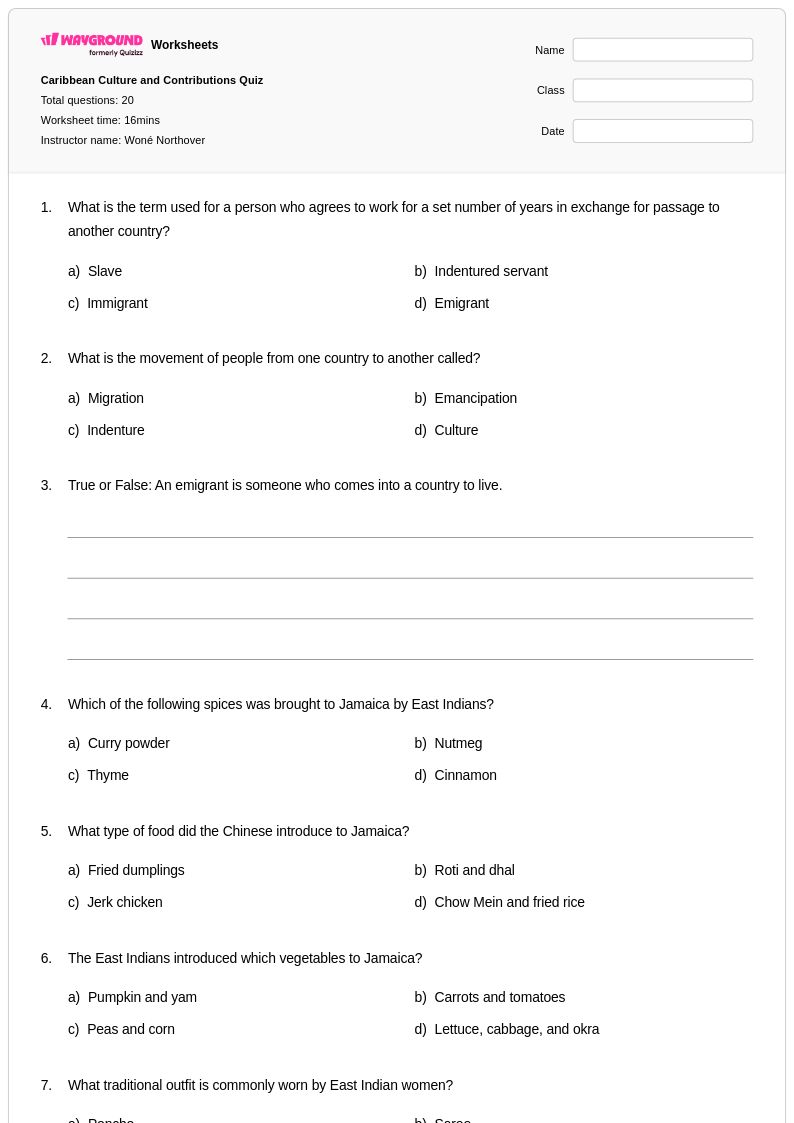
20 Q
6th
Explore Mid-autumn Festival Worksheets by Grades
Explore Other Subject Worksheets for class 6
Explore printable Mid-autumn Festival worksheets for Class 6
Mid-Autumn Festival worksheets for Class 6 students on Wayground (formerly Quizizz) provide comprehensive exploration of this significant cultural celebration, helping students develop deep understanding of Chinese traditions and their global influence. These carefully crafted educational resources guide sixth graders through the historical origins, symbolic meanings, and contemporary practices associated with the Mid-Autumn Festival, including the legend of Chang'e, the importance of family reunions, and traditional foods like mooncakes. Students strengthen critical thinking skills through practice problems that analyze cultural similarities and differences, while printable activities and free pdf resources with complete answer keys enable independent learning and thorough comprehension assessment of this important cultural holiday.
Wayground (formerly Quizizz) empowers educators with access to millions of teacher-created Mid-Autumn Festival resources specifically designed for Class 6 Social Studies instruction, featuring robust search and filtering capabilities that align with curriculum standards for community and culture studies. The platform's differentiation tools allow teachers to customize worksheets based on individual student needs, while flexible formatting options provide both digital and printable pdf versions for seamless classroom integration. These comprehensive worksheet collections support effective lesson planning by offering varied difficulty levels for remediation and enrichment opportunities, enabling educators to provide targeted skill practice that deepens students' appreciation for cultural diversity and strengthens their ability to analyze how traditions connect communities across different societies and time periods.
FAQs
How do I teach the Mid-Autumn Festival in a culturally sensitive way?
What topics are typically covered in Mid-Autumn Festival worksheets?
What misconceptions do students often have about the Mid-Autumn Festival?
How can Mid-Autumn Festival activities build global citizenship skills?
How do I use Mid-Autumn Festival worksheets in my classroom?