
13Q
6th - Uni
20Q
9th - Uni
10Q
9th - 12th
12Q
9th - 12th
20Q
9th - 12th
20Q
9th - Uni
20Q
9th - Uni
13Q
9th - Uni
24Q
10th
20Q
9th - 12th
20Q
9th - 12th
20Q
8th - Uni
20Q
8th - 10th
19Q
9th - 12th
20Q
9th - 12th
10Q
9th - 12th
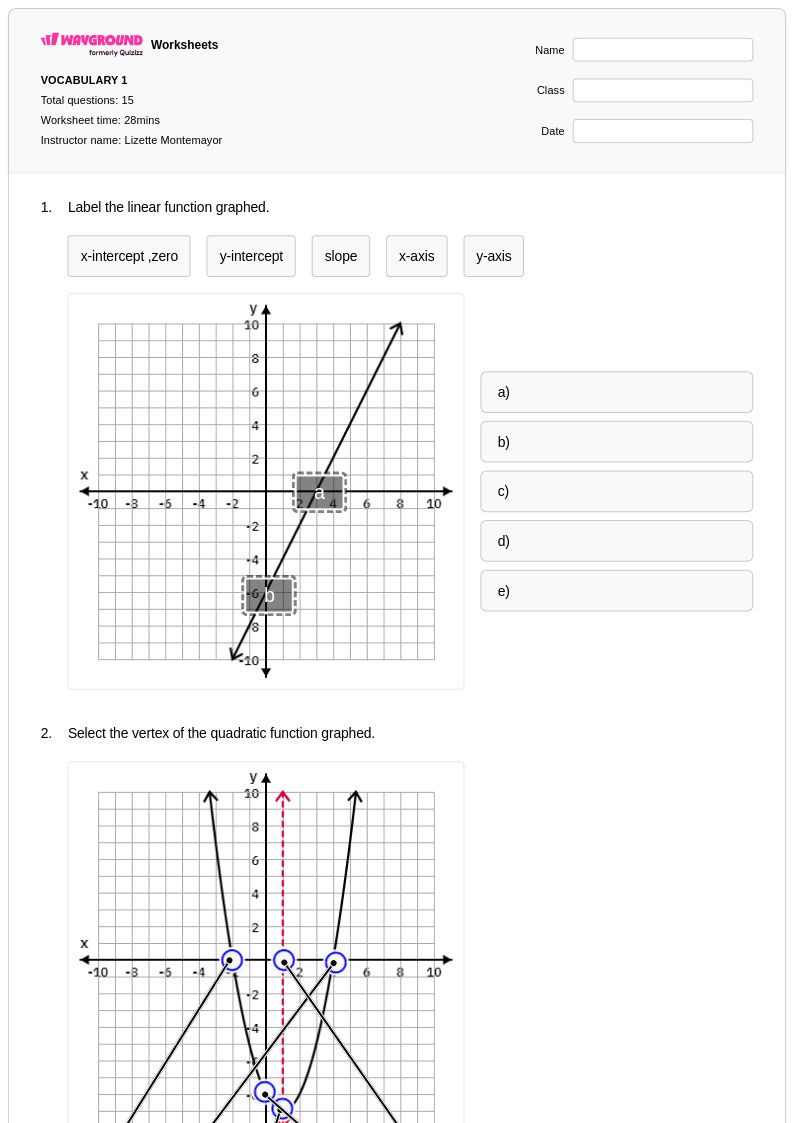
15Q
9th - 12th
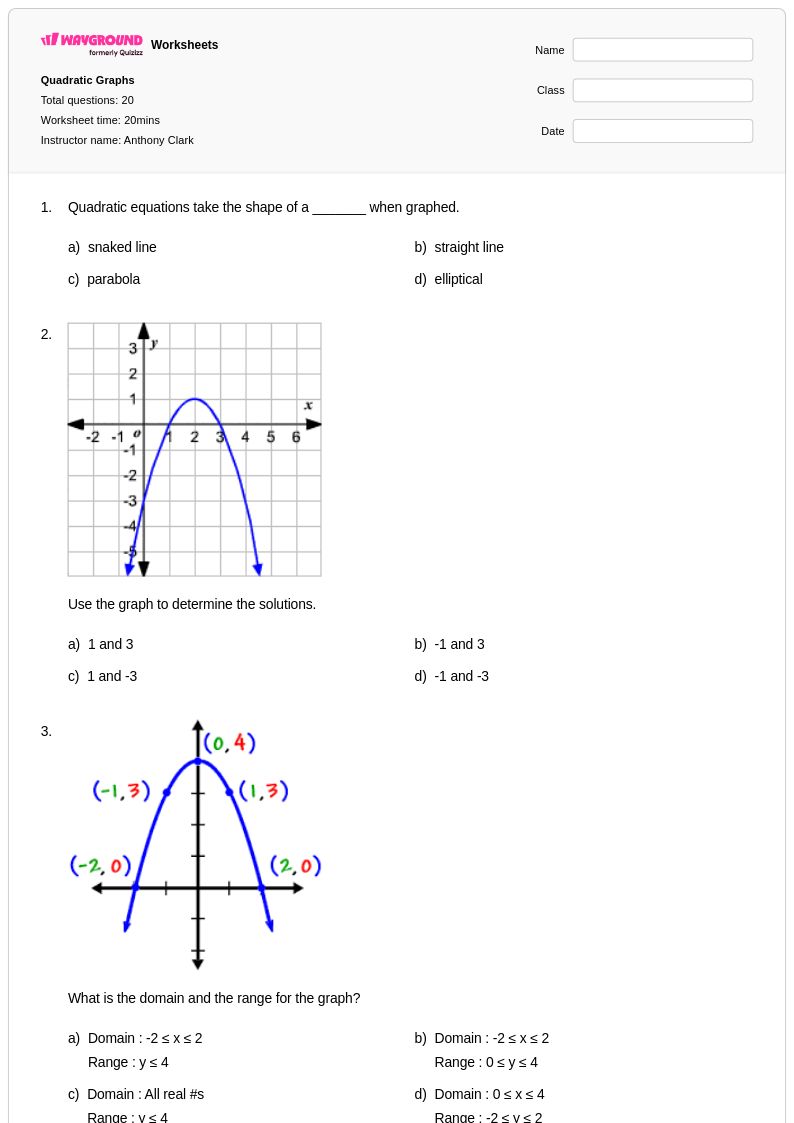
20Q
9th - Uni
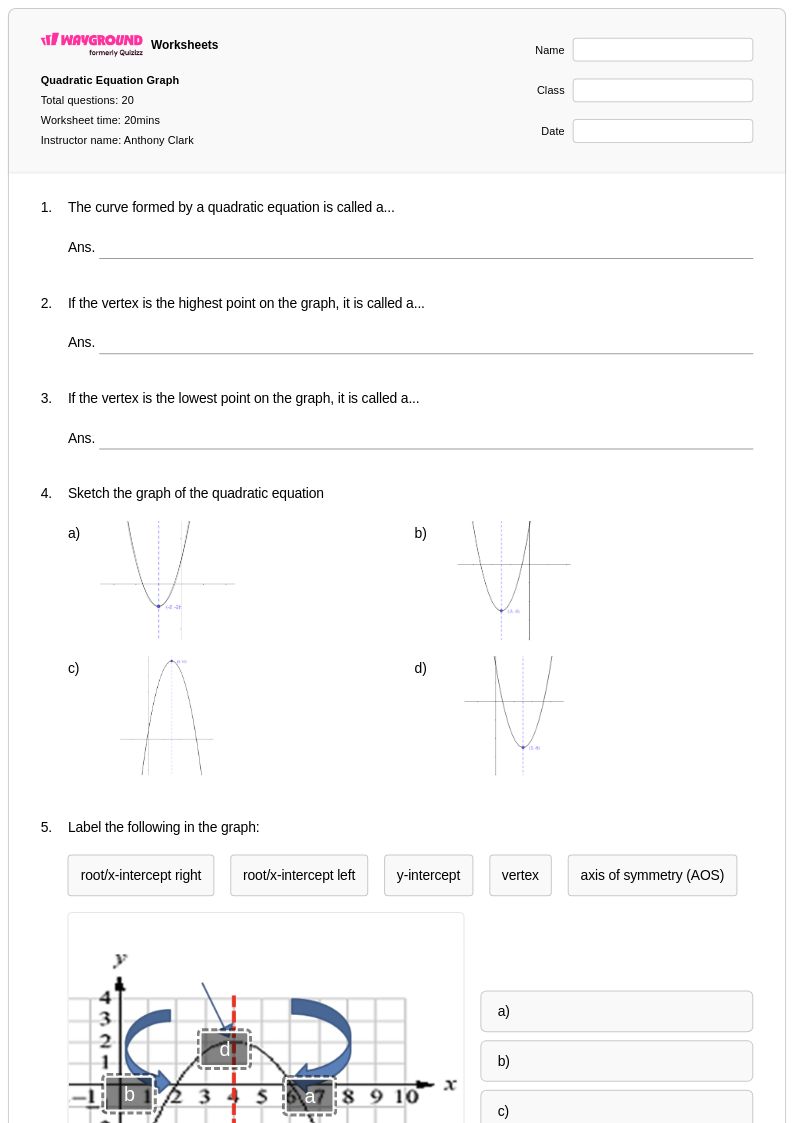
20Q
9th - Uni
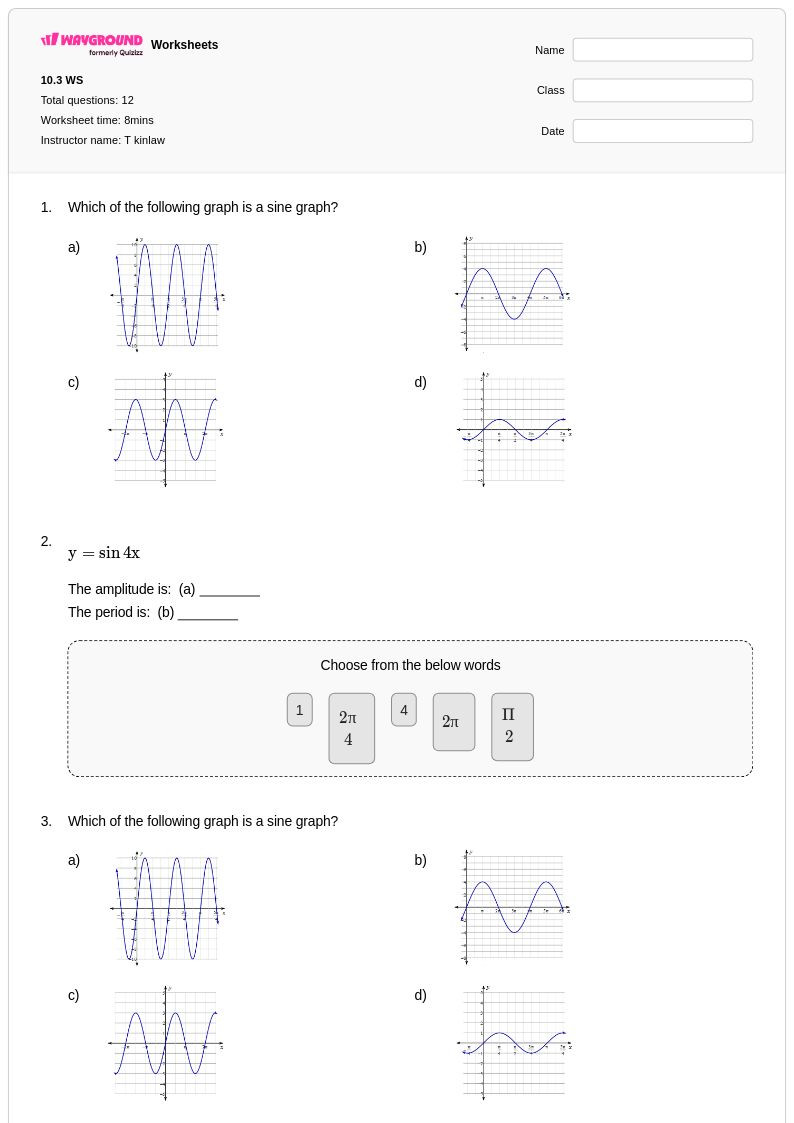
12Q
9th - 12th
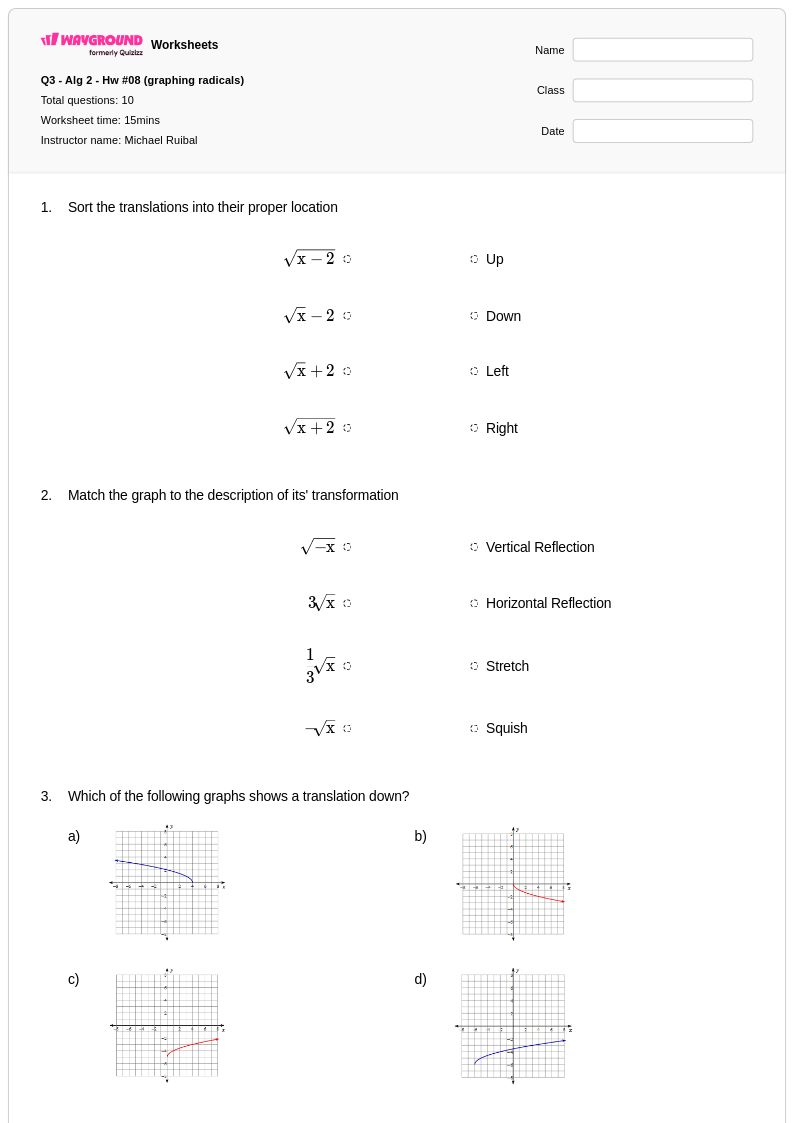
10Q
9th - 12th
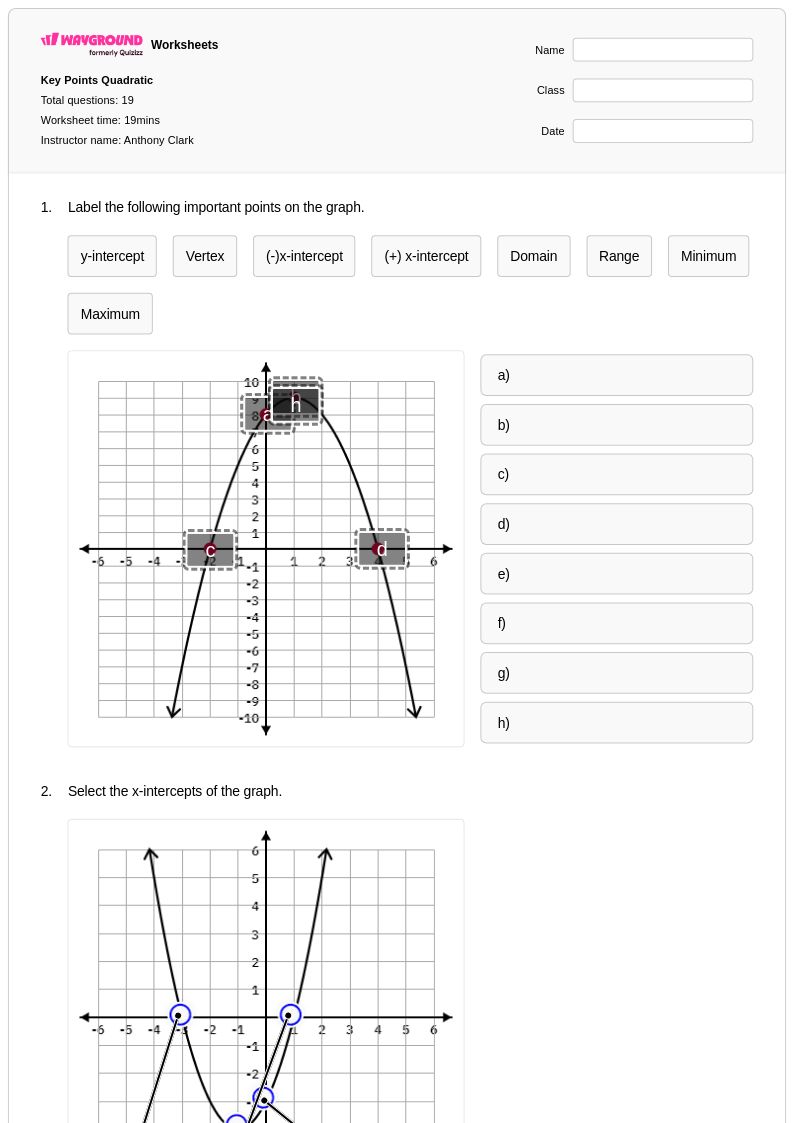
19Q
9th - Uni
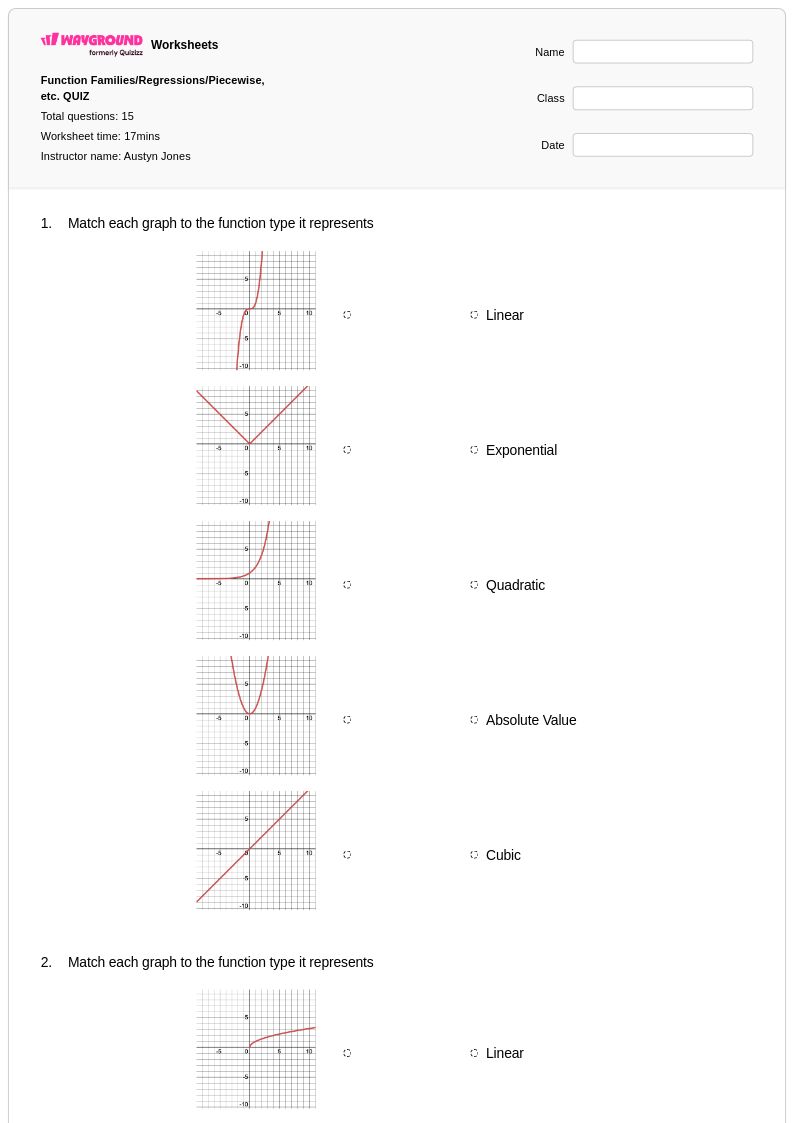
15Q
9th - 12th
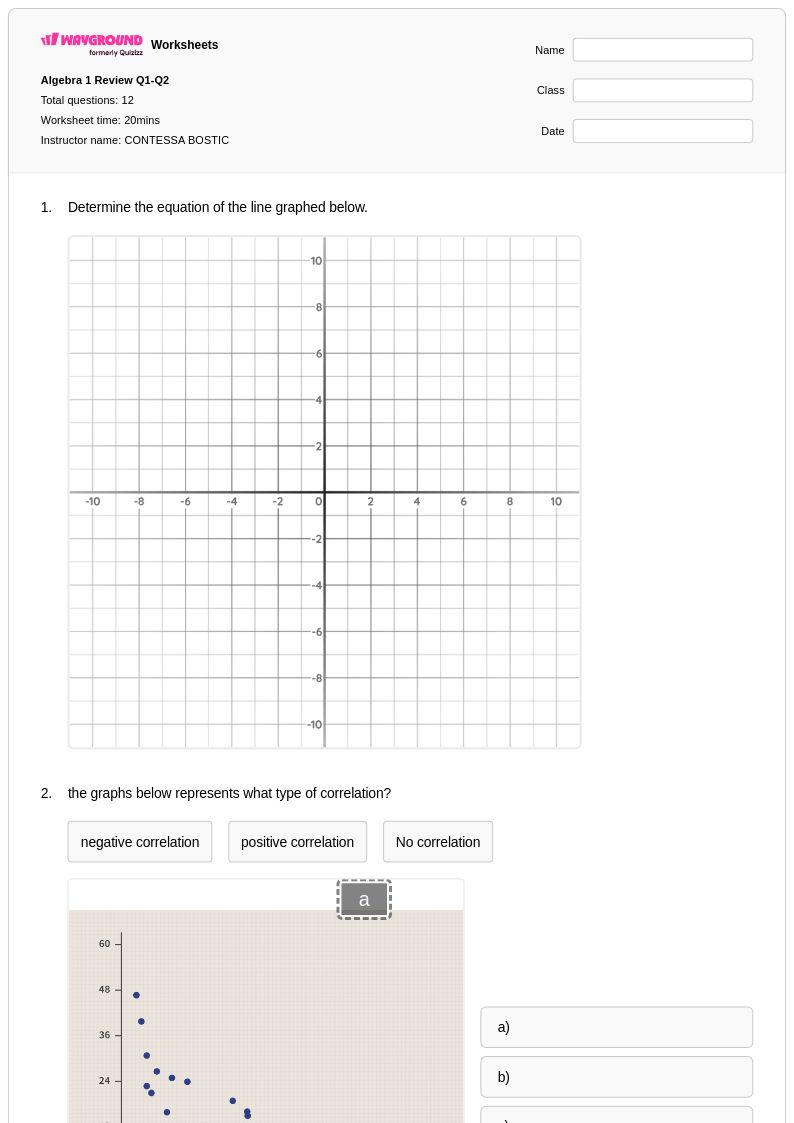
12Q
9th - 12th
Explore outras planilhas de assuntos para class 10
Explore printable Misleading Graphs worksheets for Class 10
Misleading graphs represent a critical area of study for Class 10 mathematics students, as they develop the analytical skills necessary to identify and interpret visual data representations that may distort or misrepresent information. Wayground's comprehensive collection of misleading graphs worksheets provides students with essential practice in recognizing common techniques used to manipulate data presentation, including altered scales, truncated axes, selective data omission, and inappropriate graph types. These free printable resources strengthen students' ability to critically evaluate statistical presentations they encounter in media, research, and academic contexts, while the included answer key allows for immediate feedback and self-assessment. The practice problems systematically guide learners through identifying various forms of graphical manipulation, teaching them to question the integrity of visual data and develop sophisticated reasoning skills essential for mathematical literacy.
Wayground supports educators with millions of teacher-created resources specifically designed to enhance instruction on misleading graphs and data interpretation concepts. The platform's robust search and filtering capabilities enable teachers to quickly locate worksheets that align with their curriculum standards and match their students' specific learning needs, whether for initial instruction, remediation, or enrichment activities. These customizable materials are available in both printable pdf format and interactive digital versions, allowing for flexible implementation across diverse classroom environments and learning preferences. Teachers can differentiate instruction by selecting from varying difficulty levels and problem types, ensuring that all Class 10 students can access appropriate challenges while building their critical thinking skills in data analysis and graphical interpretation.
FAQs
How do I teach misleading graphs to Grade 10 students?
What exercises help Grade 10 students practice identifying misleading graphs?
What mistakes do students make when analyzing misleading graphs?
How can I use a Grade 10 misleading graphs worksheet in class?
How do misleading graphs fit into the Common Core math curriculum?
How can I differentiate misleading-graph practice for a mixed-ability class?
What grade do students learn about misleading graphs?