Free Printable Missing Letter Activities Worksheets for Class 1
Class 1 Missing Letter Activities printables from Wayground help students practice alphabet recognition and spelling through engaging free worksheets with answer keys that reinforce letter identification skills.
Explore printable Missing Letter Activities worksheets for Class 1
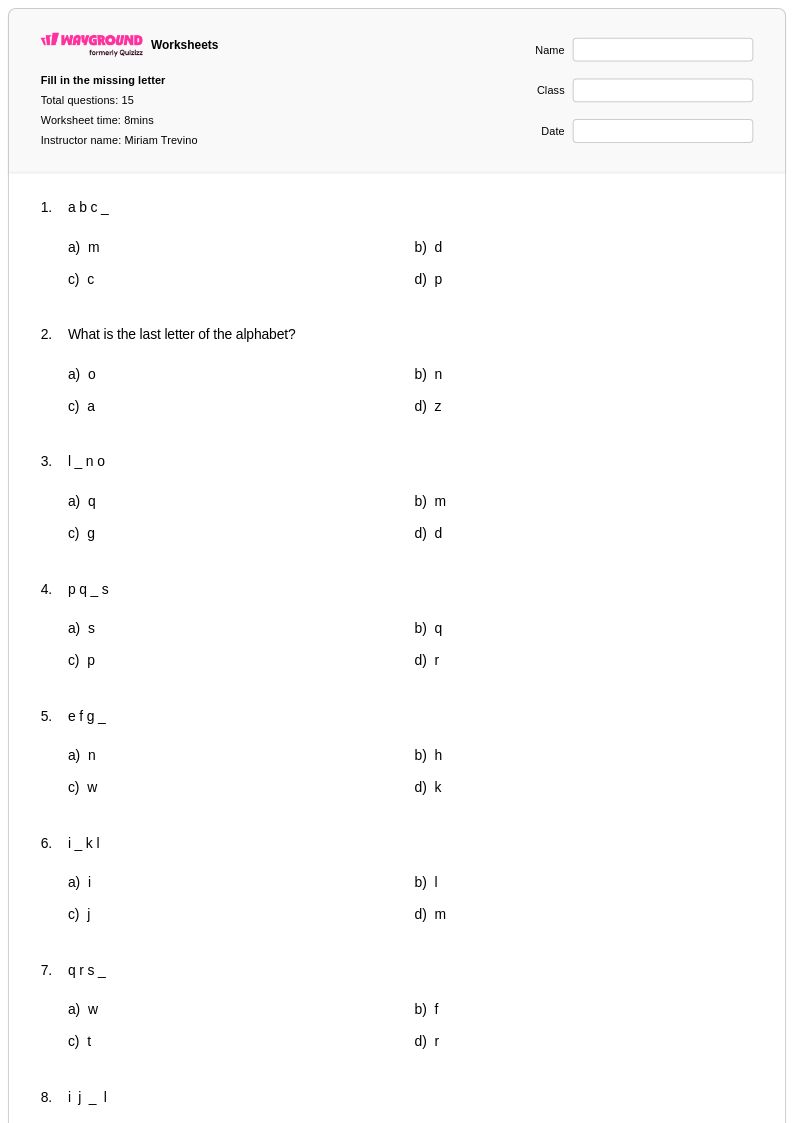
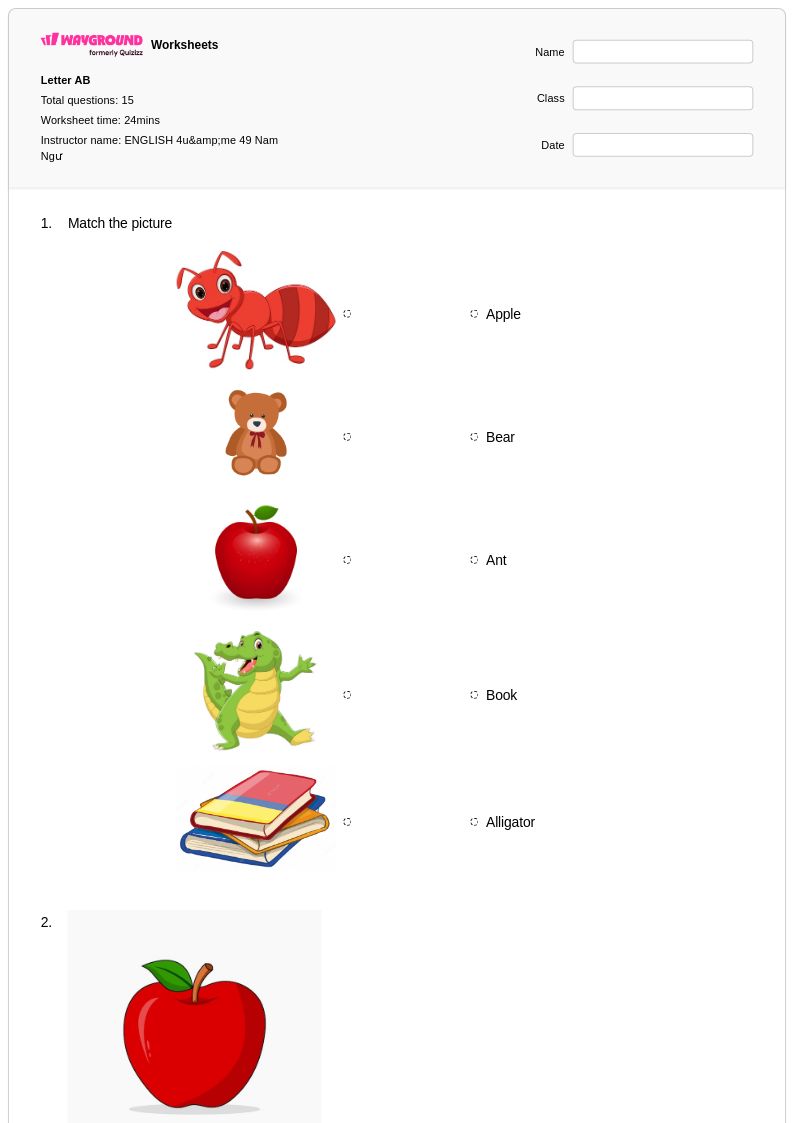
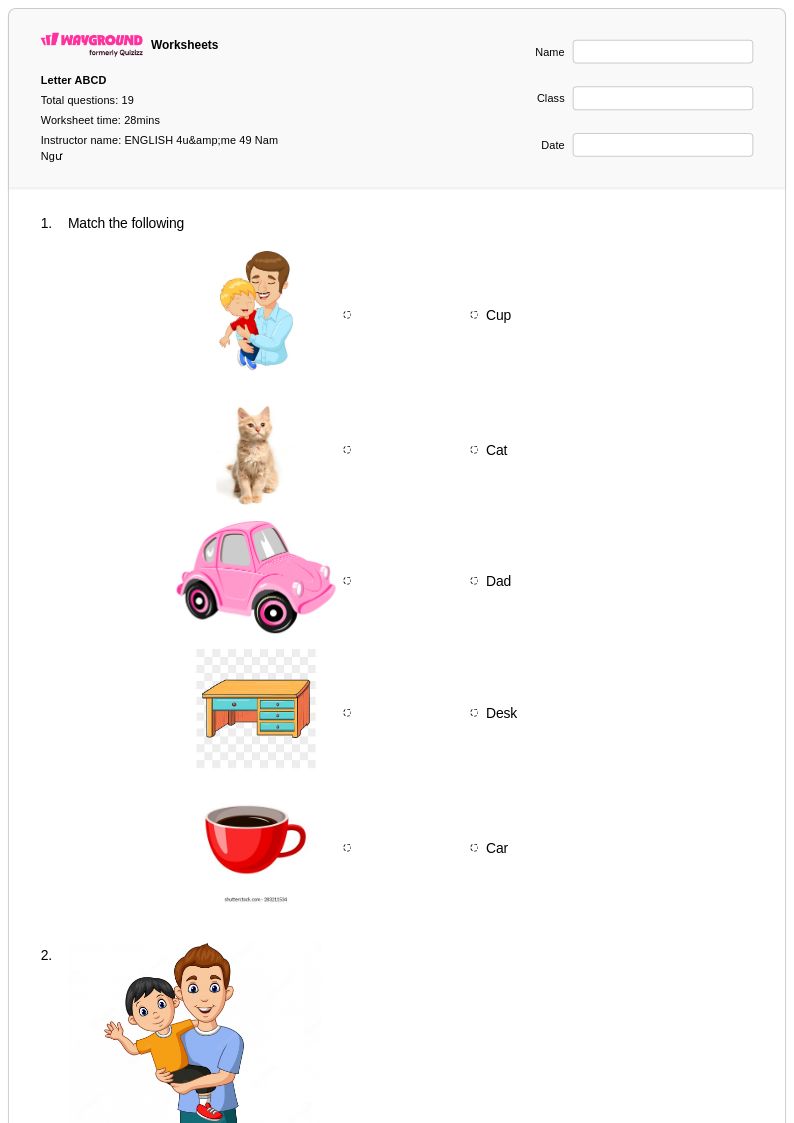
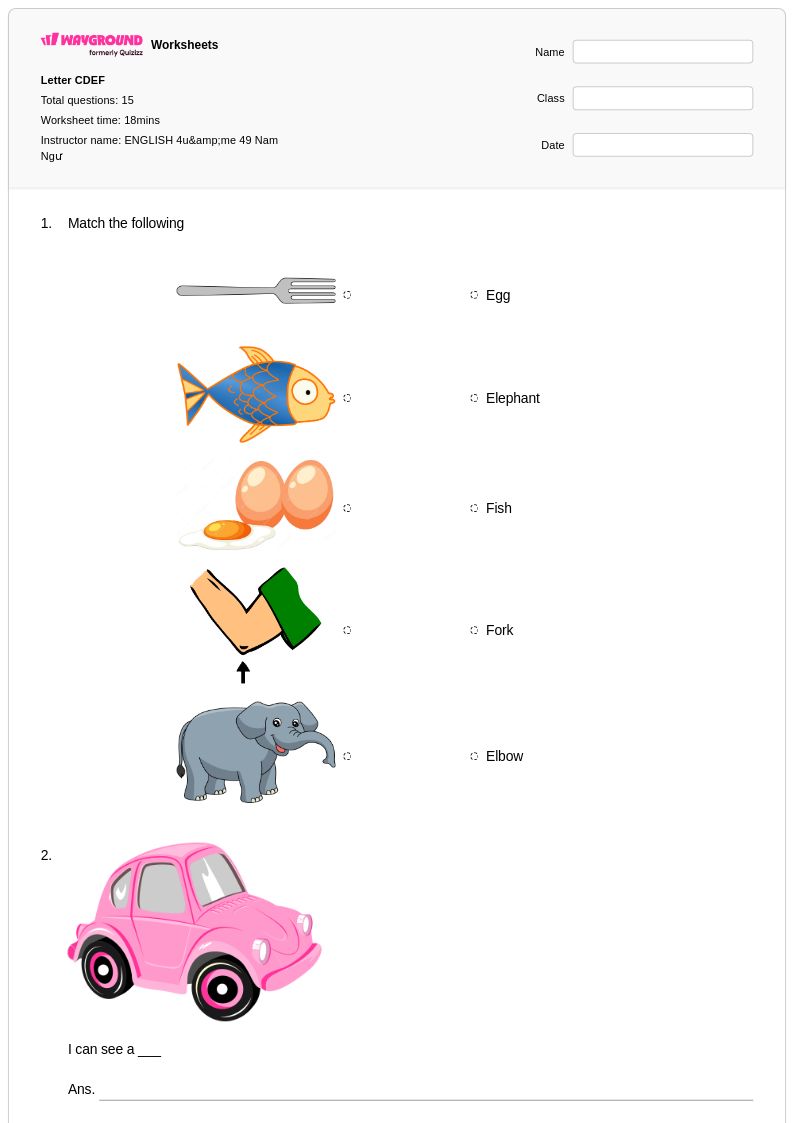
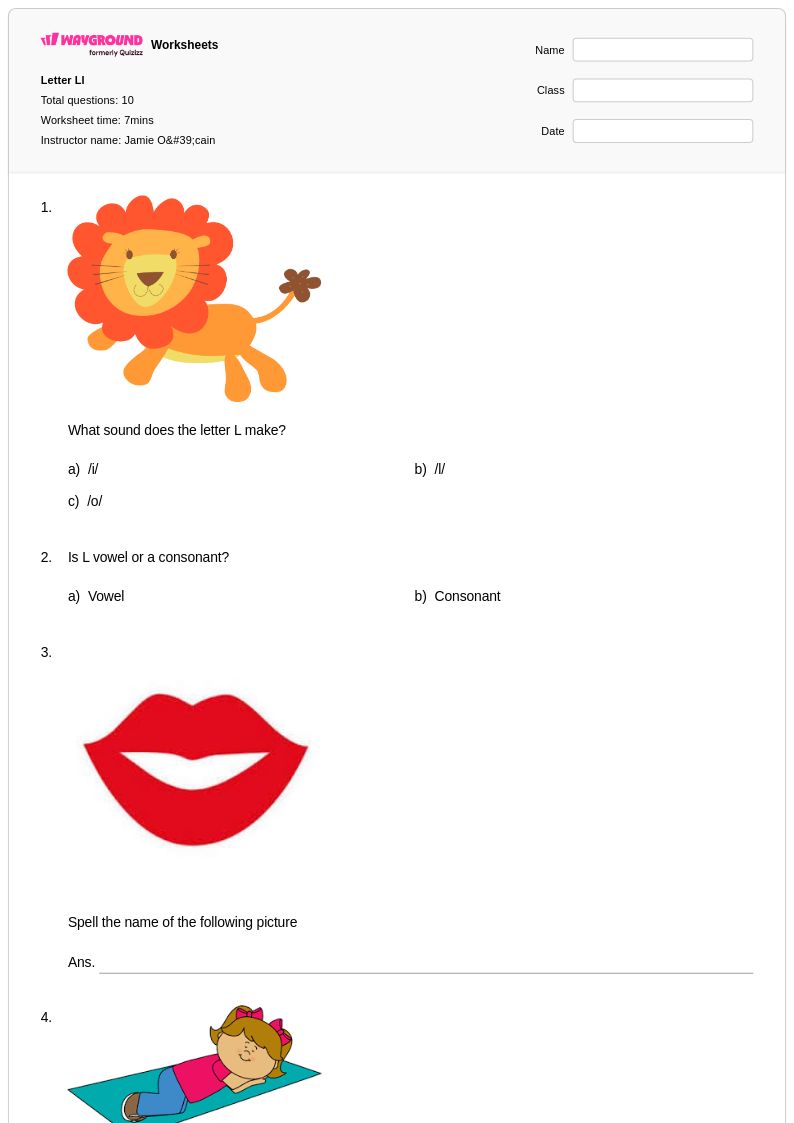
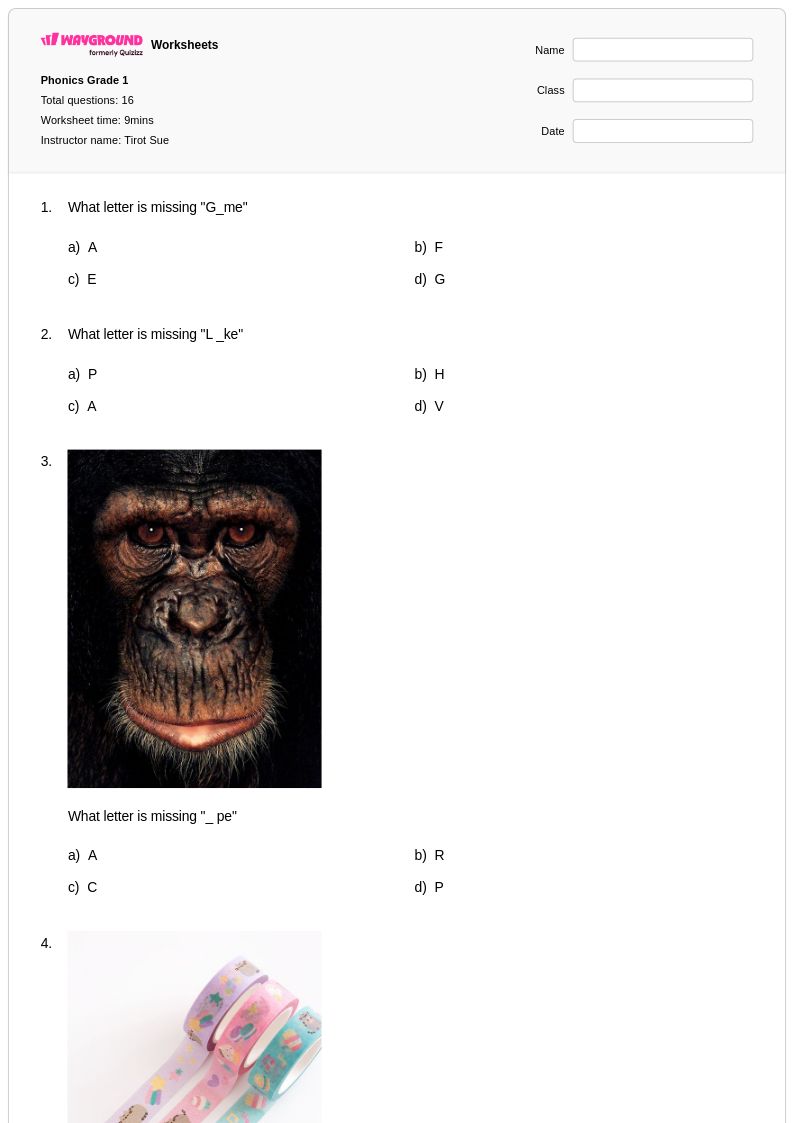
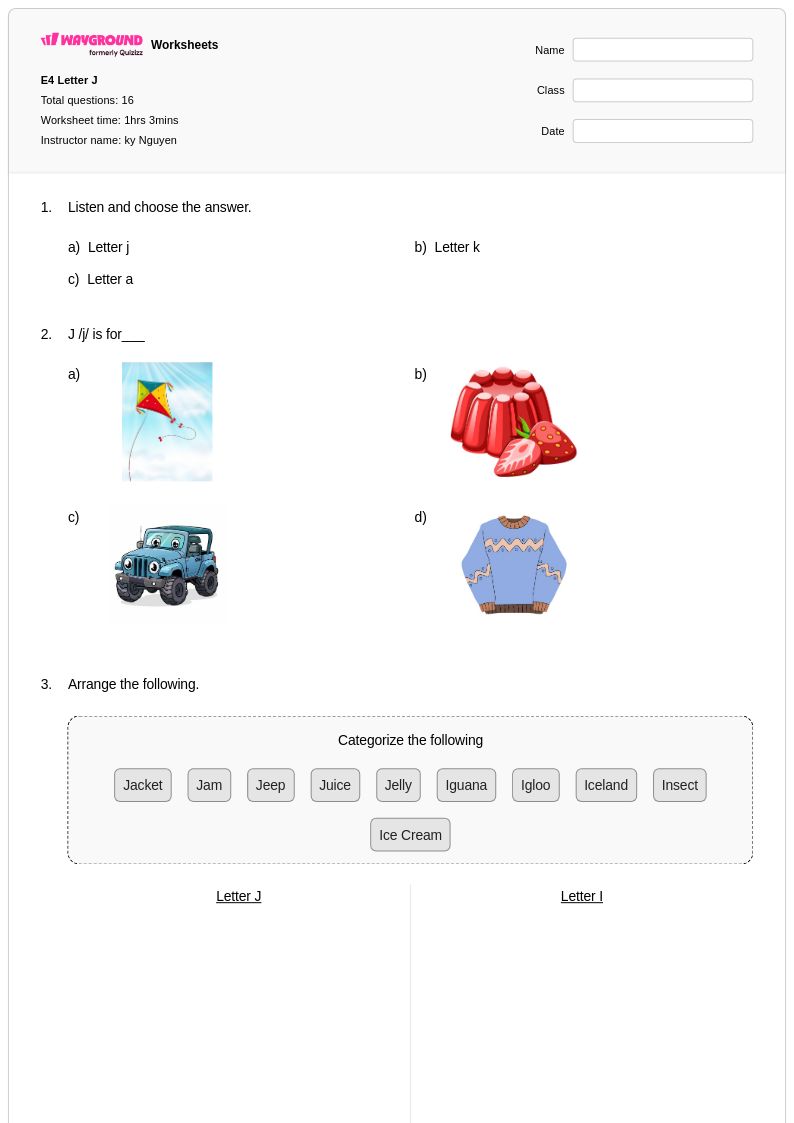
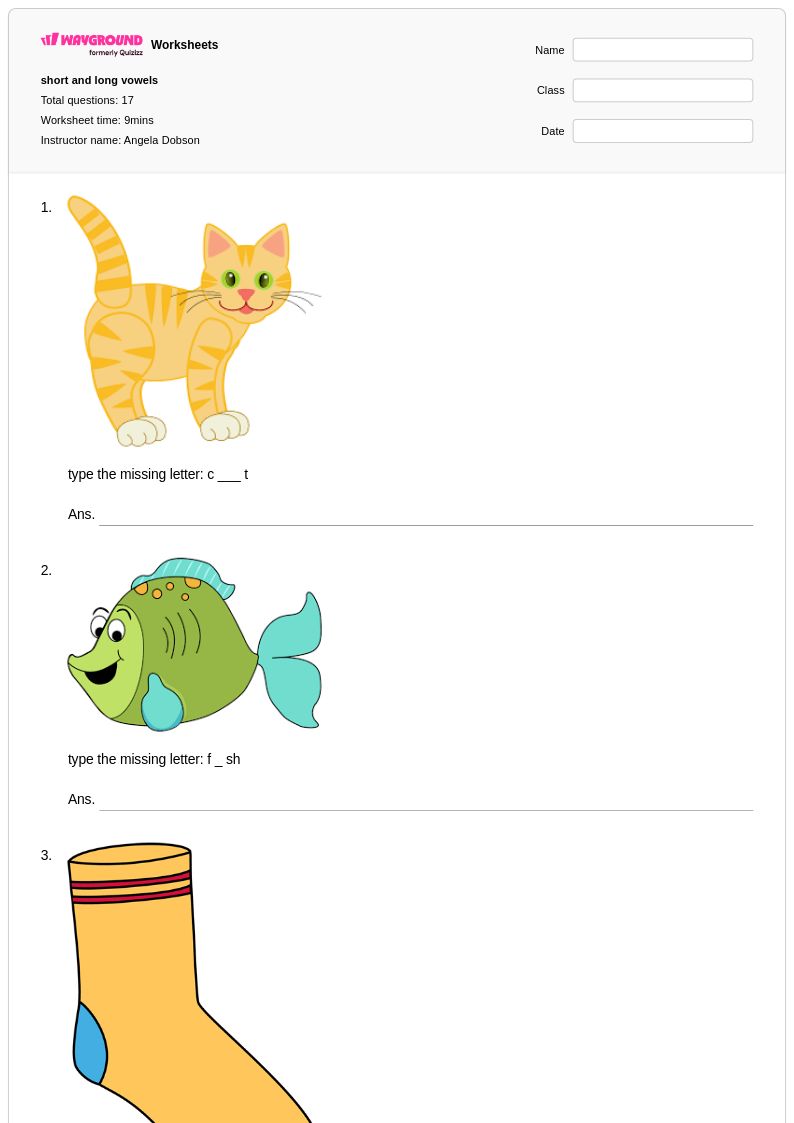
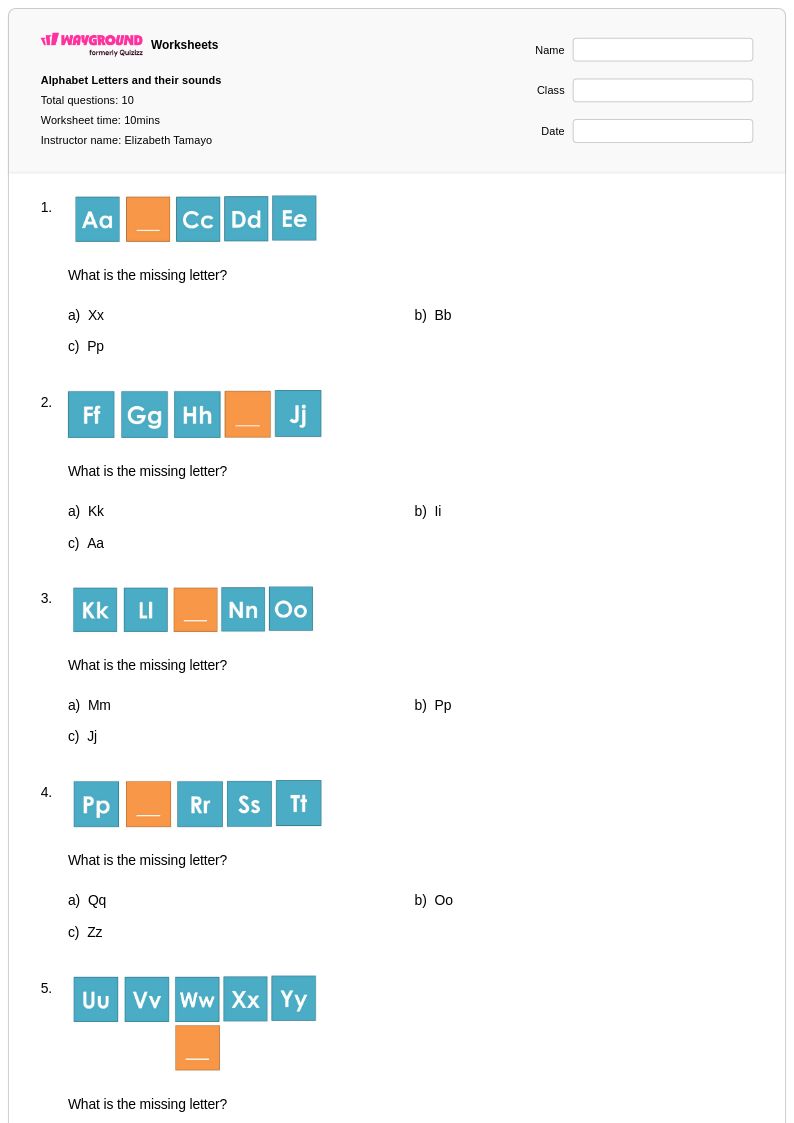
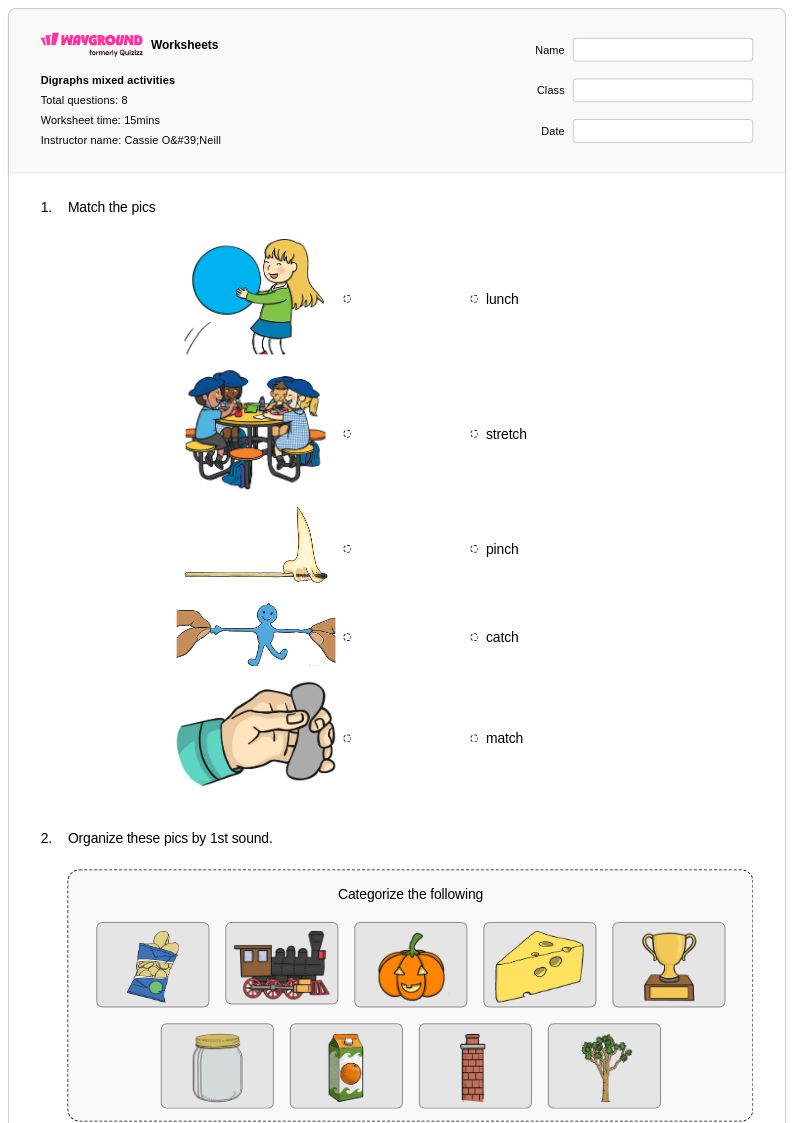
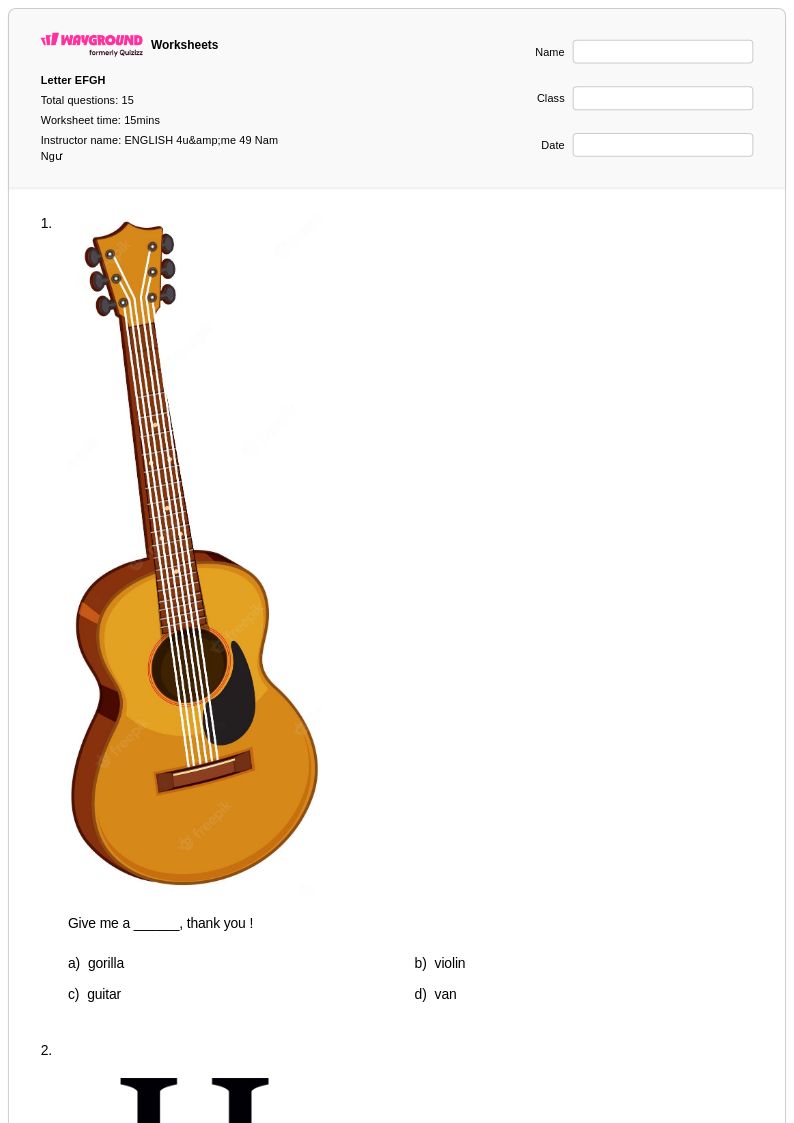
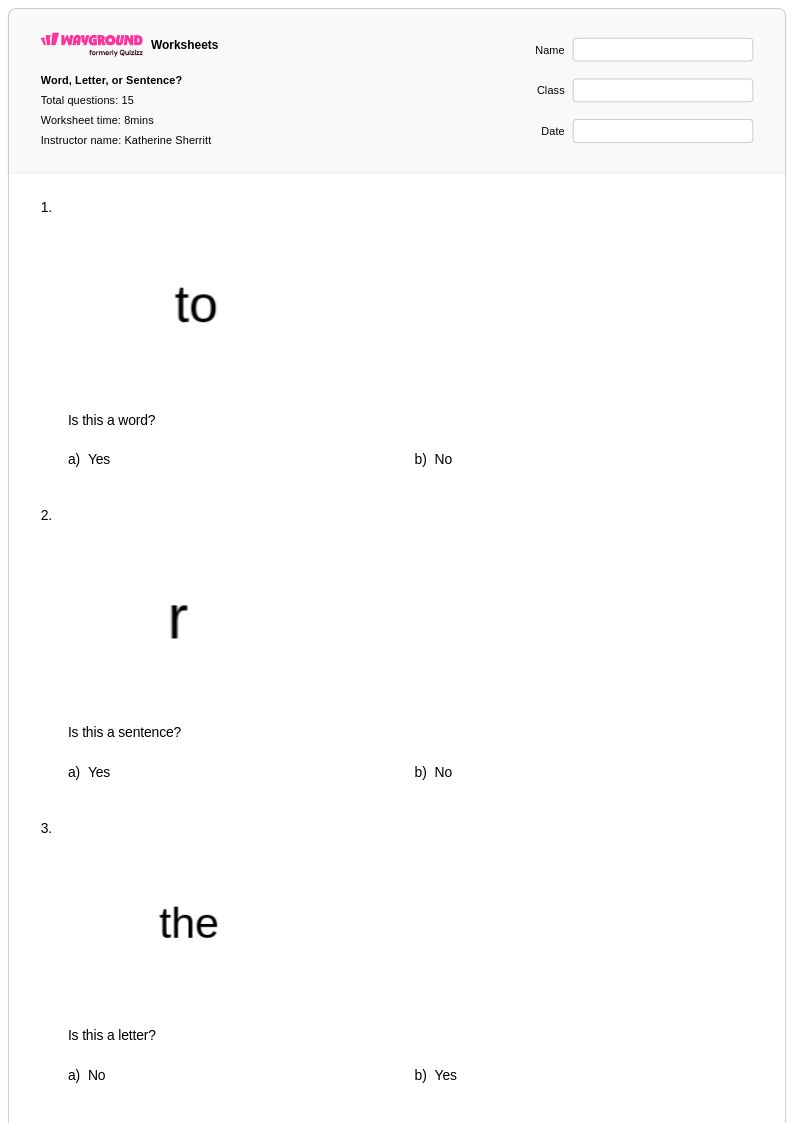
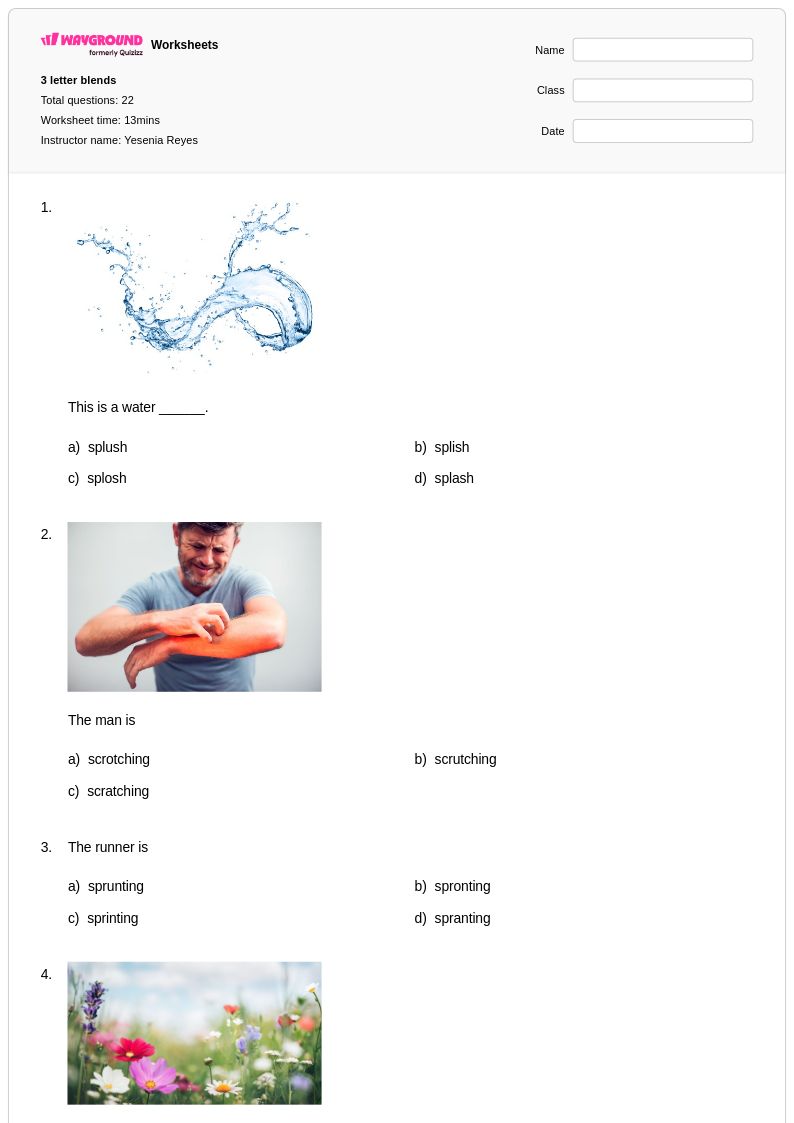
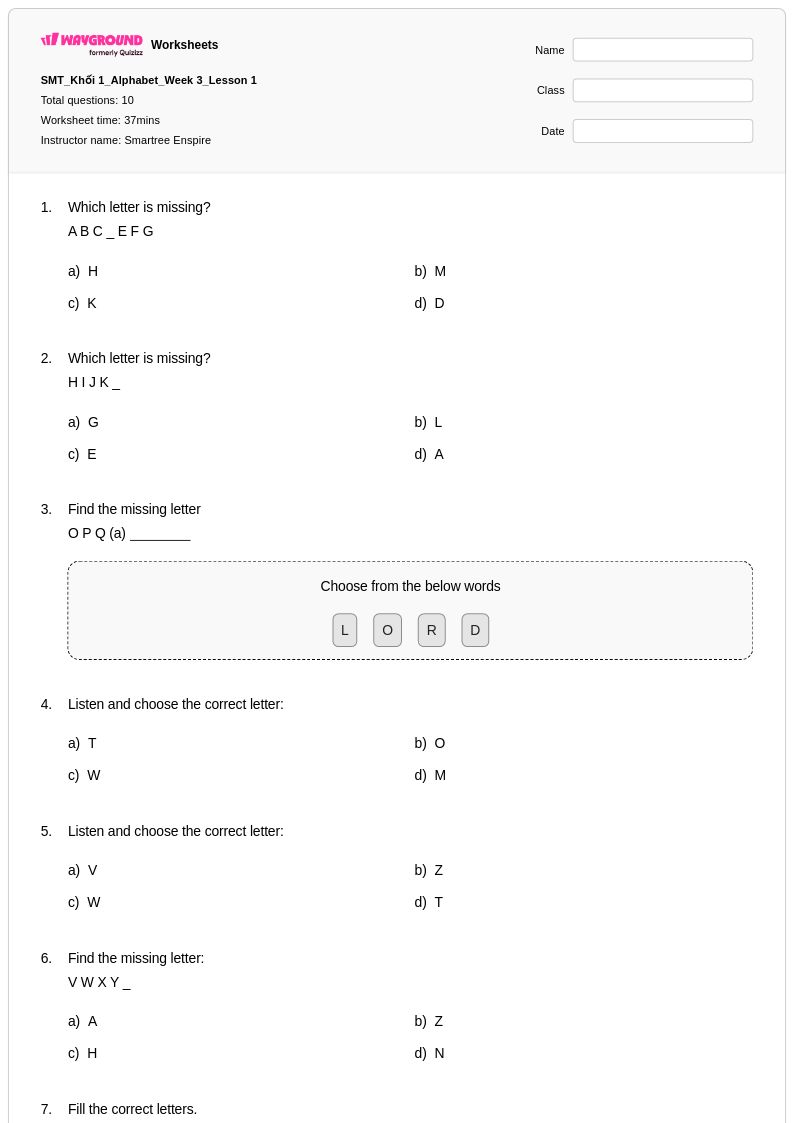
Missing Letter Activities for Class 1 students through Wayground (formerly Quizizz) provide essential alphabet recognition and phonics foundation practice that strengthens early reading and writing skills. These comprehensive worksheets challenge young learners to identify and complete incomplete letter sequences, fill in missing uppercase and lowercase letters within words, and recognize alphabetical patterns through engaging visual exercises. Each printable worksheet includes structured practice problems that develop letter recognition fluency, phonemic awareness, and visual processing skills crucial for emergent readers. Teachers can access complete answer keys for efficient grading and assessment, while the free pdf format ensures convenient classroom distribution and take-home practice opportunities.
Wayground (formerly Quizizz) empowers educators with millions of teacher-created missing letter worksheet resources that support differentiated instruction across diverse Class 1 learning needs. The platform's robust search and filtering system enables teachers to quickly locate standards-aligned materials that match specific phonics objectives, alphabet knowledge goals, and individual student requirements. Flexible customization tools allow educators to modify difficulty levels, adjust font sizes, and incorporate visual supports, while both printable and digital pdf formats accommodate various classroom technologies and learning preferences. These comprehensive worksheet collections streamline lesson planning for alphabet instruction, provide targeted remediation for students struggling with letter recognition, offer enrichment opportunities for advanced learners, and deliver consistent skill practice that reinforces foundational literacy concepts throughout the academic year.
FAQs
How do I teach missing letter activities to early learners?
Start by building students' awareness of alphabetical order through daily exposure to the full alphabet before introducing gaps. Begin with consecutive missing letters in short sequences (e.g., A, B, __, D) before progressing to non-consecutive gaps or missing letters within words. Pairing visual alphabet charts with practice problems helps students self-monitor and builds independence over time.
What exercises help students practice identifying missing letters?
Effective practice includes fill-in-the-blank alphabet sequences, word completion activities where a middle or ending letter is removed, and pattern-based exercises that require students to identify the rule before filling in the gap. Progressing from simple consecutive sequences to more complex skip patterns ensures systematic skill development and keeps practice appropriately challenging.
What mistakes do students commonly make with missing letter activities?
The most common error is guessing a letter by sound rather than applying alphabetical order, especially when the missing letter appears in the middle of a word. Students also frequently confuse visually similar letters such as b/d or p/q when filling in gaps. Targeted practice that isolates these letter pairs, combined with explicit instruction on alphabetical sequencing, helps address both error types.
How can I differentiate missing letter worksheets for students at different skill levels?
For students who are still developing alphabet fluency, reduce the number of missing letters per sequence and allow access to an alphabet reference strip. More advanced students can work with non-consecutive gaps, longer word structures, or patterns that skip letters. On Wayground, teachers can apply accommodations such as reduced answer choices or read-aloud support to individual students, so each learner engages with the activity at the right level of challenge.
How do I use Wayground's missing letter worksheets in my classroom?
Wayground's missing letter activity worksheets are available as printable PDFs for traditional pen-and-paper practice and in digital formats for technology-integrated classrooms. Teachers can assign them as independent seatwork, guided practice, or homework, and can also host them as an interactive quiz directly on Wayground. Complete answer keys are included with every worksheet, making it straightforward to check work or facilitate self-correction.
Are missing letter activities useful for remediation as well as grade-level practice?
Yes. Missing letter activities are well-suited for remediation because they isolate the specific skill of alphabetical sequencing without requiring reading fluency, making them accessible to students who need foundational support. The same activity format also works for enrichment by introducing more complex patterns or multi-letter gaps, so the same worksheet type can serve students across a range of skill levels within one classroom.