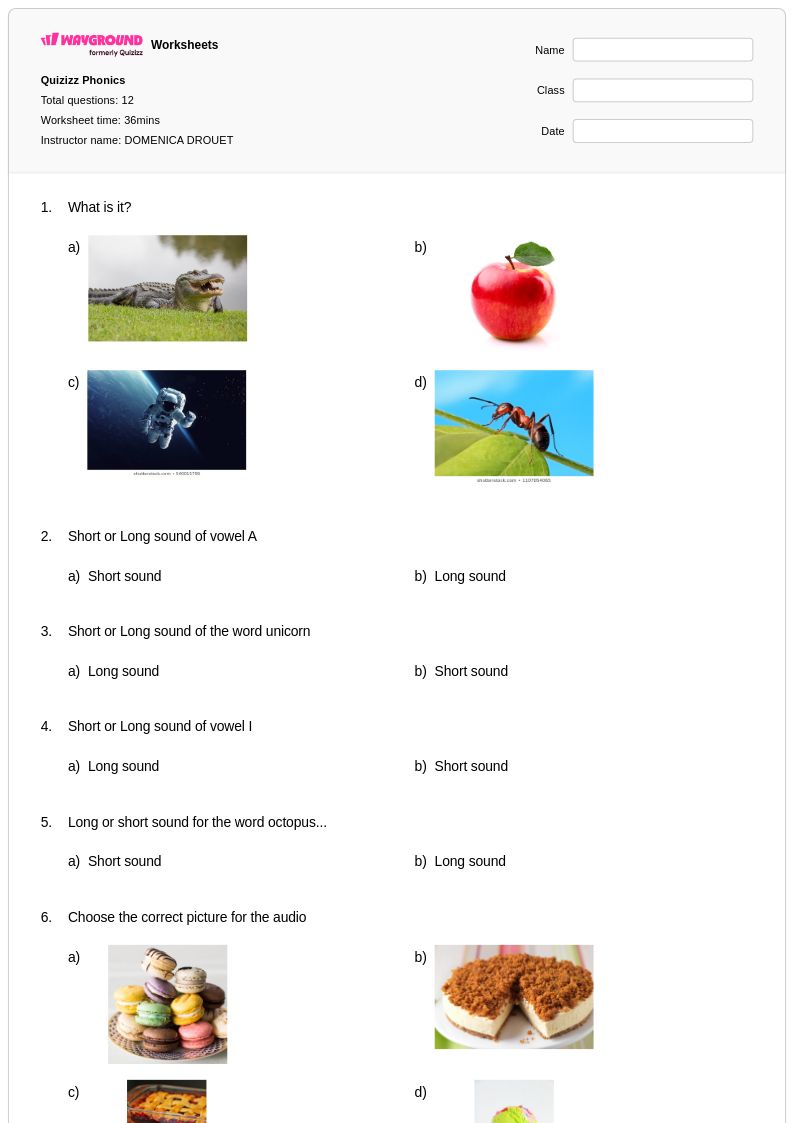
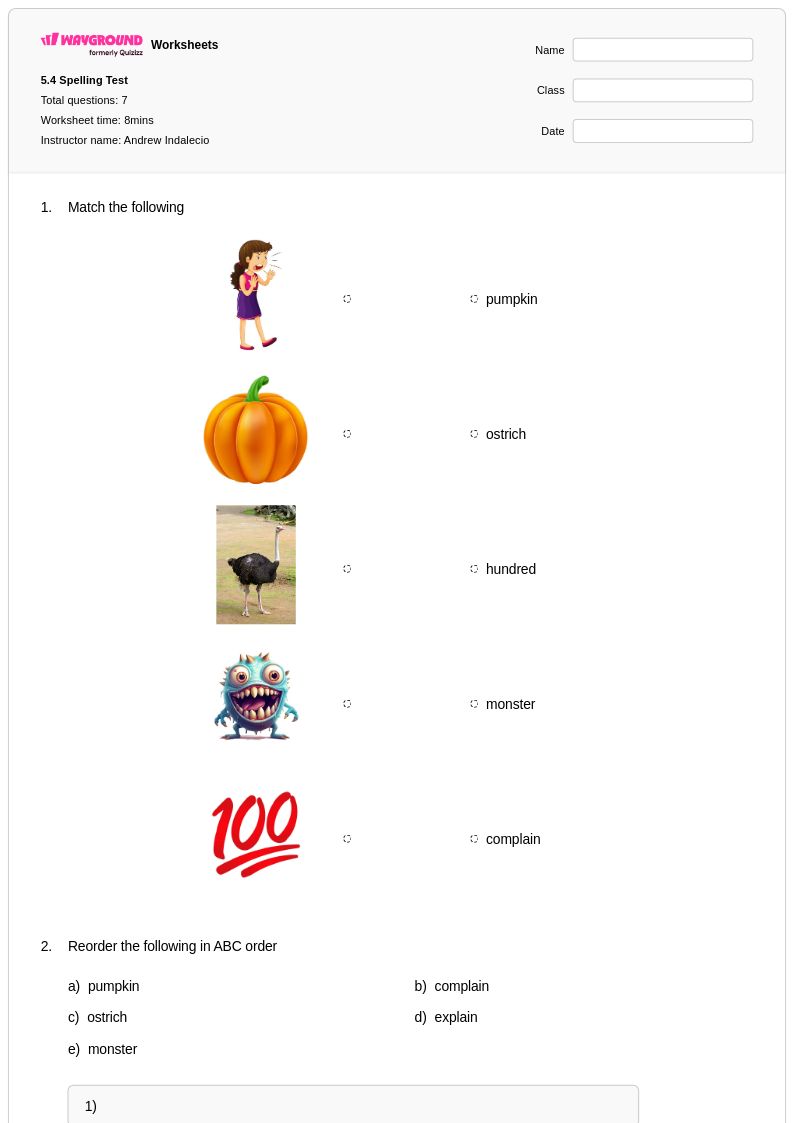
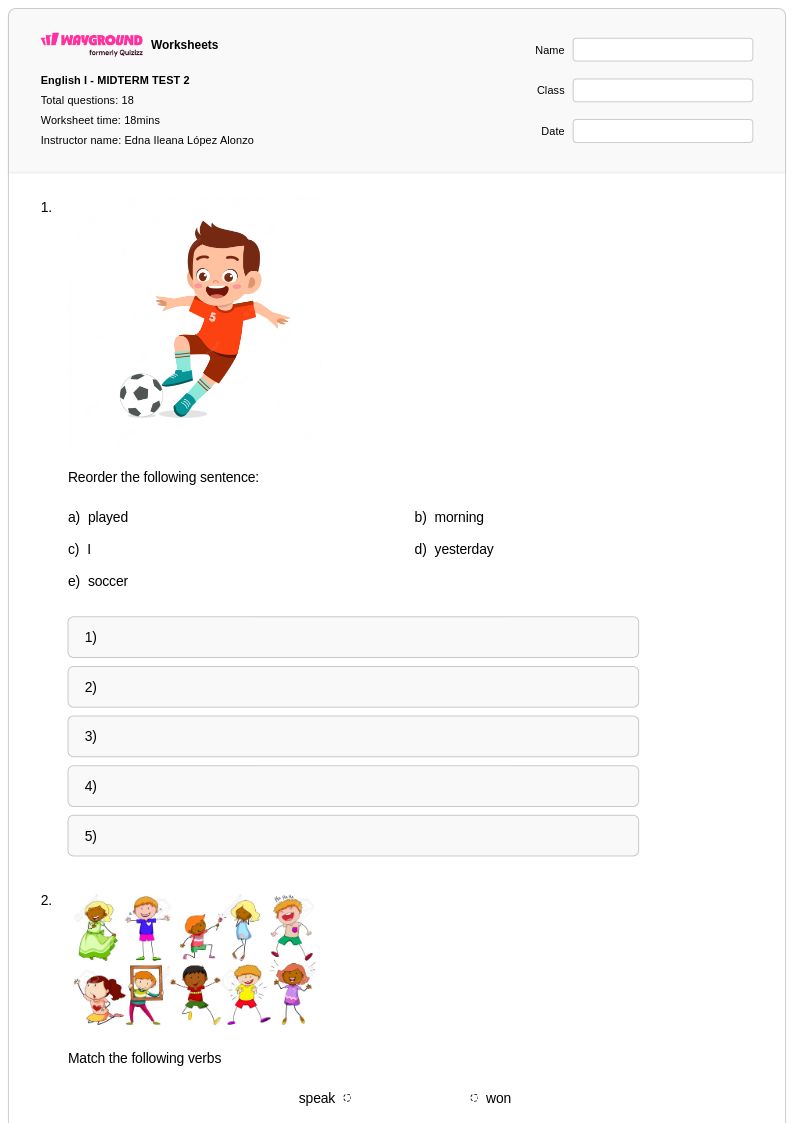
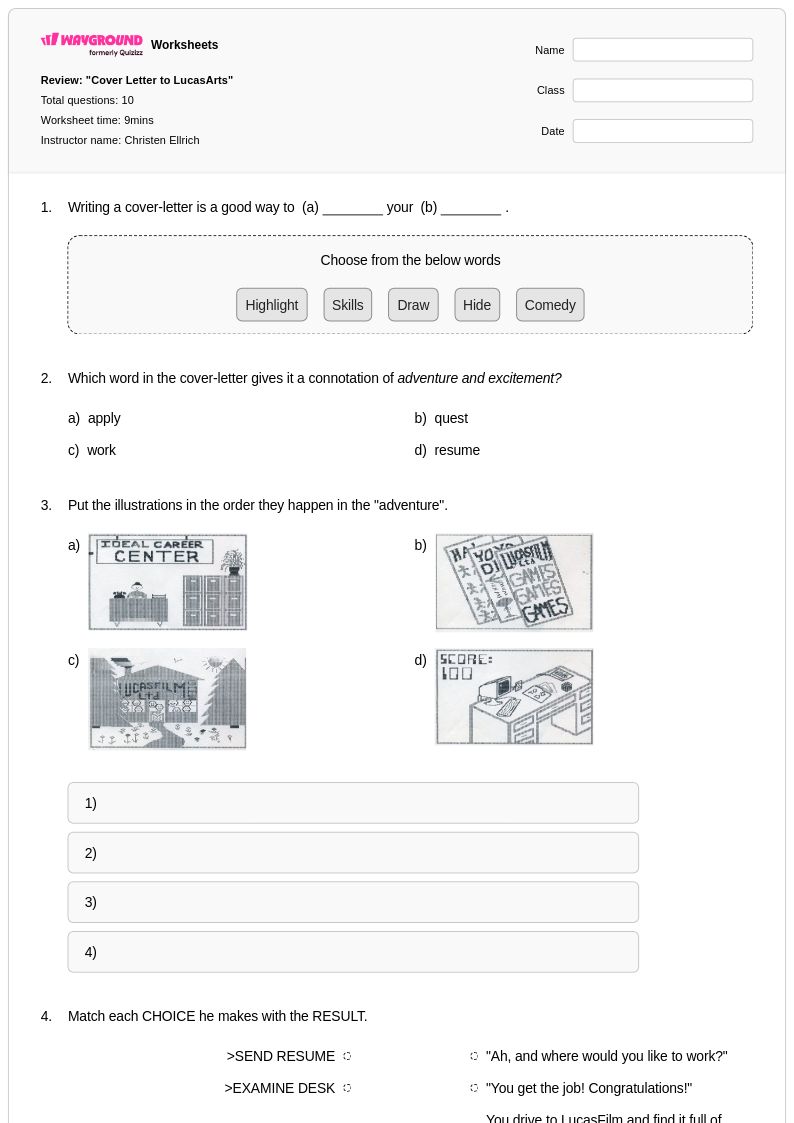
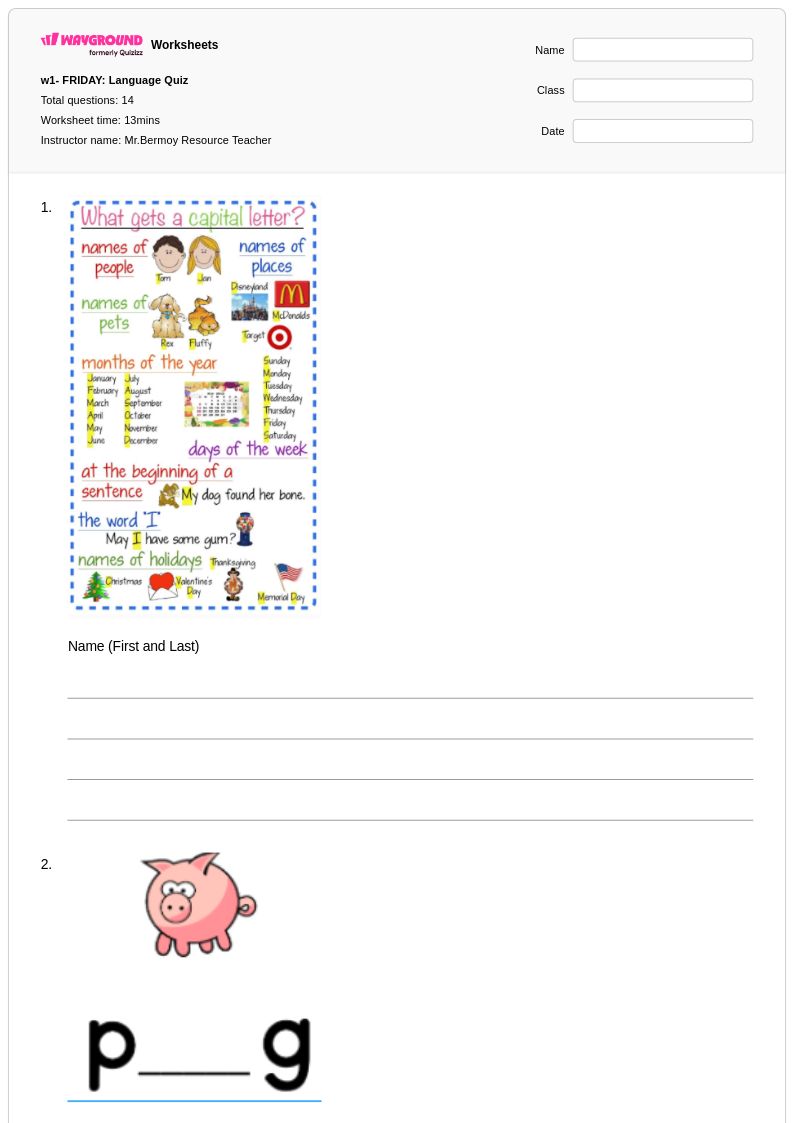
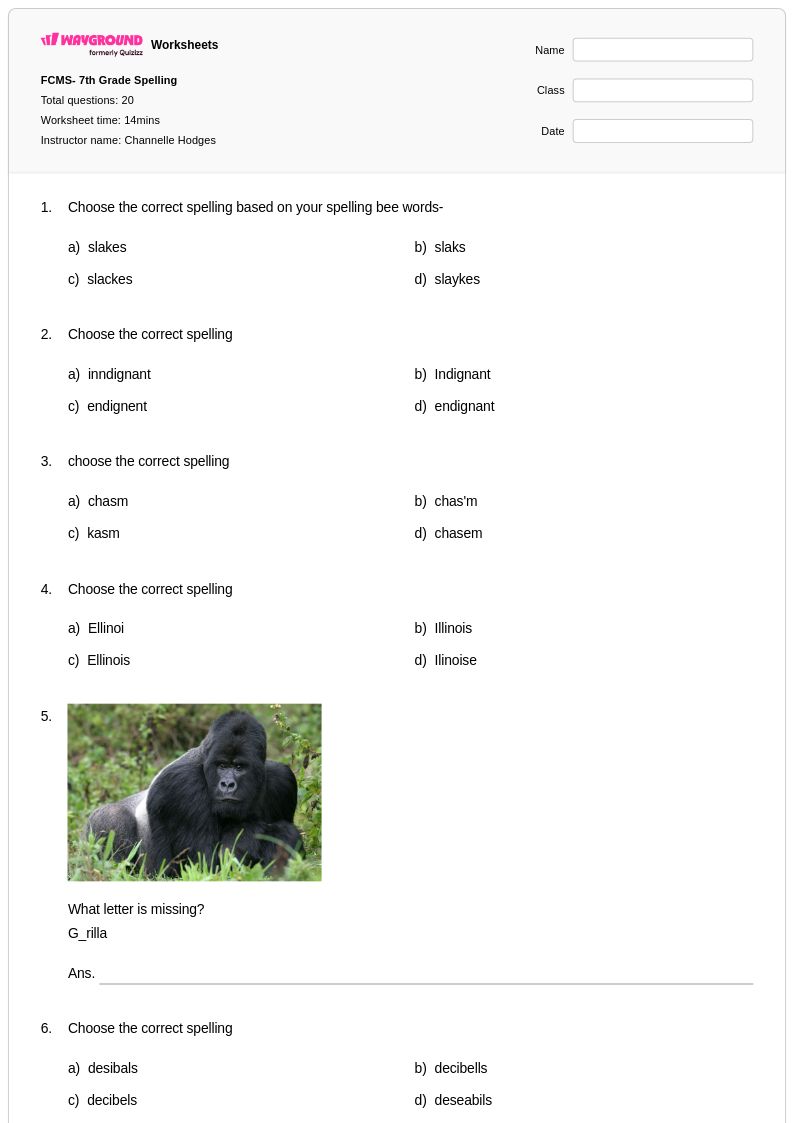
Free Printable Missing Letters Worksheets for Kindergarten
Discover Wayground's free kindergarten missing letters phonics worksheets and printables that help young learners identify and fill in missing letters, complete with practice problems and answer keys in PDF format.
Explore printable Missing Letters worksheets for Kindergarten
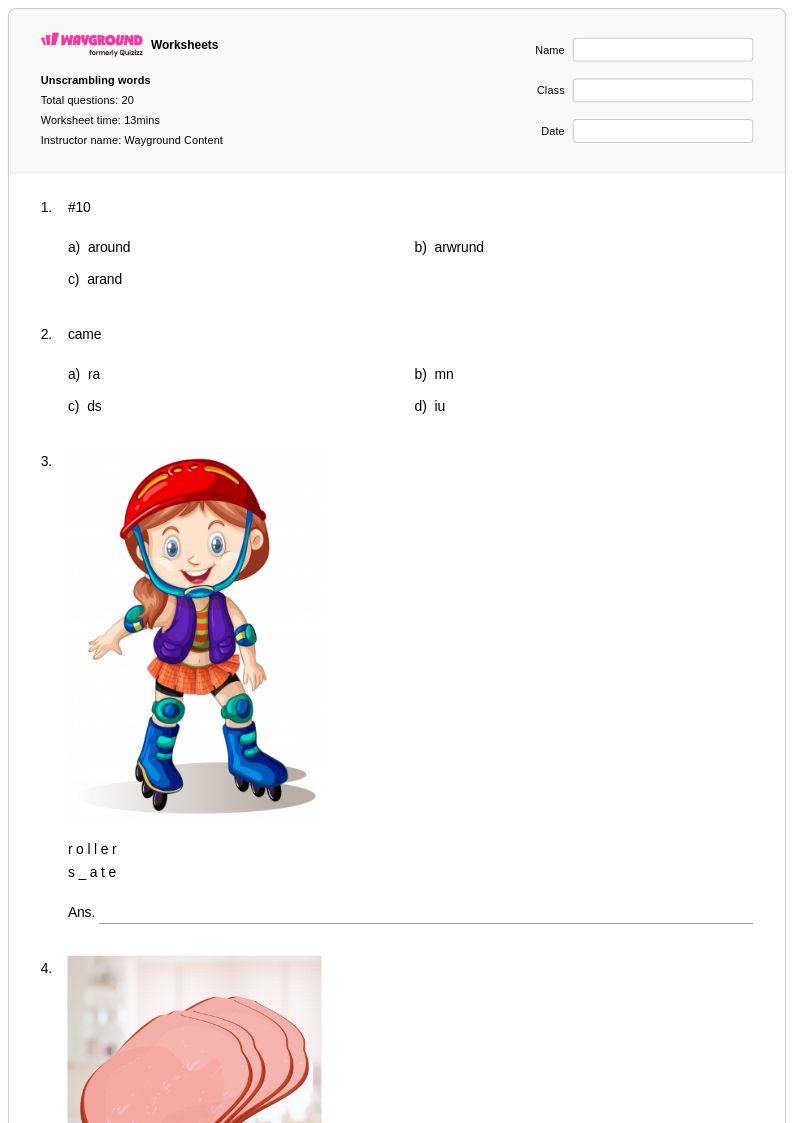
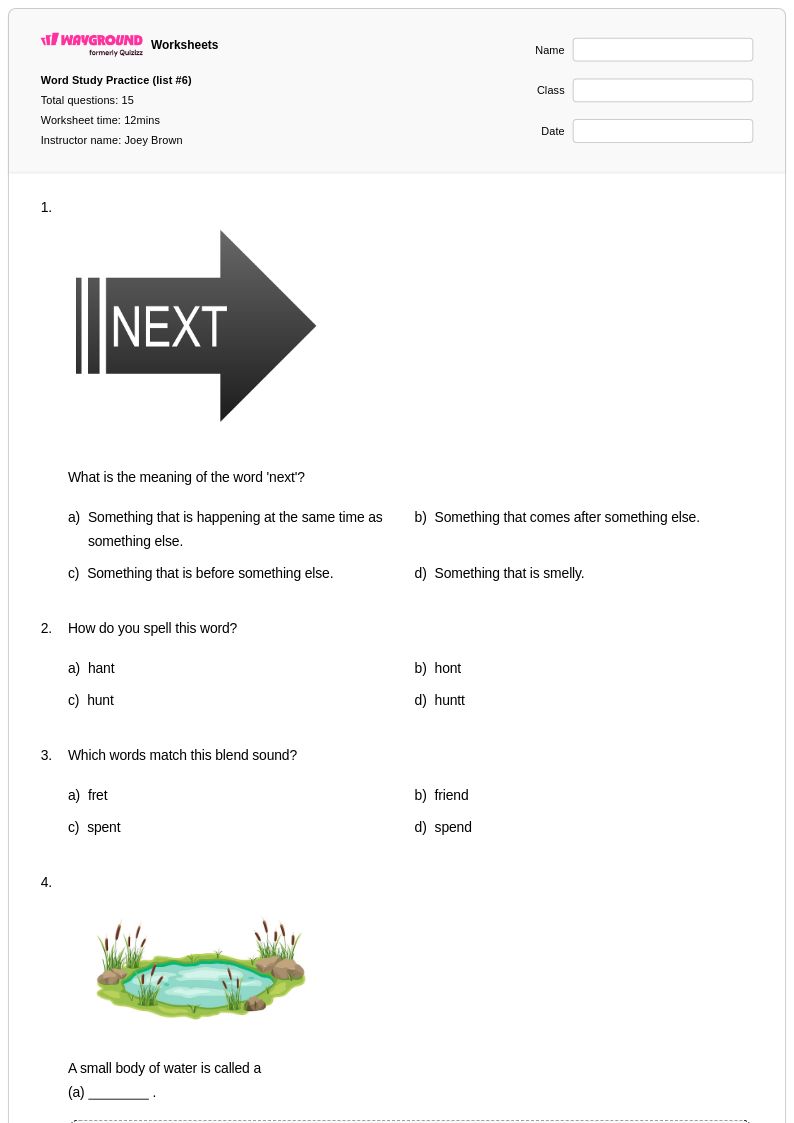
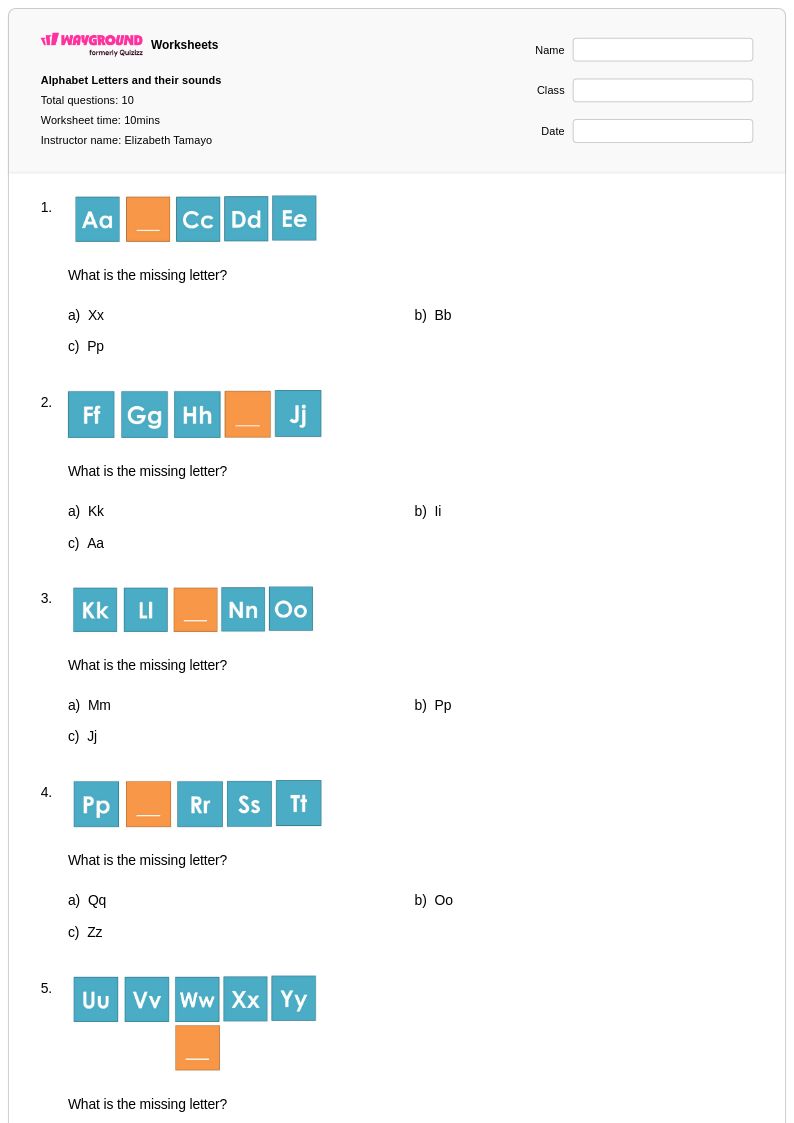
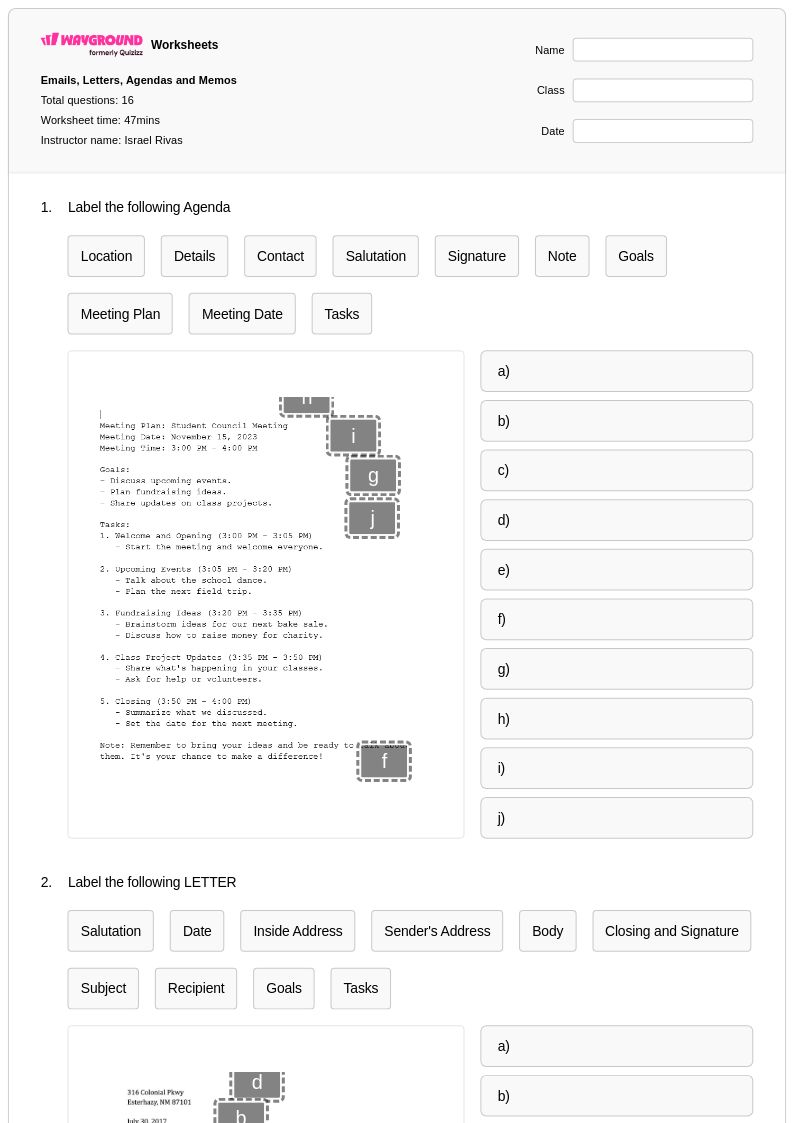
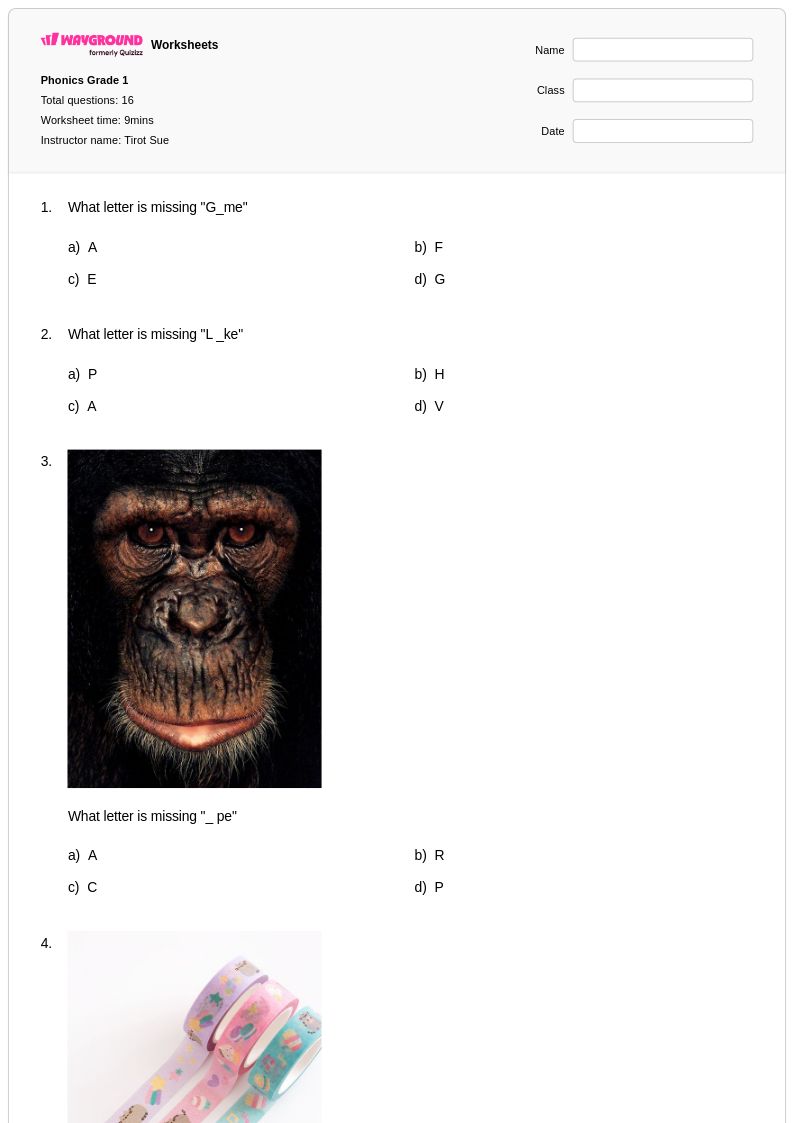
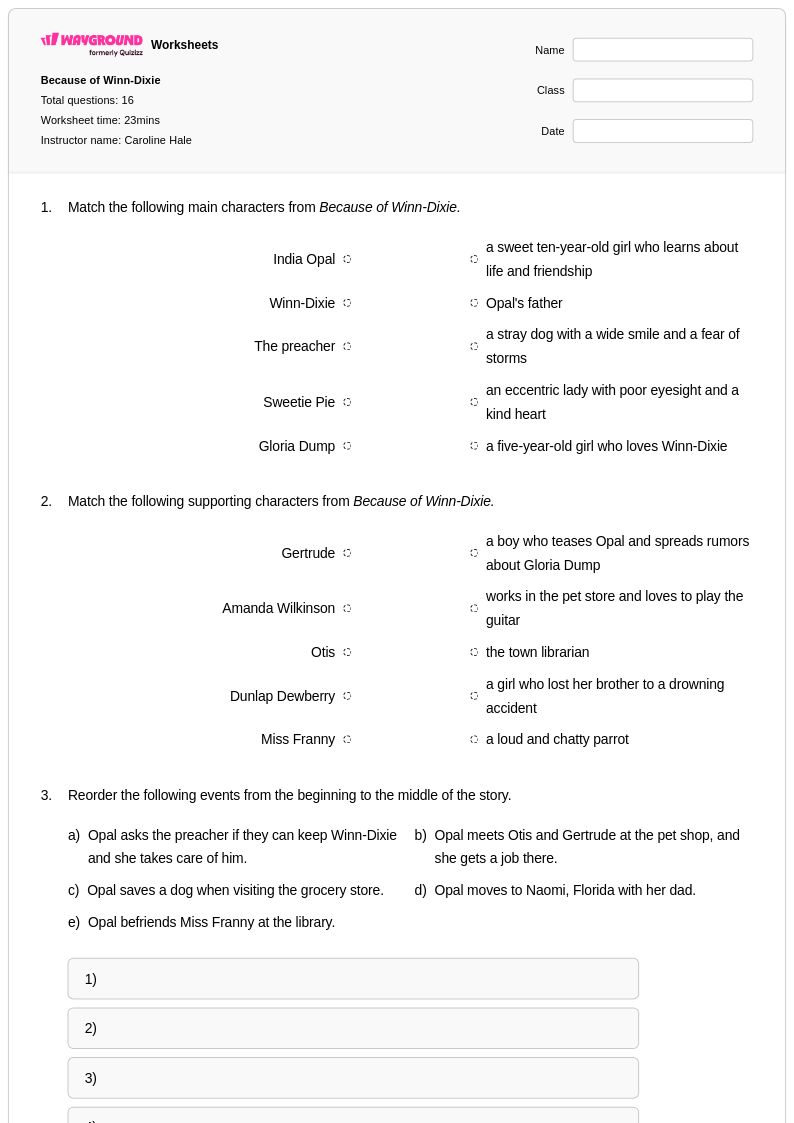
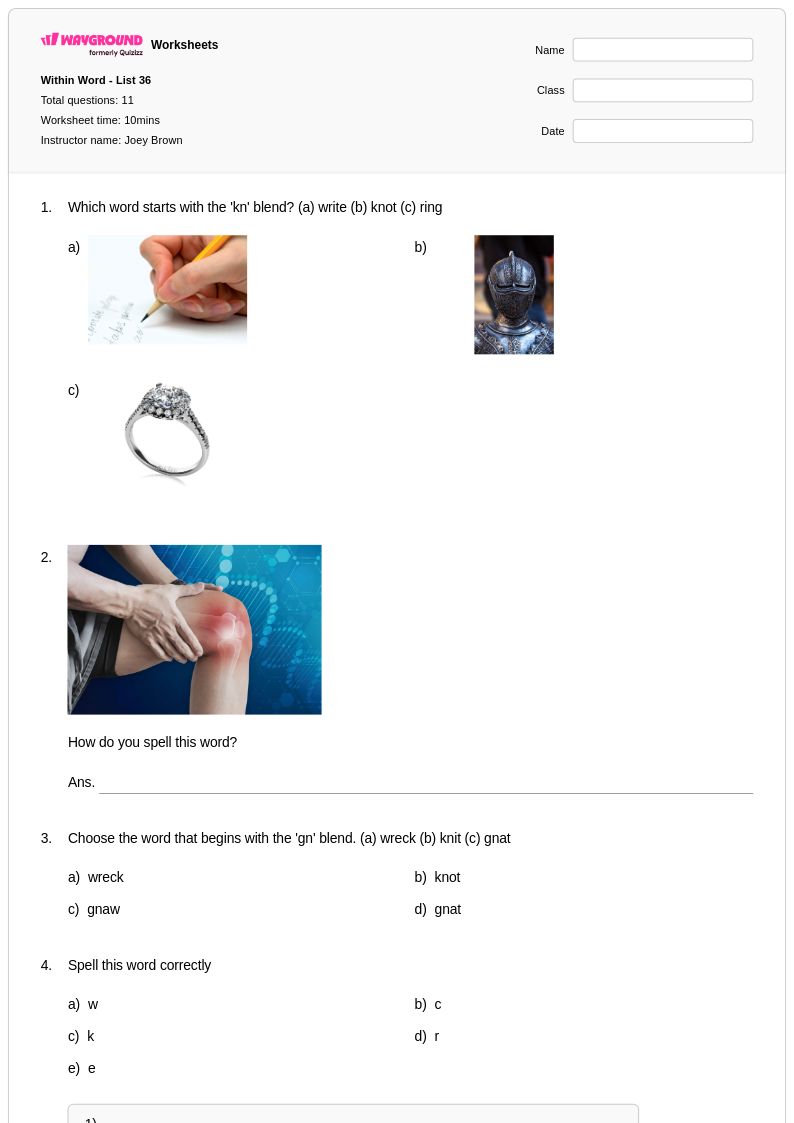
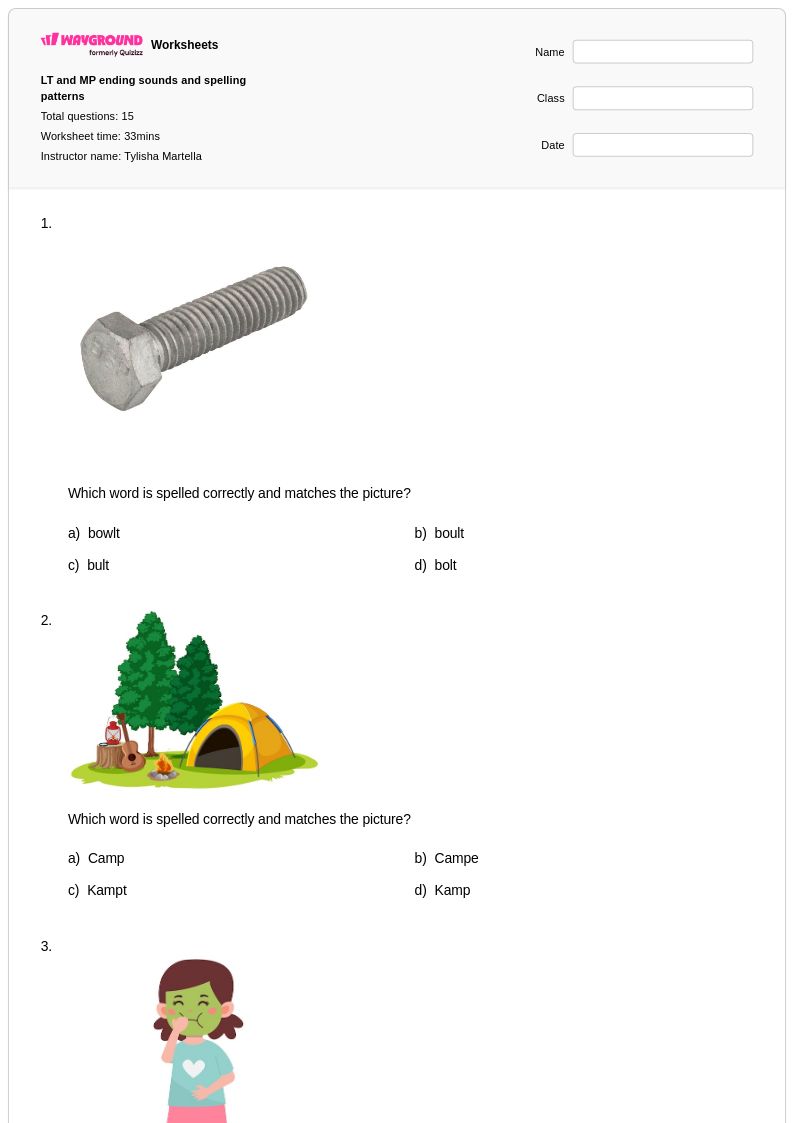
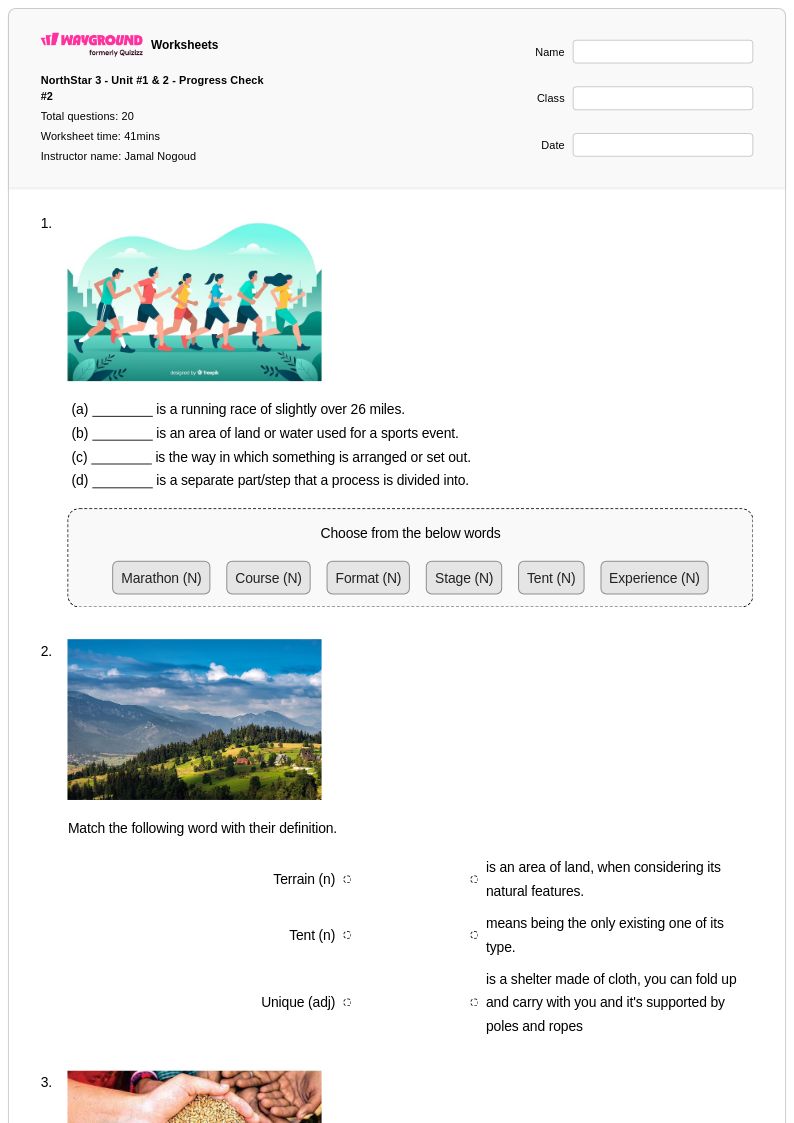
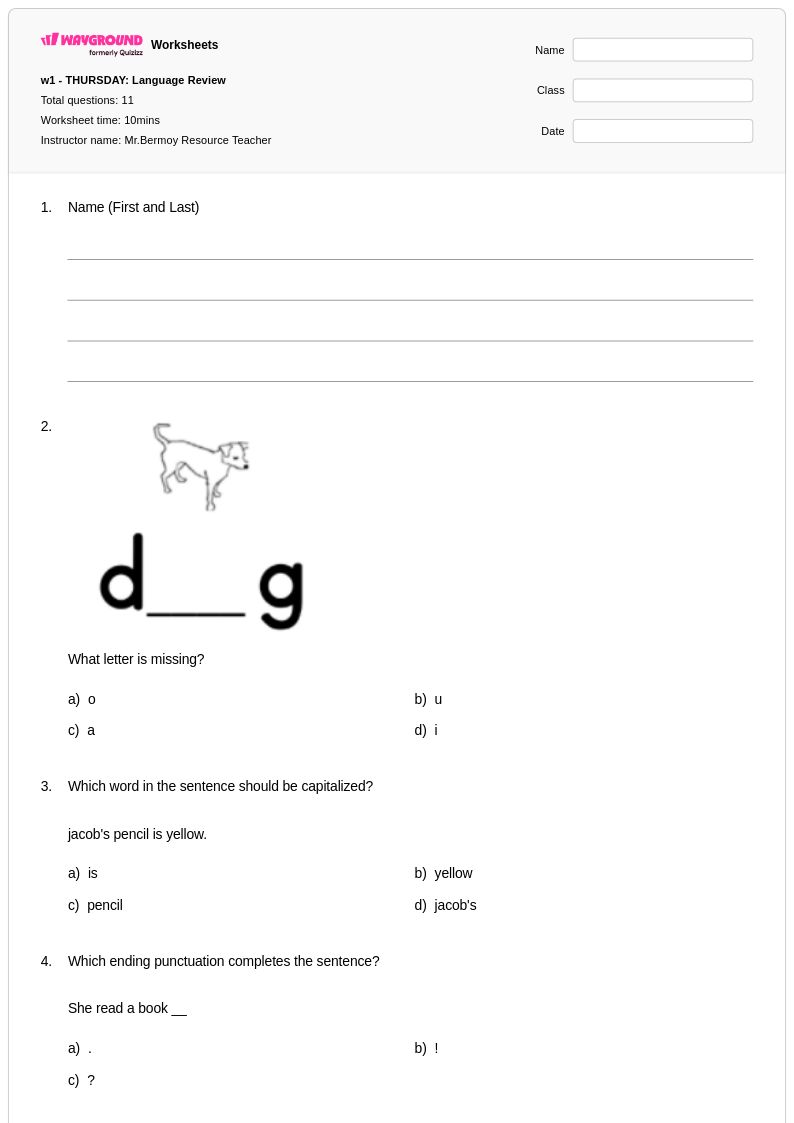
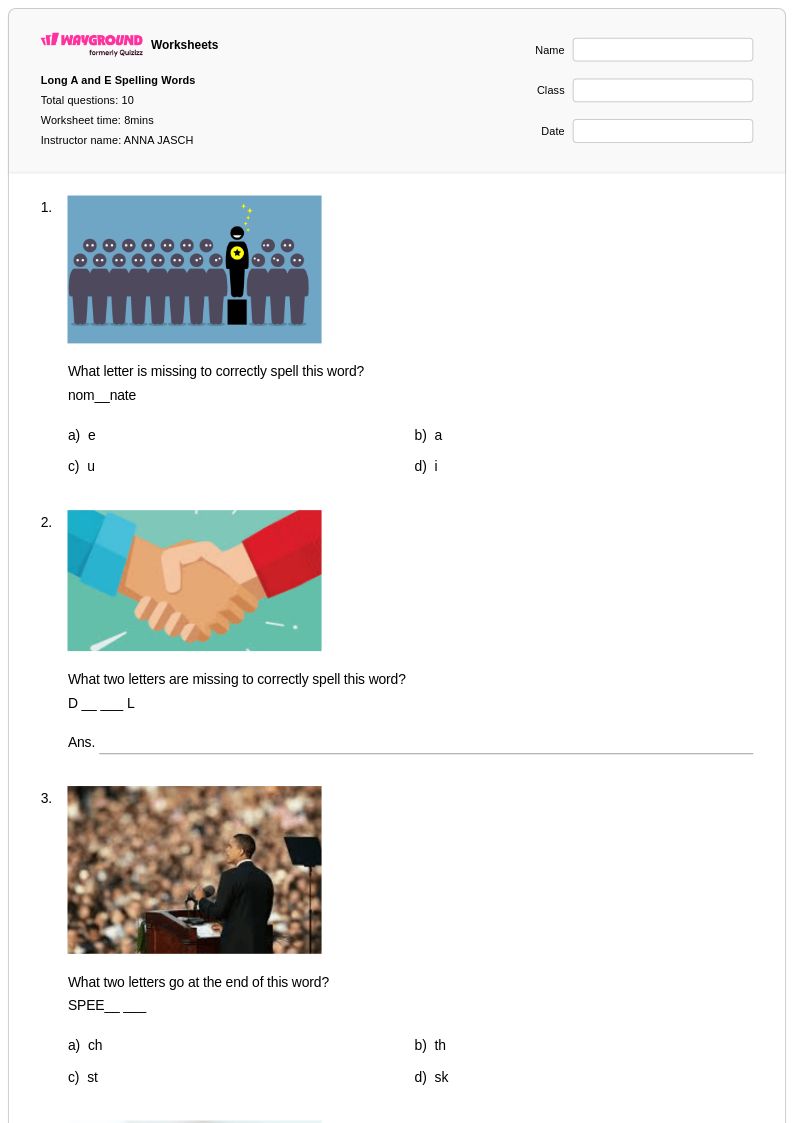
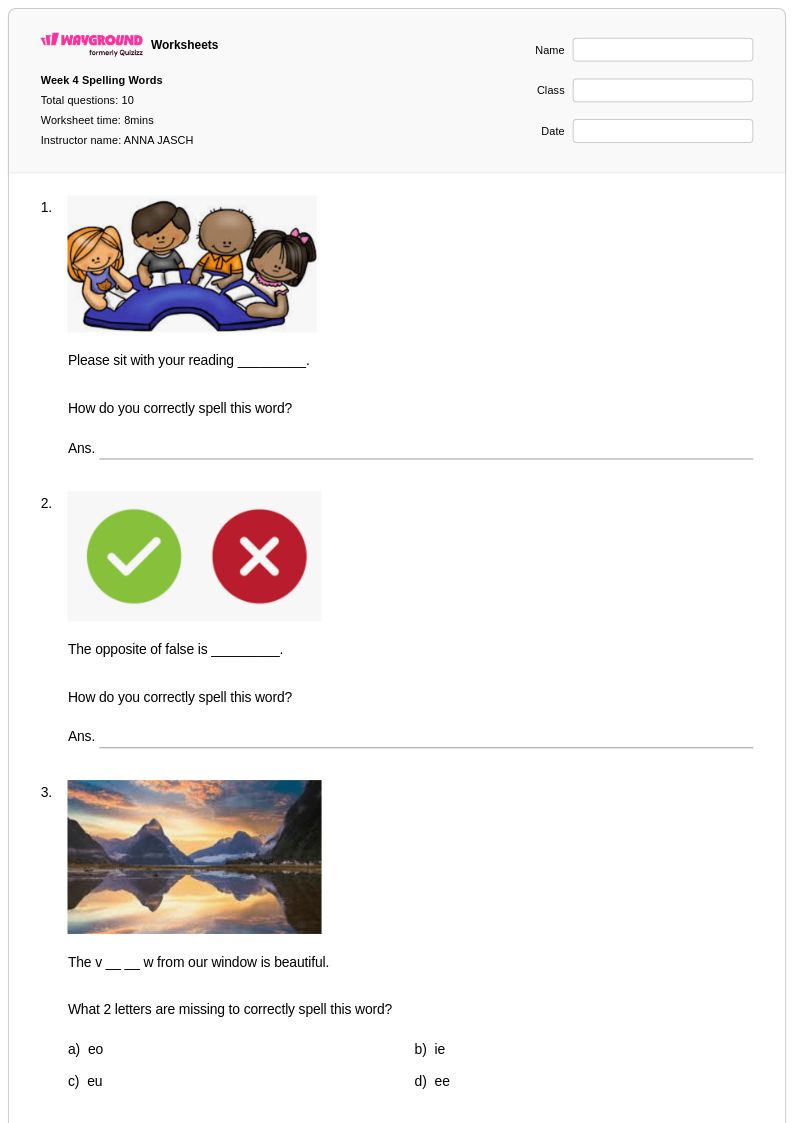
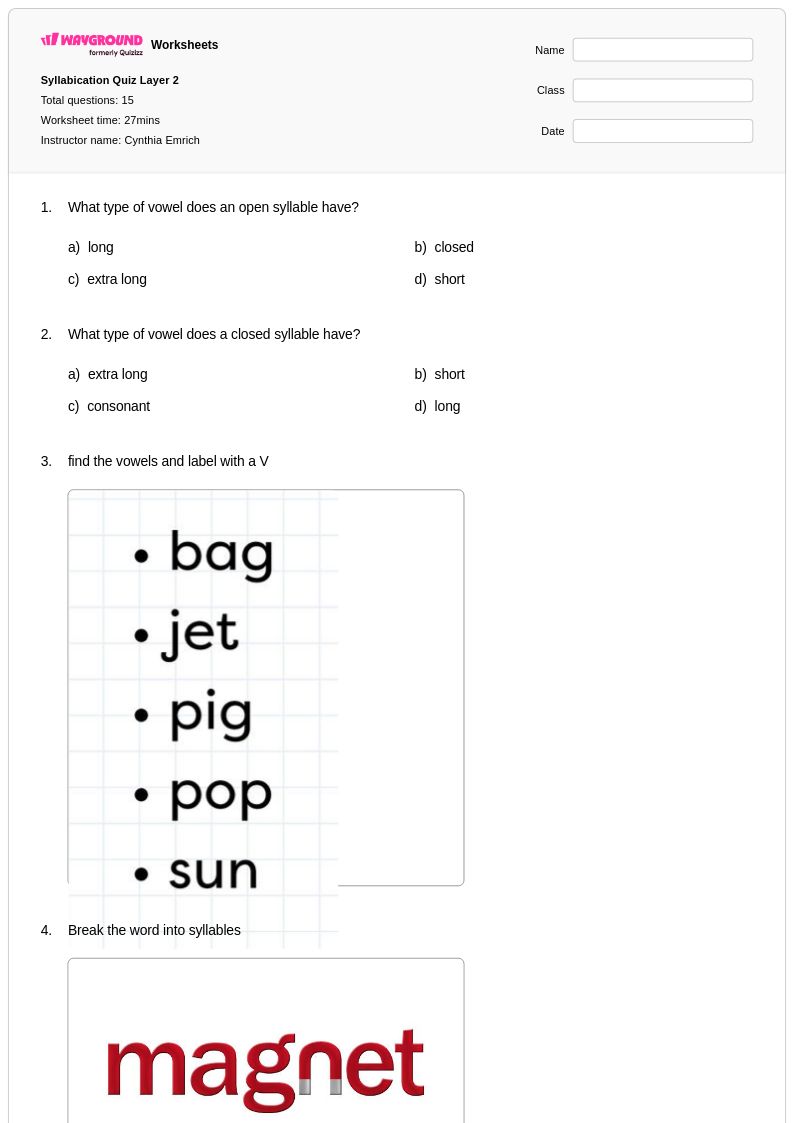
Missing letters worksheets for kindergarten phonics instruction provide essential practice opportunities for young learners developing foundational literacy skills through Wayground's extensive collection of teacher-created resources. These carefully designed worksheets focus on helping kindergarten students identify and fill in missing letters within words, strengthening their understanding of letter-sound relationships, alphabet recognition, and early spelling patterns. Each printable worksheet includes systematic practice problems that guide students through the process of analyzing word structures and applying phonetic knowledge to complete incomplete words. Teachers can access comprehensive answer keys alongside each pdf resource, ensuring efficient grading and immediate feedback for student work. These free practice materials support crucial pre-reading skills by reinforcing letter formation, sound association, and visual word recognition that kindergarteners need to build reading fluency.
Wayground's robust platform, formerly known as Quizizz, empowers educators with millions of high-quality missing letters worksheets specifically tailored for kindergarten phonics instruction. Teachers benefit from advanced search and filtering capabilities that allow precise targeting of specific phonics skills, standards alignment features that ensure curriculum compliance, and differentiation tools that accommodate diverse learning needs within the classroom. The platform's flexible customization options enable educators to modify existing worksheets or create personalized versions that address individual student requirements, while both printable and digital pdf formats provide versatile implementation choices for various teaching environments. These comprehensive resources streamline lesson planning while supporting targeted remediation for struggling learners and enrichment opportunities for advanced students, making it easier for teachers to provide consistent, engaging phonics practice that builds essential literacy foundations.
FAQs
How do I teach missing letters to early readers?
Teaching missing letters works best when students already have some familiarity with letter-sound relationships. Start with simple CVC (consonant-vowel-consonant) words where only one letter is missing, then gradually increase complexity by removing vowels from longer words or targeting specific spelling patterns. Connecting each missing letter task to phonics rules students have already learned reinforces decoding strategies rather than encouraging guessing.
What kinds of exercises help students practice identifying missing letters in words?
Exercises that ask students to fill in absent letters within printed words are among the most effective for building spelling pattern recognition and sound-symbol correspondence. Missing letters worksheets work well as structured practice because they require students to recall letter sounds and apply spelling rules in context, rather than simply copying or matching. Progressing from simple CVC patterns to more complex word structures helps students internalize phonetic rules incrementally.
What mistakes do students commonly make when completing missing letters activities?
The most common error is substituting a phonetically similar letter that produces a plausible but incorrect spelling, particularly with vowel sounds where multiple spellings are possible (e.g., writing 'e' instead of 'ea' in a word like 'read'). Students also frequently skip over consonant blends or digraphs, treating them as a single sound with a single letter. Targeted practice on specific phonics patterns, rather than random word lists, helps students build the accuracy they need to self-correct these errors.
How can I use missing letters worksheets to support struggling readers?
For struggling readers, missing letters activities are most effective when focused on one phonics pattern at a time, reducing cognitive load and making the task more manageable. On Wayground, teachers can apply accommodations such as Read Aloud so students hear the word pronounced while completing the task, or reduce answer choices to simplify decision-making for students who need additional support. These settings can be assigned to individual students, so the rest of the class continues with the standard worksheet without any disruption.
How do I use Wayground's missing letters worksheets in my classroom?
Wayground's missing letters worksheets are available as free printable PDF downloads for traditional classroom use and as interactive digital versions for technology-integrated learning environments, including the option to host them as a quiz directly on Wayground. Each worksheet includes a complete answer key, making it straightforward to use for in-class practice, homework, independent study, or self-correction activities. Teachers can filter resources by phonics standard or skill level to quickly find materials that match their current instructional focus.
How do missing letters worksheets support phonics instruction?
Missing letters worksheets reinforce phonics instruction by requiring students to actively apply letter-sound relationships and spelling rules rather than passively recognize them. Because students must retrieve and record the correct letter, these tasks build both word recognition and spelling accuracy simultaneously. Used consistently alongside core phonics instruction, they help students internalize patterns that transfer to independent reading and writing.