
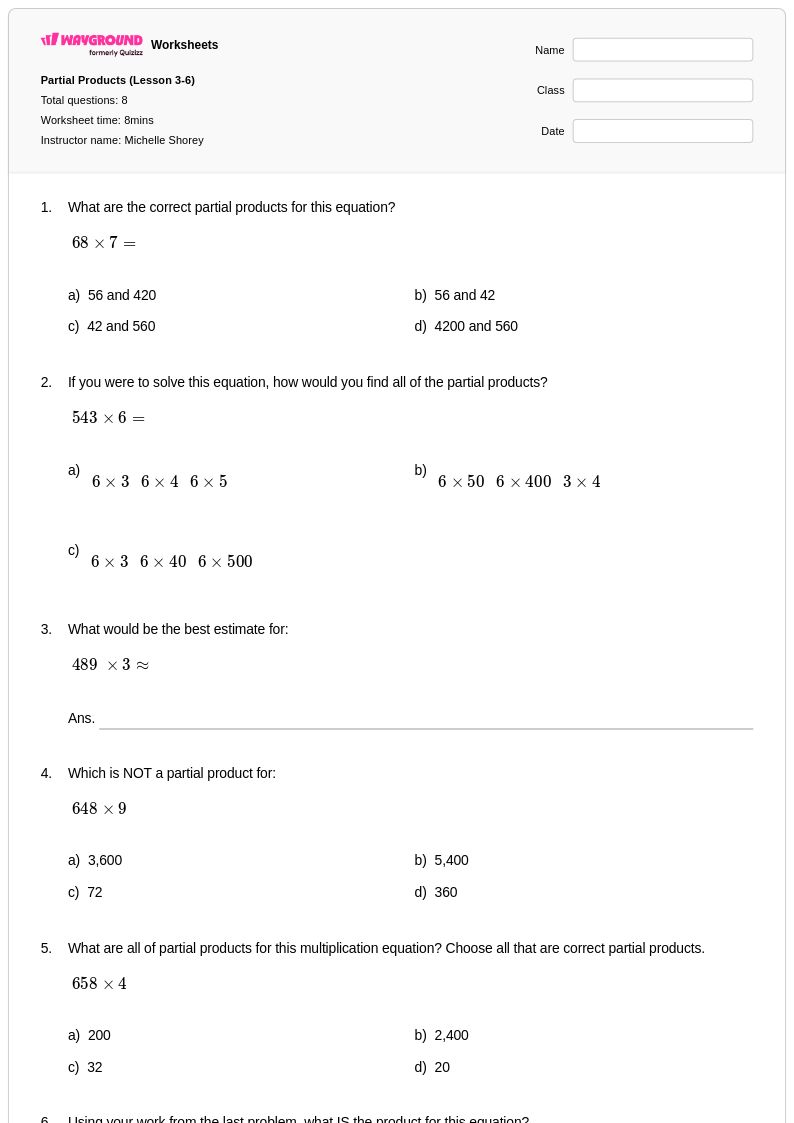
8 Q
4th
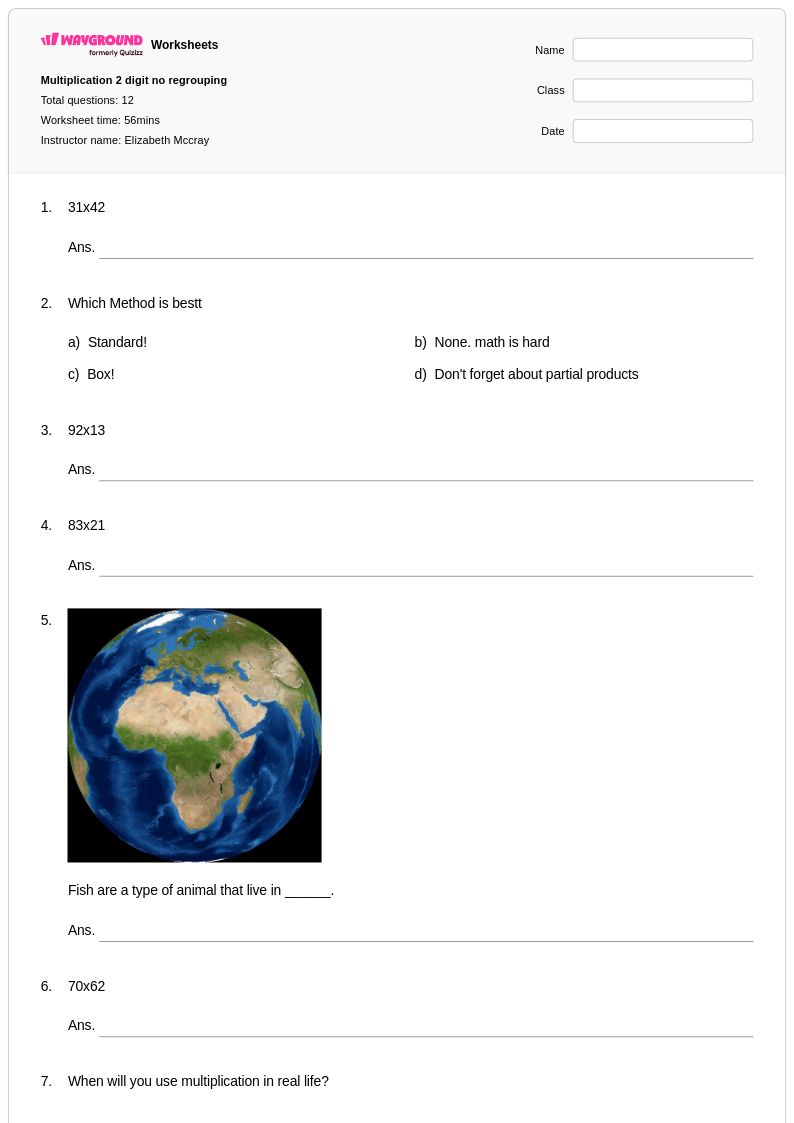
12 Q
4th
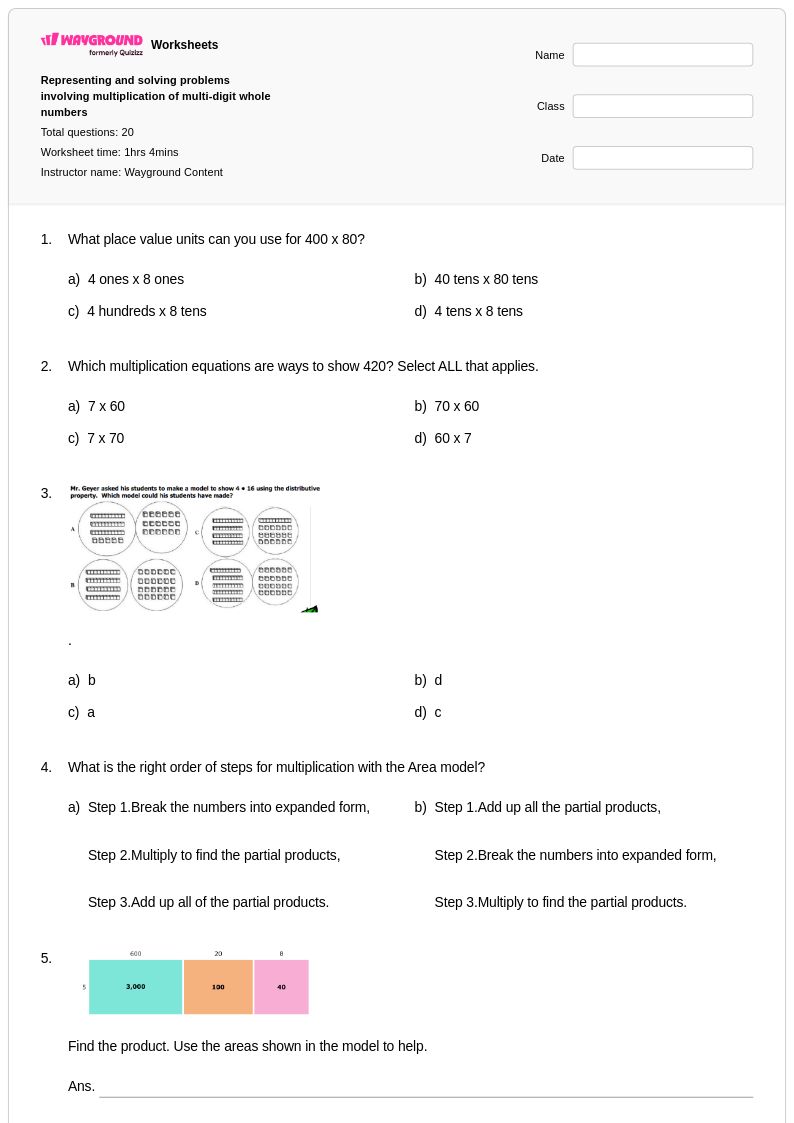
20 Q
4th
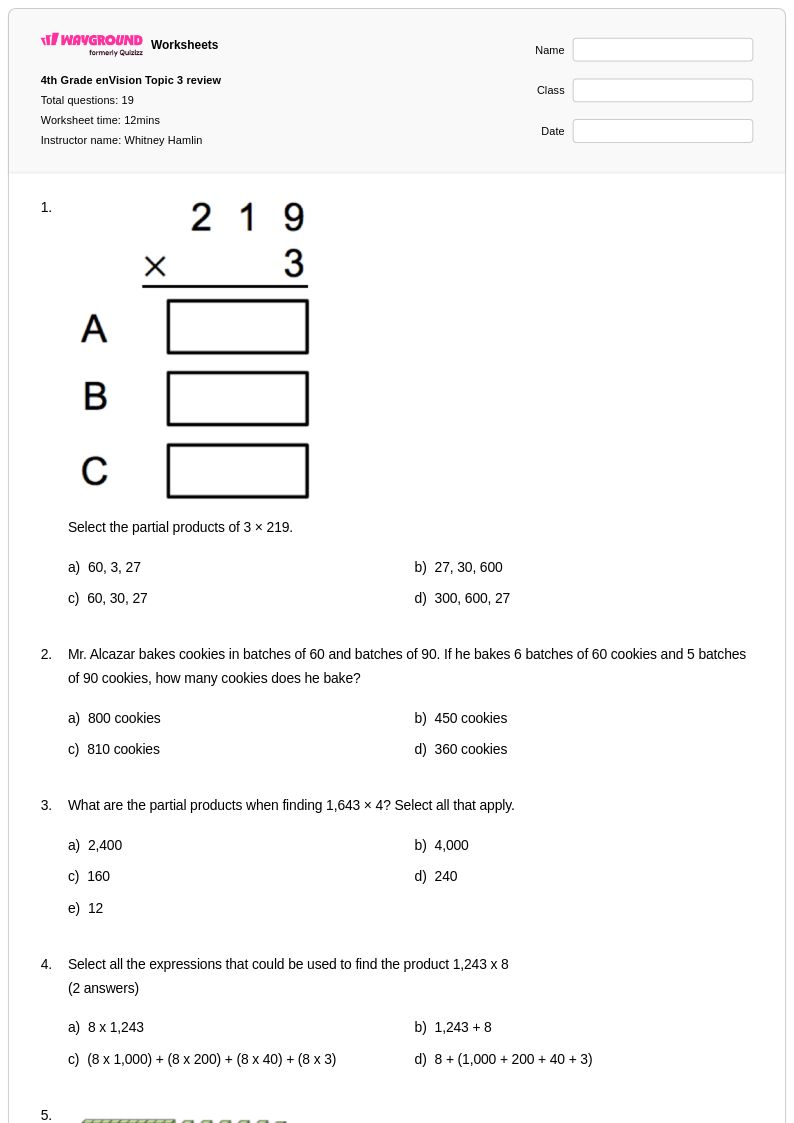
19 Q
4th
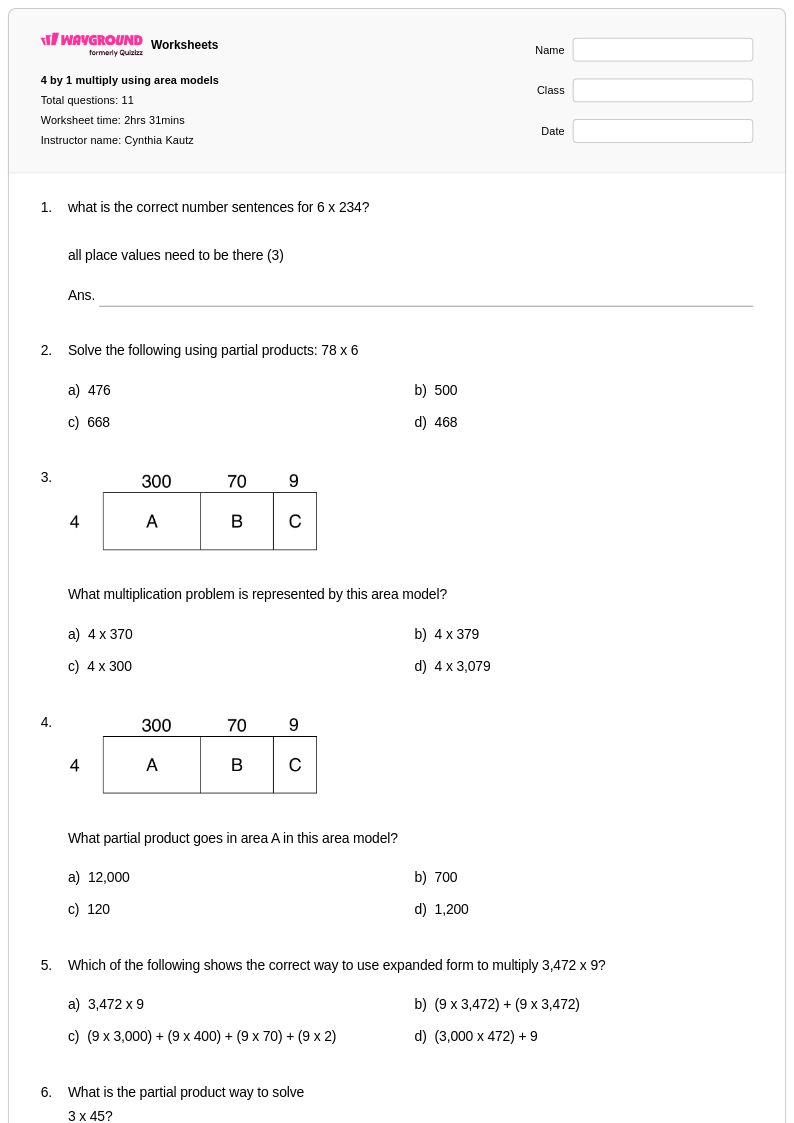
11 Q
4th
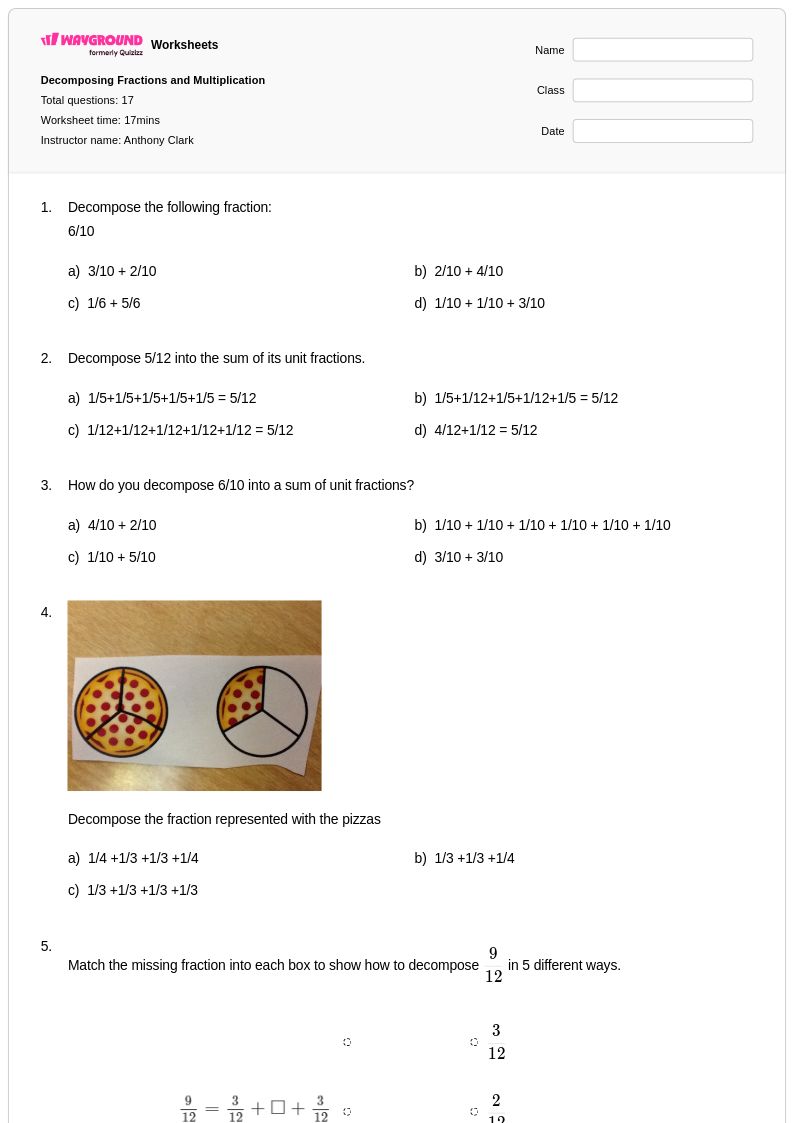
17 Q
4th - Uni
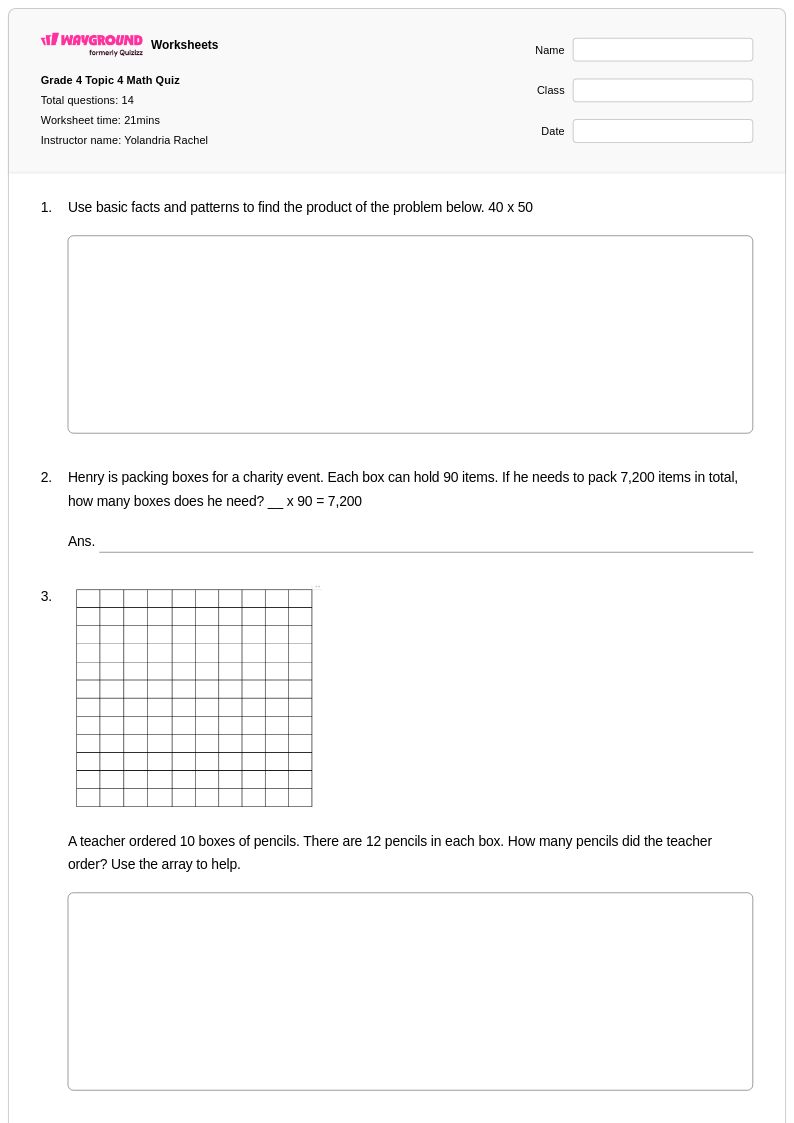
14 Q
4th
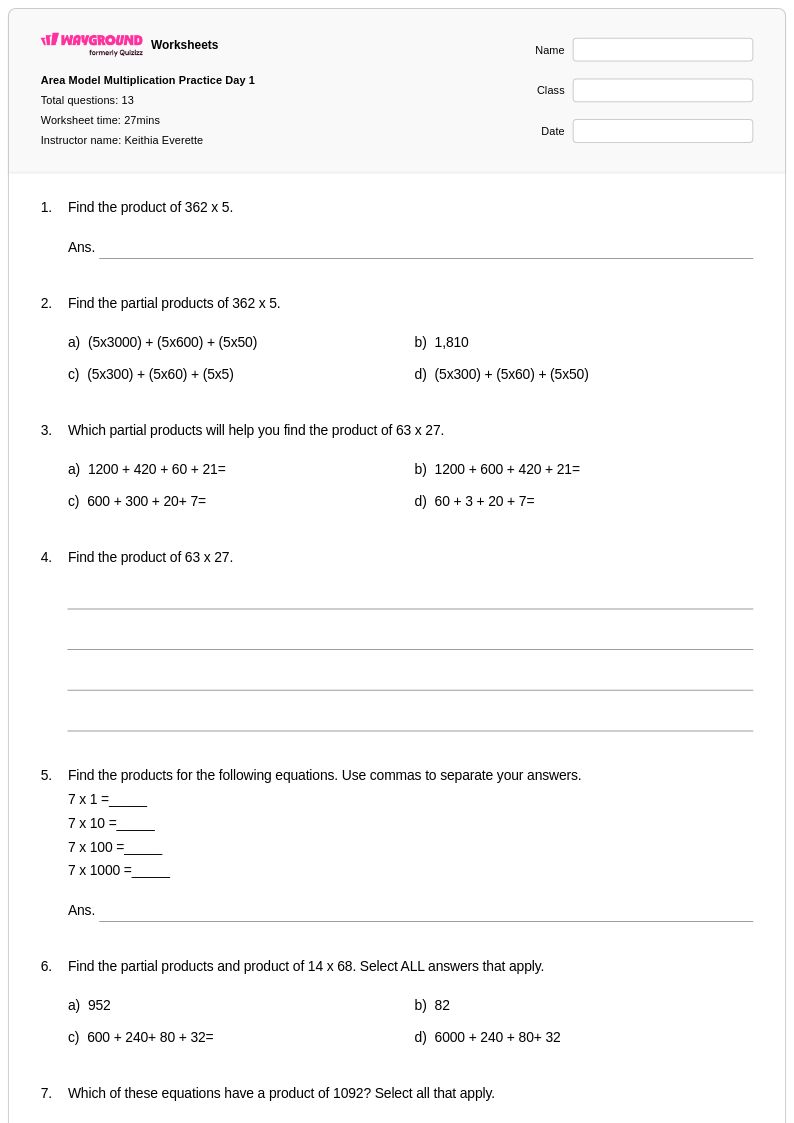
13 Q
4th
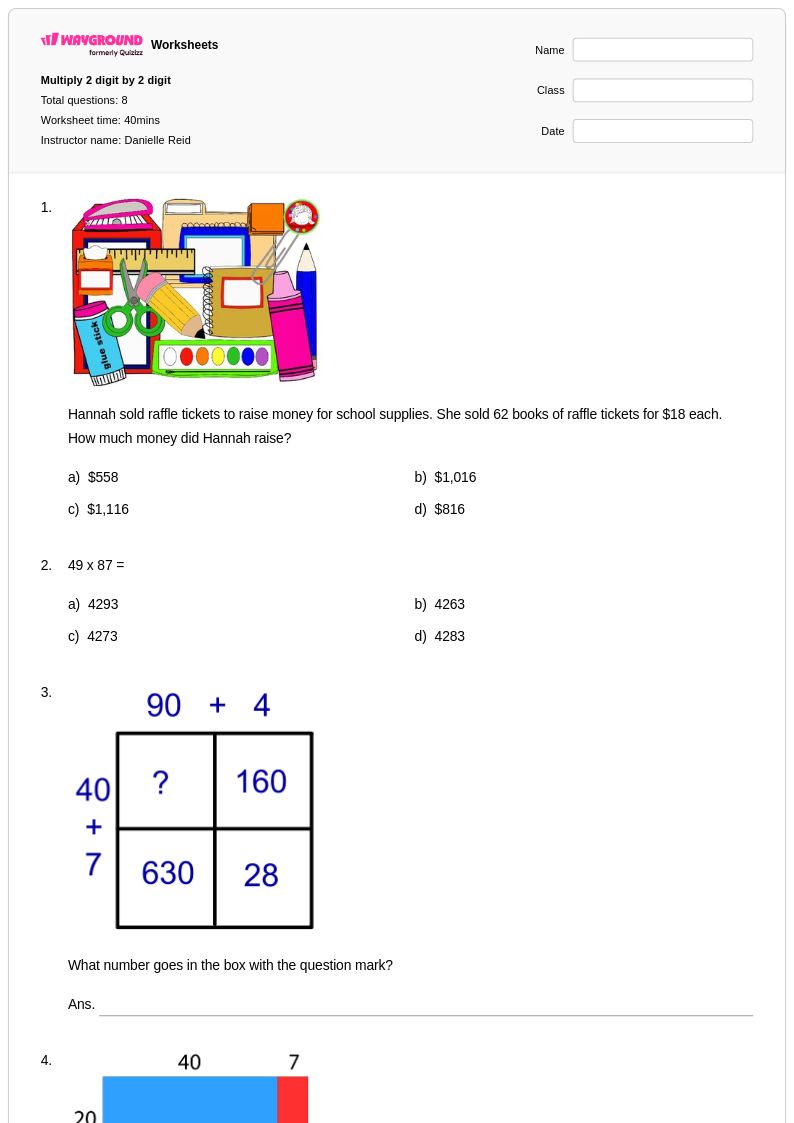
8 Q
4th
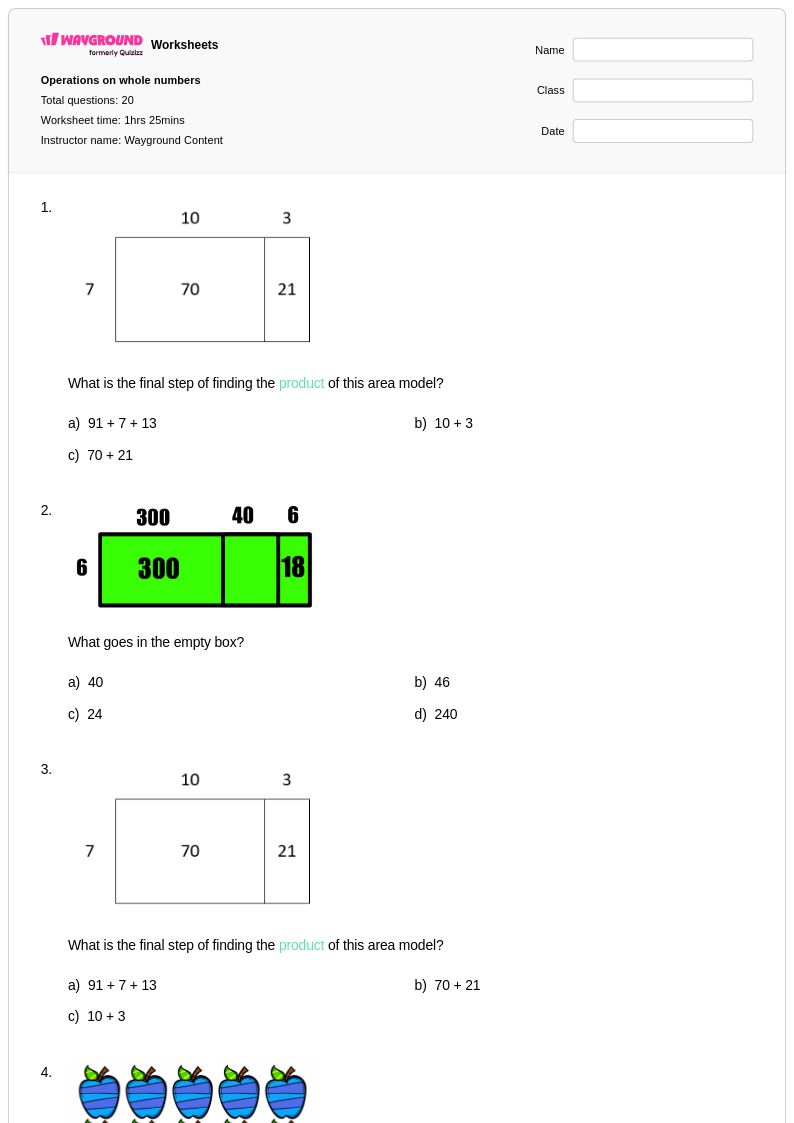
20 Q
4th
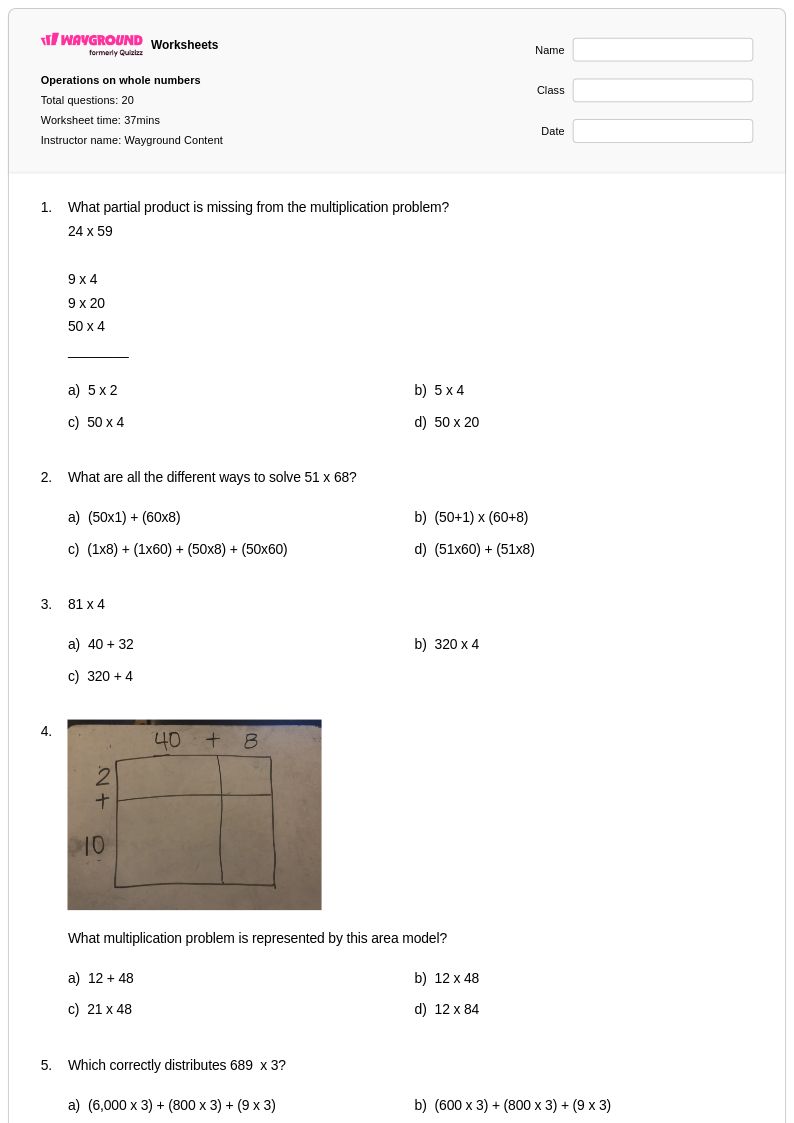
20 Q
4th
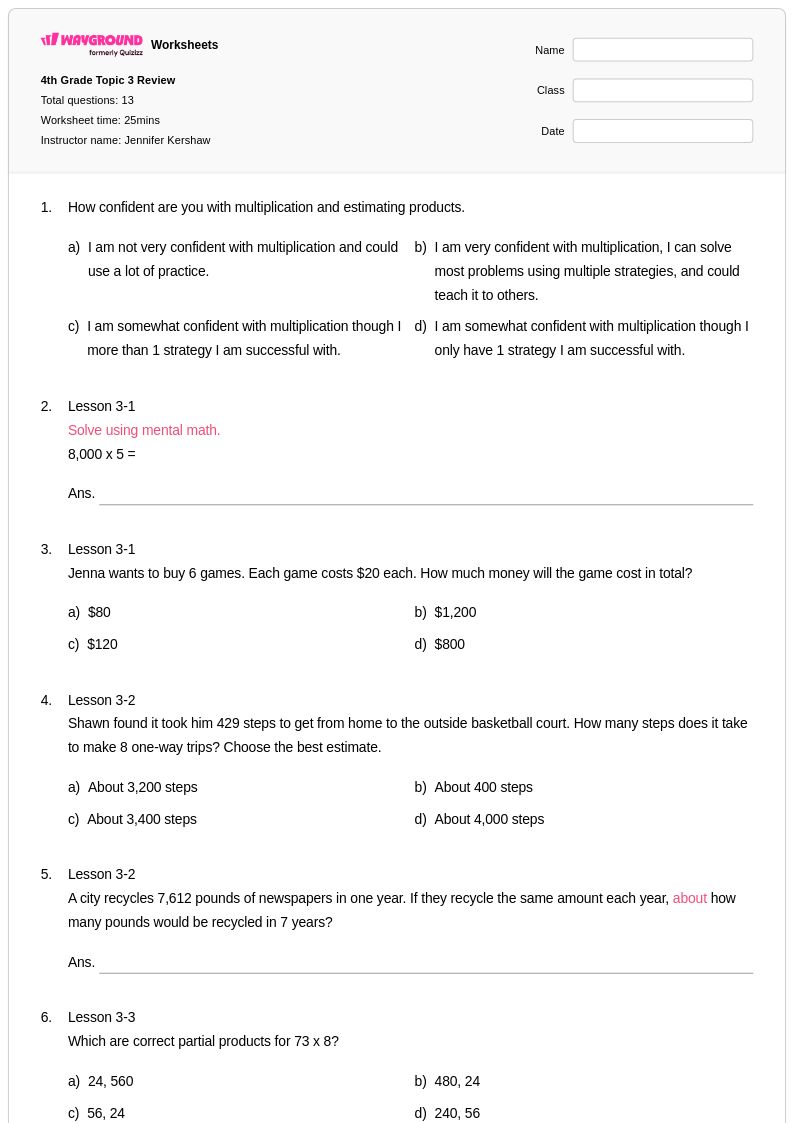
13 Q
4th
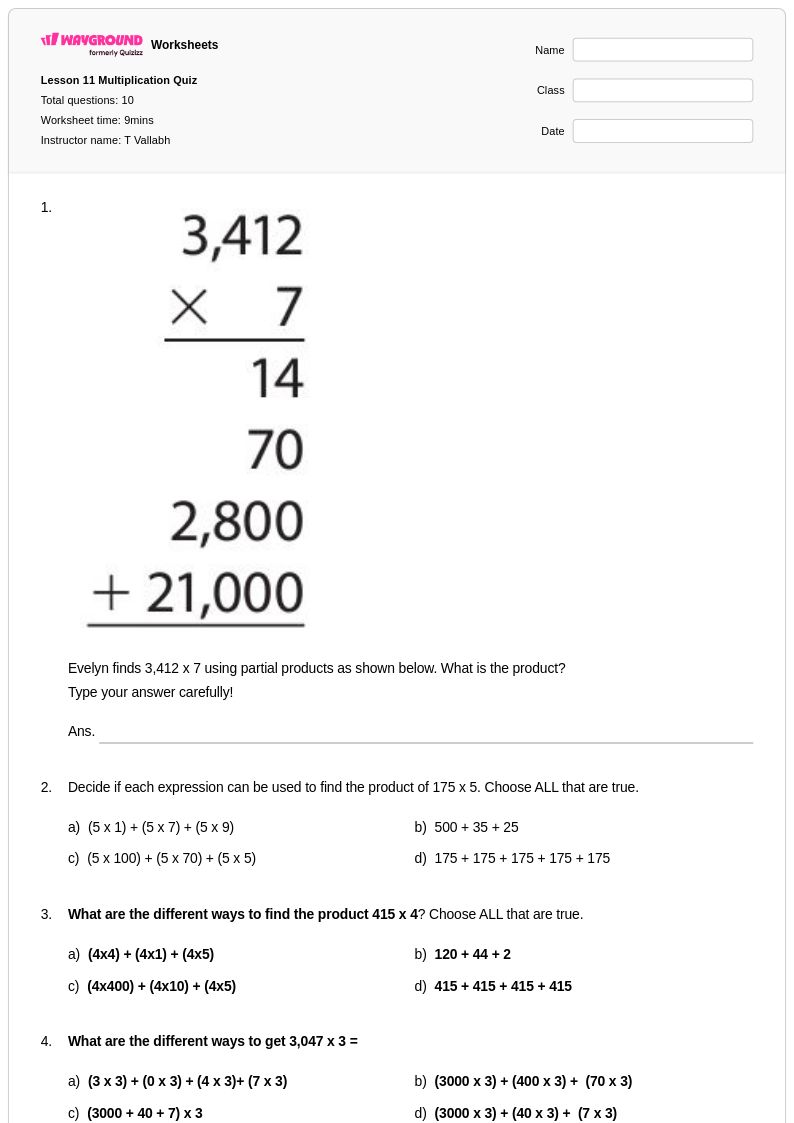
10 Q
4th
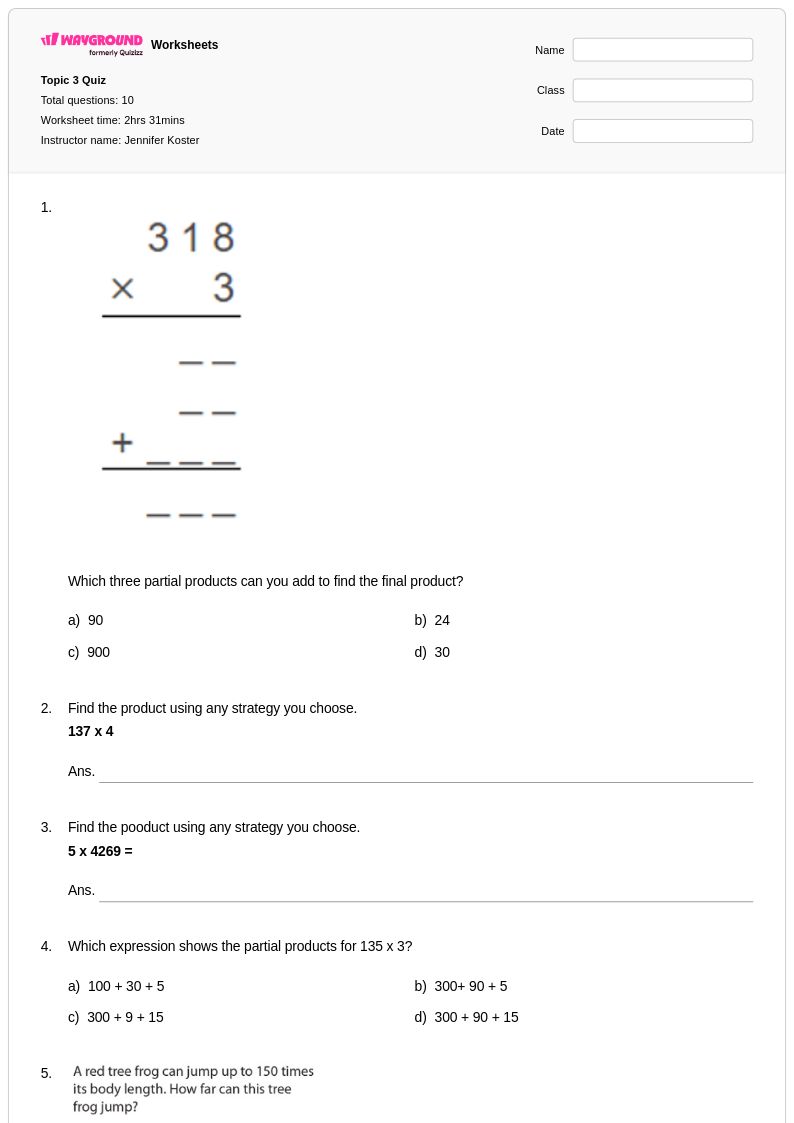
10 Q
4th
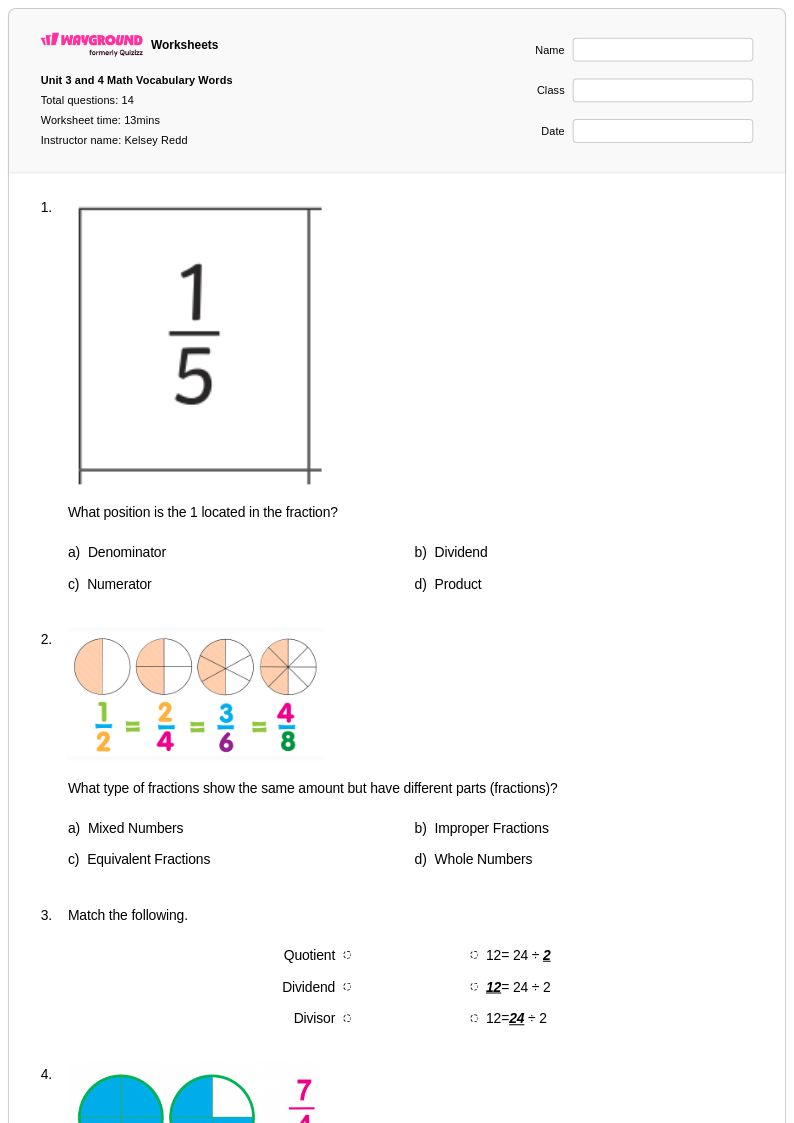
14 Q
4th
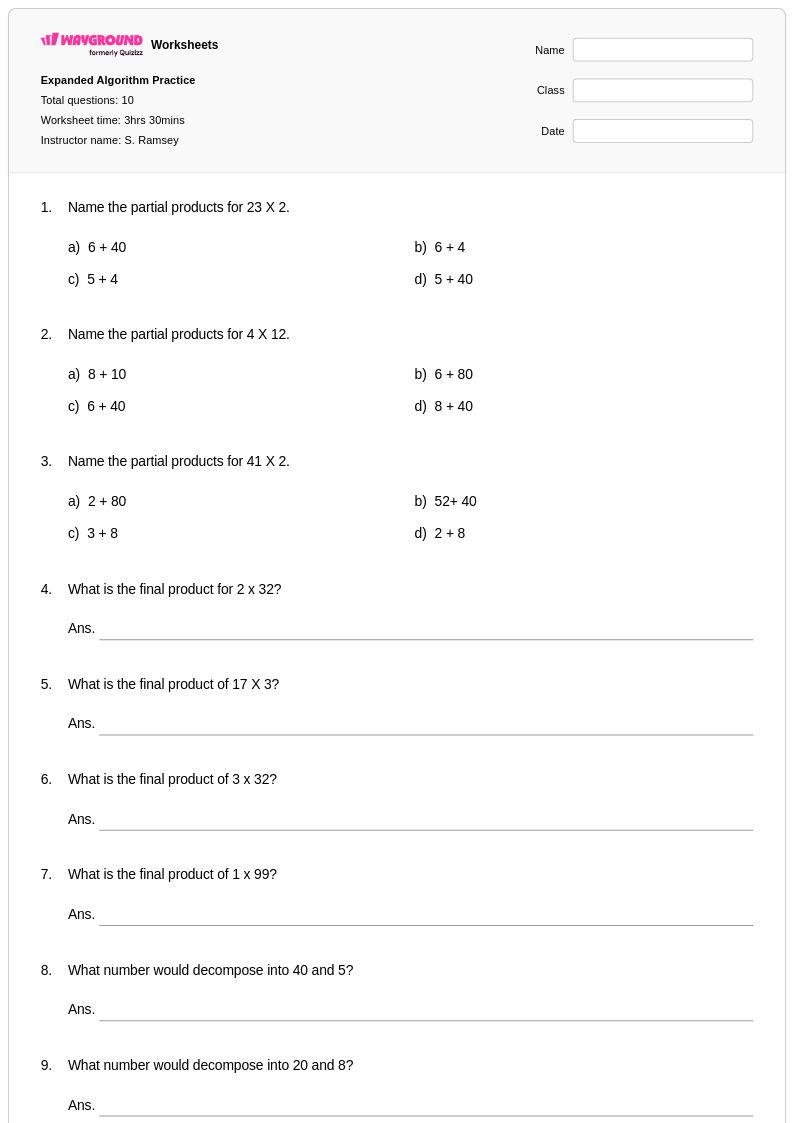
10 Q
4th
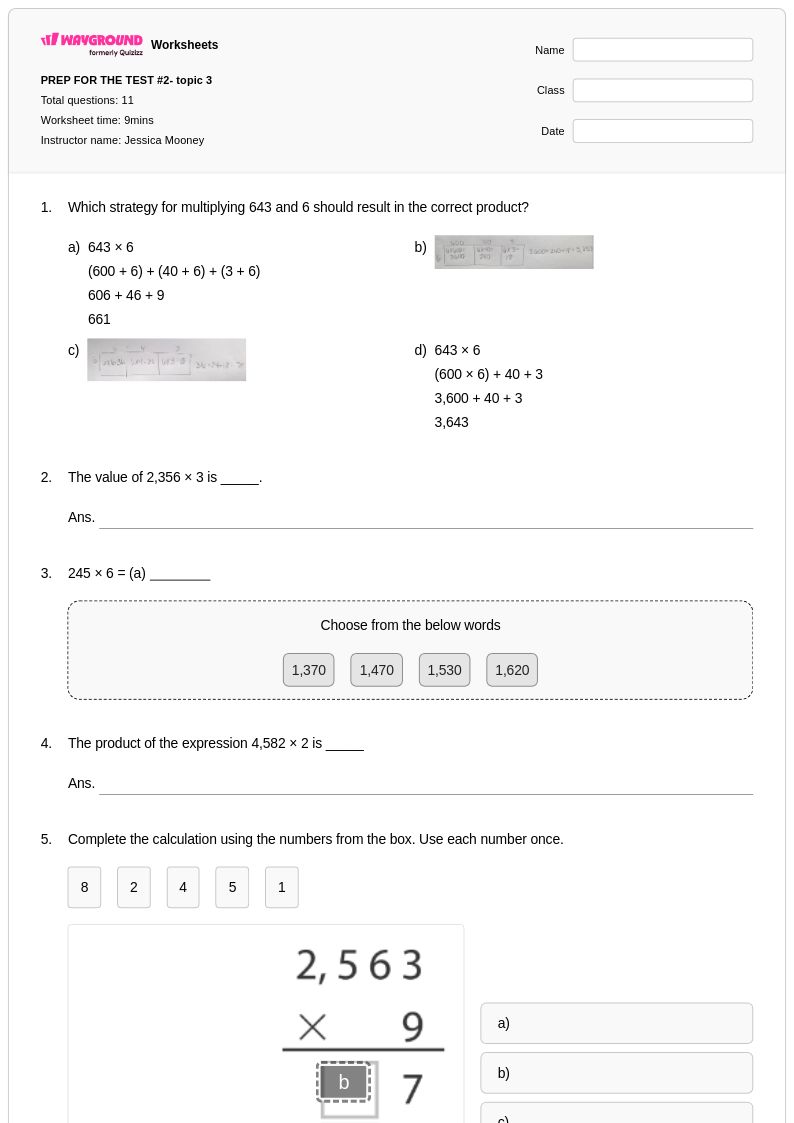
11 Q
4th
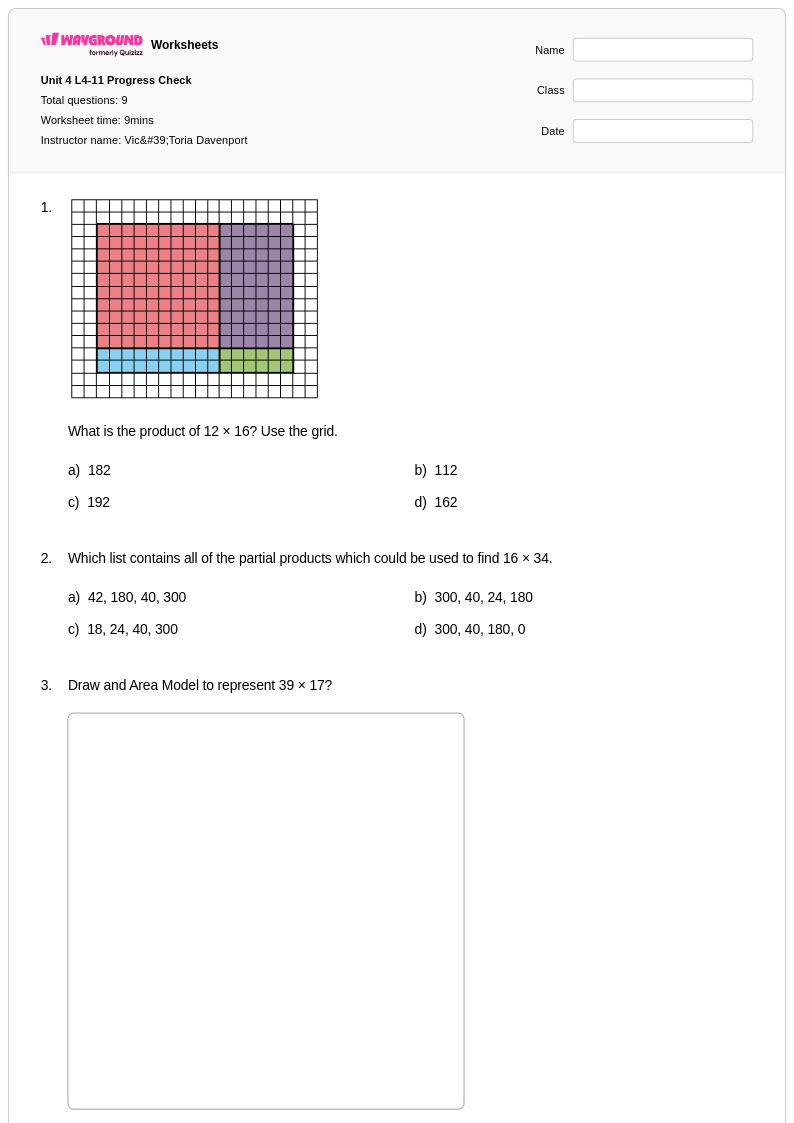
9 Q
4th
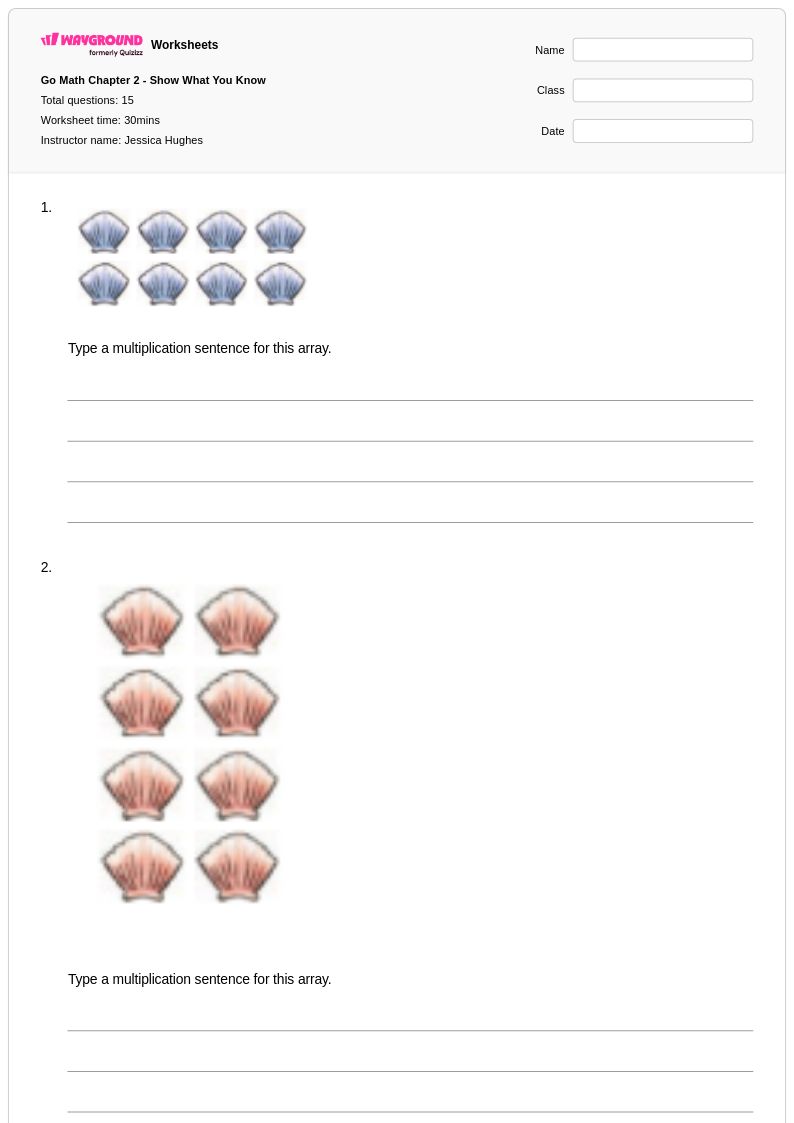
15 Q
4th
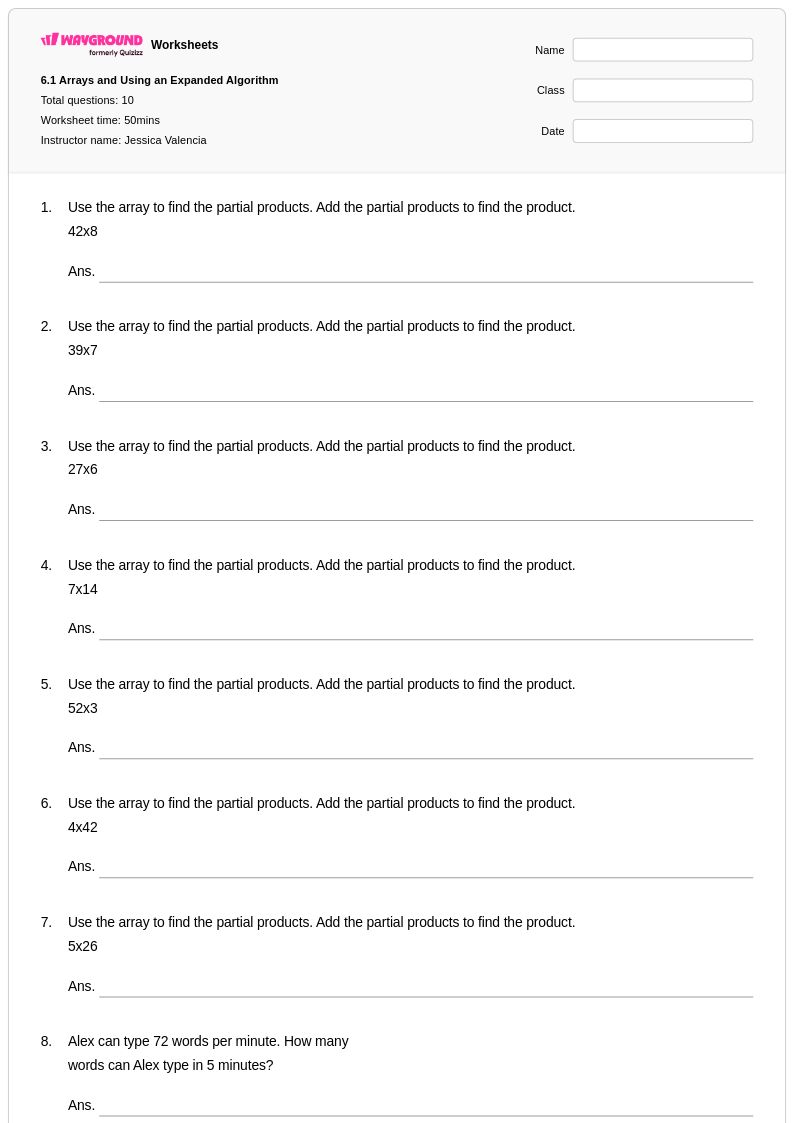
10 Q
4th
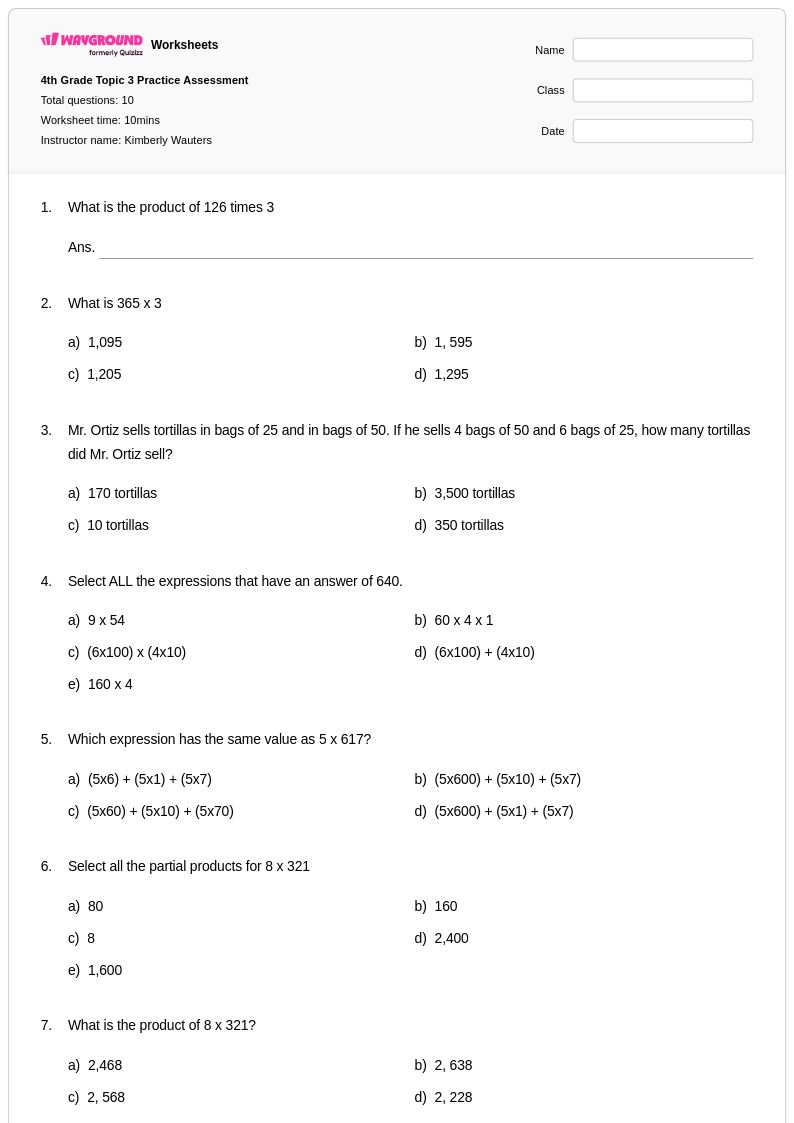
10 Q
3rd - 5th
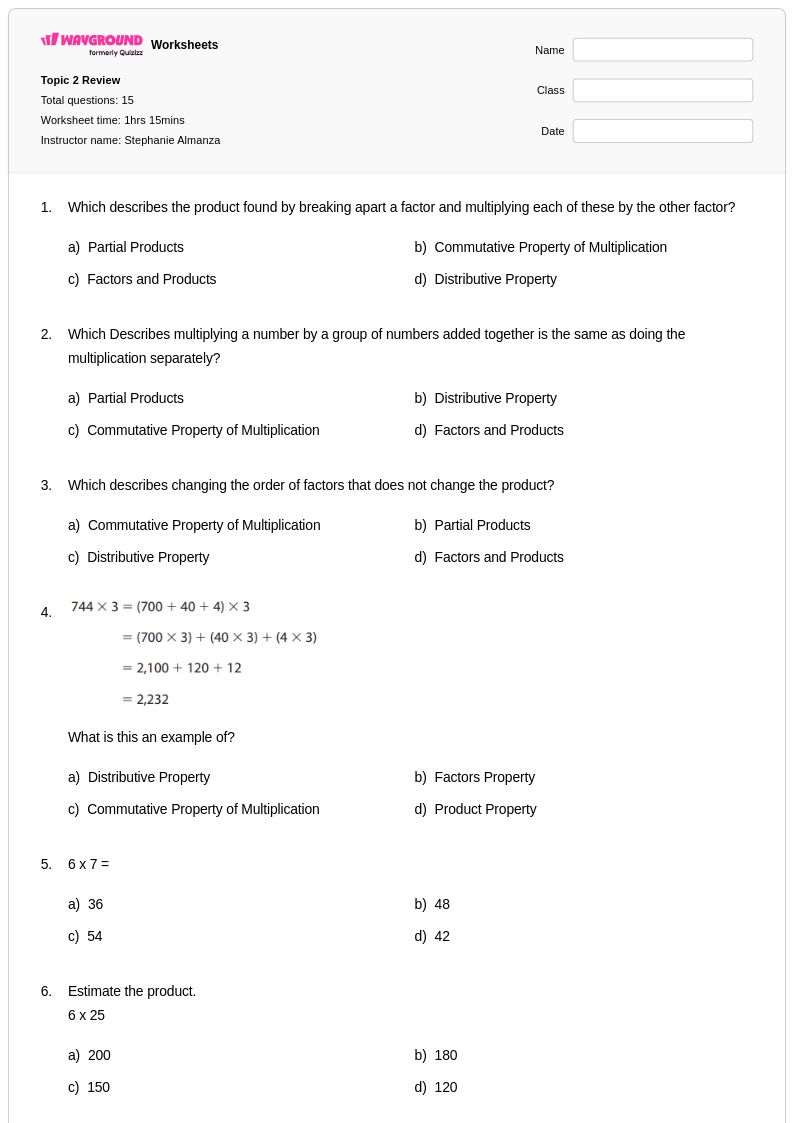
15 Q
4th
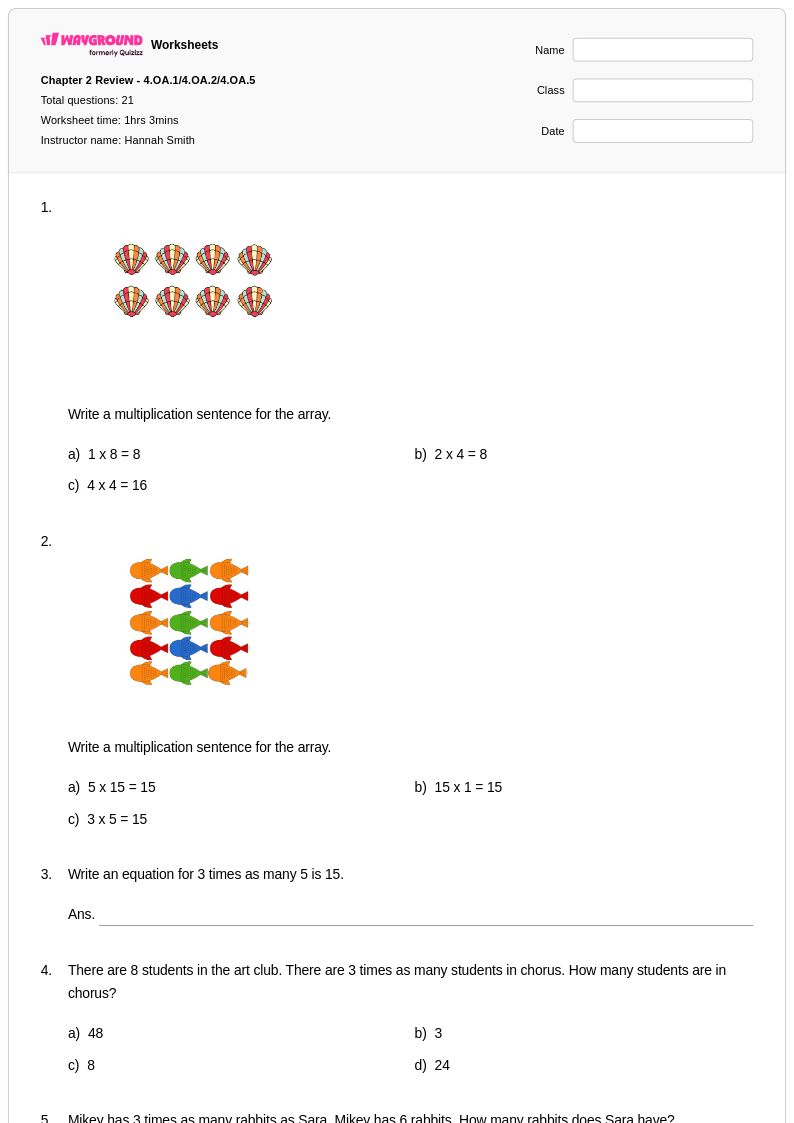
21 Q
4th
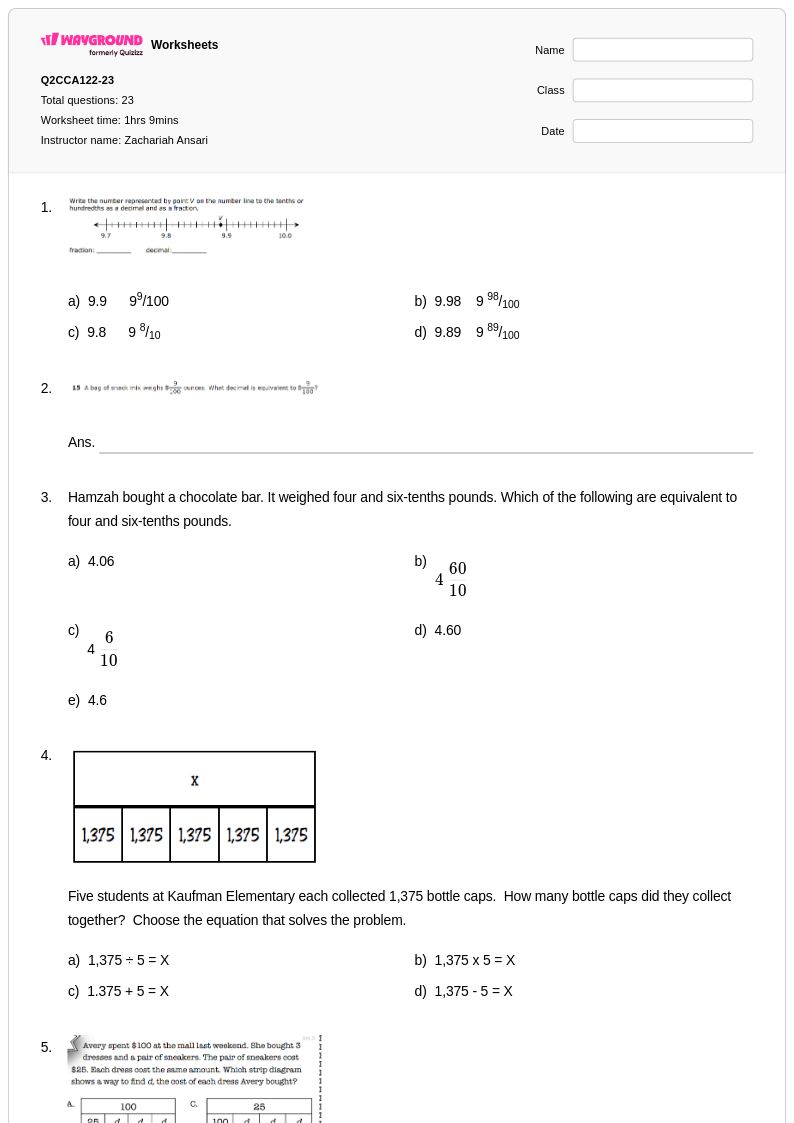
23 Q
4th
Explore Other Subject Worksheets for class 4
Explore printable Multiplication and Partial Products worksheets for Class 4
Multiplication and Partial Products worksheets for Class 4 provide students with systematic practice in breaking down complex multiplication problems into manageable components. These comprehensive resources help fourth-grade learners master the partial products method, where multi-digit multiplication is approached by decomposing numbers into place value parts and multiplying each component separately before combining the results. The worksheets strengthen essential skills including place value understanding, distributive property application, and mental math fluency while building confidence with larger number operations. Each practice problem guides students through the step-by-step process of identifying place values, calculating individual products, and summing partial results, with detailed answer keys supporting both independent practice and guided instruction. These free printables offer structured repetition that reinforces the conceptual understanding behind multiplication algorithms.
Wayground, formerly Quizizz, empowers educators with an extensive collection of teacher-created Multiplication and Partial Products worksheets specifically designed for Class 4 mathematics instruction. The platform's robust search and filtering capabilities allow teachers to quickly locate resources aligned with curriculum standards and student ability levels, while differentiation tools enable customization for diverse learning needs. These digital and printable pdf resources support flexible lesson planning, whether teachers need materials for whole-class instruction, small group remediation, or individual enrichment activities. The millions of available worksheets provide varied problem types and difficulty progressions, helping educators address different learning styles and pacing requirements while ensuring students develop solid computational strategies and number sense foundations essential for advanced mathematical concepts.
FAQs
How does teaching partial products change in 4th grade?
What types of problems are on these 4th-grade partial products worksheets?
What's a common mistake in 4th grade when using partial products?
How can I assign these 4th-grade partial products worksheets?
How does partial products in 4th grade align with Common Core standards?
How can I support students who struggle with two-digit by two-digit multiplication?