Free Printable Nonfiction Writing Worksheets for Class 1
Enhance Class 1 students' nonfiction writing skills with Wayground's free printable worksheets and practice problems, complete with answer keys to support early informational writing development.
Explore printable Nonfiction Writing worksheets for Class 1
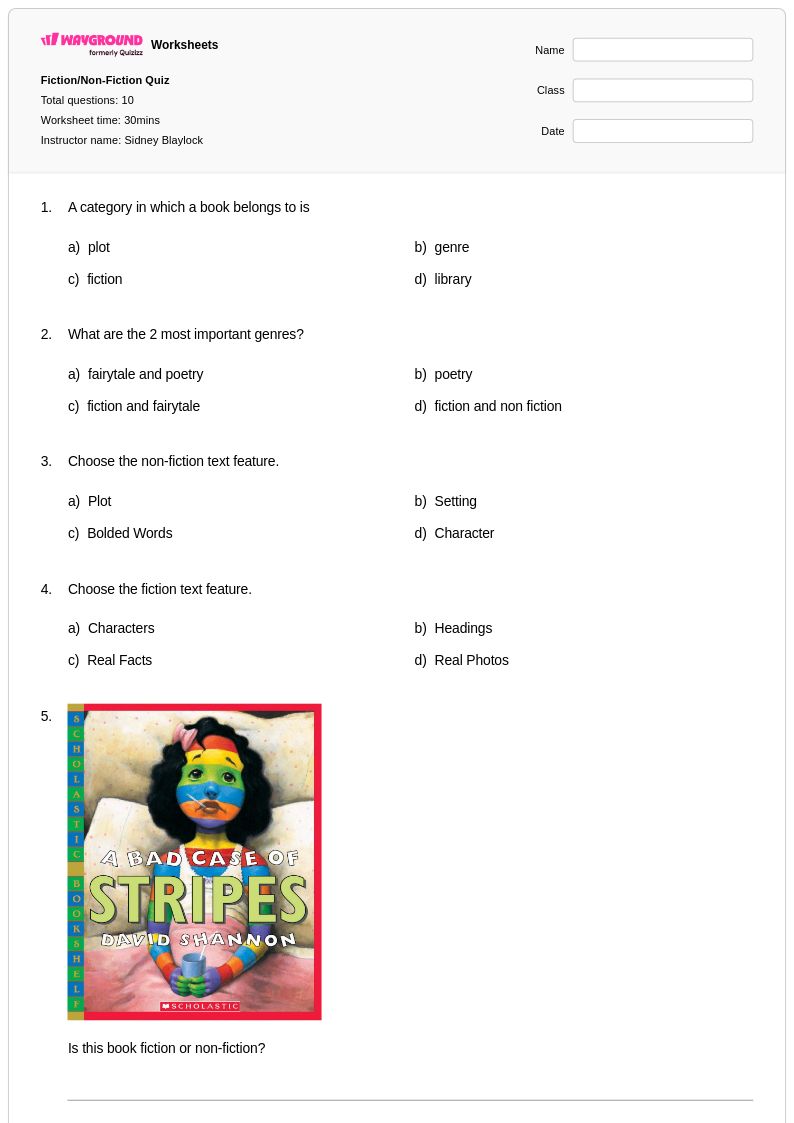
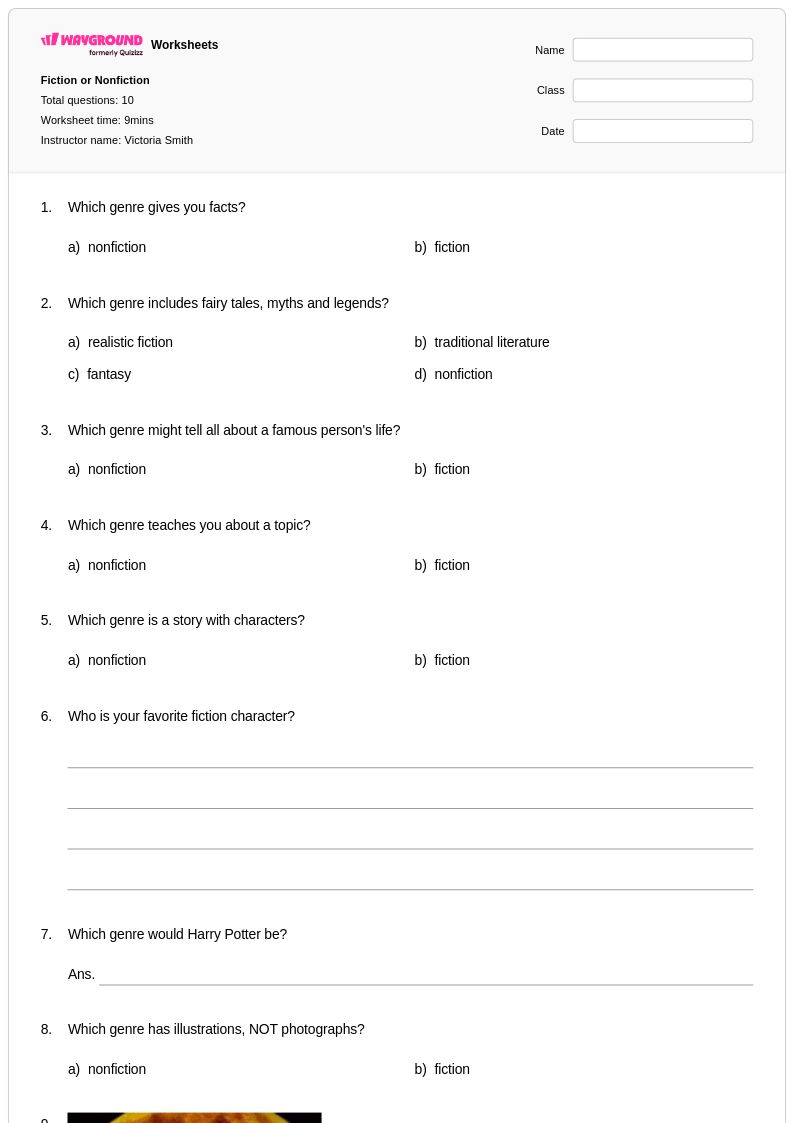
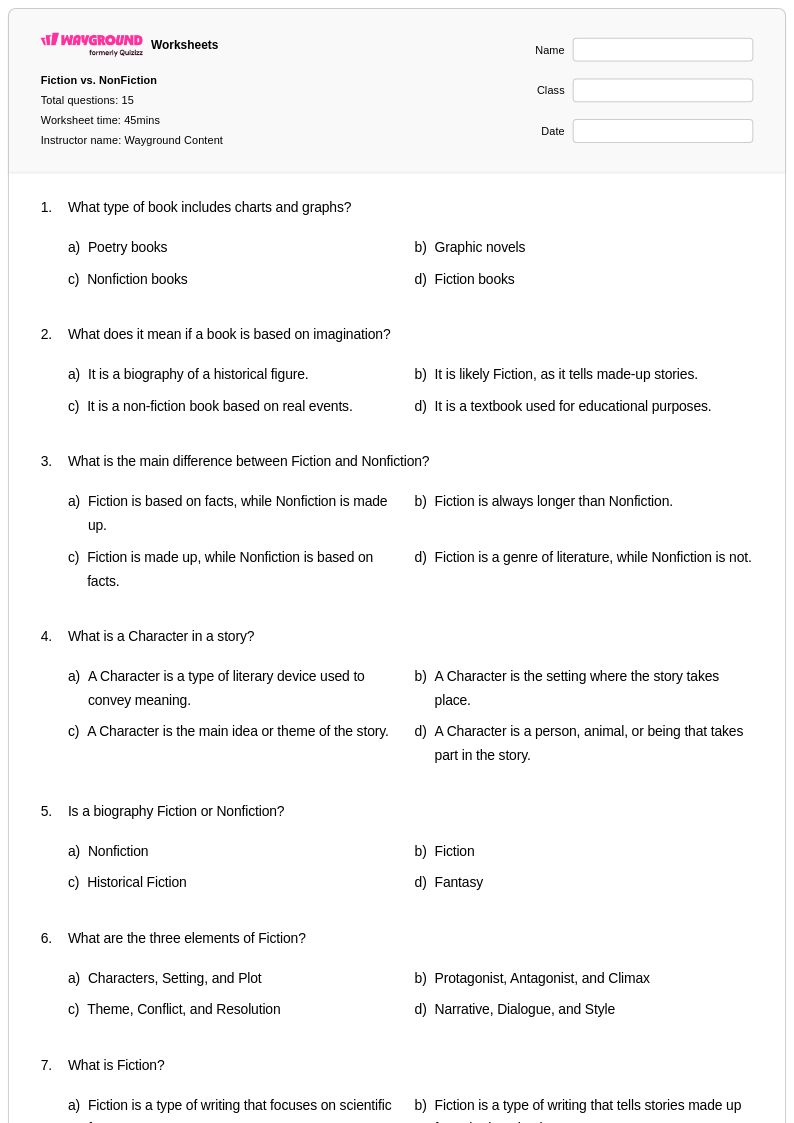
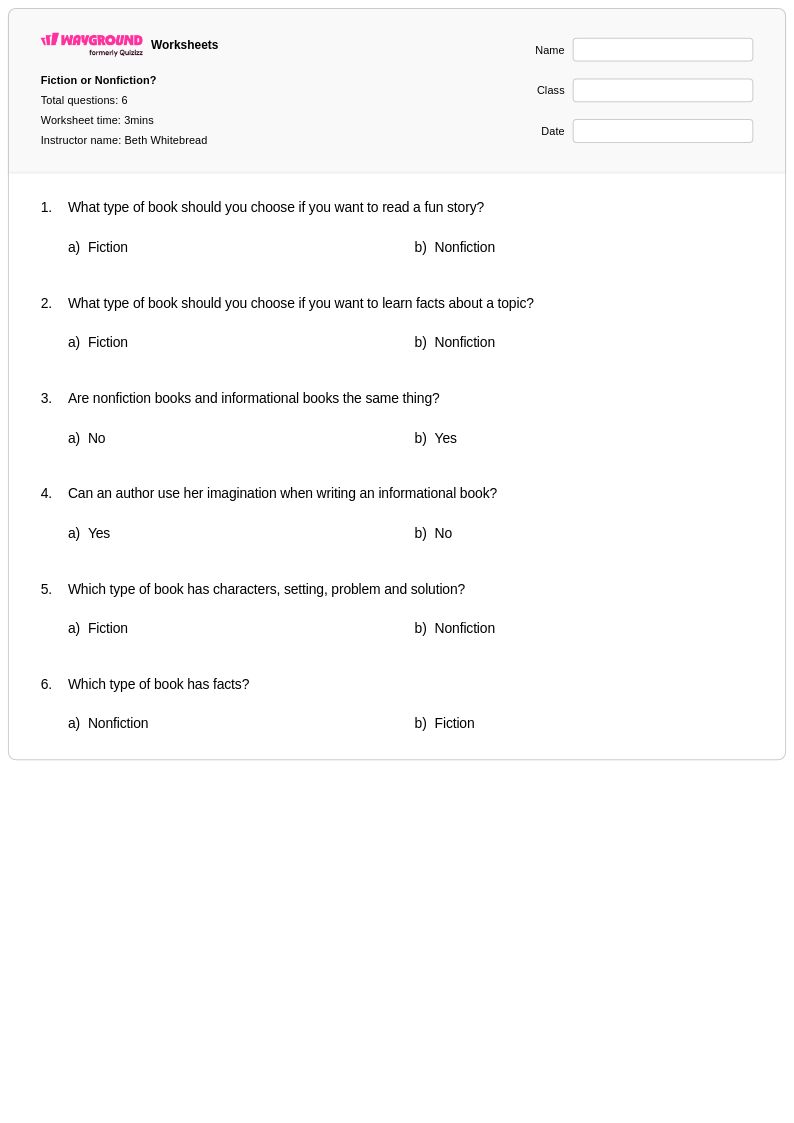
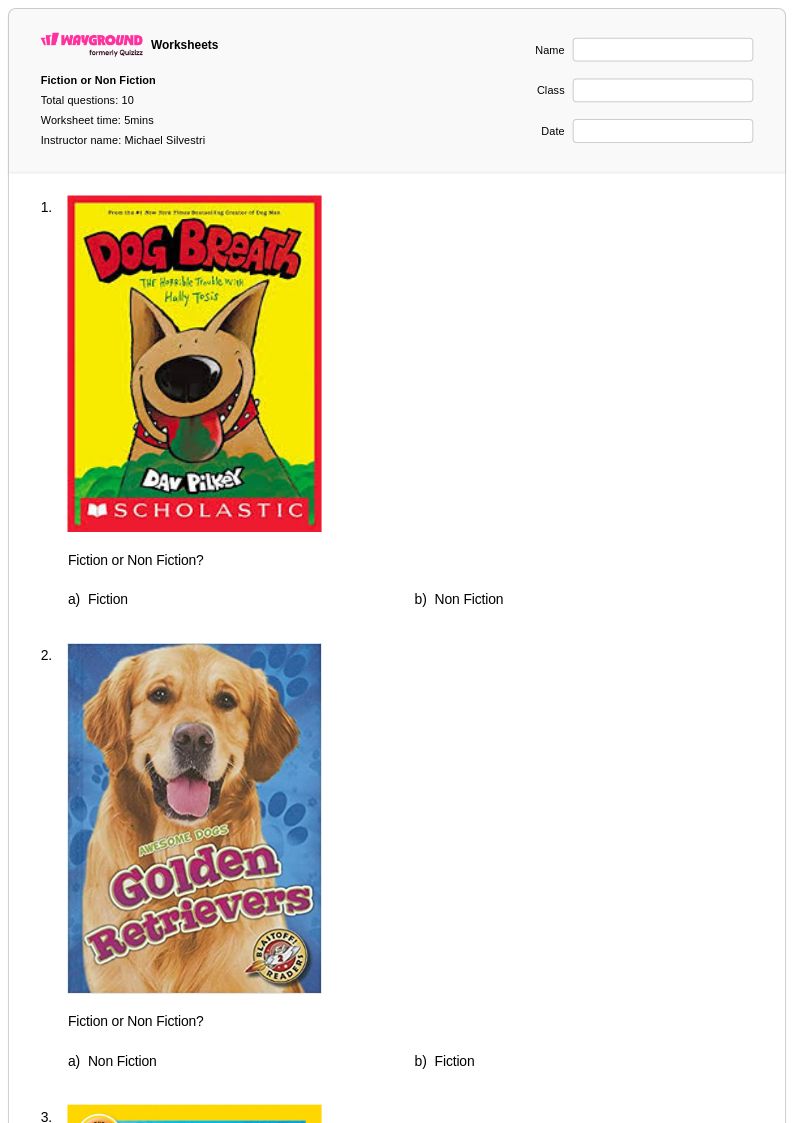
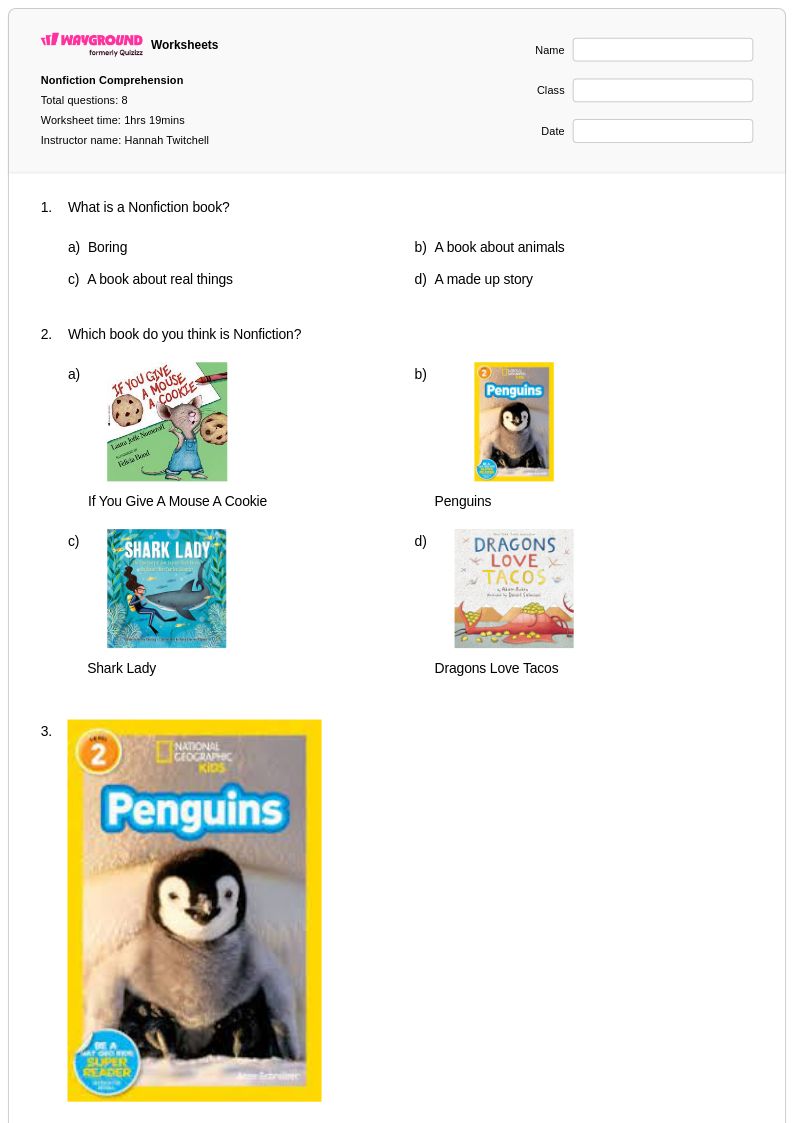
Class 1 nonfiction writing worksheets available through Wayground (formerly Quizizz) provide young learners with structured opportunities to develop essential expository writing skills and factual communication abilities. These carefully designed practice problems guide first-grade students through the fundamentals of informational writing, including organizing simple facts, using descriptive language to explain real-world topics, and structuring basic nonfiction texts with clear beginnings and endings. The comprehensive worksheet collection strengthens critical thinking skills as students learn to distinguish between fiction and nonfiction, gather information from various sources, and present factual content in age-appropriate formats. Each printable resource includes detailed answer keys and instructional guidance, making these free educational materials invaluable for building foundational writing competencies that support academic success across all subject areas.
Wayground's extensive platform empowers educators with millions of teacher-created nonfiction writing worksheets specifically aligned to Class 1 learning standards and developmental expectations. The robust search and filtering capabilities allow teachers to quickly locate resources that match their specific curriculum requirements, whether focusing on science observations, social studies facts, or biographical writing exercises. These versatile materials support effective lesson planning through differentiation tools that accommodate diverse learning needs, while the flexible customization options enable educators to modify content for targeted remediation or enrichment activities. Available in both printable pdf formats for classroom use and digital versions for interactive learning, these nonfiction writing resources streamline skill practice sessions and provide consistent opportunities for students to strengthen their informational writing abilities through engaging, standards-based exercises.
FAQs
How do I teach nonfiction writing to students who struggle with organization?
Start by making organizational structures explicit and visual. Graphic organizers that map thesis statements, supporting evidence, and conclusions help students see the architecture of a piece before they write it. Teaching students to outline first, then draft, reduces the cognitive load of managing both structure and content simultaneously. Practice with mentor texts, where students identify how a published author organized an informational piece, builds intuition for structure over time.
What are the different types of nonfiction writing students need to learn?
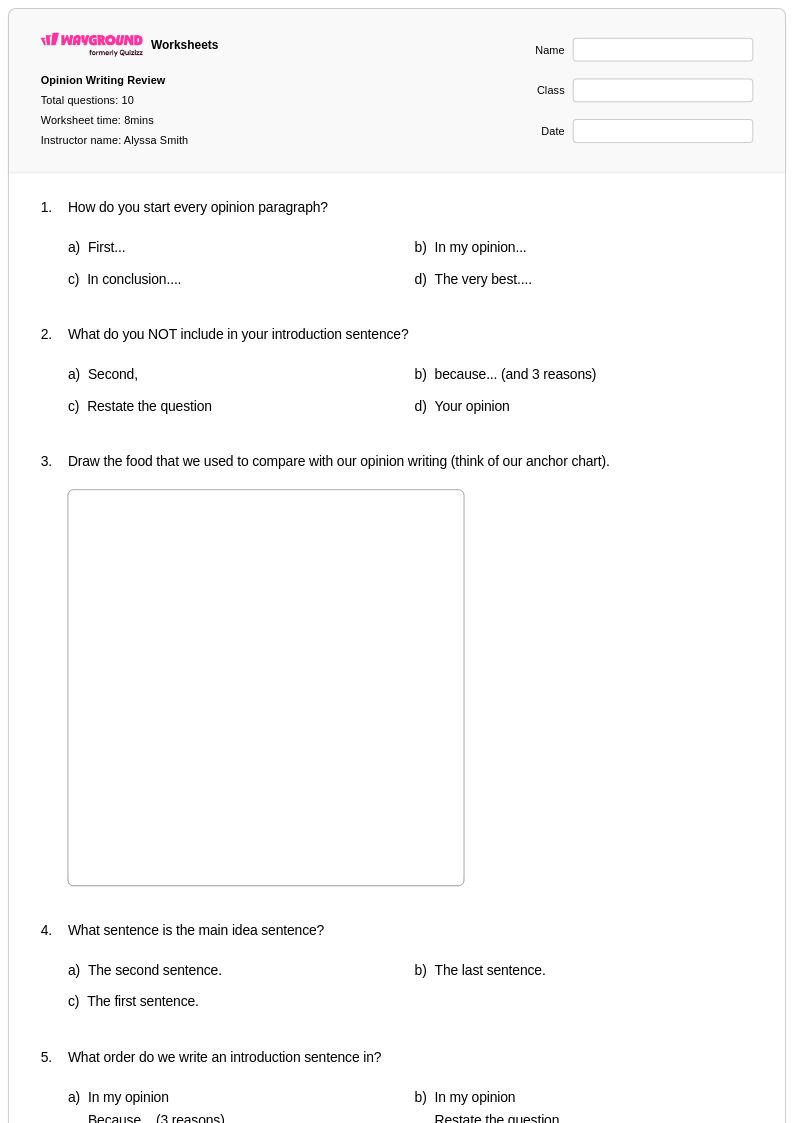
Students are expected to master several distinct modes: informational and explanatory writing (explaining how or why), opinion and persuasive writing (making and defending a claim), argument writing (using evidence and reasoning to address counterarguments), research writing (synthesizing multiple sources), narrative nonfiction (personal or reflective accounts), and functional writing such as filling out forms or giving directions. Each mode has its own structural conventions and purpose, so students benefit from practicing them separately before integrating skills.
What exercises help students practice claim and evidence writing?
The most effective practice tasks isolate the claim-evidence-reasoning structure before asking students to write full essays. Exercises where students are given a claim and must identify which evidence supports it, or where they evaluate weak versus strong evidence, build critical thinking alongside writing skills. Sentence-level practice, such as writing a claim and then completing an 'because... which shows...' frame, helps students internalize the logical chain before drafting full paragraphs.
What mistakes do students commonly make in nonfiction and argumentative writing?
The most common errors are presenting evidence without analysis, treating opinion as fact, and writing a thesis that is too broad to defend. Students frequently drop quotes or data into their writing without explaining how it supports their claim, a pattern sometimes called 'quote dumping.' In persuasive and argument writing specifically, students often ignore counterarguments entirely, which weakens their credibility. Explicit practice with the claim-evidence-reasoning framework directly addresses these patterns.
How can I differentiate nonfiction writing instruction for students at different skill levels?
Scaffolding is the most reliable differentiation strategy for writing. Struggling writers benefit from partially completed graphic organizers, sentence starters, and single-paragraph tasks before being asked to write full essays. Advanced students can be challenged with tasks that require synthesizing multiple sources, addressing counterarguments, or writing for a specific audience and purpose. On Wayground, teachers can apply individual accommodations such as read aloud support and reduced answer choices to specific students, so every learner can access the same core content at an appropriate level of support.
How do I use Wayground's nonfiction writing worksheets in my classroom?
Wayground's nonfiction writing worksheets are available as printable PDFs for traditional classroom use and in digital formats for technology-integrated instruction, making them flexible across different teaching environments. Teachers can assign specific subtopics, such as opinion writing or research writing, to target the exact skill students are working on. Digital versions can be hosted as a quiz on Wayground, allowing teachers to review student responses and track progress. All worksheets include answer keys, supporting both self-directed student practice and direct teacher-led instruction.
How do I help students improve their response to literature writing?
Response to literature writing requires students to move beyond summarizing and into analysis, which is a skill that develops with structured practice. Teach students to identify a specific element, such as theme, character motivation, or author's craft, and then build a claim around it supported by direct textual evidence. Graphic organizers that separate 'what the text says' from 'what it means' help students make that analytical leap. Consistent modeling using short, accessible texts before asking students to respond independently builds the habit of evidence-based literary reasoning.