
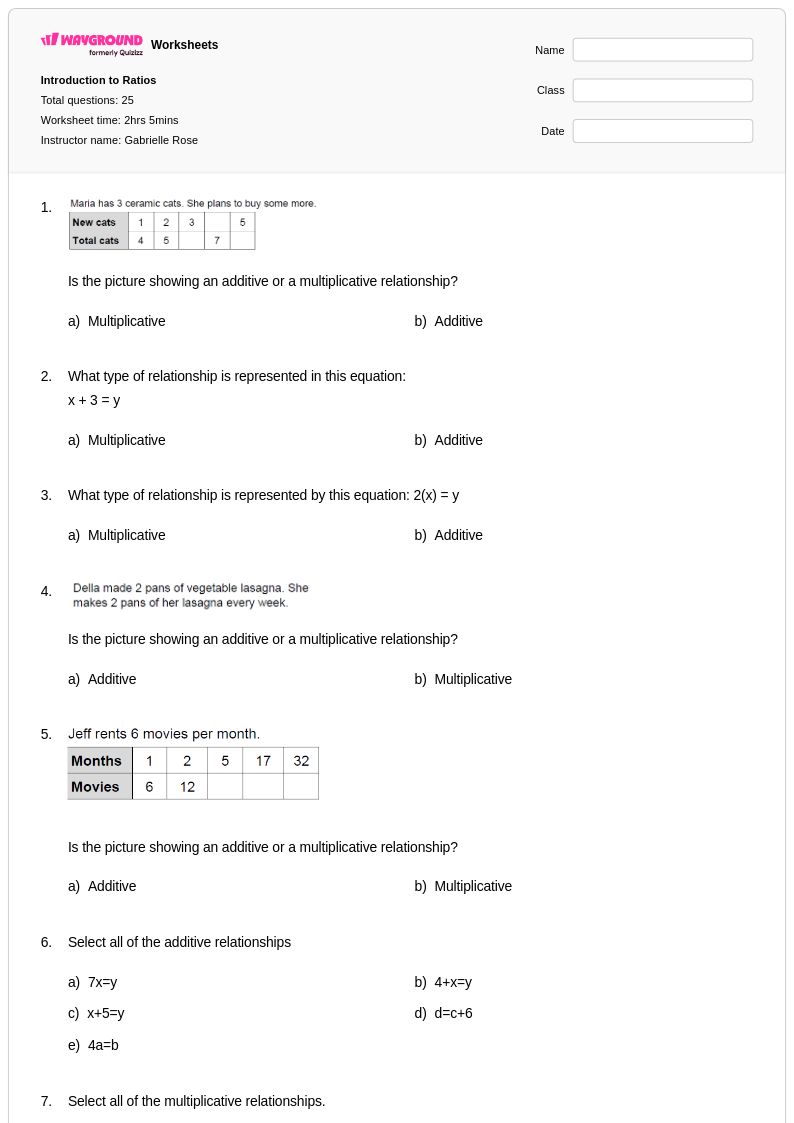
25 Q
6th
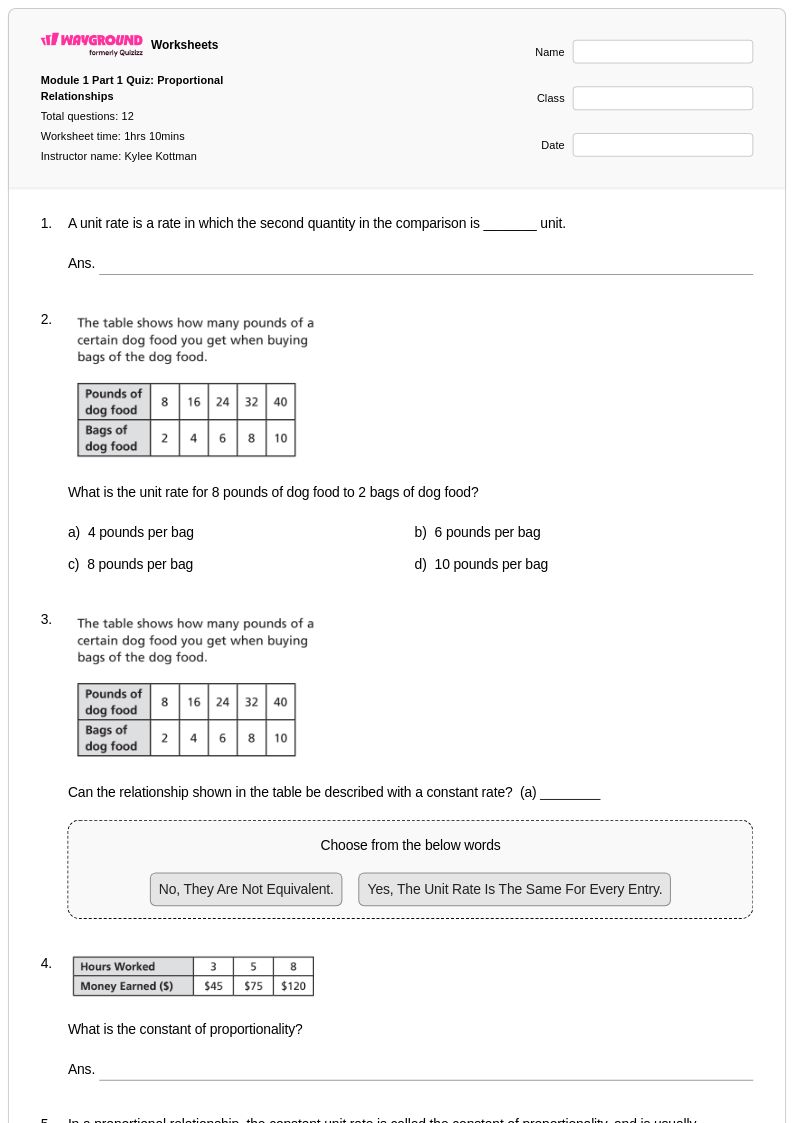
13 Q
7th
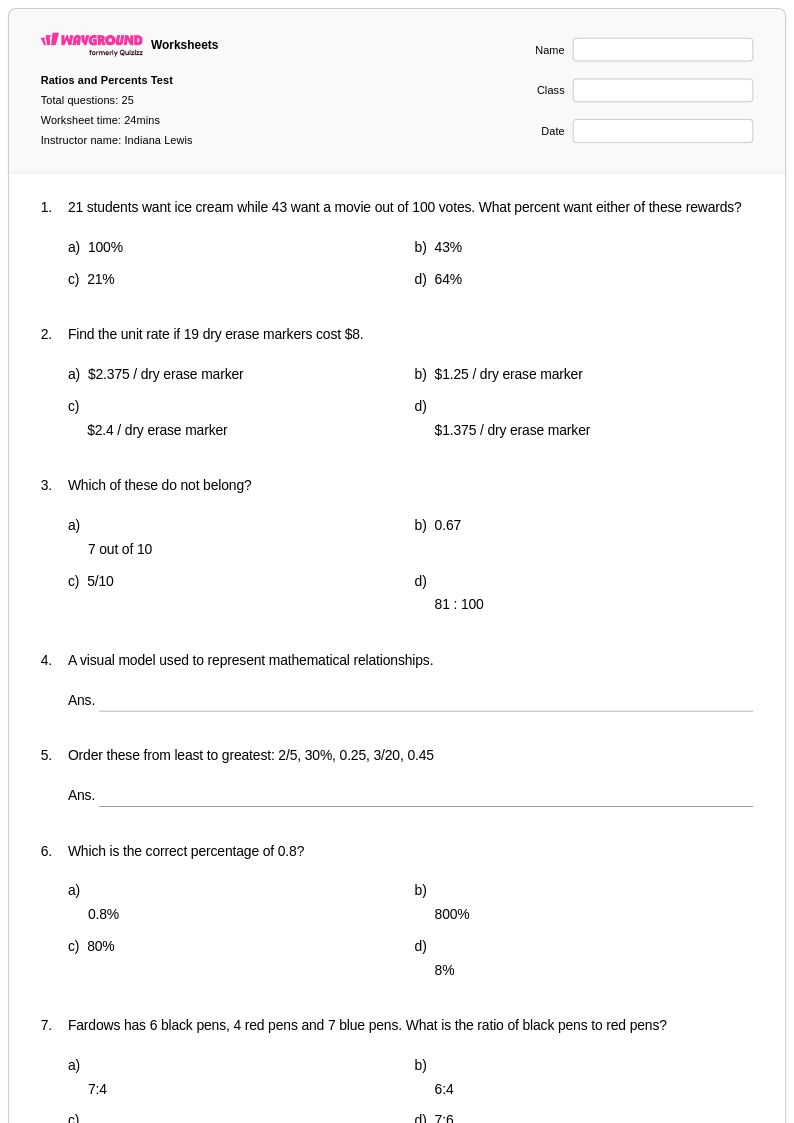
25 Q
6th
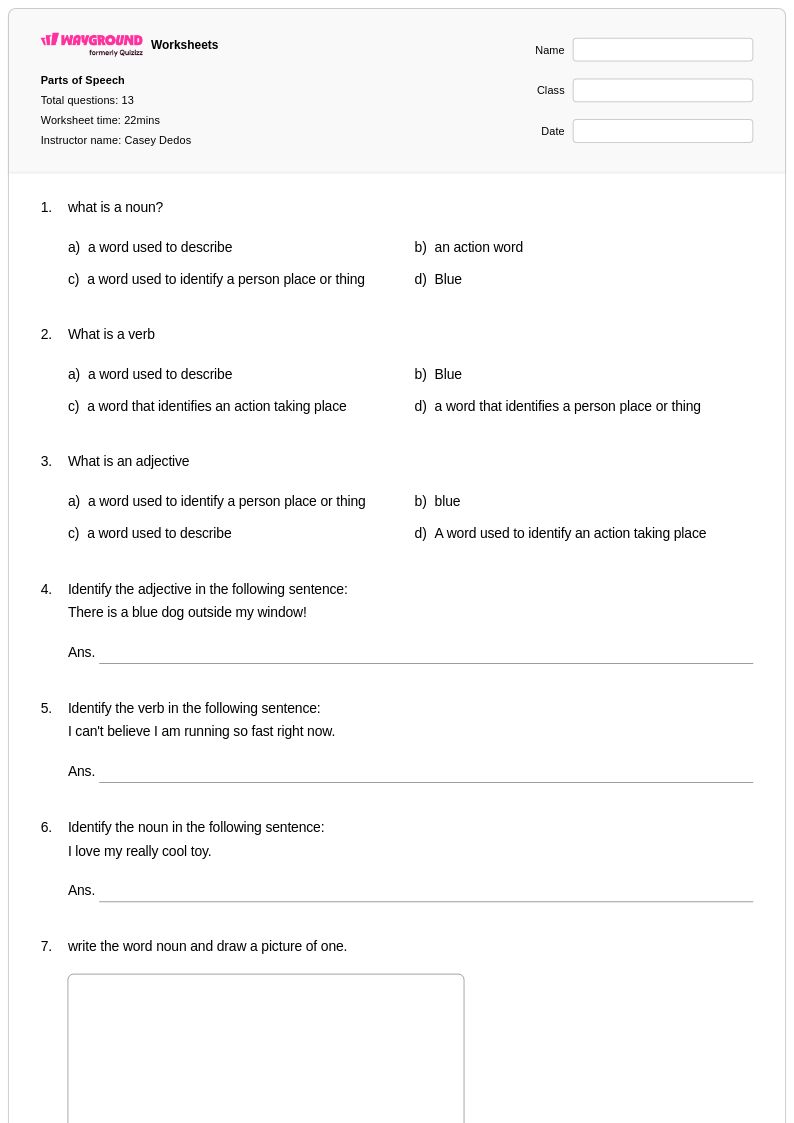
13 Q
2nd
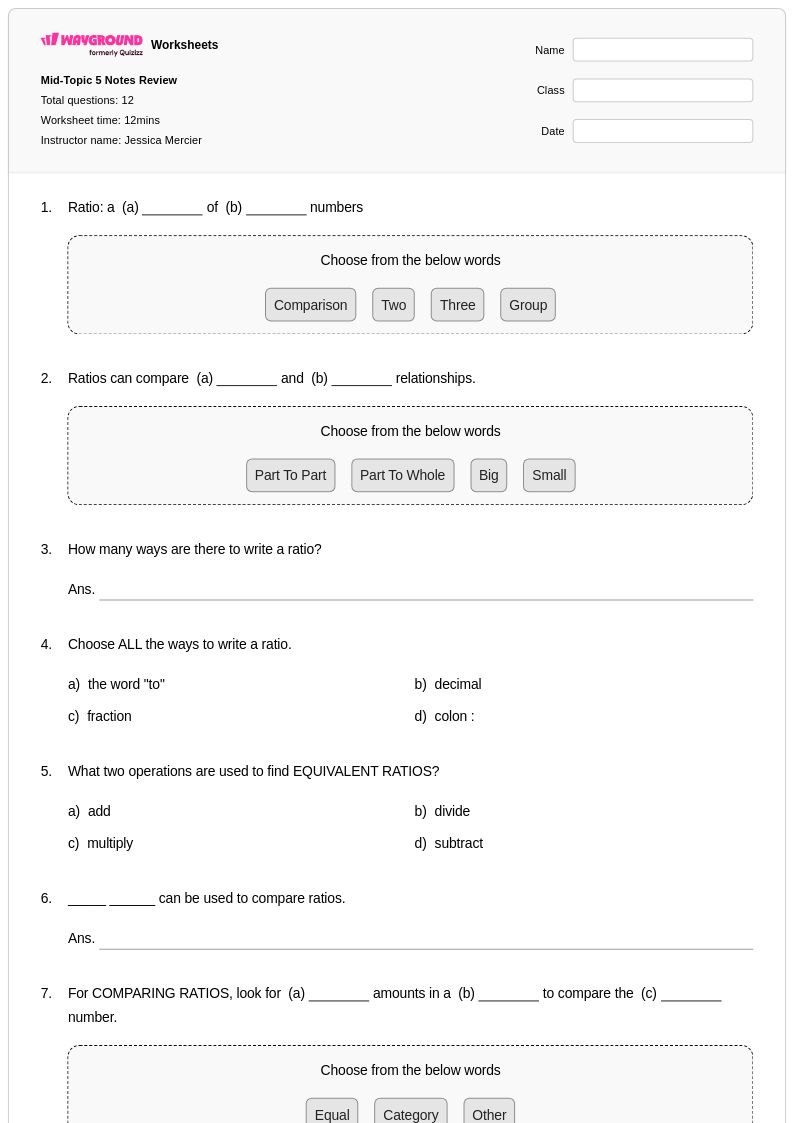
12 Q
6th
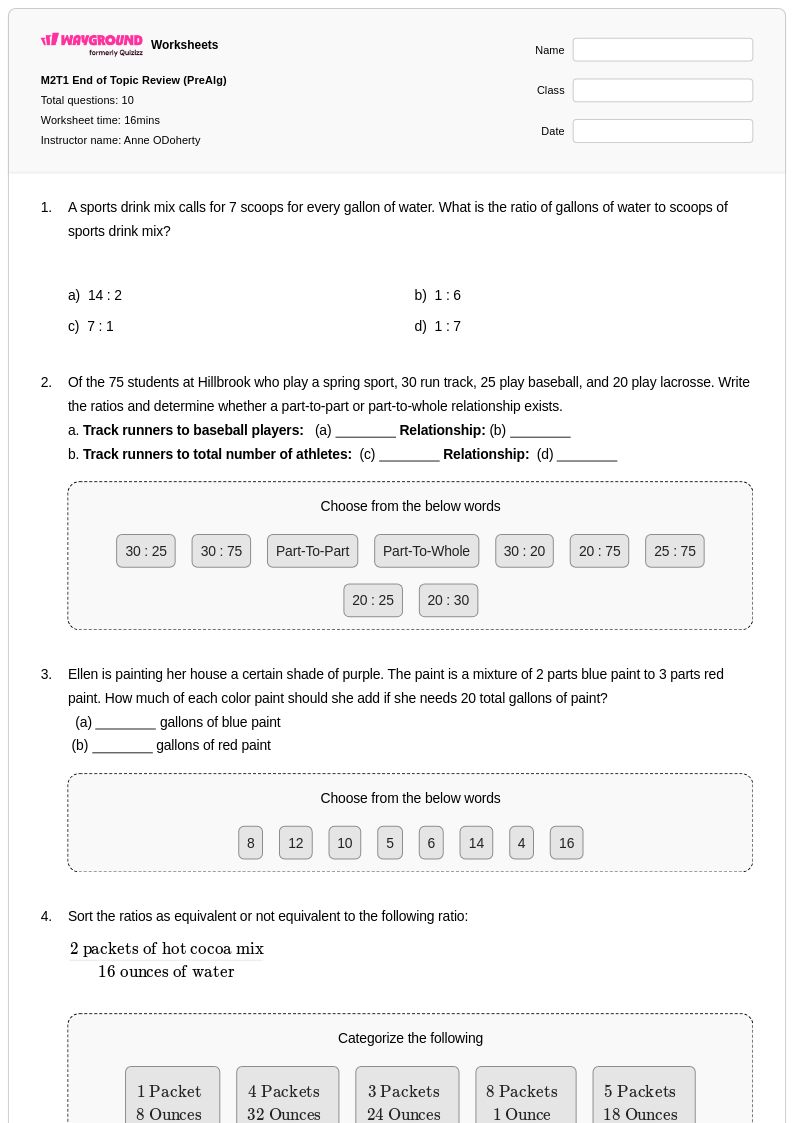
10 Q
6th
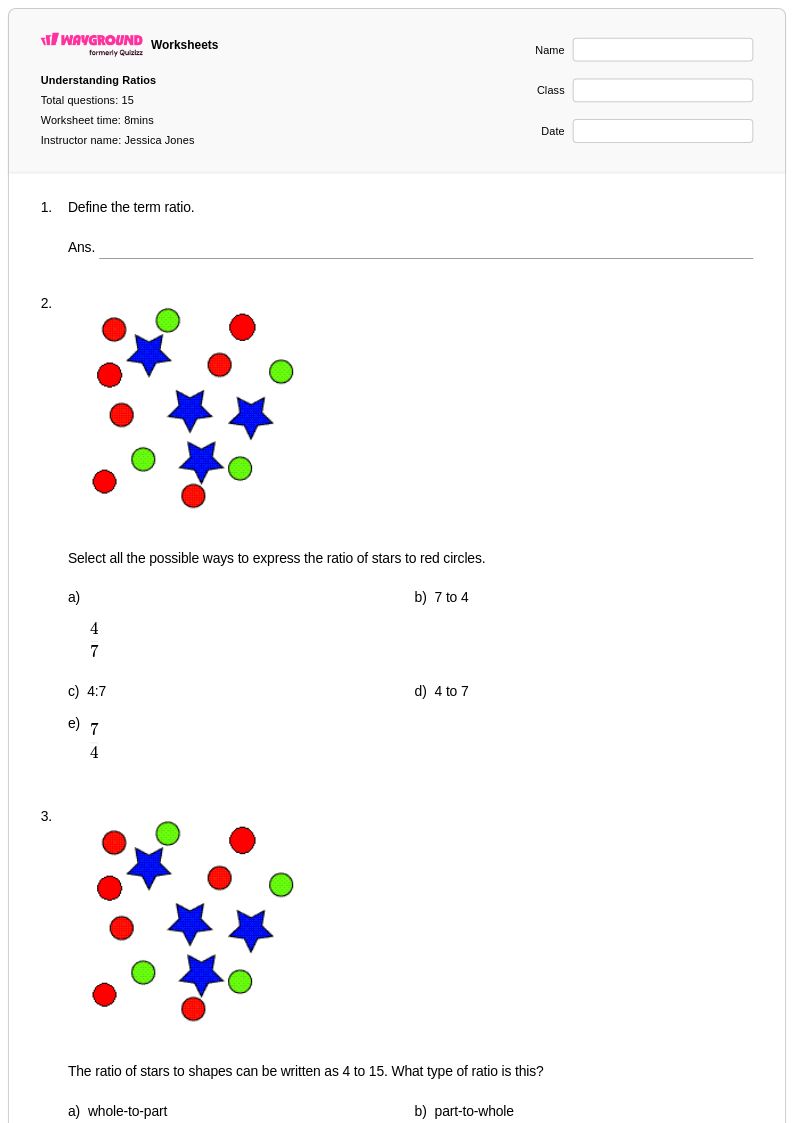
15 Q
6th
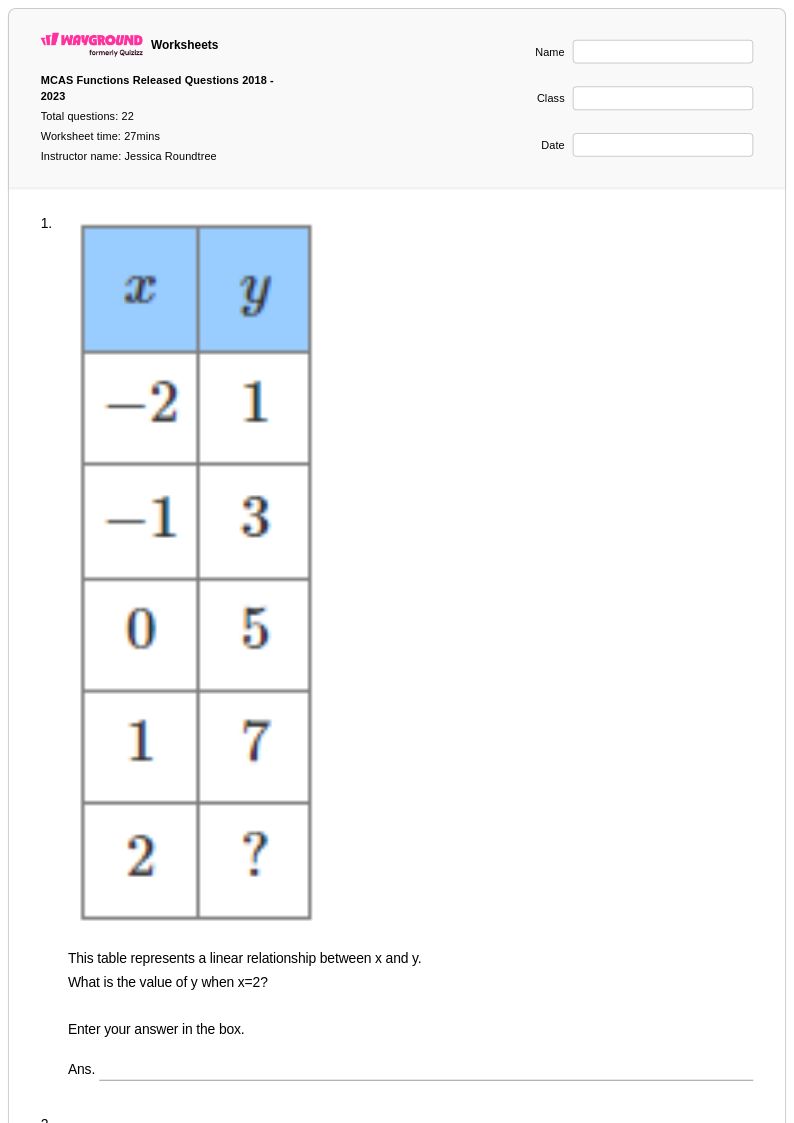
22 Q
8th
20 Q
7th
20 Q
6th
11 Q
6th
16 Q
9th
20 Q
8th
20 Q
6th - Uni
12 Q
6th
5 Q
6th
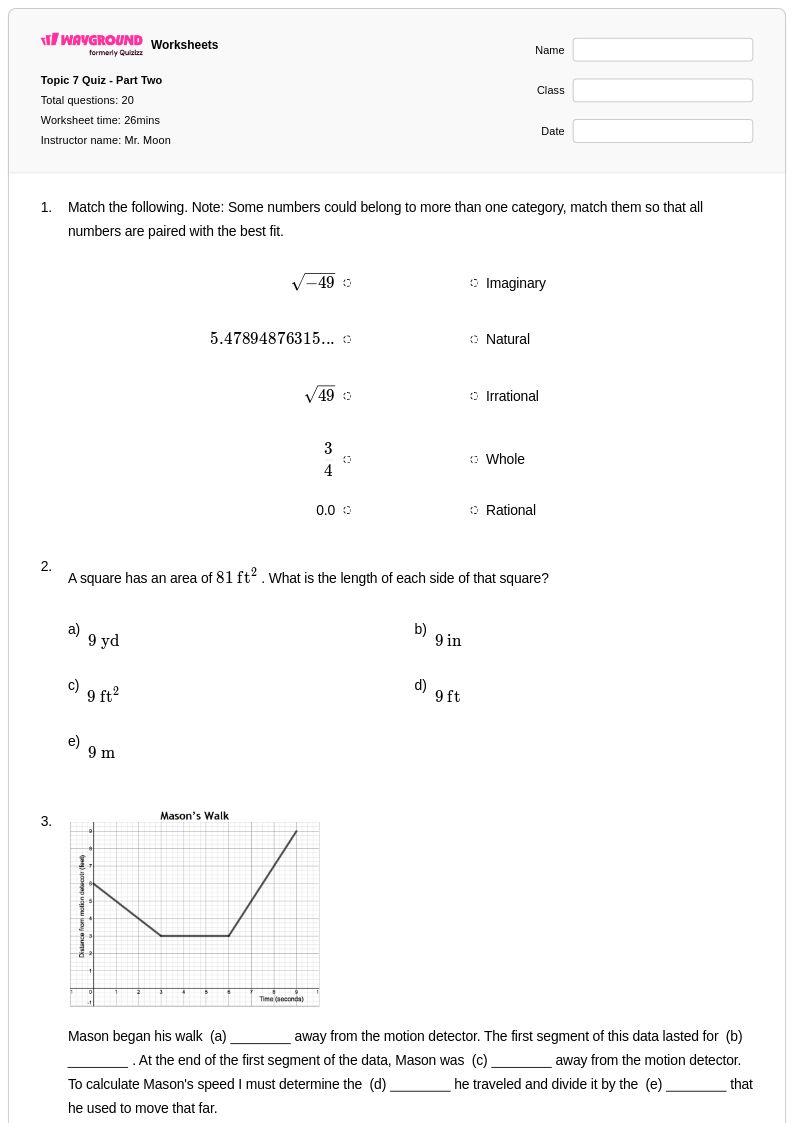
20 Q
8th
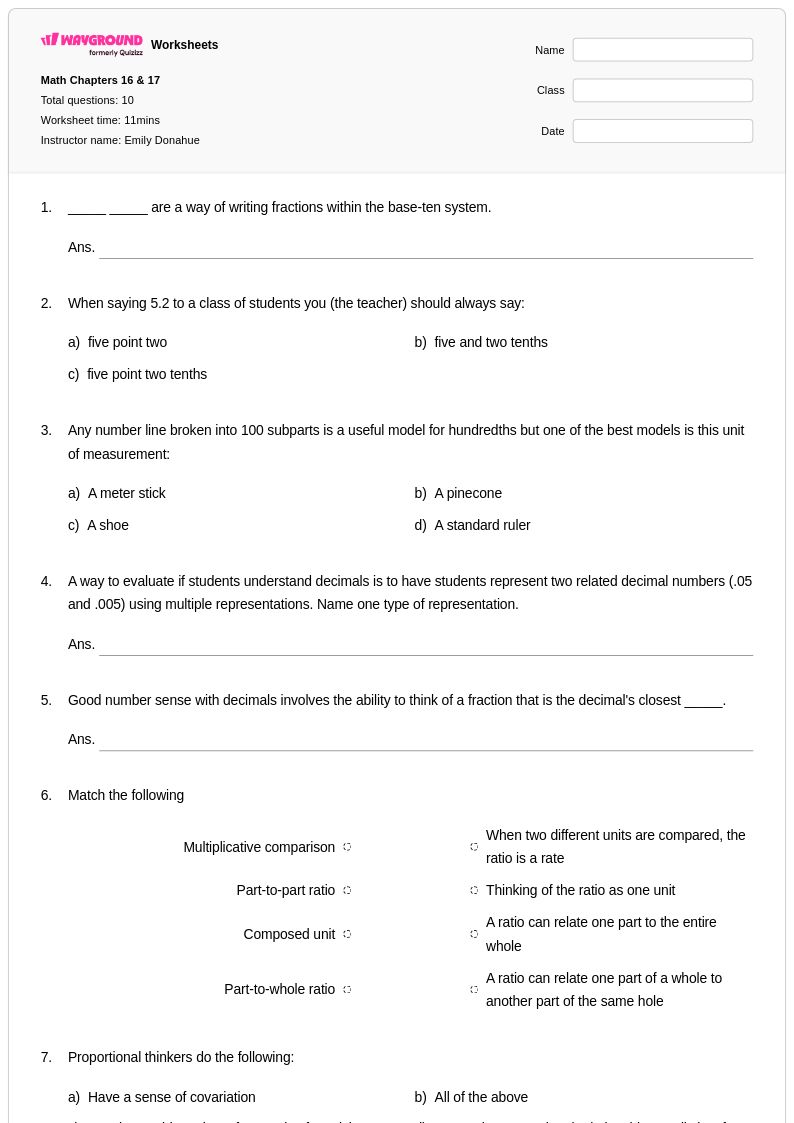
10 Q
KG - 6th
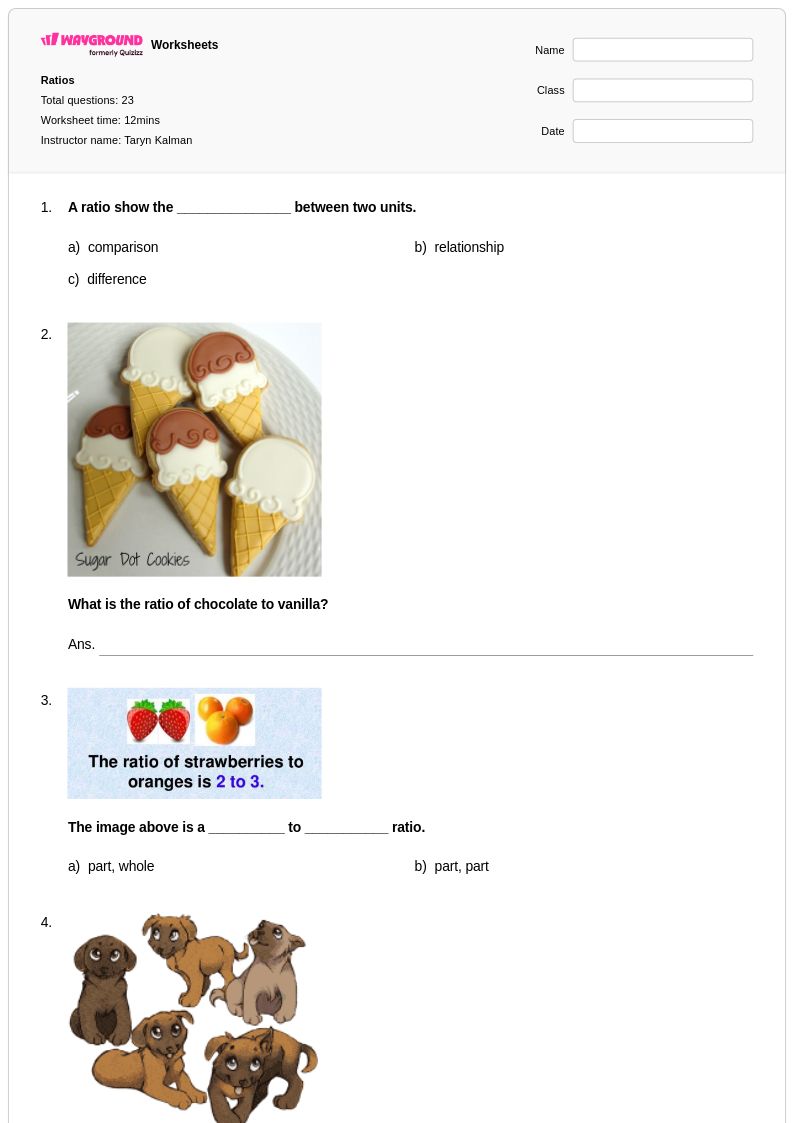
23 Q
6th
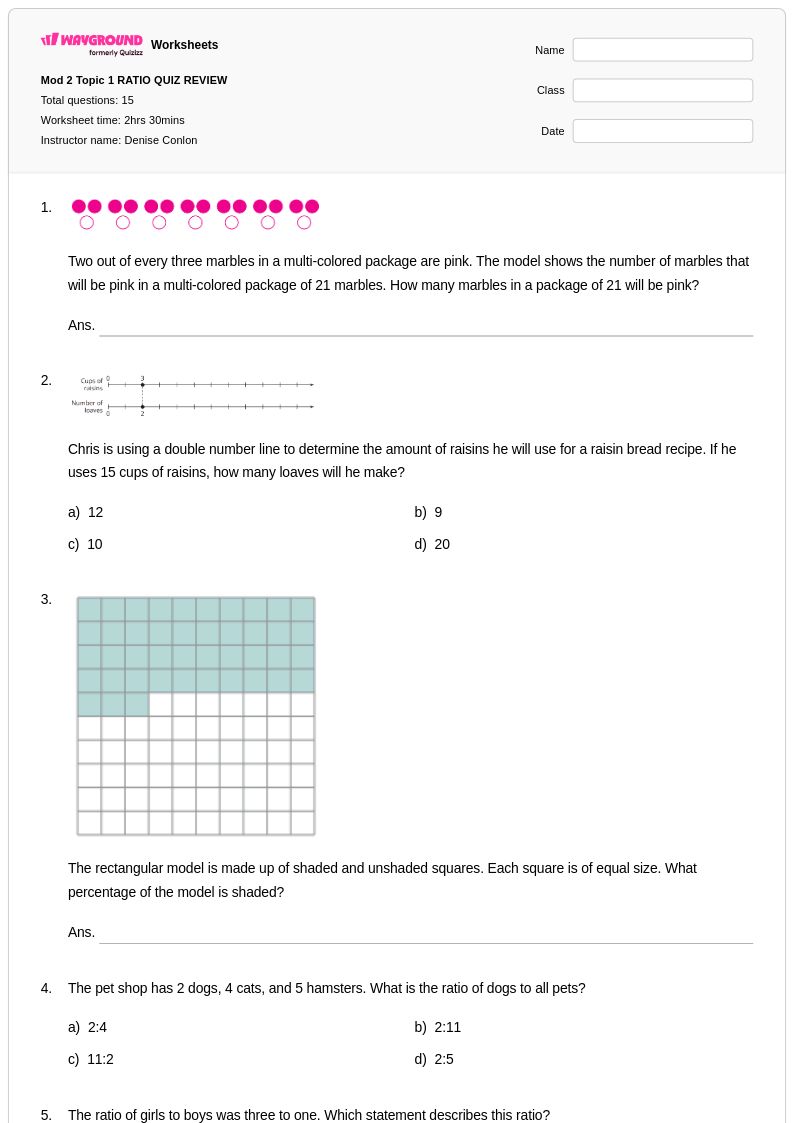
15 Q
6th
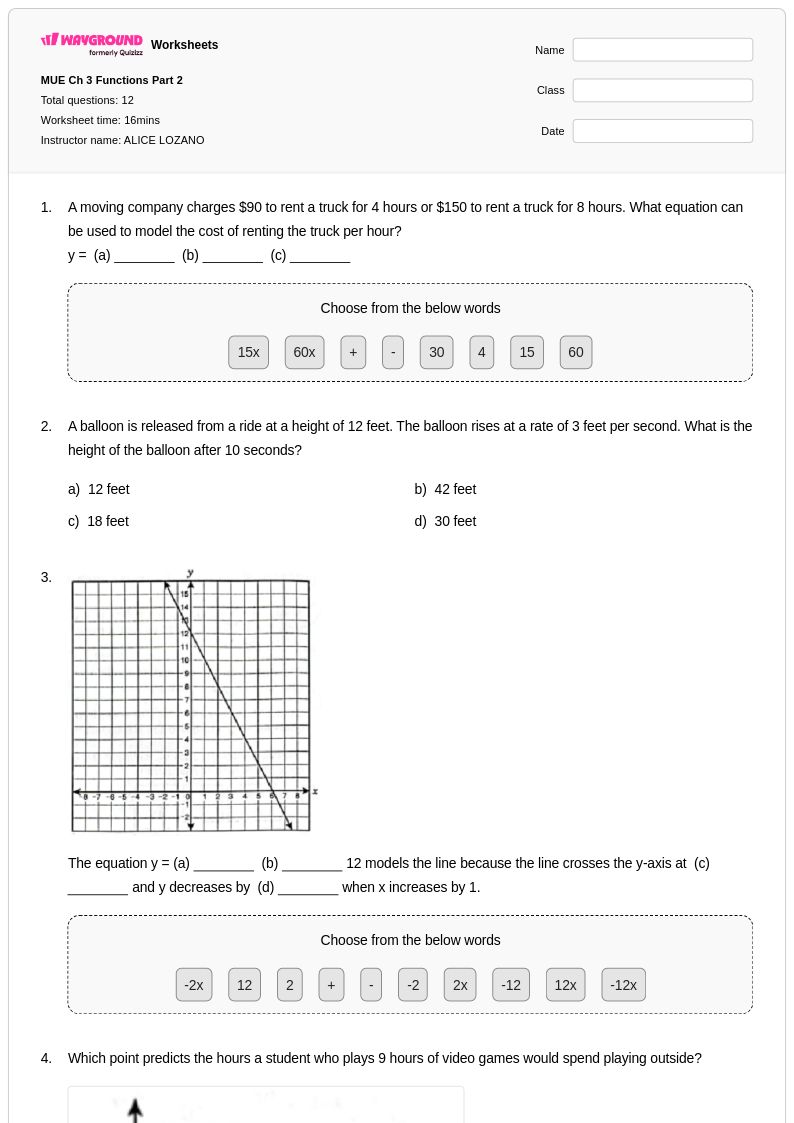
12 Q
8th
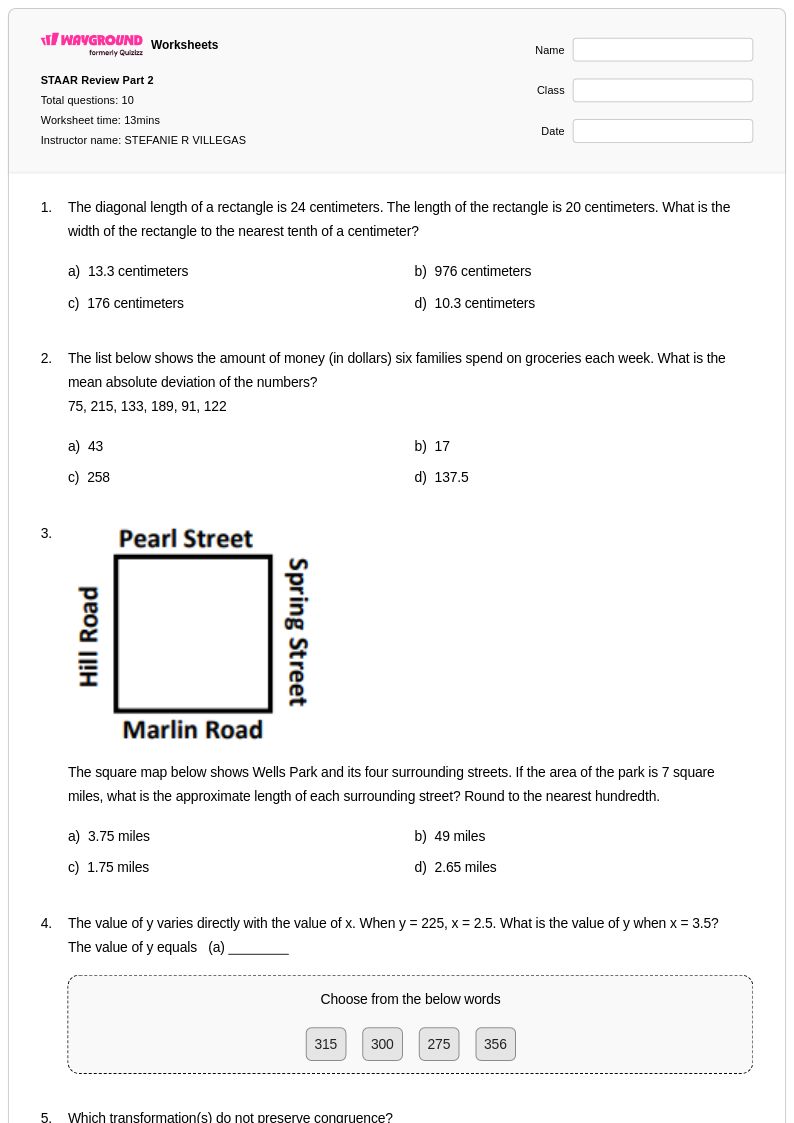
10 Q
8th
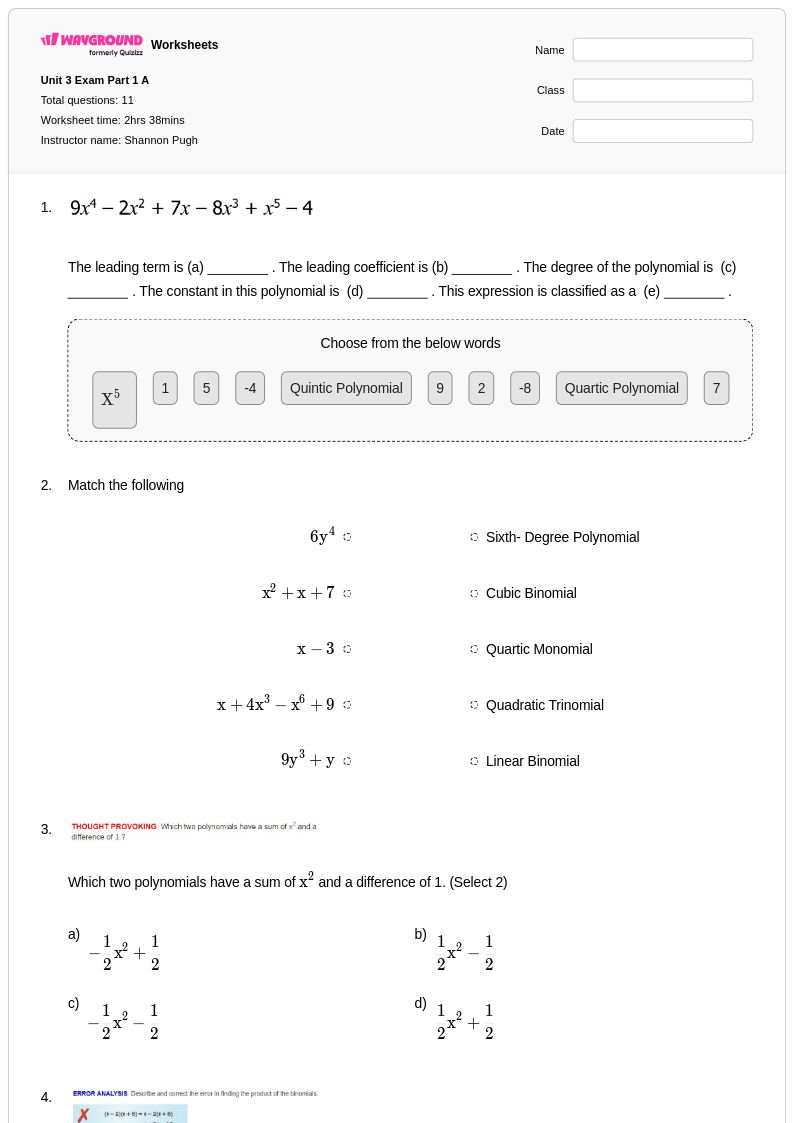
11 Q
9th

25 Q
9th - 12th
Explore Worksheets by Grade
Explore Worksheets by Subjects
Explore printable Part-part-whole Relationships worksheets
Part-part-whole relationships form the foundational framework for mathematical understanding, helping students visualize how numbers can be decomposed and recomposed in meaningful ways. Wayground's comprehensive collection of part-part-whole worksheets provides structured practice opportunities that strengthen students' number sense and conceptual understanding of how quantities relate to each other. These carefully designed resources include engaging practice problems that guide learners through breaking down numbers into component parts and reassembling them, building essential skills for future mathematical operations. Each worksheet comes with a complete answer key and is available as a free printable pdf, making it easy for educators to implement immediate assessment and provide targeted feedback on student progress.
Wayground, formerly Quizizz, empowers teachers with millions of educator-created resources specifically focused on part-part-whole relationships, all searchable through advanced filtering options that align with curriculum standards and learning objectives. The platform's differentiation tools enable instructors to customize worksheets based on individual student needs, whether for remediation support or enrichment challenges. Teachers can access these materials in both printable pdf formats for traditional classroom use and digital formats for technology-integrated learning environments. This flexibility supports comprehensive lesson planning while providing targeted skill practice opportunities that help students master the critical concept of number relationships, ultimately preparing them for more advanced mathematical reasoning and problem-solving strategies.
FAQs
How do I teach the part-part-whole concept?
What exercises help students practice part-part-whole relationships?
What are common mistakes students make with part-part-whole models?
How can I use these part-part-whole worksheets in my class?
How does understanding part-part-whole fit into the math curriculum?
How can I support diverse learners with these worksheets?