

6 Q
4th - 6th

10 Q
4th

10 Q
3rd - 4th

20 Q
4th - Uni
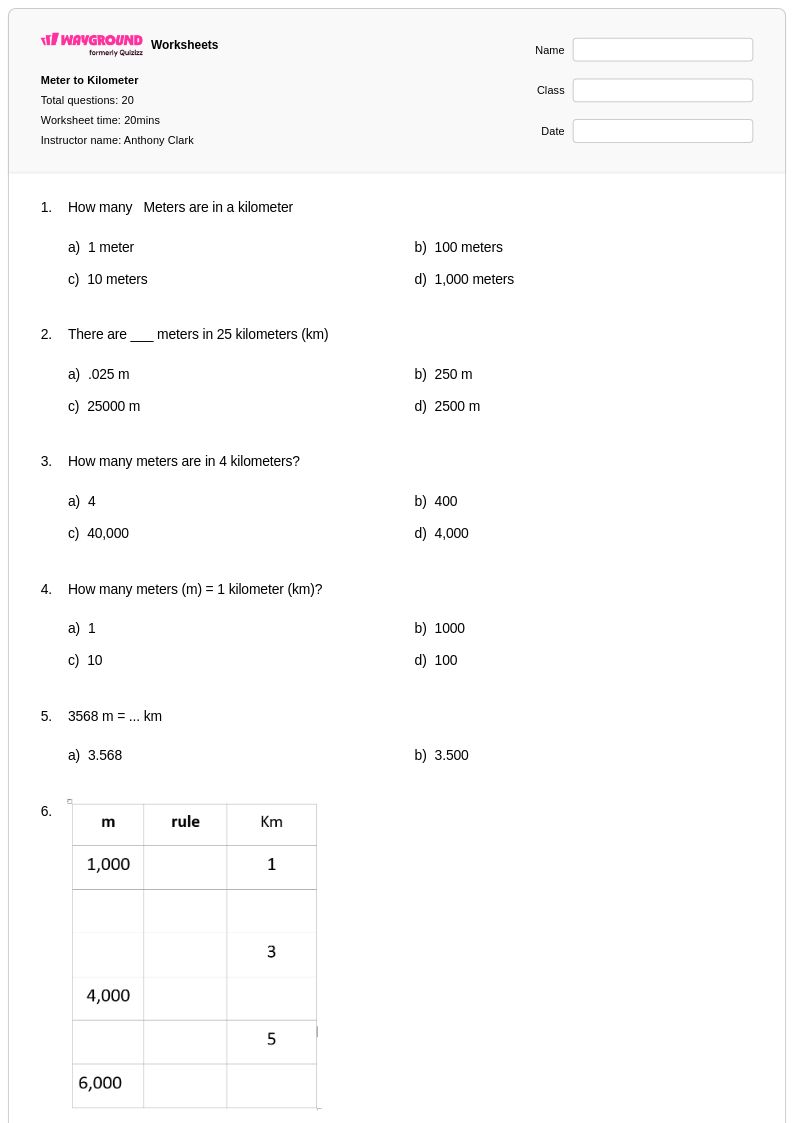
20 Q
4th - Uni
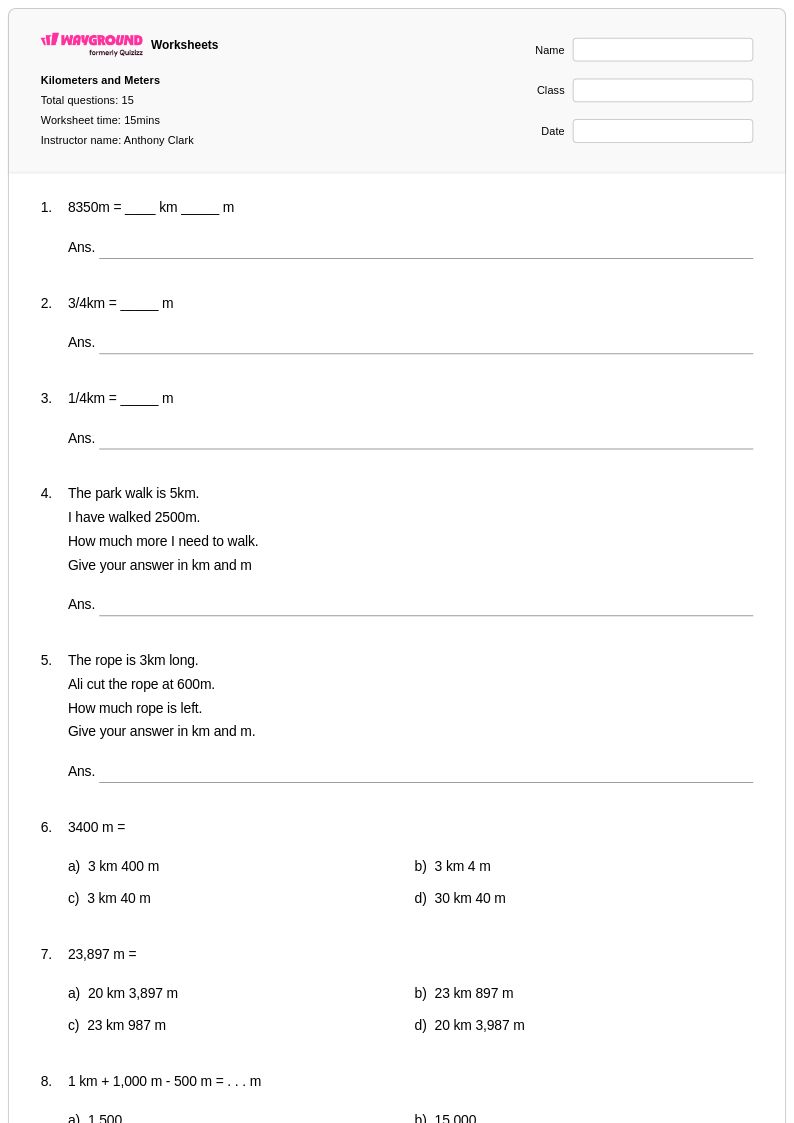
15 Q
3rd - Uni
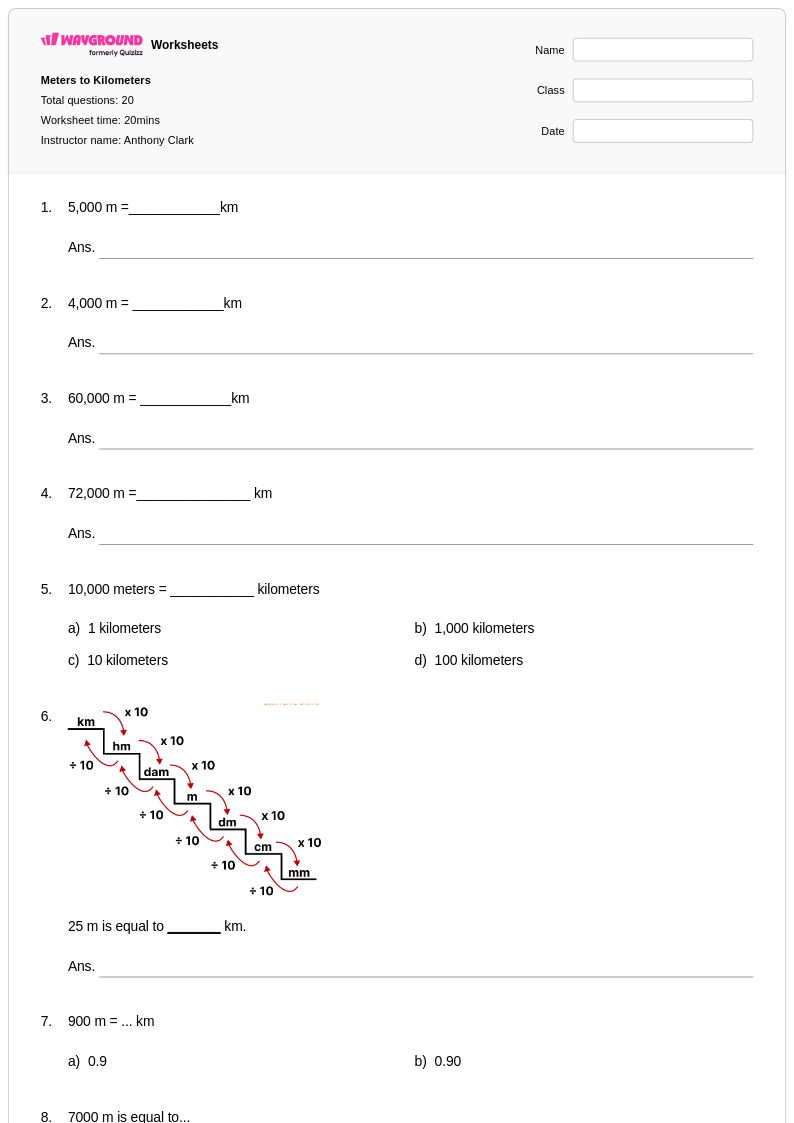
20 Q
4th - Uni
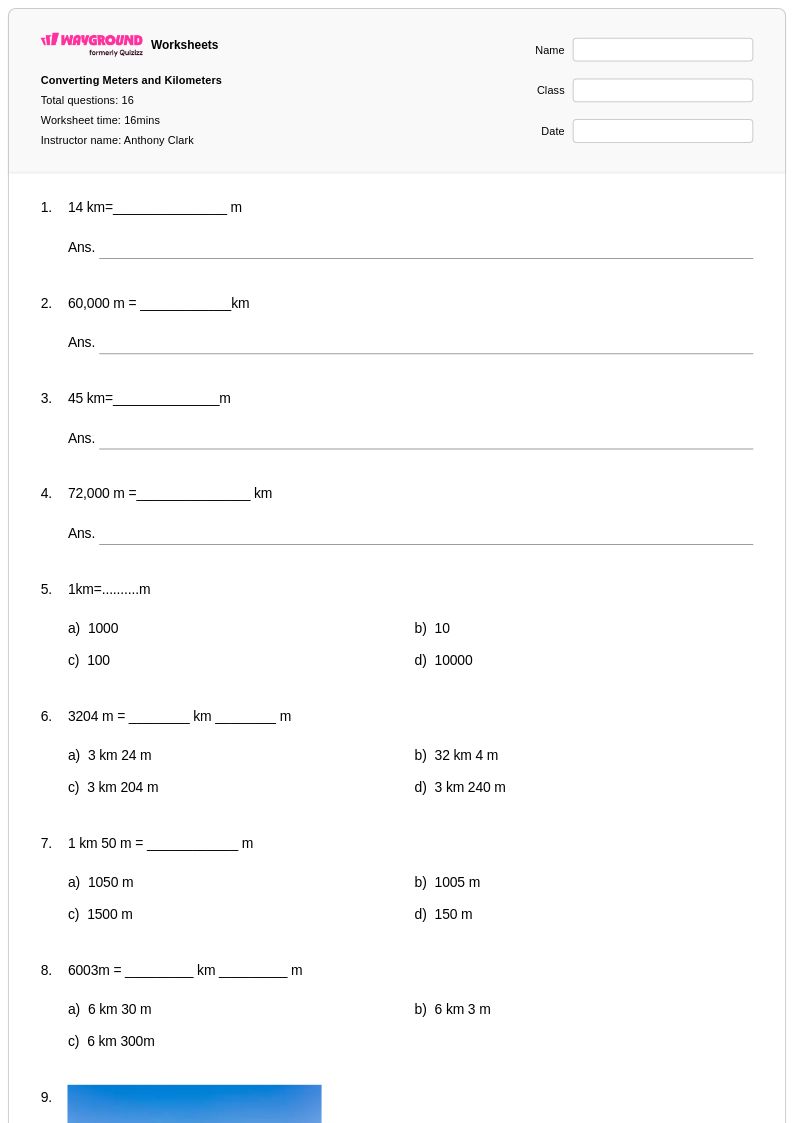
16 Q
4th - Uni
20 Q
4th - Uni
10 Q
3rd - 4th
12 Q
2nd - Uni
20 Q
2nd - Uni
10 Q
4th
20 Q
4th
20 Q
3rd - Uni
20 Q
4th - Uni
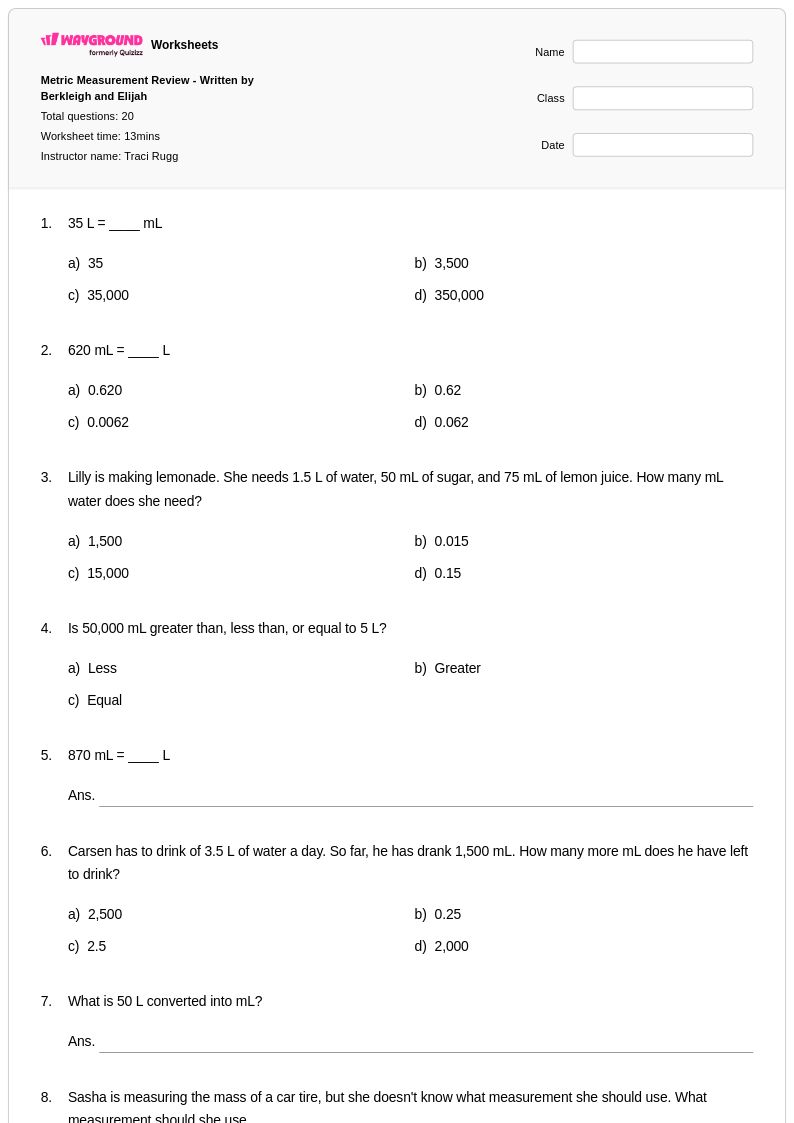
20 Q
4th - 5th
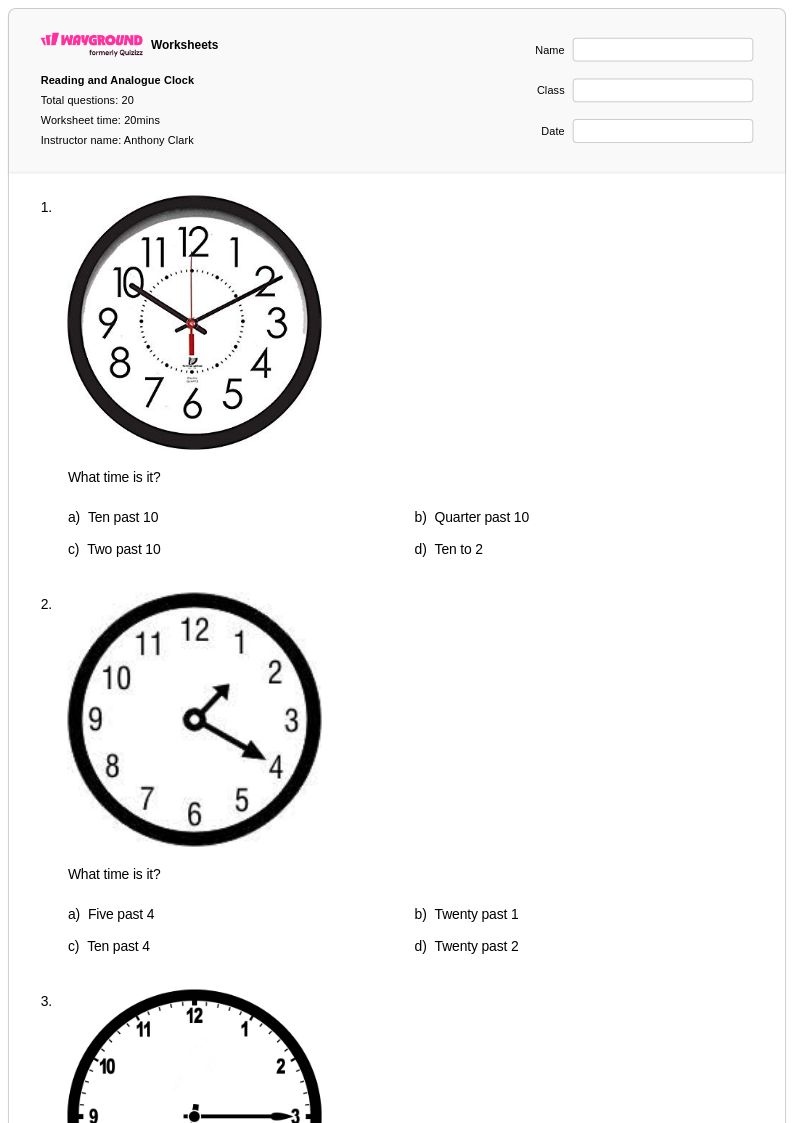
20 Q
2nd - Uni

14 Q
4th
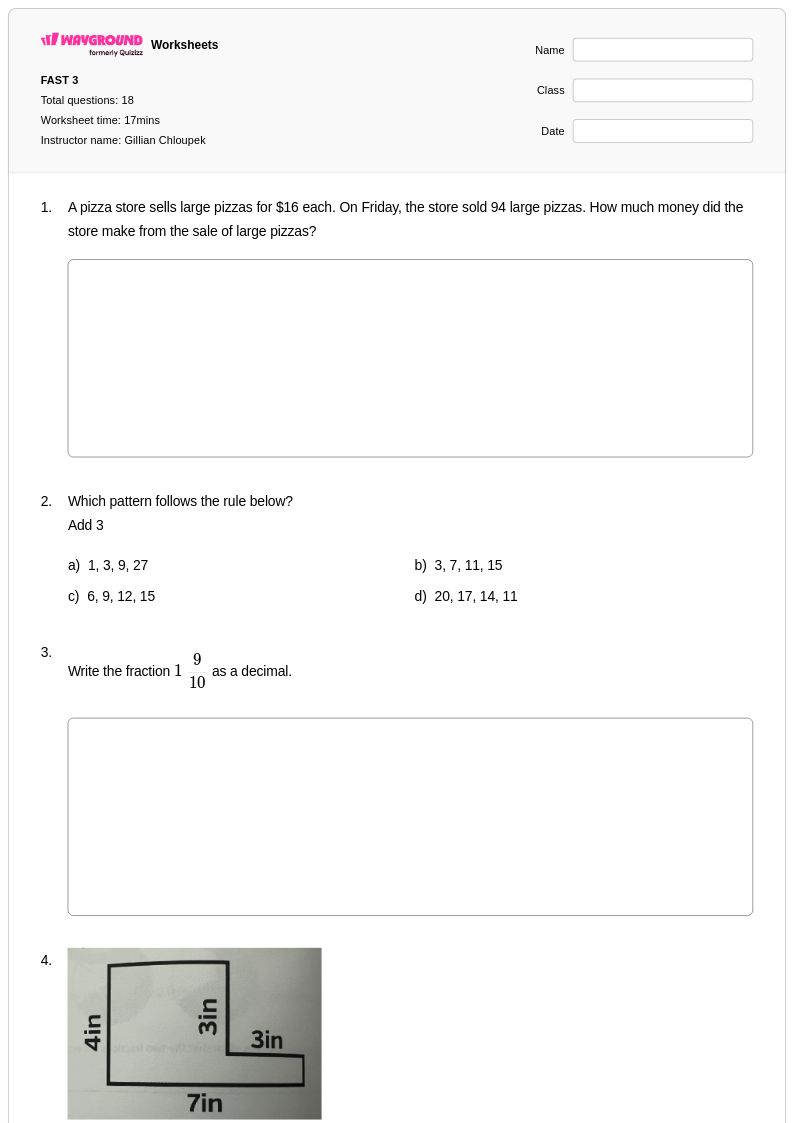
18 Q
4th
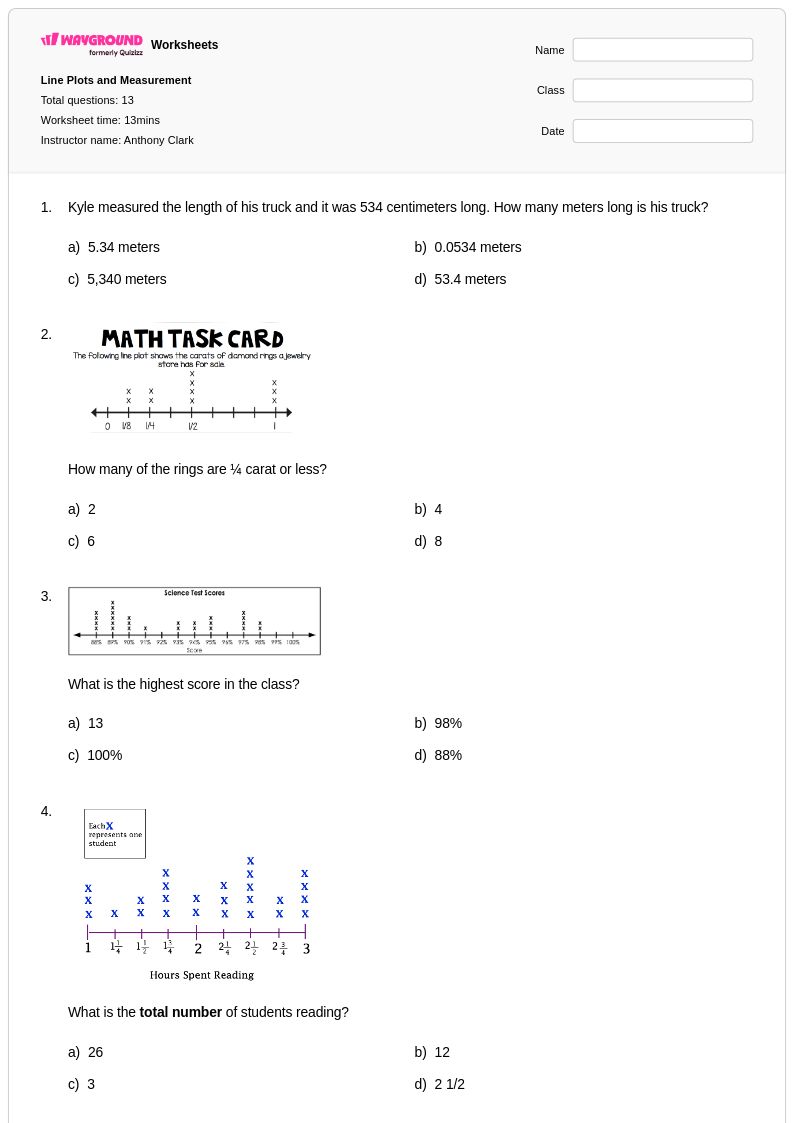
13 Q
3rd - Uni

15 Q
4th
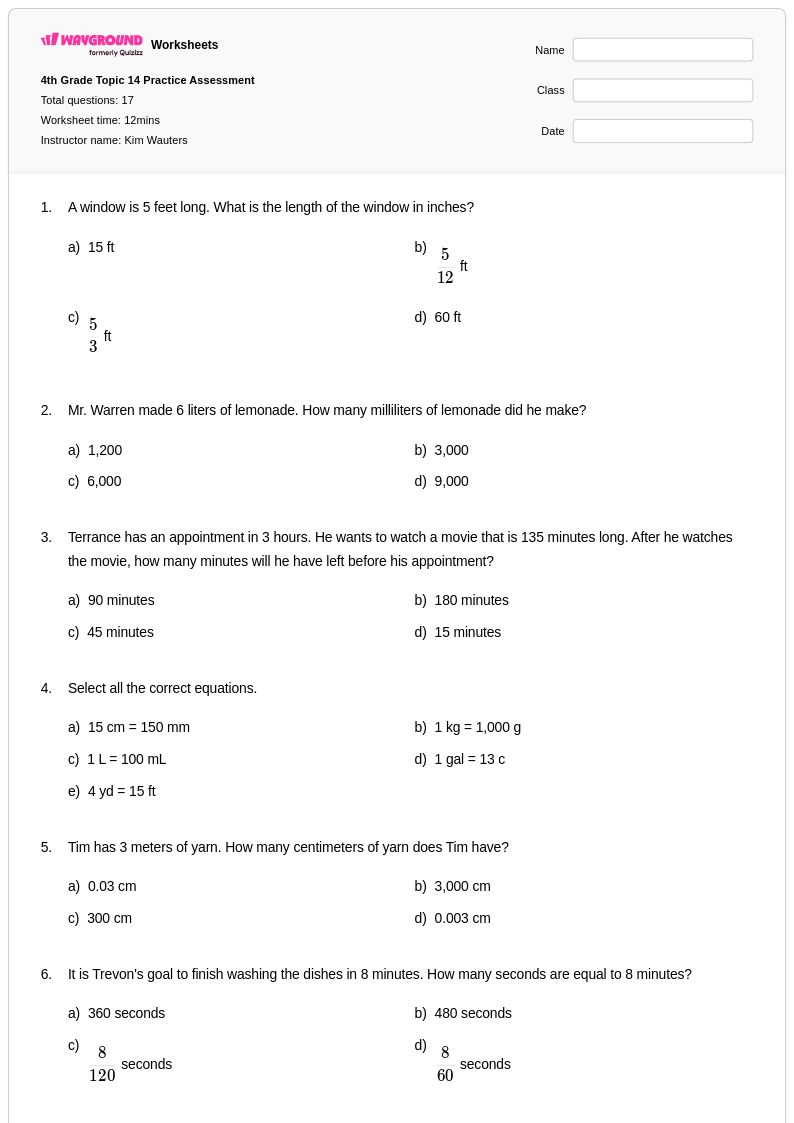
17 Q
4th
Explore Other Subject Worksheets for class 4
Explore printable Reading Meters worksheets for Class 4
Reading meters worksheets for Class 4 students available through Wayground (formerly Quizizz) provide essential practice in interpreting various measurement instruments including analog scales, thermometers, rulers, and gauges. These carefully designed resources help fourth-grade learners develop crucial skills in reading precise measurements, understanding scale intervals, and making accurate estimations when readings fall between marked values. Each worksheet collection includes comprehensive answer keys and detailed explanations that support both independent learning and guided instruction, while the free printable format ensures accessibility for all classrooms. Students work through progressively challenging practice problems that build confidence in reading different types of meters, from simple number lines to more complex graduated scales found in real-world measuring tools.
Wayground (formerly Quizizz) empowers teachers with millions of educator-created reading meters resources specifically aligned to Class 4 mathematics standards, featuring robust search and filtering capabilities that help locate precisely targeted materials for diverse learning needs. The platform's extensive worksheet library supports effective lesson planning through customizable pdf downloads and digital formats that accommodate both traditional classroom instruction and modern technology integration. Teachers can easily differentiate instruction by selecting from varied difficulty levels, implement targeted remediation for students struggling with meter reading concepts, and provide enrichment activities for advanced learners ready to tackle more sophisticated measurement challenges. These versatile tools streamline the process of delivering consistent skill practice while allowing educators to adapt materials to their specific curriculum requirements and student populations.
FAQs
What new measurement skills do 4th graders learn?
How can I teach 4th graders to estimate readings between marks on a scale?
What exercises are best for practicing measurement in 4th grade?
What's a common point of confusion for 4th graders reading meters?
How does this topic connect to 4th grade math standards?
How can I assign this Grade 4 reading meters worksheet?