Free Printable Science Practices Vocabulary Worksheets for Class 11
Master Class 11 Science Practices Vocabulary with Wayground's comprehensive collection of free worksheets, printables, and practice problems featuring detailed answer keys to strengthen scientific terminology and communication skills.
Explore printable Science Practices Vocabulary worksheets for Class 11
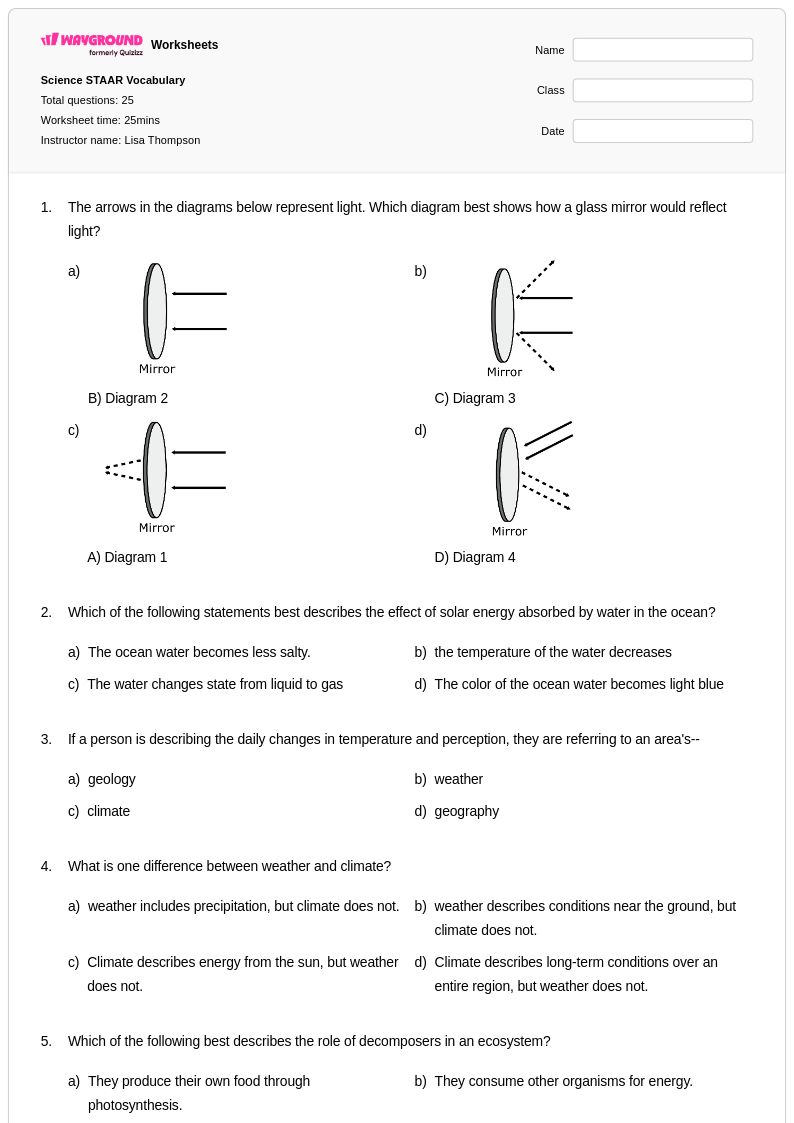
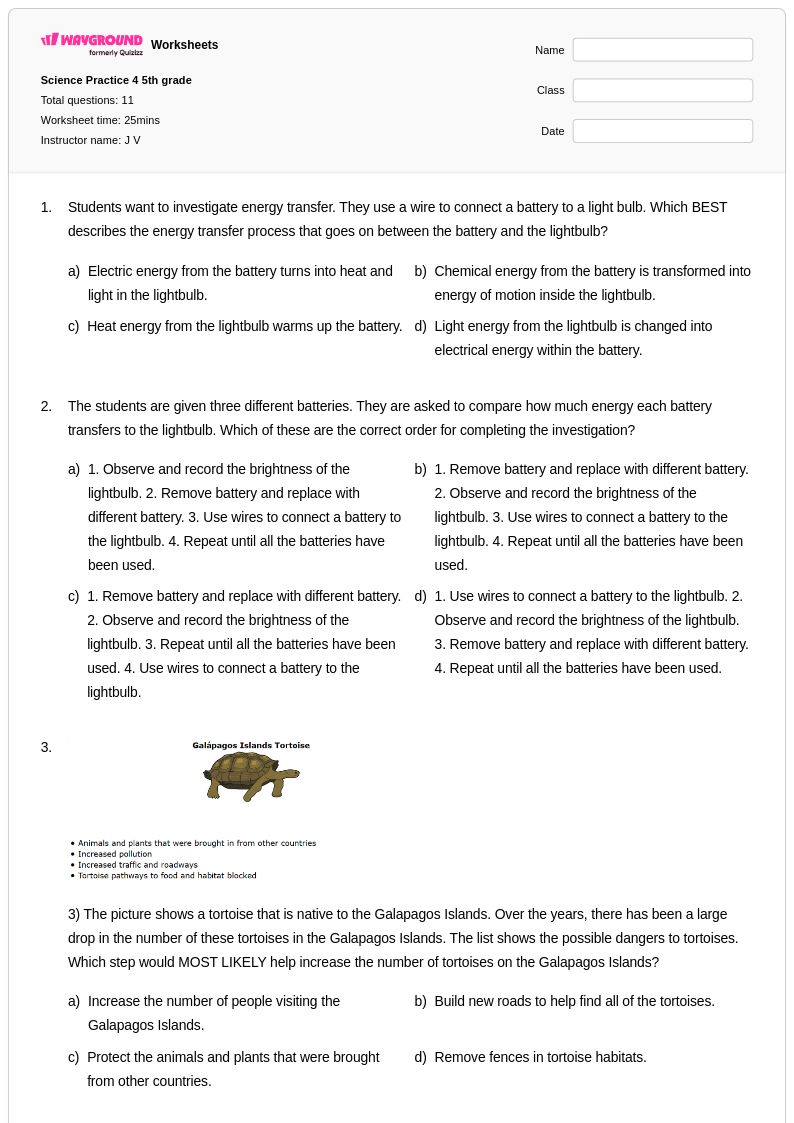
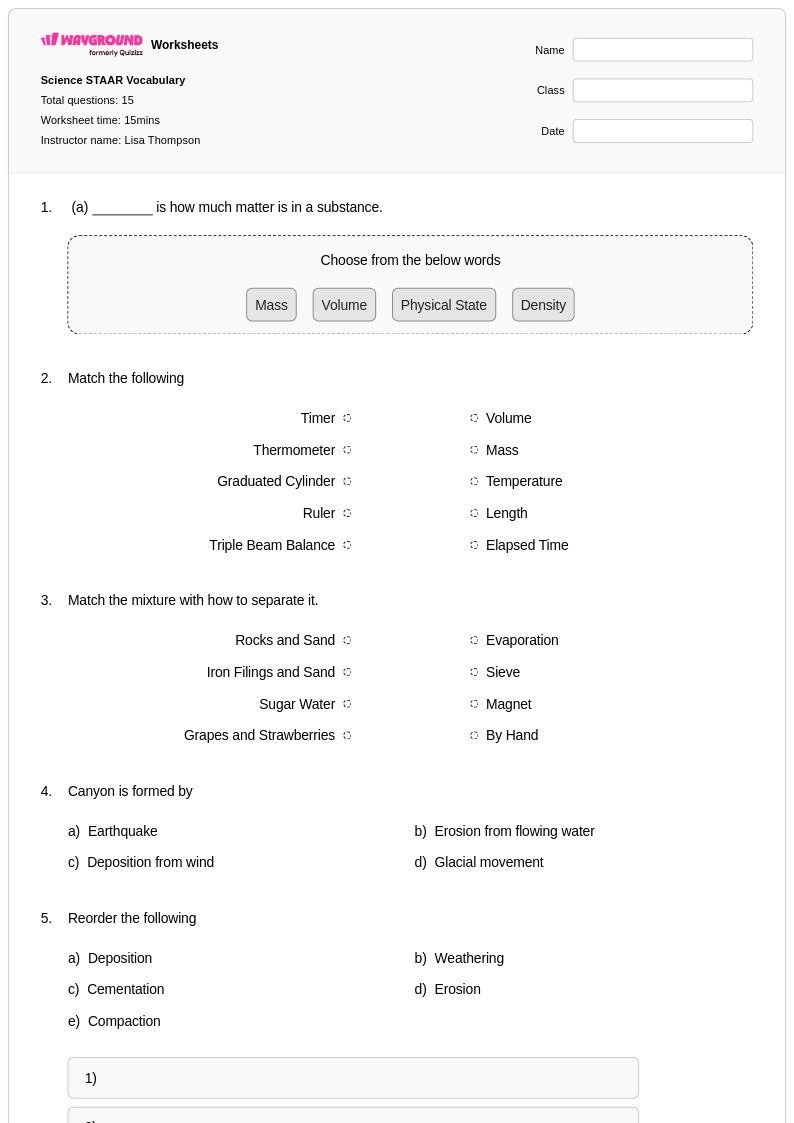
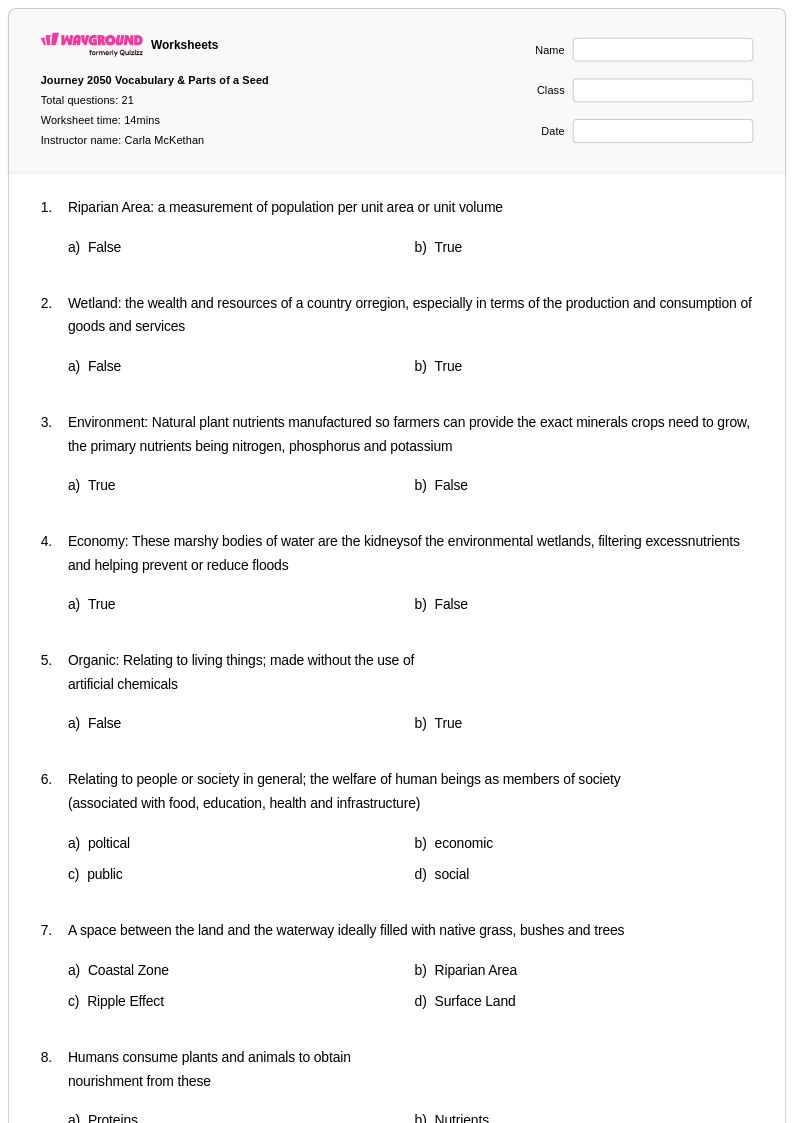
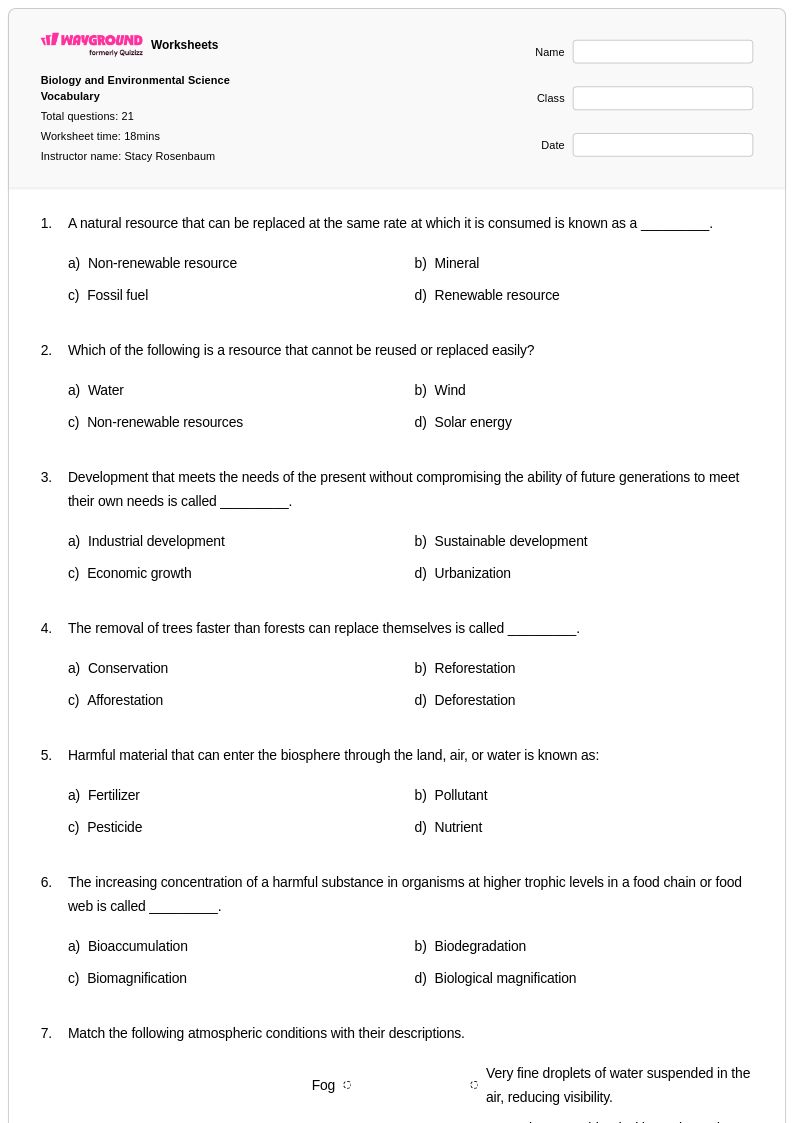
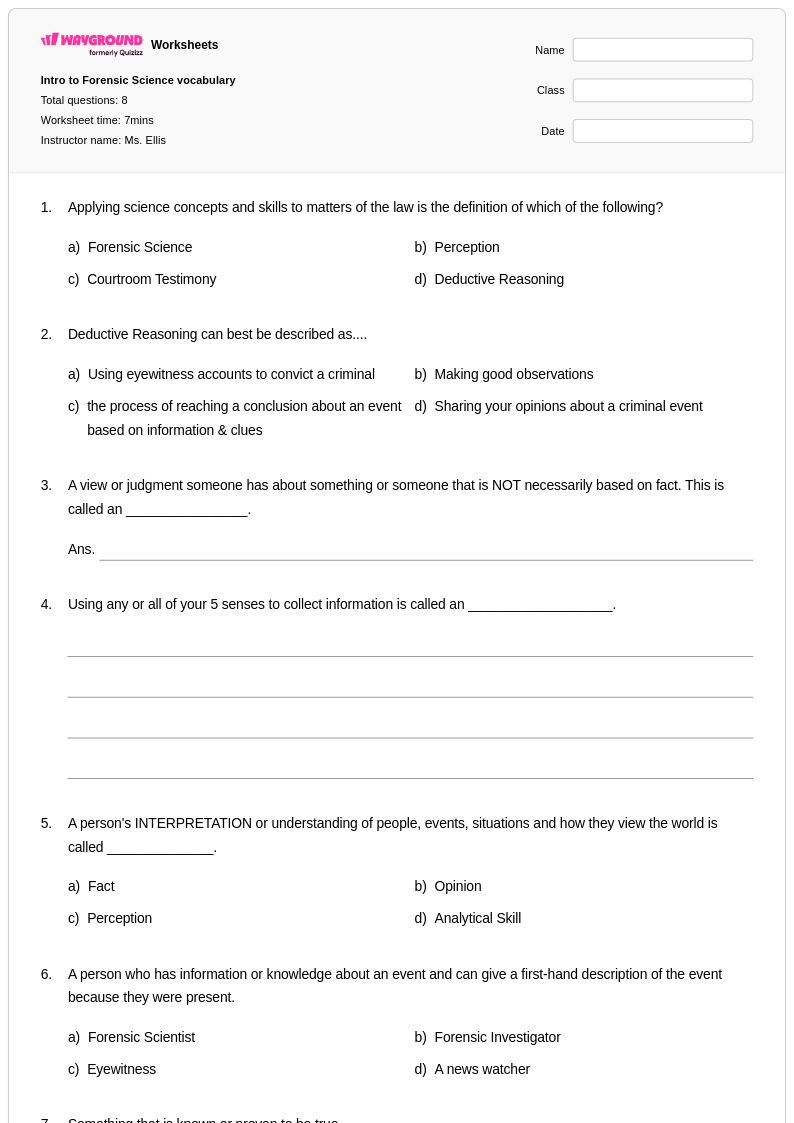
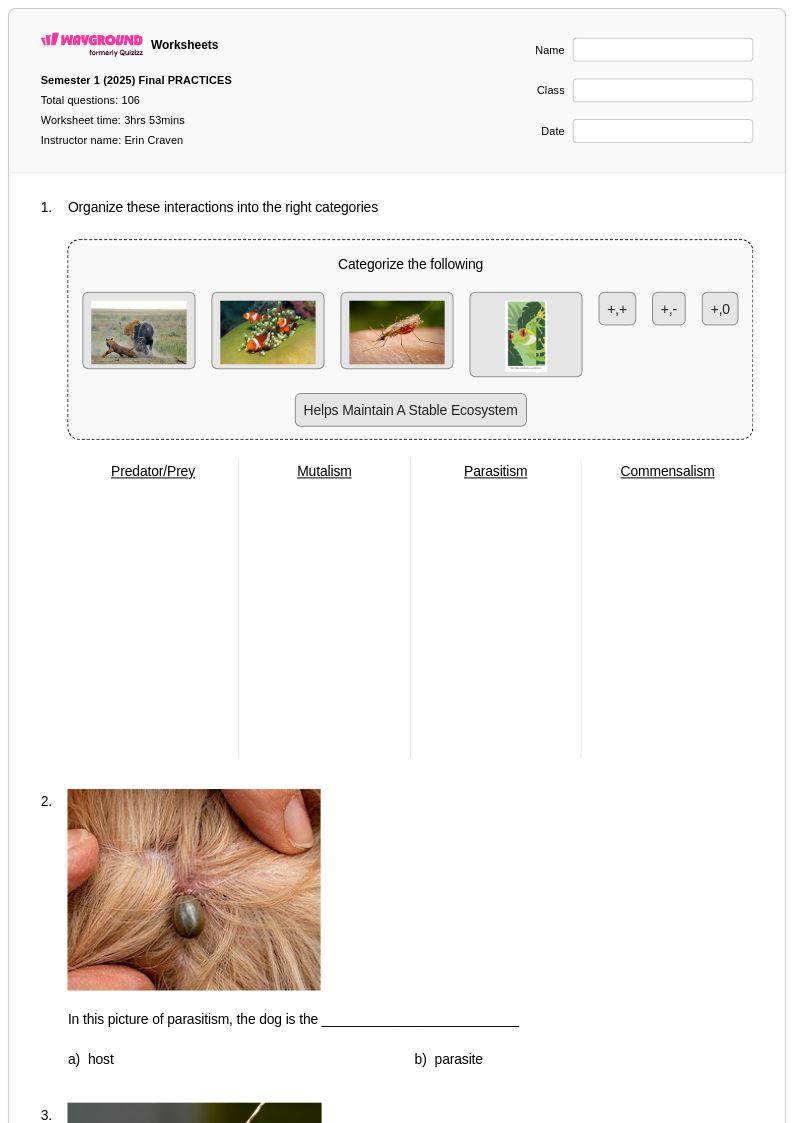
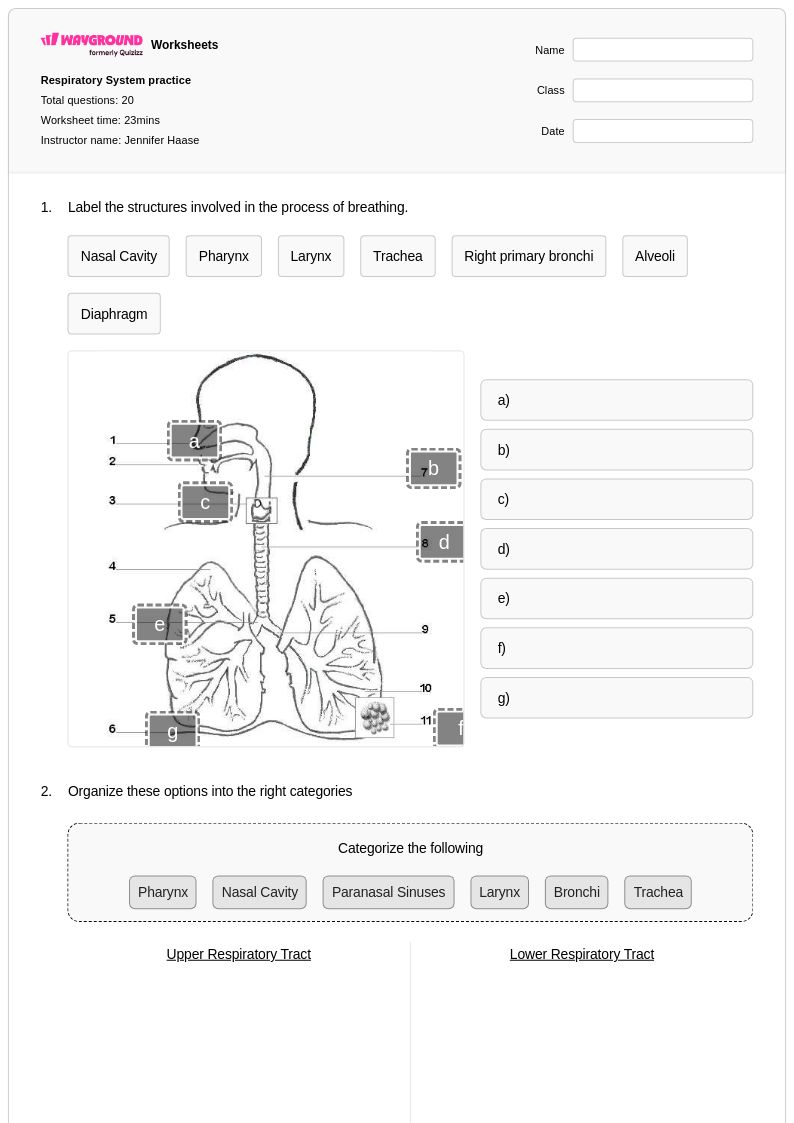
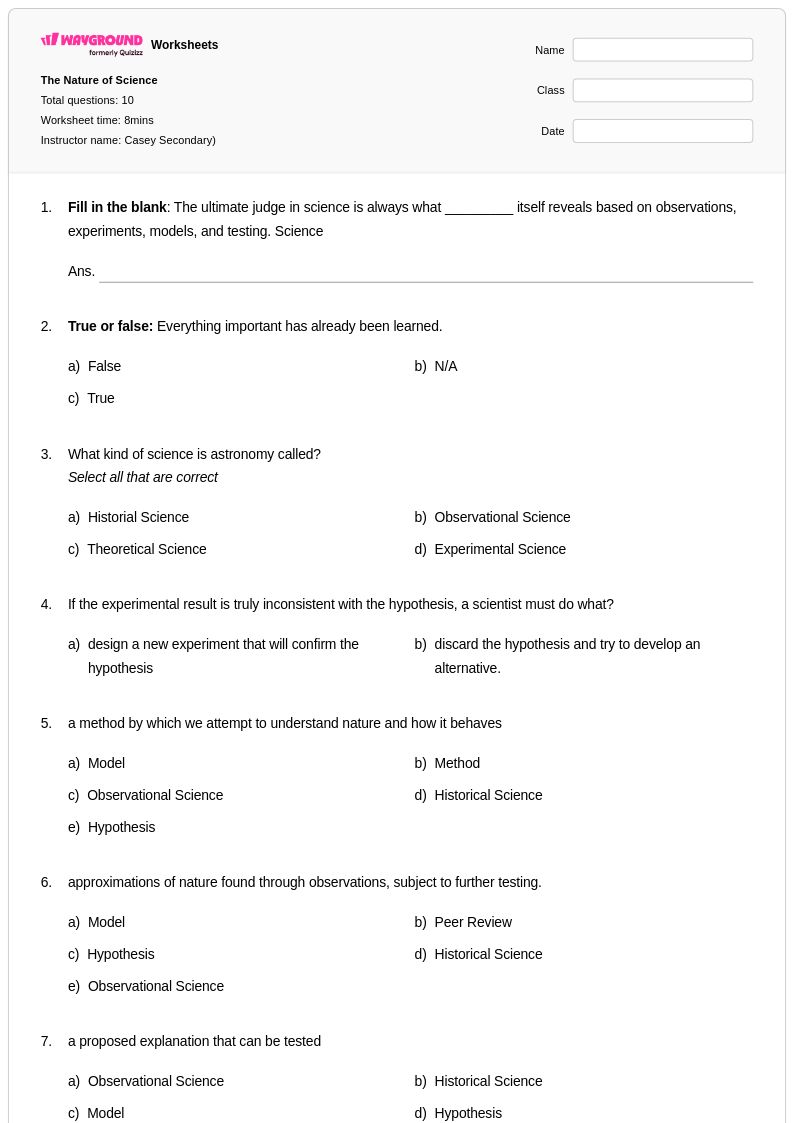
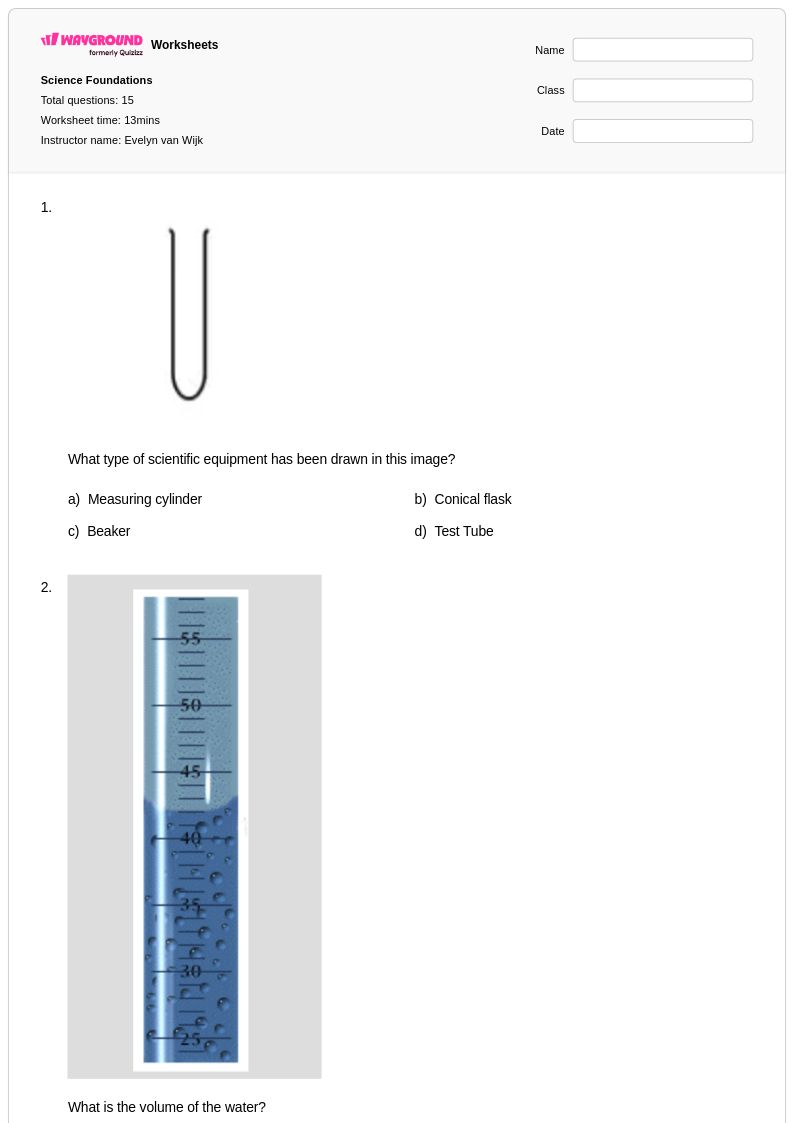
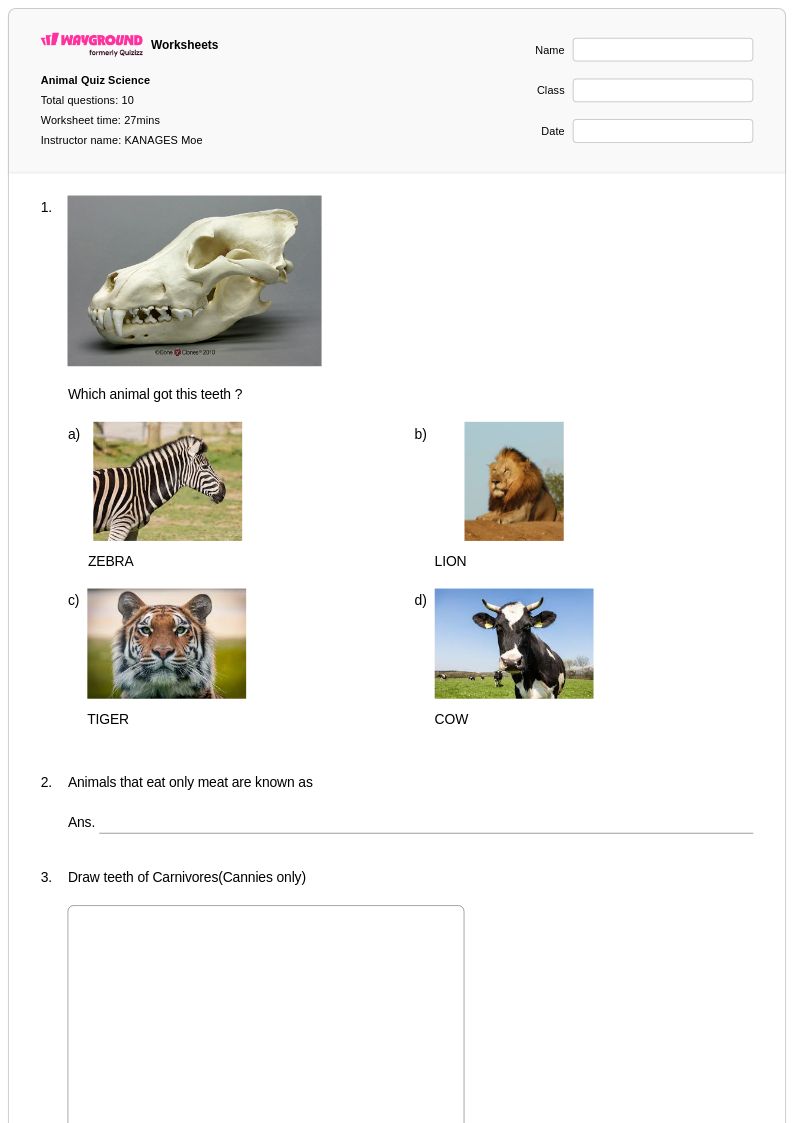
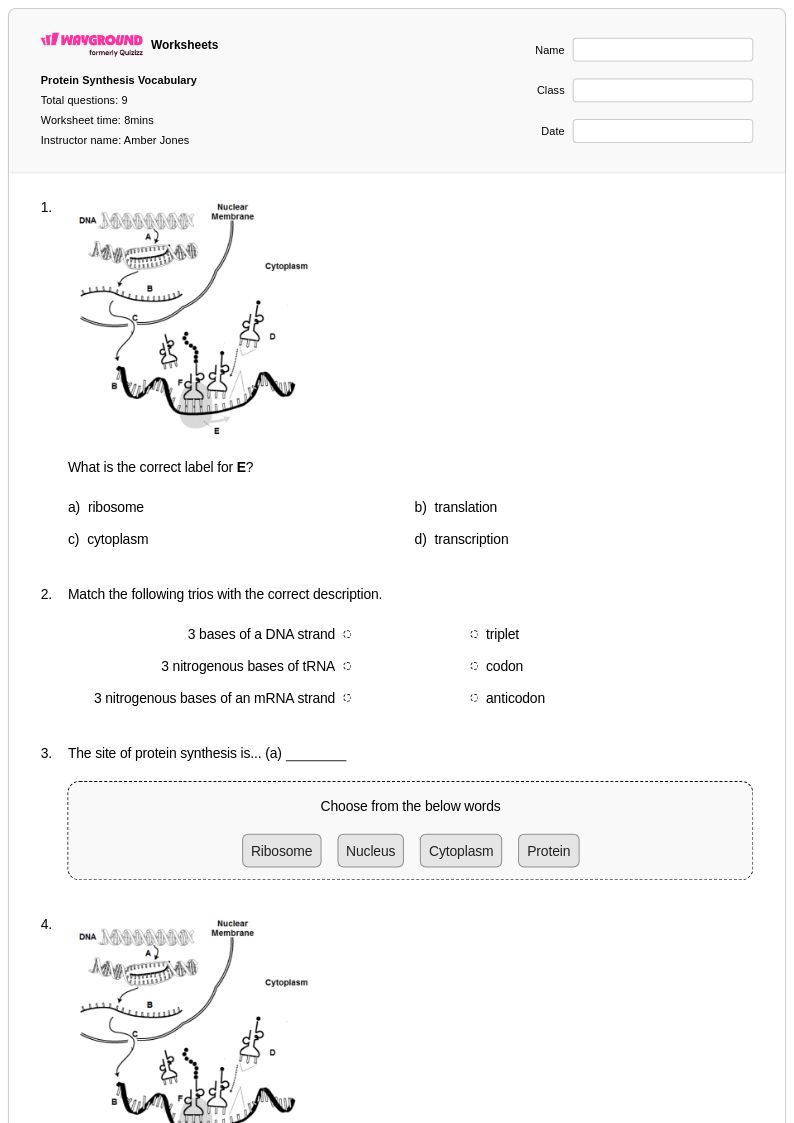
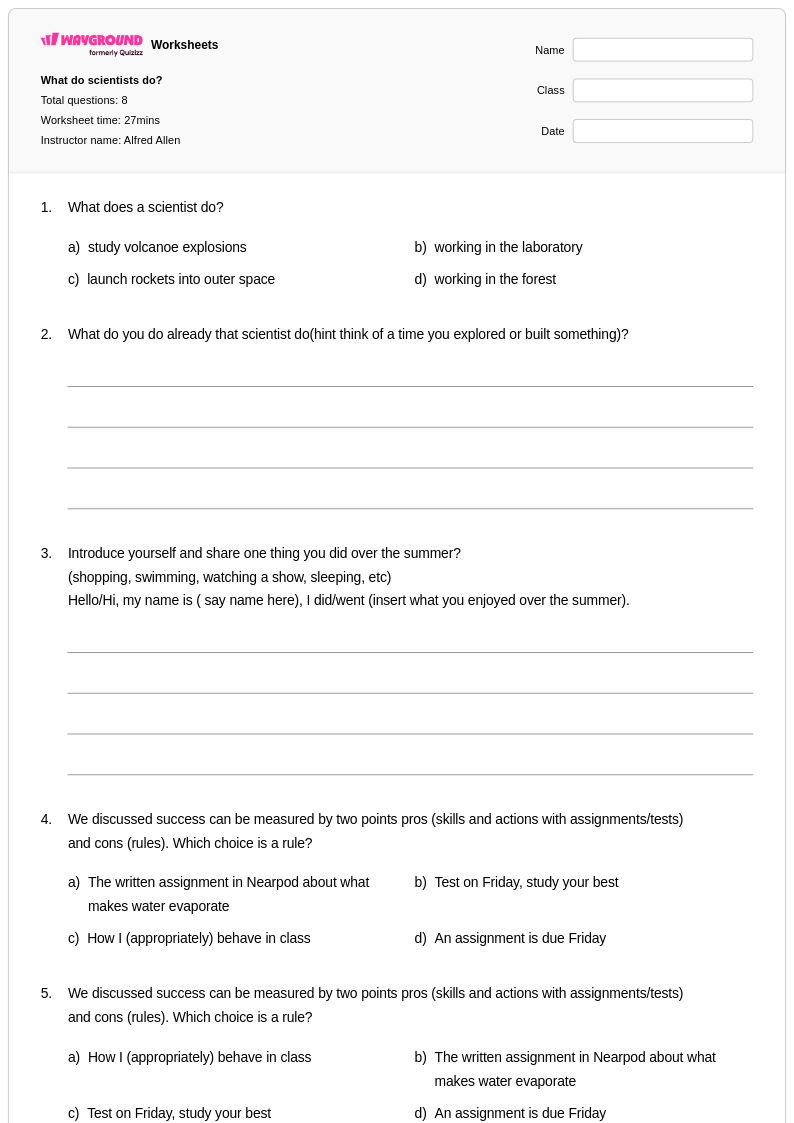
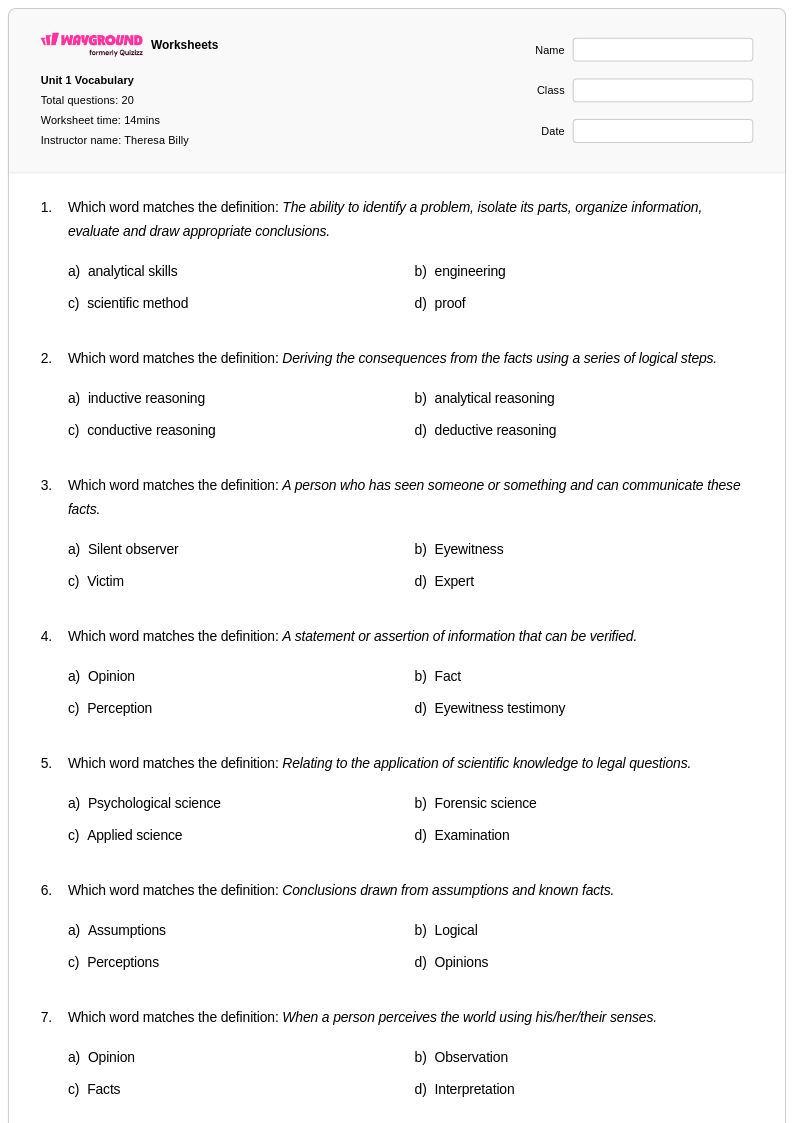
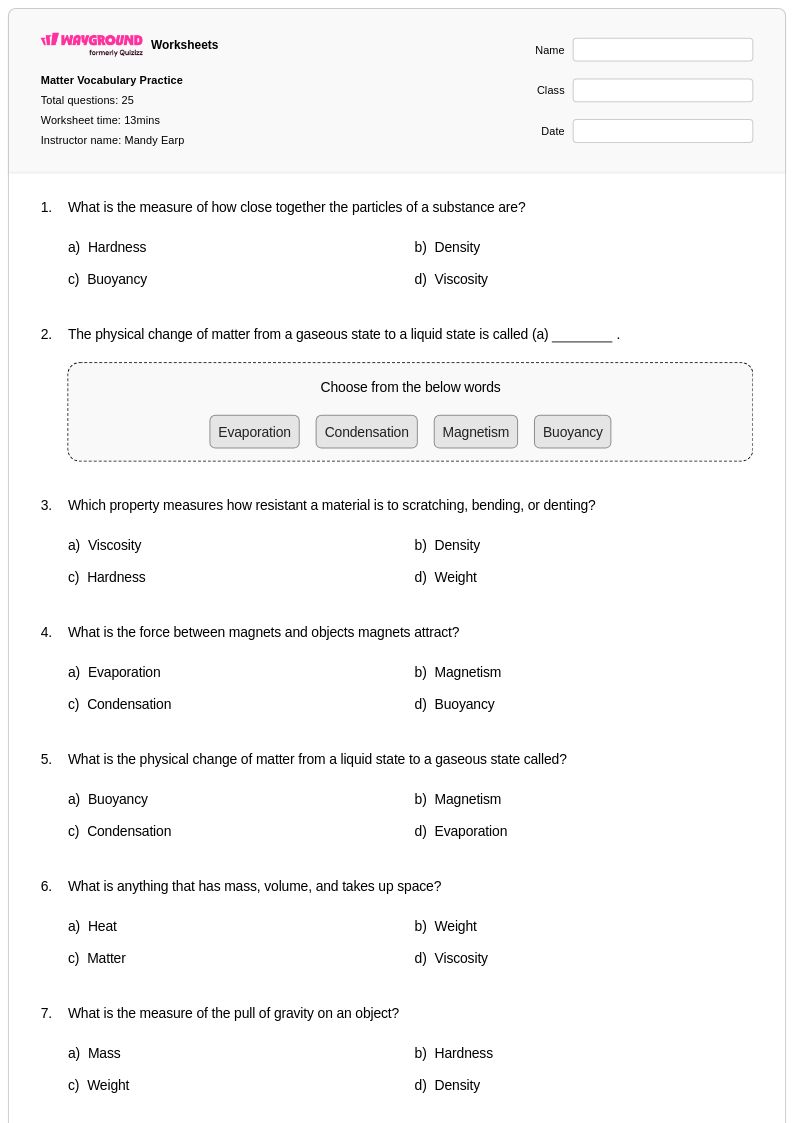
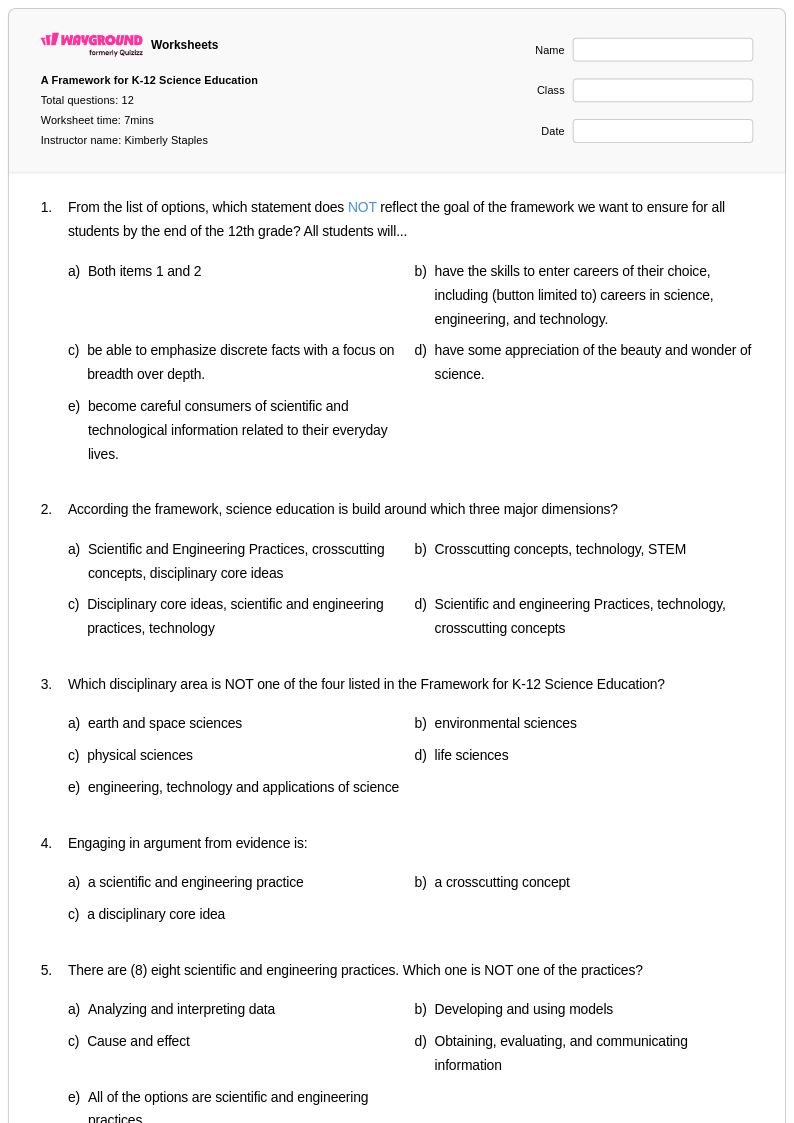
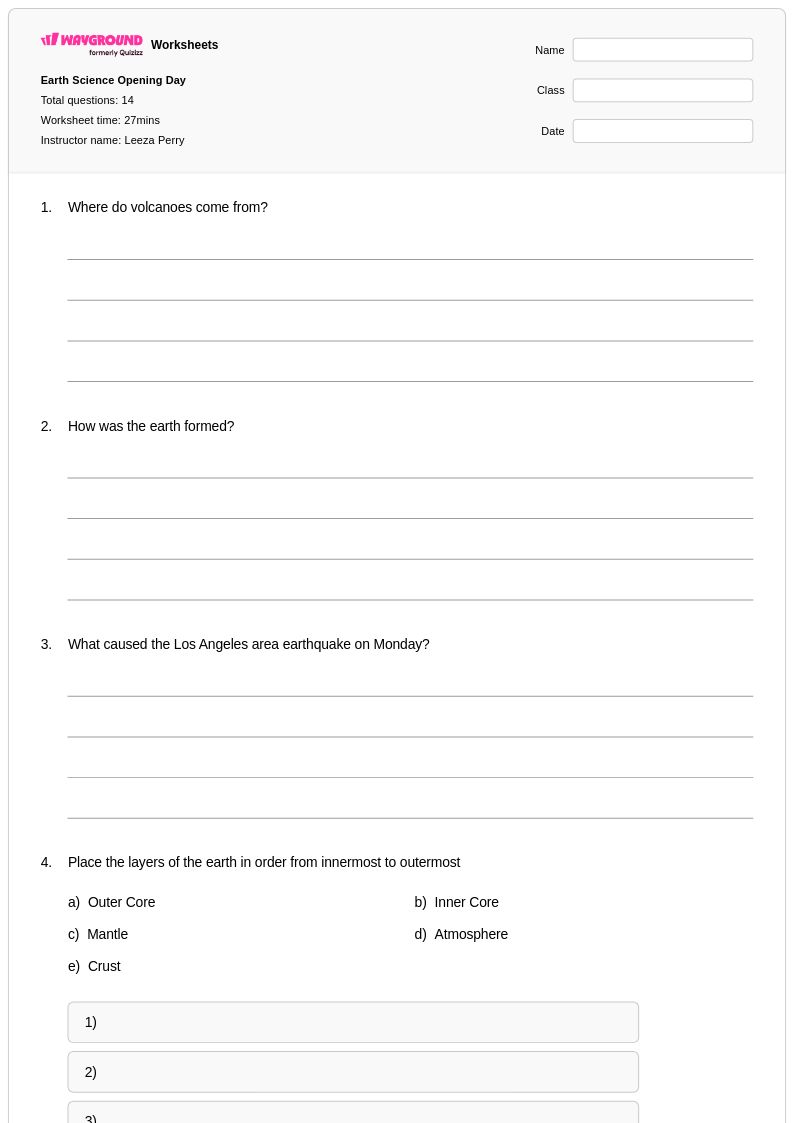
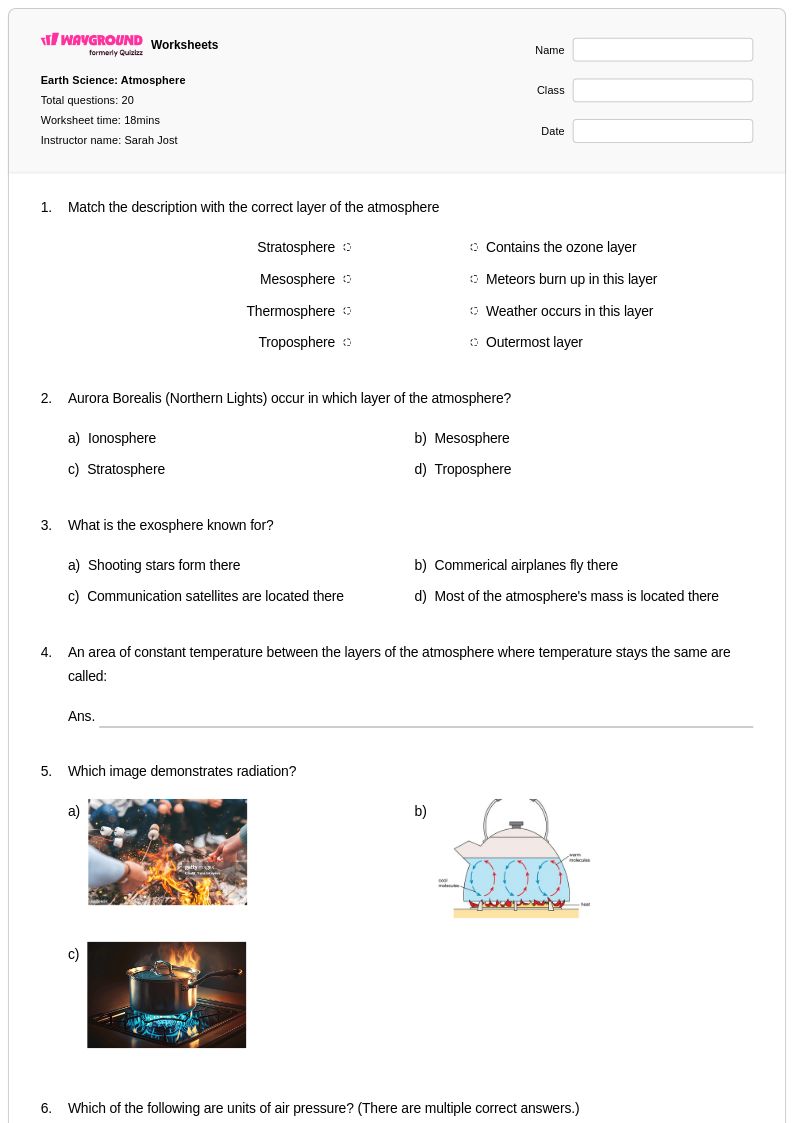
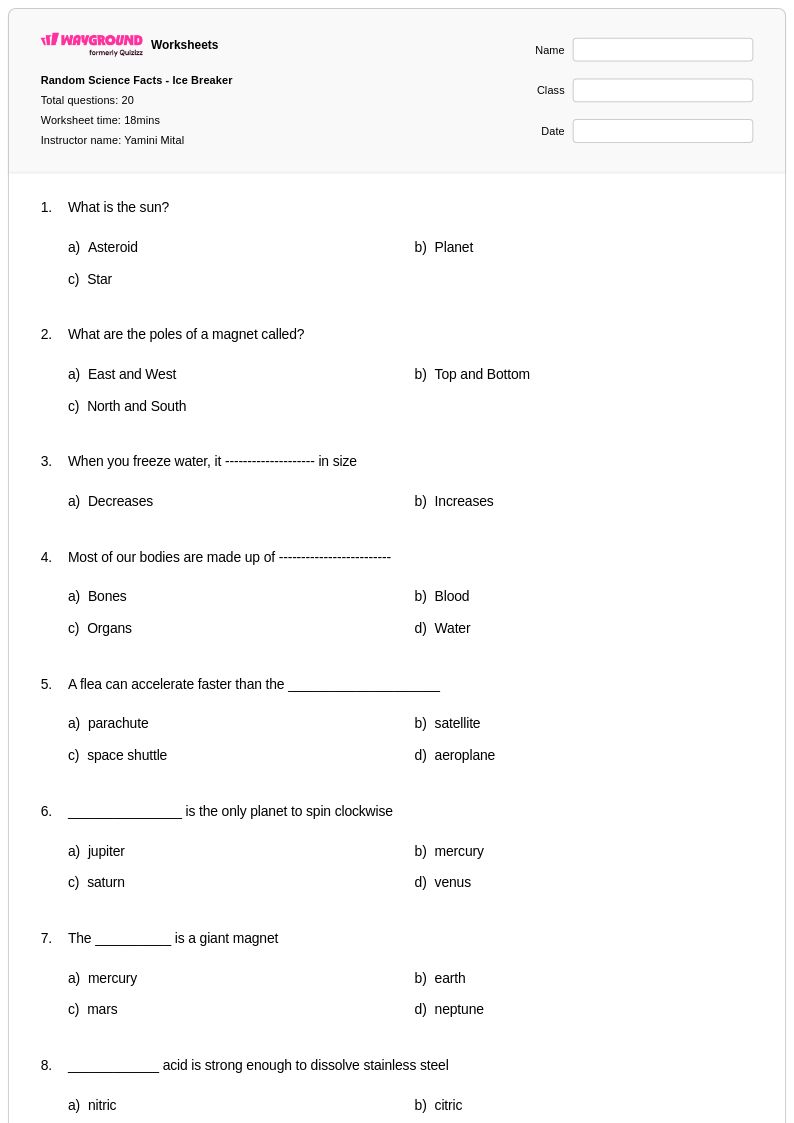
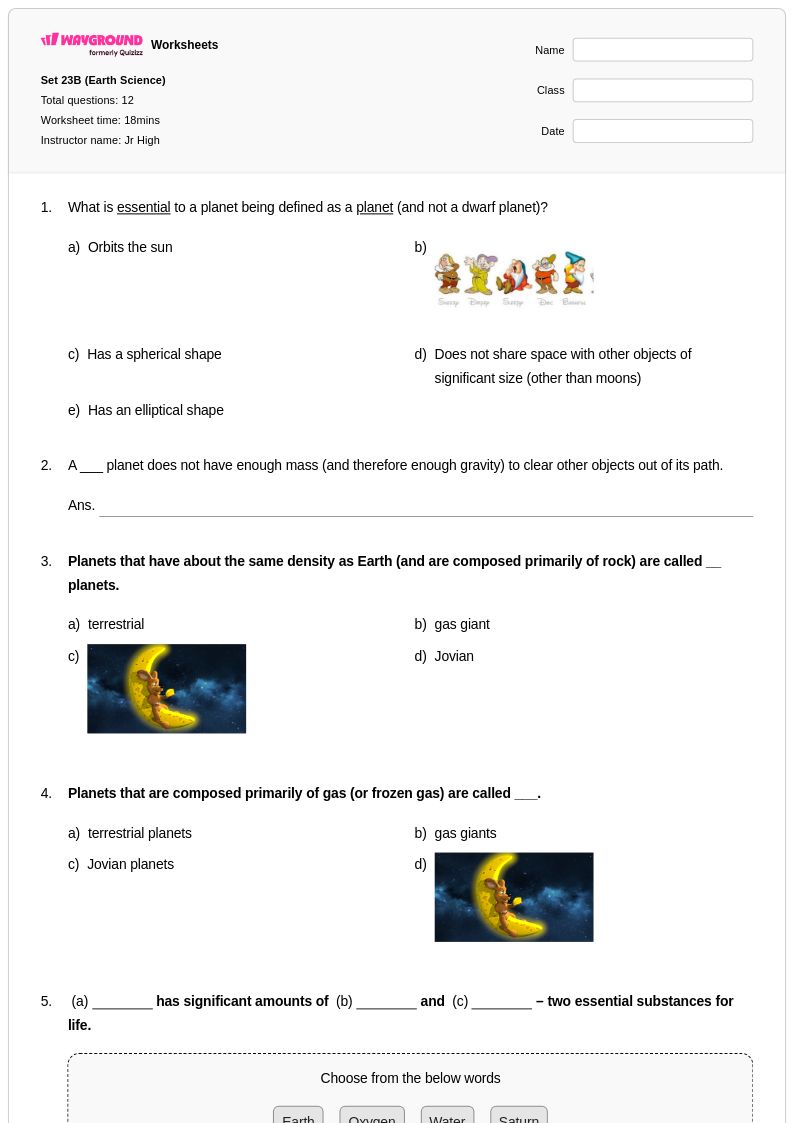
Science Practices Vocabulary worksheets for Class 11 students available through Wayground (formerly Quizizz) provide comprehensive coverage of essential scientific terminology and methodologies that form the foundation of advanced scientific inquiry. These carefully designed resources strengthen students' understanding of key concepts such as hypothesis formation, experimental design, data analysis, peer review, and scientific modeling while building fluency with specialized vocabulary including terms like independent variables, control groups, statistical significance, and scientific notation. The worksheets feature practice problems that challenge students to apply vocabulary in context, identify appropriate scientific practices for specific scenarios, and demonstrate mastery of terminology through various question formats, with each resource including a complete answer key and available as free printables in convenient PDF format.
Wayground's extensive collection draws from millions of teacher-created resources specifically focused on engineering and science practices vocabulary, offering educators powerful search and filtering capabilities to locate materials perfectly aligned with Class 11 standards and learning objectives. The platform's sophisticated differentiation tools enable teachers to customize worksheets based on individual student needs, whether for remediation of foundational vocabulary concepts or enrichment activities that challenge advanced learners to apply scientific terminology in complex scenarios. These resources are available in both printable and digital formats, allowing seamless integration into classroom instruction, homework assignments, or independent study sessions, while the comprehensive PDF library ensures teachers can efficiently plan vocabulary instruction that builds the critical communication skills students need for success in advanced science coursework and laboratory work.
FAQs
How do I teach science practices vocabulary effectively in the classroom?
Effective science practices vocabulary instruction goes beyond memorizing definitions — students need repeated exposure to terms like hypothesis, variable, data analysis, and experimental design within authentic scientific contexts. Teachers can build fluency by embedding vocabulary into lab activities, having students annotate procedure steps with precise terminology, and requiring scientific language in written explanations. Structured vocabulary routines, such as Frayer models or concept maps, help students connect terms to their function in real scientific inquiry rather than treating them as isolated words.
What exercises help students practice science practices vocabulary?
Effective practice exercises require students to apply vocabulary in context rather than simply recall definitions. Worksheets that present experimental scenarios and ask students to identify the hypothesis, variables, or method of observation push students to use terms functionally. Fill-in exercises tied to data tables, short constructed-response questions asking students to explain procedures using scientific language, and error-analysis tasks where students identify imprecise vocabulary all build meaningful fluency with science practices terminology.
What mistakes do students commonly make when learning science practices vocabulary?
One of the most common misconceptions is conflating observation with inference — students frequently treat an interpretation of data as if it were a direct observation. Students also misuse the term 'hypothesis,' often writing a question or a guess rather than a testable, evidence-based prediction. Confusing independent and dependent variables is another persistent error, especially when students are reading or designing experiments for the first time. Targeted practice with experimental scenarios helps students self-correct these patterns over time.
How can I use science practices vocabulary worksheets to support students who are struggling?
For students who struggle with scientific terminology, scaffolded worksheets that pair vocabulary terms with contextual sentence frames or visual diagrams can reduce cognitive overload while still expecting academic language. On Wayground, teachers can apply individual accommodations such as read-aloud support, which provides audio reading of questions for students who need it, and reduced answer choices to decrease the number of options a student sees at once. Extended time settings can also be configured per student, ensuring struggling learners have equitable access without disrupting pacing for the rest of the class.
How do I use Wayground's science practices vocabulary worksheets in my class?
Wayground's science practices vocabulary worksheets are available as printable PDFs for traditional classroom use and in digital formats for technology-integrated environments, giving teachers flexibility for in-class instruction, homework, and independent study. Teachers can also host the worksheets directly as a quiz on Wayground, allowing for real-time participation and automatic answer checking. Each worksheet includes a complete answer key, making it straightforward to use for practice, review, or formative assessment without additional preparation.
How do I align science practices vocabulary instruction to curriculum standards?
Science practices vocabulary is foundational to standards across major frameworks, including NGSS, where students are expected to engage in practices such as planning and carrying out investigations, analyzing data, and constructing explanations — all of which require precise scientific language. When selecting worksheets, teachers should filter by the specific practice strand they are addressing, such as experimental design or data interpretation, to ensure vocabulary instruction directly supports the standard being taught. Aligning vocabulary work to a specific practice strand also helps students see terminology as purposeful rather than peripheral.