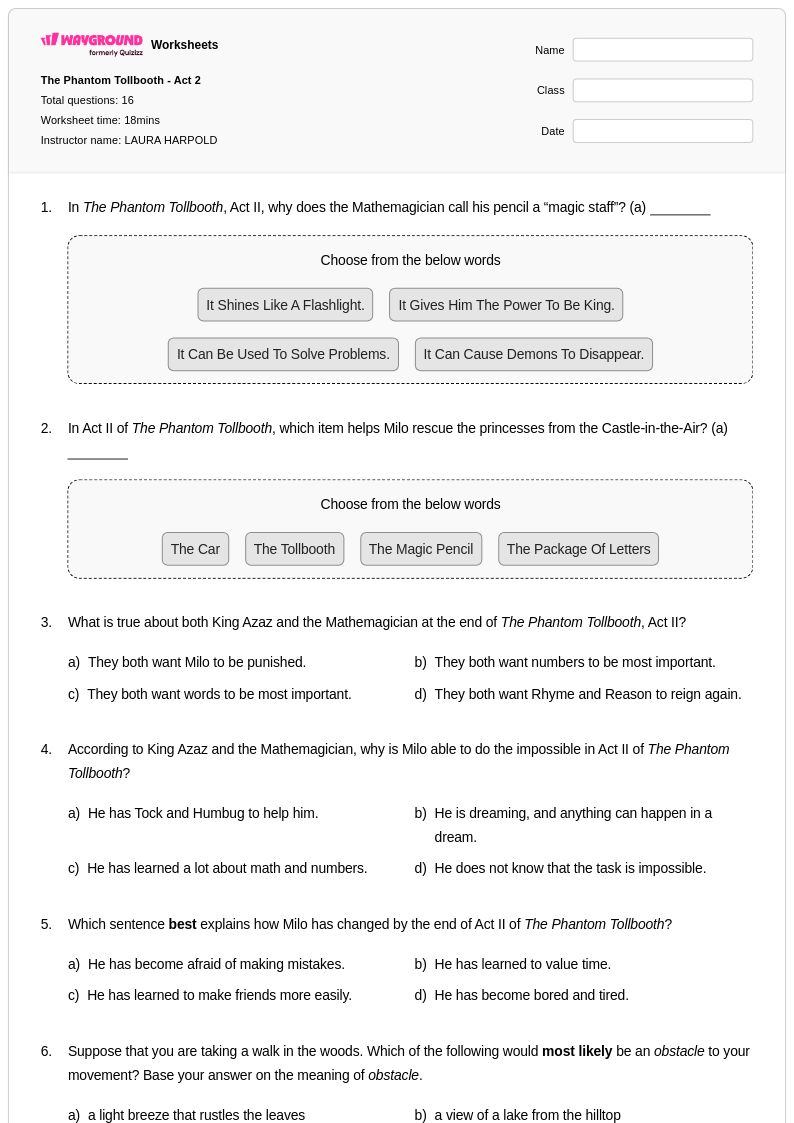
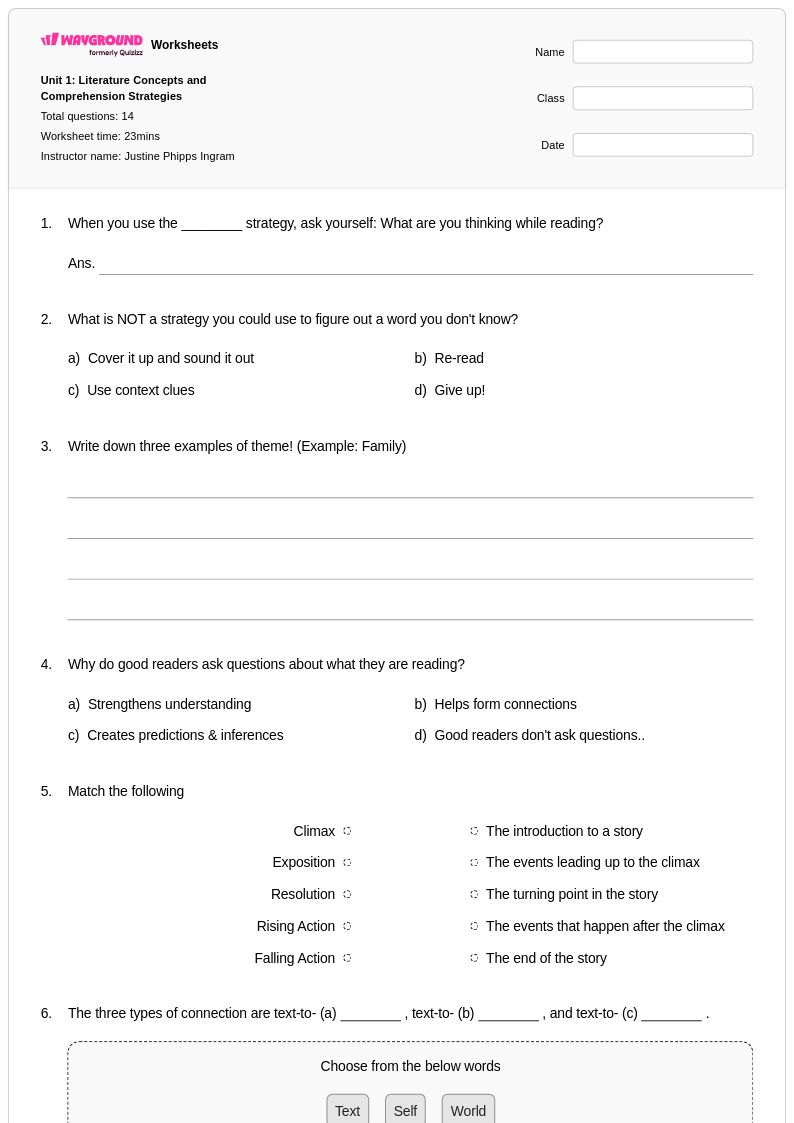
Discover free sentence comprehension worksheets and printables from Wayground that help students master essential reading skills through engaging practice problems and comprehensive answer keys.
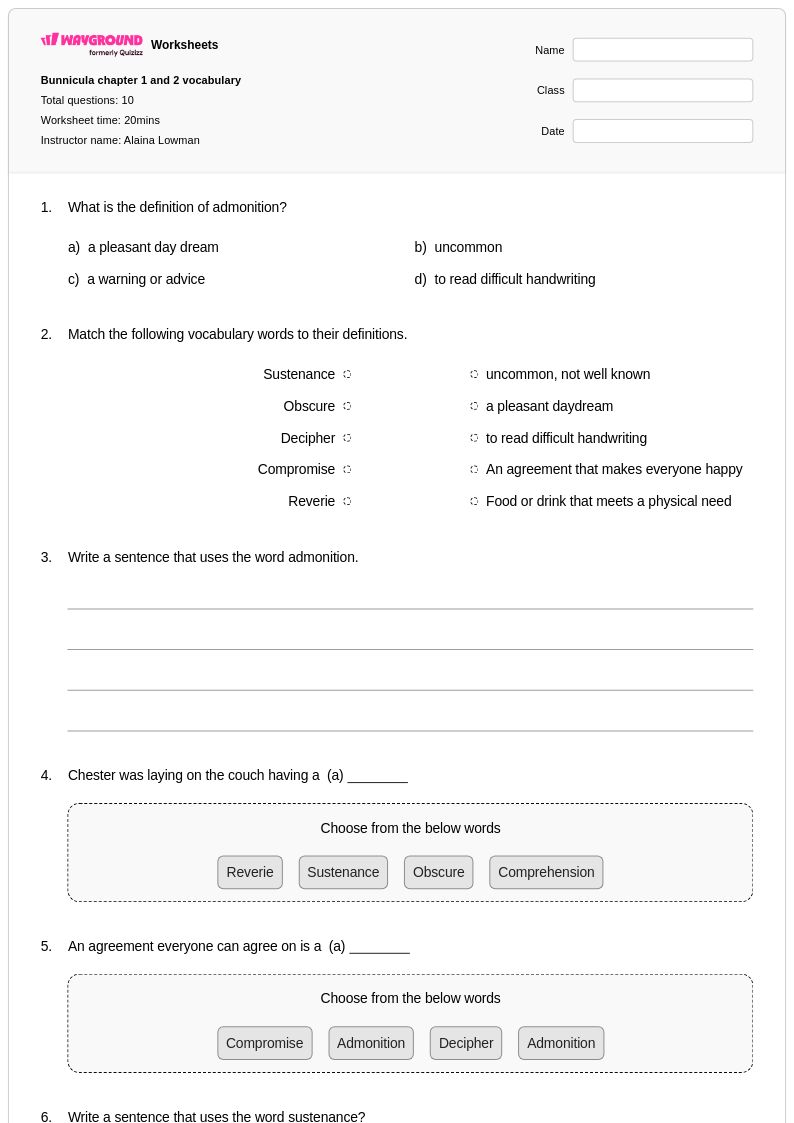
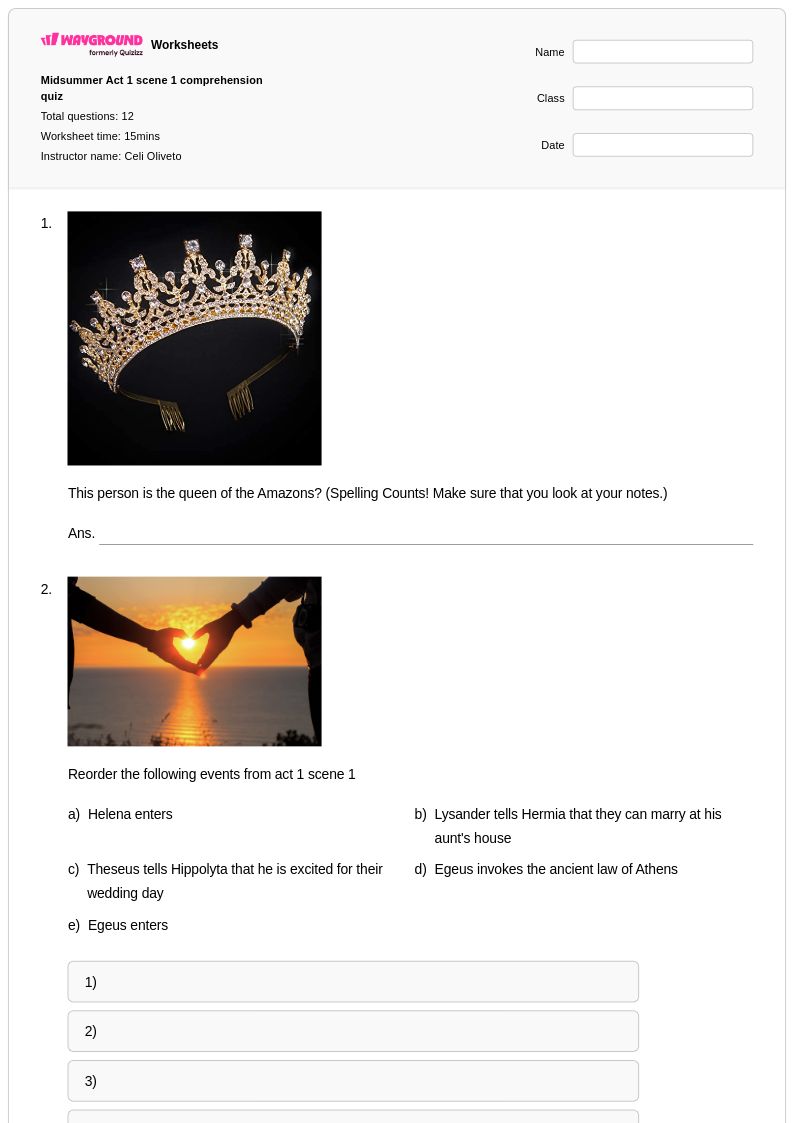
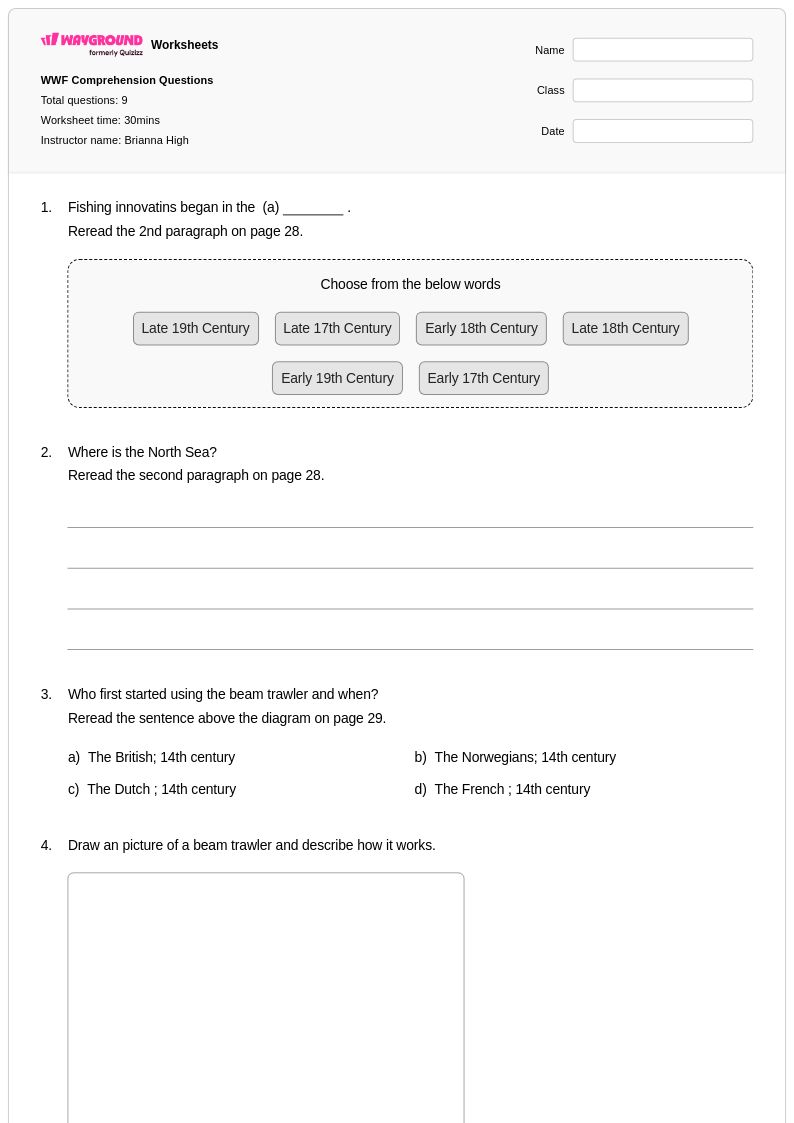
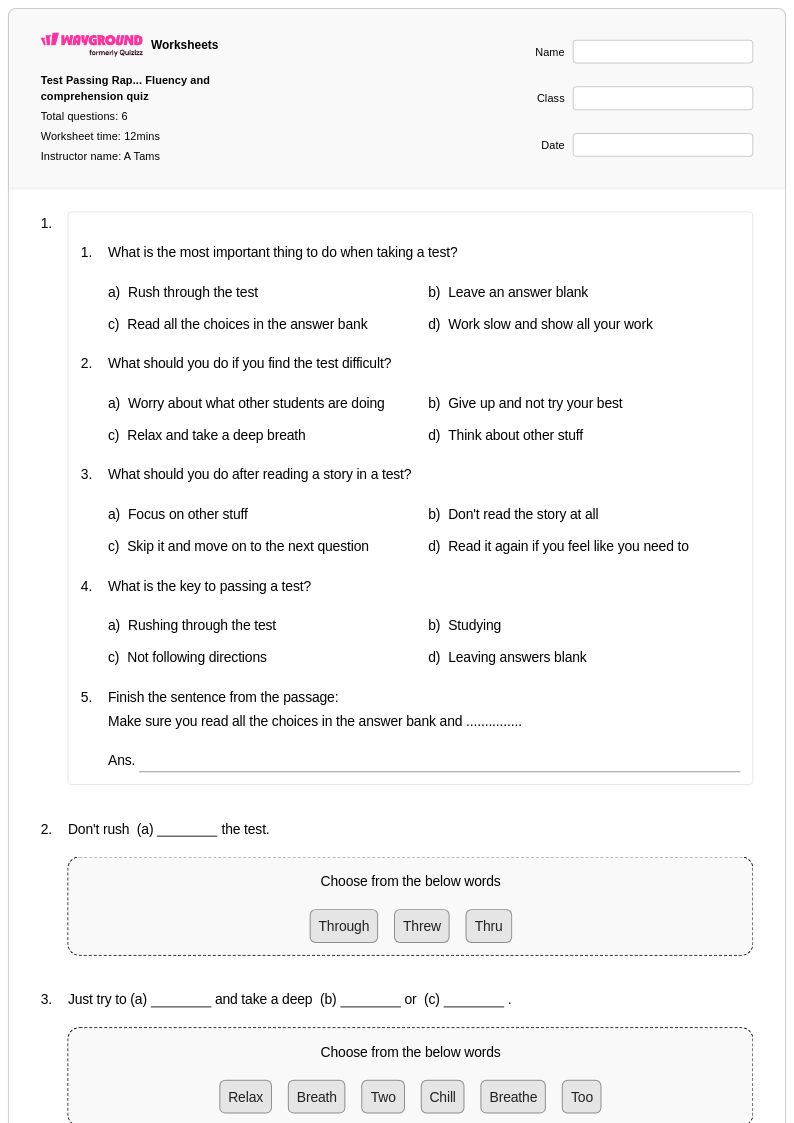
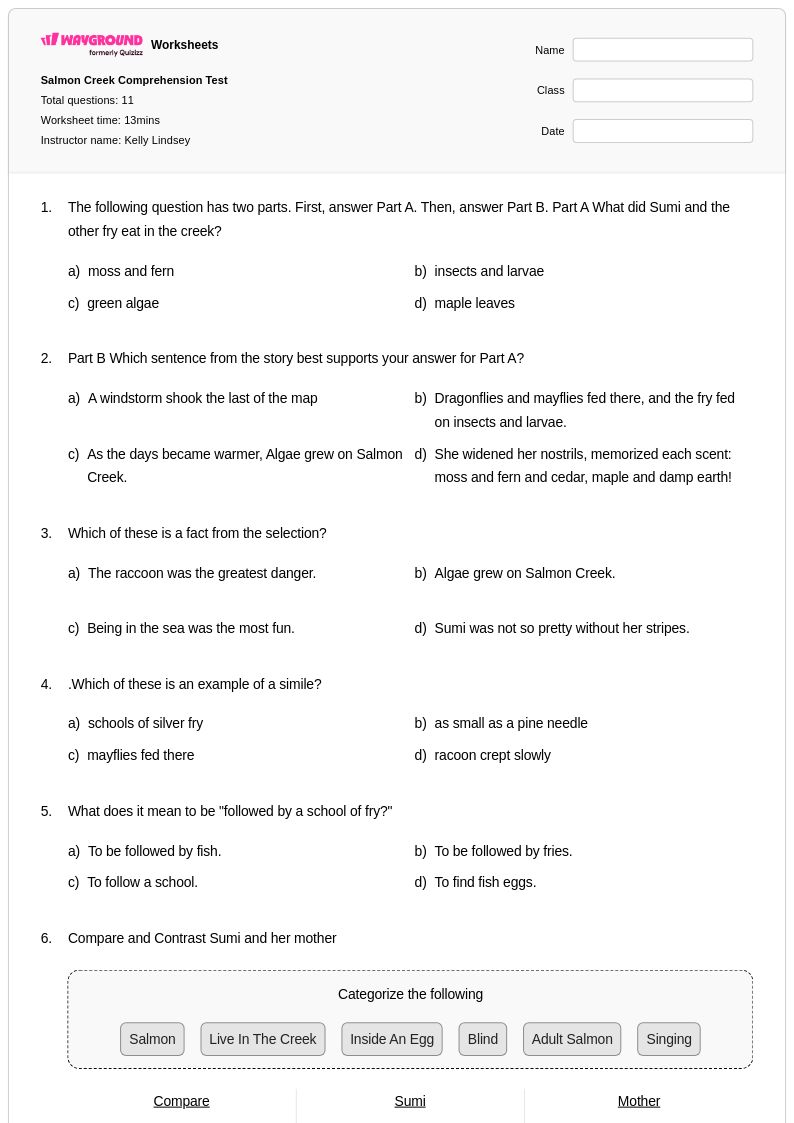
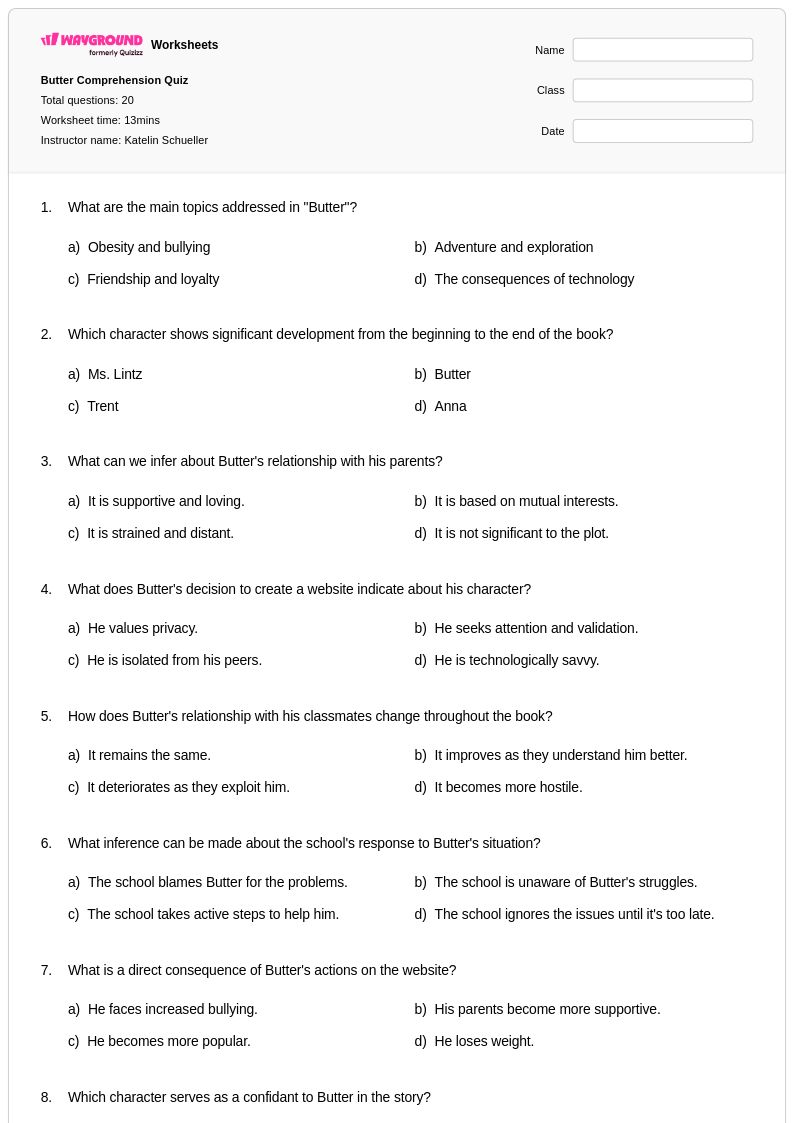
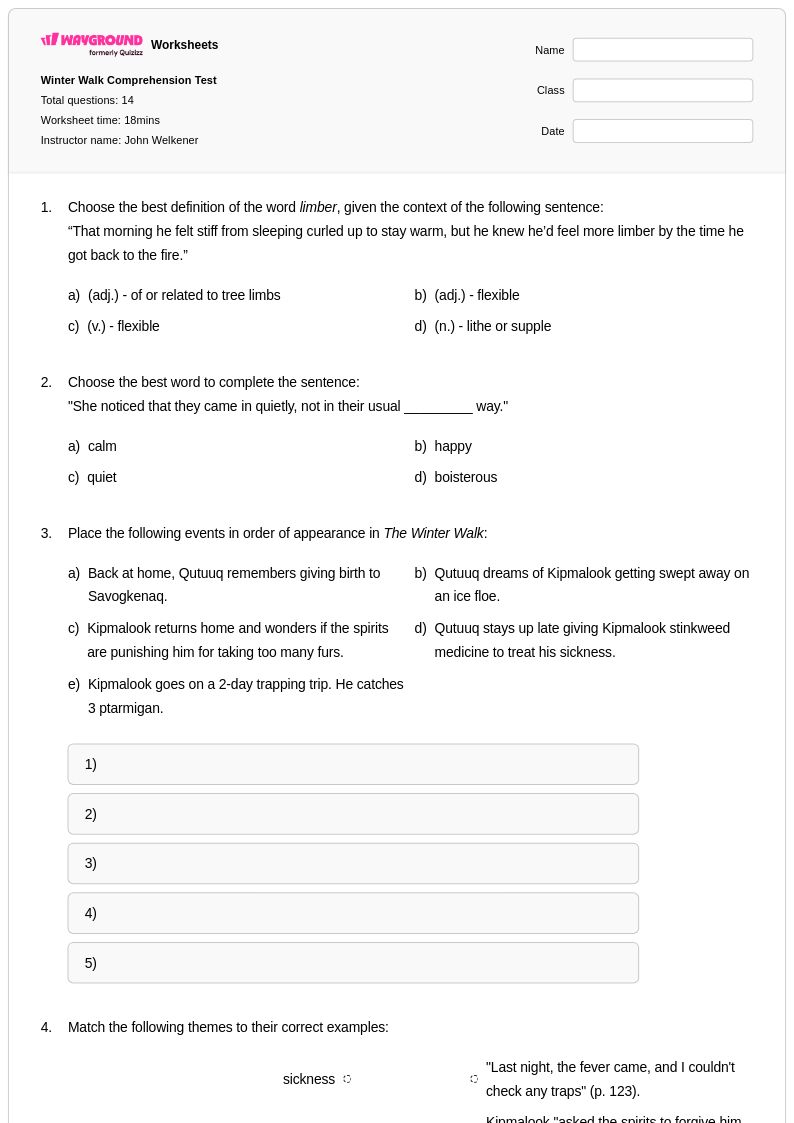
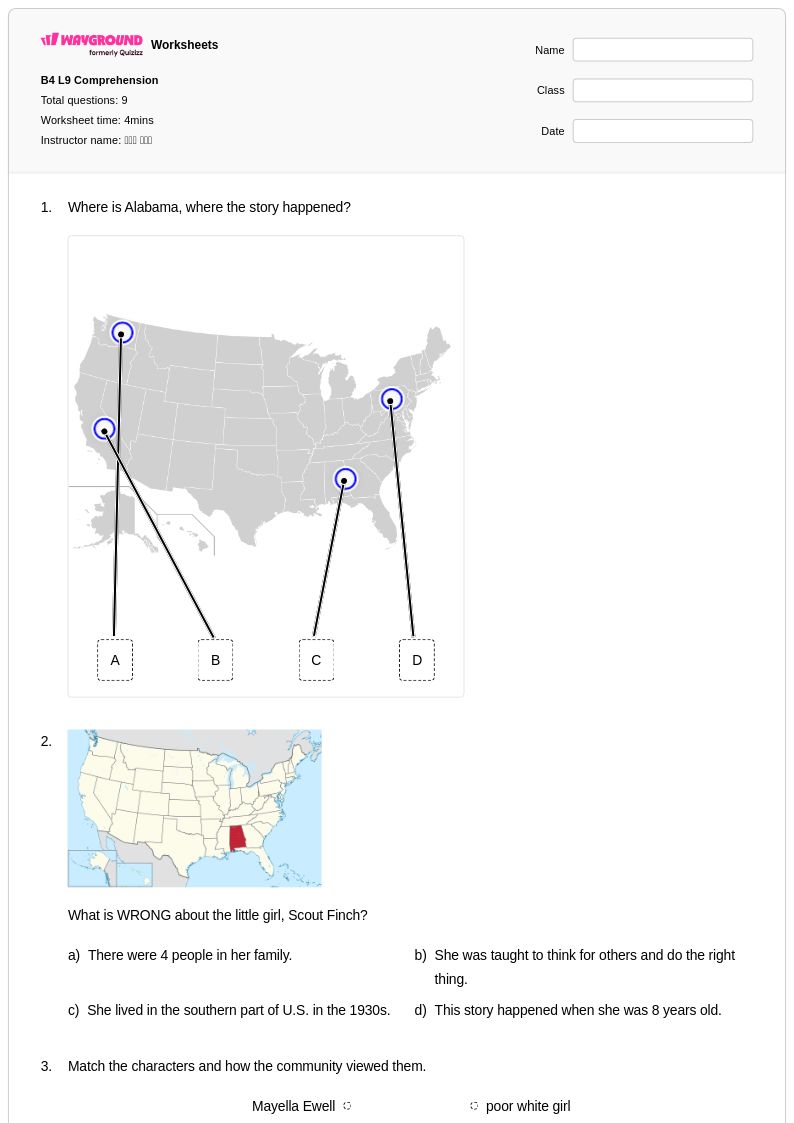
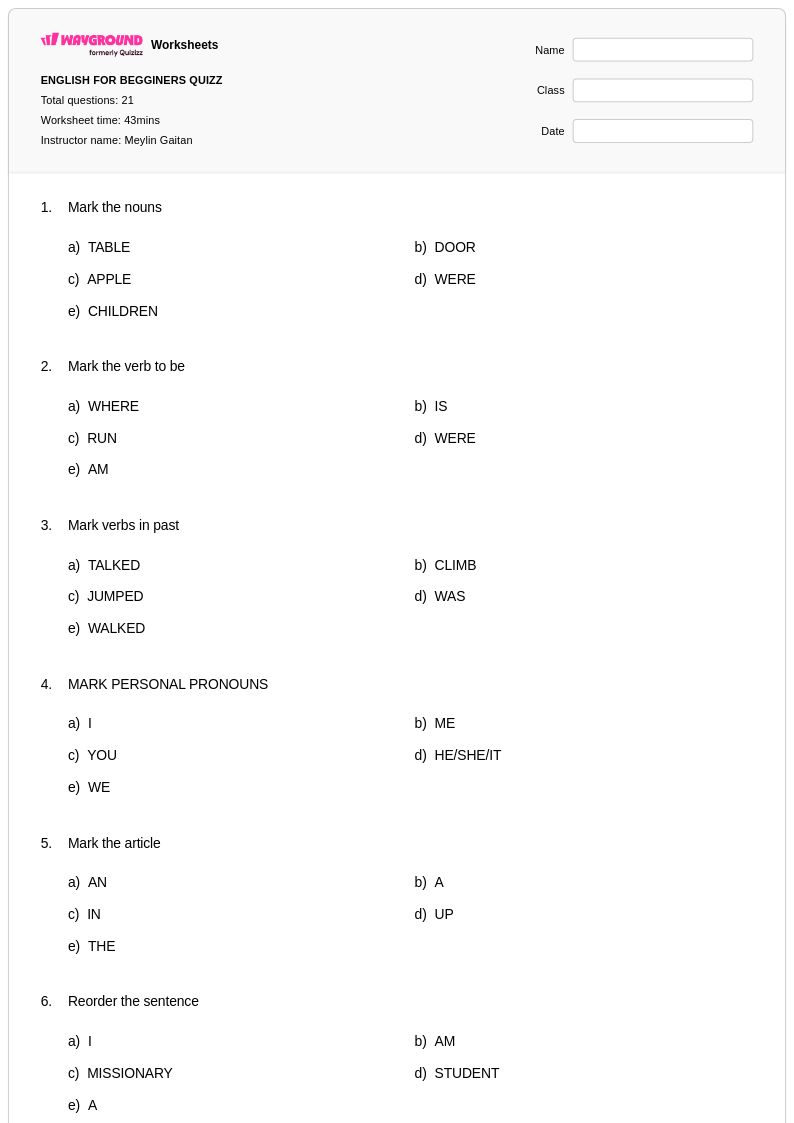
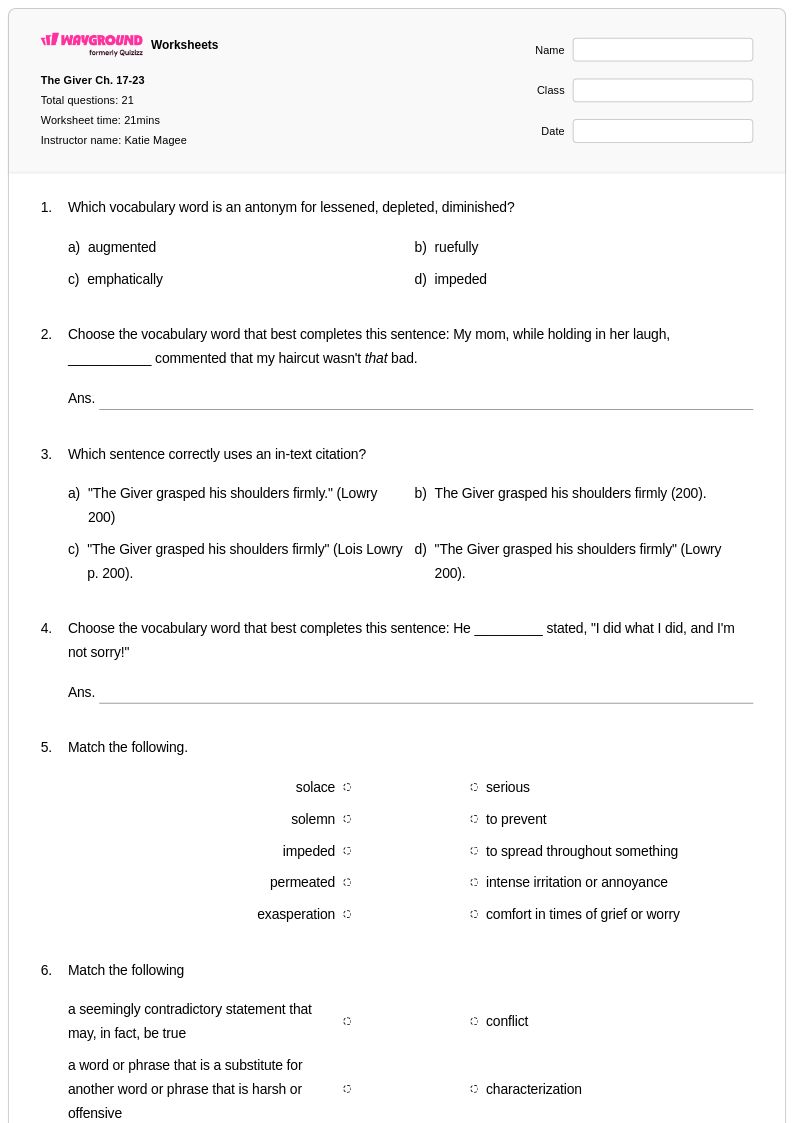
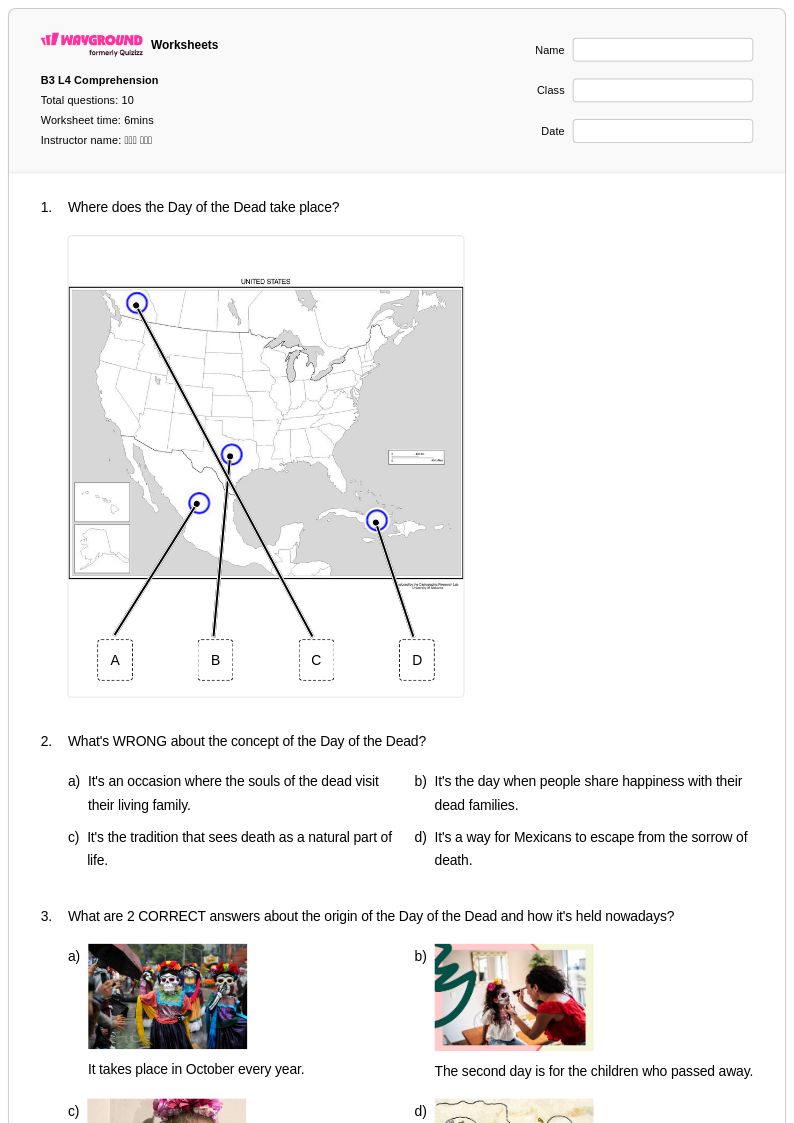
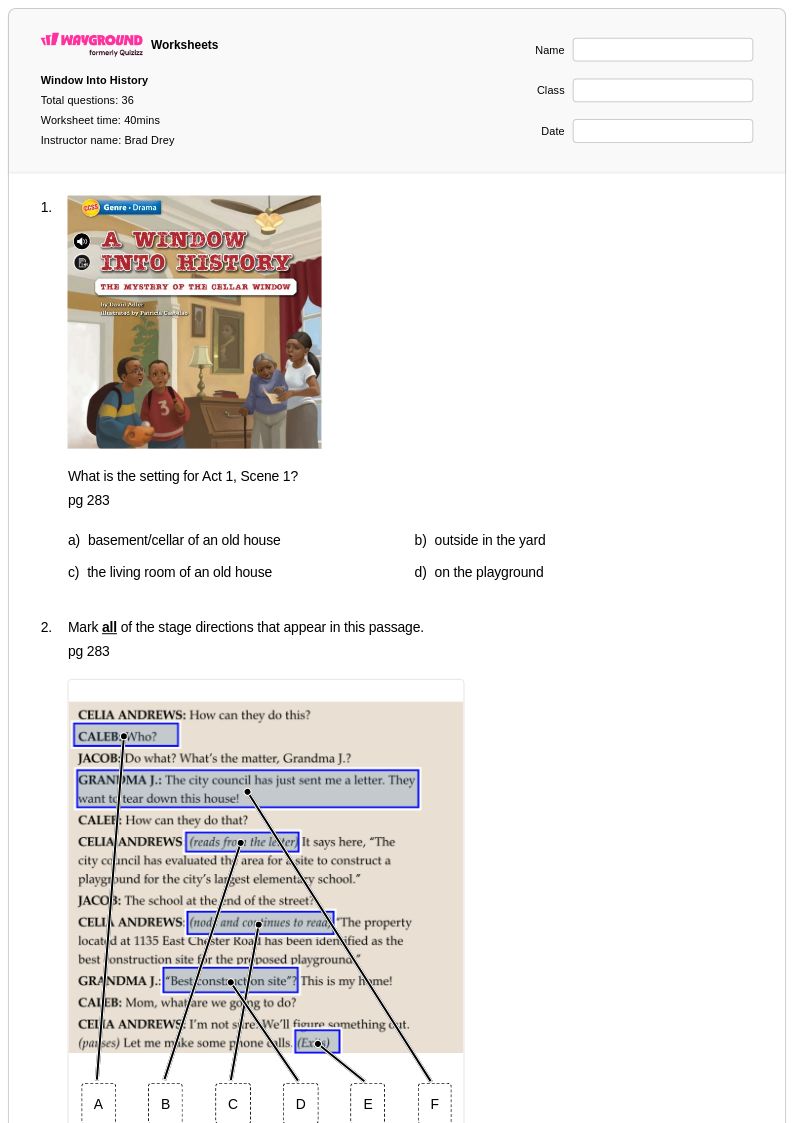
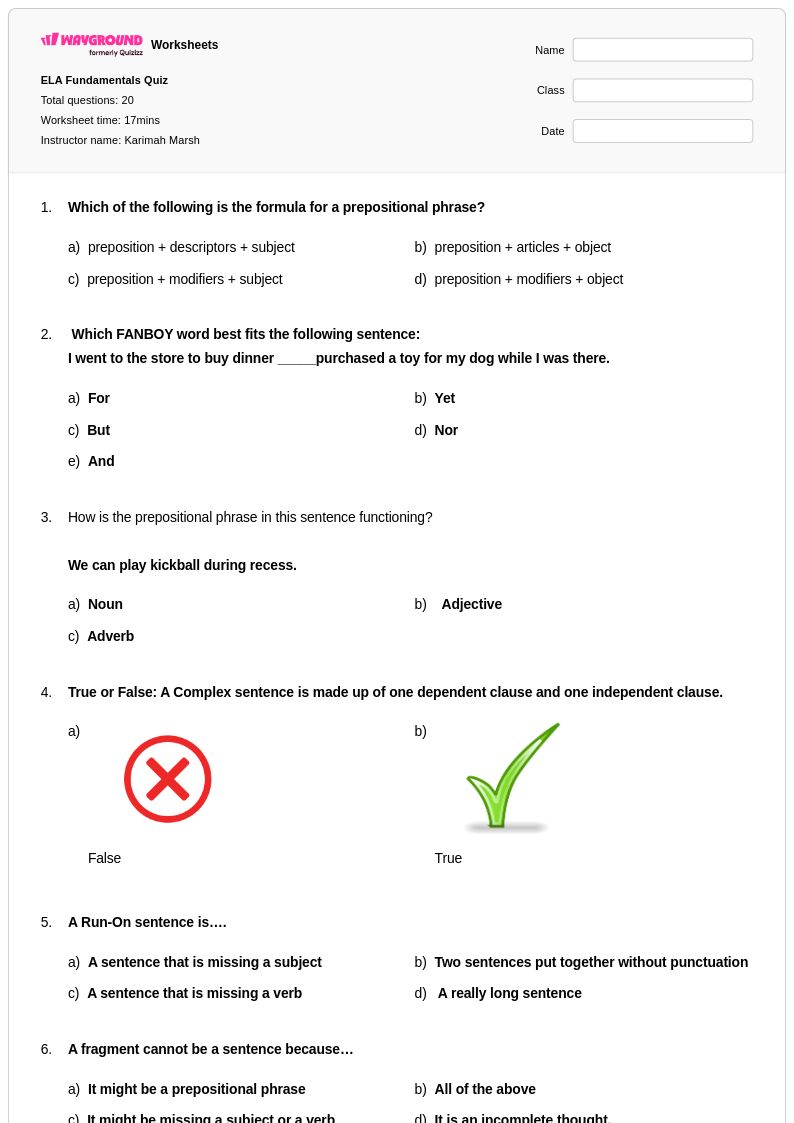
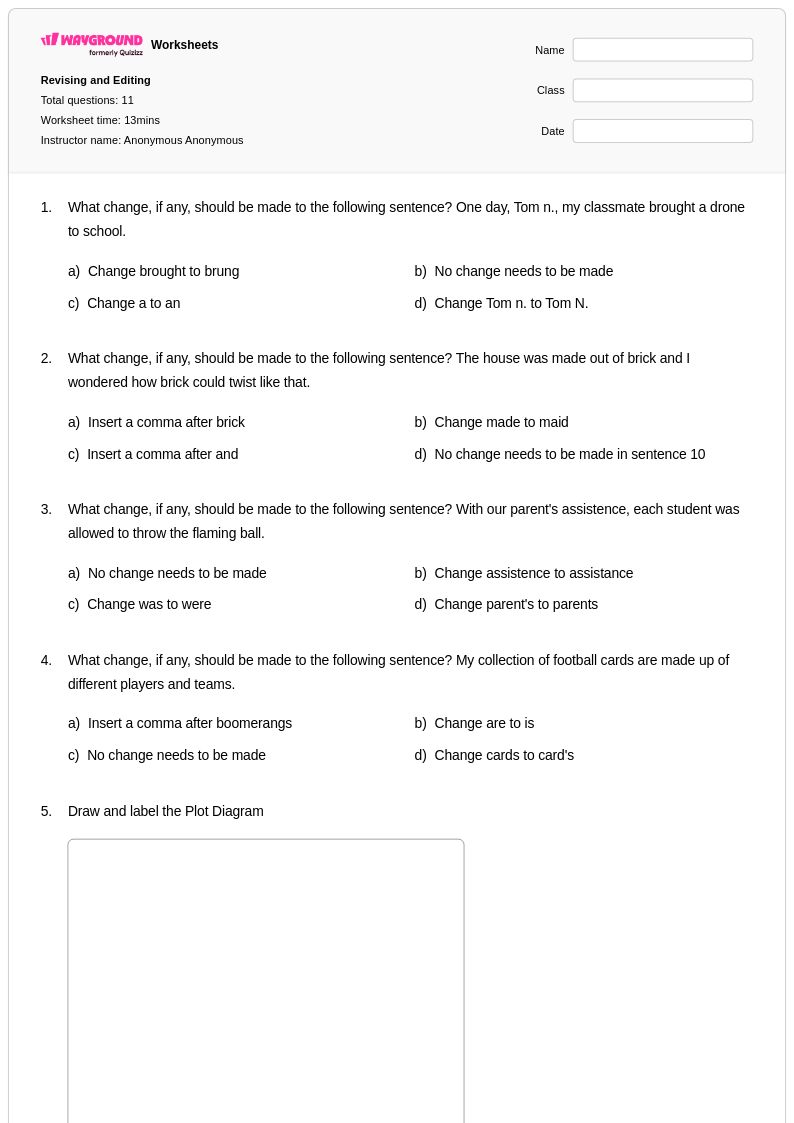
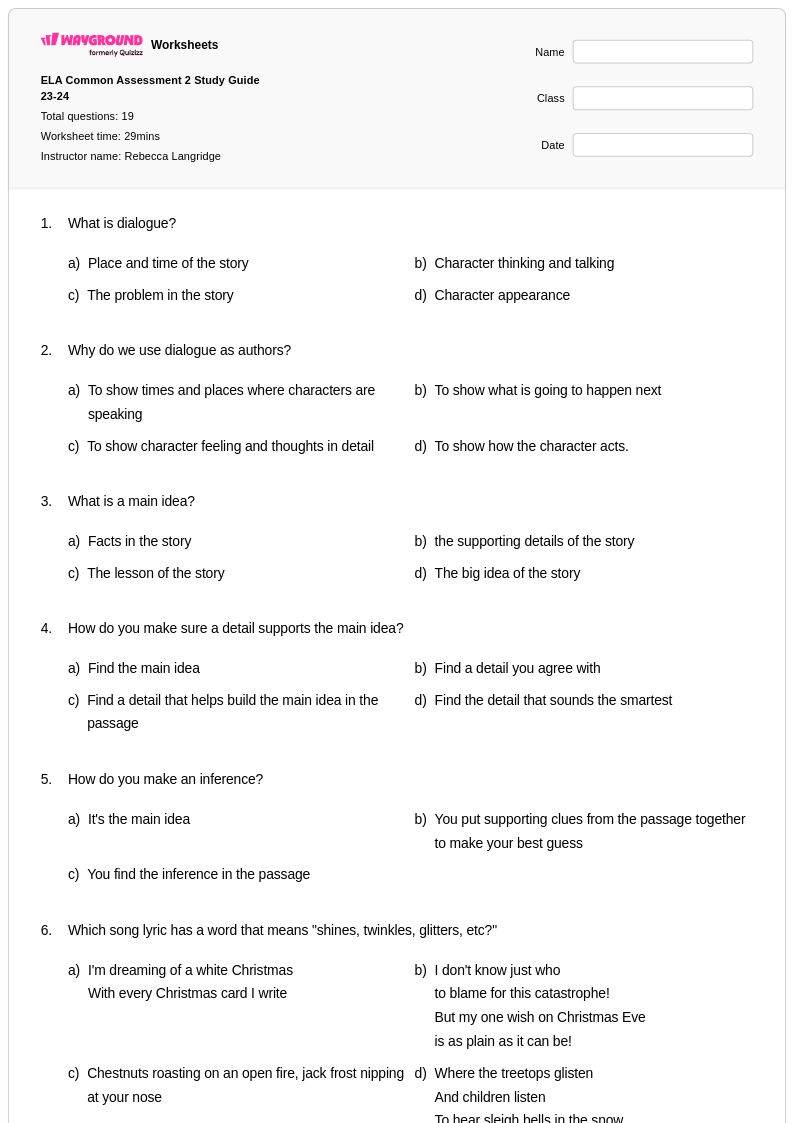
Sentence comprehension worksheets available through Wayground (formerly Quizizz) provide targeted practice for developing critical reading skills at the most fundamental level of text understanding. These carefully designed resources help students master the ability to decode meaning within individual sentences, analyze sentence structure, identify key grammatical relationships, and extract essential information from complex sentence constructions. The worksheets feature diverse practice problems that challenge learners to demonstrate comprehension through various response formats, from multiple-choice questions to written explanations, with comprehensive answer keys provided for immediate feedback. Available as free printables in convenient pdf format, these resources systematically build the foundational skills necessary for broader reading comprehension success.
Wayground (formerly Quizizz) empowers educators with an extensive collection of millions of teacher-created sentence comprehension resources, supported by robust search and filtering capabilities that allow instructors to quickly locate materials aligned with specific learning objectives and standards. The platform's sophisticated differentiation tools enable teachers to customize worksheets for diverse learning needs, while flexible formatting options provide seamless transitions between printable pdf versions for traditional classroom use and interactive digital formats for technology-enhanced instruction. These comprehensive features streamline lesson planning while providing targeted options for remediation, enrichment, and systematic skill practice, ensuring that educators can effectively address individual student needs and accelerate comprehension development through strategic, evidence-based instructional materials.
FAQs
How do I teach sentence comprehension to struggling readers?
Effective sentence comprehension instruction begins with helping students recognize sentence boundaries and identify the subject-verb relationship at the core of each sentence. From there, teachers can build toward identifying modifying phrases, inferring meaning from context, and paraphrasing sentences in their own words. Explicit modeling with think-alouds is particularly effective, as it makes the internal process of constructing meaning visible to students who struggle to do it independently.
What kinds of exercises help students practice sentence comprehension?
Strong sentence comprehension practice includes tasks like identifying the main idea of a single sentence, answering who-what-where-when questions about a sentence, matching sentences to their meanings, and reordering scrambled sentence components. Multiple-choice formats work well for building recognition skills, while written explanation tasks push students to articulate their understanding and develop metacognitive awareness. Varying response formats across practice sets helps reveal which aspects of sentence-level reading a student has consolidated and which still need reinforcement.
What mistakes do students commonly make when reading sentences for comprehension?
One of the most common errors is fixating on individual words rather than processing the sentence as a complete unit of meaning, which causes students to miss how grammatical relationships shape the message. Students also frequently misinterpret sentences with embedded clauses or passive constructions, reading them as simpler than they are. Another frequent error is confusing what a sentence literally states with what it implies, which becomes particularly problematic when sentences contain figurative language or conditional phrasing.
How can I differentiate sentence comprehension practice for students at different reading levels?
Differentiation for sentence comprehension should address both text complexity and task demand simultaneously. For students who need additional support, shorter sentences with high-frequency vocabulary and fewer clauses allow them to focus on meaning construction without decoding interfering. On Wayground, teachers can apply accommodations such as Read Aloud, which reads questions and content aloud to students who need it, and Reduced Answer Choices, which lowers the cognitive load for students who are still building fluency with comprehension tasks. These settings can be applied to individual students while the rest of the class receives standard settings.
How do I use Wayground's sentence comprehension worksheets in my classroom?
Wayground's sentence comprehension worksheets are available as printable PDFs, making them straightforward to distribute in a traditional classroom setting, and in digital formats for technology-integrated instruction. Teachers can also host the worksheets as a quiz directly on Wayground, allowing students to complete them interactively while the platform collects response data. This flexibility means the same resource can serve as a paper warm-up, a digital center activity, or a formative assessment depending on the instructional context.
At what grade level should students be working on sentence comprehension skills?
Sentence comprehension is a foundational reading skill that is most explicitly taught in the early elementary grades, typically K through 3, but it remains relevant through middle school for students who read complex informational or literary texts. Students encountering multi-clause sentences, academic language, or domain-specific syntax often need targeted sentence-level support regardless of grade. Teachers across grade bands use sentence comprehension practice to bridge the gap between word recognition and full-passage reading fluency.