Free Printable Speaker Listener Technique Worksheets for Kindergarten
Kindergarten speaker listener technique worksheets from Wayground help young students develop essential communication skills through engaging printables and practice activities with complete answer keys.
Explore printable Speaker Listener Technique worksheets for Kindergarten
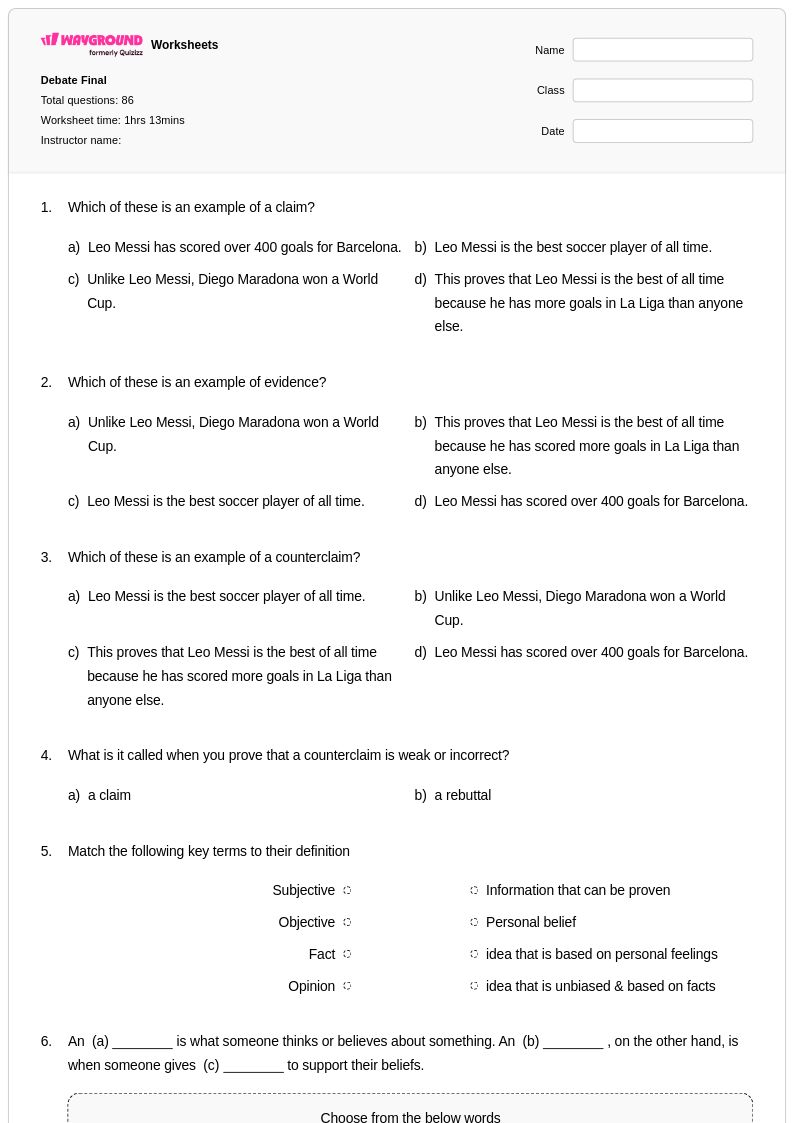
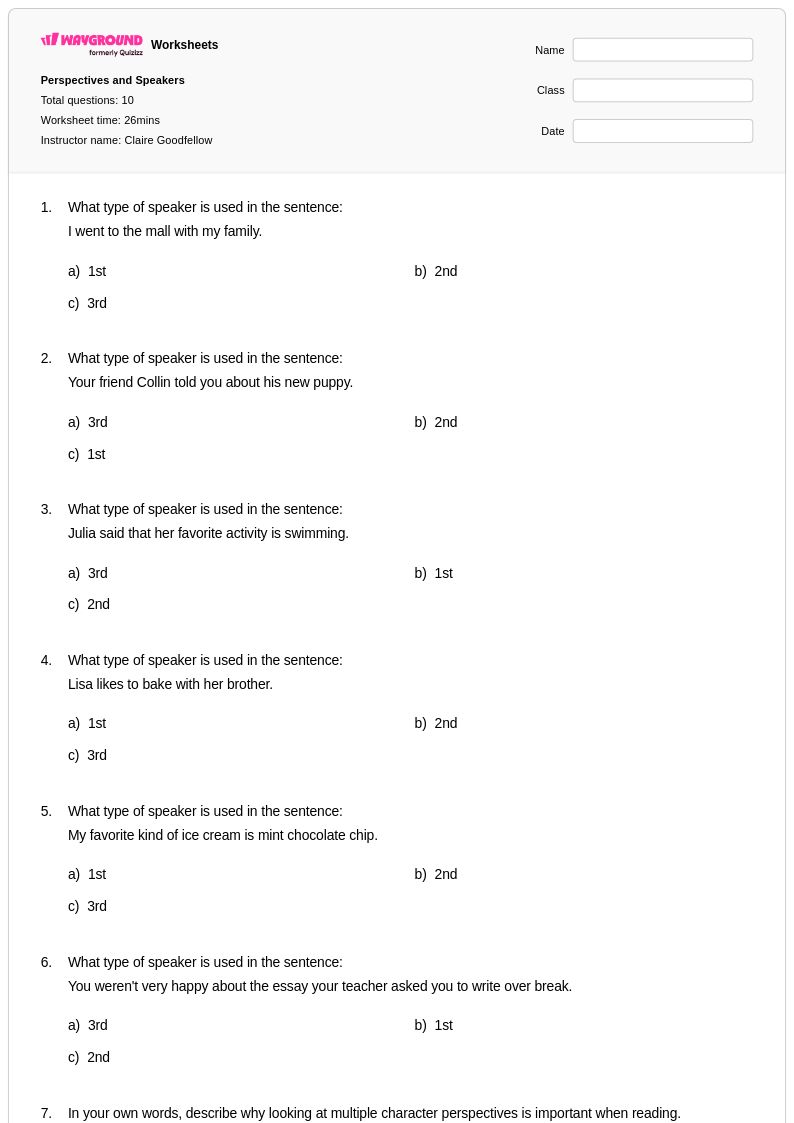
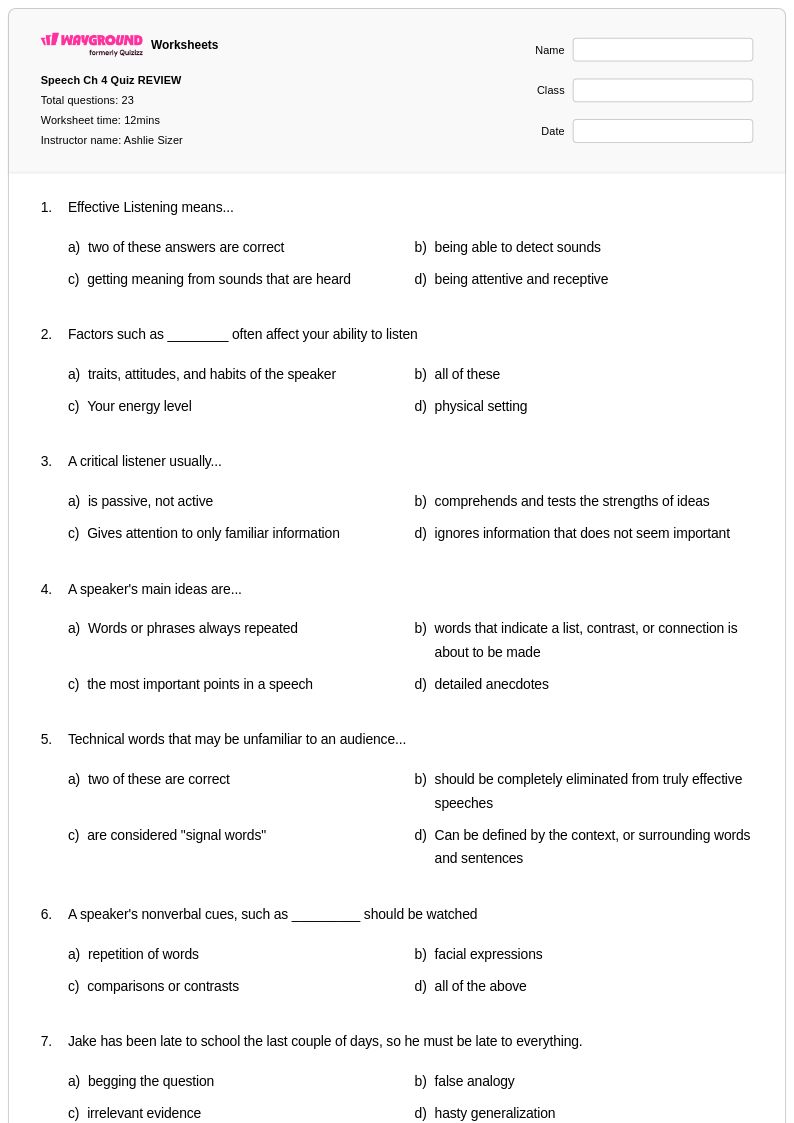
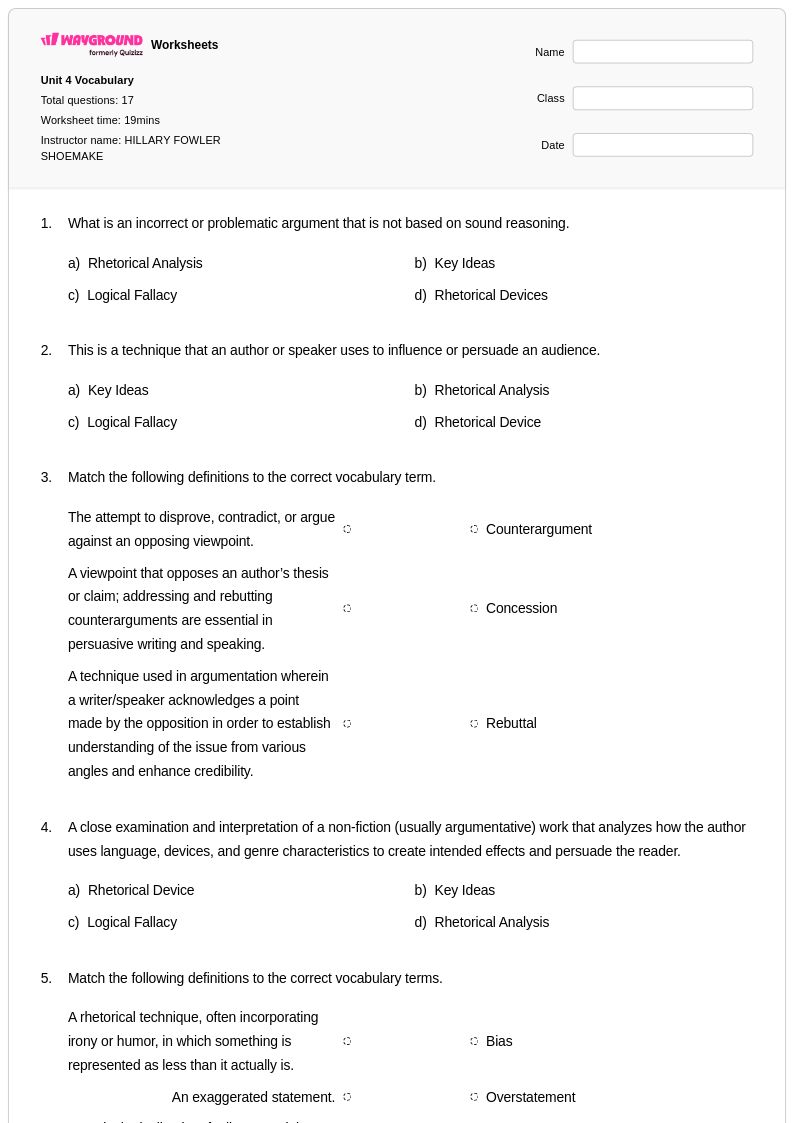
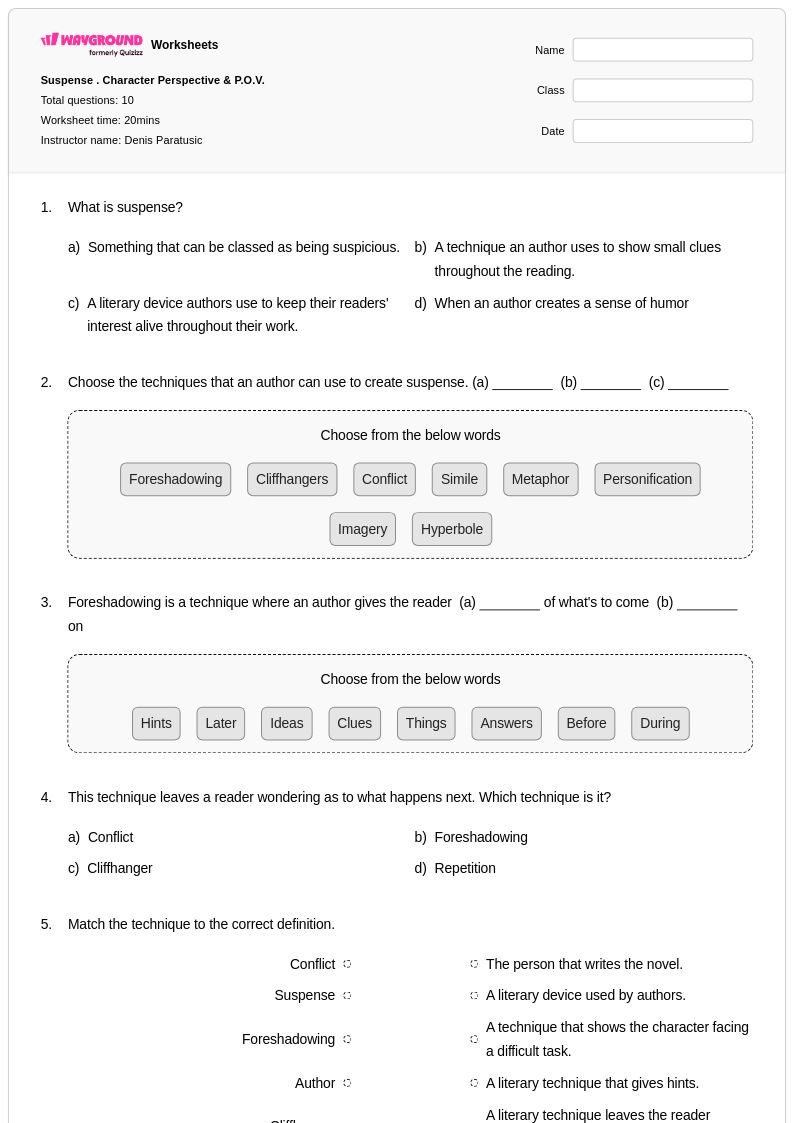
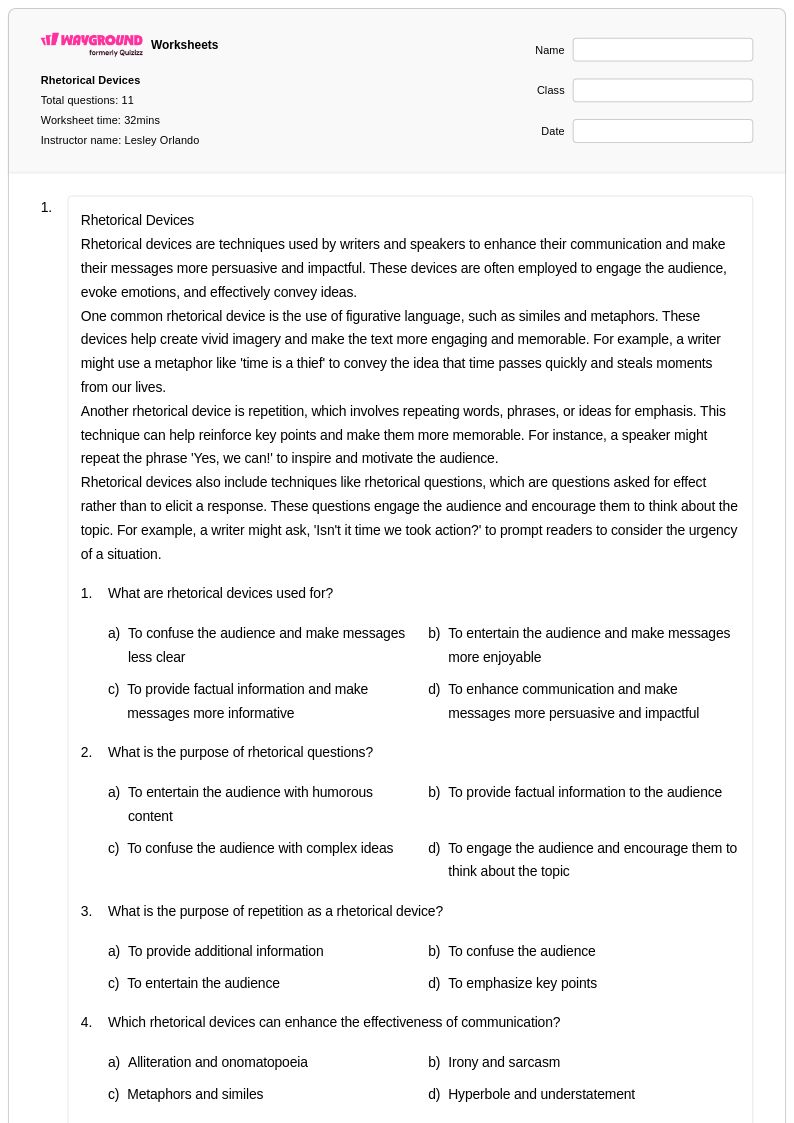
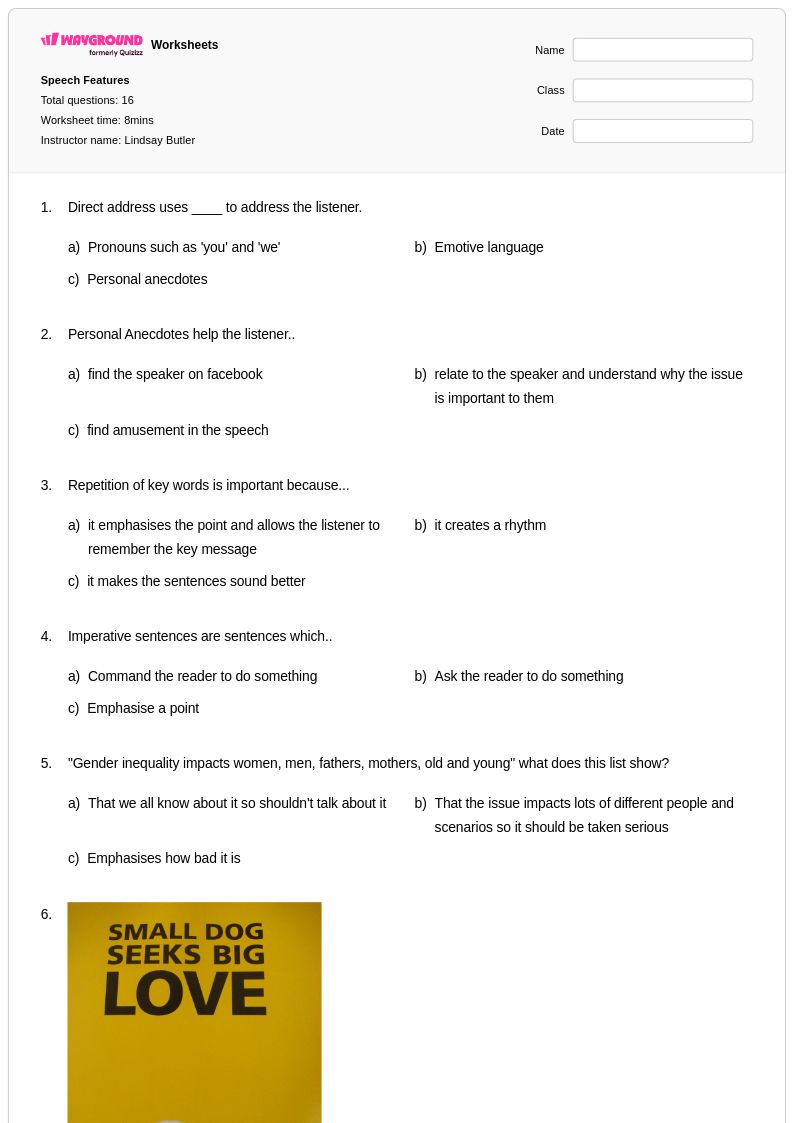
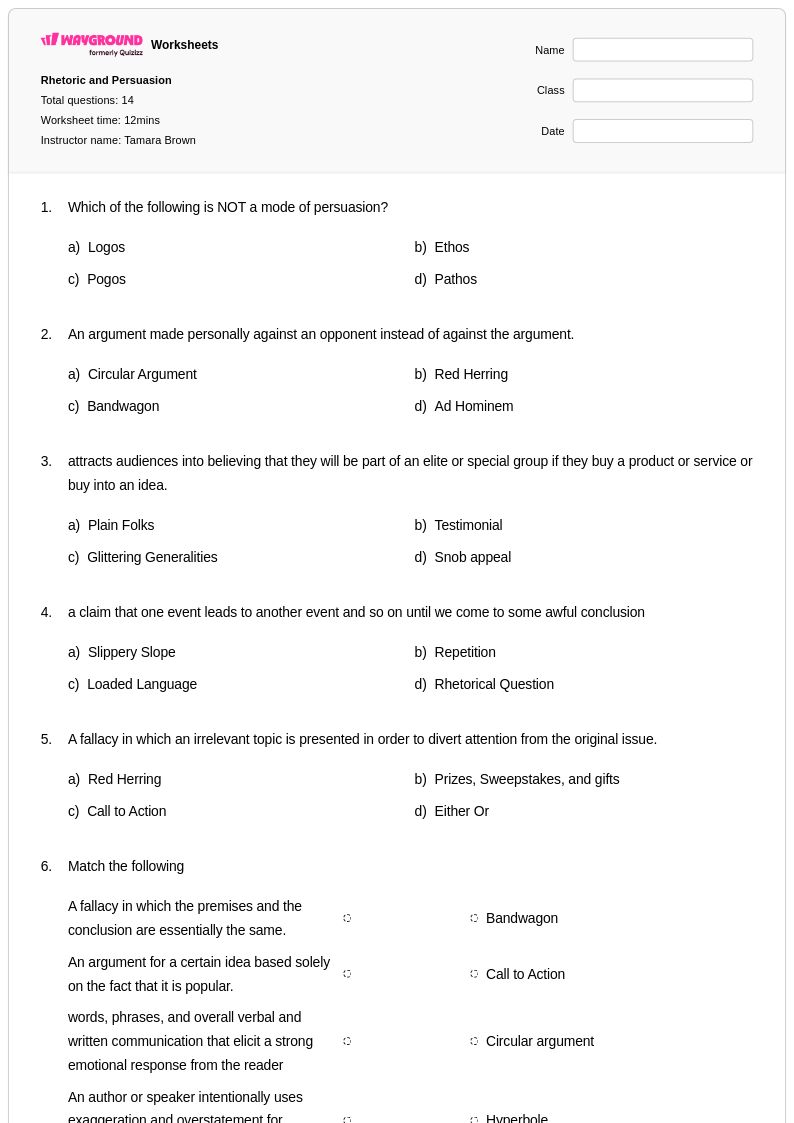
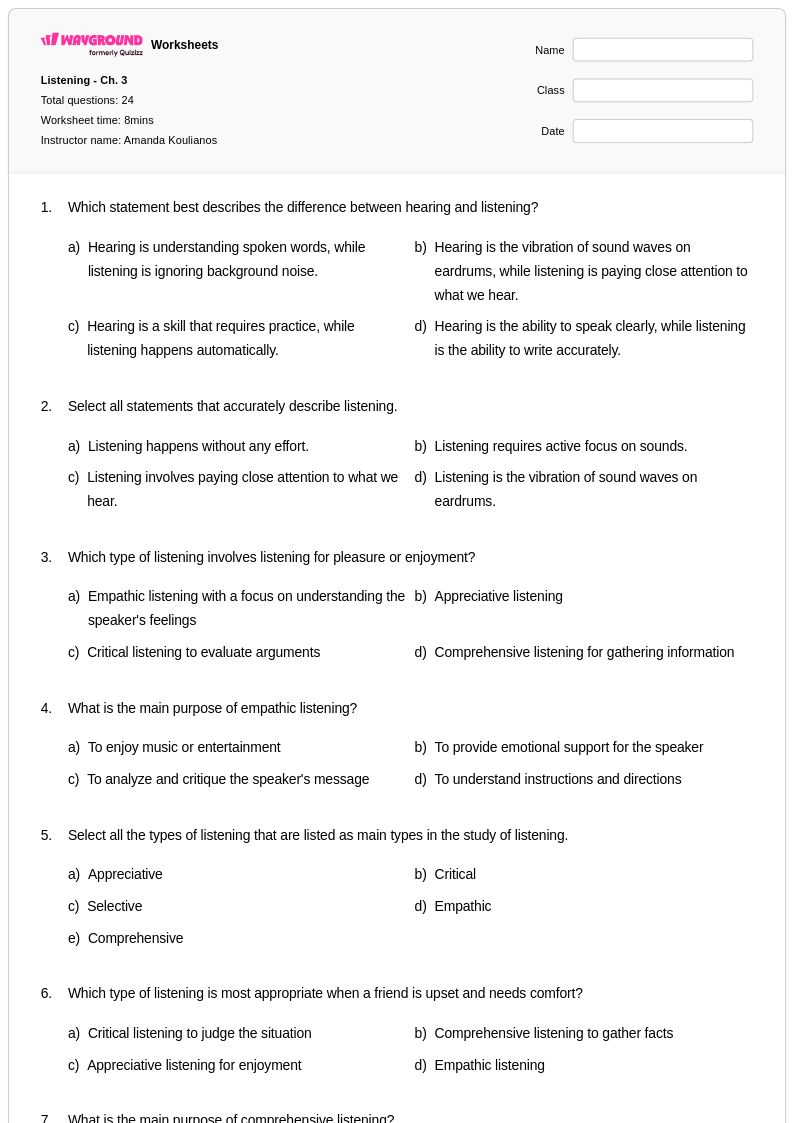
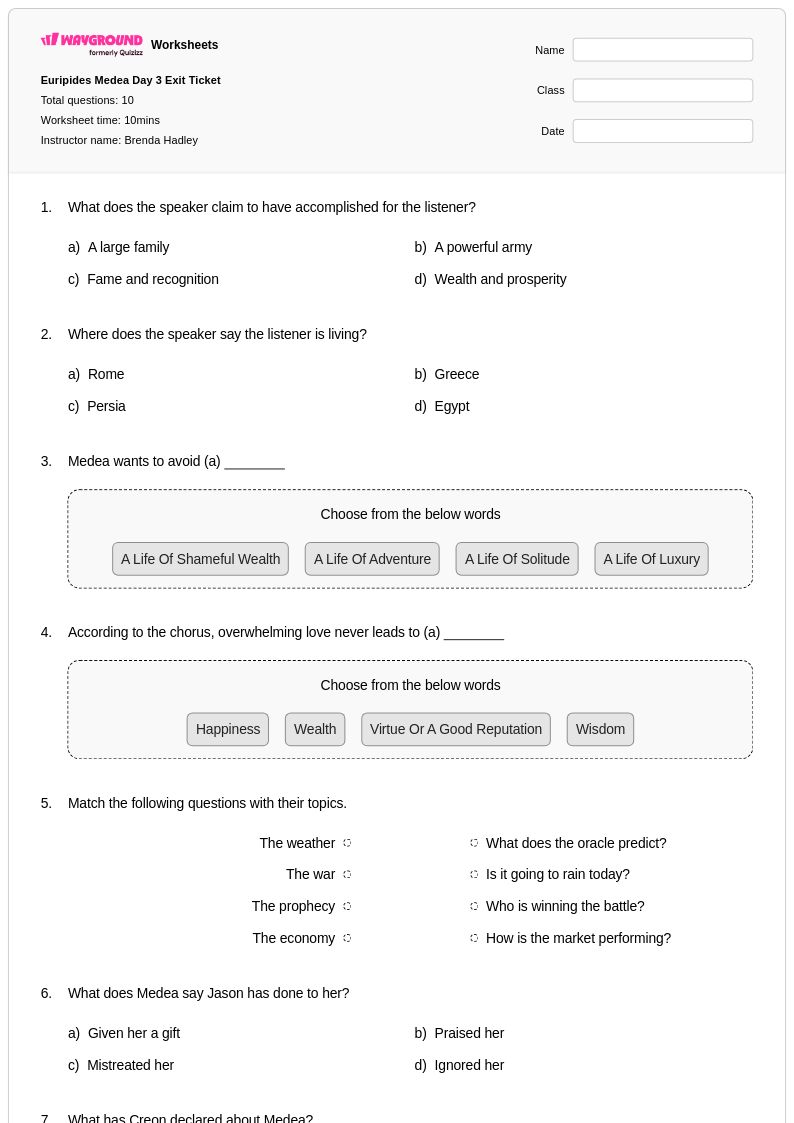
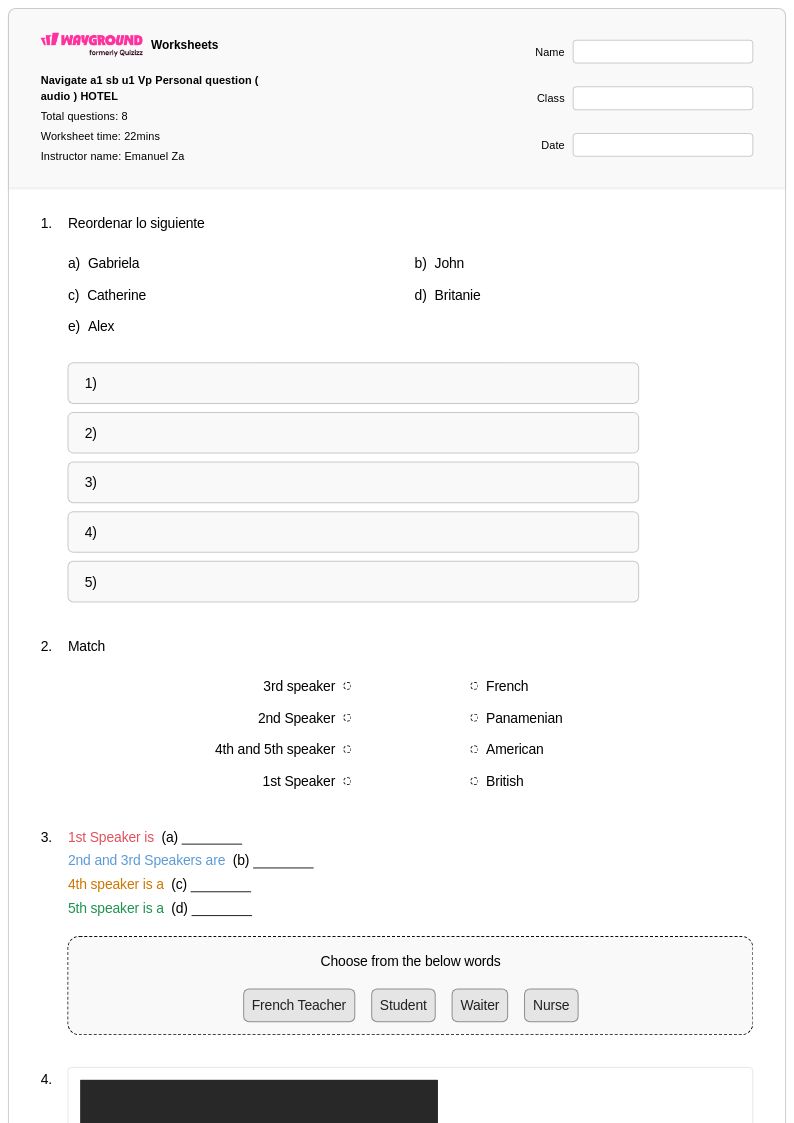
Speaker Listener Technique worksheets for Kindergarten students available through Wayground (formerly Quizizz) provide essential foundational practice for developing critical communication and social interaction skills. These educational resources focus on teaching young learners the fundamental concepts of taking turns in conversation, active listening behaviors, and respectful speaking practices that form the cornerstone of effective communication. The worksheets strengthen key abilities including following verbal directions, maintaining eye contact during conversations, waiting for appropriate speaking opportunities, and demonstrating understanding through verbal and non-verbal responses. Each printable resource includes comprehensive answer keys and structured practice problems that guide students through age-appropriate scenarios, helping them recognize the distinct roles of speakers and listeners while building confidence in both positions during classroom discussions and peer interactions.
Wayground (formerly Quizizz) empowers educators with an extensive collection of millions of teacher-created Speaker Listener Technique resources specifically designed for Kindergarten-level instruction. The platform's robust search and filtering capabilities enable teachers to quickly locate materials that align with early childhood communication standards and developmental benchmarks, while differentiation tools allow for seamless customization to meet diverse learning needs within the classroom. These versatile worksheets are available in both printable PDF formats and interactive digital versions, providing flexibility for various instructional settings and learning preferences. Teachers utilize these comprehensive resources for targeted skill practice, remediation support for students who need additional communication guidance, and enrichment activities that challenge advanced learners to refine their conversational abilities, making lesson planning more efficient and instruction more effective across all learning modalities.
FAQs
How do I teach the Speaker Listener Technique in the classroom?
The Speaker Listener Technique is best introduced through explicit modeling: demonstrate the roles of speaker and listener separately before asking students to practice together. Assign structured partner activities where one student holds a talking object and speaks while the other paraphrases before responding, then debrief the experience as a class. Consistency matters most in early instruction, so use the same protocol language and turn-taking cues across multiple lessons until the structure becomes habitual.
What exercises help students practice the Speaker Listener Technique?
Scenario-based worksheets are especially effective because they give students a defined topic to discuss, removing the cognitive load of choosing what to say so they can focus on how they communicate. Practice exercises that require students to write paraphrases of what their partner said, identify turn-taking cues, and reflect on their own listening behaviors reinforce the technique systematically. Pairing written reflection with spoken practice also bridges the Speaker Listener Technique to writing organization and peer review skills.
What mistakes do students commonly make when learning the Speaker Listener Technique?
The most common error is confusing listening with waiting to speak — students interrupt or mentally rehearse their response instead of processing what the speaker actually said. Another frequent misconception is treating paraphrasing as repetition rather than restatement in the listener's own words, which undermines genuine comprehension. Students also tend to skip the floor-passing cue, collapsing the structure into an unregulated back-and-forth that defeats the purpose of the technique.
How can I differentiate Speaker Listener Technique practice for students at different skill levels?
For students who struggle with the protocol, reduce the complexity of the scenario prompts and provide sentence stems for paraphrasing so they can focus on the structure rather than language generation. Advanced students benefit from open-ended or emotionally nuanced scenarios that require deeper interpretation and more precise articulation. On Wayground, teachers can apply accommodations such as read aloud for students who need audio support, reduced answer choices to lower cognitive load, and extended time, all configurable per student without disrupting the rest of the class.
How do I use Wayground's Speaker Listener Technique worksheets in my classroom?
Wayground's Speaker Listener Technique worksheets are available as printable PDFs for direct classroom distribution or in digital formats for technology-integrated or remote learning environments. Teachers can also host worksheets as an interactive quiz on Wayground, enabling real-time participation and built-in assessment. All worksheets include complete answer keys, which streamlines grading and makes the materials practical for both targeted skill practice and formative assessment.
How does the Speaker Listener Technique connect to writing instruction?
The Speaker Listener Technique reinforces the same skills that underpin strong writing: organizing ideas clearly, anticipating an audience's understanding, and revising based on feedback. When students practice articulating ideas in a structured spoken exchange, they internalize the habit of considering whether their message is complete and coherent before moving on, which transfers directly to drafting and revision. Integrating the technique into peer review sessions gives students a communication protocol for giving and receiving written feedback productively.