
29 Q
7th - Uni
15 Q
10th - Uni
12 Q
12th
30 Q
9th - 12th
18 Q
9th - 12th
30 Q
9th - 12th

11 Q
9th - Uni
10 Q
6th - Uni
15 Q
12th
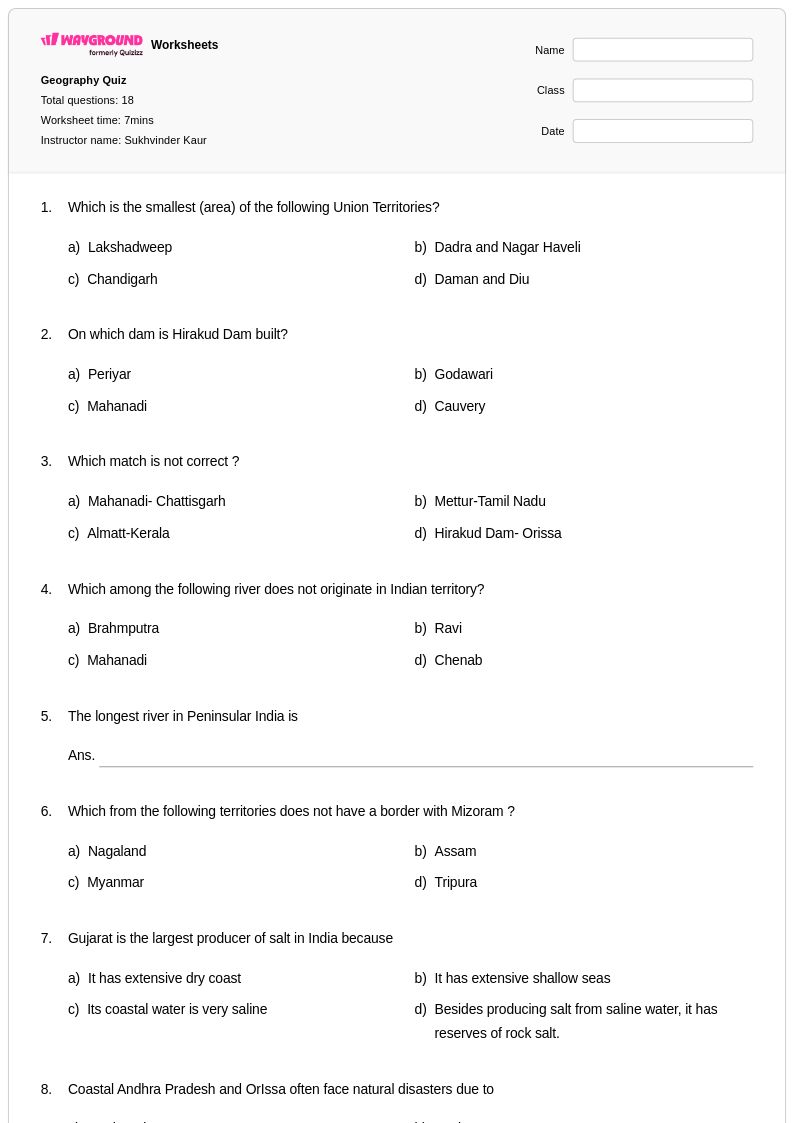
18 Q
6th - 12th
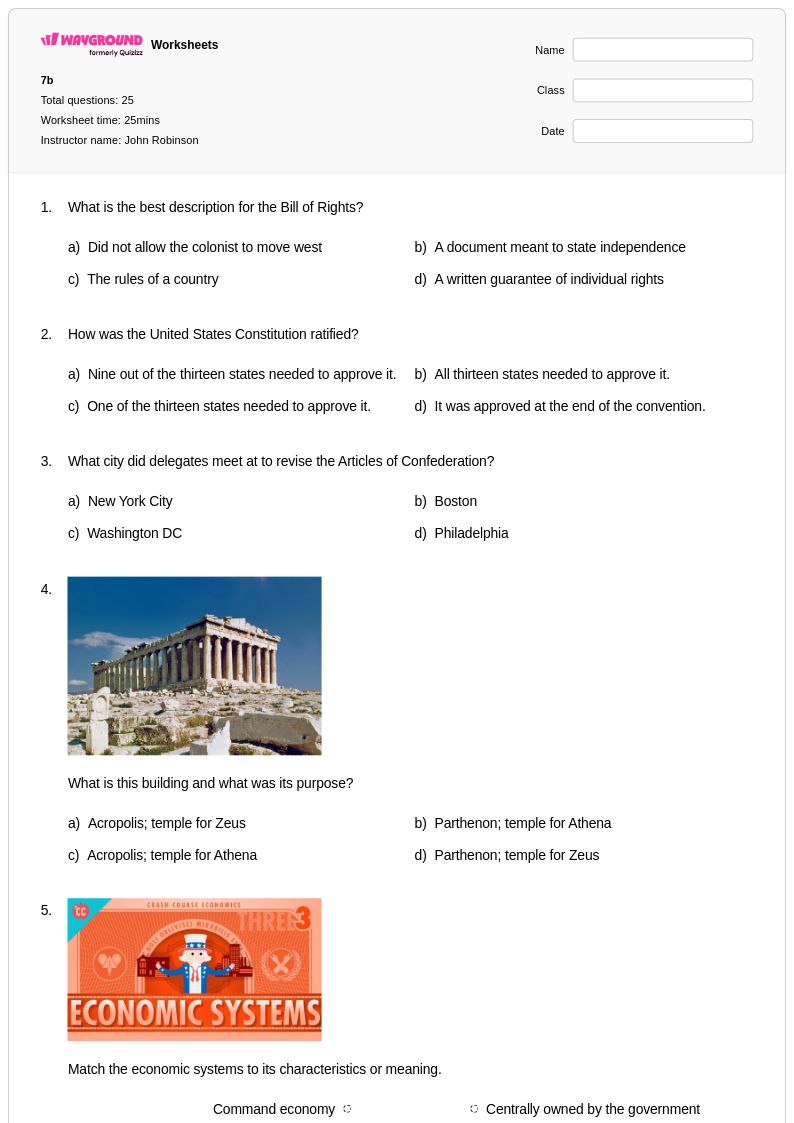
25 Q
6th - Uni
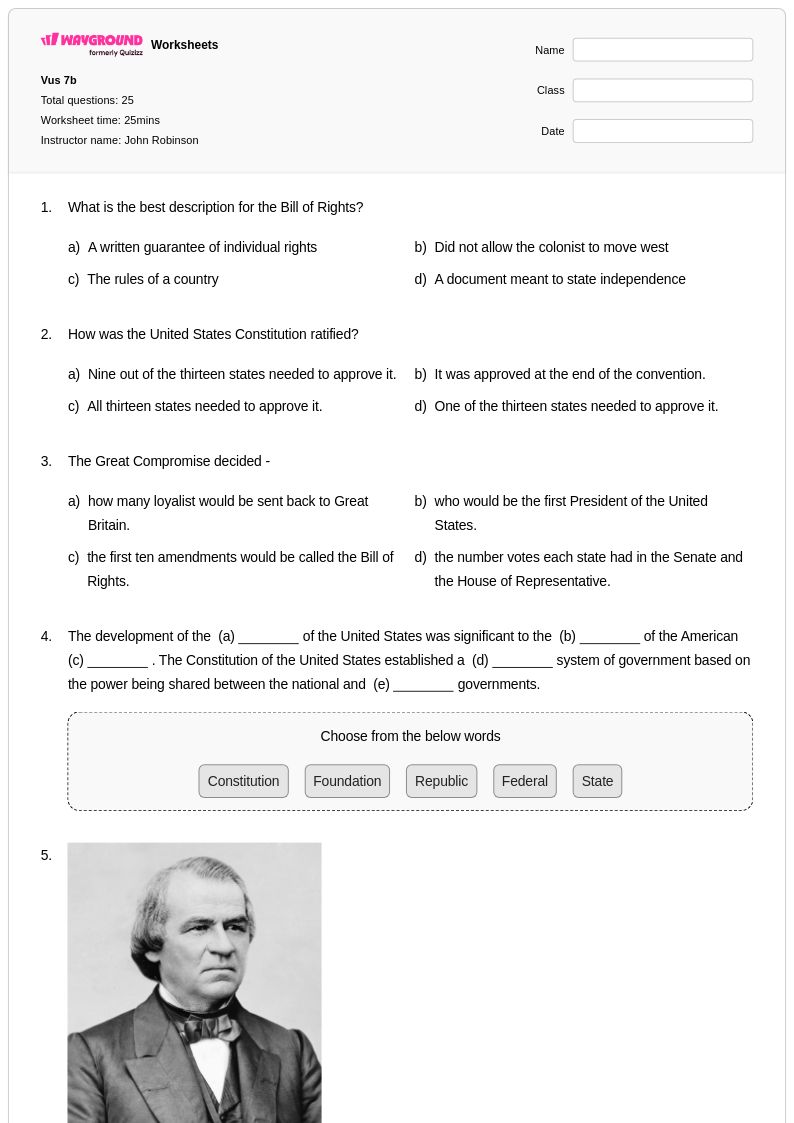
25 Q
6th - Uni
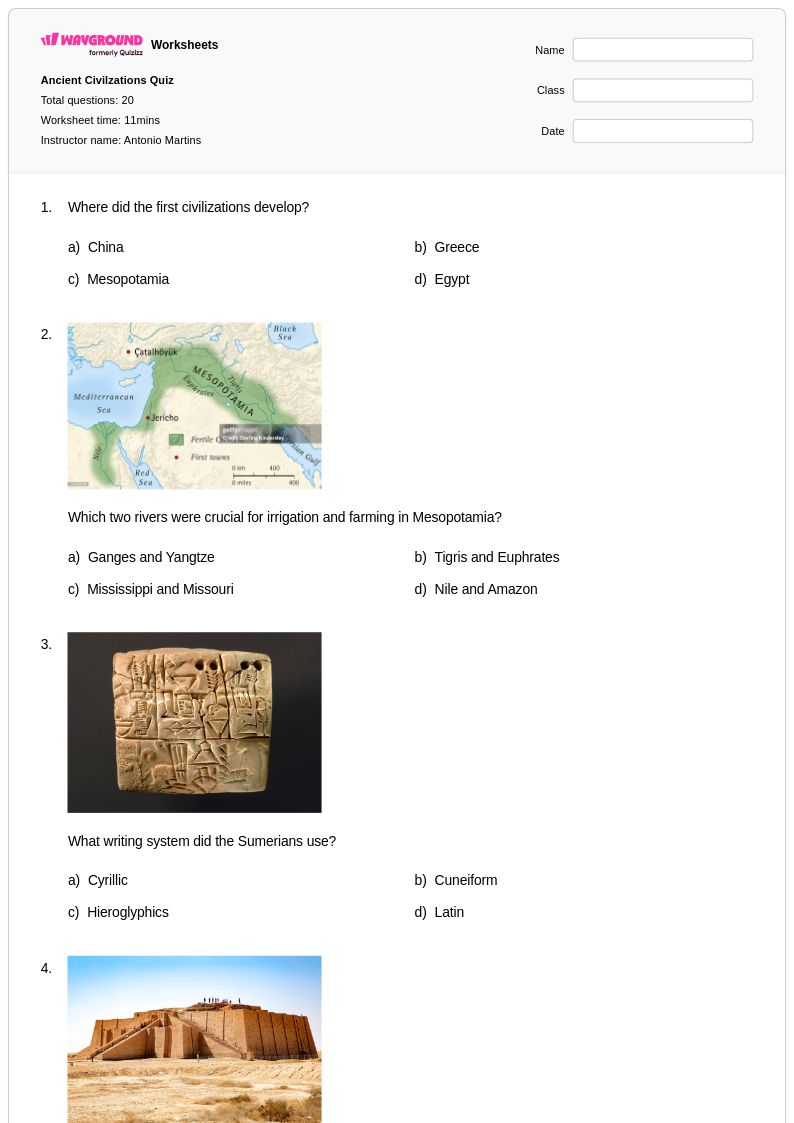
20 Q
6th - Uni
25 Q
6th - Uni
50 Q
6th - Uni
24 Q
9th - Uni
61 Q
9th - 12th
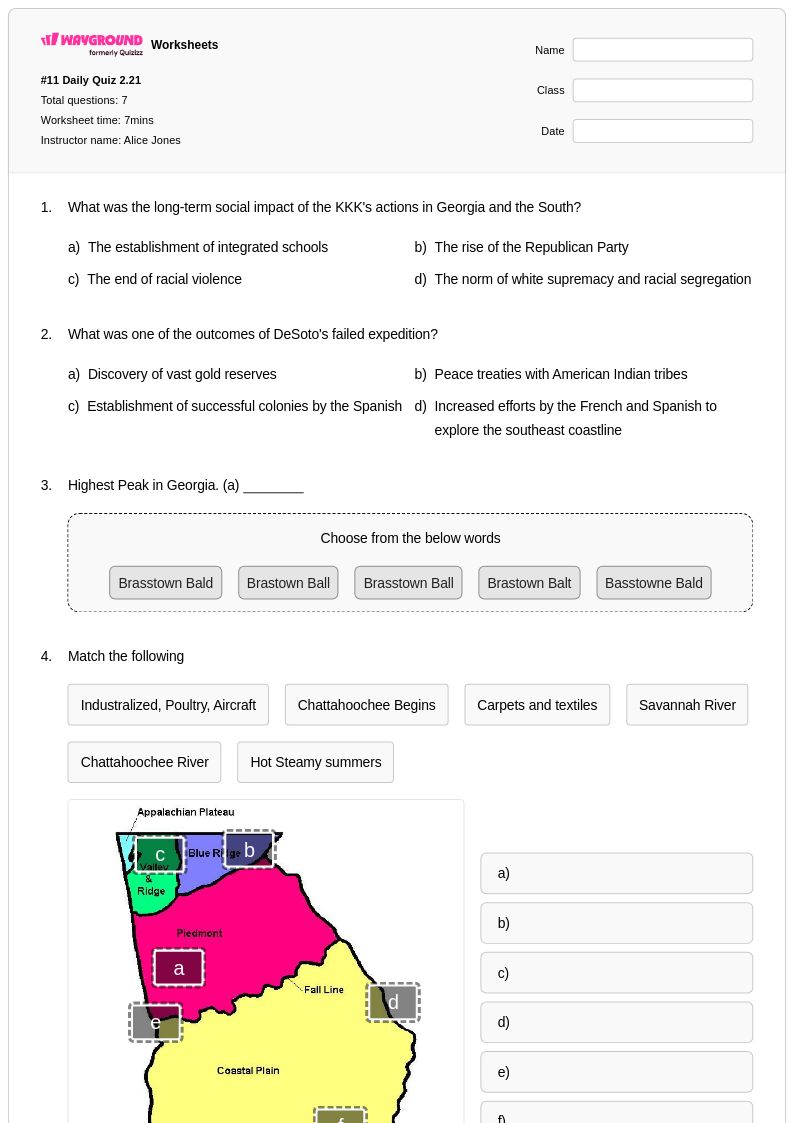
7 Q
8th - Uni
15 Q
7th - Uni
15 Q
6th - Uni
25 Q
6th - Uni
45 Q
9th - 12th
15 Q
9th - 12th
Explore Temple Grandin Worksheets by Grades
Explore Other Subject Worksheets for class 12
Explore printable Temple Grandin worksheets for Class 12
Temple Grandin worksheets for Class 12 students available through Wayground offer comprehensive exploration of this remarkable autism advocate, animal behaviorist, and engineer who revolutionized livestock handling practices while advancing understanding of neurodiversity. These thoughtfully crafted educational materials enable students to examine Grandin's groundbreaking contributions to animal welfare science, her innovative designs for humane livestock facilities, and her powerful advocacy for autism awareness and acceptance. The worksheets strengthen critical thinking skills through analysis of primary sources, biographical research, and examination of how individual perspectives can drive social change, while students explore themes of perseverance, scientific innovation, and the value of neurodivergent thinking in solving complex problems. Each worksheet includes detailed answer keys and practice problems that guide students through multi-layered discussions about disability rights, scientific methodology, and the intersection of personal experience with professional achievement, available as free printables in convenient pdf format.
Wayground's extensive collection draws from millions of teacher-created resources specifically designed to support educators in delivering engaging lessons about influential figures like Temple Grandin and their impact on community and culture. The platform's robust search and filtering capabilities allow teachers to quickly locate materials aligned with curriculum standards while offering differentiation tools that accommodate diverse learning needs and academic levels within Class 12 classrooms. These customizable worksheets are available in both printable and digital formats, including downloadable pdf versions that facilitate seamless integration into existing lesson plans for face-to-face, hybrid, or remote learning environments. Teachers can leverage these versatile resources for initial skill-building activities, targeted remediation for students requiring additional support, enrichment opportunities for advanced learners, and ongoing practice that reinforces understanding of how individuals like Grandin challenge societal assumptions while contributing to scientific progress and social awareness.
FAQs
How do I teach students about Temple Grandin in a social studies class?
What kinds of activities help students analyze Temple Grandin's impact?
What misconceptions do students commonly have about Temple Grandin and autism?
How can I use Temple Grandin worksheets to support diverse learners in my classroom?
How do Temple Grandin worksheets connect to social studies standards?
What grade levels are Temple Grandin worksheets appropriate for?