
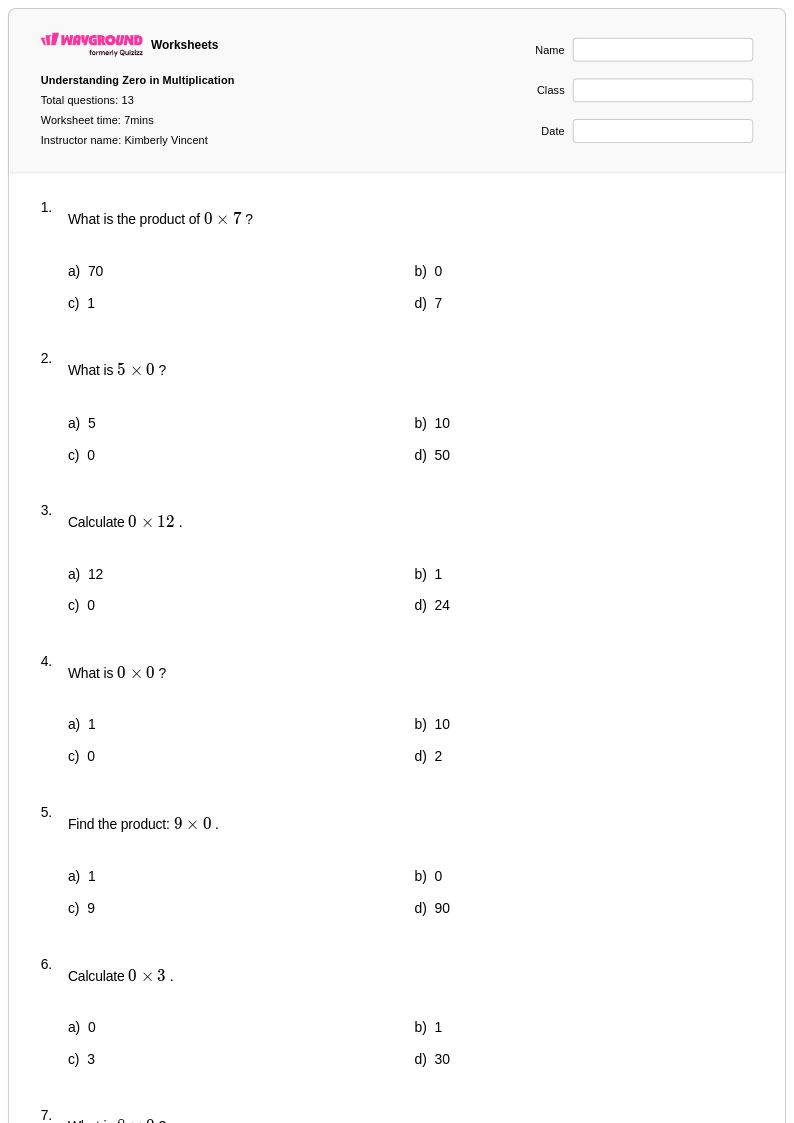
13 Q
3rd
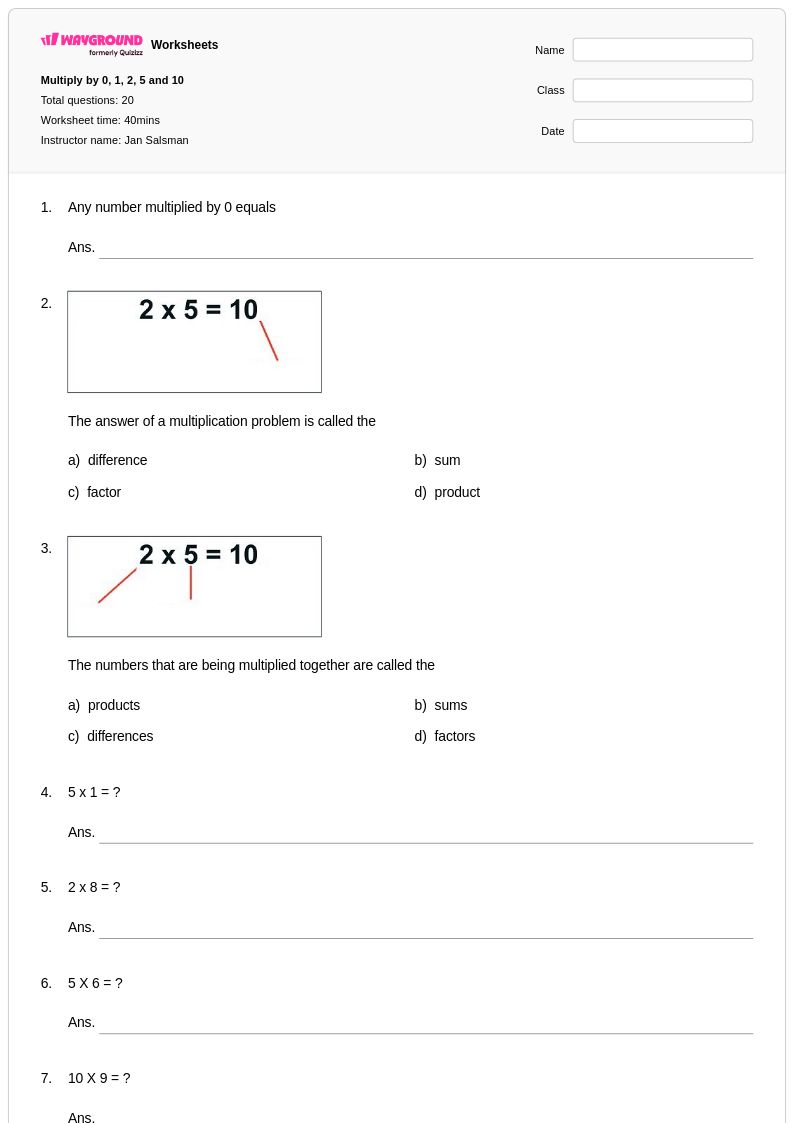
20 Q
3rd
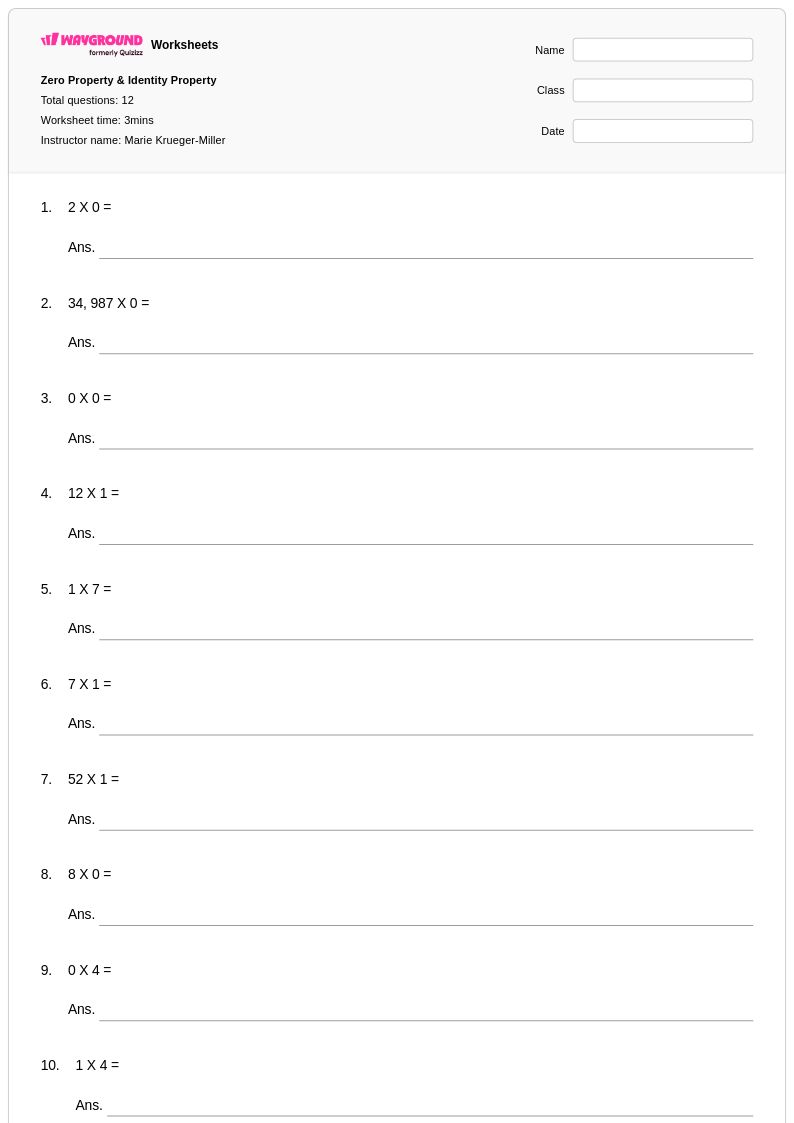
12 Q
2nd - 4th
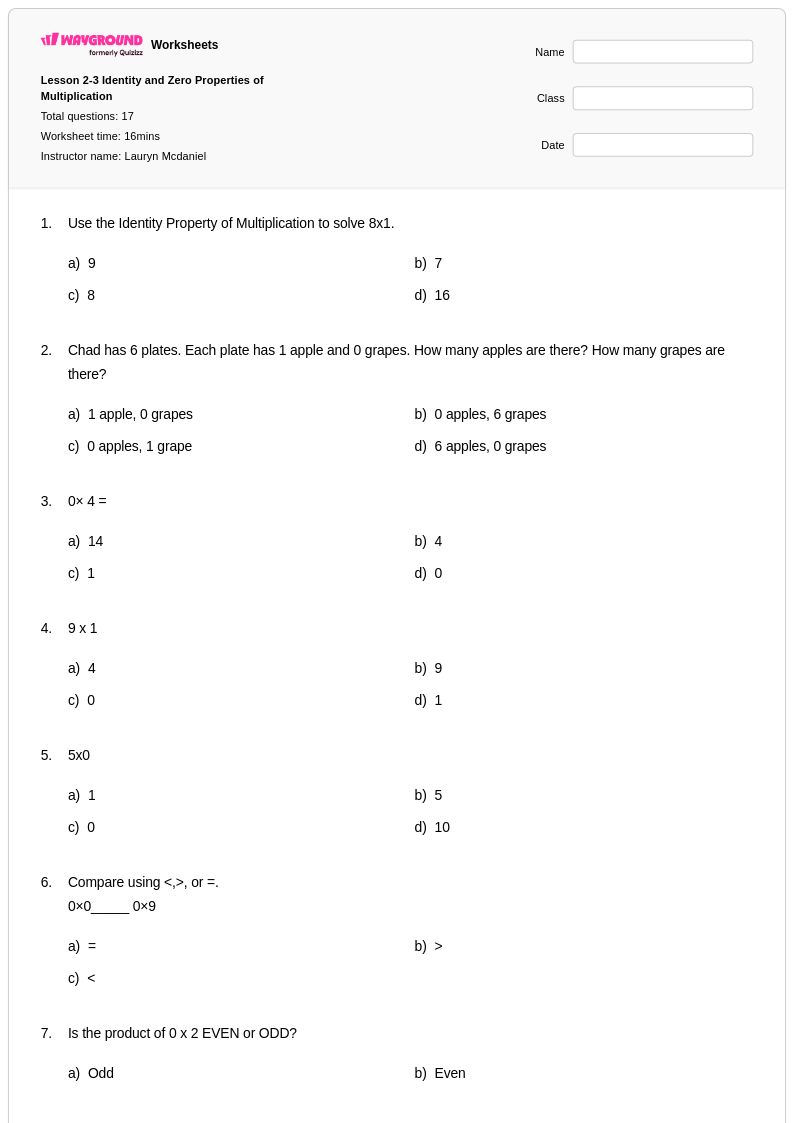
17 Q
3rd
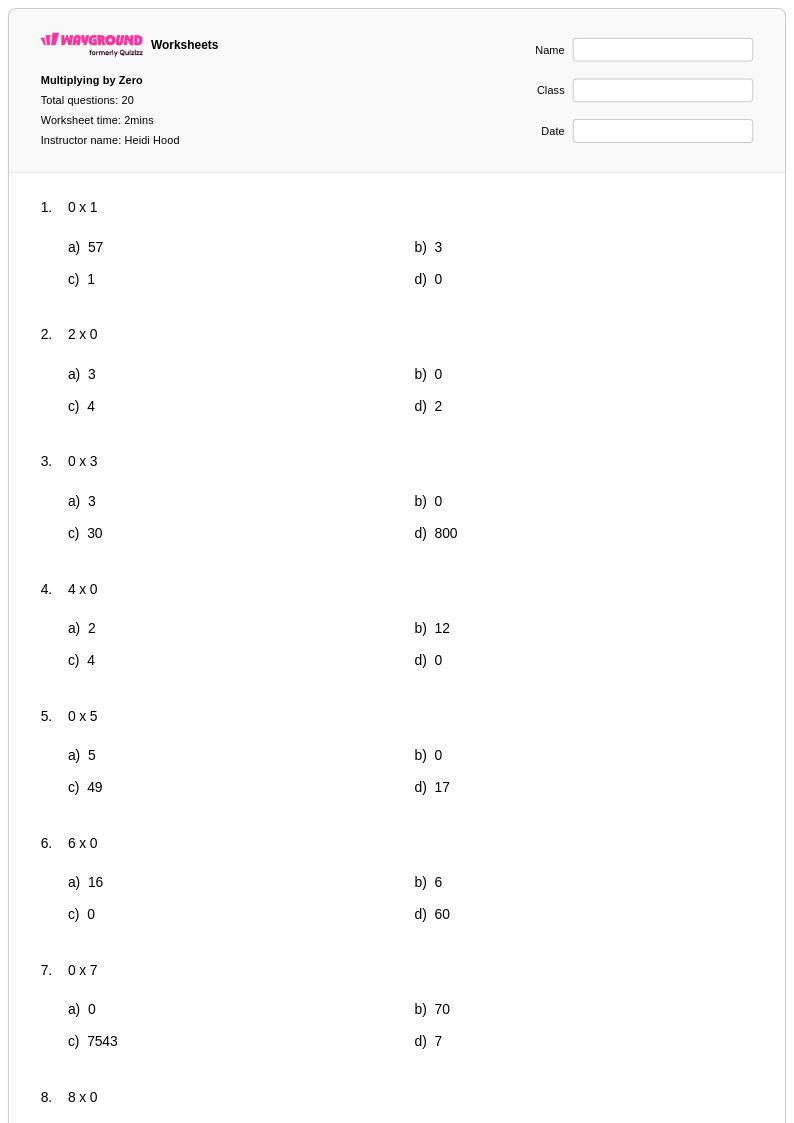
20 Q
2nd - 5th
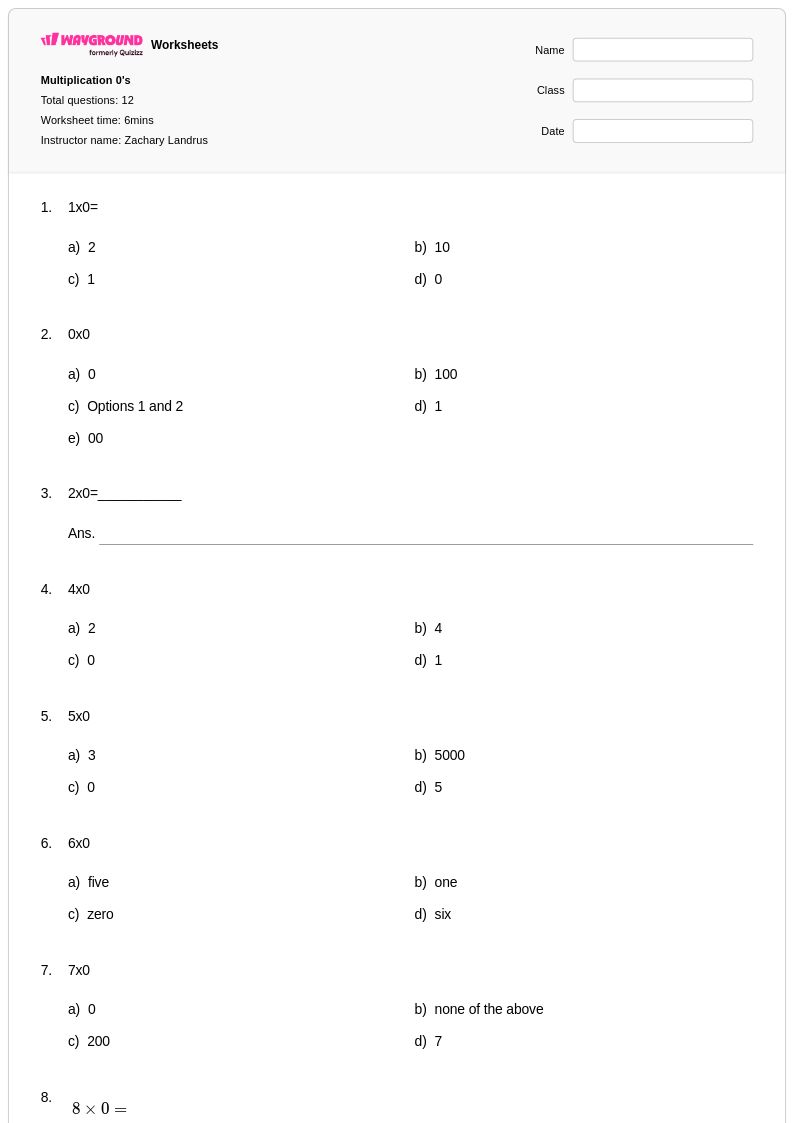
12 Q
2nd - 4th
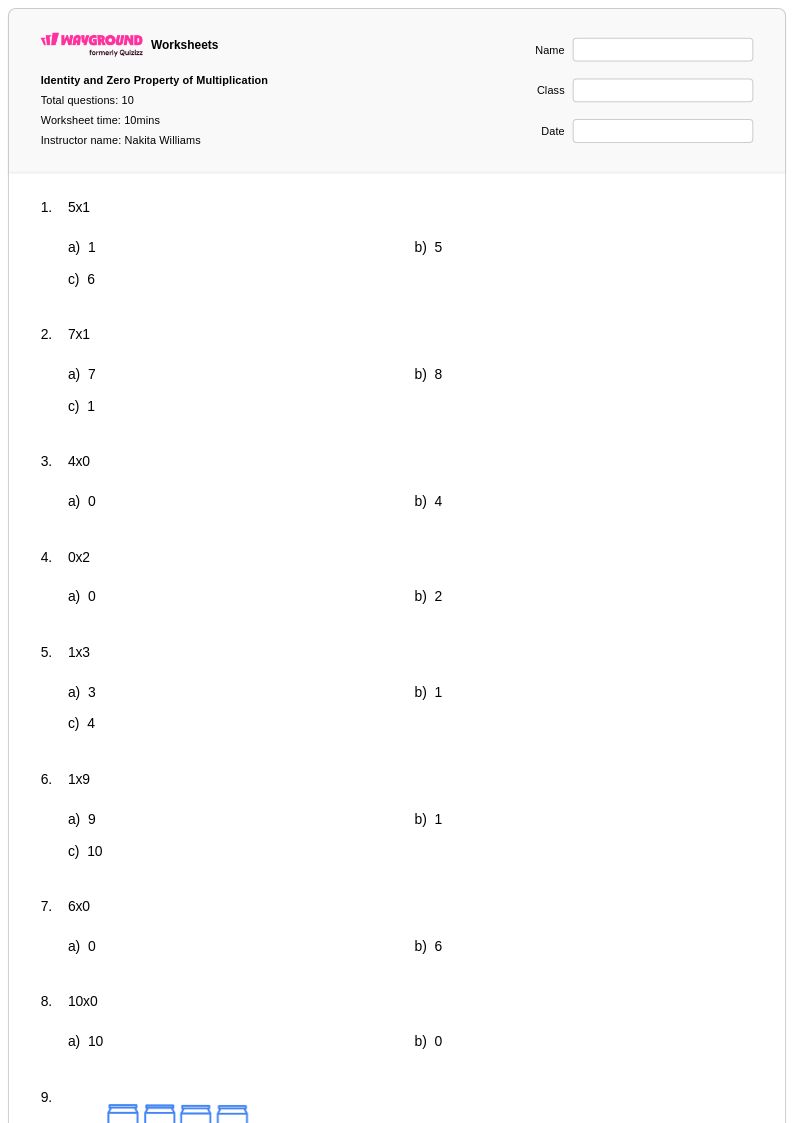
10 Q
3rd
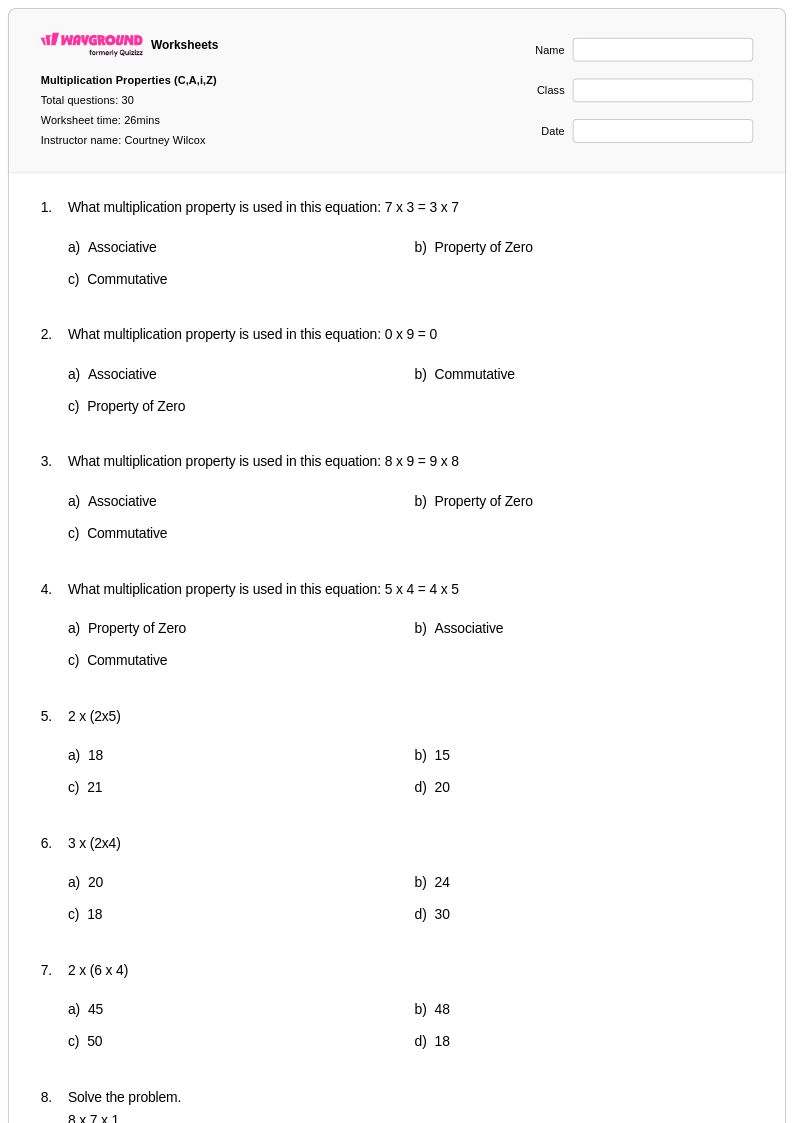
30 Q
3rd
13 Q
2nd - 4th
22 Q
3rd
12 Q
3rd
11 Q
2nd - 3rd
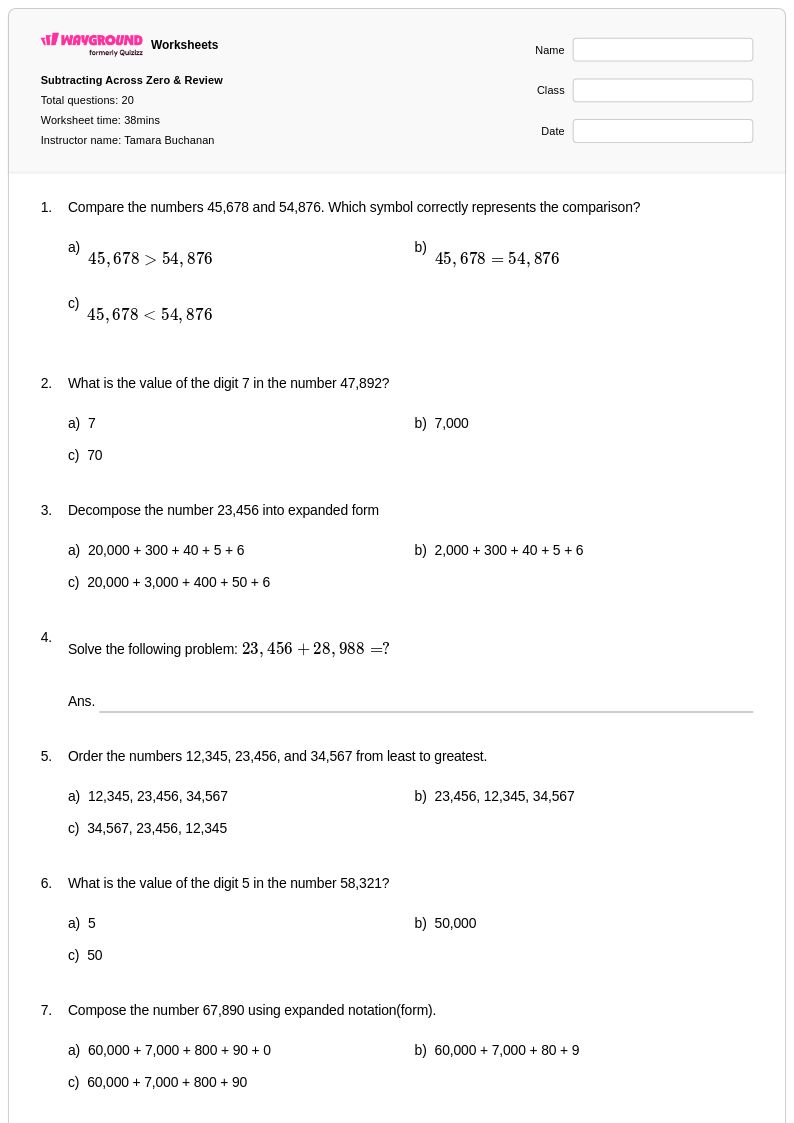
20 Q
3rd
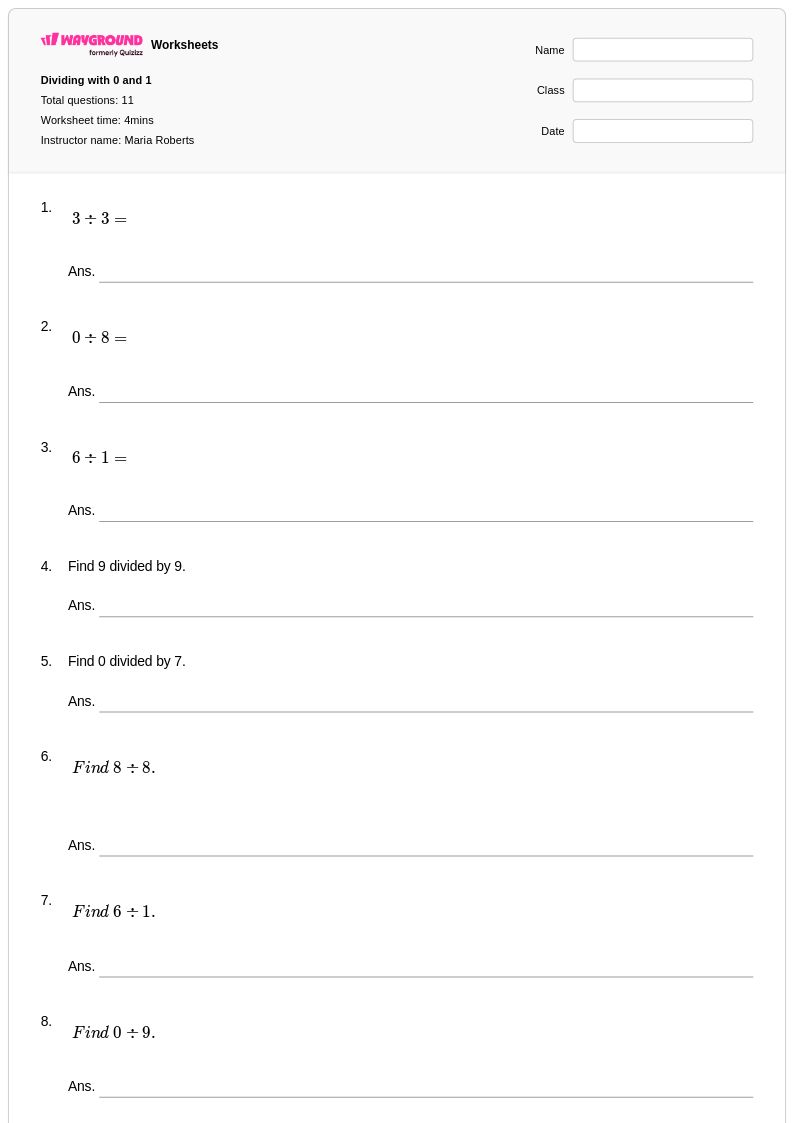
11 Q
3rd
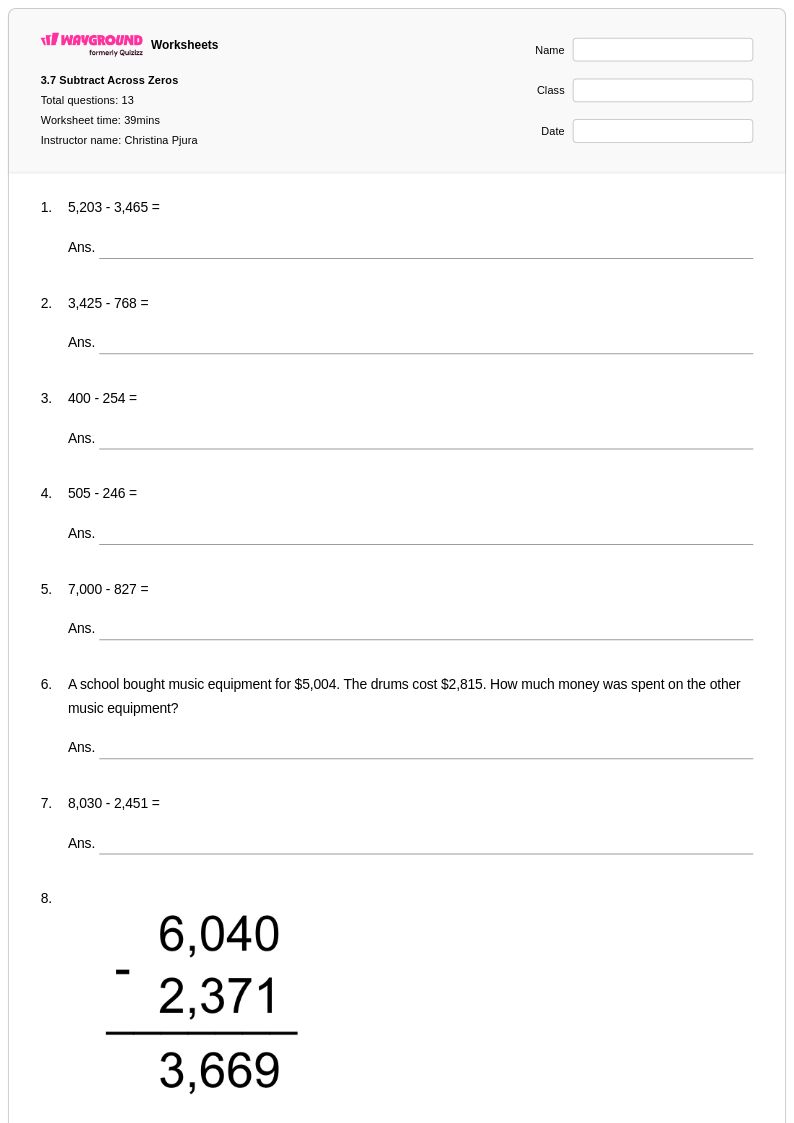
13 Q
3rd
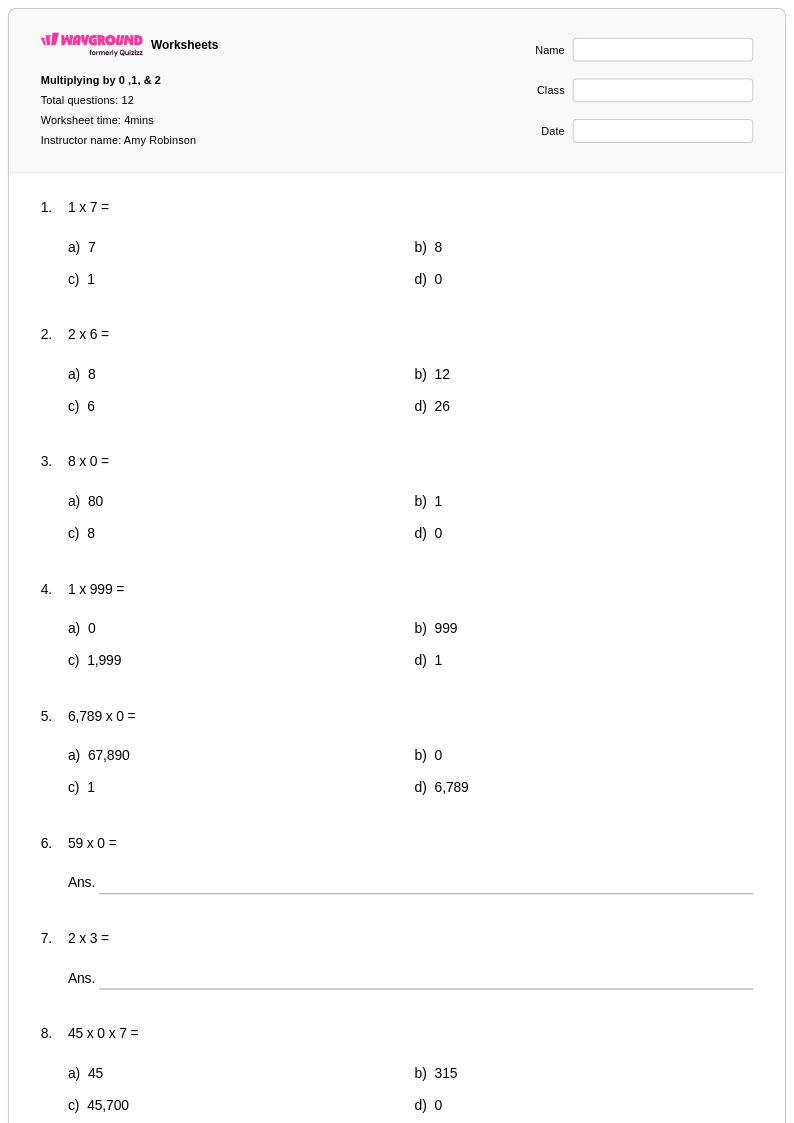
12 Q
2nd - 3rd
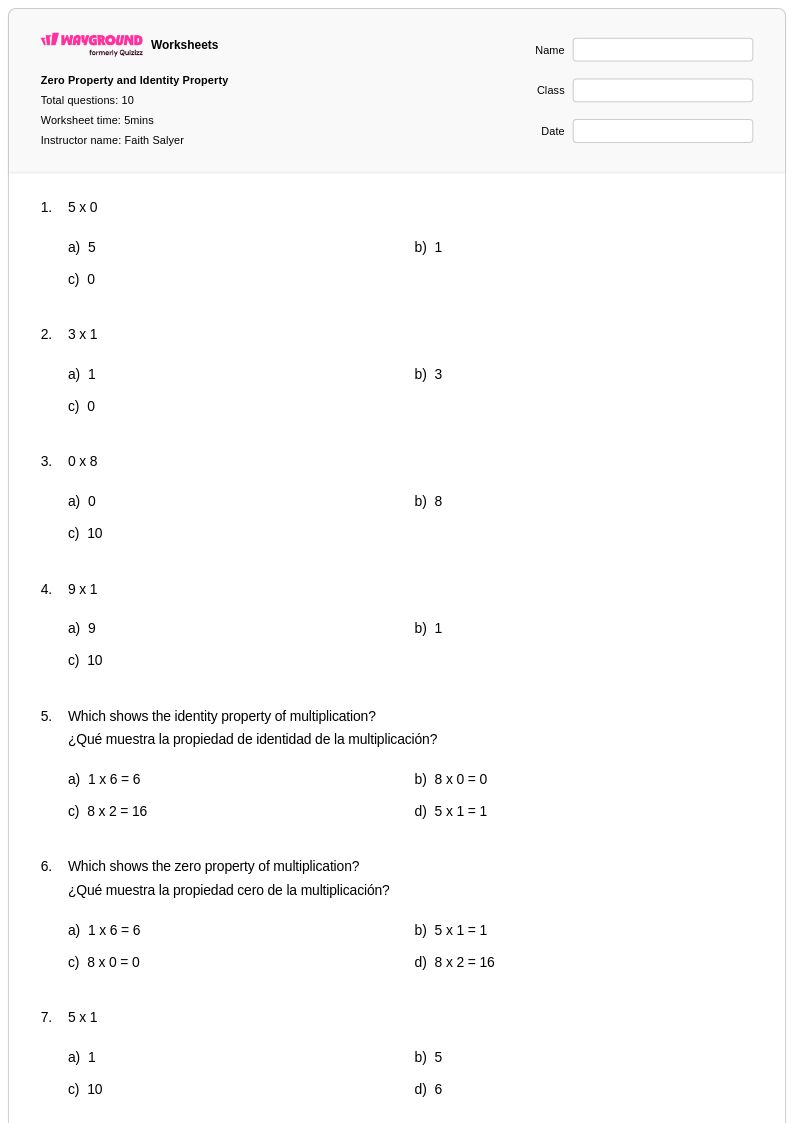
10 Q
3rd
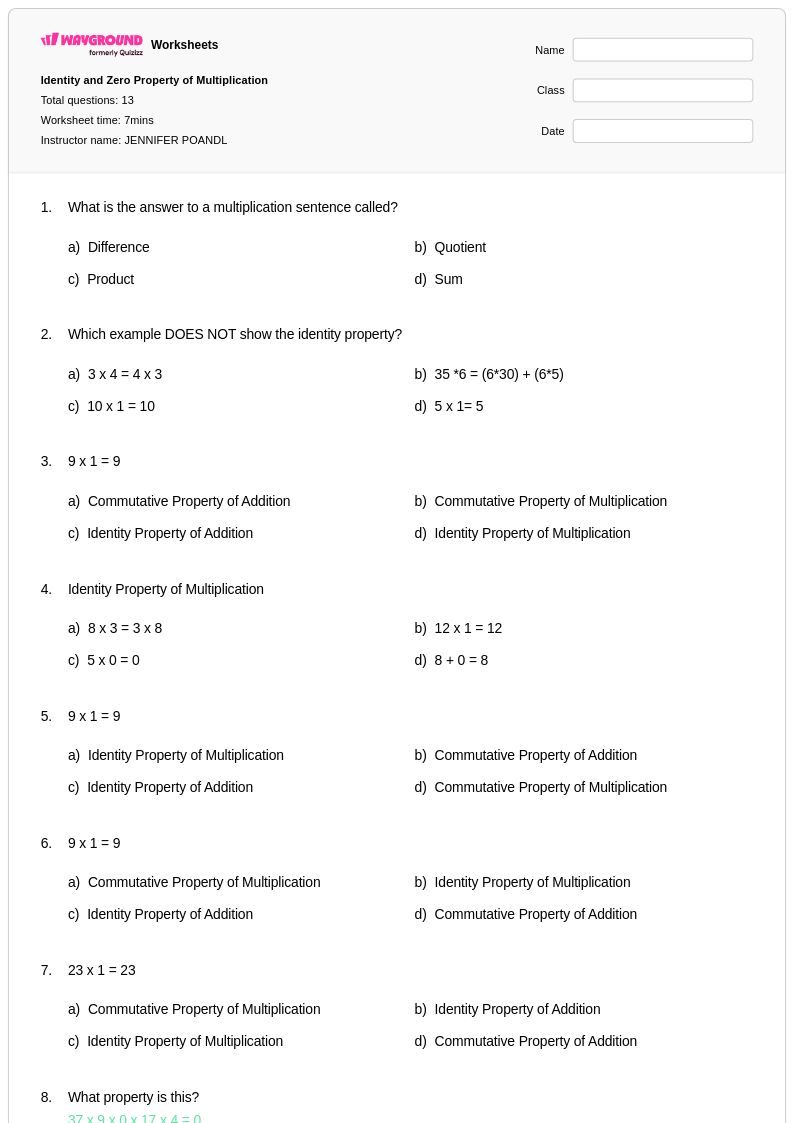
13 Q
3rd
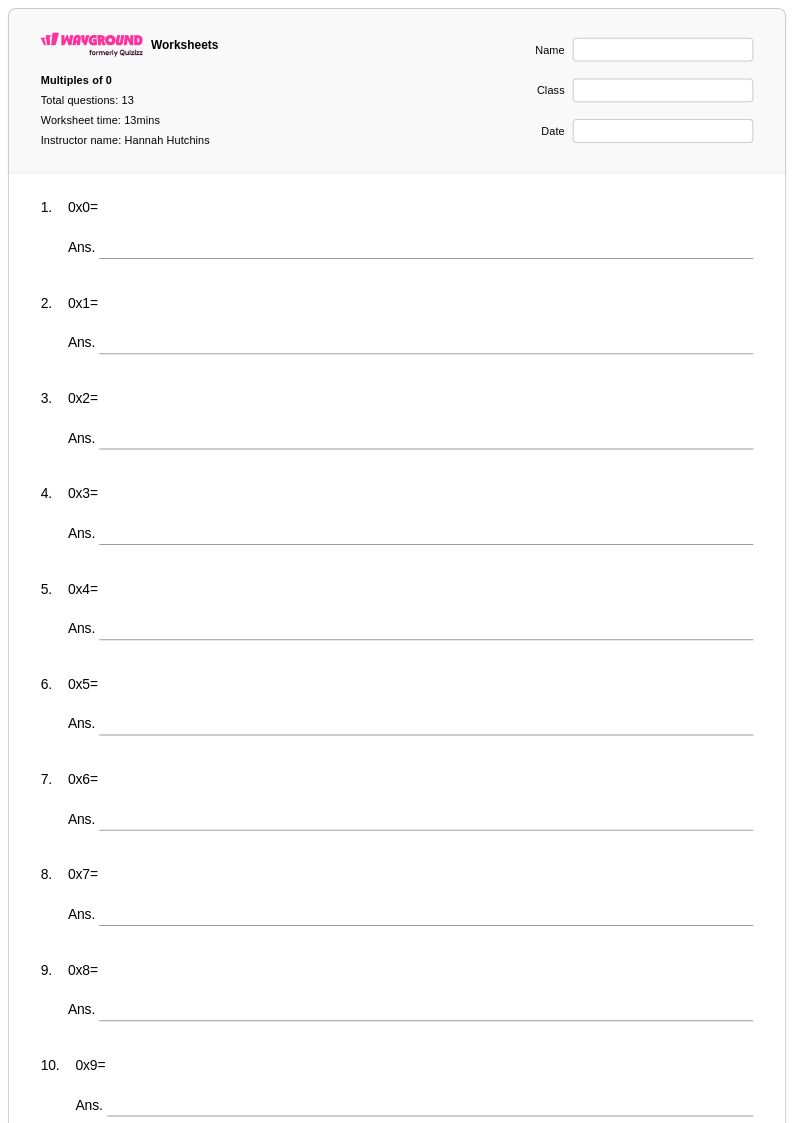
13 Q
3rd
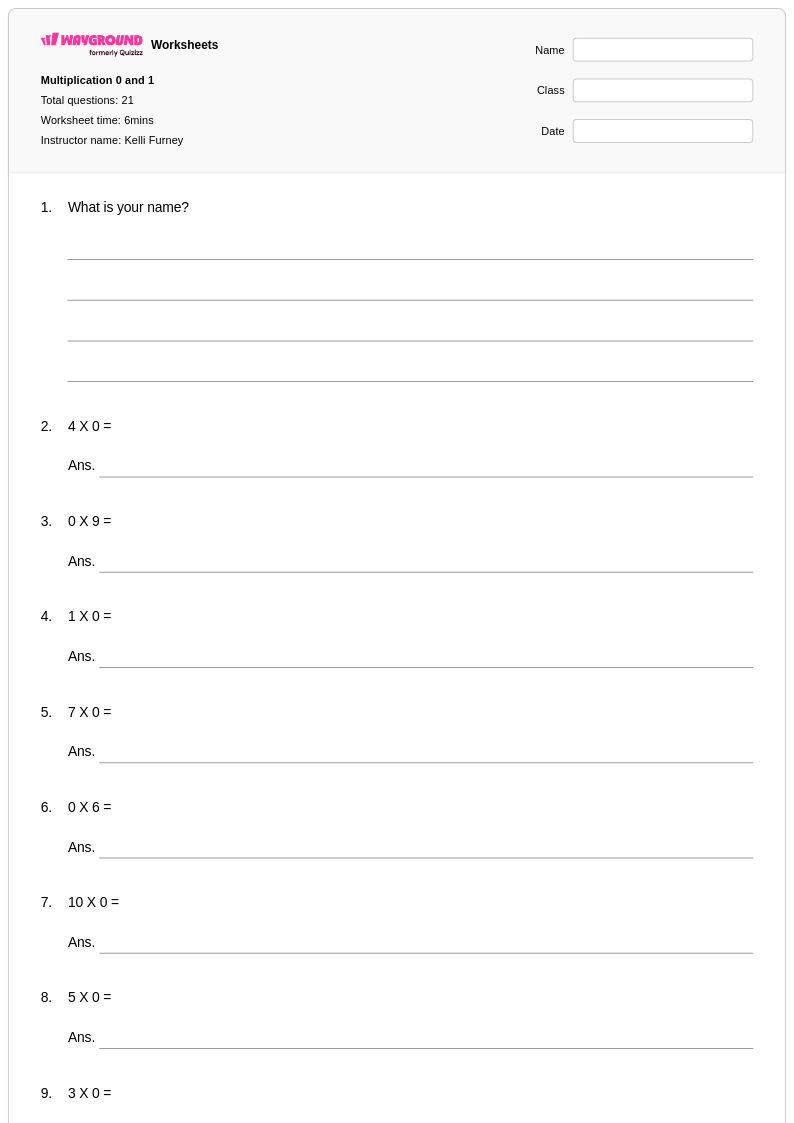
21 Q
3rd
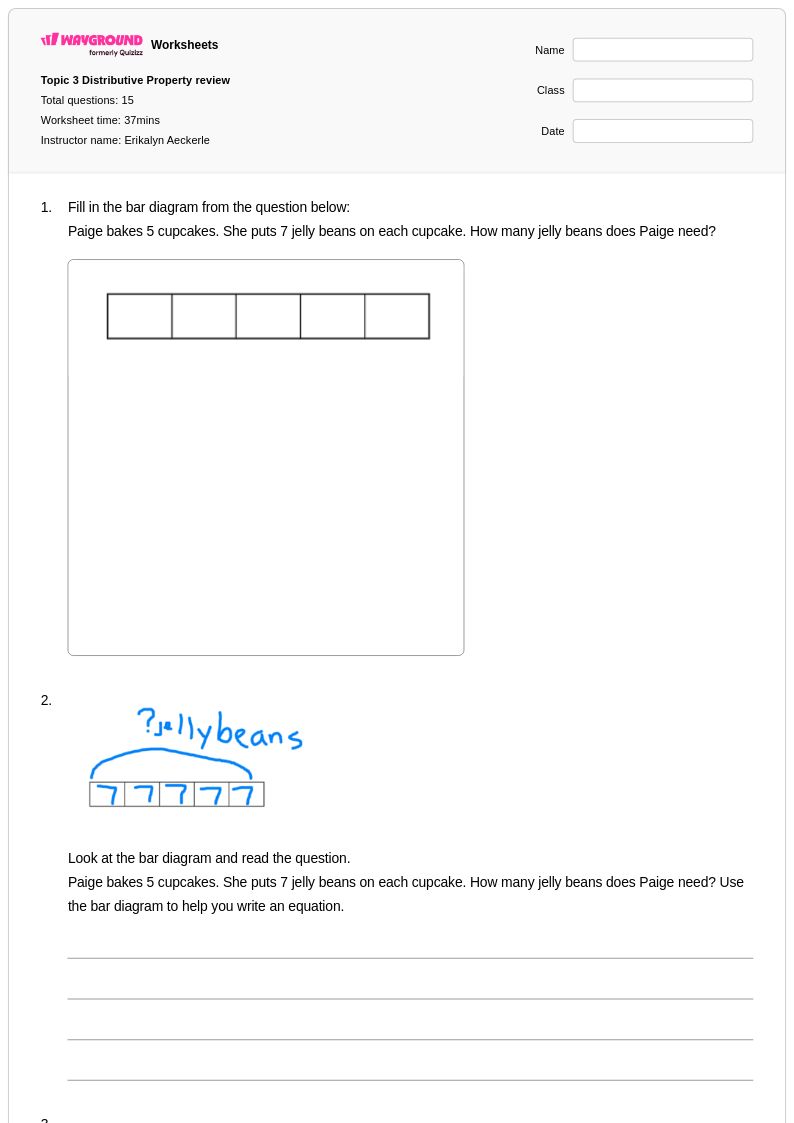
15 Q
3rd
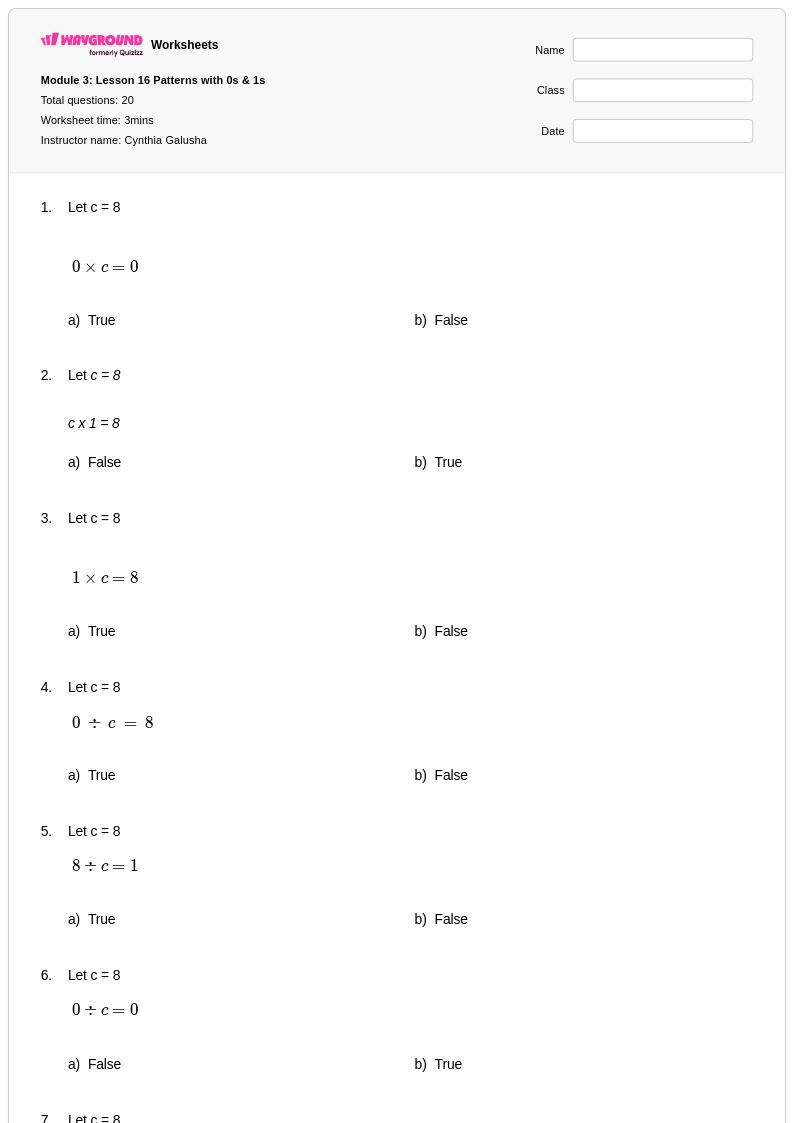
20 Q
3rd
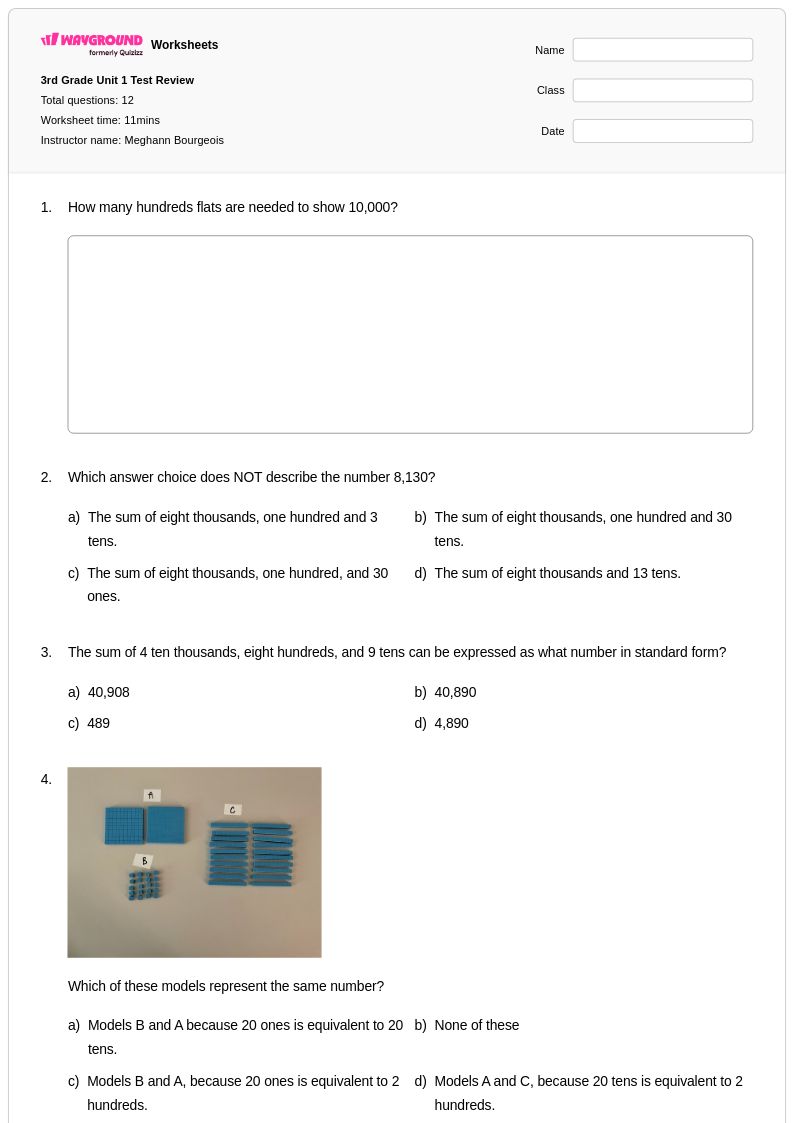
12 Q
3rd
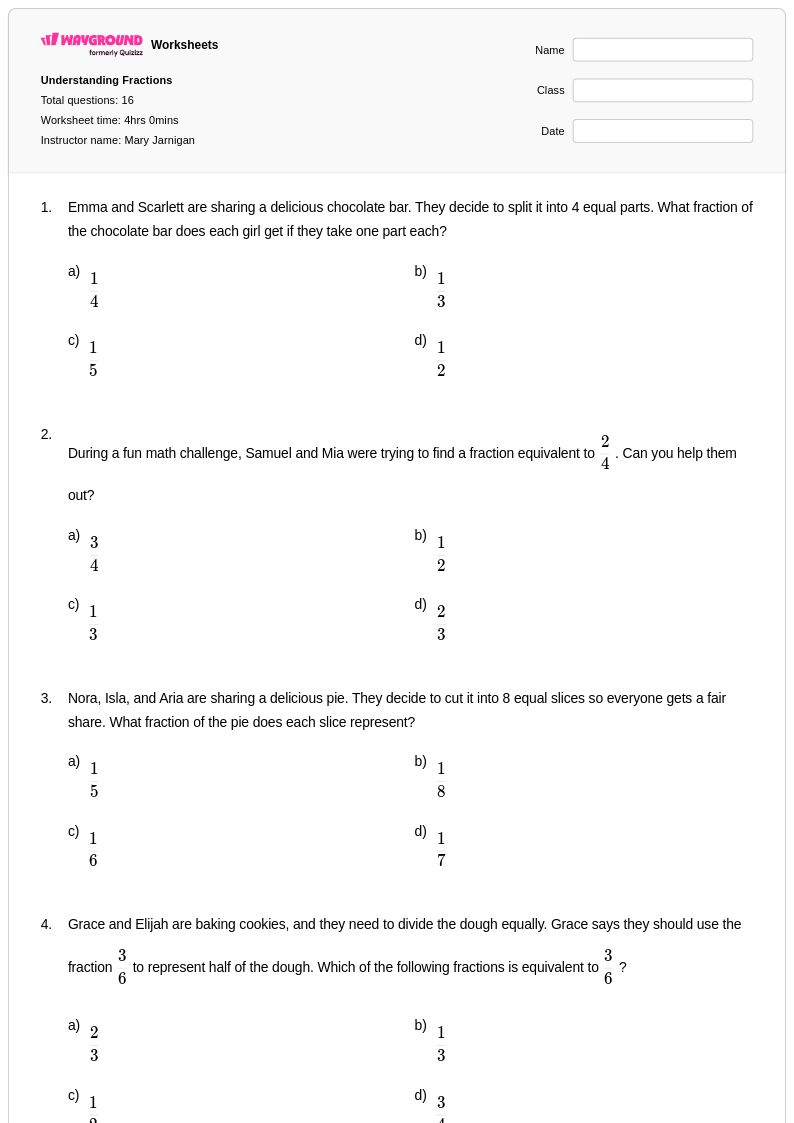
16 Q
3rd
Explore Understanding Zero Worksheets by Grades
Explore Other Subject Worksheets for class 3
Explore printable Understanding Zero worksheets for Class 3
Understanding zero represents a foundational mathematical concept that Class 3 students must master as they develop numerical fluency and mathematical reasoning skills. Wayground's comprehensive collection of understanding zero worksheets provides educators with carefully designed practice problems that help young learners grasp this abstract yet crucial concept through concrete examples and visual representations. These free printables systematically guide students through recognizing zero as both a number and a placeholder, exploring its role in addition and subtraction operations, and understanding how zero affects various mathematical processes. Each worksheet includes a detailed answer key to support accurate assessment and immediate feedback, while the pdf format ensures convenient classroom distribution and home practice opportunities.
Wayground, formerly Quizizz, empowers teachers with access to millions of educator-created resources specifically targeting understanding zero and other essential Class 3 mathematics concepts. The platform's robust search and filtering capabilities allow instructors to quickly locate worksheets that align with curriculum standards and match their students' specific learning needs. Teachers can seamlessly customize these materials for differentiated instruction, creating targeted practice sessions for remediation or enrichment while maintaining engagement across diverse learning styles. The availability of both printable and digital formats, including downloadable pdf versions, provides maximum flexibility for lesson planning and enables educators to deliver consistent, high-quality instruction whether students are learning in traditional classrooms or remote environments.