Free Printable Visual Scanning Worksheets for Class 4
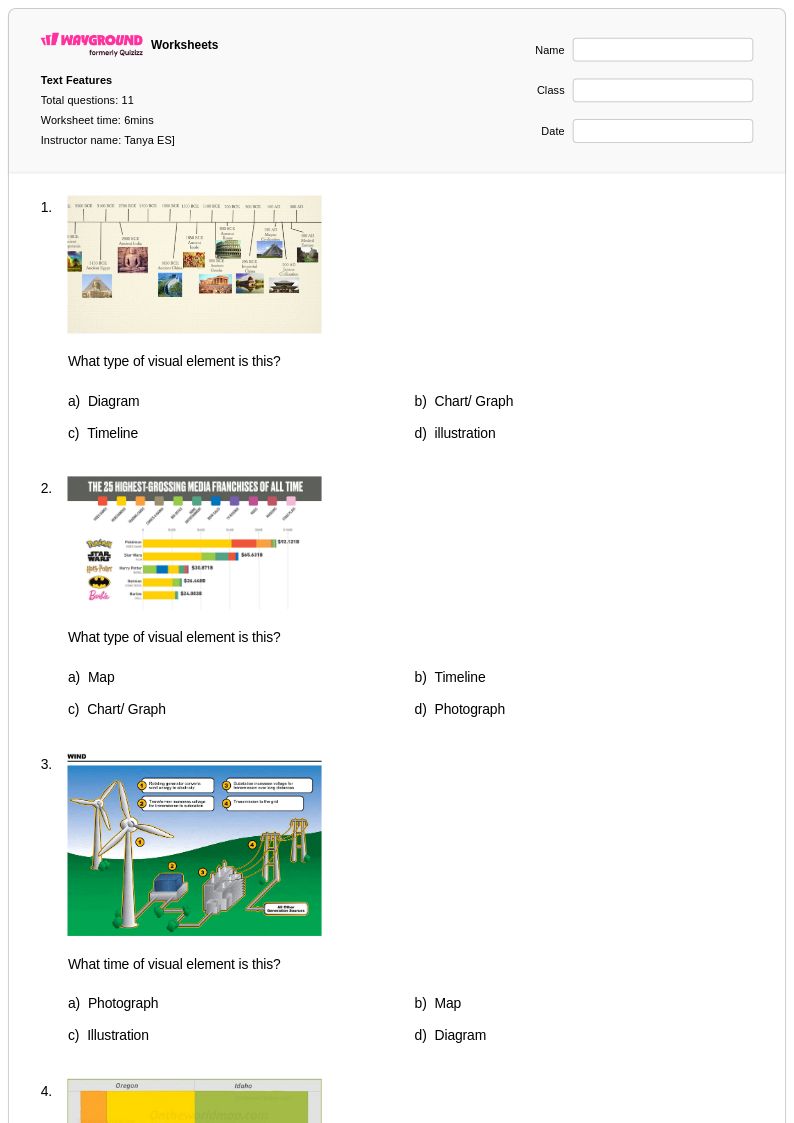
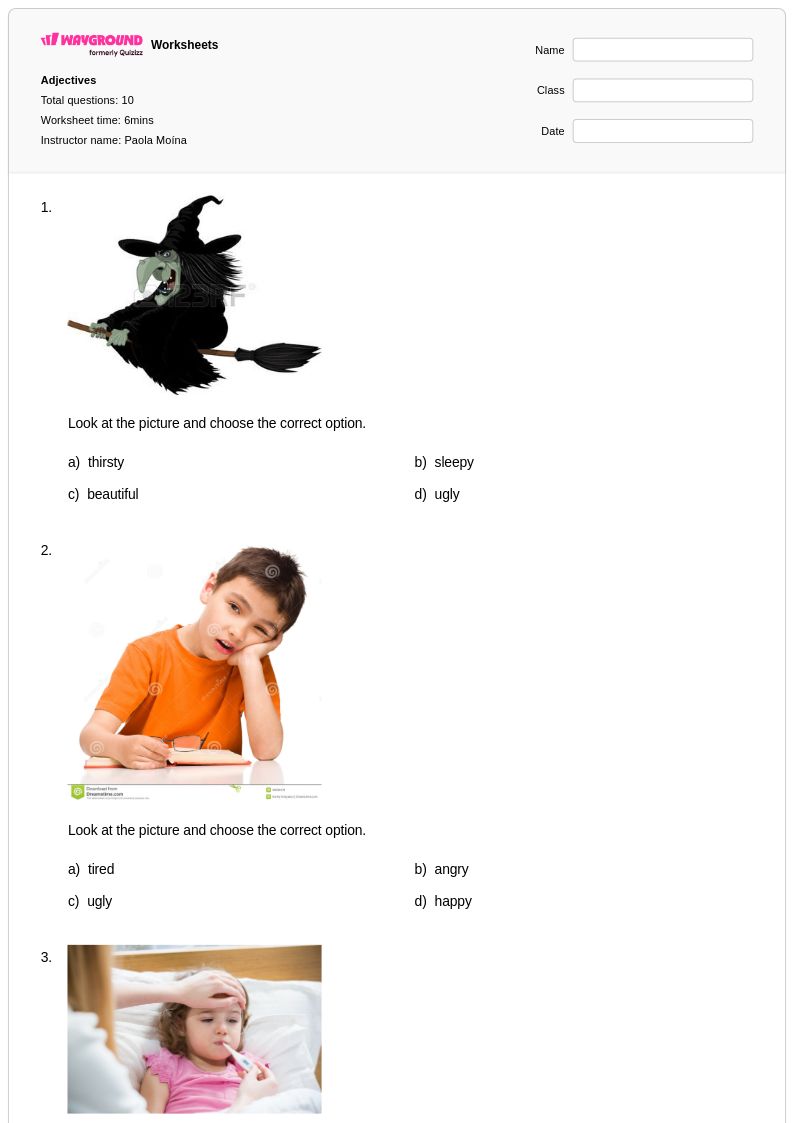
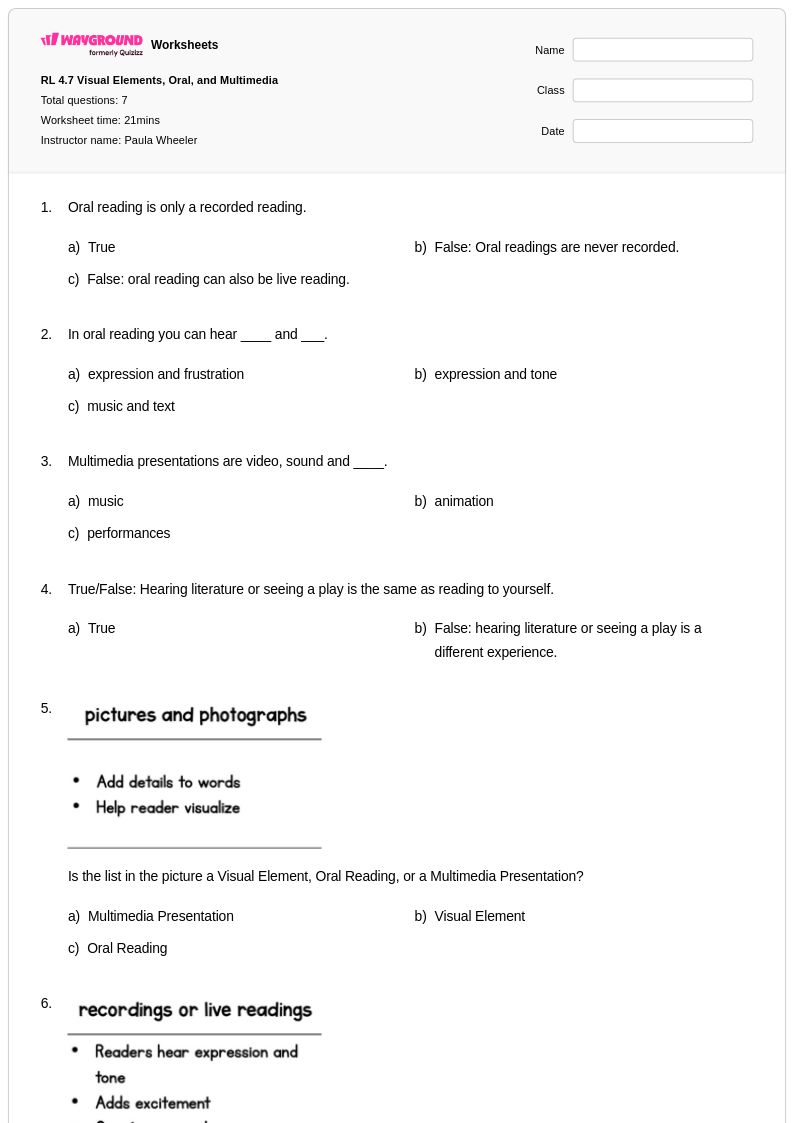
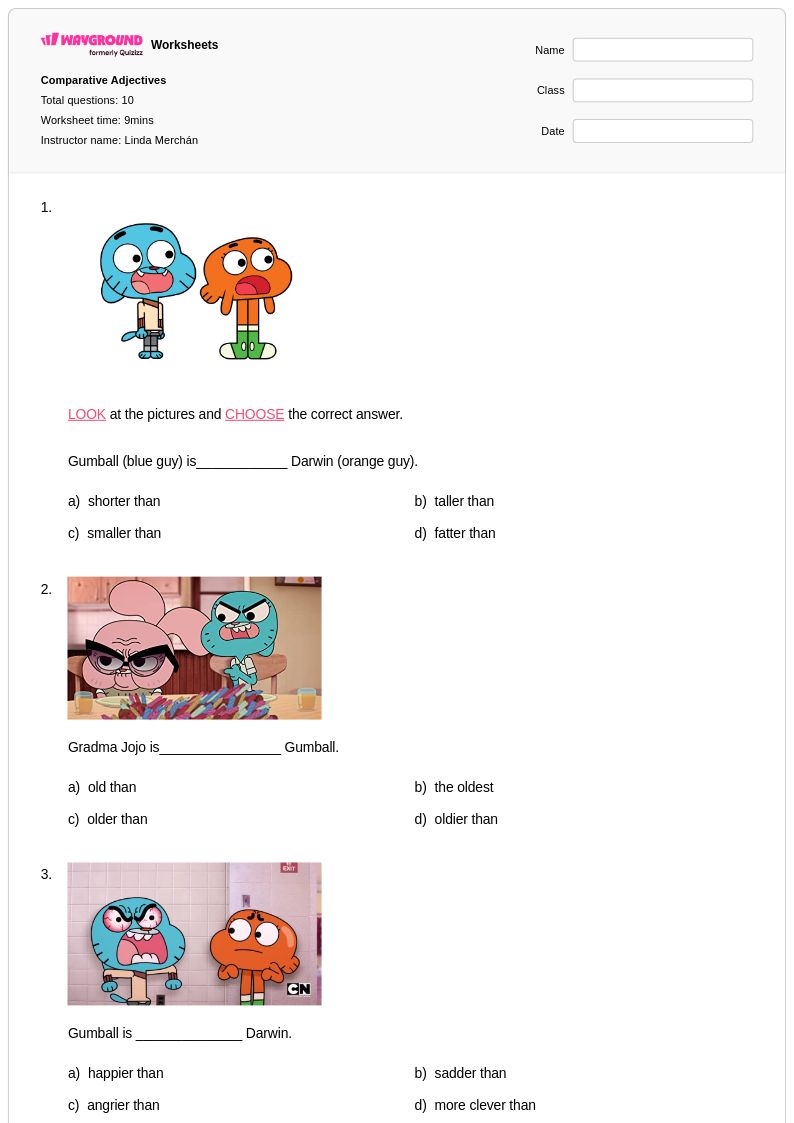
Enhance Class 4 students' visual scanning skills with Wayground's free reading comprehension worksheets, featuring engaging printables, practice problems, and comprehensive answer keys in PDF format.
Explore printable Visual Scanning worksheets for Class 4
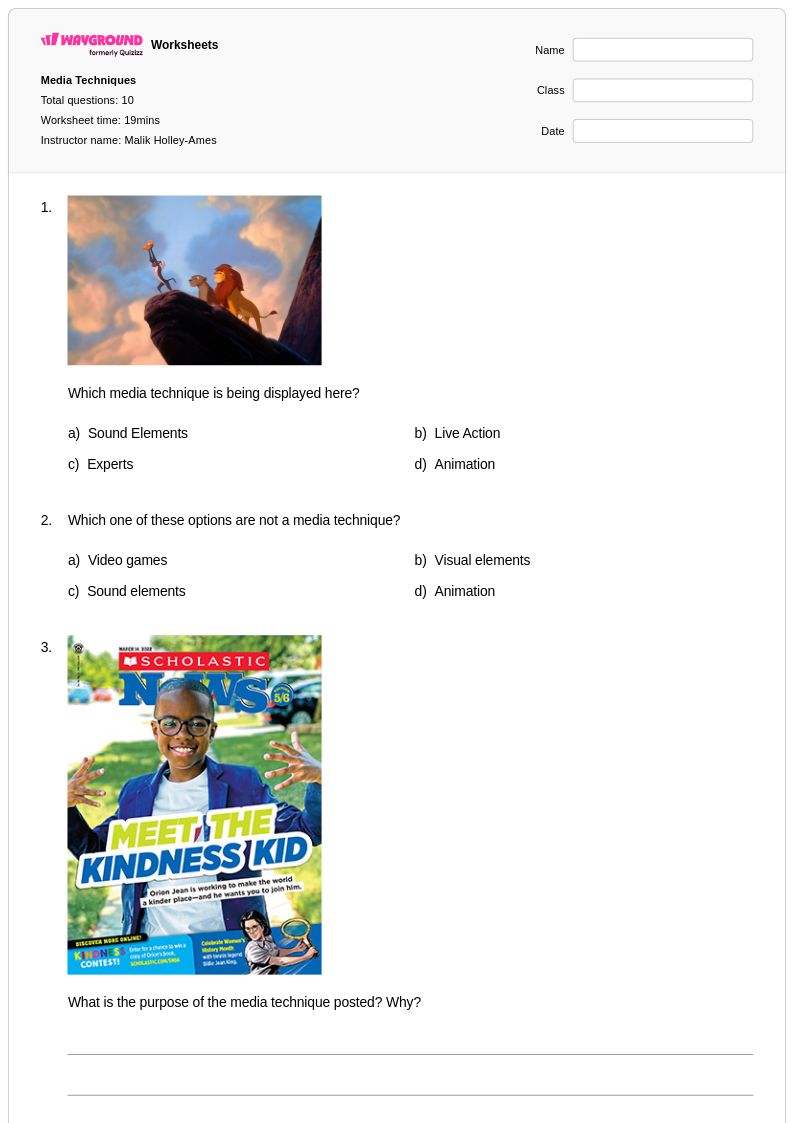
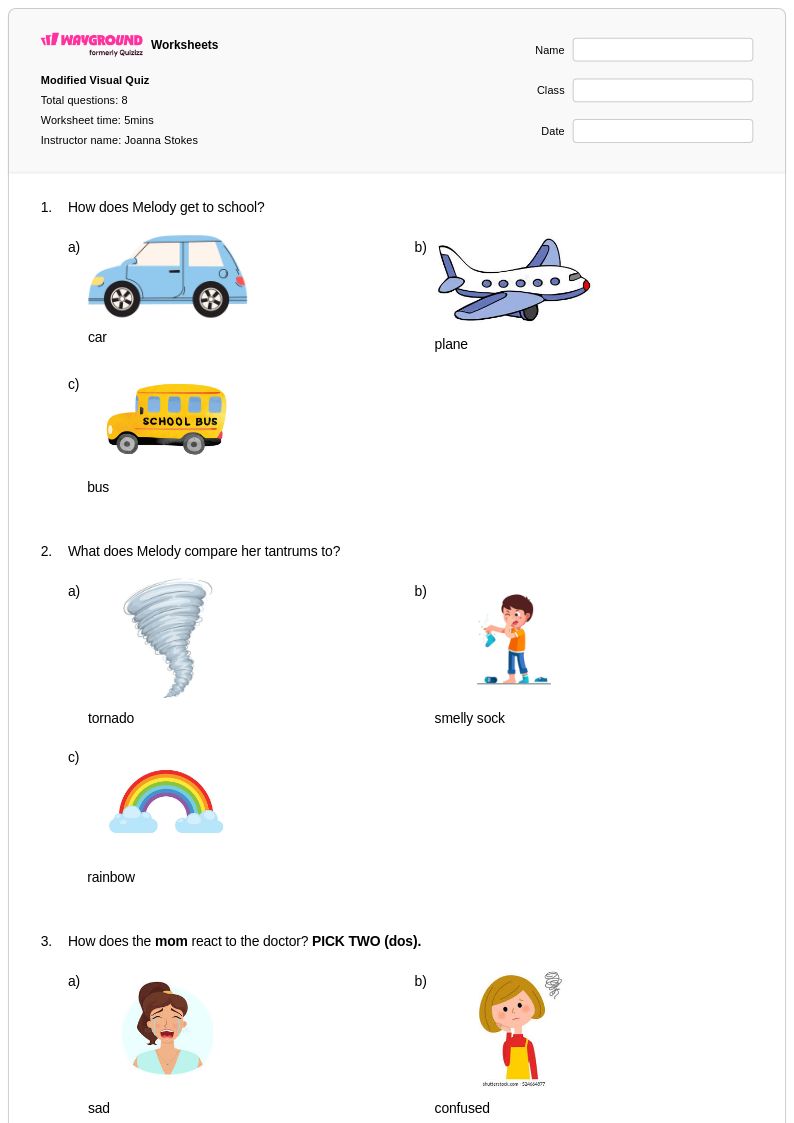
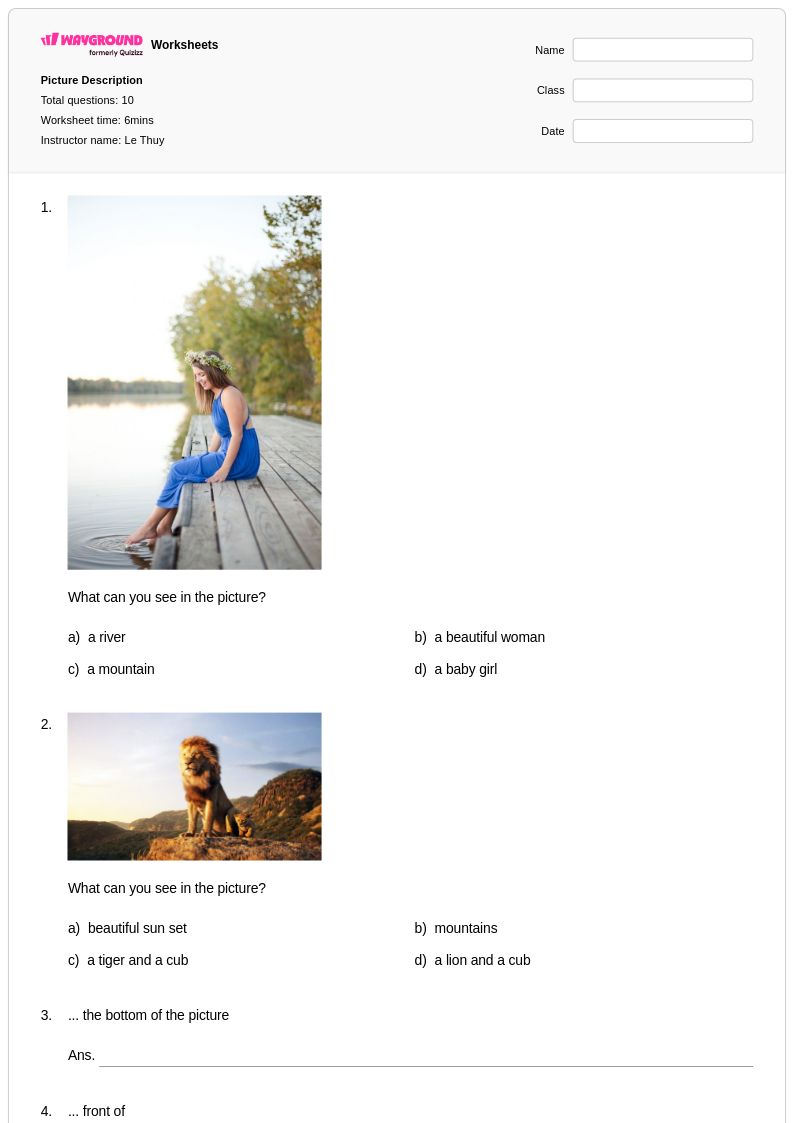
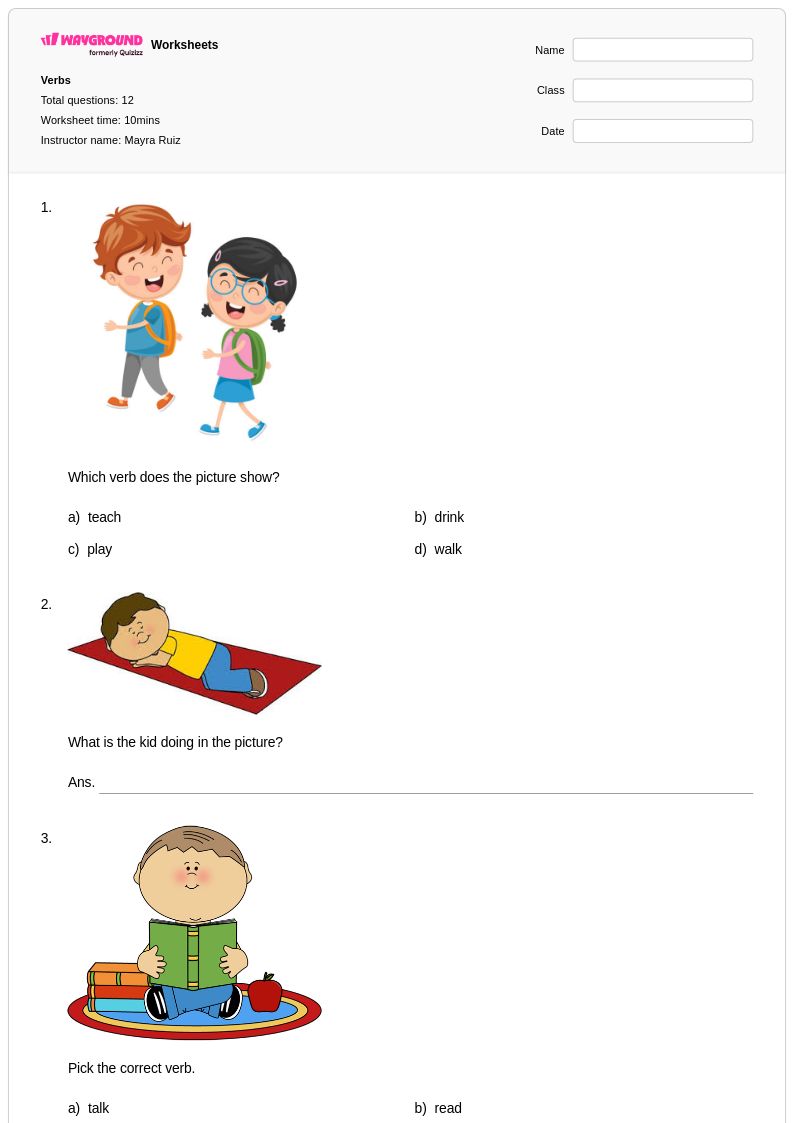
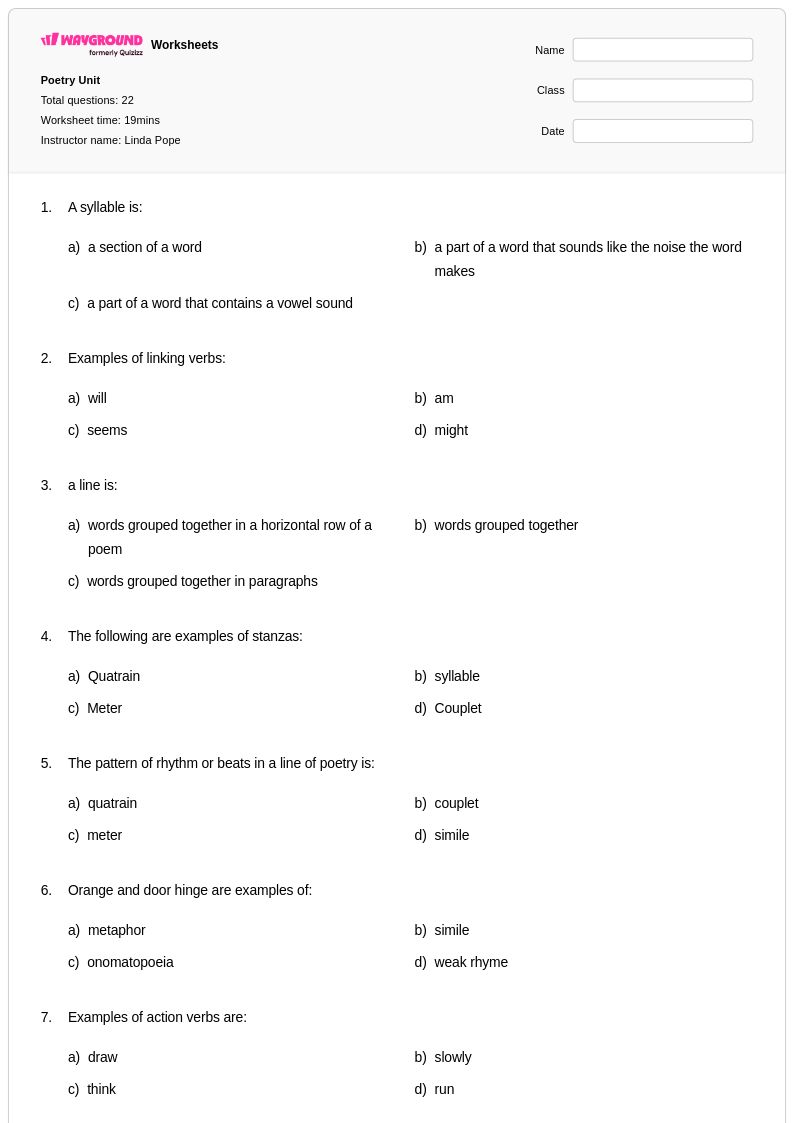
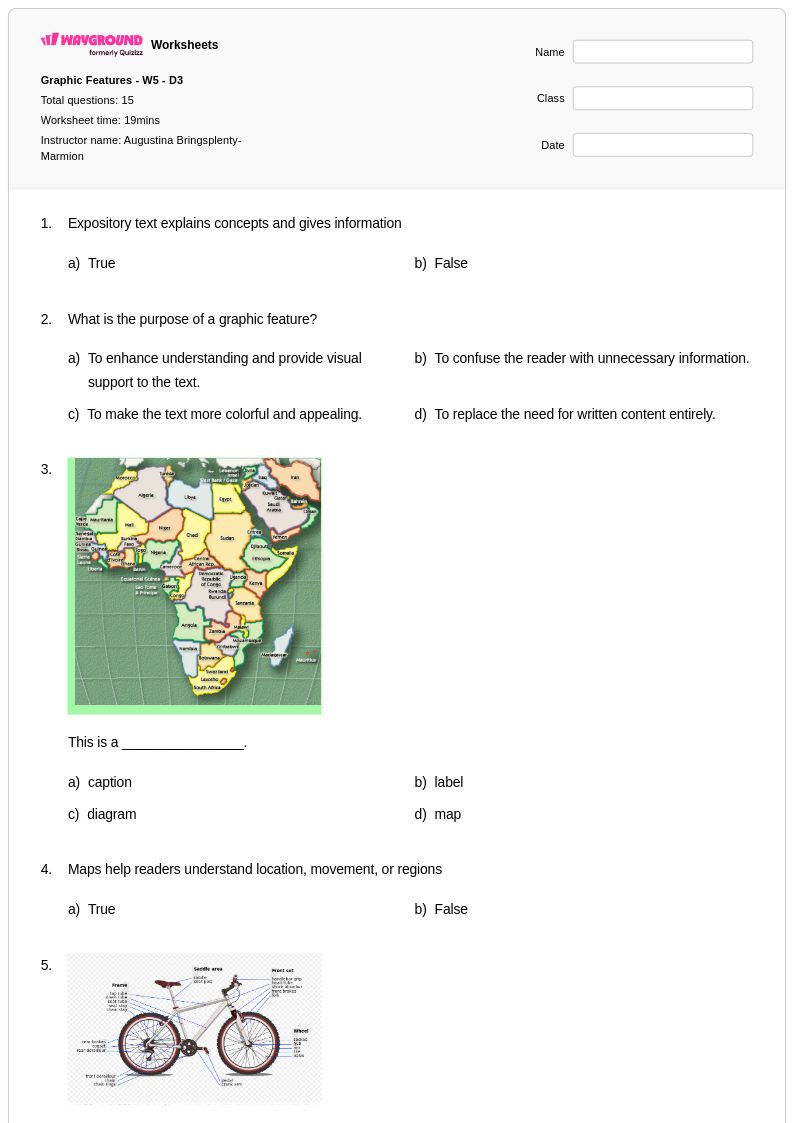
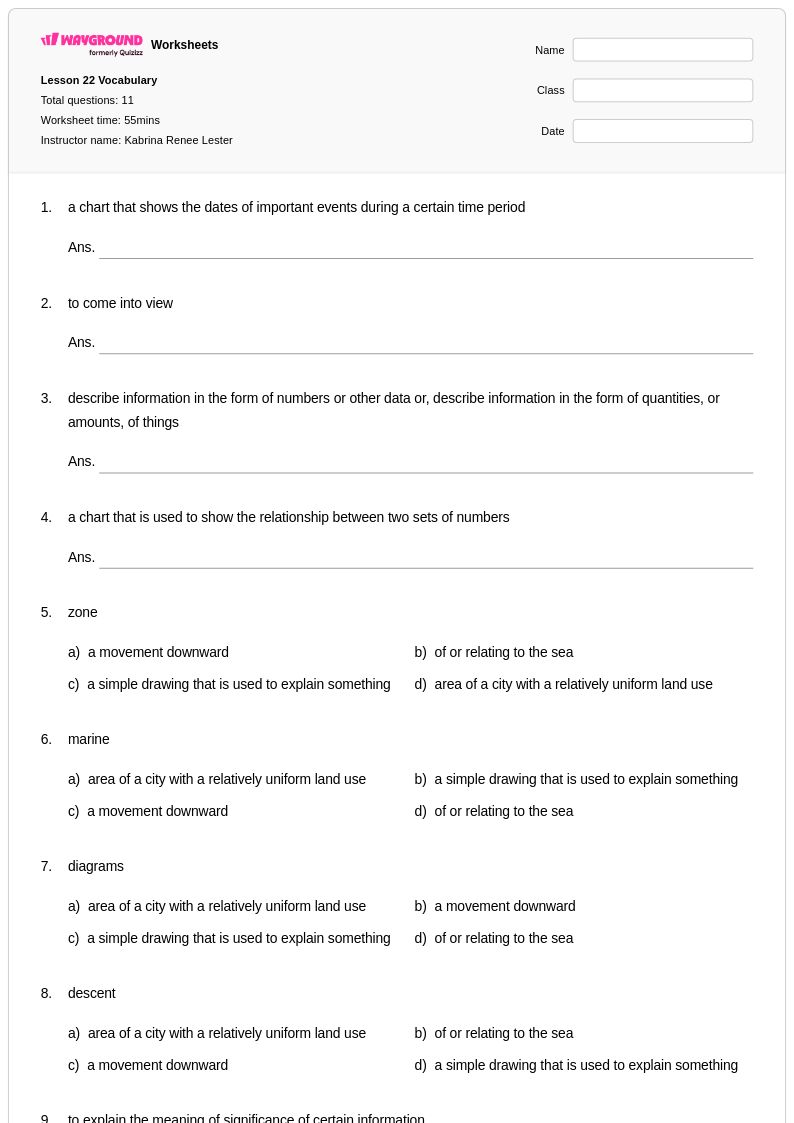
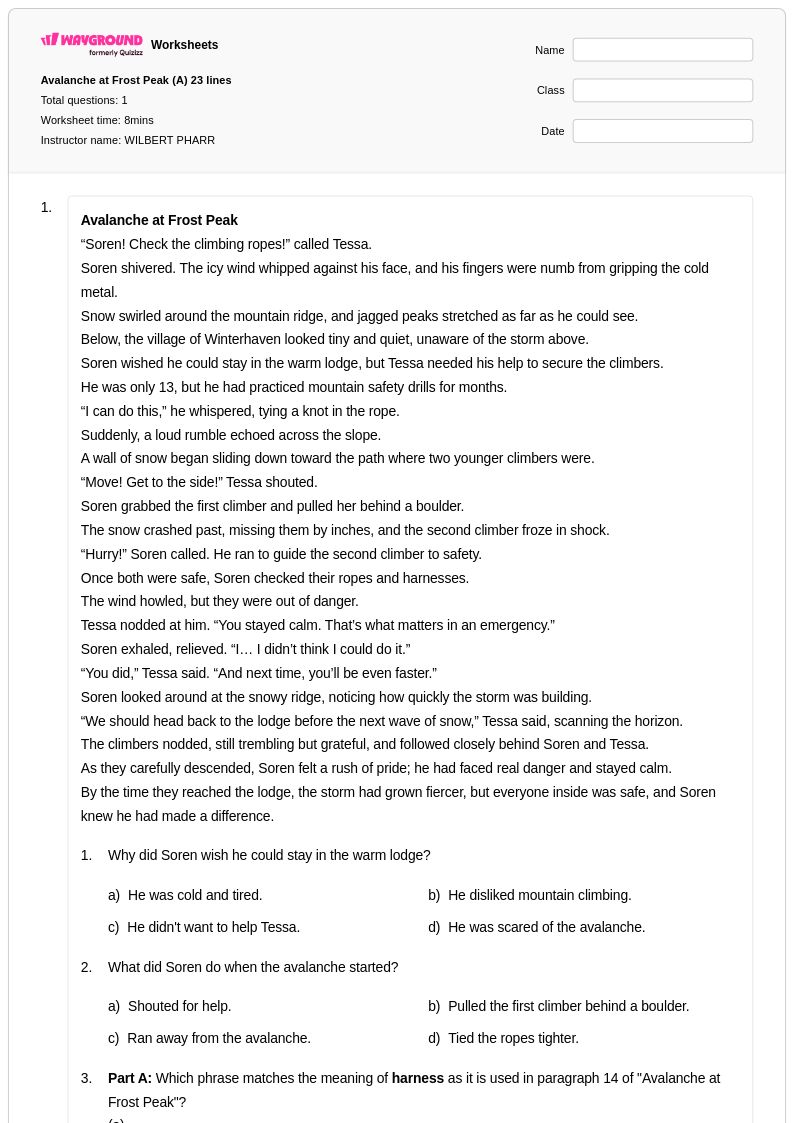
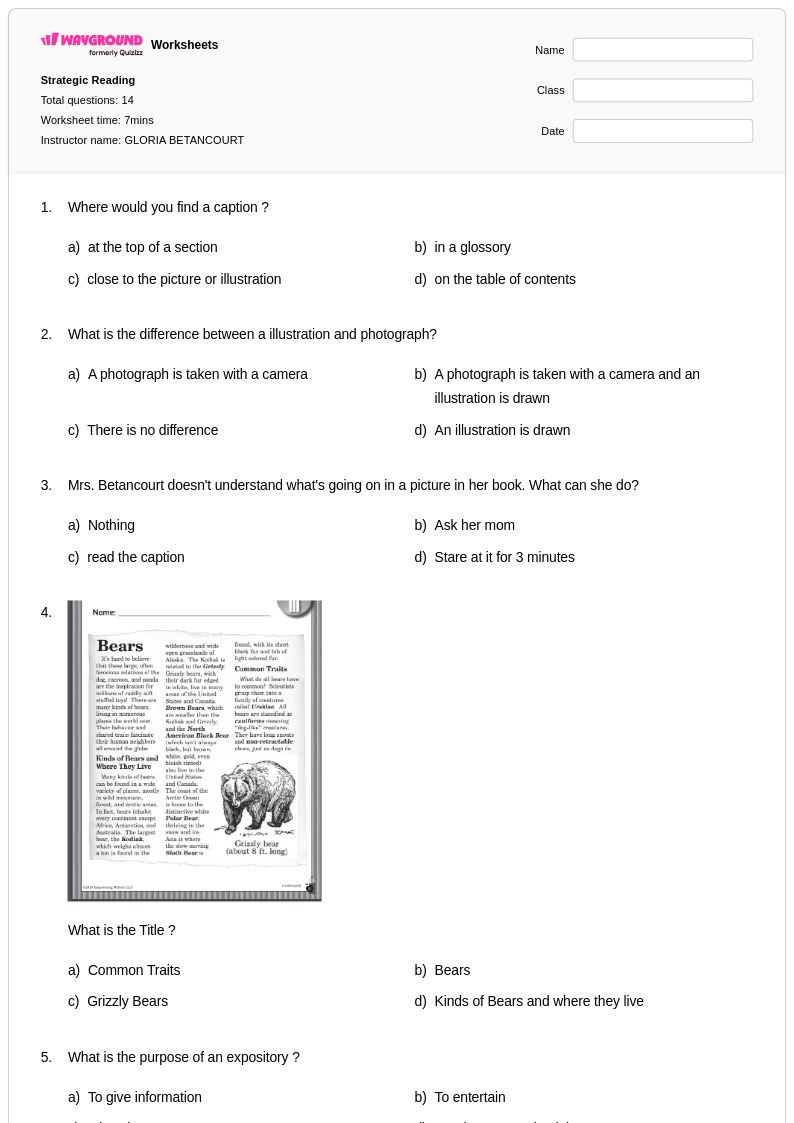
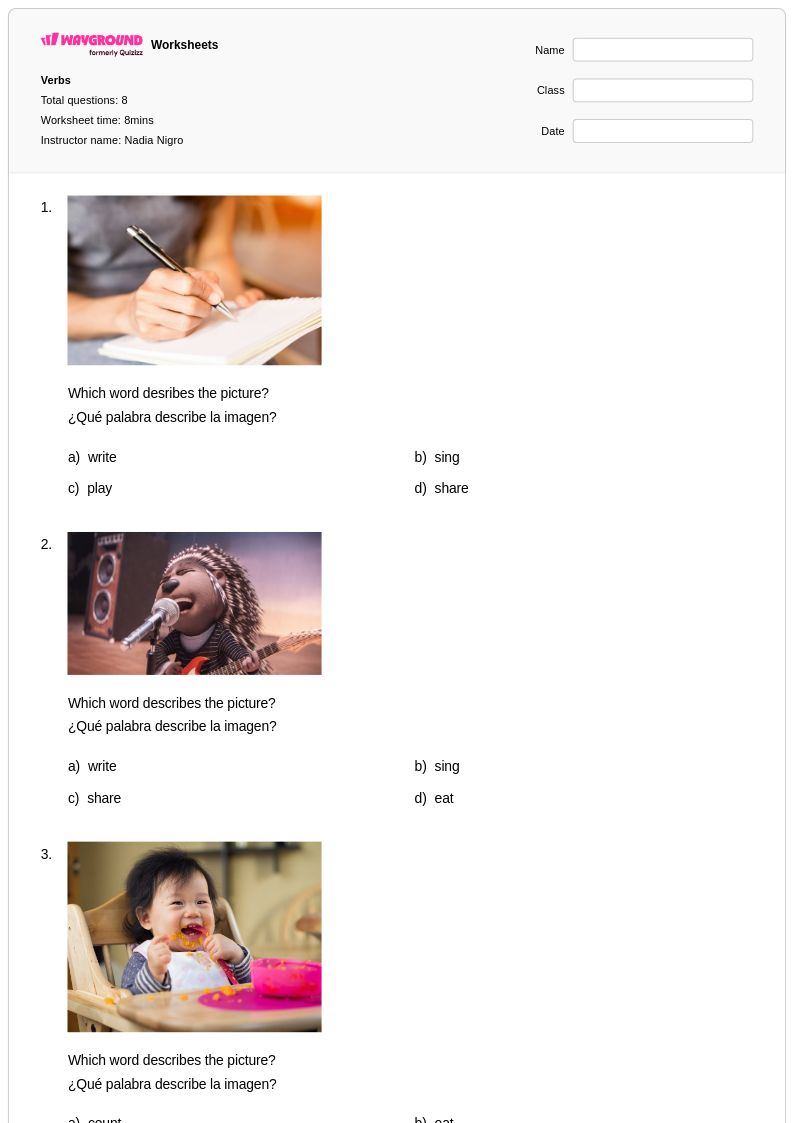
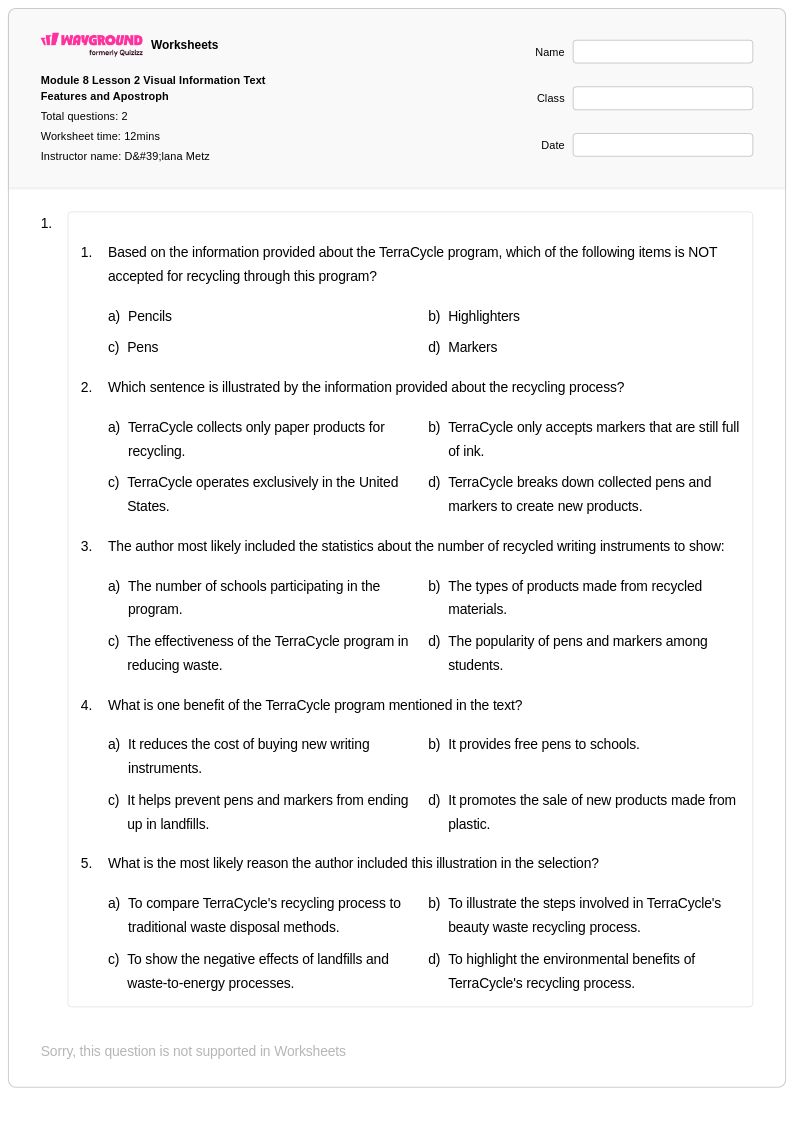
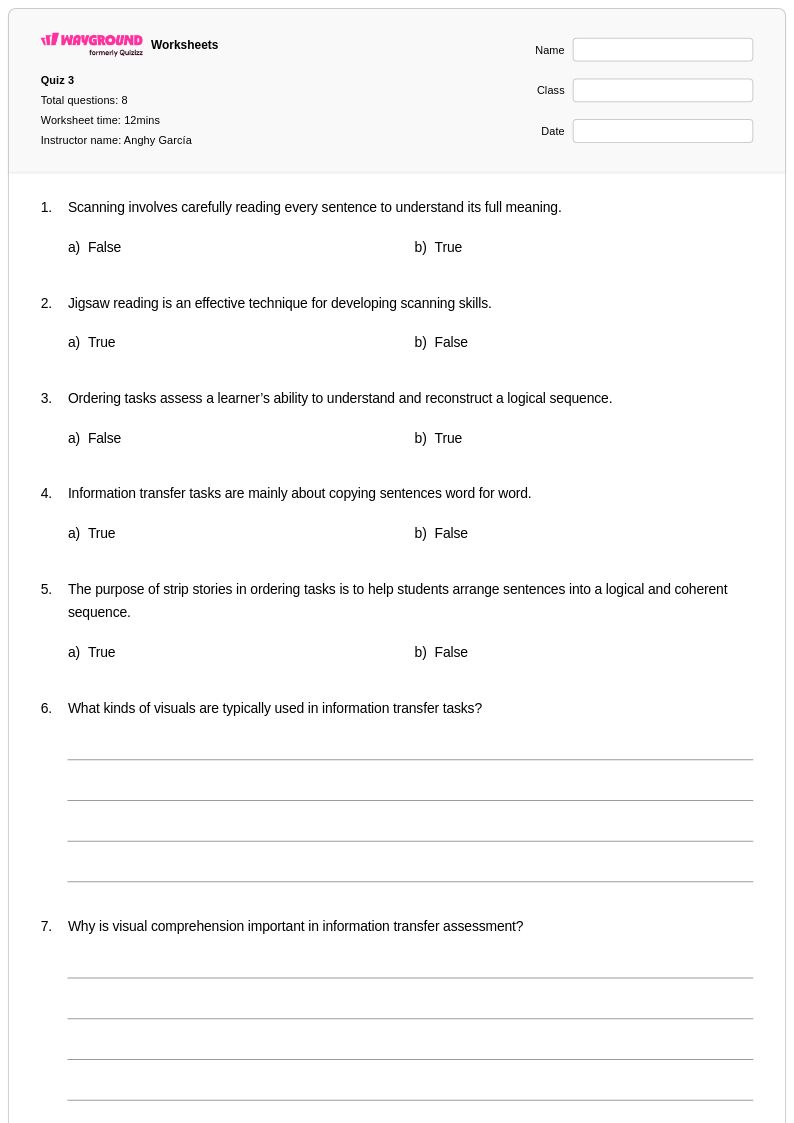
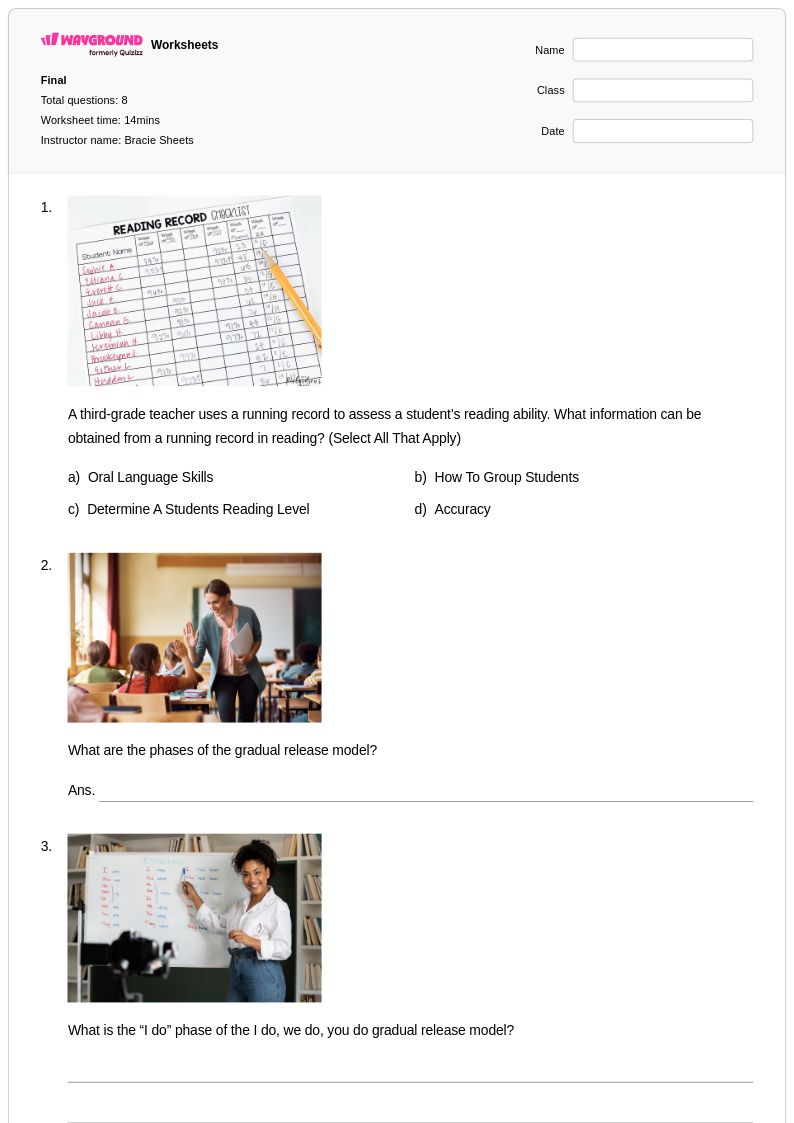
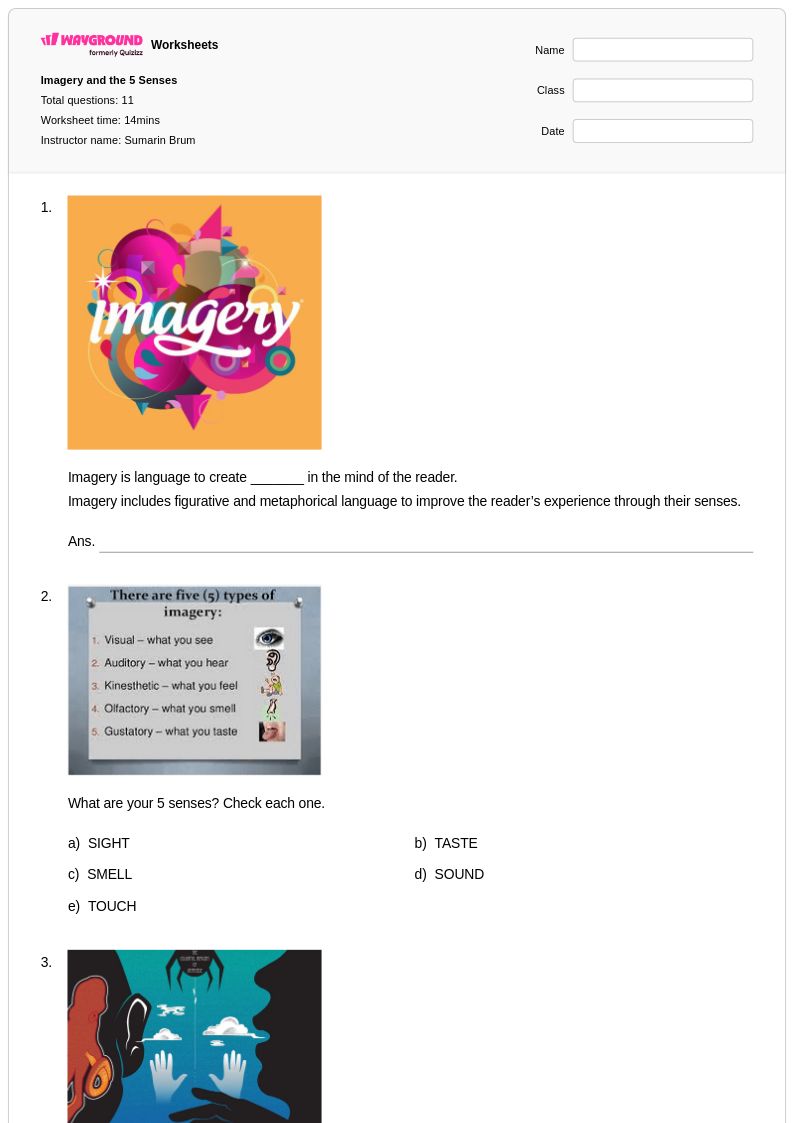
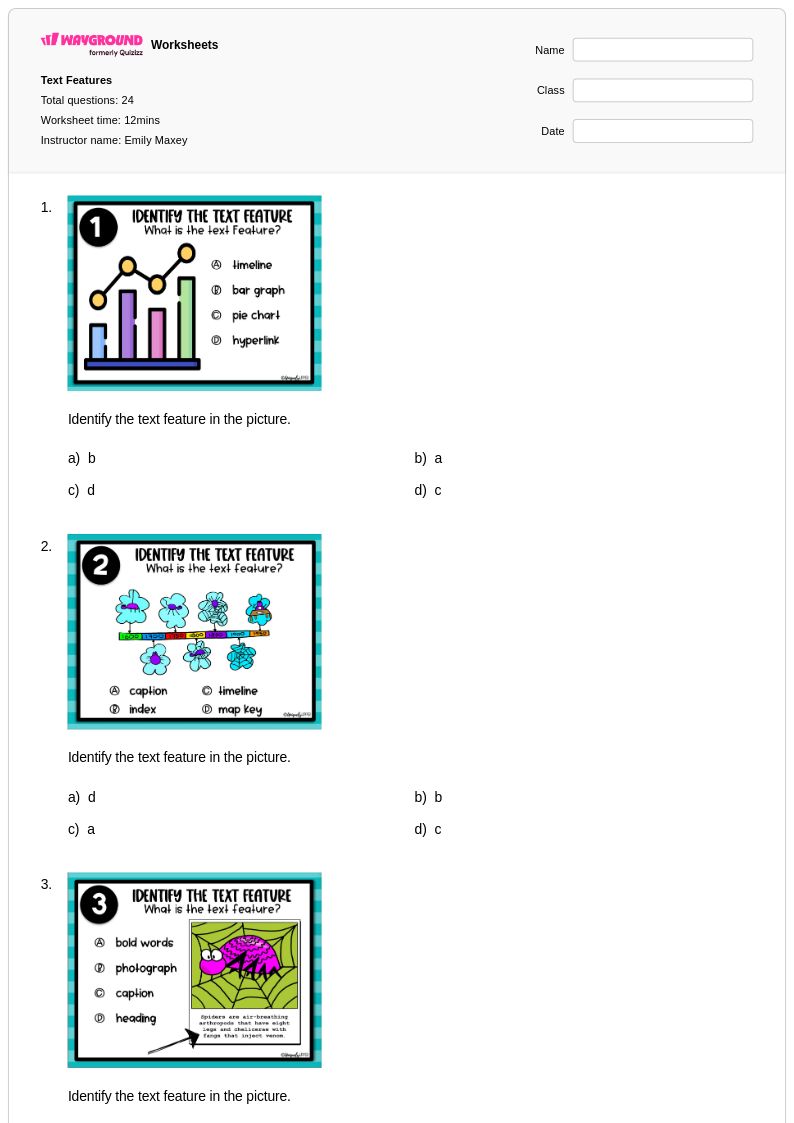
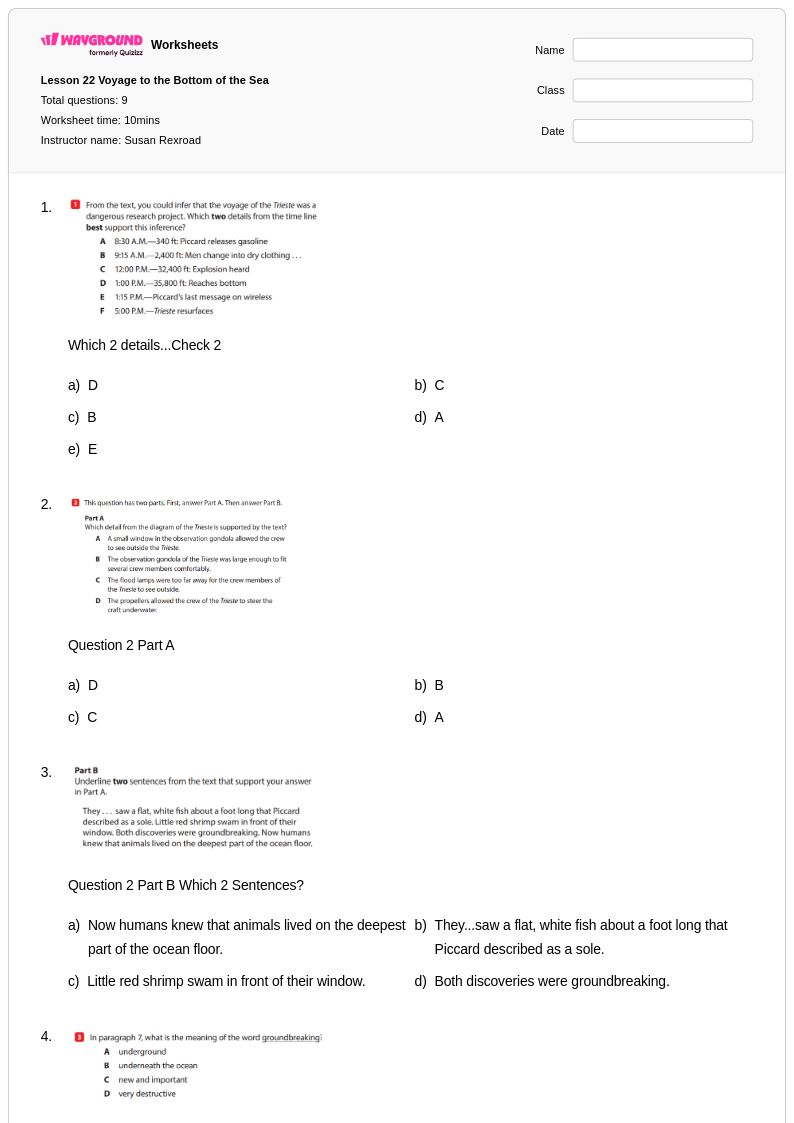
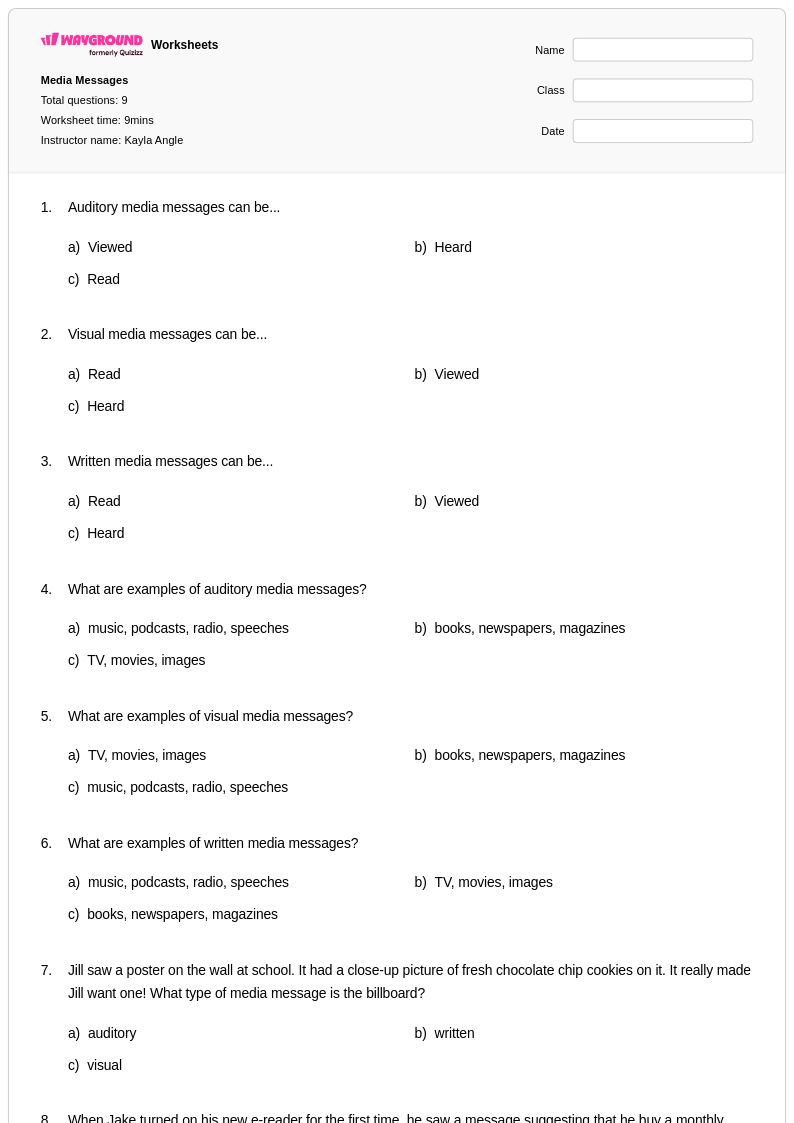
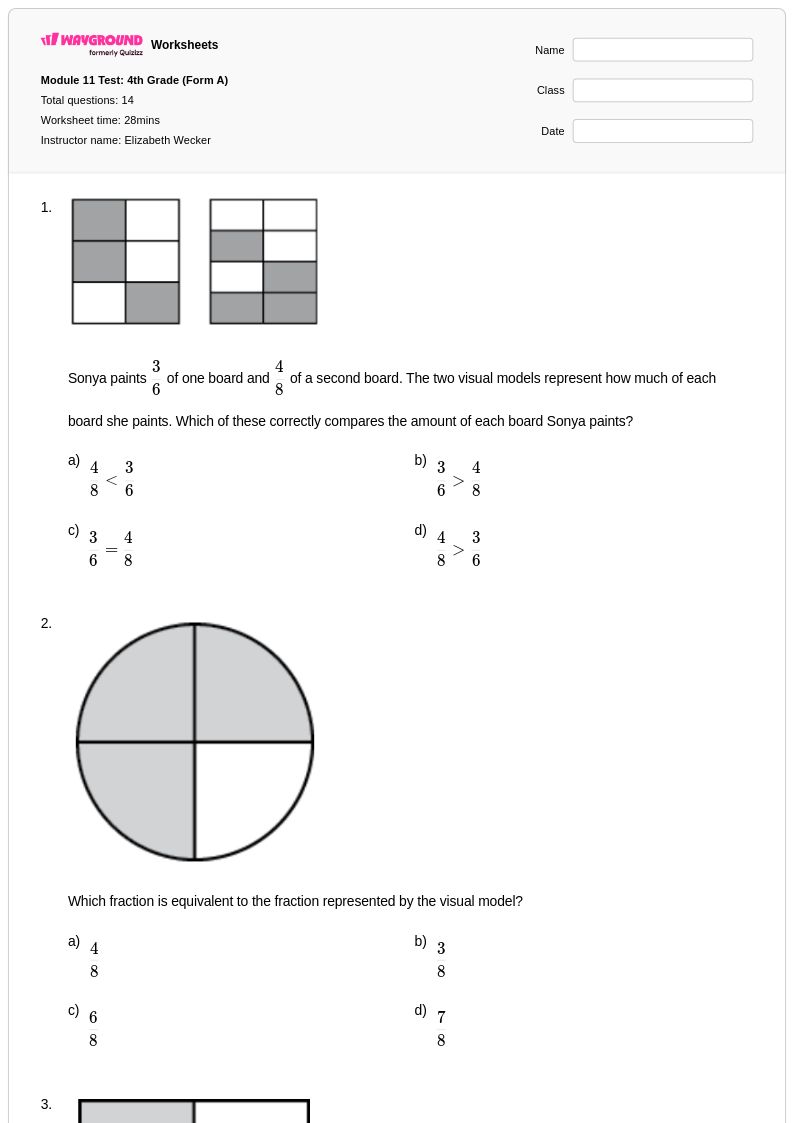
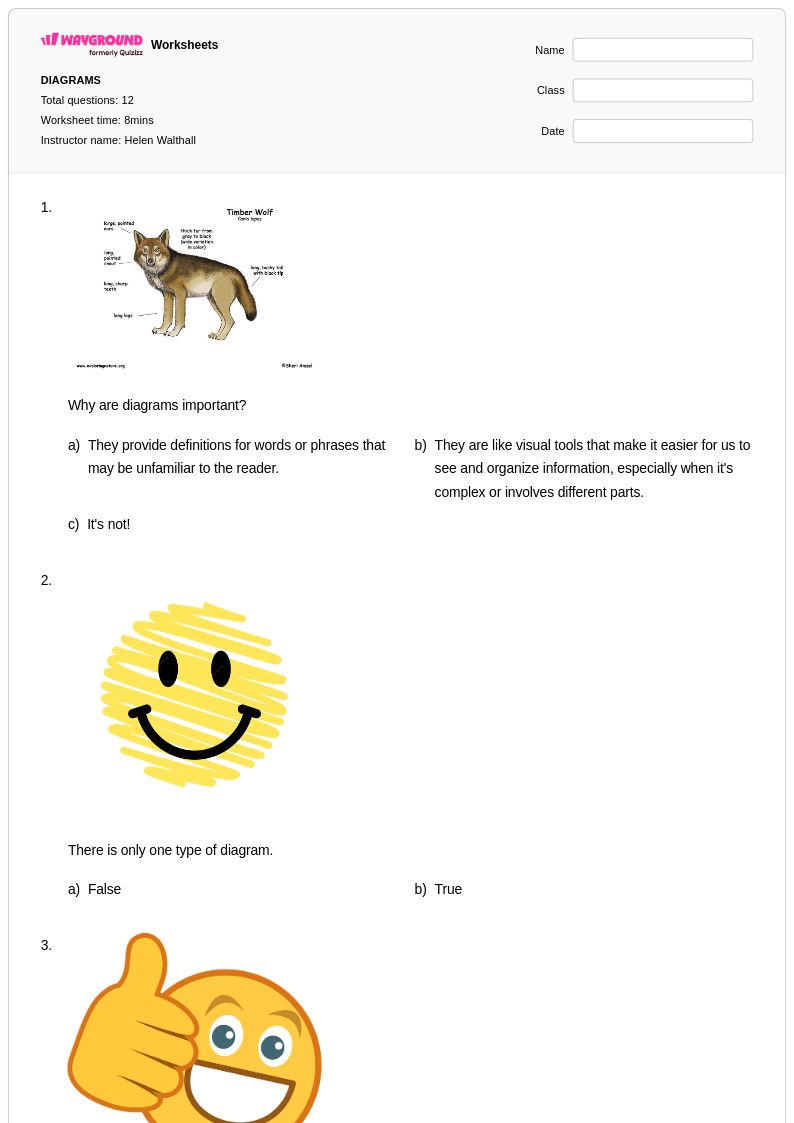
Visual scanning worksheets for Class 4 students available through Wayground (formerly Quizizz) provide essential practice in developing rapid visual processing skills that form the foundation of effective reading comprehension. These carefully designed printables focus on training fourth-grade learners to systematically search text for specific information, identify key details quickly, and recognize patterns within written material. Students work through structured practice problems that strengthen their ability to locate target words, phrases, or visual elements within passages, while building the scanning speed necessary for efficient reading. Each worksheet includes a comprehensive answer key, making it simple for educators to assess student progress and identify areas where additional support may be needed. These free resources systematically develop the visual scanning techniques that enable students to preview texts effectively, locate specific information during research tasks, and improve overall reading fluency.
Wayground (formerly Quizizz) empowers teachers with access to millions of educator-created visual scanning resources specifically designed for Class 4 reading instruction, featuring robust search and filtering capabilities that allow quick identification of materials aligned to specific learning standards and curriculum requirements. The platform's comprehensive collection supports differentiated instruction through customizable worksheets that can be modified to meet diverse learner needs, from remediation activities for struggling readers to enrichment challenges for advanced students. Teachers benefit from flexible format options, including printable pdf versions for traditional classroom use and digital formats that integrate seamlessly with technology-enhanced learning environments. These extensive visual scanning resources streamline lesson planning by providing ready-to-use materials for skill practice, targeted intervention, and ongoing assessment, while the platform's organizational tools help educators efficiently manage and distribute worksheets that align with their specific instructional goals and pacing requirements.
FAQs
How do I teach visual scanning skills to students?
Visual scanning is best taught by starting with structured, timed exercises where students search for specific targets — such as a date, name, or number — within a short text passage without reading every word. Teachers should model the technique explicitly, demonstrating how proficient readers use rapid eye movements and selective attention to locate information efficiently. Gradually increasing text complexity and reducing response time helps students internalize the skill and apply it automatically across subject areas.
What exercises help students practice visual scanning?
Effective visual scanning practice involves tasks that require students to locate specific details — such as numbers, proper nouns, or bolded terms — within dense text passages under timed conditions. Worksheets that vary the format of target information (e.g., tables, paragraphs, lists) build flexible scanning habits. Regular, short practice sessions are more effective than infrequent longer ones because they train the automaticity that strong readers rely on.
What mistakes do students commonly make when learning to visual scan?
The most common error is defaulting to full word-by-word reading instead of skimming selectively, which defeats the purpose of scanning and slows information retrieval. Students also frequently miss targets because they fixate on the beginning of lines rather than letting their eyes move fluidly across and down the page. Teaching students to hold the target detail in working memory before they begin scanning — rather than scanning first and deciding what to look for after — significantly reduces these errors.
How can I differentiate visual scanning practice for students at different reading levels?
For struggling readers, reduce text density and limit the number of possible target items per passage so students can build confidence before tackling more complex material. For advanced learners, increase passage length, introduce distractors that look similar to the target, or require scanning across multiple text formats simultaneously. On Wayground, teachers can apply accommodations such as read aloud support and reduced answer choices to individual students, allowing the same worksheet session to serve diverse learners without singling anyone out.
How do I use Wayground's visual scanning worksheets in my classroom?
Wayground's visual scanning worksheets are available as printable PDFs for traditional classroom use and in digital formats for technology-integrated instruction, making them suitable for independent practice, homework, or small-group intervention. Teachers can also host the worksheets as a quiz directly on Wayground, enabling real-time student responses and built-in answer key support for immediate feedback. The digital format is particularly useful for timed scanning exercises, where controlling response windows reinforces the speed component of the skill.
Why is visual scanning important for academic success across subjects?
Visual scanning is a foundational reading skill that students apply every time they search a textbook index, skim a science passage for a specific term, or locate a data point in a social studies chart. Without efficient scanning ability, students slow down on tests and assignments that require rapid information retrieval, often running out of time before demonstrating what they actually know. Building this skill early reduces cognitive load across all subject areas by allowing students to find relevant information quickly without exhausting their working memory on full-text reading.