Free Printable Word Finding Strategies Worksheets for Class 2
Enhance Class 2 students' word finding strategies with Wayground's comprehensive collection of free worksheets, printables, and practice problems that develop vocabulary skills through engaging PDF exercises with complete answer keys.
Explore printable Word Finding Strategies worksheets for Class 2
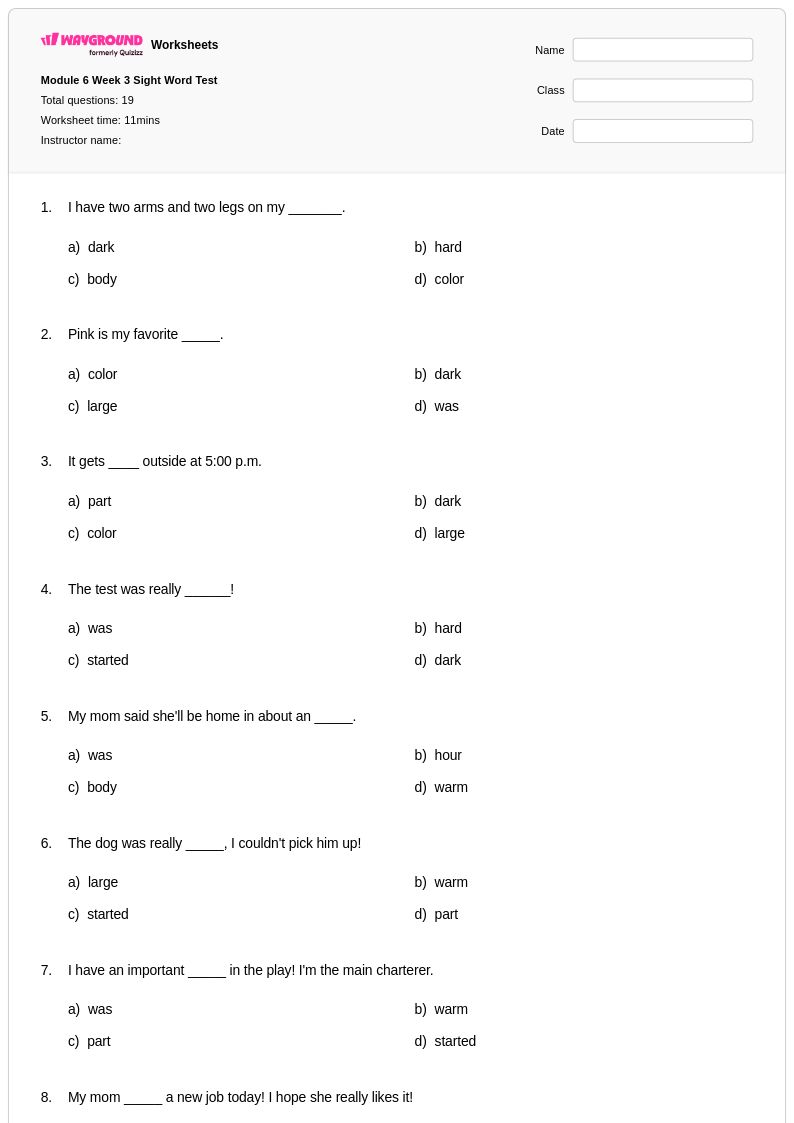
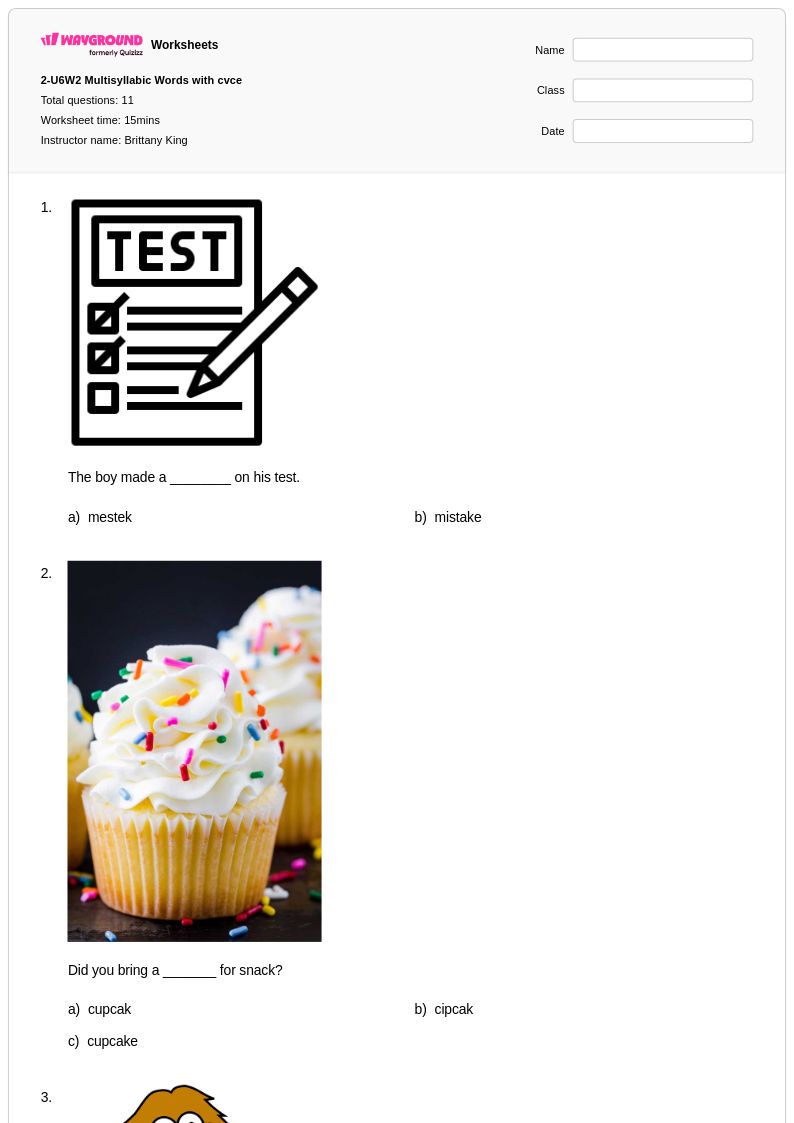
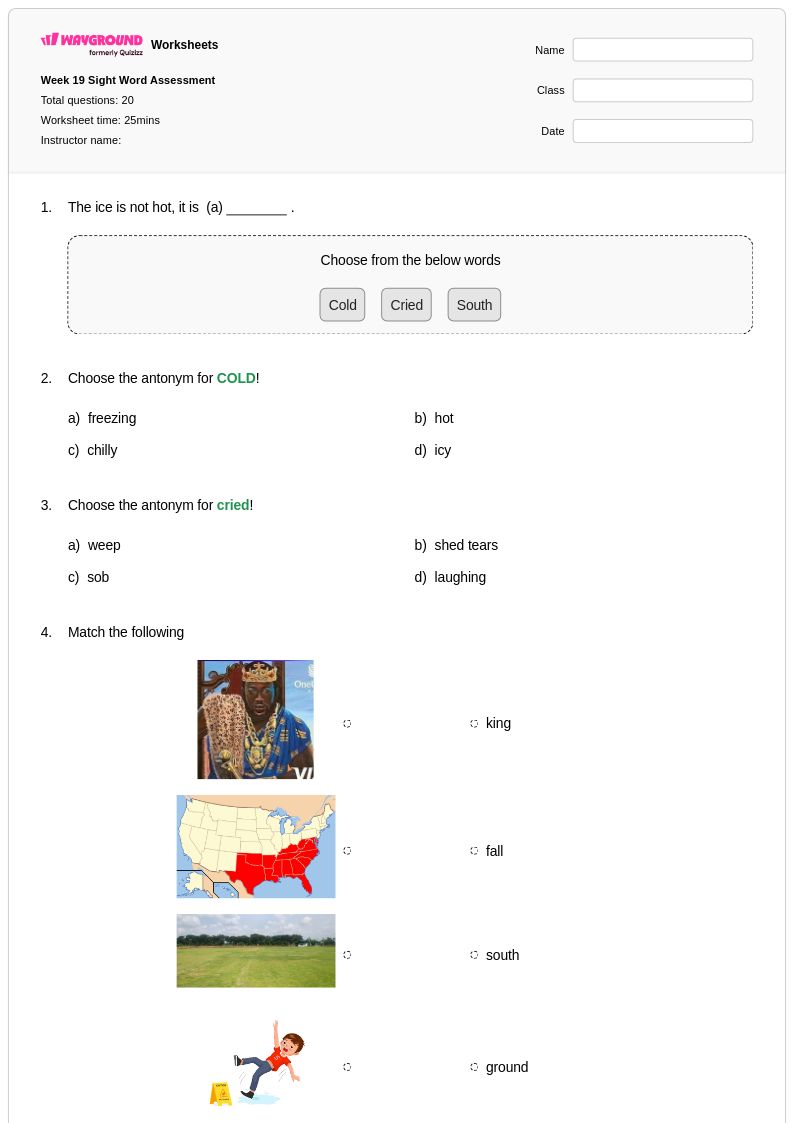
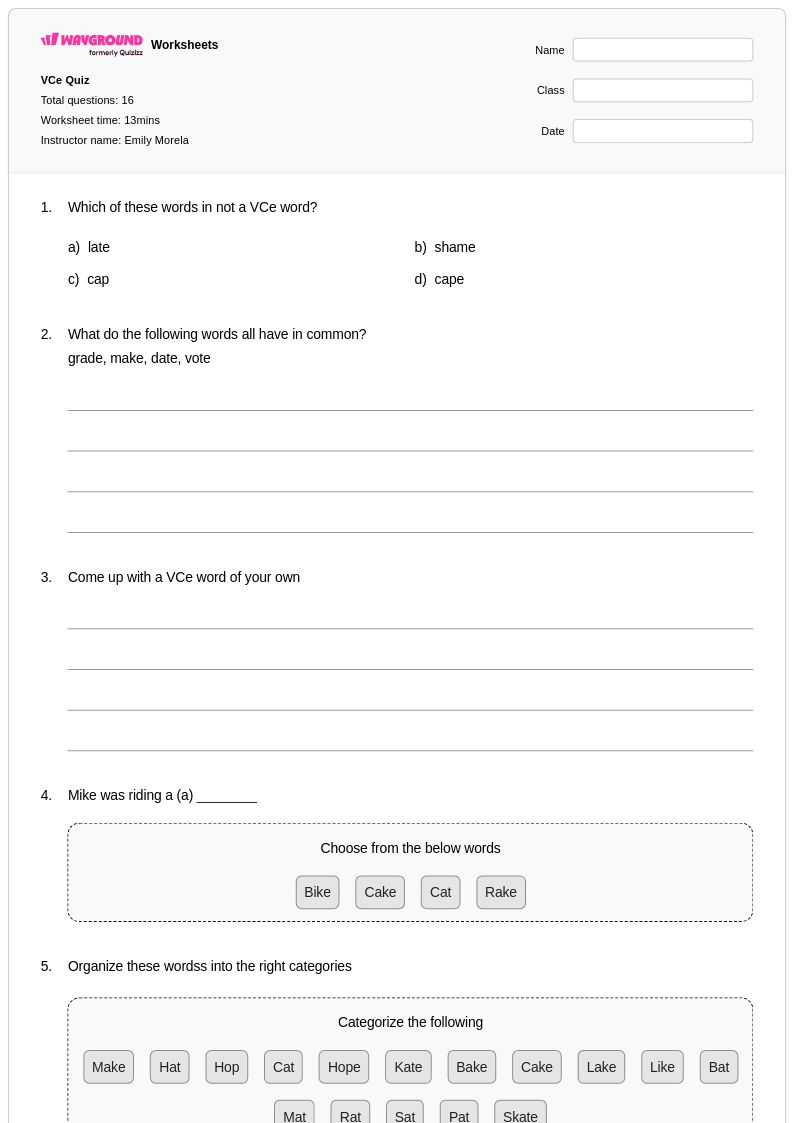
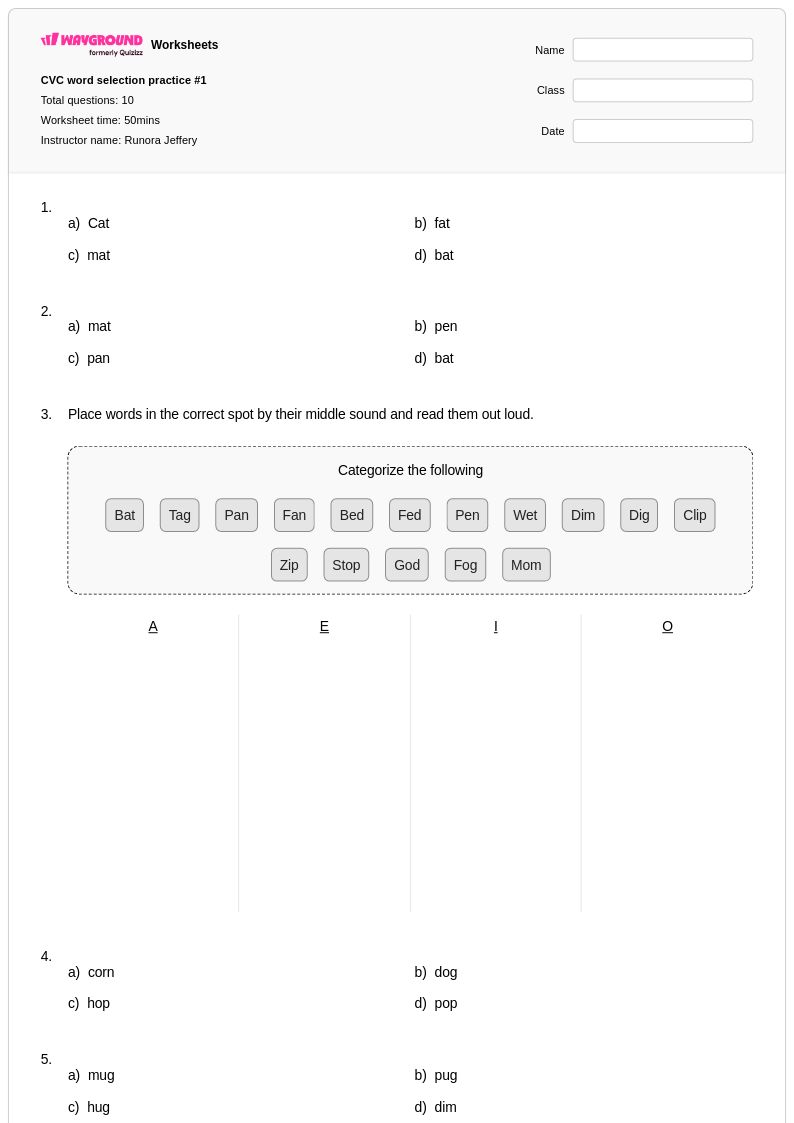
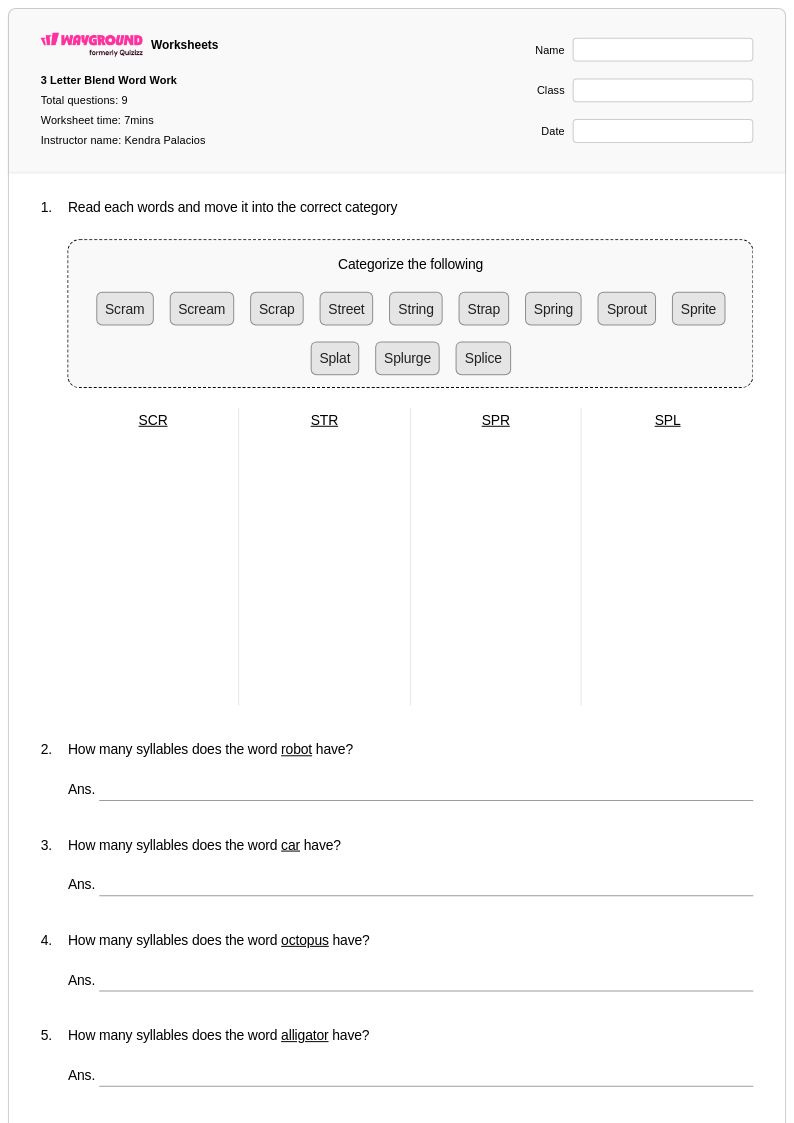
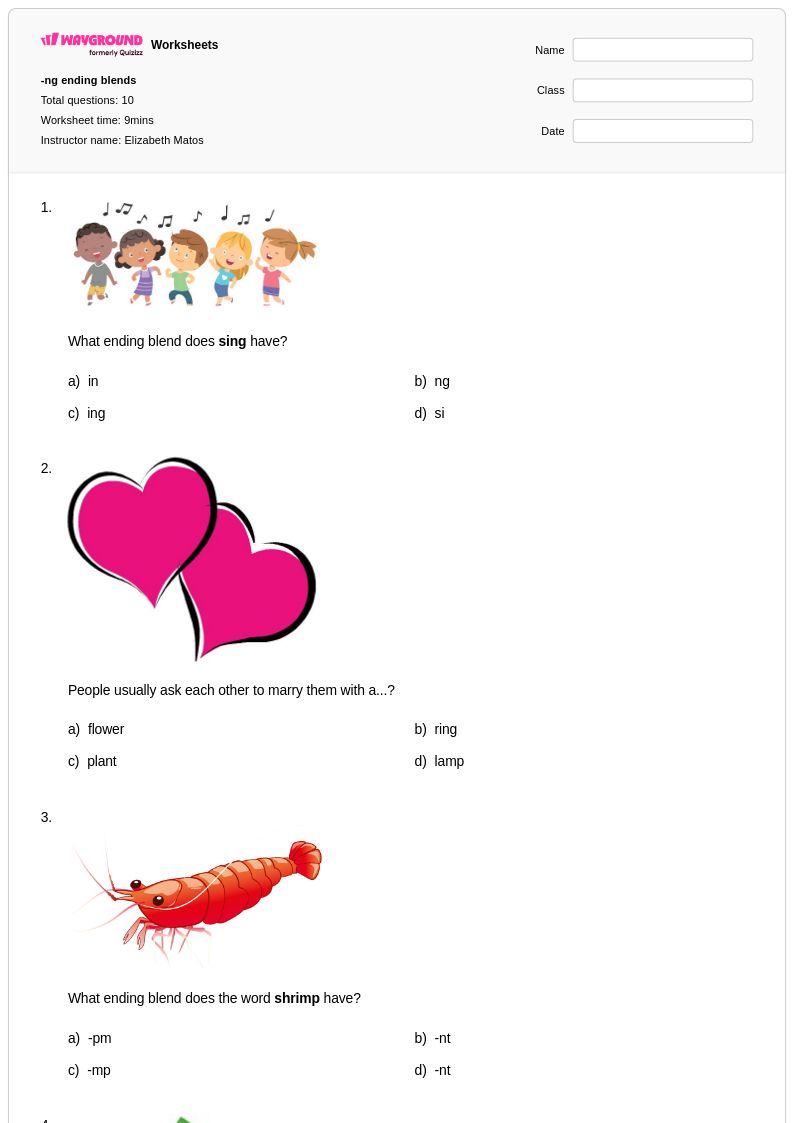
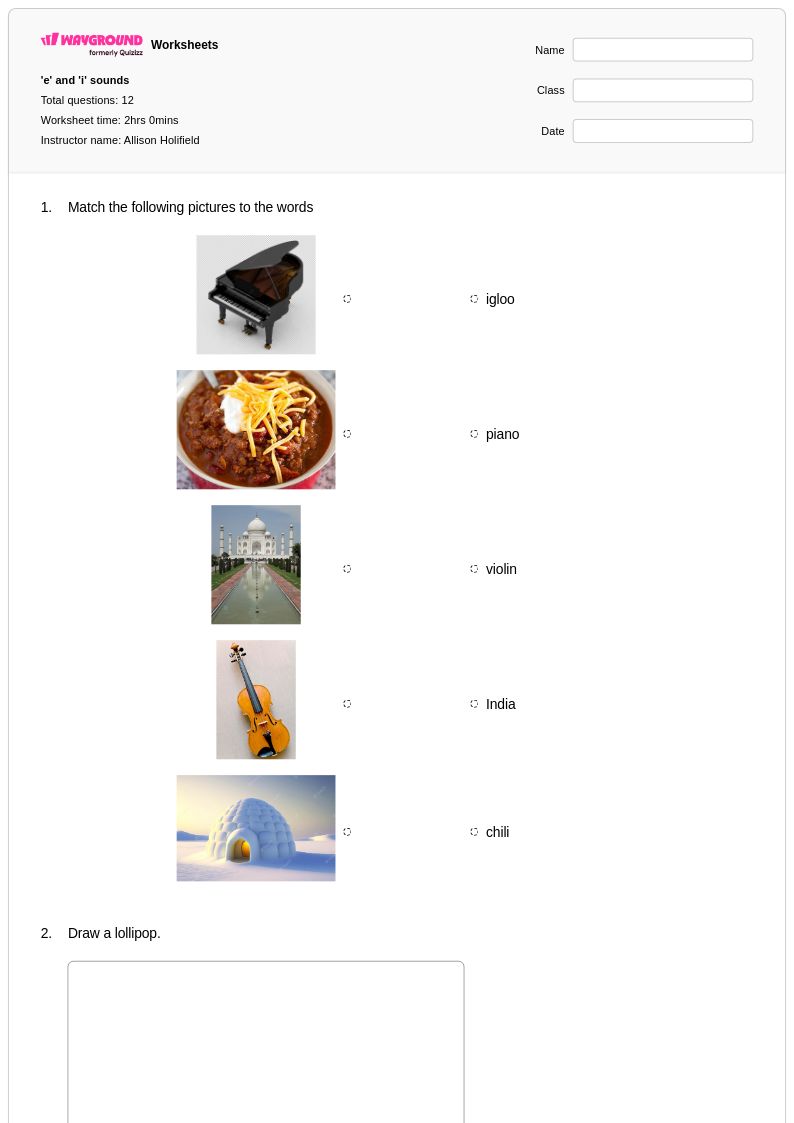
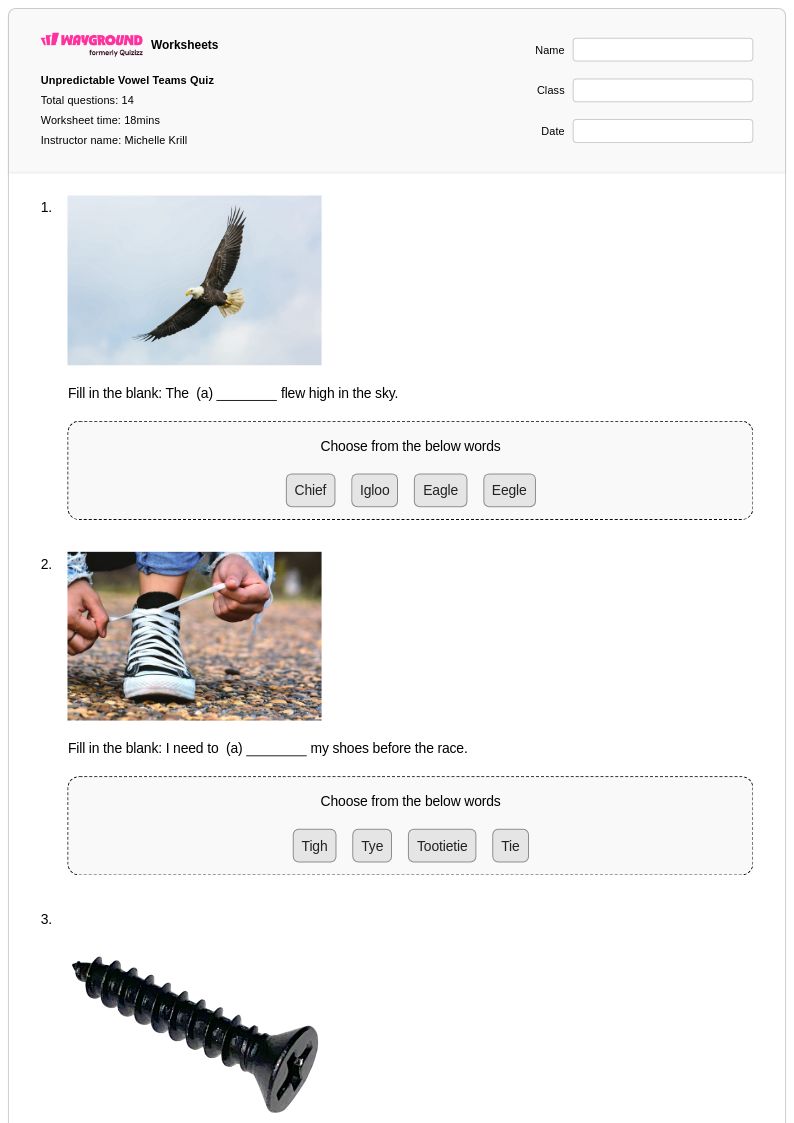
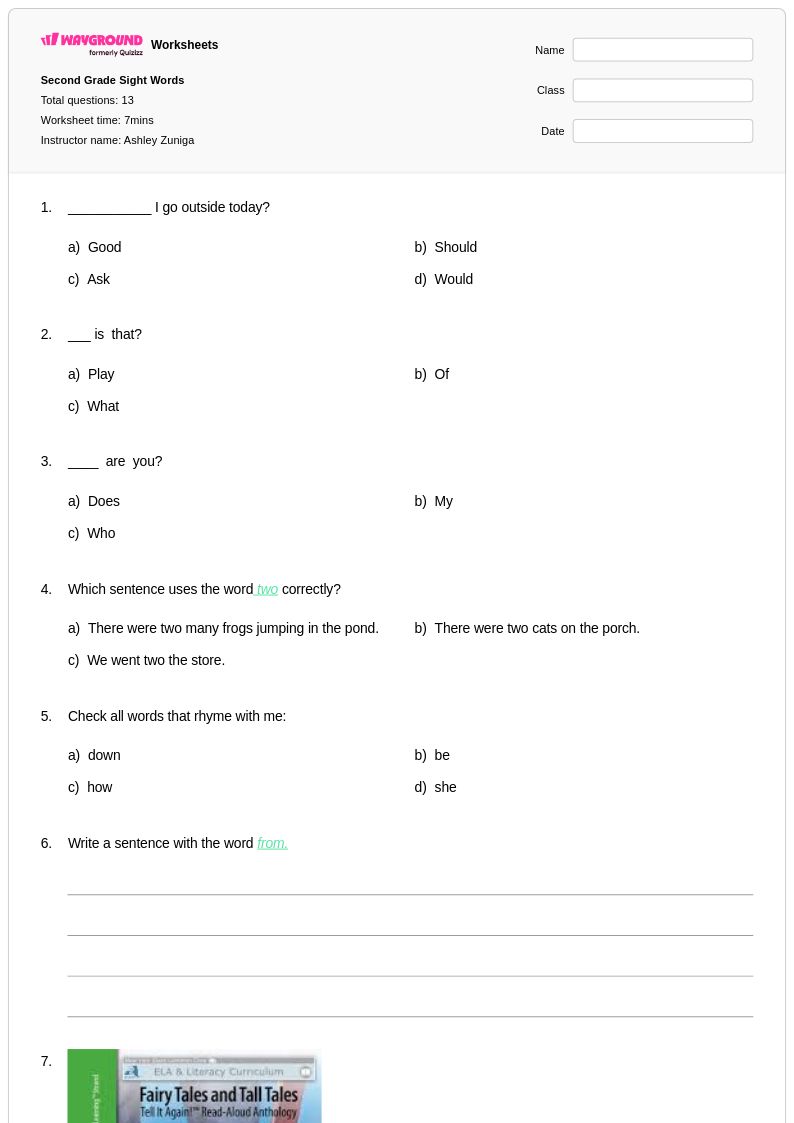
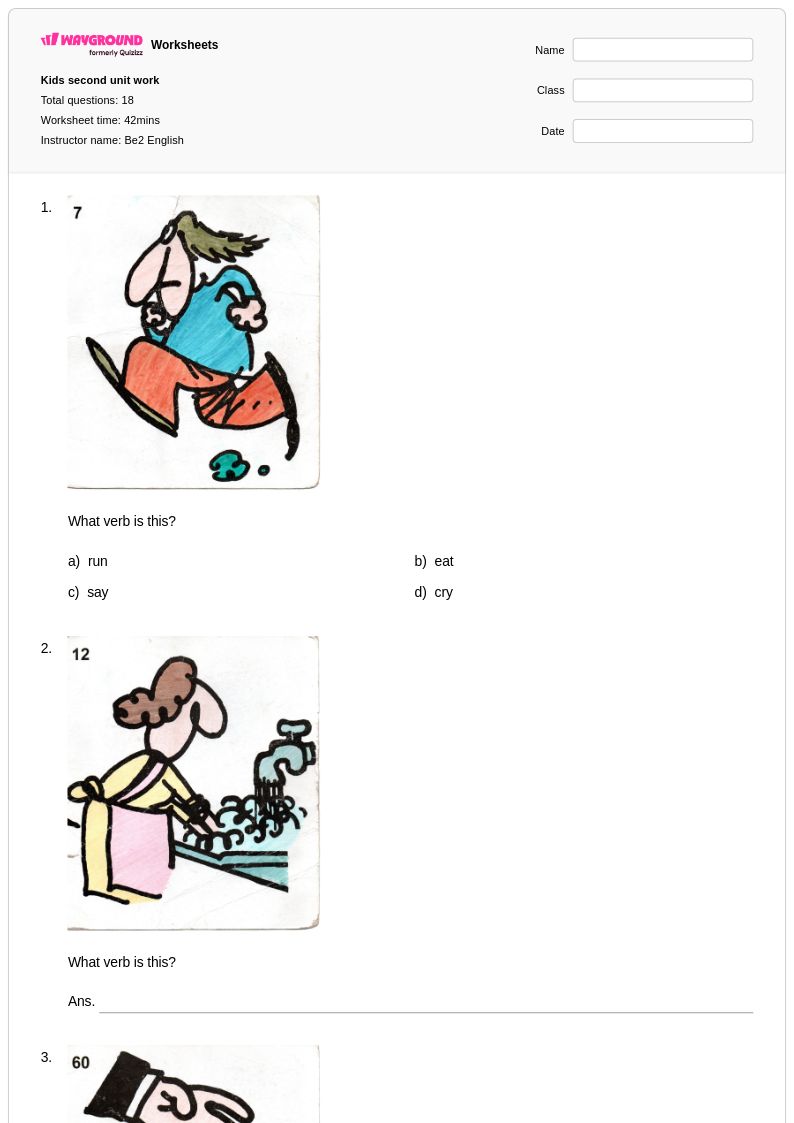
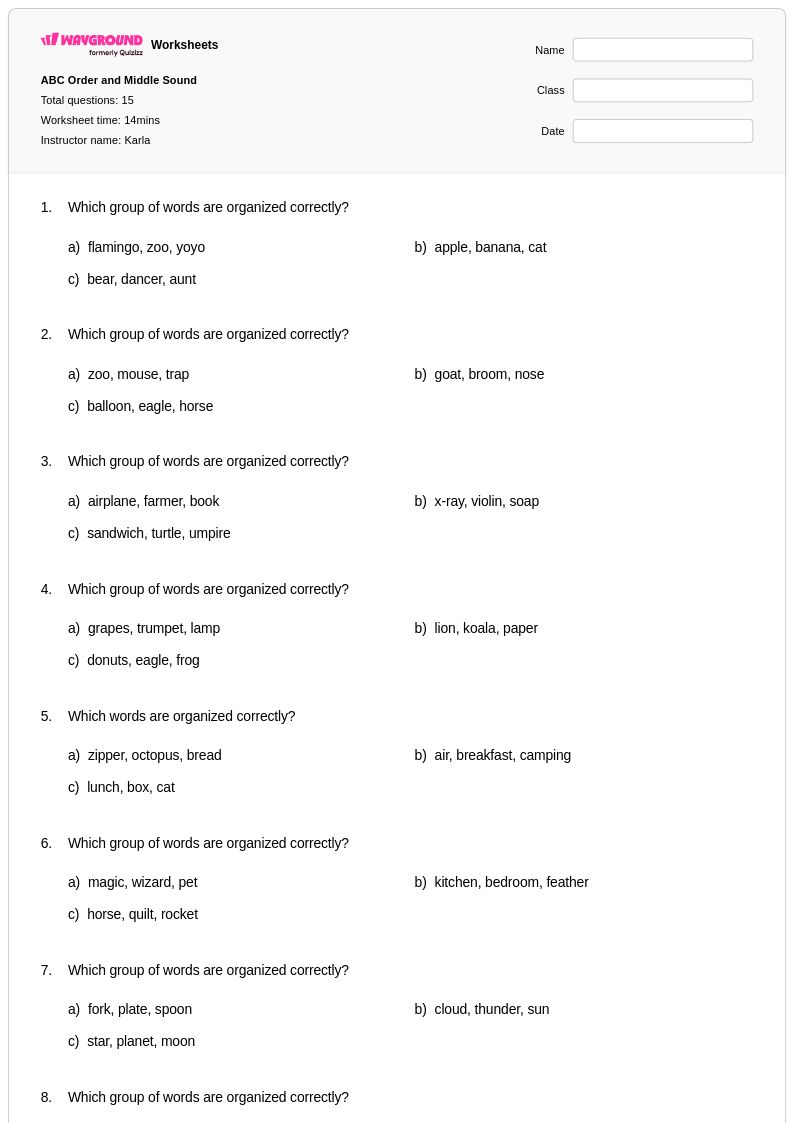
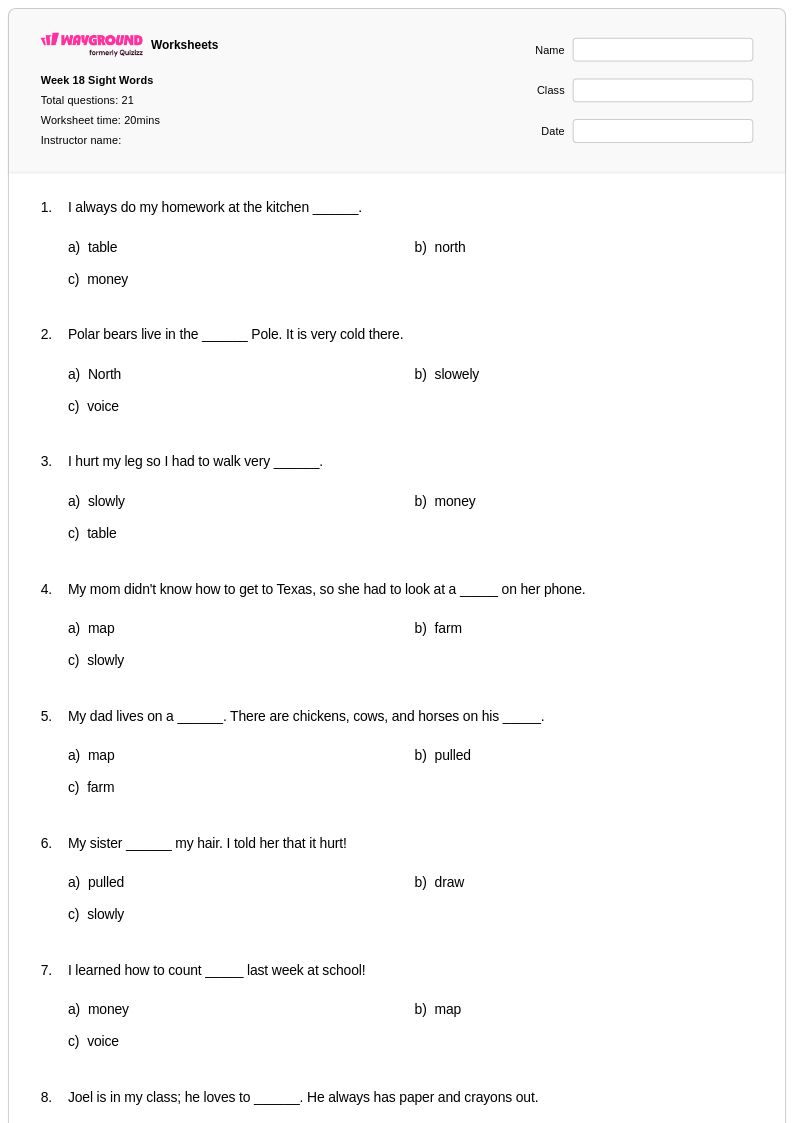
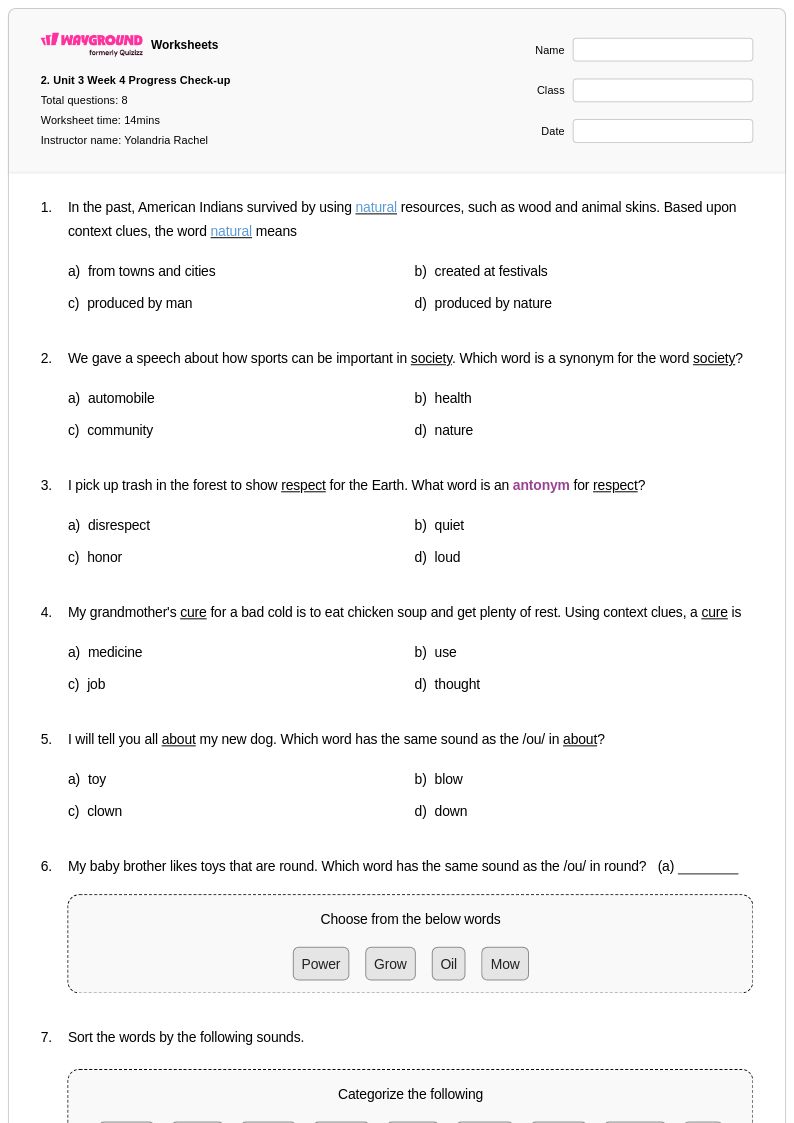
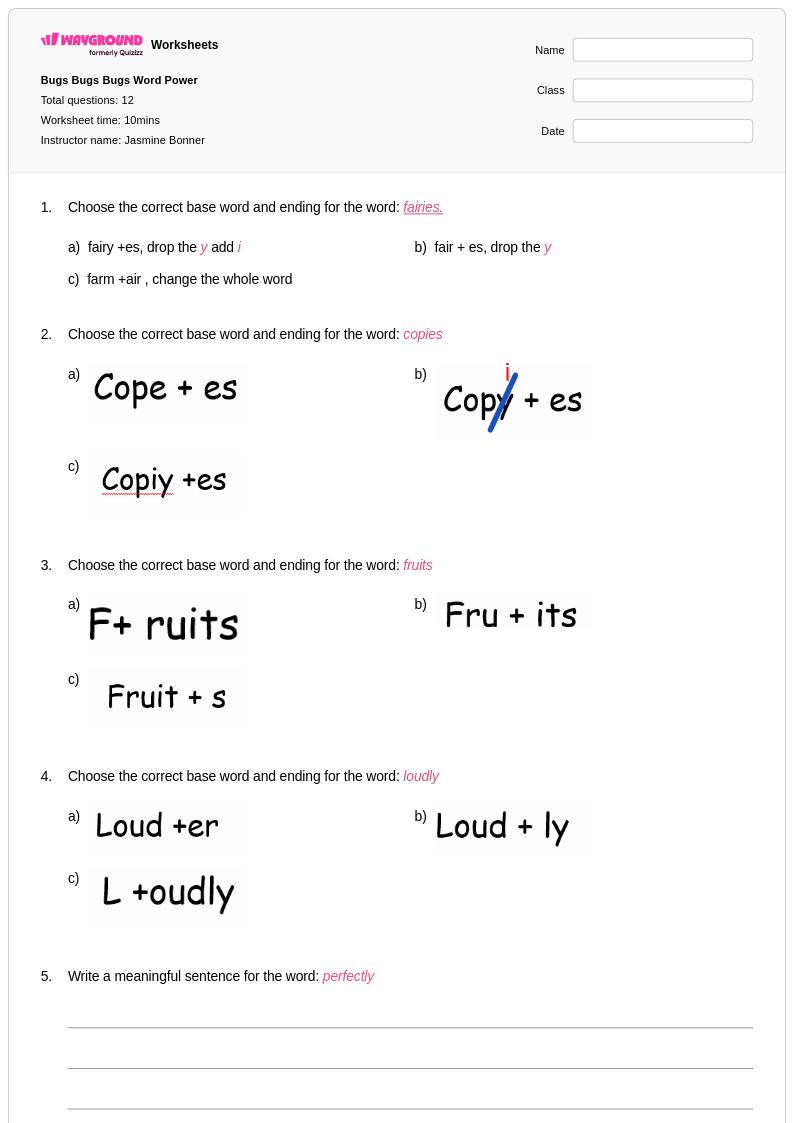
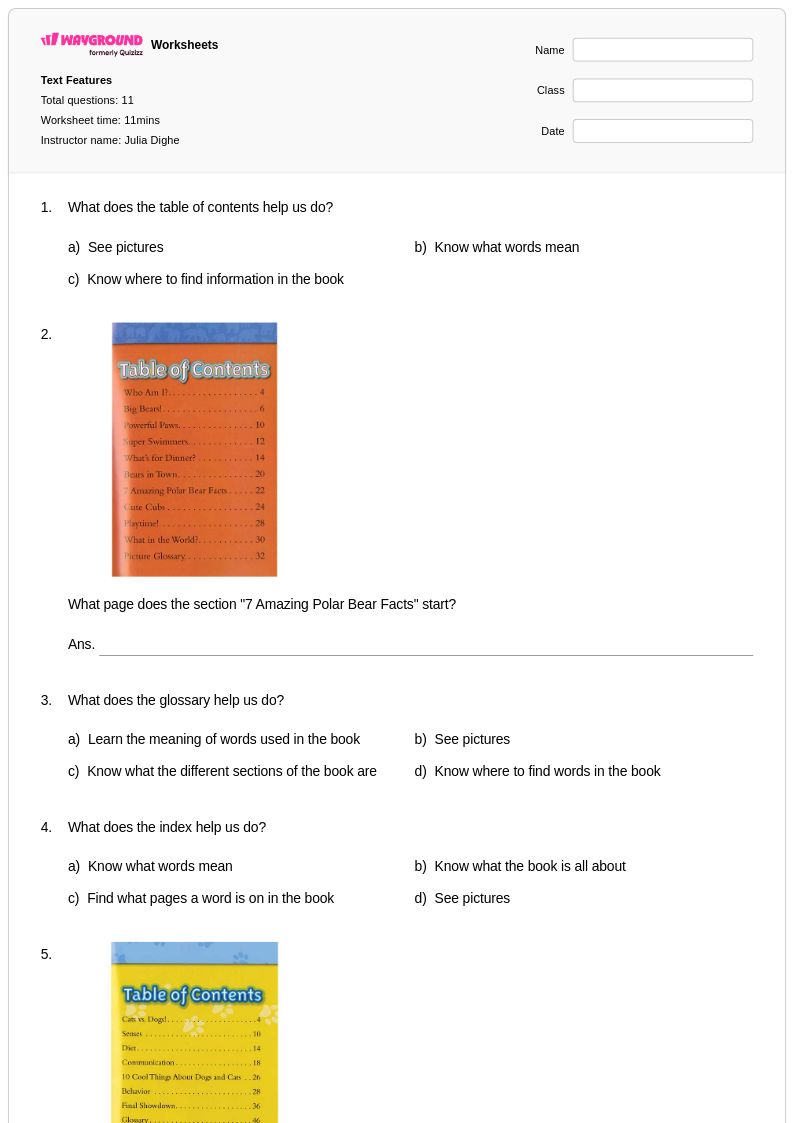
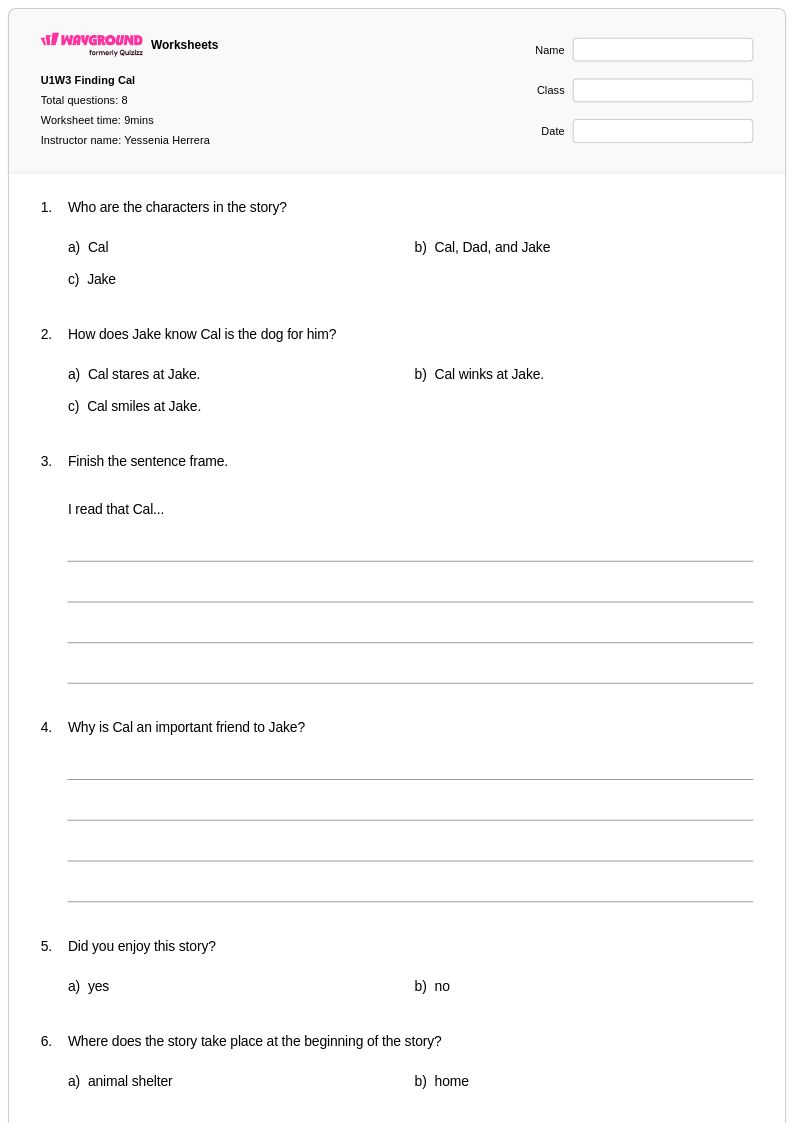
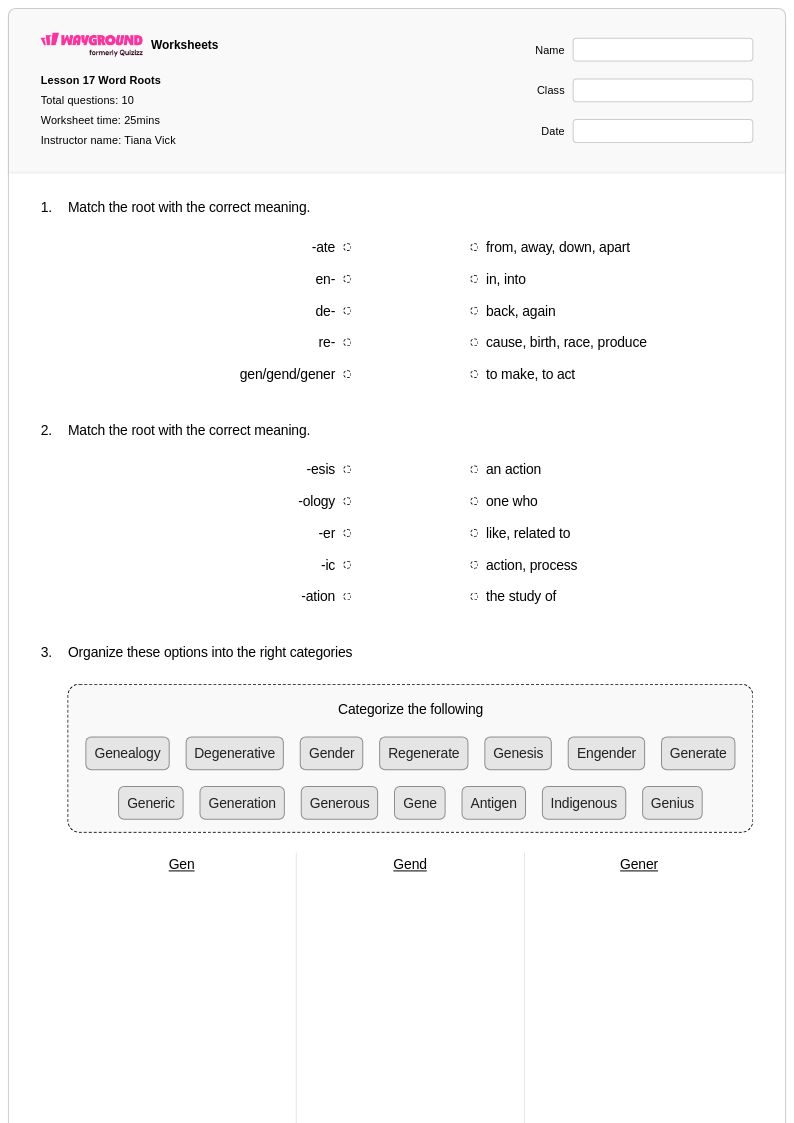
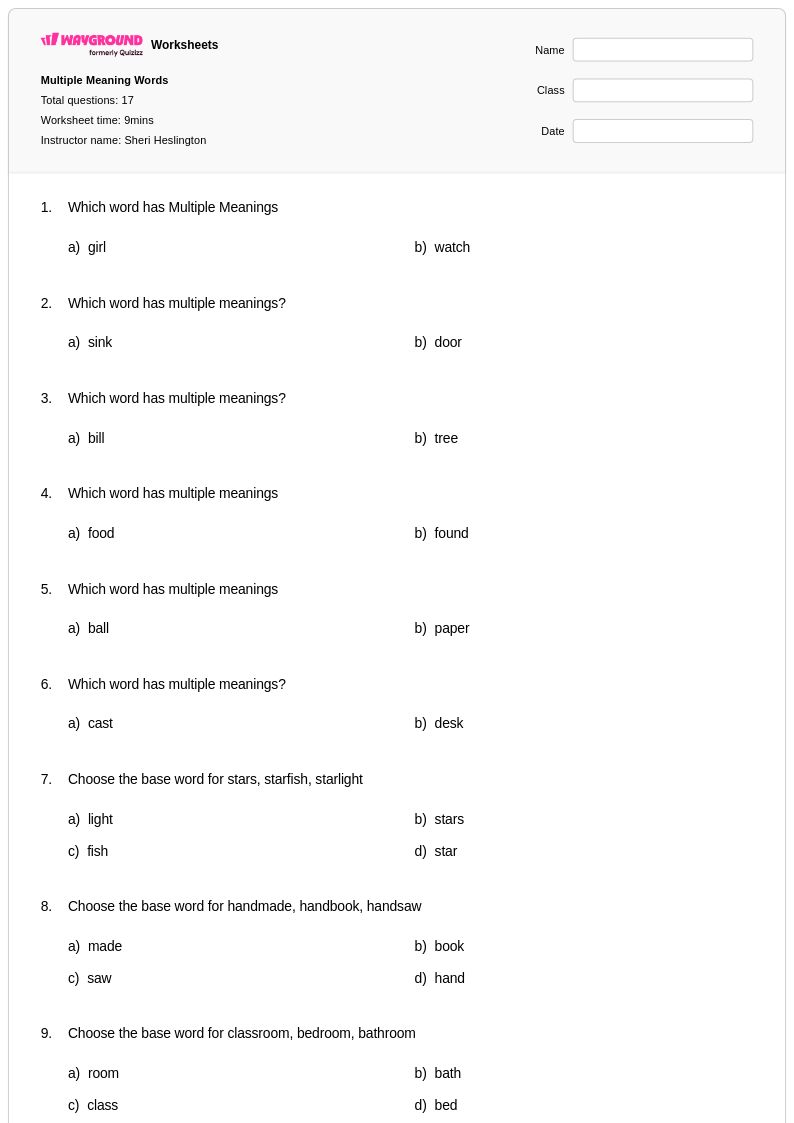
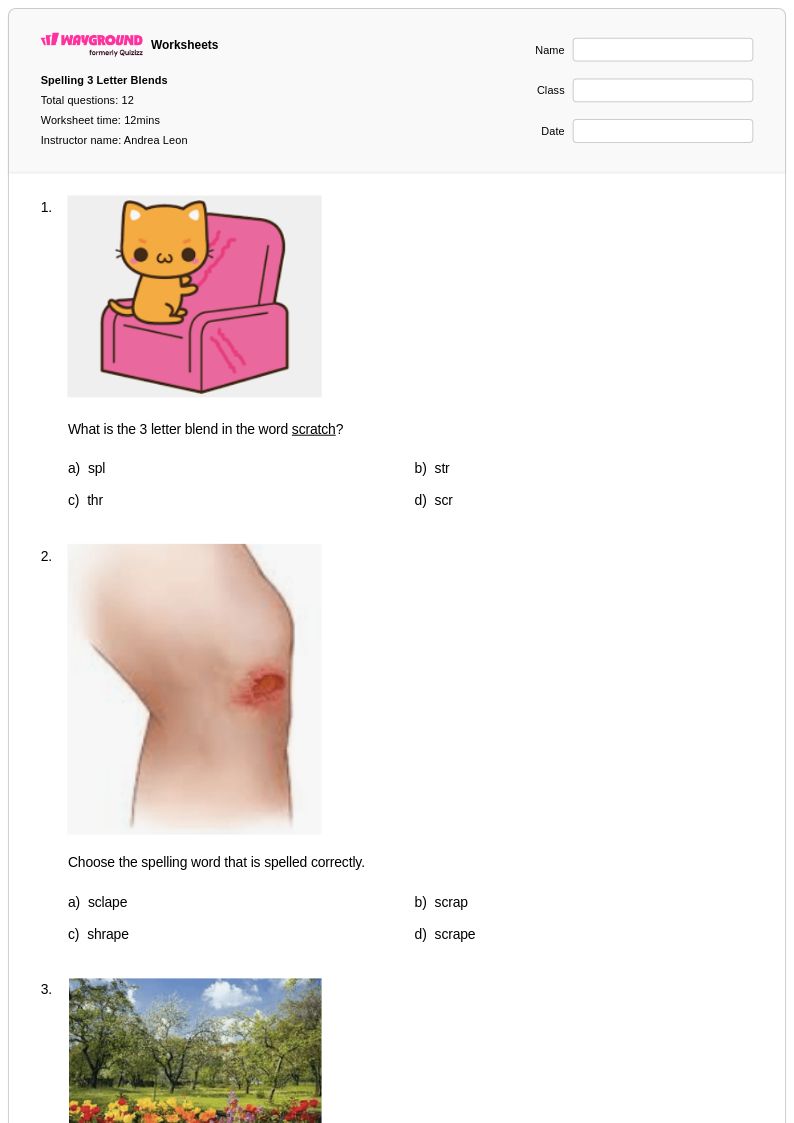
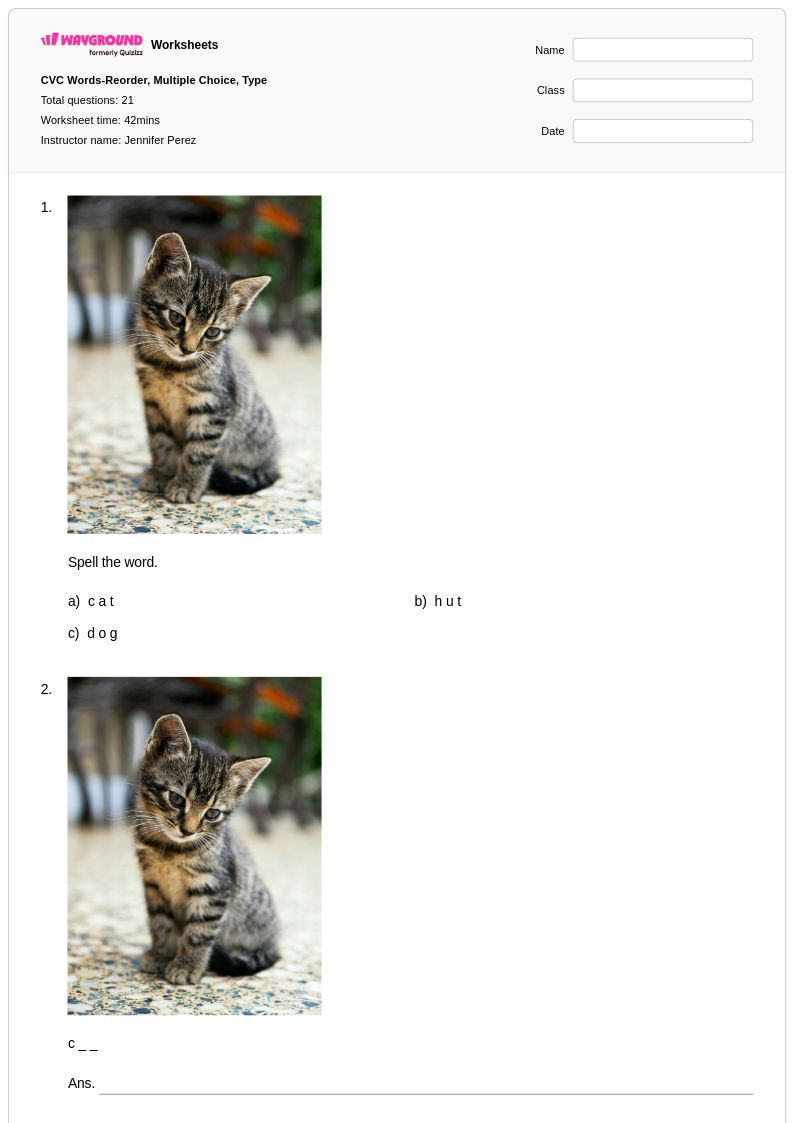
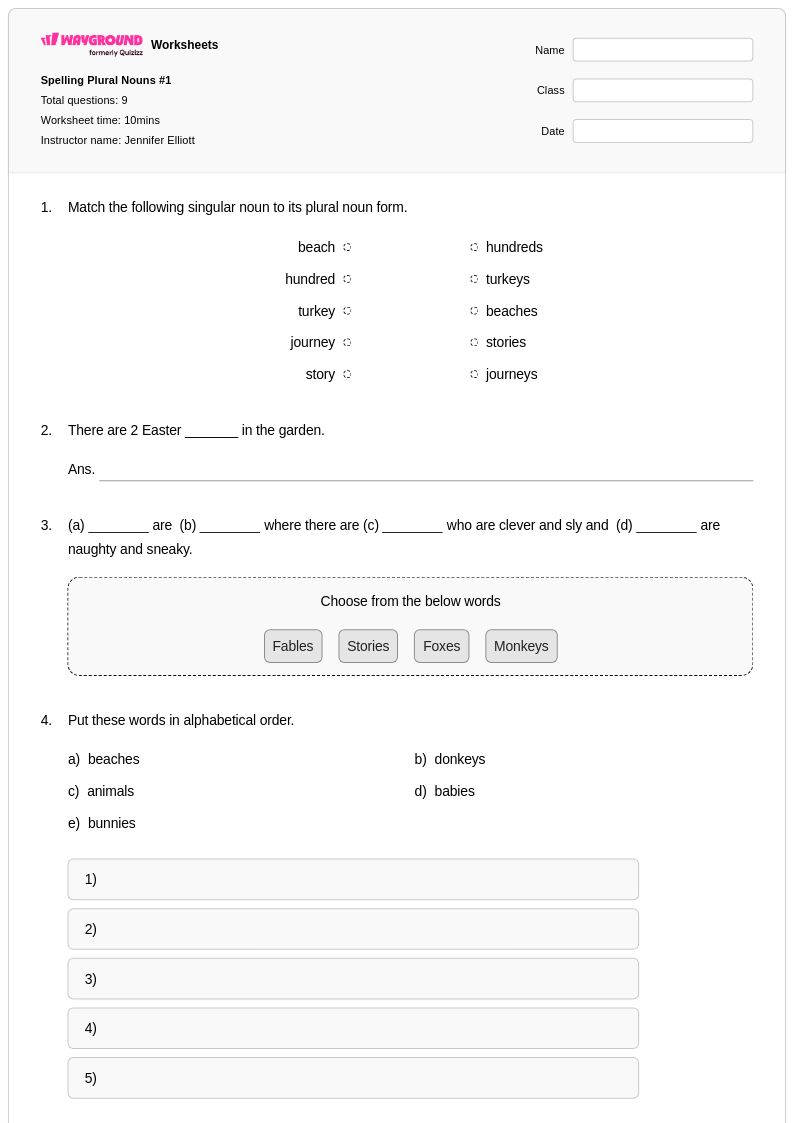
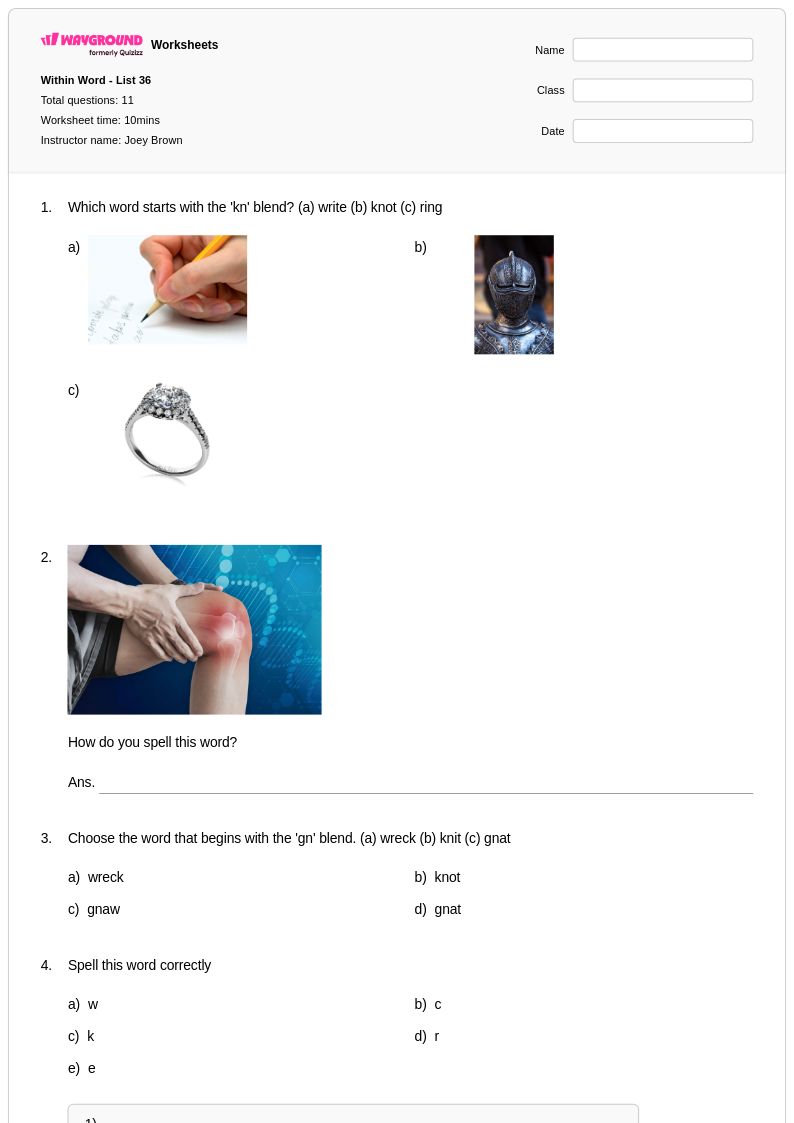
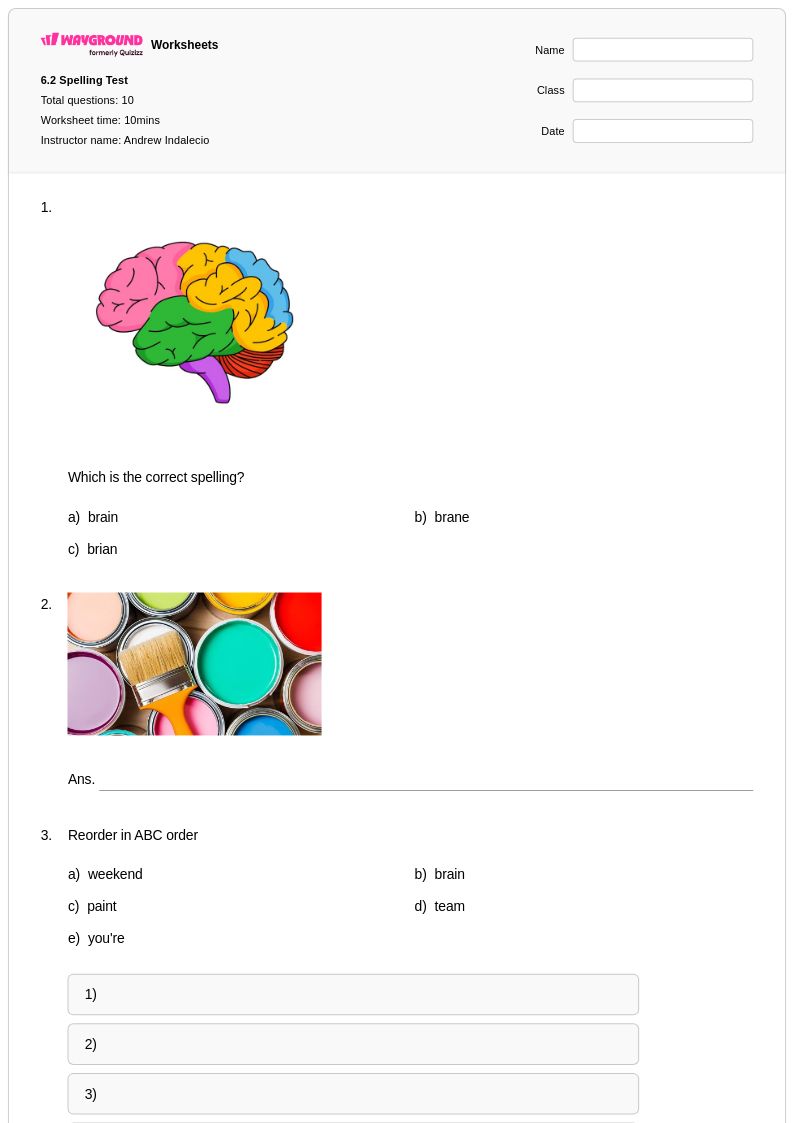
Word finding strategies worksheets for Class 2 students available through Wayground (formerly Quizizz) provide essential practice in developing vocabulary retrieval and language processing skills. These comprehensive printables focus on teaching young learners systematic approaches to locate and access words from their developing vocabulary, including techniques like using context clues, breaking down word parts, and making semantic connections. The free worksheets feature engaging practice problems that guide students through various word-finding methods, such as categorizing words by topic, using picture cues, and applying phonetic patterns. Each worksheet comes with a detailed answer key to support accurate assessment and immediate feedback, helping students build confidence in their ability to retrieve and use appropriate vocabulary in both oral and written communication.
Wayground (formerly Quizizz) empowers educators with millions of teacher-created word finding strategy resources specifically designed for Class 2 language instruction. The platform's robust search and filtering capabilities allow teachers to quickly locate worksheets that align with specific curriculum standards and target particular vocabulary development goals. Teachers can easily differentiate instruction by selecting from various difficulty levels and worksheet formats, then customize content to meet individual student needs or classroom objectives. The flexible availability of resources in both printable PDF format and interactive digital versions supports diverse learning environments and teaching preferences. These comprehensive tools streamline lesson planning while providing targeted options for remediation, enrichment, and ongoing skill practice, ensuring that all students develop strong word retrieval strategies essential for academic success across all subject areas.
FAQs
How do I teach word finding strategies to students who struggle with vocabulary retrieval?
Effective instruction in word finding strategies involves teaching students multiple retrieval pathways so that when one route is blocked, others remain accessible. Key techniques include semantic categorization (grouping words by meaning or function), phonological cueing (using the first sound or syllable of a word), visual imagery (picturing the object or concept), and circumlocution (describing a word when its label cannot be recalled). Modeling these strategies explicitly and then gradually releasing responsibility to students helps build automaticity over time.
What exercises help students practice word finding strategies?
Structured practice tasks are most effective when they target a single strategy at a time before combining approaches. Useful exercises include category-sorting activities, fill-in-the-blank tasks using phonological cues, picture-description prompts that require circumlocution, and timed word retrieval challenges with semantic category prompts. Repeated, low-stakes practice across varied contexts helps students internalize each strategy so retrieval becomes more fluent under real communication demands.
What mistakes do students commonly make when learning word finding strategies?
A common error is over-relying on a single retrieval strategy, such as always waiting for phonological cues, rather than flexibly switching between approaches when one fails. Students also frequently skip metacognitive monitoring, meaning they do not notice when their retrieval has broken down and therefore do not activate a compensatory strategy. Another pattern is confusing circumlocution with not knowing a word at all, which can discourage students from attempting communication rather than working around the retrieval gap.
How do I use Wayground's word finding strategies worksheets in my classroom?
Wayground's word finding strategies worksheets are available as printable PDFs for traditional classroom use and in digital formats for technology-integrated or remote learning environments, giving teachers flexibility in how they deploy the material. Teachers can also host worksheets as a quiz directly on Wayground, which supports structured practice with built-in answer keys for self-assessment or teacher review. For students who need additional support, Wayground's accommodation tools allow teachers to enable features such as Read Aloud, extended time, or reduced answer choices on an individual basis without disrupting the experience of other students in the class.
How can word finding strategies support students across different academic subjects?
Word finding strategies are transferable skills that benefit students in any subject where expressive language is required, including writing, class discussions, oral presentations, and test responses. In science and social studies, semantic categorization helps students retrieve domain-specific vocabulary; in ELA, phonological cueing and circumlocution support written expression when precise word recall falters. Teaching these strategies explicitly in language arts and then reinforcing their use across content areas builds the cross-curricular communication confidence students need.
How do word finding strategies help students with language processing difficulties?
Students with language processing difficulties, including those with dyslexia, language-based learning disabilities, or word retrieval deficits, often experience tip-of-the-tongue phenomena where a known word is momentarily inaccessible. Teaching systematic word finding strategies gives these students concrete tools to bridge that retrieval gap rather than shutting down communicatively. Evidence-based approaches such as phonological cueing, visual imagery, and circumlocution have been shown to improve expressive language fluency and build metacognitive awareness, allowing students to self-monitor and self-correct during communication.