
 Worksheets
Biodiversity Review
Total questions: 30
Worksheet time: 14mins

Biodiversity usually refers to
extinct species
the variety of species in an ecosystem
nonrenewable resources
the rate of species decline
Which of the following is an example of a biotic part of the environment?
wind
vegetation
water
temperature
Which level of biodiversity includes the available different HABITATS found in a certain area?
Species diversity
Genetic diversity
Ecosystem diversity
All of these


Madagascar is a biodiversity hotspot that is the only home to which primate species?
A species that is NOT native to a particular region and takes over when it arrives is called
invasive
Which of the following describes a species that may soon be gone if nothing is done to save it?

monoculture farmland.
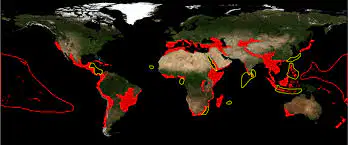


The human population is __________ by __________ people every day, and they all use resources, and producing those resources causes habitat loss.


What is the most biodiverse type of aquatic ecosystem?
Marshes
Coral Reef
Deep Ocean
Rivers
When parts, but not all, of an ecosystem are lost to development (roads, farmland, urban development), it leaves isolated, smaller pieces of land scattered inbetween. This is called...
Ecosystem separatoin
Habitat fragmentation
Intact wilderness
Environmental discontinuity
Biodiversity is important because
Variety decreases the stability of an ecosystem.
ALL of these!
Humans don't use other species for food and medicine.
The more species in an ecosystem, the more likely it is to be stable.

According to this graph, when was the population of Atlantic right whales the highest?
(click to enlarge graph)
1990-1995
2016-2021
2010-2015
2000-2005

According to this graph, what is the biggest threat to fish populations?
(click image to enlarge)
Habitat degradation
Exploitation
Invasive Species
Pollution
What impact do invasive species tend to have on an ecosystem's biodiversity?
Biodiversity decreases as the invasive outcompetes and decreases native species survival.
Biodiversity increases dramatically as the invasive encourages growth of other species.
Biodiversity is not usually affected at all.
None of these.
Which term refers to when something is eaten or used unsustainably, as is common with the fishing industry today?
Overconsumption
Obesity
Responsibility
Depreciation

Which yellow invasive plant species is now found in our area and can cause painful blisters if tounched?
Kudzu
Wild Parsnip
Poison Ivy
Honeysuckle

Which invasive insect species has killed many trees in our area in the last 10 years?
spotted lanternfly
tiger mosquito
zebra mussels
emerald ash borer

What type of lumber harvesting technique leaves almost no trees standing across a large, previously forested area?
Monoculture
Clear-cutting
Selective cutting
Tree toppling
What produces about half of the Oxygen in Earth's atmosphere?
Plankton & algae in the oceans
the Amazon Rainforest
Insects
Coral Reefs

