
 Worksheets
UNIVERSE REVIEW
Total questions: 65
Worksheet time: 54mins
Name
Class
Date
1.

The event that marks the beginning of our known universe
a)
Theory of Evolution
b)
Big Bang Theory
c)
Cell Theory
d)
Blackhole theory
2.

The Milky Way galaxy is an example of an irregular galaxy.
a)
True
b)
False
3.
What is a large celestial body that is composed of different gases and emits light?
a)
Nebula
b)
Star
c)
Galaxy
d)
Planet
4.

The distance that light travels in one year...
a)
Light year
b)
Quantumyear
c)
Stellar-year
d)
1 million kilometers
5.

What is a large spherical body that orbits a star?
a)
Meteorite
b)
Black hole
c)
Planet
d)
Nebula
6.

The sun and all of the planets and other bodies that travel around it make up our...
a)
Galaxy
b)
Solar System
c)
Cluster
d)
Constellation
7.

A large cloud of gas and dust in interstellar space; the birthplace of stars...
a)
Constellation
b)
Black hole
c)
Nebula
d)
Galaxy
8.

What is the graph that shows the relations between a star's surface temperature and absolute magnitude?
a)
H-R Diagram
b)
Star Cluster Map
c)
Einstein's Diagram
d)
Newton's Chart of Stars
9.
Space and all the matter and energy in it is...
a)
Universe
b)
Galaxy
c)
Solar System
d)
Ecosystem
10.

Lightyear is used by scientist to measure what?
a)
Distance
b)
Time
c)
Energy
11.
Nebulae are considered "Stellar Nurseries" because...
a)
Planets are created from the gases
b)
Stars form from them
c)
Asteroids are formed from them
12.

The Hertzprung Russell Diagram consists of two axis that are labelled...
a)
Luminosity and Size
b)
Luminosity and Temperature
c)
Luminosity and Age
d)
Brightness and Star's Age
13.

In the diagram given, what happens as we move to the left?
a)
Stars Get Larger
b)
Stars get Colder
c)
Stars get hotter
14.
Which of these stars is hottest?
a)
Red Star
b)
Yellow Star
c)
Orange Star
d)
Blue Star
15.

Which star is the coldest?
a)
Yellow Star
b)
Red Star
c)
Orange Star
d)
Blue Star
16.

Compared to the rest of the stars, our sun is considered...
a)
Extremely Large and Cold
b)
Small with a medium temperature
c)
Medium size with medium temperature
17.

Which category is our Sun located in?
a)
White Dwarfs
b)
Supergiants
c)
Main Sequence
d)
Giants
18.

The category that contains the most stars is...
a)
Main Sequence
b)
Supergiants
c)
Giants
19.

As a whole, Giants are considered hotter than White Dwarfs.
a)
True
b)
False
20.
Scientist use Light years to measure objects in space rather than units such as Miles or Kilometers because of how massive the Galaxy and Universe is.
a)
True
b)
False
21.

All stars begin as a __________?
a)
giant
b)
black hole
c)
white dwarf
d)
nebula
22.

What star category has the largest stars?
a)
Super giants
b)
White Dwarfs
c)
Giants
d)
Main Sequence
23.

What is the color of the coolest stars?
a)
blue
b)
Yellow
c)
Red
d)
Orange
24.

Where are stars the most stable?
a)
Supergiant
b)
Main sequence
c)
White dwarf
d)
black dwarf
25.

What star are we revolving around now?
a)
physics
b)
science
c)
The sun
d)
Stuff
26.

Put the stars in order from hottest to coolest.
a)
Blue, Red, White, Yellow, Orange,
b)
Red, White, Yellow, Orange, Blue
c)
Blue, White, Yellow, Red, Orange
d)
Blue, White, Yellow, Orange, Red
27.

How many stars do we have in our solar system?
a)
1
b)
Millions
c)
it is impossible to know
d)
5
28.

Our galaxy is called the
a)
Earth Nebula
b)
The Hubble Galaxy
c)
The Milky Way
d)
The Snickers
29.

What kind of telescope detects radio waves from objects in space?
a)
Radioactive Telescopes
b)
Optical Telescopes
c)
Radio Telescopes
d)
X-ray Telescopes
30.

When a white dwarf star no longer emits energy, it may become a
a)
neutron star
b)
black dwarf
c)
nova
d)
black hole.
31.
Which measurement allows scientist to compare the brightness of stars?
a)
parallax
b)
absolute magnitude
c)
red shift
d)
corona
32.

What is the luminosity of the sun?
a)
10^2
b)
1
c)
Lsun2
d)
Lsun
33.

What type of galaxy is the Milky Way?
a)
elliptical
b)
spiral
c)
irregular
d)
cluster
34.

A large group of stars is known as-
a)
nebula
b)
galaxy
c)
constellation
d)
quasar
35.

H-R diagrams are used for classifying stars based on their life cycles.
a)
True
b)
False
36.

Which of these will happen to a red giant in the future?
a)
White dwarf
b)
neutron star
c)
black hole
d)
Supernova
37.
Which is not a galaxy?
a)
Optical Galaxy
b)
Spiral Galaxy
c)
Elliptical Galaxy
d)
Irregular Galaxy
38.

Galaxies that are moving away from us are _ shifting.
a)
red
b)
blue
c)
yellow
d)
green
39.

Which of the following stages occurs for a star after the NEBULA stage?
a)
dark nebula
b)
neutron star
c)
protostar
d)
giant
40.

What is the stage before this black hole?
a)
Supernova
b)
Neutron star
c)
white dwarf
d)
black dwarf
41.

Which of these really isn't a stage in a stars life?
a)
Red Supergiant
b)
Sun
c)
Main sequence
d)
Red giant
42.

This scientist discovered that the Universe is expanding-
a)
Newton
b)
Ptolemy
c)
Galileo
d)
Hubble
43.

Which wavelength on the Electromagnetic spectrum is the longest
a)
Gamma
b)
Radio
c)
Visible Light
d)
UV
44.

What wavelength of the electromagnetic spectrum is the shortest?
a)
Gamma
b)
Radio
c)
Visible Light
d)
UV
45.

Why is the light from distant galaxies red-shifted?
a)
They produce more red light than nearby galaxies
b)
They are moving away from us
c)
The longer wavelengths are filtered out more by dust
d)
They are moving toward us
46.
Which ACRONYM is used to remember the order of a Large, Massive sized star?
a)
Never Put My Rhino Somewhere Near Black Holes
b)
Never Put My Rabbit With Black Dwarfs
47.
The color of a star depends on its
a)
size
b)
temperature
c)
shape
d)
magnitude
48.
Brightness of a star as seen from Earth
a)
parallax
b)
apparent magnitude
c)
absolute magnitude
d)
spectrum
49.

What are stars?
a)
Rocky bodies
b)
Hot exploding balls of gas
c)
5 pointed shapes
d)
Hollywood actors
50.

True or False
The Sun is the biggest star in the sky.
The Sun is the biggest star in the sky.
a)
True
b)
False
51.

To get the sun to appear bigger in our sky, how would the distance between the sun and earth have to change?
a)
Earth would have to move closer to the sun
b)
Earth would have to move farther from the sun
52.
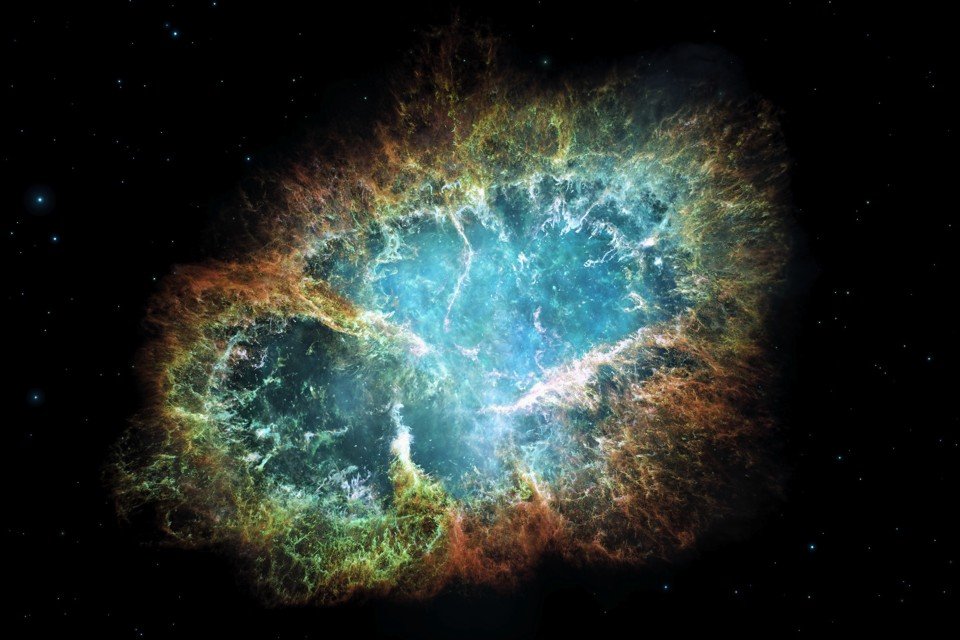
What is the name of the explosion at the death of a massive star?
a)
Supergiant
b)
Supernova
c)
Black Hole
d)
Nebula
53.

True or False
Constellations are stars that appear to be in a pattern.
Constellations are stars that appear to be in a pattern.
a)
True
b)
False
54.
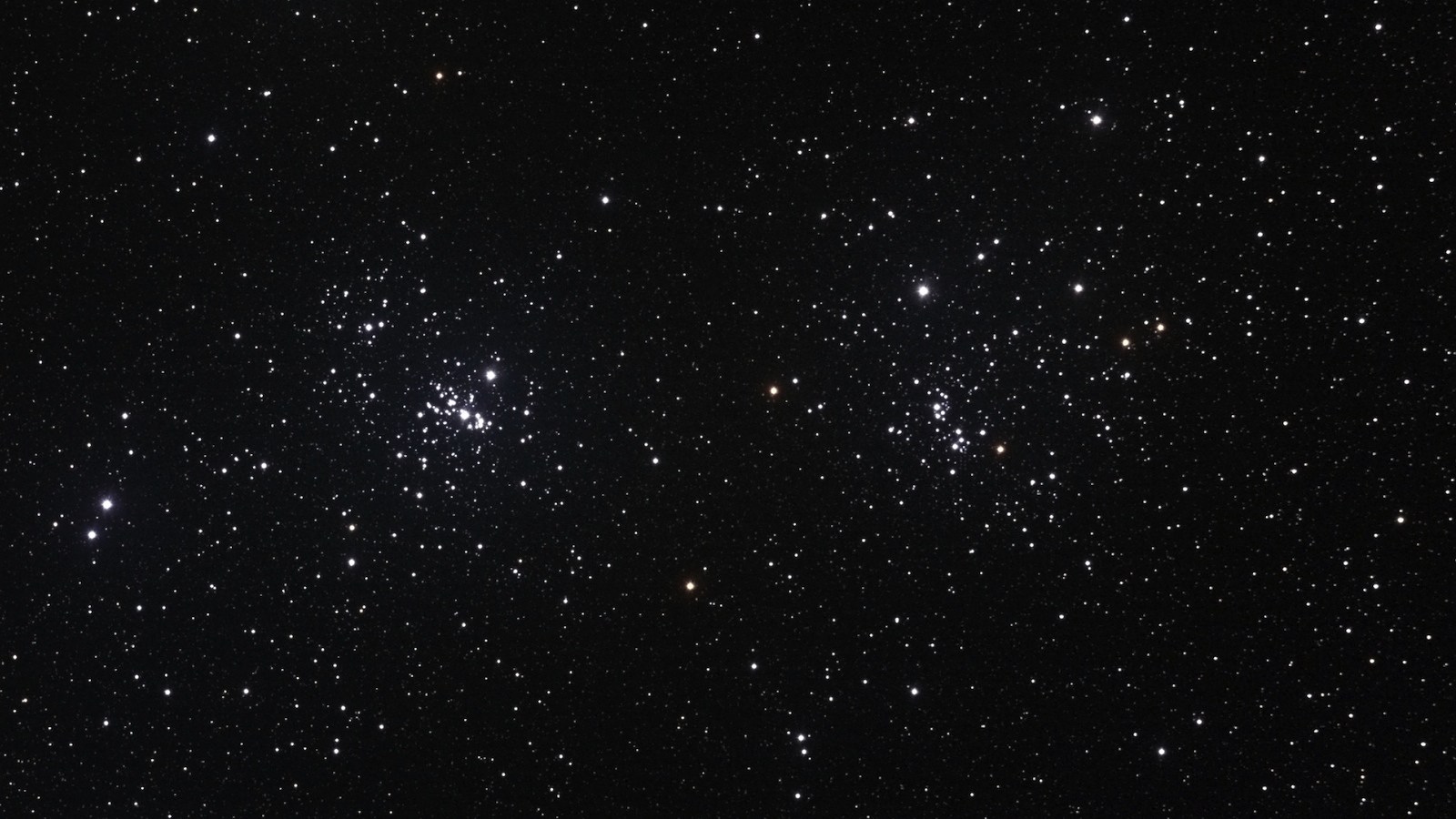
True or False
Stars are really close together in outer space.
Stars are really close together in outer space.
a)
True
b)
False
55.
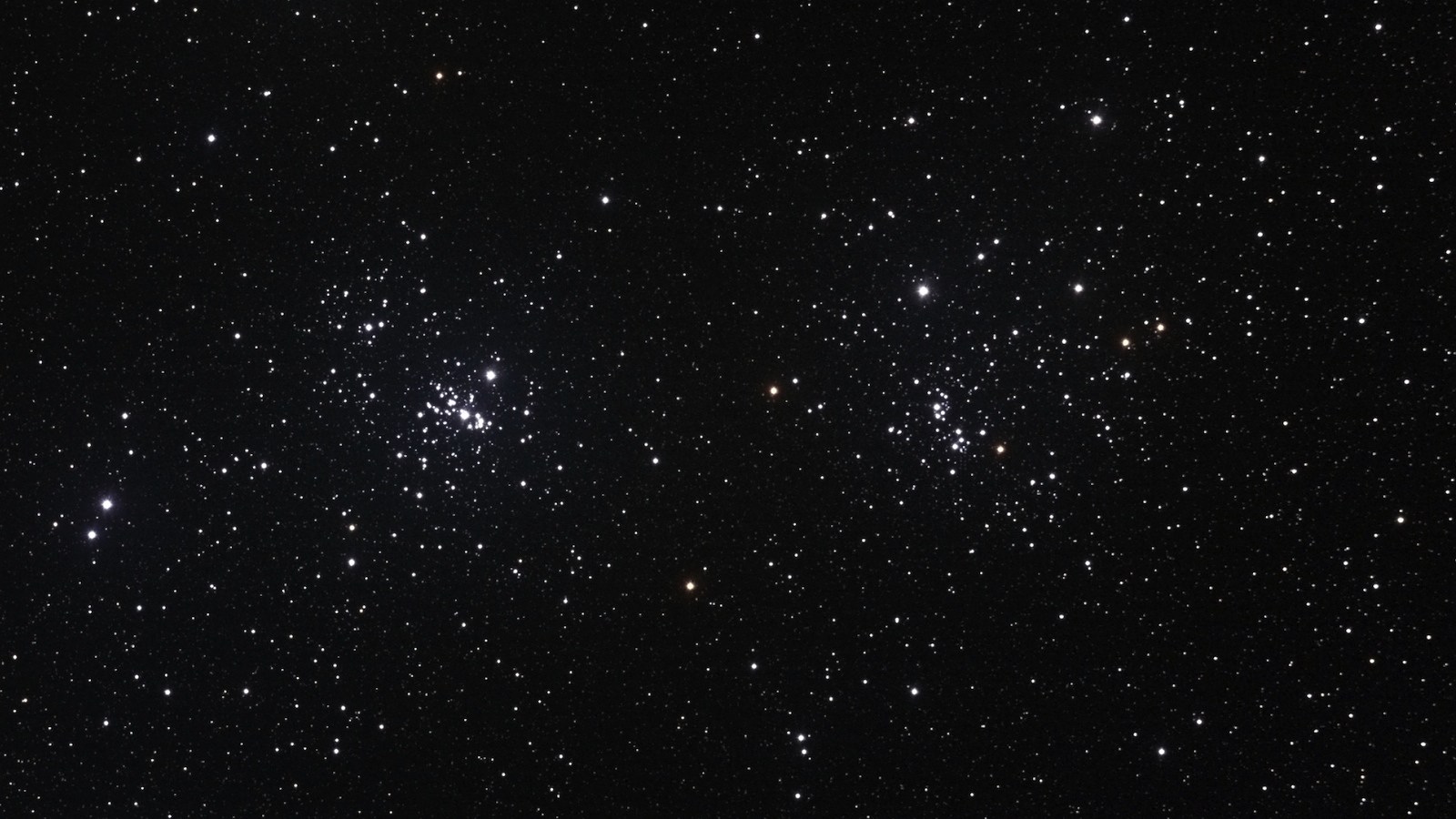
Why do other stars appear so much smaller than the sun?
a)
They are much smaller
b)
They are so far away
c)
They are not as bright
d)
They are dwarf stars
56.

What word best describes our sun?
a)
Average
b)
Supergiant
c)
Dwarf
d)
Red Giant
57.

We see 1/8 of the moon illuminated, the light is reflected and decreasing on the left side. Name the phase and visibility:
a)
Waning Gibbous, 75%
b)
Waxing Gibbous, 75%
c)
Waning crescent, 25%
d)
Waxing crescent, 25%
58.

Which moon phase is visible at position 4?
a)
new moon
b)
1st quarter
c)
full moon
d)
3rd quarter
59.

What moon phases will you see at #1?
a)
Full moon
b)
New moon
c)
Waxing crescent
d)
Waning Gibbous
60.
What moon phases will you see at #6?
a)
Full moon
b)
New moon
c)
Waxing crescent
Waxing Crescent
Waxing Crescent
Waxing Crescent
Waxing Crescent
d)
Waning Gibbous
61.
What moon phases will you see at #5?
a)
Full moon
b)
New moon
c)
Waxing crescent
d)
Waning Gibbous
62.

What phase is this?
a)
Full Moon
b)
First Quarter Moon
c)
Last Quarter Moon
d)
New Moon
63.

Which moon phase is shown in this diagram?
a)
new moon
b)
first quarter
c)
full moon
d)
last quarter/3rd quarter
64.

What Moon phase is this?
a)
Waxing Gibbous
b)
Waning Crescent
c)
Waning Gibbous
d)
Full Moon
65.

What Moon phase is this?
a)
Old Moon
b)
Far Side of the Moon
c)
New Moon
d)
Waxing Gibbous
100 %

