
 Worksheets
Homologous & Analogous Structures Review
Total questions: 25
Worksheet time: 18mins
Name
Class
Date
1.
Structures that are inherited from a common ancestor are homologous.
a)
True
b)
False
2.
When would convergent evolution occur?
a)
When organisms share a common ancestor
b)
When organisms live in similar environments
c)
When organisms become increasingly different
d)
When organisms experience a change in their environment
3.
Humans, birds, whales, and lizards all have similar arm bones. What is the reason for this?
a)
The function of these bones is the same in all animals
b)
They live in similar environments
c)
They have a common ancestor
d)
All organisms resemble humans
4.
Bird wings and butterfly wings are an example of
a)
Homologous structure
b)
Analogous structure
c)
Mimicry
d)
Camoflague
5.
Shark fins and dolphin fins are examples of analogous structures.
a)
True
b)
False
6.
Analogous structures show common ancestry.
a)
True
b)
False
7.
When did life on Earth begin?
a)
4.6 to 4.0 billion years ago
b)
3.9 to 3.5 billion years ago
c)
4.6 to 4.0 million years ago
d)
3.9 to 3.5 thousand years ago
8.
Which of the following places the geologic time eras in order from oldest to most recent?
a)
Precambrian, Paleozoic, Mesozoic, Cenozoic
b)
Mesozoic, Cenozoic, Paleozoic, Precambrian
c)
Cenozoic, Mesozoic, Paleozoic, Precambrian
d)
Precambrian, Cenozoic, Paleozoic, Mesozoic
9.
A scientific theory is proven and based on evidence.
a)
True
b)
False
10.
Individuals with favorable traits survive, reproduce, and pass their traits onto their offspring. This is called
a)
Mutation
b)
Adaptation
c)
Evolution
d)
Natural Selection
11.
Individuals within a population can evolve.
a)
True
b)
False
12.
An organism's ability to survive and reproduce in its environment refers to its
a)
Fitness
b)
Variation
c)
Selection
d)
Mutation
13.
Which of the following pieces of evolution evidence deals with aged and identified fossils?
a)
fossil record
b)
comparative embryology
c)
comparative biochemistry
d)
comparative anatomy
14.
Which of the following pieces of evolution evidence deals with comparing similar structures in various species?
a)
fossil record
b)
comparing embryology
c)
comparing biochemistry
d)
comparing anatomy
15.
Which of the following pieces of evolution evidence deals with structures common in embryos that form differently or for different purposes in adult form?
a)
fossil record
b)
comparing embryology
c)
comparing biochemistry
d)
comparing anatomy
16.
Which of the following pieces of evolution evidence contain both homologous and vestigial structures?
a)
fossil record
b)
comparing embryology
c)
comparing biochemistry
d)
comparing anatomy
17.
What is suggested by the similarity of early embryos of different species of vertebrates?
a)
no evolutionary relationships between the groups
b)
recent common ancestry
c)
similar environments in the past
d)
evolution from a distant common ancestor
18.
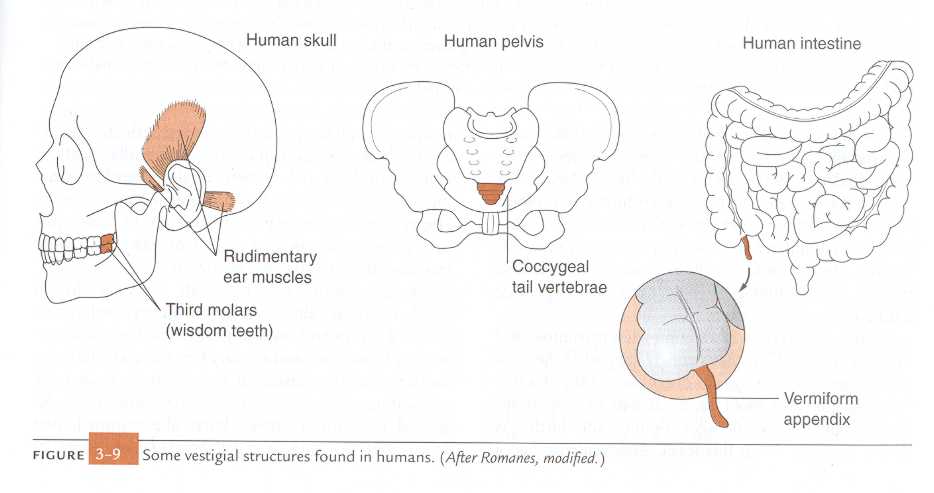
If an organism has a vestigial structure, that structure likely once had a function in a(n)
a)
close relative
b)
early ancestor
c)
unrelated organism
d)
embryological stage
19.
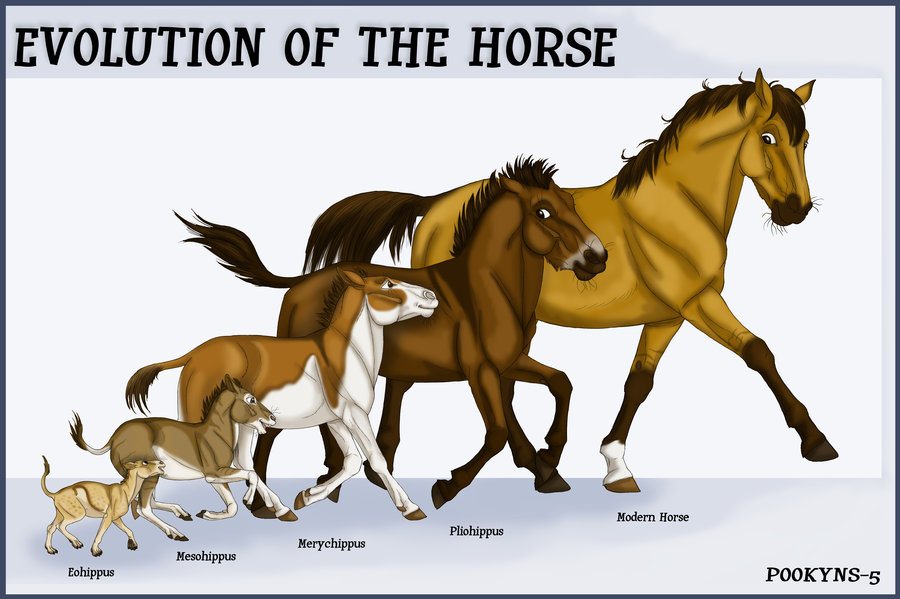
Some organisms that share a common ancestor have features that have different functions, but similar structures. These are known as
a)
vestigial structures
b)
analogous structures
c)
homologous structures
d)
fossil structures
20.
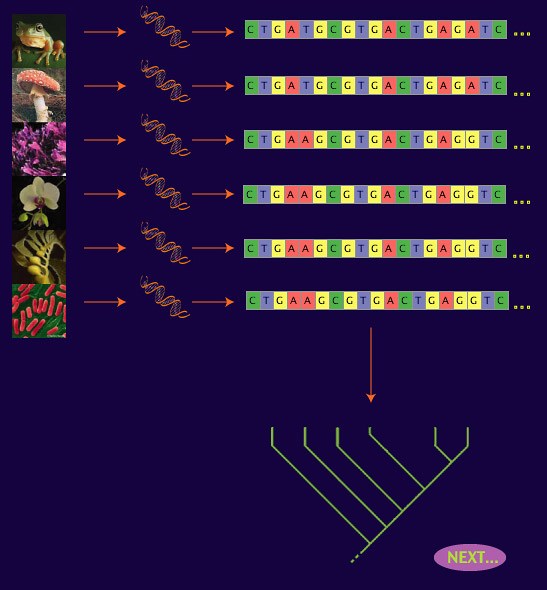
Two organisms that are closely related would have
a)
very similar DNA sequence
b)
exactly the same DNA sequences
c)
no proteins in common
d)
completely different DNA sequence
21.
Mutations are important because they bring about
a)
death of the organism in which they develop
b)
genetic variation needed for a population to evolve
c)
benefits for the individual, not for the population
d)
Hardey-Weinberg equilibrium within a population
22.
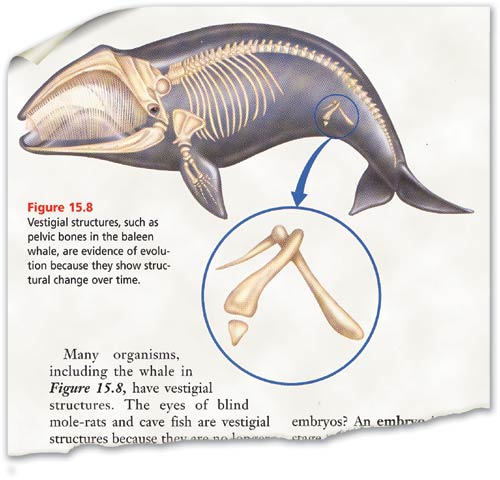
The hind leg bones in a whale are examples of
a)
homologous structures
b)
analogous structures
c)
fossils
d)
vestigal structures
23.
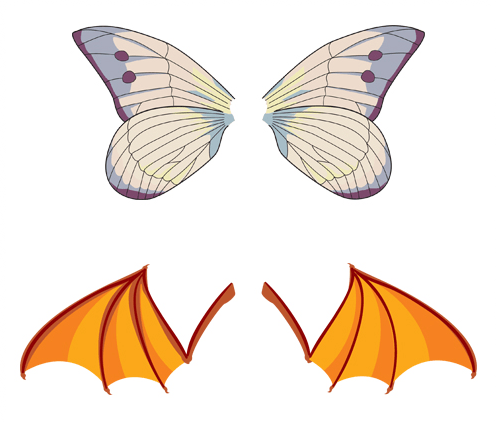
How would you describe this evolution?
a)
Homologous structure
b)
Analogous structure
c)
Structural adaption
d)
Functional adaption
24.
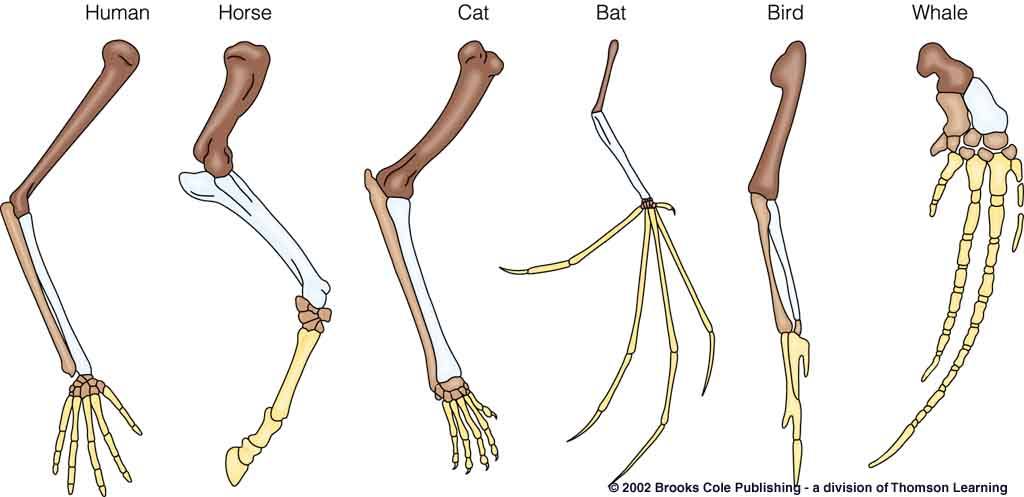
The structures shown are_________
a)
homologous
b)
heterologous
c)
analogous
d)
vestigial
25.
Biologists discover two rabbit species living on opposite sides of a large river. What could they do to test and see if these species came from a common ancestor?
a)
Compare DNA sequences
b)
Compare body structures
c)
Compare protein sequences
d)
All of these
100 %

