
 Worksheets
World Geography - Chapter 4 Review
Total questions: 54
Worksheet time: 27mins
Name
Class
Date
1.

At earth's center both temperatures and pressures are very high
a)
Core
b)
Inner Core
c)
Outer Core
d)
Mantle
2.

Rocks break and decay over time.
a)
Weathering
b)
Glaciers
c)
Delta
d)
Headwaters
3.
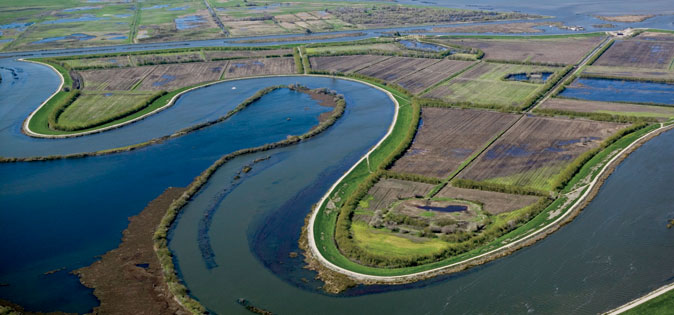
Accumulation of sediment at the mouth of a river.
a)
Delta
b)
Humus
c)
Watershed
d)
Folds
4.

Process of removing salt from ocean water.
a)
Hydrologic Cycle
b)
Desalinization
c)
Aquifers
d)
Headwaters
5.

Works across the hill, rather than up and down the hill
a)
Contour plowing
b)
Erosion
c)
Sediment
d)
Soil Exhaustion
6.

Places on earth's surface where the crust stretches until it breaks
a)
Rift Valley
b)
Trench
c)
Alluvial Fan
d)
Soil Exhaustion
7.

An elevated flatland that rises sharply above nearby land on at least one side
a)
Plateau
b)
Delta
c)
Strait
d)
Mountain
8.

Water found below ground
a)
Groundwater
b)
Headwater
c)
Glaciers
d)
Hydrologic Cycle
9.

Salt buildup in the soil
a)
Soil Salinization
b)
Trench
c)
Humus
d)
Continental Drift
10.

Liquid rock within the earth
a)
Magma
b)
Glaciers
c)
Mantle
d)
Outer Core
11.

First and smallest streams formed from the runoff of a mountain, eventually forming rivers
a)
Headwaters
b)
Glaciers
c)
Water Table
d)
Hydrologic Cycle
12.

Near the surface, bacteria, insects, and worms break down the plant and animal material into this mixture
a)
Humus
b)
Alluvial Fan
c)
Mantle
d)
Irrigation
13.

Deep valley marking the plate collision
a)
Trench
b)
Mantle
c)
Core
d)
Crust
14.

The level at which all the spaces are filled with water
a)
Water Table
b)
Water Exhaustion
c)
Soil Exhaustion
d)
Trench
15.

A condition in which the soil becomes nearly useless for farming
a)
Soil Exhaustion
b)
Continental Drift
c)
Soil Salinization
d)
Rift Valley
16.

The plates slowly move across the upper mantle, usually less than an inch per year
a)
Continental Drift
b)
Continental Shelves
c)
Alluvial Fan
d)
Groundwater
17.

A fan-shaped deposit of mud and gravel often found along the bases of mountains
a)
Alluvial Fan
b)
Glaciers
c)
Irrigation
d)
Humus
18.

Thick masses of ice
a)
Glaciers
b)
Humus
c)
Plateau
d)
Rift Valley
19.

Artificially supplied to the land
a)
Irrigation
b)
Hydrologic Cycle
c)
Mantle
d)
Core
20.

Movement of water through the Hydrosphere
a)
Hydrologic Cycle
b)
Glaciers
c)
Water Table
d)
Headwaters
21.

The zone that has the most of Earth's mass
a)
Mantle
b)
Crust
c)
Inner Core
d)
Outer Core
22.

The movement of surface material from one location to another
a)
Erosion
b)
Leaching
c)
Fold
d)
Fault
23.

A region drained by a river and its tributaries
a)
Drainage Basin
b)
Erosion
c)
Reforestation
d)
Deforestation
24.

The downward movement of minerals and humus in soils
a)
Leaching
b)
Abyssal Plains
c)
Sediment
d)
Continental Shelves
25.

This explains how forces within the planet create landforms
a)
Plate Tectonics
b)
Faults
c)
Folds
d)
Crop Rotation
26.

Any small stream or river that flows into a larger stream or river
a)
Tributary
b)
Delta
c)
Groundwater
d)
Headwater
27.
Planting different crops in alternating years
a)
Crop Rotation
b)
Continental Shelves
c)
Continental Drift
d)
Reforestation
28.

Polluted rain that can damage trees and kill fish in the lakes
a)
Acid Rain
b)
Deforestation
c)
Reforestation
d)
Tributary
29.

Areas where continental surfaces extend under the shallow ocean water around the continents
a)
Continental Shelves
b)
Continental Drift
c)
Plate Tectonics
d)
Faults
30.

Places where rock masses have broken apart and moved away from each other
a)
Fault
b)
Fold
c)
Trenches
d)
Deforestation
31.

The new planting of trees after an area has been cut
a)
Reforestation
b)
Deforestation
c)
Continental Shelves
d)
Leaching
32.

Places where rocks have been compressed into bends
a)
Folds
b)
Faults
c)
Trenches
d)
Earthquakes
33.

The destruction or loss of forests
a)
Reforestation
b)
Deforestation
c)
Sediment
d)
Abyssal Plains
34.

The world's flattest and smoothest regions
a)
Abyssal Plains
b)
Sediment
c)
Faults
d)
Folds
35.

Weathering breaks rock into smaller particles of gravel, sand and mud
a)
Sediment
b)
Folds
c)
Faults
d)
Mantle
36.

The entire region drained by a river and its tributaries
a)
Watershed
b)
Wetlands
c)
Estuaries
d)
Aquaducts
37.

Any landscape that is covered with water for at least part of the year
a)
Wetlands
b)
Arid
c)
Water Shed
d)
Fossil Water
38.

Forms where a river meets an inlet, or small arm of the sea
a)
Estuaries
b)
Wetlands
c)
Watershed
d)
Ore
39.

Heat of Earth's interior
a)
Geothermal Energy
b)
Petrochemicals
c)
Fossil Fuel
d)
Hydrate
40.

Mineral bearing rock
a)
Ore
b)
Sediment
c)
Rudimentary
d)
Fossil Fuels
41.

Include the raw materials for many explosives, food additives, medicines, pesticides, and plastics
a)
Petrochemicals
b)
Aquifers
c)
Geothermal Energy
d)
Aqueducts
42.

Artificial channels for transporting water
a)
Aqueducts
b)
Aquifers
c)
Wetlands
d)
Watershed
43.

Electricity produced by moving water
a)
Hydroelectric power
b)
Fossil Water
c)
Estuaries
d)
Geothermal Energy
44.

Groundwater that is not replenished by rain
a)
Fossil Water
b)
Fossil Fuels
c)
Reforestation
d)
Ore
45.

Rock layers where groundwater is plentiful
a)
Aquifers
b)
Fossil Fuels
c)
Wetlands
d)
Watershed
46.

They were formed from the remains of ancient plants and animals
a)
Fossil Fuels
b)
Geology
c)
Petrochemicals
d)
Geothermal Energy
47.

What is the study of Earth's physical structures and the processes that have created them?
a)
Meteorology
b)
Geology
c)
Geography
d)
Palentology
48.

Scientists believe that about ___________ million years ago all the modern continents were part of one supercontinent called Pangea
a)
50
b)
100
c)
150
d)
200
49.

When two plates on the ocean floor one slids underneath the other. This plate bounary is called a _________ zone
a)
Subduction
b)
Trench
c)
Fold
d)
Fault
50.

As water vapor rises with the air, it cools and forms tiny droplets in a process called?
a)
Condensation
b)
Evaporation
c)
Precipitation
d)
Coal
51.

Water falling to the surface, either as rain, snow, or hail is called ____________.
a)
Evaporation
b)
Condensation
c)
Precipitation
d)
Surface Water
52.

When heated by solar energy, water may change to vapor. This is called
a)
Evaporation
b)
Condensation
c)
Precipitation
d)
Surface Water
53.

What was the first fossil fuel to be used as a major energy source?
a)
water
b)
coal
c)
sun
d)
uranium
54.

Chemicals can interact with sunlight and create a mixture called _________________.
a)
Smog
b)
Acid Rain
c)
Reforestation
d)
Deforestation
100 %

