wayground logo

Free Printable Worksheets

NEW

Font size

S
M
L
XL
Worksheets

Marine Science Unit 3 Plankton and Plants

Total questions: 46

Worksheet time: 23mins

Name
Class
Date
1.
Which of the following is not a characteristic of phytoplankton?
a)
Autotroph
b)
Secondary Producer
c)
Found on the Surface of the water
d)
Produces Oxygen
2.
Which of the following is not a characteristic of zooplankton?
a)
Heterotroph
b)
Diurnal Migration
c)
Most are plants
d)
Key food source in the oceans
3.
What is the largest group of phytoplankton?
a)
Diatoms
b)
Green Algea
c)
Red Algea
d)
Dinoflagellates
4.
Where do we find plankton?
a)
Drifting in current
b)
swimming around the water column
c)
crawling on the ocean floor
d)
up in the club
5.
Which of the following is not a characteristic of Diatoms?
a)
Silica Shells
b)
Flagellum
c)
Penate or Centric Shape
d)
Chroloplasts located near the cell surface
6.
Which of the following is not a characteristic of some dinoflagellates?
a)
Able to swim
b)
Bioluminescent
c)
Red Tides
d)
Silica Shells
7.
What color of light penetrates the deepest into the water column?
a)
Red
b)
Blue
c)
Green
d)
Violet
8.
What do we call the upper layer of the ocean where light can be found?
a)
Photic Zone
b)
Aphotic Zone
c)
Benthic Zone
d)
Light Zone
9.
How did the Red Sea get its name?
a)
Algae Blooms
b)
Blood
c)
Large Schools of Krill
d)
Too Much Oxygen
10.
How long have blue-green algae been on the planet?
a)
3.5 Billion Years
b)
65 Million Years
c)
200 Million Years
d)
1 Billion Years
11.
Cyanobacteria were extremely important to the life on Earth because they created...
a)
Plants
b)
Oxygen
c)
Carbon Dioxide
d)
Sugar
12.
What do we call the production and emission of light by a living organism?
a)
Bioluminescence
b)
Luciferescence
c)
Bio Glow
d)
Photosynthesis
13.
Plankton that spends some of their life as a drifter is called ...
a)
Meroplankton
b)
Holoplankton
c)
Animals
d)
Zooplankton
14.
Diatoms are examples of
a)
Holoplankton
b)
Meroplankton
c)
Animals
d)
Zooplankton
15.
What do we call the largest migration of life on the planet?
a)
Diurnal Vertical Migration
b)
Oceanic Current
c)
Sea Trip
d)
Nocturnal OCeanic Migration
16.
Why do zooplankton migrate to the twilight zone during the day?
a)
hide from predators
b)
look for food
c)
find mates
d)
prevent sun burn
17.
When the population of zooplankton goes down, what happens to the population of phytoplankton?
a)
It goes up
b)
It goes down
c)
It stays the same
18.
What do we call the decaying material that is falls down the water column to the bottom of the ocean?
a)
Marine Wash
b)
Marine Snow
c)
Oceanic Falls
d)
Organic Rain
19.
Why are Algae considered primitive plants?
a)
They don't have a true root and vascular system.
b)
They were the first plants to exist on Earth.
c)
They don't conduct photosynthesis.
d)
They are not found on land.
20.
Why are algae different colors?
a)
They have different pigments to ward of predators.
b)
They have different pigments to absorb different wavelengths of light.
c)
They have different pigments to camouflage themselves.
d)
The pigments come from the food we eat.
21.
Unicellular Organisms 
a)
Micro Algae
b)
Macro Algae
22.
Part of the seaweed where photosynthesis occurs.
a)
Blades
b)
Holdfast
c)
Stipe
d)
Floats
23.
Part of seaweed that anchors it to the ocean floor.
a)
Holdfast
b)
Float
c)
Blades
d)
Stipes
24.
Part of the seaweed that keeps the leafy parts near the sunlight by moving them towards the surface.
a)
Floats
b)
Stipes
c)
Blades
d)
Holdfast
25.
The addition of excess nutrients to the water that encourage algae to grow abundantly.
a)
Eutrophication
b)
Acidafication
c)
Ferilization
d)
Pollination
26.
Largest in physical size of all the other types of algae.
a)
Brown
b)
Green
c)
Red
d)
Husky
27.
The kelp forest is made of what type of algae.
a)
Brown
b)
Red
c)
Green
d)
Christmas
28.
The most diverse group of algae. Said to give rise to land plants.
a)
Green
b)
Red
c)
Brown
d)
Inclusive
29.
Type of algae found deepest in the water. This group is typically around 200 meters down. Contain special pigments to gather light at the depth.
a)
Red
b)
Brown
c)
Green
30.
What do algae produce for our health?
a)
Omega Acids
b)
Vitamin C
c)
Chlorophyll
d)
Trans Fats
31.
Algae can be used as a fuel source as a biofuel by extracting what?
a)
Starches
b)
Oil
c)
Chloroplasts
d)
Water
32.
Which of the following foods contain Algae?
a)
All of them
b)
Soft Serve
c)
Jello
d)
Sushi
33.
What type of Algae is this?
a)
Brown
b)
Green
c)
Red
d)
Yellow
34.
What type of Algae is this?
a)
Brown
b)
Green
c)
Red
d)
Yellow
35.
What type of Algae is this?
a)
Brown
b)
Green
c)
Red
d)
Yellow
36.
Which of the following is not a characteristic of sea-grasses?
a)
Vascular System
b)
Roots
c)
Leaves
d)
Floats
37.

Which of the following is not an example of how mangroves help us?

a)

Absorb energy from tidal surges.

b)

Filter and clean water before it reaches the ocean.

c)

Provide natural habitat for marine life.

d)

Contain materials needed to create rubber.

38.

Mangroves are able to withstand changes salinity due to what adaptation?

a)

Knobs on the roots filter the salt out of the water.

b)

The tree produces flowers that contain large amounts of salt. These leaves fall of the tree, taking the salt with them.

c)

The roots dig deep into the soil drawing in fresh water.

d)

Moisture is absorbed through the pores of the leaves and not the roots to prevent the intake of salt.

39.

One of the greatest threats to mangrove ecosytem who are responsible for over 60% of mangrove loss.

a)

Migratory Birds

b)

Insects

c)

Fishes

d)

Humans

40.

Which of the following is not part of the harsh environments mangroves endure

a)

High salt

b)

Hard ground

c)

Low oxygen

d)

Varying Tides

41.
Mangroves provide a _________________________for small fish before they swim out to the deeper ocean.
a)
Safe breeding ground
b)
Fresh water system
42.
Mangroves protect coastlines from erosion by acting as a natural barrier and flood defence. True or false?
a)
True
b)
False
43.

What is brackish water?

a)

Dirty water

b)

When fresh water mixes river water

c)

When fresh water mixes with ocean water

d)

Water for drinking

44.

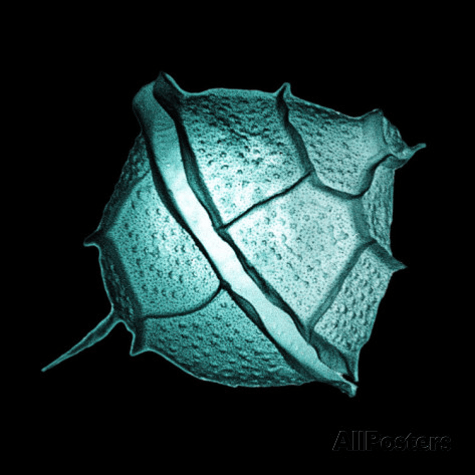
What organism(s) are pictured here?

a)

Diatoms

b)

Dinoflagellates

c)

Zooplankton

d)

Nekton

45.

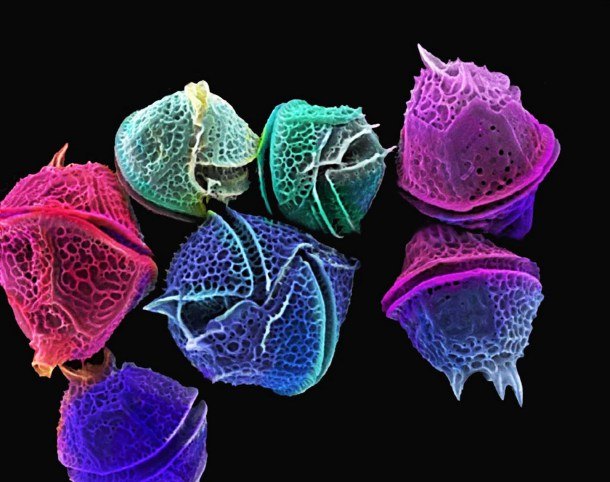
What organism(s) are pictured here?

a)

Diatom

b)

Dinoflagellate

c)

Zooplankton

d)

Nekton

46.
Dinoflagellates can cause __________ which is toxic to fish, shellfish and humans.
a)
Green TIde
b)
Red Tide
c)
Malaria
d)
Algal Bloom