
NEW
Font size
S
M
L
XL
 Worksheets
Semester Exam Day 2
Total questions: 25
Worksheet time: 2hrs 46mins
Name
Class
Date
1.
Which Ocean activity is NOT related to survival of humans?
a)
The oceans store solar energy that helps keep Earth warm
b)
Marine Algae produce a large percentage of the world's oxygen and absorb carbon dioxide
c)
The oceans play an important role in global weather patterns
d)
Oceans provide drinking water for most of the world's population.
2.
Runoff has increased in recent years because of human activities. Which activity has caused the greatest increase in polluted runoff?
a)
Higher water usage
b)
City Urbanization
c)
Illegal dumping
d)
Irrigation
3.
How are future populations affected by long-term environmental change?
a)
Future populations inherit feeding patterns
b)
Future populations pass on fewer inherited traits
c)
Future populations with inherited traits suffer from disease and malnutricition
d)
Future populations inherit traits that allow for survival in the new environment.
4.
Why is a short term environmental change more likely to negatively affect a population than a long-term change?
a)
Animals do not have time to adapt
b)
Animals always die
c)
Animals move away and leave the ecosystem with less biodiversity
d)
All Answer choices
5.
Which example describes organisms competing for an abiotic factor?
a)
Male elephant seals compete on a beach for mates
b)
Brightly colored flowers attract pollinators
c)
Cacti compete for water in the desert
d)
Lions and hyenas compete for
6.
Sunlight is extremely important for the development and growth of coral. This important factor of survival for the coral reef is---
a)
symbiotic
b)
abiotic
c)
biotic
d)
parasitic
7.
The ________________ tells you how many energy levels are used in an element.
a)
group number
b)
atom
c)
protons
d)
period number
8.
Rabbits eat lettuce and carrots. What type of relationship do carrots and rabbits have?
a)
Predator/Prey
b)
Parasite/host
c)
Producer/Consumer
d)
Predator/Host
9.
The inner energy level can only hold ______ electrons.
a)
1
b)
0
c)
2
d)
18
10.
The largest amount of electrons the 3rd energy level can hold is?
a)
18
b)
unlimited amount
c)
2
d)
8
11.
With unbalanced forces, the object will move in the direction of the _______ force.
a)
larger
b)
smaller
c)
equal
d)
cannot be determined
12.
What is a force?
a)
the PUSH or PULL on an object
b)
The MOTION an object creates
c)
The objects HITTING one another
d)
Going REALLY FAST
13.

Who are the primary producers in this food web?
a)
The lizard and the Hawk
b)
The Grasshopper and the Mouse
c)
The rabbit and the Hawk
d)
The lizard and the snake
14.
What is a organism that eats other organisms
a)
Eating
b)
cosuner
c)
consumer
d)
an animal
15.
What is a decomposer?
a)
an organism that eats dead or decaying matter and changes it into nutrients or minerals
b)
an organism that eats dead things
c)
Bugs
d)
I don't know
16.
what is a useful diagram for displaying the feeding relationships among all the organisms in an ecosystem
a)
Food wabs
b)
Food web
c)
Trophic levels
d)
I don't know
17.

A bird makes a nest in a tree. The bird gets a house, but the tree is unharmed.
a)
Commensalism
b)
Mutualism
c)
Parasitism
18.
Birds eat the flies off of a rhino's back in the savannah
a)
commensalism
b)
Mutualism
c)
parasitism
19.
A tick attaches to your dog to drink his blood.
a)
mutualism
b)
parasitism
c)
commensalism
20.
The process of change in the living parts of the ecosystem
a)
ecological succession
b)
primary succession
c)
climax community
d)
pioneer species
21.

The picture shows what type of succession?
a)
primary
b)
secondary
c)
tertiary
d)
quadanary
22.

The picture shows what type of succession?
a)
primary
b)
secondary
c)
tertiary
d)
quadanary
23.
What do we call water that flows over the ground surface rather than soaking in?
a)
runoff
b)
discharge
c)
recharge
d)
tributary
24.
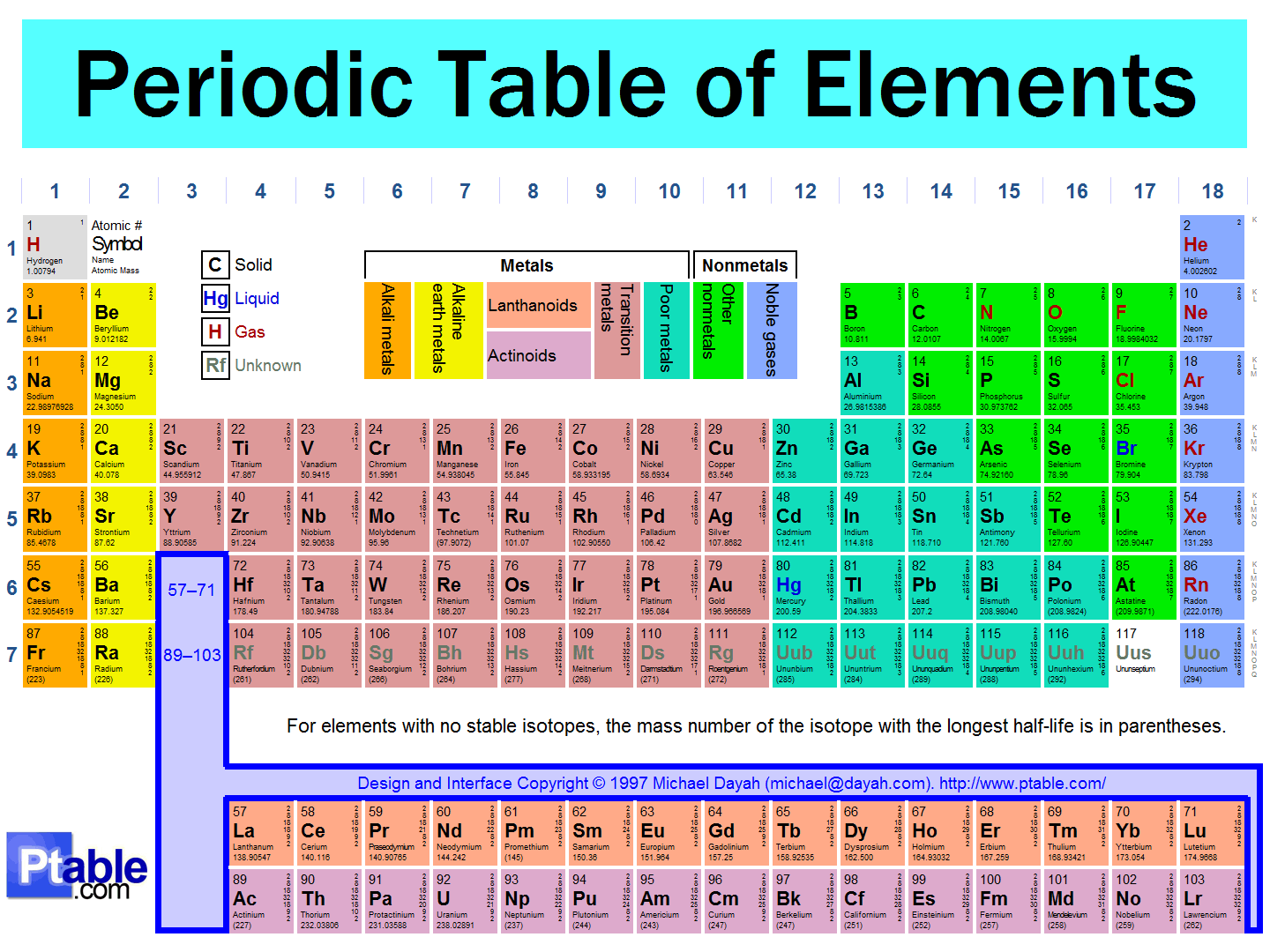
A vertical column is called...
a)
group
b)
tower
c)
period
d)
crew
25.
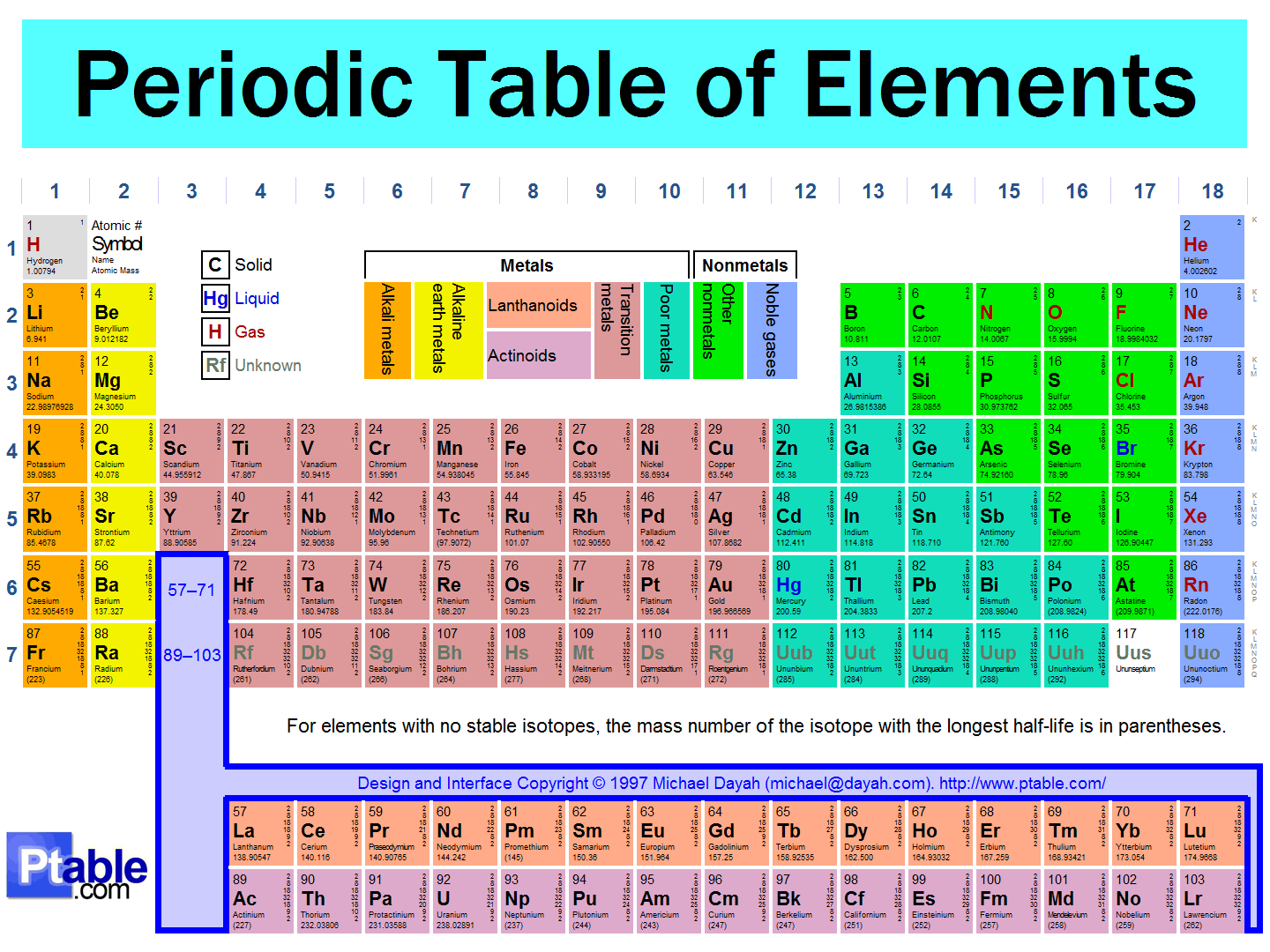
The horizontal row on the periodic table is called a
a)
group
b)
family
c)
period
d)
atomic number
Reset

